

Industry News

Stay Off OSHA's Radar with an Effective Ladder Safety Program
Author, Casey Craig, Account Executive, Construction Group, Rancho Mesa Insurance Services, Inc.
Year after year OSHA publishes the “Top 10 Most Cited Violations” and it always seems to include violations dealing with falls. Fall protection, scaffolding, ladders, and fall protection (training requirements) all made this list and all of them have been on this list perennially for over a decade. How can a company that is using ladders keep from becoming just another name on the list of violators? How can you ensure that your employees are using provided equipment properly?
Author, Casey Craig, Account Executive, Construction Group, Rancho Mesa Insurance Services, Inc.
Year after year OSHA publishes the “Top 10 Most Cited Violations” and it always seems to include violations dealing with falls. Fall protection, scaffolding, ladders, and fall protection (training requirements) all made this list and all of them have been on this list perennially for over a decade. How can a company that is using ladders keep from becoming just another name on the list of violators? How can you ensure that your employees are using provided equipment properly?

The biggest mistake made with work at height is letting your employees perform their work using materials that are not meant for that job. Employees finding a chair, bucket, or truck to stand on to get those couple extra feet are the easiest ways to lead to an accident. From A-frames to extensions and step stools, there is a perfect tool for the job at hand. It does take a little preparation before sending your employees onto the job site. Having your supervisors make sure ladders are properly set up and fully functional to ensure your employees safety is as important as training your employees how to use a ladder.
Ladders have not miraculously become safer over the years. The materials used in making ladders may have changed, but the injuries that occur from using them have been the same. Here are some common misuses:
Trying to overextend reach at the top of a ladder, instead of taking the time to get all the way to the bottom to move the ladder and maintain three points of contact.
Stepping off from the third rung instead of keeping three points of contact all the way to the ground.
Setting the ladder at the wrong angle before climbing (70-75 degrees is desirable).
Trying to move a 70 pound ladder without asking for help and losing control.
There are countless ways that rushing or not paying attention to detail can leads to injuries. The American Ladder Institute (ALI) claims all injuries that occur on a ladder are preventable with the proper attention to detail. If you know that a ladder has a bent rung, or the frame is compromised, the risk is not worth having an employee get on that ladder. Ladders are manufactured to withhold four times the weight they are rated for, but if damaged there is no telling what could make it catastrophically defective. Make sure that there is enough tread on the foot of the ladder to keep your ladder in place while working at height.
Now that we know a little about our exposure, let’s see what we can do to fix the problem. Making sure you have the right equipment is by far the most important step to keep you from running into a violation. Keep your employees trained in proper ladder safety, and only let the employees that have been trained on a ladder. Properly tie off ladders, maintain your equipment over time, and attend ladder safety seminars regularly. One huge tool that is underutilized in the construction industry is having a consultation meeting with OSHA. Have them come out and inform you of things you could be doing better without the worry of being fined. OSHA is meant to be a tool to keep your employees safe, don’t hesitate to use them.
For questions about ladder safety seminars or what policies may match your company’s risk, please contact Rancho Mesa Insurance Services, Inc. at (619) 937-0164. We look forward to helping better your risk profile.
Painters Stretching Can Lead to Reduced Premiums
Author, Casey Craig, Account Executive, Rancho Mesa Insurance Services, Inc.
Having played professional baseball for several years, I know the importance of stretching to prepare oneself for the day. My team would stretch when we got to the field, then again before batting practice, and once more before the game started. Most people reserve stretching for sporting events. They forget the importance of stretching before work - feeling they will “loosen up” as the day goes along. However, there are countless ways for employees to become injured and those medical bills can grow all too fast.
Author, Casey Craig, Account Executive, Rancho Mesa Insurance Services, Inc.
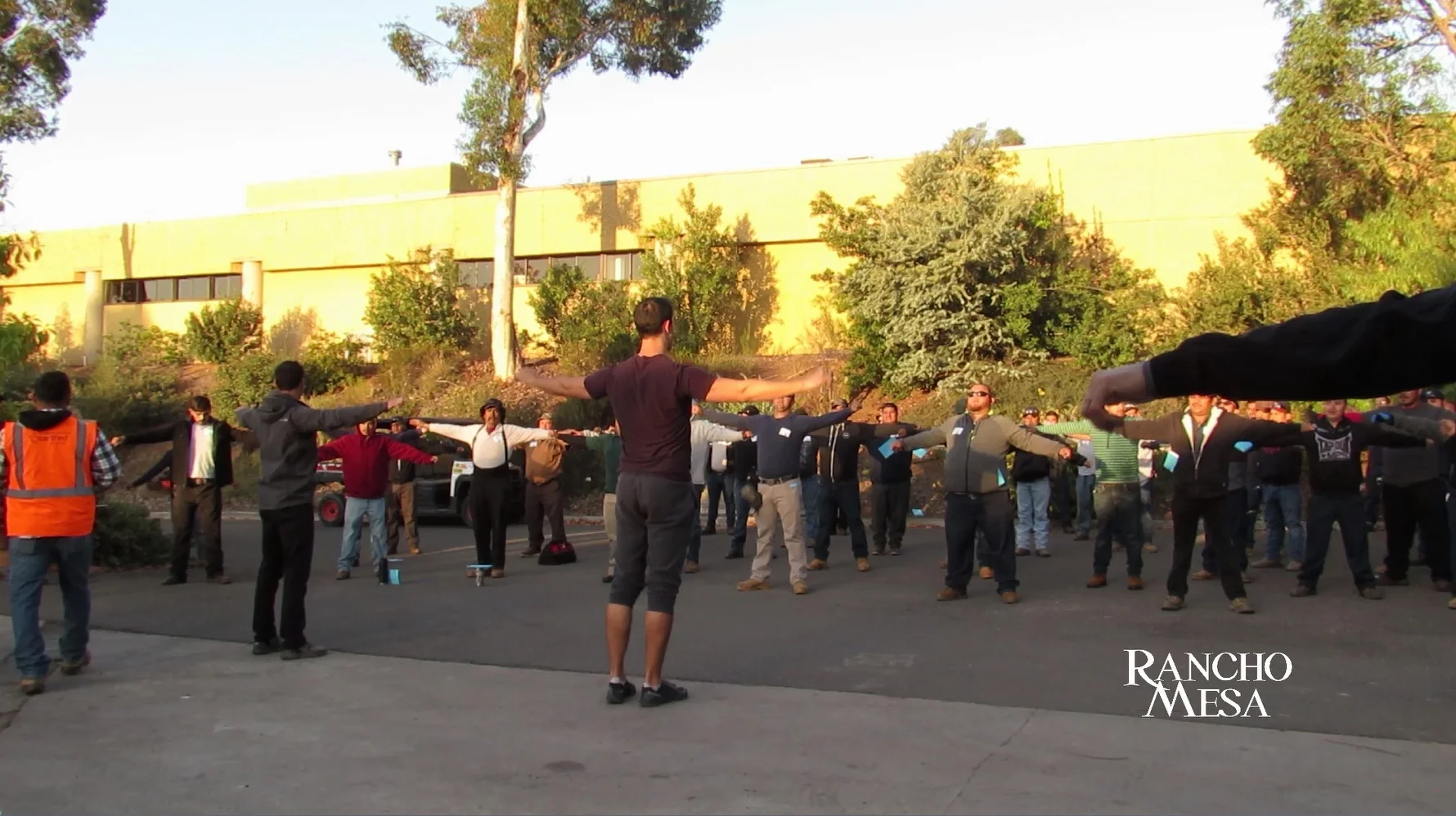
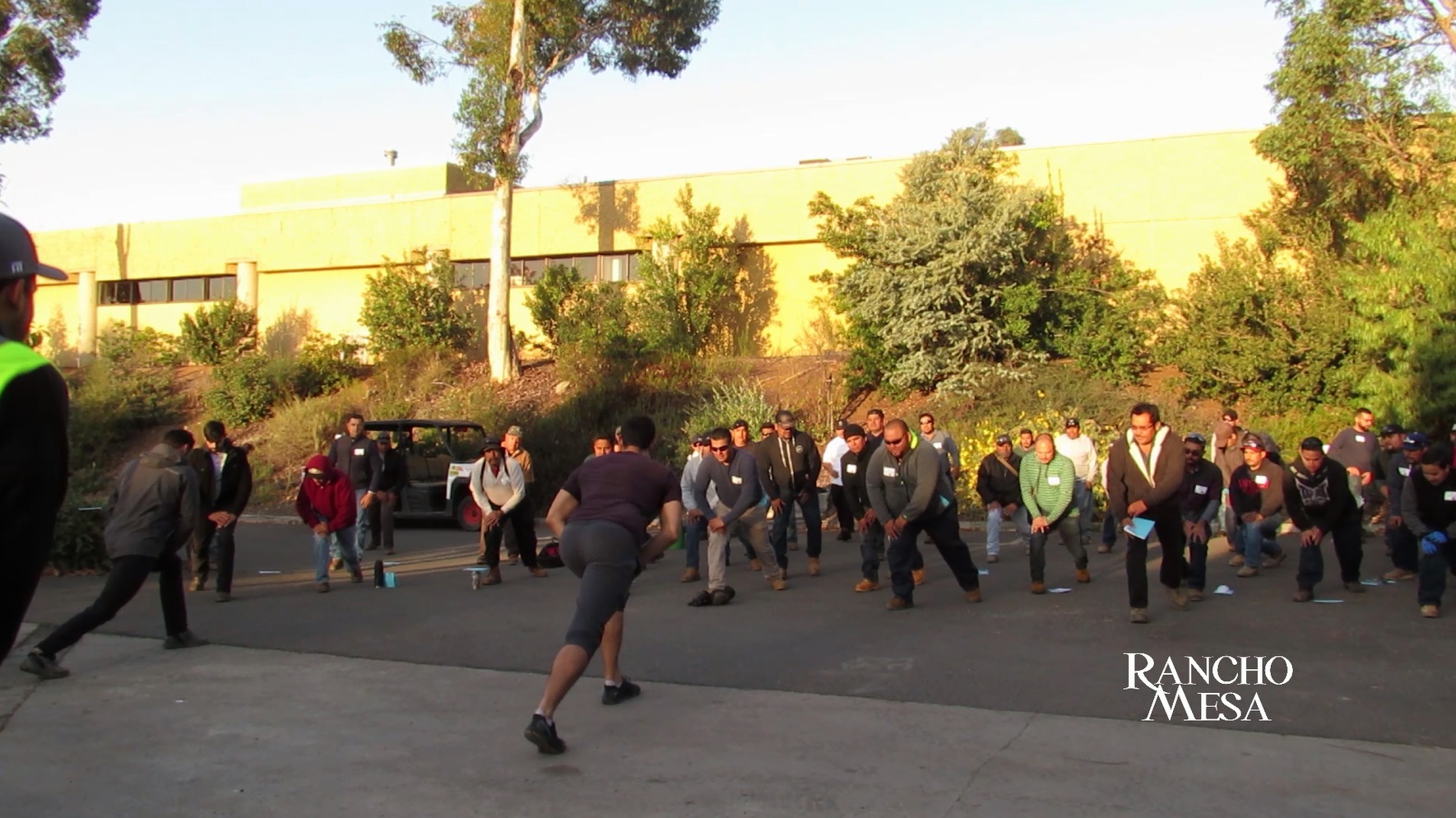
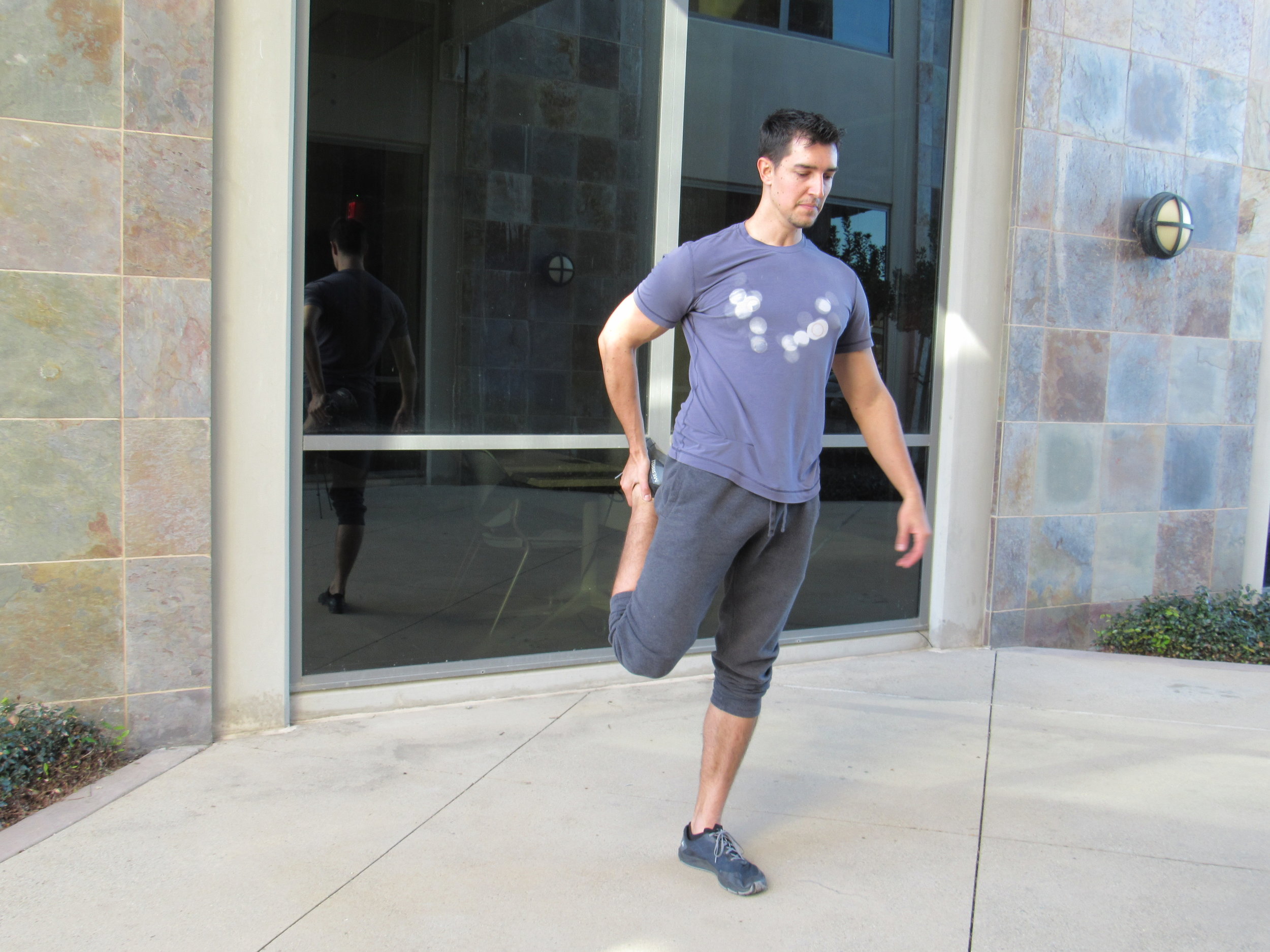
Having played professional baseball for several years, I know the importance of stretching to prepare oneself for the day. My team would stretch when we got to the field, then again before batting practice, and once more before the game started. Most people reserve stretching for sporting events. They forget the importance of stretching before work — feeling they will “loosen up” as the day goes along. However, there are countless ways for employees to become injured and those medical bills can grow all too fast.
While there are things that can be done to try to mitigate the claims after they occur, the best way to save on your premium is to prevent injuries from ever happening. If you can set aside just 5 minutes a day for your employees to stretch their muscles that will be used throughout the day, that could reduce strain and pull claims dramatically.
As recent as 2015, the WCIRB has broken down the most common injuries that occur in the 5474/5482 class codes. 57% of the injuries could have possibly been prevented by allotting just a few minutes a day for stretch and wellness. The most common injuries for painters are to their lower extremities, back, and upper extremities (not including the hand). It is easy to see, that with all the bending down and painting above their heads, cumulative injuries are going to happen if no precautions are taken. An average claim for these types of injuries can cost just shy of $35,000. Having multiple claims of these types can be crippling for a company.
Having employees stretch when they get to the jobsite, and after lunch is the best way to reduce soft tissue claims. Making sure the legs are ready to bend, the back and neck are stretched out, and shoulders are prepared for the work at hand, is as important as anything they will be doing that day.
Your employees may need a little extra energy in the morning, but caffeine reduces blood circulation and can lead to stiffness when returning from lunch. It is important to get the blood flowing again with some trunk twists, toe touches, and arm swings. This will increase blood flow throughout the body. Finally, inflammation can worsen as the day progresses, and having leafy greens reduces inflammation. Providing a healthy lunch can help to build morale and keep that nagging soreness away while increasing productivity.
Rancho Mesa has put together a Mobility and Stretch Program™ for their clients. The program has reduced the number of reported strain and pull claims, and has significantly helped drop clients’ MODs. Please reach out to Rancho Mesa Insurance Services, Inc. with any questions you may have.
Higher Workers' Compensation Premiums Linked to New Employee Injuries
Author, Drew Garcia, Vice President, Landscape Group, Rancho Mesa Insurance Services, Inc.
Based on Rancho Mesa Insurance Services’ client’s information, we have been able to identify that the majority of work-related injuries occur within the first year of employment. During the first year, the majority of these claims occur in the first six months. Having a system for onboarding and training new hires is a critical component to dealing with the heightened risk of injury during this time period.
Author, Drew Garcia, Vice President, Landscape Group, Rancho Mesa Insurance Services, Inc.

Based on Rancho Mesa Insurance Services’ clients’ information, we have been able to identify that the majority of work-related injuries occur within the first year of employment. During the first year, the majority of these claims occur in the first six months. Having a system for on-boarding and training new hires is a critical component to dealing with the heightened risk of injury during this time period.
New Hires Effect Risk Exposure
During the workers’ compensation underwriting process, companies are commonly asked if their payroll will continue to grow, stabilize, or decline. Underwriters can assume that with growing payrolls, the company will be hiring new employees. New employees will likely increase the probability of work-related injuries. Underwriters must take this information into consideration when justifying a premium that will cover the company’s complete risk exposure.
Mitigating the Increase in Premium
It is extremely beneficial for the owner and insurance broker to relay the measures that their company has committed to train, manage, and track new hires. If you are looking for a way to improve your safety efforts, consider focusing on proper new employee onboarding and training to minimize the potential impact claims can have on your company.
Please reach out to Rancho Mesa’s Client Services Coordinator Alyssa Burley at (619) 438-6869 to learn more about the Risk Management Center and how you can improve your safety training.
Advances in Active Shooter Coverage Leads to More Protections Against Broader Violent Events
Author, Chase Hixson, Account Executive, Rancho Mesa Insurance Services, Inc.
The need for insurance to cover workplace violence is at an all-time high. Traditionally, this type of insurance policy has been referred to as Active Shooter Coverage in response to situations involving mass shootings. As its name implies, the overage responded only to active shooter scenarios. They did not cover other types of workplace violence that can occur. As unique acts of violence occur, coverage continues to change to cover a broader spectrum of events.

The need for insurance to cover workplace violence is at an all-time high. Traditionally, this type of insurance policy has been referred to as Active Shooter Coverage in response to situations involving mass shootings. As its name implies, the overage responded only to active shooter scenarios. They did not cover other types of workplace violence that can occur. As unique acts of violence occur, coverage continues to change to cover a broader spectrum of events.
Active Violence Coverage offers protection when an event may or may not involve a shooter. One important development in this new coverage is that it also responses to threats of violence. A heated interaction, though no physical harm occurred, could still be damaging to those involved and have the potential to develop into something larger over time. This type of coverage will cover the costs for hired security, grief counseling and mediation, coverage of employee salaries for lost time, business interruption costs and security consultants.
This subtle change in coverage can make a significant difference to the safety and well being of the people in your organization.
To learn more about Active Violence Coverage for your organization, contact Rancho Mesa Insurance Services, Inc. at (619) 937-0164.
Equipment Hazards and Ways to Reduce Exposure
Author, Daniel Frazee, Executive Vice President, Rancho Mesa Insurance Services, Inc.
The very nature of the construction business creates risk; from injuries in the course of employment, damage to property, third party liability, etc. One important area that can be overlooked is equipment security. While there is simply no way to eliminate 100% of risk to equipment, there are several steps a contractor can take to initiate proper controls and minimize losses in this area.
Author, Daniel Frazee, Executive Vice President, Rancho Mesa Insurance Services, Inc.
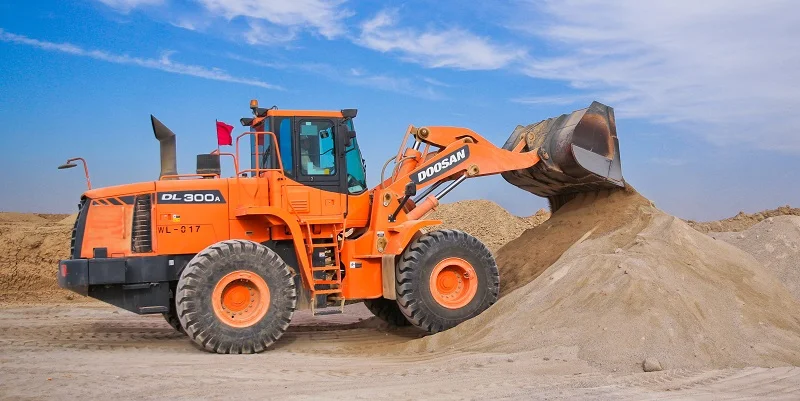
The very nature of the construction business creates risk - from injuries in the course of employment, damage to property, third party liability, etc. One important area that can be overlooked is equipment security. While there is simply no way to eliminate 100% of risk to equipment, there are several steps a contractor can take to initiate proper controls and minimize losses in this area.
Managing Keys and Locks
Locks should be placed on all vehicles, storage sheds, portable equipment, and trailers. It is recommended that “high security” locks, which are pick-resistant or laminated in steel, be used in all cases. Chains should be case-hardened and thick enough to prevent cutting. Many contractors also use locking fuel caps on vehicles and passive alarm systems, for higher valued machinery, to disable equipment or sound an alarm when there is attempted theft.
Operating or Transporting Equipment
Drivers and/or operators of equipment must be screened prior to use. Requiring a valid driver’s license is a good start, but also consider asking for medical history, criminal background check, motor vehicle record, random drug screens, and sight and hearing checks. Employees should be trained properly in company safety procedures, rules, and emergency protocol. In loading or unloading situations, consider the angle of the ramp, how your employees are stabilizing the piece of equipment, placement of flags, and ensuring the ignition and brakes are locked.
Construction Site Security
Construction sites have always been attractive targets for thieves. The considerable value of equipment, product, tools, and machinery create strong appeal, particularly if that location is not properly secured. Stepping up the security at a jobsite can come in many forms but several best practice methods stand out. They include securing a specific area within the site for equipment storage. The more difficult it is for a thief to access equipment, the less motivated they will be to take the risk of accessing the site. Maintaining an equipment inventory control with photographs and “check-out” systems can be critical to holding employees accountable. Lastly, and perhaps the most logical task to improve security on a jobsite, are regular inspections. These can occur from superintendents, owners, managers, etc. This oversight shows all contractors performing work that your equipment is important and you are managing it regularly.
Fire Prevention
Managing the exposure to fuel is an important first step for preventing fire losses of equipment on a jobsite. Engaging an outside vendor to provide fueling services is always a possible solution, but may not be realistic. If the contractor is responsible for their own fueling, consider the flammability of different fuels, location of onsite fuel supplies, tank inspection, and methods for clean-up and disposal of the fuel. Regular intervals of visual inspections by the operator and any ensuing maintenance allow for easy fixes or repairs that minimize the development of bigger issues.
As the construction industry continues reaching strong post-recession levels, the use of equipment from trade and general contractors, across the board, is more prevalent. Developing a “safety net” around jobsites, pre-qualifying those using equipment, and prioritizing theft and fire mitigation lower your organization’s overall risk. Take some or all of the ideas above as your first step in integrating equipment security into your overall safety plan.
For additional information, please contact Rancho Mesa Insurance Services, Inc. at (619) 937-0164.
California SB 1343 Expands Sexual Harassment and Abusive Conduct Prevention Training Requirements
Author, Alyssa Burley, Client Services Coordinator, Rancho Mesa Insurance Services, Inc.
In September 2018, former California Governor Jerry Brown approved Senate Bill 1343 (SB 1343) which expands the requirements for Sexual Harassment and Abusive Conduct Prevention training within the workplace.
Editor’s Note: This article was originally published on January 17, 2019 and has been updated for accuracy on September 12, 2019.
Author, Alyssa Burley, Client Services Coordinator, Rancho Mesa Insurance Services, Inc.

In September 2018, former California Governor Jerry Brown approved Senate Bill 1343 (SB 1343) which expands the requirements for Sexual Harassment and Abusive Conduct Prevention training within the workplace.
New Requirements
Prior to SB 1343, California Assembly Bill 1825, Assembly Bill 2053, and State Bill 396, required employers with 50 or more employees to provide supervisors with sexual harassment and abusive conduct prevention training every two years. SB 1343 drops the minimum number of employees to 5 and adds a requirement for training nonsupervisory employees.
According to Senate Bill 778, passed on August 30, 2019 which expands the training deadline, “By January 1, 2021, an employer having five or more employees shall provide at least two hours of classroom or other effective interactive training and education regarding sexual harassment to all supervisory employees and at least one hour of classroom or other effective interactive training and education regarding sexual harassment to all nonsupervisory employees in California. Thereafter, each employer covered by this section shall provide sexual harassment training and education to each employee in California once every two years.”
The changes made by SB 778 not only extends the due date to January 1, 2021, but also addresses concerns about supervisory employees and clarifies when temporary workers must be trained. Read about the changes here.
Providing Training
The bills also requires the California Department of Fair Employment and Housing (DFEH), “develop or obtain two online training courses on the prevention of sexual harassment in the workplace. The course for nonsupervisory employees shall be one hour in length and the course for supervisory employees shall be two hours in length.” The department “expects to have such trainings available by late 2019,” according to a document provided by the DFEH. The online trainings are expected to be free for employers.
“In the interim period, DFEH is offering a sexual harassment and abusive conduct prevention toolkit, including a sample sexual harassment and abusive conduct prevention training. Employers may use the training in conjunction with an eligible trainer to provide sexual harassment and abusive conduct prevention training,” according to the DFEH.
An eligible trainer qualified to conduct this training would be:
Attorneys who have been members of the bar of any state for at least two years and whose practice includes employment law under the Fair Employment and Housing Act or Title VII of the federal Civil Rights Act of 1964;
Human resource professionals or harassment prevention consultants with at least two years of practical experience in:
Designing or conducting training on discrimination, retaliation, and sexual harassment prevention;
Responding to sexual harassment or other discrimination complaints;
Investigating sexual harassment complaints; or
Advising employers or employees about discrimination, retaliation, and sexual harassment prevention.
Law school, college, or university instructors with a post-graduate degree or California teaching credential and either 20 hours of instruction about employment law under the FEHA or Title VII.
Note, DFEH does not issue licenses nor certificates validating a person’s qualifications to teach sexual harassment prevention training classes.
Other training options include the online Anti-Harassment training Rancho Mesa offers to all of its clients’ supervisors and employees throughout the country in response to California’s Senate Bill 1343 (SB 1343) and Senate Bill 1300 (SB 1300).
We also can recommend Equal Parts Consulting to provide in-person supervisor and/or employee training to those in San Diego and Orange Counties. To receive a discounted rate, please let them know you are a Rancho Mesa Insurance client.
Rancho Mesa Insurance will continue to monitor training options as they become available.
For questions about this training requirement or to learn how to enroll your supervisors and employees, register for the “How to Enroll Supervisors and Employees in the Online Anti-Harassment Training” webinar or contact Rancho Mesa’s Client Services Department at (619) 438-6869.
Resources
California Department of Fair Employment and Housing. "Sexual Harassment and Abusive Conduct Prevenetion Training Information for Employers.”
https://www.dfeh.ca.gov/wp-content/uploads/sites/32/2018/12/SB_1343_FAQs.pdf
California Department of Fair Employment and Housing. “Sexual Harassment FAQs.”
https://www.dfeh.ca.gov/resources/frequently-asked-questions/employment-faqs/sexual-harassment-faqs/
Cyberbulling: Identify and Prevent
Author, Sam Brown, Vice President, Human Services Group, Rancho Mesa Insurance Services, Inc.
While schools and nonprofit agencies serving youth are typically very serious about preserving child safety, organizations’ leaders may not understand the risk factors or have a plan in place to prevent a growing threat: cyberbullying. The Cyberbullying Research Center states that about 28% of recently surveyed youth and teens have been the victim of cyberbullying in their lifetime, and 16% admitted to participating in cyberbullying. This article will define cyberbullying, identify risk factors, and list preventative measures.
Author, Sam Brown, Vice President, Human Services Group, Rancho Mesa Insurance Services, Inc.

While schools and nonprofit agencies serving youth are typically very serious about preserving child safety, organizations’ leaders may not understand the risk factors or have a plan in place to prevent a growing threat: cyberbullying. The Cyberbullying Research Center states that about 28% of recently surveyed youth and teens have been the victim of cyberbullying in their lifetime, and 16% admitted to participating in cyberbullying. This article will define cyberbullying, identify risk factors, and list preventative measures.
Defining Cyberbullying
The Cyberbullying Research Center defines cyberbullying as “willful and repeated harm inflicted through the use of computers, cell phones, and other electronic devices.”
Identifying Risk Factors
According to the U.S. Department of Health and Human Services, young people who have difficulty interacting with others in-person are the most likely to participate in risky online behavior. According to StopBullying.gov, these are the following warning signs that a child is being cyberbullied or is cyberbullying others:
Noticeable increases or decreases in devise use, including texting.
A child exhibits emotional responses to what is happening on the device.
A child hides their screen or device when others are near, and avoids discussion about what they are doing on their device.
Social media accounts are shut down or new ones appear.
A child starts to avoid social situations, even those that were enjoyed in the past.
A child becomes withdrawn or depressed, or loses interest in people and activities.
Preventative Measures
In the Nonprofit Risk Management Center’s article entitled “Cyberbullying and Cyber Threats to Young People,” Lexie Williams lists useful preventative measures. This list includes:
Reparative Justice: Rule violations result in a concerted effort to repair damaged relationships between all impacted individuals. This approach has the potential to help the cyberbullying victim as well as the bully, reducing the likelihood of repeat incidents.
Behavior contracts for youth and teens, served by the organization, should explain how cyberbullying will be handled, and require a signature prior to an individual being allowed to use the Internet. This effort can be supported with training and supervision.
Establish consequences for youth who misuse technology, and follow a process for parent notification.
Reassure youth that being bullied is never their fault and provide training on what to do when they are the victim of bullying.
Keep computers and other technology in a shared and supervised area.
Convey to program participants the negative effects cyberbullying has on victims and perpetrators.
Bullying of any sort has negative effects on a nonprofit or school’s youth participants. Cyberbullying is the latest version, so an organization’s leaders must adapt to today’s tech savvy kids and the inherent risks technology can present.
Please contact Rancho Mesa Insurance Services, Inc. at (619) 438-6869 to access the “My Risk Assessment” tool and learn how to better protect your youth participants.
Mitigating Risk at Height
Author, Casey Craig, Account Executive, Rancho Mesa Insurance Services, Inc.
Falls from elevated heights are the single most hazardous injury within the construction industry; representing 38% of all construction fatalities (NSC Construction & Utilities). That is a scary fact if you are a painting contractor that works off the ground. In years past, it was common to see painters working on multi-story scaffolding with few controls in place, or working from ladders on top of trucks to get those extra couple feet needed to finish a project. Workers compensation underwriters have difficulty with risks that work over 30 feet. Why is this 30 foot threshold so critical to insurance companies who write workers compensation?
Author, Casey Craig, Account Executive, Rancho Mesa Insurance Services, Inc.

Industry Numbers
Falls from elevated heights are the single most hazardous injury within the construction industry; representing 38% of all construction fatalities (NSC construction & utilities). That is a scary fact if you are a painting contractor that works off the ground. In years past, it was common to see painters working on multi-story scaffolding with few controls in place, or working from ladders on top of trucks to get those extra couple feet needed to finish a project. Workers compensation underwriters have difficulty with risks that work over 30 feet. Why is this 30 foot threshold so critical to insurance companies who write workers compensation?
Across the entire Construction industry, 16% of all fatal falls happened from above 30 feet (NSC Construction & Utilities).
In 2016, there were estimated to have been over 35,000 painters working in California and in total there were only 3 fatal falls (Bureau of Labor Statistics).
That accounts for less than 5% of falls, slips, or trips leading to fatality in all of California.
Mitigating Exposures: Personal Protective Equipment (PPE) and Ladder/Scaffolding Safety
As with any business that is assessing risk, start by acknowledging the potential exposures of working outside. Besides utilizing appropriate Personal Protective Equipment (PPE) for work at height, the single largest exposure for any contractor is heat exhaustion. Making sure your employees are properly hydrated and shaded is easy to overlook and can have serious consequences. Fainting at height is a serious concern and any measures that can be taken to prevent this are essential. Requiring mandatory water breaks, encouraging employees to wear loose-fitting clothes, and offering shade and protection from the sun represents tangible measures that reduce the chances of an employee suffering from heat exhaustion.
Safety equipment has become more comfortable, lighter, and easier to store and transport. Working in the heat of summer makes it difficult for employees to wear heavy equipment. This can cause them to make numerous adjustments when they are in dangerous situations. Make sure employees have light weight harnesses and are wearing them as instructed. The best PPE in the world is useless if the employees refuse to wear them properly. Similarly, it is very important to test equipment one to two times a day to ensure it is functioning properly.
Proper ladder erection and maintenance is critical for working safely at height. The recommended angle a ladder should be erected is 75 degrees. New applications such as Niosh Ladder Safety or Angel Inclination can be utilized to ensure measurements are accurate. Regular jobsite walkthroughs and inspections are also important for scaffolding. It can be fairly common that other trade contractors move or alter existing scaffolding. From day to day, objects such as connections, planks, and railing can be moved by unknown jobsite visitors and can create new fall exposures. How your safety coordinator and/or superintendents inspect and re-inspect scaffolding can literally save lives.
Turning Safe Practices into Savings
We have shared a few key tips on managing risk at height. As you design (or re-design) your fall protection program, consider how effectively your insurance broker is translating this information to the underwriters involved with your account’s renewal.
Are they clearly translating how your company mitigates risk at height?
Are they sharing key details that might separate you from another competitor?
Are they using this information to leverage competitive pricing with multiple insurance companies?
What does their information actually look like when it is sent out to an underwriter?
If these questions and this information are new to your organization, consider Rancho Mesa as an alternative. We can provide resources that can fully develop Fall Protection programs, training that can make your program actionable, and a partnership that ultimately builds the lowest cost of risk possible.
For additional information, please contact Rancho Mesa Insurance Services, Inc. at (619) 937-0164.