

Industry News

The True Cost of DSP Turnover in Developmental Disability Services
Author, Sam Brown, Vice President, Human Services Group, Rancho Mesa Insurance Services, Inc.
Non-profit organizations supporting adults with developmental disabilities fulfill their missions and promise to individuals and families by employing a dedicated group of people, Direct Support Professionals (DSP). The evergreen challenge to attract and retain DSPs adds hidden costs and increases an organization’s exposure to risk. Below we outline these challenges and questions to raise with a National Best Practices insurance agency.
Author, Sam Brown, Vice President, Human Services Group, Rancho Mesa Insurance Services, Inc.

Non-profit organizations supporting adults with developmental disabilities fulfill their missions and promise to individuals and families by employing a dedicated group of people, Direct Support Professionals (DSP). The evergreen challenge to attract and retain DSPs adds hidden costs and increases an organization’s exposure to risk. Below we outline these challenges and questions to raise with a National Best Practices insurance agency.
DSP are aids who help intellectually disabled adults live in the community by teaching individual living skills and providing supported living services. While this role offers a rewarding contribution to one’s community, the DSP turnover in many states has hovered between 40% and 50% for many years due to low wages. Employers struggle to address the issue as Medicaid reimbursement rates have not kept pace with inflation or local wage markets, meaning agencies cannot simply raise pay to compete for talent. In addition, the vacancies force agencies to operate short-handed with heavier workloads for remaining employees.
There is a cost to the turnover that rarely makes it into public conversation. Every departure means another round of onboarding including background checks, training, and CPR/First aid certification. Industry estimates commonly put the full loaded cost of replacing a single DSP well into the thousands of dollars once recruiting, training hours, and lost productivity are factored in. One large service provider reported incurring $300,000 over a 12-month period on job board postings alone.
The inexperience gap can also cost the agency in the form of insurance claims. Without proper guidance and onboarding, new staff are statistically more likely to incur workplace injuries, driving up workers’ compensation insurance claim frequency as well as auto and professional liability exposures. A spike in claims frequency can mean higher premiums at renewal, compounding the very budget pressures faced in the first place.
Given how turnover directly feeds into claims exposure, an experienced business insurance agent can provide valuable guidance at the pre-renewal meeting and throughout the policy term. A few questions worth bringing to that conversation:
How is our workers' compensation experience mod trending, and is turnover a visible driver? An agent can summarize and present data, so leadership sees the direct link between staffing churn and premium cost.
Do our limits and coverage lines reflect current exposure, particularly abuse/molestation coverage, professional liability, and auto/non-owned auto liability for client transport?
What loss-control or risk-management resources do the carrier and insurance agency offer? Training modules, toolbox talks, safety app, HR compliance, and incident-reporting tools can help get new hires up to speed faster and reduce early-tenure incidents.
Is our incident reporting uniform and strong enough to support aggressive underwriting at renewal? Agents can advise on claims reporting lag and best practices that help demonstrate leadership’s commitment to safety and partnership with the insurer.
How do we get favorable pricing that considers our hiring practices, below average turnover rate, and safety training? Underwriters want to learn of an agency’s structured onboarding programs, defensive driving certification, or de-escalation training that could offset costs while also improving employee retention.
How are we positioned for a hard market cycle in liability lines, given the sector's exposure to abuse/molestation and professional liability claims?
There is no easy solution to the DSP staffing crisis, but organizations that understand the connection between workforce stability, risk management, and insurance costs are better positioned to navigate the challenges ahead. Taking a proactive approach today can help protect both the population served and the long-term sustainability of the organization.
If you have questions about any of the topics discussed in this article or would like to talk through your organization's unique circumstances, please contact me at (619) 937-0175 or sbrown@ranchomesa.com.
Education, Leadership and Impact: A Conversation with Francis Parkers CFO Mike Rinehart
Author, Daniel Frazee, Executive Vice President, Rancho Mesa Insurance Services, Inc.
General engineering contractors deal with a myriad of risks on a daily basis. Even though these risks are typically few in frequency, they are high in severity. This means the claim is going to be significant and could ultimately impact your company’s financial and reputational standing within the industry. Too many times I have seen contractors only focus on the claim after it happens, which is reactive. I recommend taking a proactive approach and have your foreman and project managers focus on the near misses.
Author, Daniel Frazee, Executive Vice President, Rancho Mesa Insurance Services, Inc.
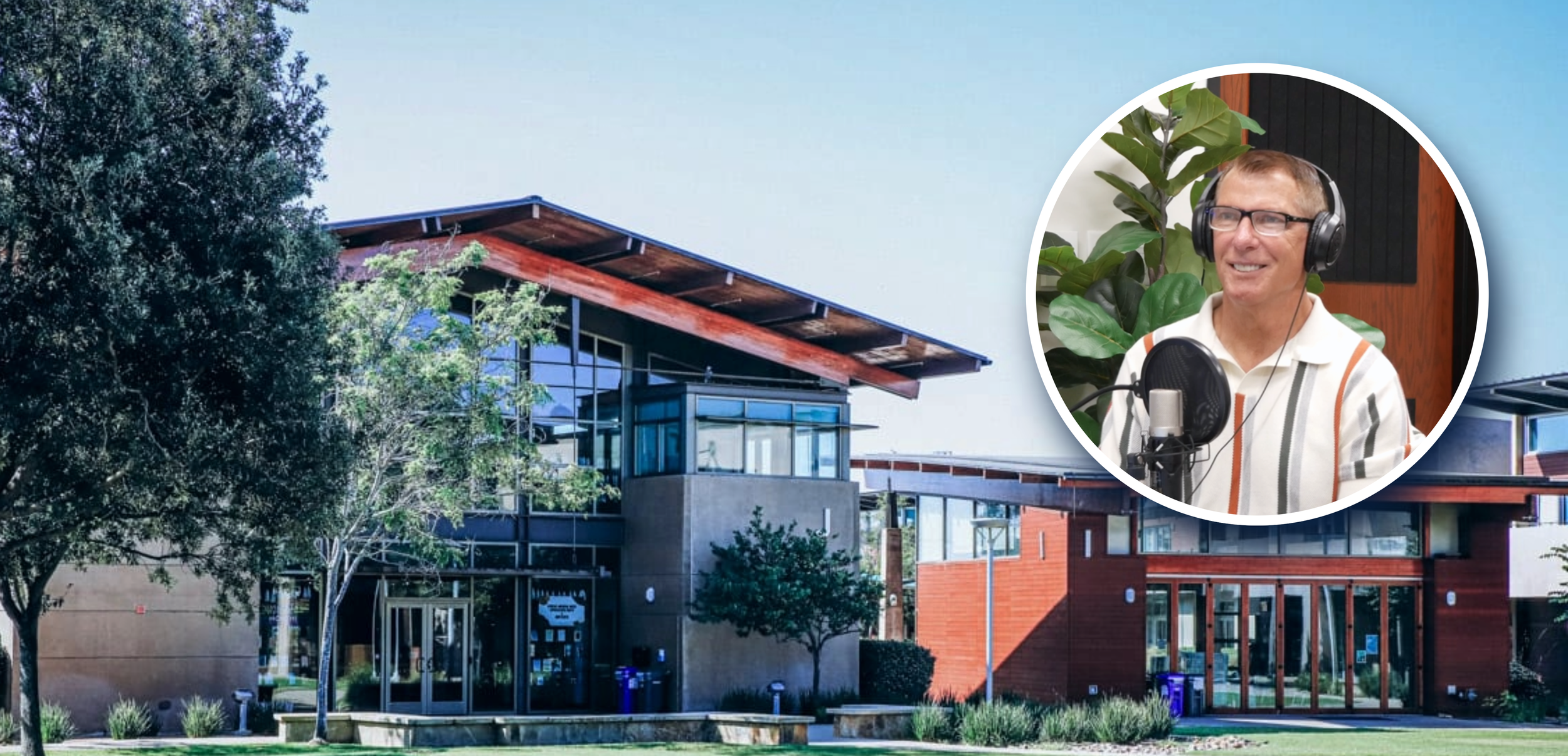
I recently sat down with Francis Parker School (FPS)’s Head of Operations/CFO Mike Rinehart to learn more about his background growing up in San Diego, the many facets to his impressive career in finance, and what is now his second “chapter” back at Francis Parker. We discussed the partnership between Rancho Mesa and Francis Parker, a long-time client and regarded by many as San Diego’s premier traditional independent college-preparatory school.
Mike was fortunate enough to spend some of his early years in the Netherlands where his father was working on a research team. There, Mike attended an all Dutch speaking school before his family moved back to San Diego. Raised in the suburb of Del Cerro, Mike was all things sports all the time. Attending Patrick Henry High School, he narrowed that focus to football and baseball. Sports helped shape him in many ways and he continued that competitive spirit in college where he played football for San Diego State University (SDSU).
After graduating from SDSU, Mike embarked on an eclectic background initially as a financial analyst for a defense contractor. He then worked for 7 years at a Fortune 50 mainframe computer company that provided exposure to many roles in cities across the country, ending in Silicon Valley. He then became a controller at a Telecommunications company that later was spun off into a new entity. Mike was then given the opportunity to run the Asia Pacific sales team, broadening his expertise.
Mike was originally introduced to FPS through former parent and Board Member, Bill Ingram. Mike’s first stint as Chief Financial Officer at FPS ran from 2011-2016. He was then offered a once in a lifetime opportunity to join a company started by Bill Ingram in Seattle, WA that was attempting an initial public offering. Mike took that opportunity, leaving FPS in 2016 and was a critical piece to quadrupling revenues and successfully taking that firm public. Returning to San Diego in 2023, FPS called him back again where he assumed a new role as the Head of Operations/CFO.
Throughout our discussion, Mike shared just how important his family is to him, celebrating 40 years of marriage, and his two children and two grandchildren. He also shared specifics of his role at FPS, the many challenges he faces in managing risk and how Rancho Mesa has remained a trusted partner in that process.
PAGA: The Scariest Four-Letter Word for California Employers
Account Executive Raysan Benito sits down with employment law attorney Bob King and breaks down how PAGA works, why it has become one of the most feared compliance challenges for home care agencies, and the practical steps business owners can take to reduce their exposure and protect their organizations.
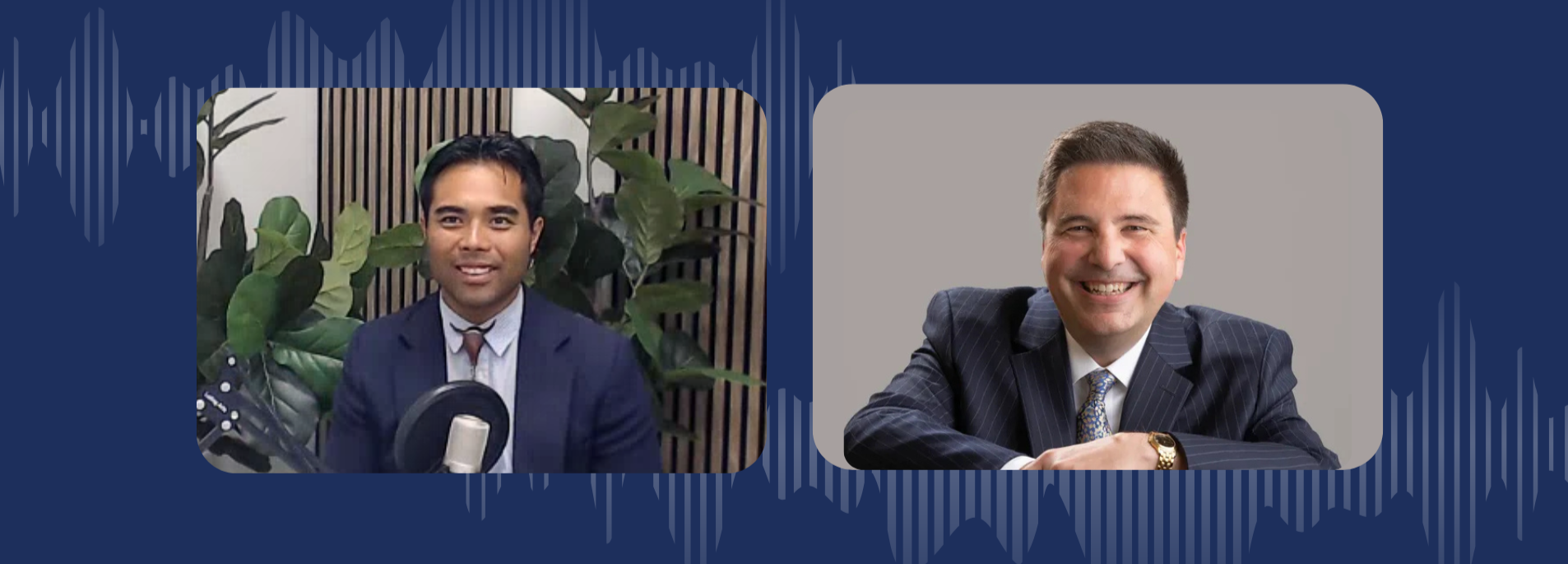
Account Executive Raysan Benito sits down with employment law attorney Bob King and breaks down how PAGA works, why it has become one of the most feared compliance challenges for home care agencies, and the practical steps business owners can take to reduce their exposure and protect their organizations.
Raysan Benito: You're listening to Rancho Mesa StudioOne™ podcast, where each week we break down complex insurance and safety topics to help your business thrive. I'm your host today, Raysan Benito, account executive with the Human Services Group. My guest today is Bob King, someone who has spent over 20 years in the trenches of employment law, helping agencies avoid very expensive mistakes. From Georgetown to the University of Chicago to founding Legally Nanny, Bob has built a career defending agencies against wage and hour claims, audits, and of course, PAGA. If there's a compliance issue that can take a business down, he's probably seen it and fixed it. Bob, welcome to the show.
Bob King: Well, Raysan, thank you very much. Beautiful day for a podcast. I am elated to be here. I got the presentation that we're going to talk about, and I am excited to be with you. And let me just start by giving my little introduction to Raysan. This man, he puts the Energizer Bunny to shame. He's relentless, absolutely relentless in the best way possible. I got to know Raysan because he kept messaging me, and he just wouldn't stop. And he was really nice about it, though. And I just had to meet with this guy. And I did. I will say to you, in all honesty, you are one of the most optimistic people. Not only optimistic, but just downright, you sort of have this warmth about you. And you're one of the most kind-hearted souls I think I've met in this business in almost three decades of doing this. So it's my pleasure to be with you. And I'm glad I responded to your messages. And I appreciate what I will call the professional persistence. So thank you very much.
RB: I am also elated to be connecting with you and to be talking about a four-letter word, as you put it. So this was your title. It was the four-letter word that scares businesses. So let's talk about even just the title alone. So what I'd love to do is just break down first. We're going to be talking about PAGA. That's the depth of our conversation here. But as we're talking about PAGA, I'd love to learn a little bit more about it and then why you wanted to call this podcast the scary four-letter word. So let's break down PAGA and then why you decided to name it that.
BK: Sure, yeah. I mean, it is. It's truly the scariest four-letter word or four-letter acronym, I suppose, that a California business is ever going to encounter. And why? Because in the state of California, if you do one thing wrong, Raysan, you've done 10 things wrong. And if you've done one thing wrong, you've probably done it wrong for all of your employees across your entire company. And so when you do that, you have a $10 mistake that becomes a $50,000 mistake. And by the way, that's chump change compared to what most PAGA claims are.
So to answer your question, PAGA is the California Private Attorneys General Act, PAGA. What does it mean? It means if a plaintiff's employer, I'm sorry, plaintiff's lawyer can find one of your employees, just one, where you've done something wrong, then that employee can represent all of your employees and they can sue you on behalf of all of your employees. So that's what you're looking at. And that's why it's scary because it's not a one-off. It's a company-wide problem.
RB: Okay, so I understand now why this four-letter acronym is a scary word because it is one of those where, by my understanding, these employees can represent the state of California or they act, almost deputize is some words that I've heard with regard to that. And so what you're saying is let's talk about an agency, right? So let's say that these agencies, they have over 50 caregivers, let's call it on the roster. So just one of those can represent all 50 of them. And if I'm understanding you correctly, that 50 would be a multiplier. So just the one $10 becomes exponential from that.
BK: You got it. And the way California works is they stack penalties. So here's my best example. Say you pay an employee multiple rates of pay in the same work week. You're supposed to do a blended rate of those two to figure out what the overtime is and what the paid sick leave is. Well, if you don't do that, then you may have underpaid that employee, okay? And even if the damages are $1.12, here's what else you've done. The pay stub is wrong. OK, and by the way, because the pay stub has the running total for the rest of the year, it'll be wrong for the rest of the year. And there's a per pay stub penalty. OK, so that's four thousand dollars. OK, just in pay stub penalties. And wait, if that employee is no longer with you, you have to pay. Well, first of all, when you when an employee ends their employment, you have to pay them all wages. owed at the time of the termination. Well, guess what? You underpaid that employee by $1.12. So technically, you didn't pay that employee all the wages owed. So that means you owe the waiting time penalty of 30 days of pay.
And I once had a home care agency owner say, oh my gosh, you mean I owe a month's pay? And I'm like, oh my gosh, it's worse than that. You owe 30 days of pay, right? So take whatever they earned in a day and multiply it by 30 plus the pay stub penalties, plus the actual damages, plus the PAGA penalties, okay, which is $100 for the first infraction, $200 for all subsequent infractions, plus 10% interest on whatever's owed, and the kicker, just for good measure, plaintiff's attorney's fees. So there you have it. So, and that's for one. Now multiply that by everybody this happened to. Okay. And go back a year. Oh and go back a year that's the other thing see race on it used to be that you used to have a class action which would scare the living daylights out of people but a class action is a very formalized sort of proceeding that you have to go through a variety of court hearings and meet a number of measures to do that etc. etc. They still exist classes I defend classes all the time but a PAGA is sort of like a lazy man's class action because all you need to do for PAGA is send a letter to the state and wait. You wait 65 days and then you can file a lawsuit because the state's not going to investigate. And that lawsuit says, hi, I represent everybody going back one year. Here are all my claims. Boom.
RB: OK, so now I'm actually going to go off script just a little bit here because I really want to understand this. I want to understand this because when, yeah, I had, well, I did send you the flow beforehand and I just went, okay, this is kind of it. But as you're talking, I'm going, okay, I'm making all these different connections because when I think about how the time that you've spent, these decades of time that you've spent working with agencies around PAGA I'm curious to know, let's talk about almost PAGA at its inception and your initial understanding of it when you were just a brand new bright-eyed bushy-tailed attorney and then when and then sort of the rise of it and where we're at now and I you know bonus points as well if you could maybe even speak to COVID because I'm sure that that had a factor in it as well. But kind of walk me through the life cycle because then it's 2004 is when it is when it…
BK: Yeah early 2000s I’ve been practicing a lot longer than PAGA’s been around I’ll have you know but…
RB: Oh wow okay, I didn’t mean to date you, so let's talk about that when it was first enacted your initial impression of it and then this rise and then sort of where we're at today with it.
BK: Sure, so when it was first enacted, I don't really think most people paid attention because you always had class action lawsuits. But then to defeat that, you would have employers roll out arbitration agreements. And so if you're an employee and you have an arbitration agreement and you say, ha, I'm going to sue you and I'm suing you with a class action, I would stuff that arbitration agreement back in your face and say, mm-mm, you can't represent everybody. You can represent you in arbitration. And it stops the class action, right? And now, sure, they can do serial arbitrations one after the other, but that's a lot of work. Plaintiff's lawyers aren't interested in that. But then along comes PAGA. And arbitration agreements aren't that helpful against PAGA. That's the God's honest truth because now you can have something what's known as a headless PAGA claim where the employee simply just doesn't have any individual claims but represents all of your employees anyway. It's crazy. And arbitration agreements are not as effective against that. You can't stop that. PAGA became the plaintiff's bar solution to arbitration agreements stopping class actions. That's the issue you have, right? And that's why it became so lethal. And it's much easier. As I said, there's all these requirements to a class action. You have to prove that your representative is typical, that there is enough members of the class, all of these criteria that don't exist in PAGA. PAGA is, you know what you need for PAGA? An envelope and a stamp. And you mail that letter to the state. And once you've done that, you count 65 days and you can file a lawsuit. And that's all you need.
RB: Let's go to the letter and the envelope. One of the slides that you had was you've got mail or you got mail. So walk me through what that means exactly, I suppose, from the plaintiff's side and then your experience and best practices as it pertains to this letter and how to prepare for it.
BK: Sure. So listen, home care agency owners, you get a lot of mail. Totally get it. But I'll tell you, you've seen ostriches and they put their heads in the sand. Ostriches get eaten when they do that, okay? If you think that the best course of action is you get a letter and you ignore it, that's not good. OK, because now with the reforms with PAGA, you can do a PAGA audit when you get notice of a lawsuit. In fact, you can do that PAGA audit even before the lawsuit, which is even better. We'll talk about that. But in a worst case scenario, if you get a letter that says you're being sued or they're going to file a PAGA claim, the first thing you should do is do a PAGA audit to figure out what the problems are and correct them if you can. And that will substantially decrease the penalties. But you've only got. 60 days. 60 days to do that audit. So I beg of you, if you get something in the mail, the first thing you want to do is call your insurance broker to see if you have coverage for this.
If you don't, the second thing you want to do is call a lawyer so you can get started on a PAGA audit. And then that lawyer can oftentimes call the plaintiff's counsel and see if we can work out a deal before they actually file the lawsuit. So that interim time is absolutely critical. Sometimes you can make PAGA cases go away entirely. If you've already been sued and somebody files suit, you can make that second one go away when you call the plaintiff's counsel and explain what's going on. Or sometimes you can just call the plaintiff's counsel and say, we have a tiny company and no money. There's no merit to this. Can we talk about an individual settlement? If you can short circuit this before they actually file that lawsuit, Hallelujah. Because once they file it, the only way it's getting dismissed is with the court's approval. And that's a process. So that's why it's imperative.
And sometimes you won't even get the PAGA letter Raysan. You'll just get a letter that says, I want documents from this employee. Every plaintiff's lawyer says this. I want their personnel file, their time and payroll records, yada yada. You have 21 days. 21 days for the time and payroll records. You have 30 days for the personnel file. Here's the deal. If you don't provide that, that in and of itself is liability. And it's a clear signal to plaintiff's counsel that you're either scared or disorganized or both. So if you get mail, open it, respond to it, deal with it. That's the best way to go.
RB: There's two, well, there's three routes I want to take now after hearing this.
BK: Talking to me is like drinking out of a fire hose.
RB: Oh, I'm here for it. I'm totally here for it. And I'm just going, all right, okay. So because now my brain is going on all these different directions. So what I want to hear then is a couple of aspects of it. So one, I want to step into agency owner's shoes. Ask you, okay, well, what if they say that we're fine and there's no issues, we feel like we're compliant. And then I almost want to segue because we had talked about going into this PAGA audit, what that is, what it looks like. So what would you say to the business owner that goes, we're fine, pretty sure we're up to date, we're compliant with regard to these wage and hours, I feel like everything's buttoned up. How would you respond to an agency owner that feels that they're confident in that place?
BK: This is an agency owner who's done the PAGA audit or who hasn't done the PAGA audit?
RB: Has not.
BK: Okay. So I am not a gambling man. I work too hard for my money to try and bet it away. But if I were, I would tell you, I would bet the farm that if you haven't done a PAGA audit, you are not in compliance. There's almost no way. And I'll tell you because California law is just so Byzantine.
Like, here's my best example, okay? And I know we're going to get into the depths of the subject matter, but I just have to give you this example because it's so classic. In California, we have paid sick leave. Everybody understands that. Raysan, if you make $20 an hour and you call out sick, you would expect to be paid $20 an hour. And in most cases, you would be. But if during that work week, you were paid different rates of pay, or maybe you got a bonus because you took a last minute shift. Well, those things need to go into a blended rate. And so if you worked one shift for maybe four hours. and you were paid $21.17 for that shift, right? Or not 17, but say $21 for that shift for just four hours. You worked 36 hours at 20 bucks. Cool, cool, right? And you call out sick and you should get 20 bucks? No, because the law says those four hours, you have to blend that $21 rate with that $20 rate. And so your paid sick leave wage might be $20.68 or whatever the math works out to be. You're not going to know that. you're going to just pay; the normal person would pay whatever you would normally earn. But that's not what the law requires. And if you didn't do that, it's wrong. And you got a problem, right? And that's a classic example of, or I will say the word split shift penalty, and it'll be like a deer in headlights. Half the people in the audience won't know what that is. And that's fine. Why would you? It's preposterously complicated. But it's another thing that trips agencies.
Or here's some fun ones. The current mileage reimbursement rate is 72.5 cents per mile. 72.5. Not 72, not 75, okay? Not 67 as it was in years past. It's 72.5. Again, I had a client just the other day that, oh, we were just reimbursing at last year's rate. Never changed it. Or reimbursing at 72 cents. Close enough is not the law. It's not correct. You got a problem.
RB: 72.5. I want to just reiterate that for mileage reimbursement.
BK: For 2026, yes. 72.5 in 2026.
RB: Make note of that, please, agency owners.
Okay, so let's go to the audit. Yes. The PAGA audit. Yep. What does it entail and why is it important?
BK: Sure. So the PAGA audit is going to go through all your payroll practices. Okay. And by the way, you don't have to use me. There's lots of people who can walk you through a PAGA audit, but it is, and there's no set format necessarily. What I did was I looked back on all my years of defending home care agencies and PAGA cases. I looked at all the claims and then I created a checklist. It's a Word document. And it simply says, okay. Item one, minimum wage. The current California minimum wage is $16.90. Take a survey of 10 to 20% of your employees in the last one year. Verify that you're paying at least minimum wage, $16.90. Unless you're in one of these 20 some odd, 30 some odd jurisdictions that are local and have their own minimum wages. Here's the list. Verify that you're paying the local minimum wage, right? And that's how you go. And you start going there. It covers a wide variety of issues from minimum wage, overtime, the personal attendant exemption, travel time, meal and rest periods, you name it, final pay, what your pay stub looks like. It's a multi-page checklist. And you're going to take that 10 to 20% sample going back one year, and you're going to verify each of these items for each of these employees in the sample.
And then once you're done, okay, and by the way, you do all this. I don't do this. There's no reason to pay me to do this. I will review your findings with you, okay? And we'll see if there are problems or not. And if there are, do you want to correct them or not? Like, how do you deal with employees who no longer work for you? Do you want to open up that Pandora's box by sending them a check for $6.47? Maybe you do. Maybe you don't. I don't know. Is it one employee? Is it 100? I don't know. So we walk through your findings and determine, can we correct these things? Because the more things you can correct, the fewer bases they have to sue you for. But some people don't want to correct. They only want to do it on a going forward basis. Cool. I always say to people, I'm your lawyer. I'm not your priest. I'm not your rabbi. I don't judge. I just tell you what the law is, and I tell you what I would do.
That's another problem with most lawyers. They will just tell you what the law is. I'm not a law professor, okay? I stand in the home care agency owner's shoes. I will always tell you what I would do if it were my agency. And by the way, I am frugal as all get out, and I expect the same in my clients. So I look at a dollar reason for what we're doing, okay? But that's the PAGA Audit.
So you go through it, you work with somebody to verify your findings, and then you decide if you're going to correct or not. And once you've done that, and if you correct and you get everybody, okay, then you can considerably lower your penalties. If you decide not to correct, then at least you know what your liability is going into the lawsuit.
RB: So there's a self-assessment. And as they have that self-assessment, go through that checklist. They'll review it with you. And then you'll share with them based on the findings, perhaps some coaching or thumbs up, you're doing just fine.
BK: Yeah. I mean, after we review the findings, the first question is, is there anything wrong? If there is, do we correct it? Do we correct it previously? And then how do we correct it on a going forward basis? Okay. And then if we have problems, that also allows us to say, okay, this is what this case looks like. Like maybe it's not all of our employees. Maybe it's just a subset who worked overtime. OK, well, that's cool. At least I can then pick up the phone and say to plaintiff's counsel, hey, you know, this 500-person company, you actually have a PAGA class of 43 employees because most of them don't work overtime. So that's so it's a much smaller case. So can we talk about a settlement of this much smaller case that probably isn't as interesting to you? Right. And then you give them all the data to show what you're doing. And you see.
RB: I want to talk about pay. Because when I think about agencies, there's a broad stroke that I'll make when I think of a team with an agency. You obviously have the owner. You'll typically have marketers, so business development people. You'll obviously have caregivers, and then you'll have admin and staff. I remember when you had done a talk previously, you were talking about salary versus hourly and then you were talking about the benefits of salary can you speak to that a little bit as it pertains to pay rate of pay?
BK: Sure so look here's the deal, by default every single employee is non-exempt meaning they're hourly they only qualify to be exempt meaning salaried if they meet certain criteria both in their job duties as well as in their pay OK. So it's not like you can just decide, oh, you know what? You want to be hourly? Cool. You, caregiver can be hourly. No, you can't, because as a matter of law, their job duties don't qualify to be salaried. Their caregivers are always, always non-exempt.
Your office employees like they'll often say, well. Sally's my head of HR. She's really great. And, you know, she's exempt. We pay her $50,000 a year. And I have to break to him that Sally's not exempt because that's not the required salary. The required salary is take whatever the state minimum wage is, double it, multiply it by 40, multiply it by 52. You're north of 70grand. OK, that's what you're that is what the required salary is. And by the way, you can't just say, OK, fine, we're going to pay salary, we're going to pay Sally 75 grand. Therefore, she's. No, we have to look at what Sally does, okay? And there are two buckets to qualify for the exemption in the home care world, okay?
The first is the executive exemption. You have to supervise two or more employees. They have to actually be employees. They're not independent contractors, okay? Authority to hire and fire or your recommendation is giving great weight to hire and fire. You're doing primarily exempt duties, okay? And you're exercising discretion and independent judgment, okay? That's the first one. That's executive exemption, okay?
The second one is the administrative exemption, and that's where you're a specialist in a certain area, okay? So you might be a specialist in HR or accounting or whatever, but you can have care managers because they have a siloed set of skills. You're a specialist with specialized training and knowledge who works under only general supervision. Okay. So that's a lot of like the care managers, the client intake people, you can, they can be exempt depending on how you structure their role.
But here's where you lose the exemption. You have to be primarily engaged in exempt duties. Okay. So if all of a sudden you've got somebody who works half time in the office and half time as a caregiver, that person is never going to be exempt because you're blowing it. Okay. So please, I know we all like to mix and match. Everybody does. Don't do it. Do not because you're going to lose that exemption it's going to be the worst of all worlds so if you have somebody who's exempt please keep them exempt and I, the last thing the and what you're referencing is on call if PAGA is the scariest four-letter acronym “on call” is the scariest phrase for a home care agency owner please if you can staff exempt employees on call. Because trying to deal with hourly employees on call with their hours and the meal and rest periods and the overtime and everything else is a disaster. If you can staff an exempt employee on call, you're paying them for all the hours they have in the day and night. So don't worry about it. Just staff them if you can.
RB: It's helpful. Just to reiterate, exempt employees on call, that would be the best practice. If possible.
I want to talk about fear and the scariness of PAGA. When I think about fear, I think about there's three sort of responses that I've heard. There's the fight, there's the flight, and freeze. When people talk about PAGA and the fear around it. So when I think about the action that needs to be taken for agency owners, call it three helpful takeaways that they should do right now after listening to this podcast that would be most helpful.
What I heard you say was the audit, really important. I would also say assess the nature of work of your exempt and non-exempt employees. And I'd also say that open your mail. That sounds very, very simple. Those are some helpful takeaways for me. But what would you say? For someone who just sees this phrase and they go, I don't know what to do, almost paralyzed with fear or, oh my gosh, I want to jump all over this. How would you respond?
BK: Sure. So, well, I want to throw a softball back to you. Another thing every agency owner should think about is their insurance coverage. I'm serious on this, right? I mean, here's the thing. Employee Practices Liability Insurance, EPLI. is something every agency owner should consider. I'm not saying it's right for everybody, but I am saying you ought to look at it. But the other thing is, if you look at EPLI, you also should consider whether you're just getting insurance for the basics, like retaliation, harassment, discrimination, wrongful termination, or do you want to purchase a wage an hour rider, which would cover you for the stuff we're talking about.
I had a client just last week said, oh, I have EPLI coverage. Well, it was just the basics. It didn't cover wage an hour. And that was a problem. Now, EPLI coverage is expensive. OK, so you have to weigh the risks versus the reward. I don't care where you come out on that, but I do want you to think about it. So that's the first thing.
The second is there is you're right. It is a fight or flight sort of reflex. I will have some agency owners that are absolutely furious and they will. They're not going to talk to me. They're going to pick the phone up and call plaintiff's counsel directly and give them a piece of their mind. Nothing good can come of that. Nothing. Because all you're doing is you're giving them free discovery. They're going to ask you questions. You're going to come off like a lunatic. And if you irritate them, a lot of this is personal. If they don't like you, they're going to go after you harder. And that's the thing. I read an interesting blog post the other day, and it was an attorney saying, my clients get so mad because I'm friendly with opposing counsel. Guess what? Being friendly with opposing counsel, or at least being professional with opposing counsel, as opposed to being this belligerent jerk, it gets you so much farther down the road. Why? Because these cases don't go to trial. They're too expensive. They're too risky. They settle. Who do you want to settle with? Who do you want to work with? Somebody who treats you with respect, even if they disagree with you? I'll take a smart plaintiff's lawyer every day of the week than a dumb, stubborn lawyer, okay? Being aggressive is not being effective necessarily, okay? I am aggressive, but not in a disrespectful way. You have to be able to cut a deal.
And look, I play on the heartstrings of these plaintiff's lawyers. That's a hard thing to do, okay? They are not the most charitable people necessarily, okay? But I always like to explain, look, You're not suing Google or Amazon, okay? You're suing literally a mom and pop business or a one franchisee office who helps seniors and disabled people stay at home, okay? We have a limited ability to raise rates. These people do good work. Can we reach some sort of an accommodation here? Okay? Sometimes it works, sometimes it doesn't. If they've had a parent or a grandparent who's gone through home care, sometimes it works, right? But the point is, you can't be all fire and brimstone with people because it's not going to be helpful in what you're doing. Aggressive, sure. Like, I always pick up the phone at the beginning and call a planner's counsel and say, these are the areas where I think you're right. They damn near fall out of their chair when I say that, okay? But it's true. And why do I do that? Because If we have liability, it establishes my credibility, okay? And it also gives them a little bit to hook onto. Like, if you shut the door and tell them you're going away with nothing, that's a harder sell than, look, I think 90% of your claims are bunk, but you got us on the mileage reimbursement. So can we reach some sort of deal on that?
Because here's the deal. These firms are sharks. They want the massive cases. They want the eight-figure settlements. So if I'm talking about a settlement that's ten thousand dollars, they don't want to deal with that. They'll take the ten and move on. Right. So if I can show them why it's only ten, you can go a long way with that.
RB: That's helpful. A couple more questions as I'm looking to land the plane. One is it's personal when I think about this, because as I speak with agency owners as well. You know, we've been talking about some scary stuff, candidly, but I think about a conversation I had with an agency owner that said, I am not sure if I want to continue this, continue in my agency with all of this PAGA and lawsuits and class actions. What encouragement would you give to the agency owner that just is nervous or scared of these types of lawsuits?
BK: I would say, okay, look, I'm a brass tacks sort of guy. So I would look at it from, sure, there's risks, but there's also rewards, right? Anybody who's been anywhere near home care has heard about the silver tsunami and the baby boomers are getting older and the market's there. There's a massive need, right? If you develop an agency that works and you and your people care, there's great money to be made.
But there are risks. OK, there are risks. So how do you mitigate the risks? Well, you work with an attorney and I'm not a shill for attorneys. I really want to specify that. But you work with an attorney. It's like you do it once, do it right. And then don't worry about it again. So set up your agency correctly. Make sure you're in compliance with the laws. Make sure all the settings on your payroll software are correct. OK, I hand to God, that's at least five to 10 percent of the errors are because somebody checked the wrong box on a payroll software. It's not the software's fault you just checked the wrong box well that's a problem. So what I would say to you is mitigate the risks make sure you're setting it up correctly, do an audit at least every couple years just to make sure because it's amazing I have agency owners all the time say I don't understand we changed payroll companies and something changed and now all of a sudden we're not doing this right. So just please do an audit every at least couple years to make sure things are still going correctly. Consider insurance. And the last thing is, and I know it sounds ridiculous, but it is the absolute truth. Treat your employees well. Happy employees don't sue. They just don't. They don't.
And oh, one more thing I'll tell you. You talked about fear. I use this example all the time. It's a morbid example, but. It's, in my experience, absolutely the best example I can give. Getting sued in a class action or a PAGA case is like getting diagnosed with cancer. It just is. It can be fatal. You could die. Your agency could go out of business. More often than not, you pay attention to it, you're diligent, you get on it, you deal with it, and it goes away. And it's in your rearview mirror. I have been a lawyer for 28 years. I've had one, literally one, agency go out of business who got sued in that entire time. They also had
embezzlement and a whole bunch of other wacky things going on. So they were one foot in the grave anyway. But other than that, every single client who's been sued lives to fight another day. So I can give you that hope as well, that if I were a betting man, I would tell you that just because you're sued, it's fine. By the way, it's sort of like getting some contagious disease. Once you're sued, you're highly unlikely to be sued again because you've got liability going back. And then until when the court approves it. So in that time, if you don't correct the errors that got you sued in the first place, shame on you. Chances are you have. And once you have and you've been sued, by the way, if you've been sued with PAGA, here's the thing. People don't sue you again because the presumption either is that there's no merit or there's no money left. So they leave you alone. Not always, but usually it's a good indicator.
RB: I knew this conversation would not disappoint. And you certainly delivered, Bob King. So as I'm looking to land the plane, I love to add, this is something I thoroughly enjoy doing, is just adding a human element to this. You're going to be speaking at CAHSAH as we're recording this podcast. And then you'll be also HCAOA, is that right? Is that what the acronym is?
BK: Home Care Association of America. I speak there most years and I speak at their California events too. I'm on podcasts. I spend no money on marketing and advertising. I just speak and write about home care legal issues constantly. And that's another thing, too. I don't write newsletters. I don't have time to write them. You don't have time to read them. You want to get all the legal updates, follow us on our social media, okay? Like, literally, just this week, we posted July 1st. Coming up, minimum wages, local minimum wage. State minimum wage goes up January 1. July 1, half a dozen municipalities have minimum wages that go up, plus health care minimum wage goes up. Check it. We've got the stats for you right there on our socials.
RB: Love it. So being the premier attorney for agencies, I want to add a human element to it. So I have a sort of an off the cuff question, but I love to add it just to learn a little bit more about you. But what is one hobby or interest that your professional network would be surprised by?
BK: I don't know if it's a surprise because we actually, I always post about personal stuff on our business pages. It humanizes it, right? Like my son went to home care agency conferences, my daughter went to nanny agency conferences, and they've seen them grow up through the years, and it's kind of cool.
Here's my passion outside of work. I'm a points and miles hobbyist. I travel, but I refer to myself as destination agnostic. I don't know where I'm going. I go where the deals are. OK, so here's my pro tip for everybody out there who's interested in travel. OK, go to Google Flights. If you don't know what Google Flights is, go to Google Flights. It's a free service. And here's what I do. I say, LAX, leave the destination blank. Fill in all the filters. I want no more than one stop. I want business class. I want no more than this budget. You know, I want to lay over no more than four hours, whatever. Leave it blank. It will then give you the globe, okay? And it will show you where the deals are, right? Maybe you want to go to Casablanca. Maybe you want to go to Seoul. Who knows, right? But we've had some of the most outstanding trips because I sort of went where the deals were. And that's what I would encourage you to do. And also be flexible on your dates. But I love travel. I learned so much from it and you know but you and I’ve talked about this my father passed away when I was young and you never know how long you got so you got to make the most of it. And we always travel with our you know as a family or sometimes like one of us will take a kid somewhere and that's fun too just a one-on-one sort of parent kid thing and my kids are adults now and they remember all this stuff and they remembered a heck of a lot more than like whatever was under the Christmas tree they like the experiences and they travel now too which is really kind of cool. And they're taking after the old man and they're using points and miles. So, you know, I actually do that for Christmas sometimes. I give them a stash of points and miles and say, make the most of it. And, you know, we'll see where they go. So it's great.
RB: Love it. Always the educator. How can people get a hold of you, Bob?
BK: Sure. It's just it's Legally Nanny. And we started because 23 years ago we hired a nanny for my daughter and I was determined to do it legally. And I couldn't find anybody who knew all the ins and outs of taxes and law and home care. And then we started having people call us and saying, I don't need a nanny, I need a caregiver. And now we represent literally thousands of home care agencies nationwide, nanny agencies, and family employers. We're LegallyNanny.com. Find us Facebook, LinkedIn, Twitter, X, whatever. But it's just Legally Nanny.
And listen, I'll say this. I always close with this because I'm serious. I love what I do. Most lawyers are grumpy. I'm in a good mood. I'm an evangelist, right? And I'm in a good mood because here's the thing. Home care agencies do noble work. They help people maintain their independence and their dignity. And that's a really, really gratifying thing. And I get to be a tiny part of that. But I get to be a part of that. And that motivates me on a daily basis. And it's fun.
And you're good at what you do because you care. And you can tell it. And I guess that's how I'd leave it. Like recognizes like, I guess. And I'm honored to be with you today. And I'm grateful that you decided to have me on your podcast.
And if we can help you or your clients, I'd be glad to do it.
RB: What a gift. Thank you, Bob King. I appreciate it.
Thank you for tuning in to our latest episode produced by StudioOne. If you enjoyed what you heard, please share this episode and subscribe. For more insights like this, visit us at RanchoMesa.com and subscribe to our weekly newsletter.
Navigating Today’s Nonprofit Challenges with Arnulfo Manriquez
Author, Sam Brown, Vice President, Human Services Group, Rancho Mesa Insurance Services, Inc.
Human Services Group Vice President Sam Brown interviews Arnulfo Manriquez of the Manriquez Group to explore the evolving challenges facing nonprofit leaders, from funding pressures and board governance to leadership transitions. With his decades of experience in the nonprofit world, Arnulfo shares practical insights on adaptability, strategic decision-making, and how nonprofits can position themselves for long-term sustainability in a changing environment.
Author, Sam Brown, Vice President, Human Services Group, Rancho Mesa Insurance Services, Inc.

Human Services Group Vice President Sam Brown interviews Arnulfo Manriquez of the Manriquez Group to explore the evolving challenges facing nonprofit leaders, from funding pressures and board governance to leadership transitions. With his decades of experience in the nonprofit world, Arnulfo shares practical insights on adaptability, strategic decision-making, and how nonprofits can position themselves for long-term sustainability in a changing environment.
Sam Brown: Hello, everybody. You're listening to Rancho Mesa's StudioOne™ podcast, where each week we break down complex insurance and safety topics to help your business thrive. I'm your host today, Sam Brown, Vice President of the Human Services Group at Rancho Mesa.
Today, I am joined by Arnulfo Manriquez of Manriquez Group. I'm really excited about our guest today. So, Arnulfo, welcome to Rancho Mesa and StudioOne.
Arnulfo Manriquez: Good morning, and thank you for having me here to join you in this conversation.
SB: Of course. Yeah, long overdue. You're a guest that we've wanted to invite in for many years, so I'm glad we're able to make it happen.
I really thought it would be timely to have you in today because our nonprofit clients and all of, say, San Diego's nonprofit leaders are facing a changing environment. I don't know if it's unique or not. I'm sure there are some differences and some unique characteristics, but someone of your experience, I feel like could speak to past lessons, maybe the role that the board could play in assisting leaders today or what that relationship should look like between C-suite and the board.
And as well as, hey, what are the skills that today's nonprofit leaders need to really sharpen, to adjust to decisions that they need to be making, perhaps some tough ones. So first of all, again, welcome. And hey, what's going on? What's new with you, Manriquez Group, and your personal life?
AM: Well, so the Manriquez Group is new. I've been working with nonprofit organizations for over 33 years. Actually, June was when I graduated from college, and my very first day at work was with a nonprofit.
SB: Nice.
AM: And so it is timely being able to then go off on my own, but really more focused on the reasons why you just talked about why I wanted to do this work. So from a personal perspective, it was the right timing for me as I have three children. All three children are out of the house for the most part. My oldest is in Scotland on their last year of veterinary school. My middle daughter lives in Long Beach Works in Disneyland as a hairstylist with the characters and also with the wigs out there, getting everybody ready out there. And my son has just completed his second year at UC Davis. And so when you look at what's been going on in my own personal life and the shifts, it was really timely for me to be able to go off on an adventure like this.
So in my own personal world the last couple of years I've taken a big interest and learning about wines. Not just going out and drinking them but really learning about the history of the wines the regions understanding where they come from why they taste the way they do and so I've been taking a lot of classes on there and so ultimately my passion has become a little bit more than just a passion. And Tonight, I'll be taking my level three certification for the Wine and Spirits Education Trust, WSET. So I'm a little excited, nervous for the exam. It's going to be a difficult one.
SB: Yeah. So just so everybody knows, I offered Arnulfo coffee and he said, no, he had to keep his palate clean today. So that's how serious this exam is. And I respect it. Nothing but water until this exam, probably. So that's exciting. And you've said that previously you've done some of your studying south of the border. In Mexico's wine region. So what have you learned there?
AM: Well, I've learned one is that I got enamored with the Valle de Guadalupe, with the overall region just by itself. Just going out there and enjoying the environment, the rustic and the rural feel of it, right? It's not fully developed. And then just enjoying meeting the winemakers and the wines. So for me has been, the last 11 years have been, it's the reason why I got so involved with the actual studies of my wines. And from all my classes were done in Spanish. This most recent exam is the only one I've taken in English. But what excited me is and what I've learned about is that Mexico is a very young winemaking region up here in the northern part. And when you compare them to those in France and Italy where they've been making wine for over a thousand years, it is something new and different. And I do actually think that all my lessons and classes and certifications are going to help me have an impact in the winemaking industry and out here as well, because that's the vision I have out here.
SB: Right. Well, that's exciting. I mean, love to see people fall on their passions, whether they be new or ones that have remained dormant for many years. So kudos to you. I wish you the best of luck on the exam today. I'm sure you'll crush it.
AM: Thank you.
SB: So regarding the environment that nonprofit leaders are facing today, what are some things that you feel like maybe are presenting some new challenges? And then maybe what are some challenges that you're seeing that maybe have always been there?
AM: I think the funding crisis that we're seeing right now, and I think crisis is the right word to use. It didn't just happen today. This has been in the building for the last couple of years. When you started looking at what was happening with the state of California budgets, and you started looking at the situations of the city of San Diego, the impacts of these funds, and then some of the referendums that they had on elections that they didn't pass. And so we knew that some of these things were happening. I was seeing them happen within the industry while I was there. It shouldn't be new for most nonprofit leaders, right? But it is.
People are treating it as if it just happened upon us. And so people do need to have, you know, all these government pressures that, you know, we've been feeling it, and they play a big role with the rest of the funding that's coming along, as well as the, with the federal changes that we've had. And we always know when a new administration comes on, we're going to see some changes, sometimes favorable to the nonprofit world, sometimes unfavorable. But we're in that latter part that we have seen a lot of flat funding in the funding sources. And we have seen where there are opportunities to pull back that's being pulled back. And so these are things that we needed to be prepared for, right? We had seen what happened back in 2016 in that administration. And so I kept thinking, that was the practice. And then this time around, it's going to be when the influences do happen and make bigger changes there. And so it's happening.
SB: I find that there's a phrase that has been used called mission creep. And that would be sort of a practice where an organization may venture away from its original roots to pursue maybe programs that are in need in the community or some funding that has become available and is sort of riding a wave of popularity. What would you say to an organization that wants to broaden its revenue streams, but also maybe not put itself in peril by doing a poor job if it's accepting new contracts?
AM: That's a great example because I see it often. It's that mission creep is what we know. Sometimes we call it, we're chasing the money.
SB: Yes.
AM: We're chasing where the money is so that we can make that next payroll for the next year or two. And really what an organization has to be doing right now is, normally, organizations only look at one year to year for the next year of their budgets. But ultimately, we should always be looking at three to five years. We should be planning out where these contracts that we have are going to go, how the fundraising and what changes in the government we might be seeing that might impact us. And so really focus on doing at least a three-year projection of your budgets.
And pay attention to that mission creep, the chasing the money, because it's what gets us in trouble sometimes, right? When we get cuts in certain areas, sometimes we can get a temporary fix by doing some fundraising until we re-stabilize again. But there's a phrase that people use that say, stick to your knitting, like really stay good, you know, focus on what you're good at. If you're going to venture out, it needs to be a strategic venture out it needs to be focused on this was part of our plan this was part of our strategic plan this is where we wanted to go and grow and if it's not there stay away from it.
There are moments right now where in this current environment that we are receiving cuts organizations are receiving their cuts and sometimes it's to the point where you're not getting cut fully but you're getting 60% of what you got in previous years. And pay close attention to what that's going to do with your operations, right? We are not going to fundraise our way out of this. This is not just going to be an anomaly for this year. And so if you can operate at that 60%, if you can pull back and operate it, then do that and begin to look at how you diversify your funding, not chase it. But you also might need to make a decision of saying, Can I do a good job with this 60%? Am I going to chase my tail trying to do the fundraising to keep the rest of the staff that we had going? And we are in an environment where you're going to have to focus somewhere. And if you start going out there and saying, we're going to increase what we are already fundraising to keep this program going, this year and next year might be the time where you say, this is not a viable program for us. And we need to pull back.
And have conversations with your peers, right? If there's another organization that's operating the same program and they also got cut 60%, figure out how you can do this work. It might just be where they've been doing a much better job. You can pull back, maybe they can get that funding or you can subcontract some of the work to them so that you're not having to do that fundraising for now. So there are maybe some temporary solutions that might be two, three years, but don't try to make, this is not the year to try to make it all work because there's more coming.
AM: Yeah, I think that's sage advice. And I've seen where clients and other organizational leaders in town are having to make tough decisions about which of their contracts are financially viable to say, well, if this contract has been a loss leader, then is that maybe first on the chopping block or maybe you don't pursue the renewal or participate in the RFP when it comes up for renewal.
But speaking of RFPs and given the financial crisis or funding crisis, as you mentioned, do you feel like this is going to become a more competitive environment for these various contracts or RFPs that maybe organizations have always felt like they sort of owned the contract without much competition previously?
AM: Yes. And they will, it's always been competitive, right? We've always had the, even if it's the contract that organizations have had for decades, it's always been a competitive process. But I think it's going to be a different type of competitive process. There are bodies of government that are shifting their strength, where they can make and vote decisions where they couldn't before. You've got the county that's been looking at how they're going to subcontract a lot of their programs, but they're also receiving cuts from the state and the federal government. So sometimes it may feel like we're just getting all these county contracts, but they're really tied into the overall picture. And so those are the places where you need to be paying attention to.
And it's a time where you have new leadership there. And they may be saying, you know what, maybe it's time for a change. If there's an organization that's been doing that work for 20, 30, 40 years, and there have been, that there are other organizations that can look at it in a different perspective and look at our current environment and that can adapt a lot quicker than organizations that have some. calcification in them.
SB: Okay. So I think you and I talked about this yesterday a little bit. Sounds like with those changing government bodies, you have new representatives in those roles. Maybe those longstanding relationships that were once very strong are getting a little bit of a shakeup as well. And so the new governmental leaders may be bringing a new perspective and saying, well, you know, what does this other organization have to offer? And maybe taking a closer look at other entrants into the RFP process.
AM: Yes. And we all belong to a certain generation, right? You know, I'm Generation X. We've got the Boomers. We have the Millennials. Gen Z is playing a big role in what's happening in the overall environment, right? In the political environment, but also in they're beginning to fill a lot of these roles. And you are seeing some of these stepping into, like, let's start our own nonprofit. Let's start doing this work and think in a very different way. It's not a bad thing that these changes are coming or that these changes may come, right? But it does behoove us to take a step back and say, okay, we are, you know, if you're a leader that has been doing this for many years, are you listening to your staff, are you listening to the different conversations that are coming up of to what they're seeing out in the community what they're facing day in and day out and how they're looking at the overall environment because um Sometimes we get stuck in our ways and this is something, it happens every generation and happens every time. When you talk about, we used to have real music back when, right? I don't know that I've ever really used that phrase because I am stuck in my own music and I've tried to go find new music to listen to. But that's what leaders have to do. They have to go in and understand out there, how this generation is perceiving their realities, right? And what are some of the ideas that they have to be able to shift? I think that's going to be important to stay competitive in this process.
SB: Okay. So the board of any nonprofit organization should play a role in some of these tough decisions. But what should the process look like whereby the C-suite, the CEO, the chief operating officer, the CFO are informing the board to a degree where everybody, board member, finance committee, governance committee, C-suite can make some of these tough decisions?
Because I imagine I would bet you that not all board members feel informed, which that should be a concerning feeling if that is true. So how does an organization avoid that?
AM: Well, it is a two-way street, right? You join a board because you're passionate about it. You care about it. You care about the work. You care about the community that it serves. And you want to make sure that first that you attend the board meetings. That you read the information ahead of time, that you participate in the committees because that's where the biggest work happens. And if you feel as a board member that you're not fully informed, you have the ability to ask all these questions and over ask sometimes, right? But do understand your role as governance, right? You're asking governance questions. You're not asking about how are we doing the intake on these forms when the participants walk in, right?
SB: Right.
AM: And so stay at the level of governance for the organization. And do be prepared to have the conversations about we just received a 60% cut on these funds. How is it that we want to work this through? And the board can provide that direction generally about saying, you know what, maybe it is time that we pull back from this program. It's not going to kill the organization. It is going to shift. You may have to do some layoffs, but you are looking at the long-term viability of the organization, right? Sometimes these temporary fixes can pull you away from that overall vision.
And so board members need to be prepared to have those conversations. And when they come to the board, right, I think that's important when the CEO and leadership staff are having this conversation with the board, be thoughtful and understand that they have gone through several iterations, right? So when an opportunity comes up and says, I think we need to pull back, it's not an easy thing for any executive to say that, right? So it comes with a lot of difficult process to get there. Nobody really wants to do that. So be thoughtful of that and then plan out how you're going to be communicating this.
SB: Right. When you've been the leader of previous organizations, was it a priority of yours to make sure that You had board members that had previous board experience with other organizations so they could bring those experiences into the room and decision-making process?
AM: Well, not necessarily. It's not always the case, right? Because there has to be a first time for somebody to step into a role. And the organizations that I've led more recently are complicated. Complex organizations. Multiple programs, federal funds, different roles that the boards have to do and approve and move forward. And many times they are technical decisions that they are approving that they don't necessarily understand, right? Real estate transactions and surveys with the participants of the child care programs or the preschool programs and so forth.
But it is important that we also build board leaders. Future board members that may be able to also go and sit on other boards. And I am a big proponent of organizations and people and individuals that care about their communities, that they get involved in their own boards. And so while I've been executive and I've had board members and I've reported to boards, for the last 32 years, I have sat on boards. Not the same board, but there are term limits in many of these organizations, but I've consistently sat on different boards that I care about of the work that they do, making sure there is no conflict of interest with the work that I'm doing.
But all of that experience has taught me governance, right? Understanding how my board works with me and understanding how I can work better with the executive as a board member. And I've had the role of board chair on multiple occasions. And these have been local organizations, regional, statewide boards and national boards. So to me, it is that experience matters and it's important. If you're interested in being a board member, you don't necessarily have to start out at the biggest organization or the one where everybody wants to be a board member. Go find the ones that you care about and you start then connected and understanding the roles. But be present, right? Be there and always ask the questions.
SB: Right. Yeah. Be present. Be active. Probably the worst term we could ever use is “sitting” on the board. We don't want sitters. We want doers.
AM: Perfect word.
SB: So in your role then as interim CEO, are there any commonalities regarding the various challenges that you've accepted? Or do you think that there's a certain maybe set of circumstances that makes an organization ripe for bringing in an interim CEO?
AM: Well, there's two things. One, when there is an existing CEO, I think it is important to start looking at kind of collaborating and sharing some of this work with other organizations, right? We talked about mergers of organizations, but merger is not always the answer, right? Sometimes it is, you're going to have a shared CFO, you're going to have a shared grant writer, you might have a shared compliance officer or HR that are going to help the organizations. But when boards are beginning to look at a transition and when they're looking at whether it's their decision to exit the CEO or the CEO has given notice and they're going to be leaving. On some occasions they're going to be left without a CEO and then they may promote an internal person to the CEO role or as an interim role. But the boards need to be strategic about what's going to happen with that role. You don't want somebody that's going to sit there or maybe, you know, we used the word sitting right now but yeah there's going to be able to sit there and kind of like do status quo and keep the operations until the new permanent person comes on board.
I think it's the moment of opportunity for boards to be able to bring in an experienced CEO that is not interested in being there for the long term, but that someone that can come in day one and start not just keeping the organization stable, but looking at all the places that need to be addressed, that need to be fixed, that need to be shifted or restructured. And every organization will have it.
Successful organizations with successful CEOs that are on their way out. The boards are still going to have some form of limited information because it's what they get. But it's always great to have that third party come in and they can give them and paint the picture of what exactly is in front of them so that when they hire the new individual coming in, that new individual is not going to come back two, three, four months later and say, I discovered this, I found this out, and we have to make these decisions or we didn't do X, Y, Z. And it happens a lot more often than you think. So if you sat on a board and you've had transition, you know what I'm talking about. So be very intentional, right? Interim roles are not somebody that's going to come and step in and keep just normal operations. You want to make sure that they're going to come in and they're going to be able to understand the structure and they can share with the board. So then the board will know exactly who they need to go out and hire.
SB: No, that's interesting. So it sounds like there could be a very intentional decision to when there's a CEO transition rather than going from, say, a long tenured CEO to the next hire, the next permanent, quote unquote, permanent CEO to say, hey, let's bring in an interim CEO who may uncover some things or look at it from an impartial perspective and educate the board as well as other stakeholders.
When it is time to actually get that new, hopefully long tenured CEO in place, maybe a maybe a middle step to say, OK, maybe we're not ready for that, quote unquote, permanent hire. So let's get there with maybe a different perspective first.
AM: Yes. And it does really it will make it easier for the board to make a decision of who that individual is once they know exactly what they have in front of them, right? If there's a problem and the fix is going to be long-term, they will understand that they're going to need to bring somebody with those strengths that can move that organization, right? You don't want the interim providing the vision of how the organization is going to move forward. They are going to bring a vision, but it's a short-term vision, right? This is the time that I'm going to be here, and this is what I plan and can do with this timeframe that I have. But I do feel it will make it a lot easier for board members to identify that next leader. And it may be a leader that has not been an executive director before, but because they know what's in front of them and they know how they can put the guardrails to help this new person coming in, they can now provide opportunities and open doors to people that normally would not have been looked at before.
SB: That makes sense. So given what you've seen, the various organizations that you've sort of ushered into a changing landscape, or as you're paying attention to headlines and talking to leadership, both at the state level and local; what are some skills that you feel like today's nonprofit CEOs ought to at least have or be working on to ensure their success today and then in the future?
AM: Well, you're going to, you know, leaders now, they have to be okay with bringing difficult decisions forward, right, for the board members if it needs a board decision. And being able to implement them themselves, right? So it is always important to be present it is important to be, to communicate it, right? Don't dismiss when questions come up from difficult decisions that you've made and it is a moment of adaptability those that are going to succeed those that are going to be able to keep their organization strong it may not be as big as the organization as they were operating a year ago but those that are able to adapt and make those shifts are preparing themselves for the long-term success. So adaptability is important. And being prepared to look at a merger. I think that right now, the opportunities are more ripe for a merger. And this is something, you know, mergers have, conversations have happened over the past many years. Funders sometimes will say, why don't you guys just go together because you're all asking me for the same type of money. And so there was a time and a place when it was right, when it wasn't right. We're at a moment right now where it does make that important strength for that organization.
You look at the corporate world out there and you see some of the stronger corporations out there are the ones that have merged, that have bought other corporations and so forth. Not that it's a model that is aligned for non-profit organizations but they do it because it strengthens them moving forward and when you look at it from that perspective boards need to be paying attention to where it matters, right? And so from the leadership of the board, boards should not be rubber stamp boards, right? That they follow whatever the CEO says, that they do need to pay attention. They do need their own separate time. They do need their own closed sessions. And they need to be having some of these conversations because boards have a lot of power. Not many boards use that power. And I'm not saying go out and use it every day because then it's going to be crazy for the executives there that are reporting to those boards. But boards do have the ability to influence and to make these decisions. And so have the thoughtful conversations, have the data that you need to be able to make those decisions. So leadership at a board level is ultra-important right now because they may bring over the change that the CEO may not be thinking about or may not want to be doing.
SB: Okay. So we've talked a lot about the current environment. We've talked about how some challenges that maybe have always been there, maybe some challenges that folks would consider new, although they may have been in the building for a couple of years now. So we've talked about the role of the board, as well as how maybe an interim CEO could influence in a positive way the path of the organization. And then as well as some skills that existing leadership should either work on or hone and maybe a future path and maybe some opportunities.
So we've talked a lot about some really important subjects that I know I'm talking with my clients about. Sometimes we might be talking about insurance on the same conversation. Other times they may be giving me a call and saying, hey, we're thinking about going in this direction. So this has been a helpful conversation for me. And I know our audience will gain a lot from it as well.
Going to a lighter side, I don't know if you've ever seen the movie City Slickers, but there's a scene where they're sitting around the campfire and there's two characters who are supposed to be sort of the Ben and Jerry's Ice Cream founders. They don't use those words. I think it's Ira and Barry. If I'm not, I think it's Ira and Barry. And they're sitting around the campfire and Billy Crystal's character says, “All right, I'm going to give you a meal and you need to tell me what ice cream. I should consider on that meal.” And it's a pretty funny scene.
So coming from somebody who is not a connoisseur of fine wines, these might be softball questions for you. And you might be wrong and none of us would know, but I'm going to ask you anyway. So, okay, I'm sitting around, I'm going to have a filet mignon, heavy on the pepper, with maybe grilled asparagus and maybe some, and a baked potato. Let's go real simple here. Just a baked potato. Yes. What would be the glass of wine of choice for you?
AM: Well, that's a big heavy cut of meat and with the peppers out there, with the spices. So you don't want a wine that is going to get lost, right? Because that flavor can take away a lot of the flavors of the wine. So you want to bring in a wine that is going to pair up and have a couple rounds against that steak that you're looking at. So my own personal favorite and my go-to would be a 2020 or older Barolo. And because it has the right amount of tannins, it has the right amount of acidity and the fruit that is going to be able to really pull out and enhance the flavors of that steak out there. It's not everybody's wine, but you can have a Pinot, a nice Pinot Noir that's going to be if you're looking for a little bit lighter. But I think the average of what most people will be going to is getting a Bordeaux blend. That Bordeaux blend is going to be very, it's a lot more palatable to a lot of people. I personally like the stringency of the Barolos. A nice Bordeaux blend is going to be doing great with that state.
SB: Okay. I like that answer. Thank you. Good explanation too. All right. One more for you. So I'm going to, let's see, I'm going to grill up some swordfish and maybe some scallops as well. My vegetable would probably be some green beans that I would probably just throw some lemon juice on there and some sea salt. And then let's say we have some air fried sweet potatoes with a little bit of cinnamon on there. What would be a glass that you might or a bottle you might reach for?
AM: Oh, right. Well, you're going to be looking for a white. You're going to be looking for acidity, right, to match that acidity of some of the citric and some of the seasoning that you'll be using, and that swordfish and the scallops there. So there's a couple ways that you can start, right, depending on how many people are going to be there eating, right? If you only have a glass of wine or a bottle of wine that you're going to go have for this dinner, I would go with a Sauvignon Blanc, a Sancerre from France or a Sauvignon Blanc from New Zealand. It's going to, that crispness, that the acidity is, if you're going to be looking at Sauvignon Blanc from New Zealand, you're going to be looking at a little bit more fruit forward, a little bit riper grapes out there. If you want to look at more of the mineral, style of the Sauvignon Blanc, then you can go with the Sancerre from France.
SB: Well, those are, I do like a good Sauvignon Blanc. I really do. So I'm glad you said that. So if my wife's listening to this, maybe we can make that happen.
AM: Thanks.
SB: Well, I've enjoyed this conversation. I know that you come from such a broad background, leading different organizations. You and I had the pleasure of working together in your last role for, shoot, I don't know, maybe 12 years or so before you decided to found the Manriquez Group. So I know that the future is bright. I know your future clients and current clients will benefit greatly from the knowledge and expertise that you bring, as well as your ability to communicate.
So this is a good opportunity for me to say from all of Rancho Mesa, thank you for entrusting us as the insurance agent at your last role. But then also, if there's anything that we can do to support you moving forward, we'd be happy to do so and really appreciate you coming in today.
AM: Great. Thank you so much. And, you know, I do want to, and I did want to add that there are ways that you can go raise money. There are go, you know, ways that you can kind of structure some things. But insurance can play a big role in savings, in being able to manage your organization.
And I want to use the example that you and I experienced when we had to go in and look at our insurance brokers for the workers' comp situation of the organization. Insurance can be one of those where organizations are not paying attention to. It is something that we just all have to pay and we go in and day out. But if your insurance broker is not spending time with you. If they're not keeping you up to speed of the changes that are going out there, they're not consistently coming up with you and saying, we need to do this training with staff because in the long run, this is going to save you money, right? Because you know the industry, you know what's happening moving forward.
So if that's not happening, you need to then switch to a broker that is doing that, that is paying that attention because the experience that you and I had at MAAC where we looked at the workers comp many years ago where we consistently save money every single year we started really having those efforts that then evolve into the rest of the insurance world out there. So I want to one is that pay attention to that I want to do the appreciation and thank you because that played a big role in the budget planning for us as an organization and so listen to Sam because he knows what he's talking about.
SB: I appreciate that. That was a great partnership was formed when MAAC selected Rancho Mesa. And we took that very seriously. We felt very prepared to take on the role of insurance agent and advisor for MAAC. And we were correct. I think both parties were correct.
AM: Yes, absolutely.
SB: No, I appreciate you bringing that up. And the successful partnership continues. Really want to appreciate or send words of appreciation to Arnulfo for spending time with us today. And if anybody has any questions or concerns or would like further information about the content here, I can be reached at sbrown@ranchomesa.com or 619-937-0175.
And Arnulfo, what's the best way to get in touch with you?
AM: Best way to get a hold of me is themanriquezgroup.com. And my phone number is 619-726-4441. You can get out there. And my email is arnulfo@tmgleads.com.
SB: Excellent. Well, this has been fun. Thanks, Arnulfo. And thanks, everybody. Thanks for tuning in to our latest episode produced by StudioOne. If you enjoyed what you heard, please share this episode and subscribe. For more insights like this, visit us at ranchomesa.com and subscribe to our weekly newsletter.
The Hidden Shift in Workers’ Compensation Pricing
The Workers' Compensation Insurance Rating Bureau (WCIRB) has approved the recommended increase in hourly wage thresholds for all 16 construction dual wage classifications. The increases range from $2 to $5 depending on the classification and will go into effect for policyholders renewing September 1, 2022 and thereafter. The chart below outlines the increases for each classification.
Author, Raysan Benito, Account Executive, Rancho Mesa Insurance Services, Inc.

The Workers’ Compensation Insurance Rating Bureau of California (WCIRB) recently proposed a pure premium rate increase of about 17% for non-profit and human services organizations, which is higher than the overall state-wide average of 10.4%.
If approved by California Insurance Commissioner Ricardo Lara, these changes will go to take effect starting September 1, 2026.
Rising claim severity, wage inflation, and higher medical costs are causing carriers to adjust pricing and eligibility requirements.
Affects to Your Organization
While some class codes will see increases of only 1%, others could feel a 28% jump in the premium base rate. With the expected higher base rates, renewal pricing will likely increase with little advanced notice if you are not working with an advisor who specializes in your industry.
With the increase in pricing, credits, dividends, or discounts may be reduced or eliminated completely. And, coverage terms may become more restrictive.
The chart below outlines the increases for each classification code.
| Class Code | Industry | Pure Premium Rate Increase |
| 9085 | Residential Care for Developmentally Delayed | 28% |
| 8868 | Day Services for Developmentally Delayed | 27% |
| 8868 | Private Schools | 27% |
| 8875 | Charter Schools | 27% |
| 9015 | Building Operations Including Janitorial | 25% |
| 9011 | Apart/Condo Complex Operations | 16% |
| 8804 | Shelters/Recovery | 13% |
| 9059 | Child Care | 13% |
| 8823 | Residential Care for Children (Group Homes) | 11% |
| 9070 | Residential Care for Adults | 8% |
| 8834 | Physicians & Clinic | 6% |
| 8839 | Dentistry | 5% |
| 8827 | Hospice & Home Care | 1% |
Act Now
Many organizations will not know about the change in pure premium until it is too late to prepare. Early action gives you more options, more control, and better outcomes. Waiting could mean higher premiums and fewer choices.
Schedule a quick 15-minute workers’ compensation checkup with me at (619) 798-2823 or rbenito@ranchomesa.com.
Cash in the Bank Is Not Profit: What Home Care Owners Need to Know About Margins
Account Executive Raysan Benito sits down with Dana Charumbira, CPA and founder of Home Care CPAs, to explore how home care leaders can use financial insights to drive smarter decisions and sustainable growth. They break down key concepts like gross margin, automation, and financial clarity, offering practical ways to turn numbers into meaningful strategies for scaling a business.

Account Executive Raysan Benito sits down with Dana Charumbira, CPA and founder of Home Care CPAs, to explore how home care leaders can use financial insights to drive smarter decisions and sustainable growth. They break down key concepts like gross margin, automation, and financial clarity, offering practical ways to turn numbers into meaningful strategies for scaling a business.
Raysan Benito: You're listening to Rancho Mesa's StudioOne™ Podcast, where each week we break down complex insurance and safety topics to help your business thrive. My guest today is Dana Charumbira, a CPA, MBA, and business leader behind Home Care CPAs, who brings a unique blend of corporate and international experience to the home care industry. With a passion for conscious business and social impact, Dana combines analytical expertise with a deep belief in human connection to help leaders scale in a meaningful and sustainable way.
Dana, welcome to the show.
Dana Charumbira: Thanks, Raysan, and thank you for that great introduction. I sound so professional and put together. I love it.
RB: Well, you are so professional and put together. You're very well known. I would have even added that you are going to be a conference speaker at CAHSAH as well. And we, I, yeah, there's so many, I get the list could go on, but I at least wanted to make sure that I had that locked in. So welcome to the show.
Dana, I appreciate you being available. You survived tax season. I think I want to jump into that. There's a little bit of a path I'd like to go on, but you survived tax season, so well done on that. How is that for you?
DC: Thank you. Thanks for having me on.
Yeah, we made it. It was, you know, each year we get better and better. Each year has its nuances. We support a lot of like the business returns. So once we get through that March deadline, there's a little bit of a sigh of relief. And then there's a couple of, you know, April 15th deadlines that we really support. But
Our team was really good this year about being proactive in Q4 prior quarter, just to kind of make sure we had a good start to 2026 to get filings done. So not too many sleepless nights. Yeah, and shout out to the team, shout out to the clients too that worked with us to make sure we got everything that we needed.
RB: Yeah, that is absolutely crucial. Having that team of people to work alongside you and then having your clients bringing things in a timely manner. I know that challenge all too well. So I am glad that it went well for you. You know, I was thinking about this beforehand. I'll jump into the problem and some of the solutions that we have, but it was so interesting to me because when I was preparing for this podcast.
I asked a couple of business owners about their profit and loss statement and how often they review it. So I talked to one business owner and I said, how often are you looking at your P&L? And their response was, almost never. My accountant. That's my accountant's job. My accountant does that. And so I want to address some of the, I want to address that statement, but I also want to address some of the individuals that may be listening. What I'm really excited from our conversation from yesterday and preparing for this was that I really believe that there's going to be something for everyone. So you can have the startup, home care agency that's learning as they're going and they have a heart to serve, but they're not entirely sure how financials fit into it or how to leverage it. And then you have people who are scaling and then some of the more legacy agencies that are there. But I want to camp a little bit on that phrase and I'd love to hear your perspective on it. When someone says, I don't usually look at my P&L, that's the accountant's job.
DC: Yeah, so there is. I think first, let's say just acknowledge that home care is, you know, a business or an industry that pulls people in a lot of directions. So home care agency owners or home care leadership vault has a lot on their plate at all times. And even if they're not actively doing something, they're probably thinking about their business and, you know, maybe it's marketing, maybe it's recruitment, maybe it's a shift that needs to be staffed. So I think a lot of the times, you know, the accounting piece of it, because it's not so in your face every day does kind of fall into that list of like, I'm going to engage with it when I'm filing my taxes and it becomes more of this like passive, I say compliance based activity and that it's just something that needs to get done when you're filing your taxes at the end of the year. And so I don't think that's an uncommon approach or sort of, you know, comment that we do here. And sometimes it's just easier to manage your business from your bank account. So like if you have the money to make payroll and there's some leftover to, you know, pay whatever else you need to like workers comp and rent and utilities, you know, sometimes that can feel like that's enough.
And it can be scary because you know if that number on the bottom isn't where you want it to be, sometimes not engaging with it or just like hoping it's going to get better might feel safer. But really it's just kind of kicking that can down the road a little bit for like that inevitable day that comes when there isn't the cash in the bank or that number just really starts to become zero or negative. So yeah, that's not an uncommon, you know, starting point. But and even, I mean, I would say that's agencies of all size. And there's a lot of different ways you can look at your numbers that aren't looking at your profit and loss, which we, you know, we encourage. But for us, the profit and loss really brings everything together. And for me, it really tells the story of the business and you can see like operational decisions that the business is making and how they play out in the financials
RB: I agree. And it's interesting that you bring that up because as we work with home care agencies as well, you're talking to these CEOs or owners or what have you, and they're going, listen, I've got an intake to do. I probably have to do some type of marketing.
There's networking that needs to be done. I also need to look at operations. Also, we're constantly hiring, so I have to do that as well. And interestingly enough, I was talking to another owner and they were going, I'm also HR, so I'm handling that as well. To your point, I think it's helpful for us to just take a beat and go, okay, well, we acknowledge a lot of the aspects of actually leading a home care agency and the difficult conversation that needs to be had around the profit and loss statement. It can be daunting. It can be scary. I think of the quote by Tim Ferriss, right, where he says that your success, and I think it's Tim Ferriss, and he says, your success in life is predicated upon how you can have difficult conversations.
Now, I think about that phrasing in with others, but as I was preparing for this podcast, I was thinking, oh my gosh, well, I think it's difficult conversations even with yourself and using the profit and loss statement as a guide, really, not as a guide, but as a helpful barometer to have that conversation. It's a conversation starter and it sounds like for you and your organization, you really act more as a guide to help people look at that story and be able to have that conversation. I'm wondering, because you had a phrase that resonated with me when we talked about this, and I'm hoping you can elaborate on it. What do you mean when you say that many agency owners feel like if they can make payroll and have money in the bank, then that's all they need to do when it comes to the profit and loss statement?
DC: I think it's really just probably one of the... When you're being pulled in a bunch of different directions, like you just described, it's probably one of the easiest, like most accessible way to like gauge the financial success of the business because you can open your banking app on your phone and say like, hey, there's this many dollars left over after payroll came out. Like, okay, that's where I need to be right now.
And that's, that is, I mean, looking at that cash balance and also, you know, not to get into the accounting vault weeds, but sometimes the profit and loss isn't telling you that cash story as well. So there's like different, there's the cash aspect of it, then there's like the profitability aspect of it, but understanding like how those work together. You know, really take some of that fear of the unknown away and I would say the more you engage with it, the more that it becomes familiar and easier to look at the profit and loss. And then going back to...Just, you know, thinking about like a home care agency owner, a lot of the times that is like their livelihood. So their personal and their professional like success and wealth are like very closely intertwined. And so the performance of that business oftentimes like can impact lifestyle.
And I think as part of that, there's this feeling around like the books, as people will say, of like pride or like, I don't want maybe something to be seen that, you know, is happening or, you know, just this guarded feeling towards it, which is completely understandable. And I always say that we're accountants, but we and we were like strategic partners and we lead strategy sessions with our clients. But sometimes it feels like we become therapists because we're seeing like things that are going on in those books that like family members might not even know about. So there's balancing like, yes, there's the business aspect of things and like responsibly we should be looking at, you know, the financial statements. But then there's also like that personal piece of it that we have to tap into and understand like, this person did this, this and this to get to this place right now in terms of like financial success. And so we need to like appreciate that, understand it. And then like, how do we help guide them, as you said, you know, to continue to grow and build on that success.
RB: That's so good. I'm thinking already in my brain, I'm going, oh my gosh, we need to make another podcast on personal stories around and how they're crafted through the profit and loss statement. That's actually what I thought of when I thought of a P&L. I go in, okay, sure, there's numbers and that can be daunting, but really, it's a story.
It is a story and thankfully you have individuals like yourself that are able to hold people's stories well. Not what I was originally intending to talk about, but so glad that we went to that, we went down that way because what I, if I was to go back to the path that I was thinking of originally, I think the word I want to go back to is clarity. That's what I have found with our conversation together is really for you, Dana Charumbira, is you are looking to provide clarity. And it's interesting you bring up some of the differences, right? You were talking about cash and then income and some of the differences between that.
And I want to get into the meat potatoes of it, which is a phrase that may be, you know, that may not be as noticed, but is absolutely important, which is gross margin. I mean, if you were to stand on a soapbox and from some of the interactions that we've had, I'm almost sure that that is one of the soapboxes that you're going to stand on and really let people know about is the correlation between gross margin and the fact that it is truly the driver for everything. So can you explain a little bit more about that and why this is a hill for you and why it's so important to you?
DC: Yeah, so kind of just to reinforce the reason I find it to be so important is we looked at profitability. So like bottom line return on sales, which is just a measure of like income relative to your revenue, which is a lot of the times like a measure of success, you know, after you've paid all your bills. And so the higher the return on sales, the better the business is doing.
And one of the drivers of higher return on sales was a higher gross margin, which makes sense because that's like a bulk of home care, right? It's the people that are delivering the care. And so the more that we can improve our gross margin, the more that we have to cover our overhead costs and grow the business or, you know, do it, what needs to be done to improve the bottom line.
And so we focus heavily on gross margin as the industry does, and I'll just define it quickly just to kind of make sure we're on the same page with how we think about it, which is pretty in line with industry standards. So it's caregiver wage, the employer tax on that, which we assume to be 7.5 to 10, sometimes 11% depending on the state, and then your workers' compensation associated with that wage that's being paid.
There's like other minor things that'll flow through there. So like if there's supplies or, you know, merchant fees that you're paying, but the bulk of it is like that caregiver wage and the associated cost for delivering care. And so focusing on getting that, we like to see that 40 to 45%, which is usually you're taking your caregiver wage and doubling it as like your sort of starting point for what you're charging clients. And again, that varies based on like the tax and your workers' compensation rate that you have in there as well. But really starting to, you know, track that over time, because you can do like a snapshot of it and say like, here's where we're at right now.
And that's fine, but like really we start to look at that over time and then understand like what's driving that, the levers behind it, so that the agencies can like make more informed decisions.
I can give a couple of examples that I think help bring that to life a little bit, just because it kind of, I think sometimes accounting sounds very theoretical, but then when you like bring it into practice or like how a business owner would use that information. So when I'm looking at a gross margin, I'm thinking, okay, in home care, really, there's a few drivers, which, and I don't want to oversimplify it, but you have your volume of hours, you have your price per hour on like your income side.
And that's typically what makes up your revenue fluctuation. And then on the cost side, you have your caregiver wage as the main driver, because everything else is really a function of that. So we oftentimes track like what's the average price per hour you're charging clients and what's the average pay rate per hour you're charging or you're paying your caregivers.
And I would say there's actually a lot of meaningful conversation around both. But what I find what we uncover more is like on the pay rate per hour is when we present an average pay rate and we don't layer on like, it's not just the total loaded cost with the employer tax and the workers comp. It's purely just like, here's on average what you pay a caregiver per hour in this time period that we're looking at. We get pushback a lot from owners. They're like, no, you're telling me my average is $22.50. Our starting point is $21 an hour. That's what we pay our caregivers. And it's like, well, let's take a look at the data.
Okay, well, we went into overtime. So, you know, overtime was 10% of total cost, and we can only pass on 5% of that.
Another big one is there'll be call-offs, especially with the caregiver shortage and like just, or if you're going up in hours, you don't have the caregiver bench to fill those. You're going into overtime or you're paying staff incentives. So you say, hey, there's a call-off, there's a last minute shift that came up because we onboarded a new client. We're going to pay 50 cents more an hour than our, you know, $21 standard.
All these things add up. And so when an owner steps back and they're like, oh my goodness, I thought we were paying $21, we're paying $21.50. It has this impact on my gross margin. And that's when you can start to have conversations with like your scheduling team and, hey, help me understand, like, what are we doing to fill these shifts? You know, how are we going about it? Maybe the scheduler has a favorite caregiver that they're going to, and that person's already in overtime. So then they're making incentive on top of that overtime.
So you're starting to understand like your employees' habits. How do you coach them? How do you improve what they're doing? Not like it's right or wrong because scheduling is a tough job in home care, but just guiding them and saying like, here, if we did this instead, you know, this would have this impact and here's how you're contributing to the company as well. Same thing on the recruiting side of like the caregiver bench isn't there. You can bring that recruiter into that and say like, here's the number of caregivers that we want to bring on in this period. So that's where I mean, like it starts to tell a story and it starts to help that business owner feel like confident in some of the conversations that they're having, because it's not just from like a theory that they have. So that's one example on like the price per or the pay rate per hour side. Price per hour, I would say is a little bit like.
I do think everyone's trying to improve that and push that up as much as possible, but the agencies that are more strategic about it will say like, okay, we know we have to bring our caregiver rates up by this much based on merit or based on the current labor market. What do we need to look at in terms of like incoming price per hour for clients? Or how do we bring up like our current client's price per hour to make sure we're protecting our margin? So that, yes, I will go on for a long time about gross margin, but those are just some like examples that are relatable around like how an agency owner, when they start to kind of understand and get comfortable with those numbers, can, you know, start to make informed decisions and have conversations with their staff.
RB: I want to go back to a concept and I appreciate you sharing that. And you had mentioned when it comes to caregiver rates and how it relates to that double amount. So I was hoping you can elaborate a little bit more on bill rate versus caregiver pay rate, and then and how those two relate.
DC: Yeah, that's a great question. So gross margin is typically like a percent, so it's 40 to 45 percent as a target. And then your gross profit is the difference between your price per hour that you're charging your client and the pay rate per hour that you're charging your, that you're paying your caregiver.
If you basically take that pay rate and double it, so you're saying like, well, I'm paying my caregiver, let's use a simple example, $20 an hour, and I'm going to bill then $40 an hour. When you load on the employer tax and the workers' comp, then you typically will hit that 40 to 45% of like that gross margin target on obviously, the higher that price per hour can be, the more like comfort you have with, you know, some of the pay rate. But I think sometimes we also run into you know, if there's a really good reimbursement rate with like the VA pays really well, sometimes people are like, well, we're paying our caregivers more because we're getting paid more. And I caregivers do very meaningful work and there's, you know, I definitely think that there's a conversation around that. But it's also the question is like, you don't want to pass all of that on to your labor cost. Do you want to, you know, see if you can use that to maybe offset like a 24-7 case that you might not be able to double that rate because sometimes the volume of hours makes up for that lower gross profit or gross margin that you might see.
RB: Okay, that's really helpful to consider that. And that percentage is also really, it's very tangible as well. And I think you're taking something from the theoretical, ethereal, accounting vault, intimidating to going, okay, let's shoot for 40 to 45 percent. And that's very,
It's very realistic. Not necessarily realistic, but being able to go, okay, I can see this now. This is a helpful target or goal for me to have. I want to move on to another topic that also seemed to, you really seemed, for lack of a better phrase, you seemed really stoked on this type of topic, which was, you know, I'd go, okay, so gross margin, that is, that's Dana soapbox, but then the other idea, and I suppose they connect, but it's this idea of automation and systems. And so I'm hoping because I think at times we use these buzzwords, right? Like a circle back kind of situation. You're going, all right, come on. Let's start making these things a little bit more, again, tangible, going from the ethereal theoretical to something very practical. But when we had spoken about this, preparing for this podcast, you said, okay, well, one of the topics that was really important to you was that automation and systems set in place. So can you explain that and how they correlate with gross margin or in general?
DC: Yeah, and I love that you're talking about this because there's such, like you're saying, buzzword right now is like AI, and so like AI and automation, like all these things happening, and like they're going to take over all these jobs, which maybe, I don't know, but so I, and I do think about them separately. So like, hey, there's AI and then there's automation, and we try to really, when we first start working with agencies, focus heavily on the automation between their client management system and their accounting software. We pretty much work exclusively in QuickBooks Online because everything talks to it. And then their payroll software and QuickBooks Online. And that sounds like so basic. And I would say maybe 60% of the time there is some connection already between the client management system and the accounting software, but it's not configured in a way that gives that agency like the data that it wants on the accounting side. And what I mean by that is they see like their revenue coming in, but they, if they're working with different payer sources, they might not know that, you know, 50% is private pay, 30% is VA and 20% is other. And so I'll get to why that's relevant when we talk more about like how that plays in with financial reporting. Payroll is like the bigger one and I just think that's because it can feel so...overwhelming. Like if you look at a payroll software configuration to the accounting software, it's called like general ledger interface, which like, I mean, that just sounds like confusing when you think about it, right?
RB: All right, sweet. Yeah, exactly.
DC: And so, and then they start asking you like for your chart of accounts and like, where do you want these things to go? And you know, it's like, I'm not an accountant, I'm a home care agency owner. So wherever you think they should go. And that's even if the payroll software hand holds their way through this. So oftentimes that's a very underutilized feature, but so critical. The reason that these are critical for us, like underlying sort of structures and foundations because that's how we get information to our clients very timely. So one of the kind of jumping back to the opening question or like the opening kind of conversation we were having around, you know, I don't look at my P&L. Well, oftentimes that's because people don't have it done for like 3 months after the month's done. So you're like, hey, I don't care what happened in January, I'm in April, I'm almost in May.
And so if we can click a button and get that information into the accounting software, like we're able to turn around financial statements in a time period that makes sense for that owner to like really look at and say like, okay, I know that this happened two, three weeks ago, I can still do something about it today. So that's why those like automation pieces are important. And then going back to like looping in, you know, why is that client management software information coming into the accounting vault software and like a structured way?
So we'll look a lot at, you know, like what is your payer source mix over time and what are the reimbursement rates or prices that you're charging. So like if you're working with the VA, typically the reimbursement rate is at the private pay level or higher. You have the private pay segment and then maybe you have some sort of Medicaid or another reimbursement source.
And so when we start to look at like the shift or the difference month on month of what revenue is coming from those payer sources, we can track like, okay, your price per hour is going in this direction because the revenue is coming from these different sources. And that's how we know like why gross margin is going one way or the other. So I think of it as this like layering of like foundational, just like getting the data into the accounting software. Okay, let's get it organized and in a timely manner and then the top is like, let's actually have, you know, numbers that an agency owner can look at that aren't just, you know, numbers on a profit and loss. It's like, hey, because you signed on this contract, it did this to your price per hour and therefore like your gross margin went up or down by this percent. You're making this much more money this month because of it. So sounds super simple to like connect the systems, but getting that done can like unlock this whole new level of like timely reporting.
RB: You're absolutely right. So you're right that it is simple, but at the same time, I want to go back even further and you were talking about stories, right? And this goes back to the story and appreciate professionals like you that are able to hold stories well in that way and just find ways to make those connections.
As we're sort of landing the plane here, one of the things I absolutely love to do is just, and it sounds like you and I both resonate with connection and human connection. And so a question I like to ask my guests to add a human element to it is, what is something hobby interests that your professional network would be surprised that you are interested in right now.
DC: Probably a surprise that I don't talk about often is I do, well, I'll say do because I'm getting back into it. I have a three-year-old, so I kind of got off this for a little while, but endurance road cycling. So I've done like very long endurance rd cycles, predominantly when I was living abroad. So I've done three major races a year, for like a series of a few years. So that was like, for me, a very like therapeutic being on that bike outside is just like an incredible experience. Cycling in a race with like a group is very cool just to see everyone like working together and just like the mental perseverance that you have to have when it's like wind in your face.
You're like, why is the wind coming at me right now? Who put this wind gust right here? Is this cycle over yet? But like you persevere through it and that feeling afterwards is just like so amazing. And just being on a bike is like so much fun. I always say that.
I couldn't, I jokingly say, because I swam and played water polo when I was younger, I can't do land sports, like I'm not good at running, but like being on a bike is just like such a fun activity for me, and I just find a lot of enjoyment from those long cycles.
RB: Love it. When you're saying long distance, in my mind, I'm like 20 miles is really long. So what, oh, you're laughing. Oh, okay. Sounds good. Like, okay, but what's the distance that you've gone that would be considered long?
DC: Yeah. So this, no, no, that's like a, that's probably for me right now that is a long ride, but we, so there it was in kilometers because it was overseas. So like the longest one was like 110 kilometers and I'm trying to think that's probably like 70 miles maybe if you divide I think yeah.
RB: Yeah, that's not, okay. Yeah, my legs would cramp and I would need a lot of those little Gatorade gels.
DC: Yeah, those help.
RB: Gosh, well, thank you so much for, you know, it's so interesting. I was thinking, okay, accounting. I'm in the same boat. I'm going, oh my gosh, accounting. It's so theoretical. How can I even, make this practical or tangible, and then you said stories, and you really tied it all in together very well, and I feel like I could talk to you for much longer about many different things. My brain is making all sorts of connections and different ideas for another time. But gosh, I appreciate you taking the time, Dana.
If people want to connect with you or get a hold of you somehow, what's the best way for people to reach out?
DC: Yeah, so our website is thehomecarecpas.com. I'm dana@thehomecarecpas.com on email. But there's, we're on LinkedIn. We're very active and very visible. So really out there. Yeah, for sure. Happy to have chats. We love talking to new like owners and hearing what's going on in their agency and how we can help. So just really open to conversations.
And I will be at CAHSAH, so I'll be in the desert in Palm Springs, end of June.
RB: Perfect. Be sure to say hi to Dana at CAHSAH. Dana, thank you so much. I really appreciate it.
And thank you everyone for tuning in to our latest episode produced by StudioOne. If you enjoyed what you heard, please share this episode and subscribe. For more insights like this, visit us at ranchomesa.com and subscribe to our weekly newsletter.
Essential Steps Non-Profit Leaders Should Take in the Pre-Renewal Process
Author, Sam Brown, Vice President, Human Services Group, Rancho Mesa Insurance Services, Inc.
Non-profit organizations and their leadership often rely heavily on their insurance agent’s experience and insight, gained from working with similar organizations, when considering insurance buying options and risk management throughout the year.
Author, Sam Brown, Vice President, Human Services Group, Rancho Mesa Insurance Services, Inc.

Non-profit organizations and their leadership often rely heavily on their insurance agent’s experience and insight, gained from working with similar organizations, when considering insurance buying options and risk management throughout the year.
Rancho Mesa strongly recommends holding pre-renewal strategy meetings to discuss, at minimum, the following items.
Claims History by Line of Coverage
Non-profits have diverse insurance coverage often spanning everything from cyber liability to employment practices liability to volunteer accident policies. A thorough review of the last 12 months of claims activity will shed light on future pricing as well as claim trends. This conversation should lead the agent to ask what resources can best support leadership, but also broach the topic of new or infrequently used tools the non-profit should consider employing.
Operational Changes that Affect Risk
We consistently ask clients at the pre-renewal strategy meeting whether any operational or programmatic changes have taken place or will be considered in the next year. Non-profit leaders face a changing landscape pertaining to funding, employee retention, and insurance affordability. While funding for a new program or service is often pursued and shared with the agent, the tougher subject of terminating a longstanding program is becoming more common. Non-profit leaders may assume coverage is no longer needed, which is a great time to educate clients on how to insure future claims for incidents that took place in the past.
Coverage Review: Limits, Exclusions, Gaps
Non-profit leaders are excellent at their jobs, but they should not have to be excellent at insurance. A review of the limits of liability can help policyholders understand how coverage is layered and which layers add the most cost. Affordability is now a very real concern. This subject should also promote a discussion about limits and deductibles required by contract versus an anxious board member wanting the highest limits available. Neither approach is incorrect and both warrant discussion. This is also the best time to remind Non-profit leaders of the insurance they do not currently have in the insurance program.
Risk Management and Underwriting Narrative
Knowing risks, such as affordable housing, foster family agencies, and youth programs, are more difficult to place at affordable levels and helping an underwriter understand all programs and the exposure to risk, is now critical to a positive underwriting outcome. Sharing that a high risk program has been terminated can also help an insurance company accurately assess the risk.
The review of recent claims should allow the insured to share steps taken to prevent similar claims from happening. If the claims record is positive, this helps the underwriter understand the internal steps taken to improve their risk profile. The bottom line is applications do not tell the whole story. A well-developed narrative initiates more control over the process.
Renewal Strategy
The agent and non-profit should discuss whether the relationship with the current insurance company or companies is working well. If the goal is to maintain carrier longevity at a competitive premium, then discuss how to best achieve this result in a timeline that works for all parties. Also important, schedule a time to discuss the marketing process at least 30 days prior to the effective date. Perhaps the target premium is not achievable with the current carrier, but an alternative deductible strategy or competing carrier can hit the mark. It is best for everyone to feel informed and comfortable if circumstances change.
Working with a non-profit specialist agent to schedule a pre-renewal strategy meeting is step one in protecting the organization’s mission and future. The five items above should facilitate healthy discussion and help to answer questions and concerns.
For more information about your renewal process, please contact me at (619) 937-0175 or sbrown@ranchomesa.com.
Four RCFE Operational Breakdowns That Turn into Claims
Author, Jack Marrs, Associate Account Executive, Rancho Mesa Insurance Services, Inc.
In Residential Care Facilities for the Elderly (RCFE), most claims do not start with just one huge mistake. They usually begin with small breakdowns that get repeated and eventually one incident turns into a complaint, a licensing issue, or a lawsuit. In my experience working with RCFEs, there are several areas that tend to lead to claims.
Author, Jack Marrs, Account Executive, Rancho Mesa Insurance Services, Inc.

In Residential Care Facilities for the Elderly (RCFE), most claims do not start with just one huge mistake. They usually begin with small breakdowns that get repeated and eventually one incident turns into a complaint, a licensing issue, or a lawsuit. In my experience working with RCFEs, there are several areas that tend to lead to claims.
1) Falls and Transfers
Falls are common with older adults. According to the Center for Disease Control (CDC), once a person falls, they can become afraid of falling again, which leads them to be less active, resulting in them growing weaker and increasing the likelihood of another fall.
So, when a resident falls, ask :
Was the environment safe (e.g., lighting, clutter, wet floors)?
Was the resident supervised the way the care plan outlines?
Did staff respond the right way?
Does the documentation match what actually happened?
Even if staff did everything right, the facility can still get pulled into a claim if the story looks messy or inconsistent on paper.
RCFEs can reduce the risk of a claim by following regular risk management activities:
Complete a daily hazard walk where you document that you checked the floors, rugs, cords, poor lighting, slippery bathrooms, call buttons, etc. through the SafetyOne™ mobile app.
Make care-plan transfer rules non-negotiable (i.e., 1-person vs. 2-person assist).
Use the same post-fall routine every time:
- check the resident
- monitor
- notify family and stick to facts
- document clearly
Track patterns (i.e., same hallway, same time of day, same shift) and treat repeated falls like a system problem.
2) Medication Assistance Drift
Medication issues get serious fast. Even a small mistake can turn into an emergency room visit, a fall, or a family complaint. It also grabs attention because medication practices are a big focus area in RCFE licensing, according to the California Department of Social Services’ Medications Guide for Residential Care Facilities for the Elderly.
The biggest reason medication mismanagement turns into claims is the phenomenon called process drift, or more, specifically medication assistance drift, where over time, staff get busy, they rush, take shortcuts and steps get missed that are designed to safe guard medication administration.
RCFEs can reduce the risk of medication assistance drift by:
Keep one clear, consistent Medication Administration Record system (i.e., clean, readable, auditable).
Create a no-interruptions rule during medication assistance.
Tighten controls for higher-risk medications.
Complete quick refresher trainings, not just at onboarding.
3) Wandering / Elopement
Even if a resident is not hurt, families usually see their loved-ones wandering as a major failure in facility safety.
Facilities also have to balance safety with resident rights, which can come up during disputes, according to the California Code Regs. Tit. 22. § 87705 – Care of Persons with Dementia.
Facilities can reduce therisk their residents face from wondering by:
Identifying at-risk residents early and document why they are a risk for wandering.
Ensure alarms and door controls work and staff know how to respond.
Treat shift change like a danger zone and implement a headcount routine.
Keep expectations simple and documented.
4) Staffing Breakdowns
Staffing pressure can lead to rushed care, injuries, documentation issues, and human resources (HR) complaints. Many employment claims come down to inconsistencies within the workplace.
RCFEs can help reduce the risk of these types of employment claims by ensuring they: Document training clearly.
Build a basic modified duty and/or return-to-work plan.
Keep HR documentation short and factual.
Make it easy for staff to report issues early.
RCFEs do not need to be perfect in order to reduce claims. However, they just need to be consistent by running the same routines every time. This prevents incidents and strengthens the facility’s position when something does happen.
To discuss your facility’s operational risks, contact me at jmarrs@ranchomesa.com or (619) 486-6569.
Foreign Voluntary Workers’ Compensation: Closing the Coverage Gap for Cross-Border Teams
Author, Sam Brown, Vice President, Human Services Group, Rancho Mesa Insurance Services, Inc.
In San Diego County, with its diverse workforce and cross border business activities, employers increasingly consider hiring talent from nearby Tijuana or have employees travel into Mexico for business purposes. In other scenarios, American employees decide to move and work remotely from Mexico or commit to a daily commute into the US.
Author, Sam Brown, Vice President, Human Services Group, Rancho Mesa Insurance Services, Inc.

In San Diego County, with its diverse workforce and cross border business activities, employers increasingly consider hiring talent from nearby Tijuana or have employees travel into Mexico for business purposes. In other scenarios, American employees decide to move and work remotely from Mexico or commit to a daily commute into the US.
While Mexico-based employees working remotely and cross-border commuters bring valuable skills to San Diego’s employers, North American workers’ compensation policies do not offer protection from unique international exposures or the services your employees need should an injury occur outside the United States. Fortunately, an insurance product is available to specifically address this international exposure: Foreign Voluntary Workers’ Compensation (FVWC) insurance.
Which employers should consider FVWC?
The coverage is considered voluntary because it is not required by law to purchase. Companies with employees who travel or commute to foreign countries should consider FVWC to cover the following:
Employees on short-term business trips across the US border.
Employees on long-term international assignments.
Hybrid employees working remotely with some commuting into the United States.
What benefits does FVWC provide injured workers?
Medical expenses and lost wages: Covers medical care, lost income, and disability benefits for injuries or illnesses sustained on the job in a foreign country.
Repatriation: Pays for the cost of transporting an ill or injured employee to their home country for treatment, or to a suitable medical facility, and can also cover the return of remains if an employee dies.
Extended coverage: Can include 24-hour coverage, endemic diseases (like malaria), and acts of war or terrorism, which are often excluded by standard policies.
Employer liability protection: Protects the business from potential lawsuits if an employee sues for a work-related injury that occurs abroad.
Facilitates care: Many policies provide a point of contact to help employees navigate the foreign healthcare system, which can be a significant concern for those in unfamiliar countries
San Diego employers with Mexico-based employees or operations outside the United States should learn if the existing workers’ compensation insurance policy will cover international incidents. If not, employers would be wise to explore foreign voluntary worker’s compensation insurance. Please contact me at sbrown@ranchomesa.com or (619) 937-0175 to discuss if this coverage is a fit for your organization.
Kidnap, Ransom & Extortion Insurance: A Board-Recruitment Advantage for Nonprofit
Author, Jack Marrs, Associate Account Executive, Rancho Mesa Insurance Services, Inc.
High-caliber directors—retired Fortune 500 leaders, public figures with reputational exposure do not join boards on faith. They review bylaws and audited financials, D&O policies and look for a solid approach to managing risk.
Author, Jack Marrs, Account Executive, Rancho Mesa Insurance Services, Inc.

High-caliber directors—retired Fortune 500 leaders, public figures with reputational exposure do not join boards on faith. They review bylaws and audited financials, D&O policies and look for a solid approach to managing risk. Then they ask a practical question: “If I am targeted because of my role or if I travel on the organization’s behalf, how will you protect me and my family?” Having Kidnap, Ransom & Extortion insurance answers that question. It shows your organization has thought ahead and lined up real help if something goes sideways—not after the fact. And if you are trying to bring on seasoned, well-connected board members, that goes a long way.
What Does KR&E Provide?
KR&E solves two problems at once. First, it provides immediate access to specialist crisis-response consultants, 24/7, who help manage live incidents such as kidnapping, extortion (including threats), wrongful detention, hijacking, disappearance, and hostage events. Second, it reimburses costs such as crisis-consultant fees, security and medical expenses, travel and accommodations, and ransom/extortion payments. AIG’s CrisiSolution is a representative market offering with broad peril definitions, global reach, and round-the-clock support designed for organizations with people on the move.
A nonprofit with an AIG KR&E policy is not improvising translators, legal contacts, or tactics in an unfamiliar country. It comes with worldwide coverage and a 24/7 crisis-response team, people who speak the language, know local laws, and give directors confidence before they agree to joining your board.
Why Do Top Board Candidates Care about KR&E?
Seasoned directors evaluate mission and risk together. They want to see robust D&O, travel-risk protocol, and KR&E where international work may create exposure. When you can say, “Yes, here is our KR&E, our 24/7 number, and how it integrates with our travel policy,” you make it easier for the people whose time and networks you value to say yes. When you are recruiting, KR&E is a dead-giveaway that you take director safety seriously. If it is missing and your mission carries obvious risk, you are essentially asking directors to take on significant personal exposure without the right tools. The best candidates will not accept that risk.
Where Do Non-Profits Feel the Most Risk?
International site visits and program launches. Work in parts of Latin America, East Africa, the Middle East, or Southeast Asia can increase the exposure
High-profile Board and advisory members. Public figures and major donors can be targeted for their wealth or their influence.
Fundraising travel and donor trips. These are exactly the kinds of situations KR&E is built for and it brings two things you need fast, people on the ground who know exactly what to do, and money to cover the costs so things do not spiral.
How To Present KR&E During Board Recruitment
Be upfront that Board service can involve travel and being in the spotlight. Your nonprofit has invested in protection to support directors and their families if something goes wrong.
Be specific about resources. Share the 24/7 hotline and what the response team actually does in the first hours—coordinating with authorities, retaining local counsel, managing secure communications, and arranging logistics.
Walk through pre-trip risk reviews, itinerary controls and emergency contacts.
Bottom line
KR&E alone will not close the deal, but it clears a major hurdle for top candidates who want straight answers and solid safeguards. If you want proven leaders on your board, make KR&E non-negotiable. Tighten up your travel-risk plan, give Rancho Mesa a call to learn more about AIG’s CrisiSolution. That alone can flip a hesitant maybe to a solid yes.
To learn more about how Rancho Mesa can support your organization’s needs, contact me at (619) 486-6569 or jmarrs@ranchomesa.com.
Protecting the Organization and Employees When Offering Retirement Plans
Author, Sam Brown, Vice President, Human Services Group, Rancho Mesa Insurance Services, Inc.
In this competitive labor market, employers may offer ERISA (Employee Retirement Income Security Act of 1974) compliant retirement plans to draw and retain a talented workforce. It makes sense; data shows that retirement benefits reduce turnover, build employee trust, and offer predictable retirement savings.
Author, Sam Brown, Vice President, Human Services Group, Rancho Mesa Insurance Services, Inc.

In this competitive labor market, employers may offer ERISA (Employee Retirement Income Security Act of 1974) compliant retirement plans to draw and retain a talented workforce. It makes sense; data shows that retirement benefits reduce turnover, build employee trust, and offer predictable retirement savings.
Exposure to Liability
While an ERISA plan offers many benefits to an organization, savvy leaders understand U.S. labor code exposes employers to significant liabilities. This liability is due to the strict fiduciary duties the law requires of plan sponsors and fiduciaries. Under ERISA, a plan fiduciary is any person:
Exercising discretionary control or authority over plan management or administration,
Exercising any authority or control over the management or disposition of plan assets,
Rendering investment advice for a fee or other compensation.
According to the U.S. Department of Labor (DOL), within a leadership framework, fiduciaries may include plan trustees, plan administrators, members of an investment committee, investment managers, and corporate officers with plan oversight.
In addition, fiduciaries who do not follow established principles of conduct may be personally liable to restore any losses to the plan following a breach of fiduciary duty.
A complaint of a breach of fiduciary duty may allege imprudent investment choices, excessive fees, lack of investment diversity, poorly selected service providers, or failure to follow plan documents.
Addressing Exposures
Critical to the ERISA plan discussion is securing insurance to protect the organization, plan assets, and individual fiduciaries in the event of a claim or lawsuit from plan participants. An employer can accomplish this with two lines of insurance coverage.
To protect the ERISA plan’s assets and employee investments, crime insurance policies typically offer ERISA fidelity coverage. This will pay the insured for direct loss of money and securities belonging to an employee benefit plan caused by theft or forgery committed by a fiduciary. Minimum required limits are generally 10% of the plan assets with a $500,000 maximum. Limits can exceed $500,000 with underwriting approval. Additional information on ERISA bonds can be found on the DOL website.
To protect the organization and individual fiduciaries against actual or alleged breach of responsibilities, employers would be wise to secure fiduciary liability insurance coverage. In the event of a claim, lawsuit, or government investigation the policy will pay on behalf of the insured all costs of defense and damages up to the limit of liability. It is important to remember the policy will not protect against intentional wrongdoing and does not cover claims against outside service providers.
As employers strive to attract and retain talent, ERISA plans may give organizational leadership a competitive edge in a tight labor market. In doing so, employers should understand and address exposures to liability. An experienced insurance professional will offer guidance and education when seeking the proper protections.
Please contact me at sbrown@ranchomesa.com to discuss these and other risk transfer solutions.
The Value of Safety Committees in Human Services Organizations
Author, Jack Marrs, Associate Account Executive, Rancho Mesa Insurance Services, Inc.
Human services organizations operate in challenging environments. Staff regularly work in close contact with individuals who may have physical, cognitive, or behavioral needs. This can involve lifting and transferring clients, managing unpredictable situations, or navigating unfamiliar environments. National data from the Bureau of Labor Statistics (BLS) shows that these situations elevate the risk of workplace injuries.
Author, Jack Marrs, Associate Account Executive, Rancho Mesa Insurance Services, Inc.

Human services organizations operate in challenging environments. Staff regularly work in close contact with individuals who may have physical, cognitive, or behavioral needs. This can involve lifting and transferring clients, managing unpredictable situations, or navigating unfamiliar environments. National data from the Bureau of Labor Statistics (BLS) shows that these situations elevate the risk of workplace injuries.
The BLS data confirms the healthcare and social assistance sector has some of the highest injury rates across all industries, with 4.5 nonfatal cases per 100 full-time workers in 2022. While some risk is unavoidable in this field, many of the most common injuries are preventable and that’s where safety committees can make a powerful impact.
Role of a Safety Committee
Safety committees are internal teams that meet regularly to discuss hazards, evaluate recent injuries and near misses, and implement steps to prevent injuries from happening in the first place. They often bring together staff and management from different departments to proactively create a formal structure for addressing workplace safety.
Organizations with engaged safety committees experience fewer claims, lower insurance costs, and stronger relationships with their employees. Safety committees are not just about checking a box, they help create a safe work environment in a way that becomes part of the organization’s culture.
Benefits of an Active Safety Committee
Having an active safety committee comes with several benefits that support both the organization and its employees. Some examples are:
Fewer workplace injuries. One of the most significant benefits of having a safety committee is a reduction in workplace injuries. Over time, committees will begin to identify trends, like repeated lifting injuries or slips in common areas, and respond by recommending lifting trainings or suggest that employees need to wear nonslip shoes. When these improvements are implemented and reinforced, injury rates often decline significantly.
Insurance savings. Insurance carriers pay close attention to how seriously an organization takes safety. An active safety committee that documents meetings, follows through on recommendations, and tracks results can improve underwriting outcomes when presented by the broker.
Improved staff morale and retention. Employees like to feel heard. When staff see leadership taking action on safety issues they have raised, whether it is adding nonslip shoes, improving lighting, or increasing trainings, it fosters trust. And, in a field where burnout and turnover are high, trust matters.
Regulatory compliance. Under OSHA’s General Duty Clause, employers are responsible for maintaining a workplace free from recognized hazards. A safety committee helps fulfill this obligation and can serve as documentation of due diligence during audits or inspections. In California and several other states, safety committees may also play a role in meeting state-specific requirements related to workers' compensation or injury prevention plans.
Best Practices for Human Services Settings
To be effective, a safety committee needs more than just good intentions. The most successful ones follow key practices:
Balanced membership. Include management and frontline workers. Direct support staff often have the insight into daily risk and often have ideas to prevent injuries.
Consistent meetings. Monthly or quarterly meetings keeps safety on the forefront of your mind. Sporadic meetings will not lead to lasting results.
Review of incidents and near misses. Analyze both what went wrong and what almost went wrong. These near misses are also important to document and put steps in place so an injury does not occur in the future.
Site walkthroughs. Physically inspecting locations can uncover hazards that are not easily visible on paper.
Clear documentation. Keep meeting minutes, assign follow-ups, and track progress. This level of detail not only improves accountability, it can also support insurance or OSHA documentation if needed.
If you are just starting out, OSHA has a resources for effective health and safety committees along with many other state and national safety organizations.
For human services organizations, safety is more than checking a box, it is essential to long-term stability. Fewer injuries mean fewer claims, which leads to less disruption, and a stronger team. A well-run safety committee is a low-cost strategy that leads to a safer work environment and a cost savings outcome.
To learn more about how Rancho Mesa can support your safety committee’s efforts, contact me at (619) 486-6569 or jmarrs@ranchomesa.com.
Ensure Pricing Accuracy and Validity of Insurance Coverage
Author, Sam Brown, Vice President, Human Services Group, Rancho Mesa Insurance Services, Inc.
As the insurance market for nonprofit and human service agencies continues to harden, with fewer and fewer insurance companies willing to insure valuable community programs, careful completion and review of the insurance applications will ensure proper pricing and coverage following an insurance claim.
Author, Sam Brown, Vice President, Human Services Group, Rancho Mesa Insurance Services, Inc.

As the insurance market for nonprofit and human service agencies continues to harden, with fewer and fewer insurance companies willing to insure valuable community programs, careful completion and review of the insurance applications will ensure proper pricing and coverage following an insurance claim.
Failure to ensure an application’s accuracy can lead to voided coverage, insufficient coverage, or overpaying of insurance premiums.
A best practice approach is to avoid all of the above by reviewing areas of concern that commonly lead to underwriter confusion and mistakes on insurance policies.
Statement of Values
Carefully review the broker’s Statement of Values (SOV), which lists each location and its underwriting characteristics. Each characteristic aids the underwriter in pricing and rating for the exposure to risk. The SOV will include:
Location usage - is the location used for office space, a resale shop, a residential recovery center, or all three?
Square footage - this is easy to overlook, but impacts property and general liability insurance premium.
Building construction – what is the building date, construction type, and safeguards like non-sprinklered wood frame or sprinklered steel/concrete construction? Inquiring underwriters (and their supervisors) want to know.
Are all non-owned locations listed? Leased space is often omitted. List the addresses of all operations to ensure coverage.
Vehicle Values
Is the list of vehicles accurate and does the replacement cost of each vehicle include modifications such as wheelchair lifts? Non-standard vehicles are often underinsured if the agent assumes it is just a standard Dodge Caravan without modifications.
Complete the Full Insurance Application
Renewal applications often do not contain space to update existing program details. So, share the details of new programs or ask about recent incidents that could result in a claim. Worse yet, a competing underwriter may offer a quote without firm and bindable terms, meaning the work product is incomplete and does not consider all exposures.
List Employed and Contracted Professionals
Professional liability is often rated on the number of employed professionals. A review of this section will ensure pricing accuracy and highlight professions requiring separate coverage, such as medical malpractice insurance.
Business Interruption Worksheet
Rancho Mesa clients understand the importance of business interruption coverage, so a thorough review of the worksheet’s definitions, the information contained therein, and hypothetical claim scenarios will help leadership make informed decisions. Without the proper limit, a seemingly insignificant property claim can result in critical lost revenue and extra expense.
Right-sized Deductibles
Why pay for a smaller deductible if the organization only reports claims of financial significance? To ensure insurance premiums match leadership’s risk tolerance, the policyholder and broker should carefully review auto, property, and liability deductibles. Organizations accepting risk in the form of a higher deductible will realize premium savings.
In 2025’s hardening market, insurance underwriters need accurate and updated information to provide competitive and comprehensive quotes. Fortunately, it is easy to avoid a potentially uninsured claim or inaccurate insurance premium with a well planned and executed pre-renewal insurance review with an experienced insurance broker. Use these items detailed above to ensure the organization, its mission, and their employees are protected.
To ensure your nonprofit or human service agency has accurate coverage, contact me at (619) 937-175 sbrown@ranchomesa.com.
Avoid Surprise Premium Increases by Collecting Subcontractor Insurance Certificates
Author, Jack Marrs, Associate Account Executive, Rancho Mesa Insurance Services, Inc.
In the nonprofit world, every dollar matters. Whether you are running community programs, providing housing, or supporting individuals with disabilities, it is important to keep operating costs predictable and under control. There is one area where we are seeing many nonprofits get blindsided during workers’ compensation audits and it often leads to unexpected premium increases.
Author, Jack Marrs, Associate Account Executive, Rancho Mesa Insurance Services, Inc.

In the nonprofit world, every dollar matters. Whether you are running community programs, providing housing, or supporting individuals with disabilities, it is important to keep operating costs predictable and under control.
There is one area where we are seeing many nonprofits get blindsided during workers’ compensation audits and it often leads to unexpected premium increases.
If your organization pays independent contractors or subcontractors like drivers, program instructors, consultants, and maintenance workers and you do not collect certificates of insurance (COI) showing they have active workers’ compensation coverage, your insurance carrier may treat them like your employees during the annual audit.
The consequences of not collecting proof of workers’ compensation coverage means:
The amounts you paid those individuals will be added to your payroll,
Your final premium could increase significantly,
You will be paying more for coverage you did not intend to buy.
We have recently seen multiple nonprofits hit with unexpected audit bills, not because they did anything wrong, but because they were not aware of this requirement.
Examples:
A nonprofit that hired a part-time yoga instructor for their afterschool program did not request a COI. At audit, the instructor’s pay was included as payroll, adding over $3,000 to the final premium.
Another organization paid an IT consultant $15,000 for a short-term project. The organization assumed since the consultant was not an employee, they didn’t need to worry about workers’ compensation. At audit, the amount paid to the consultant was included in the payroll calculation and the organization had to pay an extra $2,500 in premium.
Carriers are tightening their audit practices. If you cannot provide proper documentation that a subcontractor had their own workers’ compensation coverage, the carrier assumes your organization will be responsible if they get injured. Even if you never intended to cover them, they will count that payment towards your audited payroll and charge you accordingly.
To prevent an unexpected increase in premium at audit, always collect and keep on file a valid COI for any subcontractor or independent contractor you pay. The COI must show active workers’ compensation coverage for the time they performed work for you. If someone says they are exempt or does not have coverage, demand that they provide some form of documentation showing proof they do not need it. When in doubt, consult with your insurance broker and/or your workers’ compensation auditor to understand the potential issues.
If your organization is paying subcontractors or independent contractors, do not risk a surprise audit bill. Collect and retain COIs that prove they are covered. It is a small administrative step that protects your mission and your budget.
For questions about avoiding surprise workers’ compensation increases at audit, contact me at (619) 486-6569 or jmarrs@ranchomesa.com.
A Hardening Insurance Market for Non-Profits-Steps to Prepare for the 2025 Renewal Process
Author, Sam Brown, Vice President, Human Services Group, Rancho Mesa Insurance Services, Inc.
Non-profit and human services leaders started experiencing a hardening property and casualty insurance market in 2024 illustrated by reduced limits of liability, higher deductibles, and increased premiums. And, the market shift still may not have been enough to right the ship.
Author, Sam Brown, Vice President, Human Services Group, Rancho Mesa Insurance Services, Inc.

Non-profit and human services leaders started experiencing a hardening property and casualty insurance market in 2024 illustrated by reduced limits of liability, higher deductibles, and increased premiums. And, the market shift still may not have been enough to right the ship.
According to Insurancebusinessmag.com, reinsurers are seeking double digit increases in 2025 due to rising claim costs. Behind these rising claims costs are social inflation, emerging risks (i.e., opioid and synthetic chemicals), reserve increases, litigation funding and no promising tort reform. Reinsurers also argue that 2024 rate hikes were insufficient. As a result, these companies are reducing exposure to the US casualty market.
When reinsurers sneeze, the insurance market and its insurers catch a cold. In 2025, expect more signs of the hardening market. However, there are steps non-profit leaders can do to prepare for the renewal process in 2025.
Anticipate Premium Increases
Consider the organization’s growth in all rating factors, whether it be revenue, employee count, vehicles, or beds. Premium will increase accordingly before rate increases.
Complete Full Insurance Applications
An experienced insurance agent will ask clients to update applications in hard copy, using electronic documents, or via an online portal. If this is not happening, ask why. If it is happening, then complete the full version rather than truncated renewal applications. Creating competition in the marketplace means providing underwriters a full scope and understanding of operations. Very few underwriters will quote using another carrier’s renewal updates.
Review Contract Insurance Requirements
Many carriers are reducing limits of liability for abuse/molestation and professional liability. Others will no longer quote umbrella or excess liability. Stacking quotes from various carriers to achieve once readily attainable limits is possible, but this strategy comes with a significant premium cost. So, before stacking policies, review contracts with counties, regional centers, and funders to understand the required insurance coverage.
Engage with Partners Now
Communicate to organization partners the cost to maintain required insurance limits. Take a hard look at current programs to determine if outcomes (i.e., revenue and impact) warrant the increased insurance costs. Some programs may need to sunset.
A continuing hardening insurance market in 2025 will force non-profit and human services leaders to approach the renewal process with care and new focus. The recommended steps listed above will help organization leaders develop a renewal strategy while helping underwriters’ analysis prior to releasing quotes.
For more information about the hardening market, contact me at sbrown@ranchomesa.com or (619) 937-0175.
Market Update: Sexual Misconduct Liability in Healthcare Organizations
Author, Sam Brown, Vice President, Human Services Group, Rancho Mesa Insurance Services, Inc.
Rancho Mesa’s insurance brokers specializing in healthcare, education and non-profit organizations continue to navigate the hardening insurance marketplace, characterized by tighter underwriting guidelines, reduced limits of liability, increased deductibles, and higher policy premiums.
Author, Sam Brown, Vice President, Human Services Group, Rancho Mesa Insurance Services, Inc.

Rancho Mesa’s insurance brokers specializing in healthcare, education and non-profit organizations continue to navigate the hardening insurance marketplace, characterized by tighter underwriting guidelines, reduced limits of liability, increased deductibles, and higher policy premiums.
One of the sectors most impacted by the hardening market is healthcare and its ability to attain adequate insurance protection, specifically sexual misconduct liability insurance. Continued claim activity, social inflation, third-party litigation financing, and the increased cost of litigation all contribute to the hardening market conditions.
Consider the following data points in order to understand why the market is hardening. Several states have recently removed barriers to reporting abuse. Only five states maintain a criminal statute of limitations on claims of abuse. Nineteen states have eliminated statutes of limitations on civil claims. And, 30 states have enacted laws allowing victims more flexibility to revive claims of sexual abuse.
Additionally, according to the Institute for Legal Reform, from 2016 to 2020 the tort system’s direct economic costs grew 6% every year, exceeding both the inflation rate and GDP. That means more and more cases are litigated each year.
Not only are the number of cases increasing, but a 2023 report titled “Medical Malpractice Claims-Made Social Inflation and Loss Development Report” indicates that claims exceeding $1,000,000 continue to grow in frequency. So, the number of claims are increasing as the cost of claims are increasing.
An increase in third-party litigation financing, the practice of investors funding lawsuits in exchange for a portion of the settlement and return on the investment, can discourage prompt and reasonable settlements. This practice also reduces an attorney’s accountability to good faith standards and produces more lawsuits.
Impact to Sexual Misconduct Coverage and Healthcare Providers
Insurance companies are now reducing their financial risk for abuse exposures. This means medical professional liability underwriters may need additional underwriting information to quote limits in excess of $100,000. Additional underwriting measures may include issuing non-renewals, considering jurisdictional challenges, careful consideration of policies covering young patients, excluding all trafficking allegations, and adding a per victim or perpetrator deductible.
Risk Management Strategies for Healthcare Providers
Healthcare organizations can help mitigate some of the risk by:
Using chaperones to reassure patients of a procedure’s professional nature. The chaperone provides a witness to support the practitioner’s actions.
Performing examinations for a minor in the presence of a parent, guardian, or chaperone.
Educating the patient about the exam and its necessity prior to the patient’s appointment.
Documenting the exam’s medical necessity, the education provided to the patient, and the chaperone’s identity.
Maintaining boundaries by establishing proper practitioner-patient relationships.
Educating staff on proper patient interactions, professional boundaries and reporting of misconduct.
Ensuring familiarity with your state’s reporting obligations related to sexual misconduct and include the requirements in your policies and procedures.
The legal environment and claim trends add financial exposure for both healthcare providers and insurance companies. Rancho Mesa will continue to monitor these trends to better educate and advocate for clients. Please contact me at (619) 937-0175 or sbrown@ranchomesa.com to discuss possible insurance solutions.
Umbrella vs. Excess Liability: The Key Differences Contractors Need to Know
Author, Sam Clayton, Vice President, Construction Group, Rancho Mesa Insurance Services, Inc.
When reviewing insurance requirements that contractors receive from municipalities and/or general contractors, two lines of coverage that are often misunderstood are umbrella and excess liability. These terms are commonly interchangeable in the contract, but have subtle differences. In addition, the limits required by contracts are increasing significantly.
Author, Sam Clayton, Vice President, Construction Group, Rancho Mesa Insurance Services, Inc.

When reviewing insurance requirements that contractors receive from municipalities and/or general contractors, two lines of coverage that are often misunderstood are umbrella and excess liability. These terms are commonly interchangeable in the contract, but have subtle differences. In addition, the limits required by contracts are increasing significantly.
Excess vs. Umbrella
An excess liability policy has two primary functions: it provides excess limits above the underlying liability insurance limits and replaces underlying insurance limits as aggregate limits are exhausted; the excess policy will be subject to the same coverage terms, conditions and exclusions as the underlying policies. This is what is called follow-form.
A commercial umbrella liability policy has three primary functions: it provides excess limits above the underlying liability insurance limits; replaces underlying insurance limits as aggregate limits are exhausted; and offers broader coverage than primary policies for certain losses which would be subject to an SIR or self-insured retention.
Why are they important?
A commercial umbrella or a properly structured excess policy will sit above a contractor’s existing policy’s general liability, auto liability and employers’ liability limit. This protects contractors from large unexpected losses that can have devastating financial impact on the company.
With the dramatic rise in costs of insurance claims the last few years, either from social inflation or third-party litigation funding, multi-million dollar settlements are becoming more frequent. For example, if one of your employees is in an auto accident that causes severe bodily injury to multiple people, the legal and medical costs incurred could very easily exhaust your primary auto liability limit very quickly. Umbrella or excess policy limits would be available cover those losses.
So, when reviewing a contract, pay close attention to the umbrella or excess insurance requirements, and ensure that you understand the subtle differences of how they can impact your bottom line if there is a claim.
To learn more about these specific coverages and how they can be incorporated into your current insurance program, reach out via email to sclayton@ranchomesa.com or (619) 937-0167.
How Healthcare Staffing Agencies Can Prevent Claims
Author, Jack Marrs, Associate Account Executive, Rancho Mesa Insurance Services, Inc.
Healthcare staffing agencies play a vital role in maintaining patient care standards. That is why it is critical for staffing agencies’ employees to be properly vetted, kept informed, and trained prior to being placed to reduce the likelihood of claims. Preventing such claims requires a collaboration between the healthcare staffing agency and the facility where employees are being placed. Healthcare staffing agencies can take steps to prevent claims and protect their operations.
Author, Jack Marrs, Associate Account Executive, Rancho Mesa Insurance Services, Inc.

Healthcare staffing agencies play a vital role in maintaining patient care standards. That is why it is critical for staffing agencies’ employees to be properly vetted, kept informed, and trained prior to being placed to reduce the likelihood of claims. Preventing such claims requires a collaboration between the healthcare staffing agency and the facility where employees are being placed. Healthcare staffing agencies can take steps to prevent claims and protect their operations.
Employee Screening
A best practice for preventing claims is to ensure that the healthcare professionals being placed are highly qualified and have the required credentials. Proper vetting includes verifying licenses, certifications, and prior work experience. If the potential employee is not properly screened and is hired, it not only is putting the patients in danger but it can result in malpractice claims.
Collective Intelligence, a professional screening service, states that “up to 30% of job applications contain false statements.” The company notes that “by using a healthcare professional screening service, you can rest assured that you are mitigating the risks associated with theft, negligent hiring lawsuits, poor employee retention and fees associated with non-compliance.”
Properly screening potential employees can reduce the risk of unintentionally bringing on unqualified people who could put the organization at risk.
Clear Communication of Job Roles and Responsibilities
Miscommunication or misunderstanding of job roles can lead to situations where healthcare professionals make decisions outside of their job roles. This not only puts the patient at risk but can also expose the agency to liability claims. To prevent this, the agency must clearly outline the roles, responsibilities, and limitations of the healthcare professionals that are being placed in the facility. Healthcare staffing agencies and the healthcare provider that hires them need to make sure that everyone involved knows exactly what the healthcare professional is responsible for at the facility.
Effective Safety Training
The healthcare industry is physically demanding, and healthcare professionals are prone to injuries, whether from lifting patients, long shifts, or a slip and fall. Healthcare staffing agencies are also prone to high turnover which can lead to workers being less familiar with their workplace and safety protocols, thus increasing the risk of accidents.
Healthcare staffing agencies must protect themselves from workers’ compensation, general liability, and medical malpractice claims. One way to do this is by partnering with the facilities where the employees are placed and formally agree to share responsibility for training and safety.
While staffing agencies should provide proper training, client facilities should also offer site-specific training related to their own operations and protocols. Clear agreements between the agency and the client facility regarding training responsibilities will help minimize the risk of claims.
Preventing claims in the healthcare staffing industry is an ongoing process that requires attention to detail, ongoing training, and partnerships with healthcare facilities. By taking these steps, agencies can protect themselves from the financial damage associated with claims and the general safety of their employees.
To learn more about how your healthcare staffing agency can reduce risk, contact me at jmarrs@ranchomesa.com or (619) 486-6569.
Three Industry Benchmarks all Landscape Companies Should Track
Author, Greg Garcia, Account Executive, Rancho Mesa Insurance Services, Inc.
There are three major benchmarks that all landscape companies should consider when looking at how well they manage risk: average claim cost, claim indemnity rate, and claim frequency rate. Knowing the importance of this, we designed a key performance indicator (KPI) dashboard that highlights these industry benchmarks, as well as benchmarks them against other landscape companies in their geographic area.
Author, Greg Garcia, Account Executive, Rancho Mesa Insurance Services, Inc.

There are three major benchmarks that all landscape companies should consider when looking at how well they manage risk. The three benchmarks are your:
Average Claim Cost
Claim Indemnity Rate
Claim Frequency Rate
Knowing the importance of this, we designed a key performance indicator (KPI) dashboard that highlights these industry benchmarks, as well as compares them against other landscape companies in their geographic area.
We have pulled data from all landscape companies using the 0042 class code and have come up with some industry averages. For the sake of this example, we will use California landscape contractors only.
In California, the average claim cost for landscape contractors is $50,300 per 1 million dollars of landscape payroll. In other words, on average for every 1 million dollars a landscape company has in the 0042 class code they should incur about $50,300 in claim cost. That number would rise to $100,600 in claim cost if a landscape company had 2 million dollars in 0042 class code.
The next major category to consider would be indemnity rate. Indemnity rate, or claims that result in lost time and temporary disability, the industry average is 0.7 claims per 1 million dollars of 0042 payrolls.
Finally, the last category we consider is frequency rate. In California for every 1 million dollars allocated to the 0042 class code on average that company will have 1.5 claims.
Knowing the data will not only give your team a good indication of how safe your company is, but these categories also play a significant role in determining work comp premiums. There are several underwriting metrics a worker compensation underwriter takes into consideration when looking at a prospective business. The Experience MOD, loss history, and of course safety protocols and procedures to name a few.
The other major metric that underwriters are looking at are these three benchmarks: , average claim cost, indemnity rate, and frequency rate. Simply put, the better a landscape company scores in these critical metrics, the better chance that an underwriter will add schedule credits to lower the worker’s compensation premium.
Now is a great time to see how well your landscape company stacks up against your peers, and consider any internal options to improve your metrics in any of these three major categories.
Digitalizing Risk Management: A Step-by-Step Guide for Getting Started
Author, Alyssa Burley, Partner, Media Communications & Client Service Group, Rancho Mesa Insurance Services, Inc.
Imagine you are working in a highly productive organization. Over many years of trial and error, the team has streamlined their operations to the point of a well-oiled machine using good ol’ paper and spreadsheets. Then, your insurance broker offers a digital risk management solution and you are faced with the prospect of transitioning your manual processes to a digital platform. This is the scenario that many Rancho Mesa clients have faced and successfully overcome.
Author, Alyssa Burley, Partner, Media Communications & Client Services Group, Rancho Mesa Insurance Services, Inc.

Imagine you are working in a highly productive organization. Over many years of trial and error, the team has streamlined their operations to the point of a well-oiled machine using good ol’ paper and spreadsheets. Then, your insurance broker offers a digital risk management solution and you are faced with the prospect of transitioning your manual processes to a digital platform. This is the scenario that many Rancho Mesa clients have faced and successfully overcome.
Mobile applications have become an integral part of daily life by streamlining everything from banking to finding a ride in the city. Manual tasks can now be completed easily from a mobile device. So, why haven’t most businesses implemented this mobile technology into their daily operations?
Planning & Support
Transitioning a manual process, like the administration and documentation of toolbox talks, safety trainings, jobsite inspections, and other risk management activities, to a digital platform does not have to be a daunting task, though it may seem that way at first. With proper planning and support from those who have helped others digitalize their manual processes, you can significantly increase the chances for success. Utilize resources like Rancho Mesa’s client services team to provide best practices for each manual process that will be replaced by a digital platform.
Where to Start
Once an organization has decided they are ready to make the move to a digital platform, they often ask how they should begin. It is a best practice to start digitalizing a process that has few barriers to implementation, yet will still have a significant impact on operations. Therefore, utilizing digital toolbox talks (e.g., tailgate talks, safety meetings, and the like) is typically the best process to tackle first.
Next, review your existing toolbox talk process and document the steps. It may be helpful to ask the following questions:
Who decides which topics will be used each week?
Where is the content sourced?
How is the topic content distributed?
Who administers the toolbox talk (e.g., tailgate talk, safety meeting, etc.)?
Where are the toolbox talks performed?
How are employees tracked who participated in the toolbox talk?
Where is the documentation stored?
The answers to these questions will help you identify who will need access to the toolbox talks in the digital platform, whether through an administrator website or a mobile application.
Then, identify one to three people in the organization who are excited about being an early adopter of the new technology. They should be excited at the prospect of streamlining the manual process of getting the toolbox talk content each week, performing the safety meeting, passing around the sign-in sheet, and making sure the signed paper makes it back to the office and in the correct file cabinet. These early adopters could be an administrator, foreman, supervisor, or safety manger, depending on who is responsible for performing portions of this task.
The early adopters will function as the organization’s initial testers, cheerleaders, and then coaches for the rest of the team. They will test the digital process by accessing toolbox talk content and documenting the meeting attendance with both pictures and signatures from their mobile devices. They will report back to their organization’s leadership on how the new process is working. This gives the organization a chance to work with their insurance broker’s client services team to offer suggestions for minor adjustments to the new digital process. Meanwhile, the early adopters will naturally promote the new technology to their co-workers and get others excited for the launch of the new process.
Once the new digital toolbox talk process is tested and adjusted as needed, it is ready to be released to the rest of the organization. There will be a learning curve, but the early adopters will be familiar with how the streamlined digital process works and will act as informal coaches for new users of the platform.
Benefits
Changing a well-established process can cause some people within the organization to question why the change is needed in the first place. So, be prepared to explain the reasoning behind the transition. Explain the benefits that will be felt by both the employee and the organization.
Employees will spend less time on paperwork, so they can get back to their other job responsibilities. No longer will a supervisor have to worry about where the sign-in sheet went from yesterday’s safety meeting. All the documentation is digitally uploaded to the cloud and instantly accessible to those who need it.
The organization can ensure compliance with the Occupational Safety and Health Administration’s (OSHA) safety meeting requirements and eliminate lost paperwork. No longer do organizations need file folders full of sign-in sheets with, unfortunately, illegible signatures. Digital records are easily accessible and filtered by date, project, topic, etc. in order to streamline the process of retrieving data.
All of these things save time, effort, and increases compliance, which ultimately translates to reduced costs.
If your organization is ready to make the transition from paper to digital, contact your Client Technology Coordinator for more information about Rancho Mesa’s proprietary SafetyOne™ mobile app and website.