

Industry News

New California Employment Laws for 2025
Author, Jadyn Brandt, Client Communications Coordinator, Rancho Mesa Insurance Services, Inc.
Starting January 1, 2025, a number of new laws will be on the books for employers in California. Here’s a look at two of the changes business owners need to be aware of at the start of the new year.
Author, Jadyn Brandt, Client Communications Coordinator, Rancho Mesa Insurance Services, Inc.

Starting January 1, 2025, a number of new laws will be on the books for employers in California. Here’s a look at two of the changes business owners need to be aware of at the start of the new year.
First, Senate Bill 1100 (SB 1100)bars employers from requiring a driver’s license for a job, unless that job satisfies a two-part test. Employers will only be able to include a driver’s license requirement in a job posting if they “reasonably expect driving to be one of the job functions for the position,” and “reasonably believes […] using an alternative form of transportation (including ride hailing, carpooling, walking or biking) would not be comparable in travel time or cost,” according to the law.
Another new law worth noting requires multiple updates to workers’ compensation and whistleblower posters in the workplace. Assembly Bill 1870 (AB 1870) requires employers to add new information to the informational poster titled “Workers’ Compensation Notice to Employees — Injuries Caused by Work.” Starting January 1, 2025, the poster must alert employees that they may take council from a licensed attorney for advice on their legal rights.
Additionally, employers will also need to display a whistleblower notice that discloses an employee’s rights and responsibilities under the state’s whistleblower laws.
It is important that employers across the state of California understand how to implement these new laws within their business, in order to avoid legal penalties and foster a fair and informed workplace. Managers should work with their human resources department to ensure their business is in compliance with these new laws.
Rancho Mesa’s RM365 HRAdvantage™ is a great resource for employers looking to make certain they are up to date with these changes.
These are just a few key laws California employers should keep in mind for the upcoming year.
For a full breakdown of the changing legal landscape, be sure to attend Rancho Mesa’s 2025 Employment Law Workshop, happening Friday, November 22, 2024 from 10:30 A.M. to 11:30 A.M. at the Mission Valley Library.
Exploring the Current Commercial Surety Climate
Author, Andy Roberts, Surety Account Executive, Rancho Mesa Insurance Services, Inc.
Surety Account Executive Andy Roberts sat down and interviewed Miggs Borromeo, Commercial Surety Underwriter for Merchants Bonding, and discussed the current climate of the commercial surety world in Southern California. They also covered the bonding trends most commonly seen today, and the programs that Merchants Bonding Company offers.
Author, Andy Roberts, Surety Account Executive, Rancho Mesa Insurance Services, Inc.

Surety Account Executive Andy Roberts interviewed Miggs Borromeo, Commercial Surety Underwriter for Merchants Bonding, and discussed the current climate of the commercial surety world in Southern California. They also covered the bonding trends most commonly seen today, and the programs that Merchants Bonding Company offers.
Andy Roberts: Welcome back, everybody to StudioOne™. My name is Andy Roberts and I’m a Surety Account Executive here at Rancho Mesa. Today, my guest is Miggs Borromeo who is a commercial surety underwriter in San Diego and working for Merchants Bonding Company. Today, we’re going to be talking about the commercial surety world.
Miggs, welcome to the show.
Miggs Borromeo: Thanks for having me, Andy. I’m excited to be part of the show.
AR: Awesome, so before we dive in, why don’t you give us a little bit of background about yourself.
MB: For sure. Hello everyone, my name is Miggs Borromeo. I’m the Commercial Surety Underwriter for Merchants Bonding, the eighth largest surety company on SFAA. I currently handle the Southern California territory, starting from Los Angeles all the way down to America’s Finest City, San Diego. I’ve been in the industry for about a year and a couple months, so there’s a lot to learn and many more years to go, as they say. I’m originally from Maryland but moved to California a couple years ago.
AR: Fantastic. So, how did you get involved in the industry?
MB: It’s always a funny story, because it all started with my friend’s dad being the head of surety at the company I interned for back in college. One day in the summertime he gathered all the interns to talk about surety bonds. And funny enough his name is Mike Bonds, so shout-out Mr. Mike for all the introductions. But, he talked about the surety industry and what it entailed. He talked about working with contractors, analyzing financial statements, and visiting and traveling with agents. And so, I thought that was a really cool industry, especially being a college student. The only profession I really knew was financial analyst, accounting, and investment banking. So, I started doing some research and once I graduated college I applied to become a surety underwriter in L.A. But, unfortunately, COVID happened that year, so, you know, a bunch of companies were having hiring freezes, so I had to put a pause in that dream for a little. But, fast-forward to a couple years later and I moved to San Diego, and thankfully, I had a friend named Andrew Shin who is their current contract underwriter referred me to the company he was working at that provided business loans. I started as an underwriter and switched around to sales, and one day I just wanted to update my resume, so, as you know, you search on Google “surety underwriting positions”.
AR: They’re looking for them all over the place.
MB: Yeah, exactly. So, I was lucky enough that Merchants popped up as the first link, so I clicked on it and read all about them. You know, they’ve been around for 90 years, focused on one product which was surety, so I really liked that. And then I saw that a bunch of their underwriters would travel every year for meetings and trainings and, so, I thought that was a great part of the culture, and I wanted to be a part of that. So, I applied, flew to good old Iowa, and luckily passed the test.
AR: So, basically like a dream come true, kind of circling back to what you said about your surety dream, earlier in that statement.
MB: Yeah, exactly. And, sometimes, you know, it takes a while to get to it, but I’m glad that I was able to kind of experience different roles to build up my skillsets to become a surety underwriter.
AR: Absolutely. And I feel like too, you know, I came from the insurance world where, you know, not a lot translates, but I had a good understanding of the insurance world. And that’s what really fed me into this job, and this role, and this opportunity that I’ve really grown to love. And, you know, it’s been a lot of fun that way.
So, kind of diving into your actual role as a commercial surety underwriter. You know, I know commercial surety has a vast range of bonds that kind of fall under that umbrella. You know, looking at your license bonds for contractors, or subdivision, or maintenance landscape. Can you talk to us about your experience with the variety, with all of those?
MB: Yeah, for sure. As you mentioned there’s definitely a wide variety of bonds. I look at our bond form library and there’s 3,000 bonds and, you know, it’s a lot. And there’s always new ones coming in, so I always handle different types of bonds, I never know which kind I’m going to get. But, luckily enough, Merchants has a great library that I mentioned about, where a bunch of underwriters from the past and current underwriters right now are just researching the bond types that they see, you know, summarizing guarantees, what the risk entails and, kind of, what information we need. And, it’s not only helpful for me but it’s also helpful for the agents that are seeing a bunch of different bonds that they’re not used to. We’ve gotten feedback that the library is very helpful, it helps them understand the bond. And, like you mentioned, I handle a different, wide variety from license permit to financial guarantee, so it’s just all about trying to understand what the bond is guaranteeing and what we need. Do we need credit reports; do we need financial statements; personal business indemnity? And, sometimes I see bonds that no one has seen before, so I have to, kind of, put a little more research into it; seeing the county, seeing what it entails and to see if we can support it. So, it’s been a learning experience.
AR: Yeah, well I feel too, like especially on your guys’ portal, you know, I get a request from a client for some random license bond that I’ve never heard of or seen, you can go in there and kind of figure out, “Well, Merchants is willing to write it in their portal.” So, you give a nice breakdown of everything that it is and what you guys need. So, that’s really, really helpful.
How long do you think, since you’ve been here for a little over a year, how long did it take for you to, kind of, get up to speed in this and really feel confident in engaging with agents and clients, and really knowing what was going on?
MB: I’d say it took me about nine months to year. There was definitely a lot of learning process, especially the first couple months when you have to learn about the system and really learn about the industry.
But, I think I was very fortunate enough to have a great team around me, starting from management position who’s had 15 plus years of experience, to my current teammates who have a wide variety of perspectives from the agency side and different markets, and to even our assistants who are always helping us out with our day-to-day activities. So, the first couple months was really understanding what the systems were all about. And then six to nine months we had a training program where they would sit us down and talk to us about how to properly plan the agency meetings, how to conduct them, specific questions that the agents might ask.
And so, it’s definitely a great experience to have that around me, but it’s also cool that there’s always new questions coming up, and so there’s always something to lean. And, we’re always improving, trying to improve, our technology and so, we’re always trying to focus on marketing those new things we come up with.
AR: Fantastic. How often do you have to go out to Iowa?
MB: I try to go about twice a year. One’s mandatory for the underwriting meetings, but, sometimes I like to stop by and say hello to everyone.
AR: Hopefully not in the wintertime.
MB: Yeah, no. Can’t get me out there in the wintertime, besides this time for November’s underwriting meetings.
AR: So, kind of circling back to the different bond types. So, are you seeing a lot of submissions on a certain type right now?
MB: Yeah, so, I’ve been seeing a lot of Motor Vehicle Dealer Bonds coming up, and I’ve also seen Immigration Consulting. But, it’s starting to really pick up with our Court and Probate bonds. I’ve been starting to see a lot of Non-Construction Performance Bonds, Landscaping Projects. The variety is starting to pick-up as the more visits I come in and really just tell what Merchants’ appetite is, I’m starting to see different types of submissions. And I think that’s the main idea of it, is that we haven’t had presence in Southern California, but now I’m around and I’m visiting agents, I’m letting them know that, “Hey give us a chance to review these files,” and that’s where the variety comes in.
AR: Yeah, no, absolutely. Kind of looking at the marketplace, and maybe this might be a tough question just because you guys have such a wide variety of bonds that you guys write on the commercial side, but what are some of the main challenges that you’re kind of seeing, and have you maybe seen any uptick in claims?
I know, because, especially, kind of, thinking of the license bonds for the contractors, you guys have really kind of stepped in and filled the void for a different surety that, kind of, left the marketplace. So, there’s probably been a lot more volume there.
MB: Yeah, there’s definitely a lot of claims activity that I’ve seen with the Motor Vehicle Dealer Bonds. Principles are going out of business so claims are rising. I’ve also seen challenges in the notary side. The Notary Bonds are tied in with the mortgage interest rates, and so, you know, not a lot of people are buying houses right now so there’s not a lot of need for notary.
And I’ve also seen that, just by, like, challenges, you know, I see a lot of agents talking about, they’ve been seeing a lot of smaller transactional bonds that’s been taking up their time. And so, as I mentioned earlier, Merchants is always trying to improve their technology, so we’ve recently rolled out Hub Express, where it allows agents to issue small transactional bonds with little touch. We recently updated our systems to allow California Contractor State License Bonds, so that allows agents to issue those pretty fast. And, it’s tax season so, tax repair bonds too are a big deal, it helps them out on that.
AR: Yeah, that’s fantastic. Is there anything else you want to talk about on the commercial side, or any questions you might have for me?
MB: Yeah, for sure. Before we end the show, would you happen to have any advice on any new underwriters or agents that’s entering the industry right now?
AR: What I think helped me a lot when I first got in, I’ve been doing this for six and a half years now, was I started participating in the Surety Association right away, because, industry wise, that really helps you to get to know everyone in town; all the different agents, all the different underwriters. Which, I mean, you’re already doing that so, that’s a good step. So, maybe your next step is to try and get on the board next time there’s a company position for there. I think that’s been really, really beneficial for me as well. So, I would recommend doing that.
Other than that, I would just say you’re doing the right thing in, like, getting involved in the industry and getting out in front of people. Surety is such, more relationship driven than the insurance side. So, as you’re going to start growing your book, both the underwriter side and the agent side, you just have to be out there in front of people, and building your relationships and just knowing that this is more of a longer play and not a short-term play.
MB: Yeah, I agree. Great advice. I know you mentioned joining the board, I guess until a position opens up I’ll still be the photographer for the events.
AR: Yeah, absolutely. Well, Miggs, thank you so very much for joining me in StudioOne™ today and giving us some background on yourself and some info on the commercial surety industry.
MB: Yeah, thanks so much for having me Andy, this was fun. It’s always a pleasure to see you and I’m excited for all the future events that I run into you at.
AR: Absolutely.
Three Industry Benchmarks all Landscape Companies Should Track
Author, Greg Garcia, Account Executive, Rancho Mesa Insurance Services, Inc.
There are three major benchmarks that all landscape companies should consider when looking at how well they manage risk: average claim cost, claim indemnity rate, and claim frequency rate. Knowing the importance of this, we designed a key performance indicator (KPI) dashboard that highlights these industry benchmarks, as well as benchmarks them against other landscape companies in their geographic area.
Author, Greg Garcia, Account Executive, Rancho Mesa Insurance Services, Inc.

There are three major benchmarks that all landscape companies should consider when looking at how well they manage risk. The three benchmarks are your:
Average Claim Cost
Claim Indemnity Rate
Claim Frequency Rate
Knowing the importance of this, we designed a key performance indicator (KPI) dashboard that highlights these industry benchmarks, as well as compares them against other landscape companies in their geographic area.
We have pulled data from all landscape companies using the 0042 class code and have come up with some industry averages. For the sake of this example, we will use California landscape contractors only.
In California, the average claim cost for landscape contractors is $50,300 per 1 million dollars of landscape payroll. In other words, on average for every 1 million dollars a landscape company has in the 0042 class code they should incur about $50,300 in claim cost. That number would rise to $100,600 in claim cost if a landscape company had 2 million dollars in 0042 class code.
The next major category to consider would be indemnity rate. Indemnity rate, or claims that result in lost time and temporary disability, the industry average is 0.7 claims per 1 million dollars of 0042 payrolls.
Finally, the last category we consider is frequency rate. In California for every 1 million dollars allocated to the 0042 class code on average that company will have 1.5 claims.
Knowing the data will not only give your team a good indication of how safe your company is, but these categories also play a significant role in determining work comp premiums. There are several underwriting metrics a worker compensation underwriter takes into consideration when looking at a prospective business. The Experience MOD, loss history, and of course safety protocols and procedures to name a few.
The other major metric that underwriters are looking at are these three benchmarks: , average claim cost, indemnity rate, and frequency rate. Simply put, the better a landscape company scores in these critical metrics, the better chance that an underwriter will add schedule credits to lower the worker’s compensation premium.
Now is a great time to see how well your landscape company stacks up against your peers, and consider any internal options to improve your metrics in any of these three major categories.
Protecting Your HVAC and Plumbing Business with Proper Classifications
Author, Matt Gorham, Account executive, Rancho Mesa Insurance Services, Inc.
Within the construction industry, it is common for questions to arise about how to categorize work that a contractor performs. While organizations like the Insurance Service Office (ISO), Workers’ Compensation Insurance Rating Bureau (WCIRB), and the National Council on Compensation Insurance (NCCI) have created classification systems, nuances in worksite demands can lead to confusion about which class code to use for a given business’s operations.
Author, Matt Gorham, Account Executive, Rancho Mesa Insurance Services, Inc.

Within the construction industry, it is common for questions to arise about how to categorize work that a contractor performs. While organizations like the Insurance Service Office (ISO), Workers’ Compensation Insurance Rating Bureau (WCIRB), and the National Council on Compensation Insurance (NCCI) have created classification systems, nuances in worksite demands can lead to confusion about which class code to use for a given business’s operations.
Even though many types of work have similarities, mistakes in classification can lead to:
Problematic coverage exclusions
Surprise audit bills
Overpaying insurance premiums
General liability class codes differ between types of work, such as commercial/industrial plumbing and residential plumbing, or heating and air conditioning with or without liquefied petroleum gas.
Problems can arise for businesses when their coverage fails to match the work being performed, especially when certain endorsements are included within their policies. When a loss happens in this situation, a carrier may deny coverage, leaving the business to respond to the damage or injury on its own.
We recently started working with an HVAC contractor that had previously found themselves on the wrong end of this scenario, having incurred over $350,000 in property damage costs because they were held responsible for flooding an apartment while moving a water line. Their previous carrier denied the claim because of a coverage limitation endorsement, which specifically limited coverage only to the classification codes listed on their policy.
In severe cases, a carrier may also choose to cancel or non-renew coverage for the business if they learn that the business’s operations are heavier or significantly different than what was previously represented.
Like general liability, workers’ compensation class codes can also cause challenges for contractors.
Consider the example of an HVAC contractor. Their workers’ compensation payrolls could easily be categorized into either 5183/5187 or 5538/5542. There is a subtle difference that separates whether payroll should be classified within the plumbing class codes or the sheet metal class codes. However, there can be a substantial difference in the corresponding premium a company would pay for workers’ compensation, especially when you consider that these classifications are subject to different dual wage thresholds.
An HVAC company with a technician getting paid $32 per hour whose payroll is classified as 5187 could expect to pay premiums from a $4 to $5 base rate per $100. Another HVAC company with a technician getting paid the same, but categorized as 5538 could expect to pay premiums from a $10 to $12 base rate per $100. While the lower rate may at first be appealing, if payroll is improperly classified throughout the policy term, an audit could lead to a substantial additional premium, so it is best that you classify your work correctly from the start so that your premium properly reflects the risk of the work being done.
Plumbers often encounter a similar classification challenge. Should they be categorizing payroll under the plumbing class code only? Do they have any sewer or excavation exposure? That depends on some key details in their operations and will directly influence which carriers are willing to partner with them and how aggressively they price their coverage.
Rancho Mesa recognizes the importance of proactively working with accurate, complete information. To better serve the needs of our clients, we have developed a comprehensive submission and renewal process, which includes:
Pre-renewal meetings 90 to 120 days before the renewal date to understand any changes in the business
Industry specific supplemental applications to gather more thorough and relevant information
Open, honest communication with carrier partners that fosters trust and transparency
Policy reviews and audits to identify potential coverage issues
To request a policy audit, and ensure that the coverage and pricing for your insurance program properly aligns with your industry, contact me at (619) 486-6554 or mgorham@ranchomesa.com.
Trim the Risk: Professional Liability for Tree Care Companies
Author, Rory Anderson, Partner, Account Executive, Rancho Mesa Insurance Services, Inc.
Whether you have a consulting arborist on staff or not, every tree care company has a professional liability exposure. Your general liability policy will likely exclude professional liability claims. A misdiagnosis of tree disease, damage to property, or an injury resulting from an error or miscalculation can be extremely costly. So, it is important to understand the risk, then make a decision on whether or not you would like to transfer that risk by purchasing a professional liability policy.
Author, Rory Anderson, Partner, Account Executive, Rancho Mesa Insurance Services, Inc.

Whether you have a consulting arborist on staff or not, every tree care company has a professional liability exposure. Your general liability policy will likely exclude professional liability claims. A misdiagnosis of tree disease, damage to property, or an injury resulting from an error or miscalculation can be extremely costly. So, it is important to understand the risk, then make a decision on whether or not you would like to transfer that risk by purchasing a professional liability policy.
Many tree care companies have certified arborists on staff that offer consulting and expert advice related to the health, safety, and management of trees. This type of work clearly has the highest need for professional liability insurance to cover any errors or incorrect advice that leads to financial loss, property damage, or bodily injury. A professional liability insurance policy would help protect the arborist by covering legal defense costs, settlements, or judgements if the arborist is found liable for errors or omissions related to their consulting work.
If you do not have a certified arborist on staff and you are simply performing tree care contracting work, you still have exposure to professional liability. General liability policies are in place to cover third party property damage and bodily injury that occurs as a result of your work. They do not, however, cover your work itself. If your tree care business removes the wrong tree or the tree that you pruned died from over-pruning, and your client sues for the cost of the tree and emotional distress, you would need faulty workmanship coverage to cover your work. For many of these instances, you may choose to absorb these costs internally; but, if the mistake was on a mature and rare tree, paying out of pocket may severely impact your balance sheet.
Although there are more examples, these are the two main professional liability exposures that tree care companies face. In a field as specialized as tree care and arboriculture, protecting your business is crucial.
Talk with your insurance agent about purchasing a professional liability policy to transfer your risk and give yourself peace of mind, knowing that you are covered for any unexpected or unpleasant surprises.
If you have any questions, please reach out to me at (619) 486-6437 or randerson@ranchomesa.com.
Digitalizing Risk Management: A Step-by-Step Guide for Getting Started
Author, Alyssa Burley, Partner, Media Communications & Client Service Group, Rancho Mesa Insurance Services, Inc.
Imagine you are working in a highly productive organization. Over many years of trial and error, the team has streamlined their operations to the point of a well-oiled machine using good ol’ paper and spreadsheets. Then, your insurance broker offers a digital risk management solution and you are faced with the prospect of transitioning your manual processes to a digital platform. This is the scenario that many Rancho Mesa clients have faced and successfully overcome.
Author, Alyssa Burley, Partner, Media Communications & Client Services Group, Rancho Mesa Insurance Services, Inc.

Imagine you are working in a highly productive organization. Over many years of trial and error, the team has streamlined their operations to the point of a well-oiled machine using good ol’ paper and spreadsheets. Then, your insurance broker offers a digital risk management solution and you are faced with the prospect of transitioning your manual processes to a digital platform. This is the scenario that many Rancho Mesa clients have faced and successfully overcome.
Mobile applications have become an integral part of daily life by streamlining everything from banking to finding a ride in the city. Manual tasks can now be completed easily from a mobile device. So, why haven’t most businesses implemented this mobile technology into their daily operations?
Planning & Support
Transitioning a manual process, like the administration and documentation of toolbox talks, safety trainings, jobsite inspections, and other risk management activities, to a digital platform does not have to be a daunting task, though it may seem that way at first. With proper planning and support from those who have helped others digitalize their manual processes, you can significantly increase the chances for success. Utilize resources like Rancho Mesa’s client services team to provide best practices for each manual process that will be replaced by a digital platform.
Where to Start
Once an organization has decided they are ready to make the move to a digital platform, they often ask how they should begin. It is a best practice to start digitalizing a process that has few barriers to implementation, yet will still have a significant impact on operations. Therefore, utilizing digital toolbox talks (e.g., tailgate talks, safety meetings, and the like) is typically the best process to tackle first.
Next, review your existing toolbox talk process and document the steps. It may be helpful to ask the following questions:
Who decides which topics will be used each week?
Where is the content sourced?
How is the topic content distributed?
Who administers the toolbox talk (e.g., tailgate talk, safety meeting, etc.)?
Where are the toolbox talks performed?
How are employees tracked who participated in the toolbox talk?
Where is the documentation stored?
The answers to these questions will help you identify who will need access to the toolbox talks in the digital platform, whether through an administrator website or a mobile application.
Then, identify one to three people in the organization who are excited about being an early adopter of the new technology. They should be excited at the prospect of streamlining the manual process of getting the toolbox talk content each week, performing the safety meeting, passing around the sign-in sheet, and making sure the signed paper makes it back to the office and in the correct file cabinet. These early adopters could be an administrator, foreman, supervisor, or safety manger, depending on who is responsible for performing portions of this task.
The early adopters will function as the organization’s initial testers, cheerleaders, and then coaches for the rest of the team. They will test the digital process by accessing toolbox talk content and documenting the meeting attendance with both pictures and signatures from their mobile devices. They will report back to their organization’s leadership on how the new process is working. This gives the organization a chance to work with their insurance broker’s client services team to offer suggestions for minor adjustments to the new digital process. Meanwhile, the early adopters will naturally promote the new technology to their co-workers and get others excited for the launch of the new process.
Once the new digital toolbox talk process is tested and adjusted as needed, it is ready to be released to the rest of the organization. There will be a learning curve, but the early adopters will be familiar with how the streamlined digital process works and will act as informal coaches for new users of the platform.
Benefits
Changing a well-established process can cause some people within the organization to question why the change is needed in the first place. So, be prepared to explain the reasoning behind the transition. Explain the benefits that will be felt by both the employee and the organization.
Employees will spend less time on paperwork, so they can get back to their other job responsibilities. No longer will a supervisor have to worry about where the sign-in sheet went from yesterday’s safety meeting. All the documentation is digitally uploaded to the cloud and instantly accessible to those who need it.
The organization can ensure compliance with the Occupational Safety and Health Administration’s (OSHA) safety meeting requirements and eliminate lost paperwork. No longer do organizations need file folders full of sign-in sheets with, unfortunately, illegible signatures. Digital records are easily accessible and filtered by date, project, topic, etc. in order to streamline the process of retrieving data.
All of these things save time, effort, and increases compliance, which ultimately translates to reduced costs.
If your organization is ready to make the transition from paper to digital, contact your Client Technology Coordinator for more information about Rancho Mesa’s proprietary SafetyOne™ mobile app and website.
Building a Productive Surety Relationship
Author, Anne Wright, Surety Relationship Executive, Rancho Mesa Insurance Services, Inc.
Having represented contractors and developers of all types and sizes for many years, I have plenty of examples of what works best for clients to maintain a level of surety support that helps them meet their growth goals and objectives: updated financials and proper communication.
Author, Anne Wright, Surety Relationship Executive, Rancho Mesa Insurance Services, Inc.

Having represented contractors and developers of all types and sizes for many years, I have plenty of examples of what works best for clients to maintain a level of surety support that helps them meet their growth goals and objectives: updated financials and proper communication.
Updated Financial Paperwork
No one likes to deal with unnecessary paperwork; however, as companies grow and they streamline certain reporting information (i.e., financial statements and work-in-progress reports), their surety relationship can grow with them. It is not all about the paperwork, however; that is only one way to measure what your business can expect in the way of surety support.
Regular file updates to annual and perhaps interim business financials (depending on the frequency of your bonding needs, including possible internal or CPA supported reports), personal financials, cash verifications, and status of your backlog is the basic paperwork that is needed to maintain a current file for an active surety relationship.
An important thing to note is that posting even the smallest of net profits at the end of the year, and making sure that your balance sheet tracks the equity from year to year, helps the surety feel confident in your ability to manage this aspect of your business.
Communication
Beyond the paperwork that is needed, communication is an integral part of the surety relationship, as with any healthy relationship.
Depending on the frequency of your bonding needs, regular communication might be limited to only a few questions each time a bond is needed. These questions are often regarding the scope of the work if you are looking at jobs that are outside of your historically performed projects or territory. The questions may include:
Is this a typical job for you or outside your normal scope?
Have you worked for the owner or general contractor before?
What do you like about the job and/or what do you see as the challenges on the job?
So much of the relationship tends to be communicated on paper. Unfortunately, face to face meetings just don’t happen the way they used to. So, to the extent a client can let us know of things that impact their business, good or bad, in between financial reports or with updated financial reports, it is all for the better.
Examples of things to communicate might include:
New work opportunities in which you do not need our services or a new client that is bringing you more work
Increasing work opportunities and job sizes
Moving into any new areas of work (scope or geographically)
Hiring new staff for the office and/or field management
Investing in new or upgraded accounting systems
Considering a new bank relationship
A problem job. (Let us know before we see a problem reflected in the financials and have to ask the question. Again, whether it’s bonded or not.)
This is just a quick overview of how to build a productive surety relationship. Rancho Mesa strives to support our clients and their bonding needs on a regular basis. Every relationship is a little different, but the basics of good communication and information sharing are always key to the mutual success of these relationships.
For questions about your surety program, contact me at (619) 486-6570 or awright@ranchomesa.com.
Don’t Wait Until It’s Too Late: Notify Your Insurer of a Claim Right Away
Author, Sam Brown, Vice President, Human Services Group, Rancho Mesa Insurance Services, Inc.
Rancho Mesa’s commercial clients purchase insurance to transfer financial risk to a third party and protect their business against claims of liability. These clients rightfully expect their respective insurers to fulfill the obligation found in black and white on the Insurance Service Office (ISO) general liability form that reads “We will pay those sums that the insured becomes legally obligated to pay as damages because of bodily injury or property damage to which this insurance applies.” So, what must a policyholder do to ensure this obligation is fulfilled?
Author, Sam Brown, Vice President, Human Services Group, Rancho Mesa Insurance Services, Inc.

Rancho Mesa’s commercial clients purchase insurance to transfer financial risk to a third party and protect their business against claims of liability. These clients rightfully expect their respective insurers to fulfill the obligation found in black and white on the Insurance Service Office (ISO) general liability form that reads “We will pay those sums that the insured becomes legally obligated to pay as damages because of bodily injury or property damage to which this insurance applies.” So, what must a policyholder do to ensure this obligation is fulfilled?
Most importantly, following a known event, policyholders should not wait until served a lawsuit. Per the policy conditions, the policyholder must notify the insurer “as soon as practicable” of an “occurrence or an offense” which may result in a claim. Failure to do so can result in a breach of duty and forfeiture of coverage for that claim.
When reviewing policy coverage and terms in proposal meetings with their broker, clients often voice concerns about what types of occurrence require notice, how a notice to an insurer will impact future coverage and premiums, and how quickly is “as soon as practicable.”
Per the ISO general liability form, “occurrence” means an accident, including continuous or repeated exposure to substantially the same general harmful conditions.
Various court cases and legal precedent do not provide a clear reporting timeline. It is safe to say policyholders do not want to find out how late is too late to report a claim. Report the incident without delay.
Having some apprehension in reporting the incident due to potential rate increases is common and understandable, but should not come into play at the expense of triggering coverage. It is also true that most insurers do not weigh reported incidents or notice only items when underwriting the risk. In contrast, claims, or matters where a third party actually alleges the policyholder is responsible for damages, will have significance to the underwriter. When determining how or when to properly provide notice to the insurer, your Rancho Mesa service team can educate and advise on how best to proceed.
For more information on a policyholder’s obligation to report an incident or to ask questions about your current policy, please contact me at (619) 937-0175 or sbrown@ranchomesa.com.
Return of the Rush Hour: Avoid Increased Risk with Safe Driving
Author, Megan Lockhart, Marketing & Media Communications Special, Rancho Mesa Insurance Services, Inc.
As students return to the classroom, the back to school traffic has also resumed. With more cars on the roads, this leads to more risk for commercial vehicles making their daily commutes.
Author, Megan Lockhart, Marketing & Media Communications Special, Rancho Mesa Insurance Services, Inc.

As students return to the classroom, the back to school traffic has also resumed. With more cars on the roads, this leads to more risk for commercial vehicles making their daily commutes.
By the time Labor Day passes, most school districts and universities in the nation have started classes again, and with that, an increase in traffic in the mornings and afternoons has also resumed. The roads are flooded with school buses, parents, carpoolers, and college students rushing to their destinations. At the same time, the normal work commute continues, including many commercial and company-owned fleet vehicles.
In 2021, the National Highway Traffic Safety Administration reported that the rate of large truck fatal crashes was highest in the months August through October.
In order to keep their drivers safe, employers should educate their employees on the added hazards on the road this time of year and revisit training topics related to defensive and distracted driving.
The SafetyOne™ platform offers driver safety resources to help employers prevent auto accidents, with many toolbox talks and a library of online training courses.
Additionally, anyone can register online for Rancho Mesa’s Fleet Safety webinar with dates throughout September and October.
To learn more about driver safety resources, contact your client technology coordinator.
Stand Out Among the Crowd with a Surety Prequalification Letter
In advance of a project bid, some owners and general contractors will want to pre-qualify the subcontractors to ensure they can handle a project of a certain size. A simple and efficient way to accomplish this would be to have the surety agent that supports the contractor’s bonding program prepare a surety prequalification letter.
Author, Matt Gaynor, Director of Surety, Rancho Mesa Insurance Services, Inc.

In advance of a project bid, some owners and general contractors will want to pre-qualify the subcontractors to ensure they can handle a project of a certain size. A simple and efficient way to accomplish this would be to have the surety agent that supports the contractor’s bonding program prepare a surety prequalification letter.
As opposed to a bid bond, which carries a 10% penalty if the contract is awarded and the subcontractor does not provide the final bond, a surety prequalification letter (also known as a bondability letter) is less formal and does not carry any guarantee.
The letter will typically include some or all of the following items:
The name and A.M. Best rating of the bond company that issues bonds for the account. It will also confirm that the bond company is included in the U.S. Treasury List of Certified Companies and licensed in the state where the project will take place. The letter may include a reference to how long the contractor has been supported by this particular bond company.
Single and aggregate bonding limits for the contractor to determine if they have ample surety credit to qualify for the particular project. The letter may also include information regarding the amount of surety credit currently available within the program limits. It is important that the surety agent and contractor discuss the project size in advance to ensure the letter conveys that the contractor has sufficient available capacity for the particular project.
A paragraph where the surety agent recommends their particular contractor client for this project noting that they have not had any problems with past bonded projects schedules, budget, and workmanship.
The letter may sometimes include the premium rates for the client contractor if that information has been requested by the owner/general contractor that requested the letter.
The final paragraph of the letter will have wording that notes “this is issued as a bonding reference letter” and should not be considered as a bid or performance bond. Additional underwriting of the contractor may be needed if the owner desires a more formal document such as a bid bond.
If you would like more information, or to discuss the client-broker-carrier relationship, please contact me at (619) 937-0165 or mgaynor@ranchomesa.edu.
The Solution for Distracted Driving: An Effective Fleet Safety Program
Contractors have seen significant increases in commercial auto rates over the last few years. Because of this, it is imperative for companies to implement a written fleet safety program.
The fleet safety program must detail leadership’s expectation of what is required to be a driver for the company and the consequences if the policies are not followed.
Author, Sam Clayton, Vice President, Construction Group, Rancho Mesa Insurance Services, Inc.

Contractors have seen significant increases in commercial auto rates over the last few years. Because of this, it is imperative for companies to implement a written fleet safety program.
The fleet safety program must detail leadership’s expectation of what is required to be a driver for the company and the consequences if the policies are not followed.
For both the fleet safety program and driver training to be effective and successful, companies should be constantly discussing the policies with all of their employees, not just the employees assigned to a company vehicle.
One topic that should be at the forefront of your driving training program is distracted driving.
Distracted driving is the leading cause of most vehicle collisions and near collisions. According to the National Traffic Safety Administration (NHTSA), nearly 80% of collision and 65% of near collisions involve some form of distracted driving.
There are 3 types of distracted driving:
Visual – An example would be taking your eyes off the road.
Manual – An example would be taking your hands off the wheel.
Cognitive – An example would be taking your mind off driving.
Many of these crashes occur in company vehicles during the working hours and can cause serious problems for both the driver and the company. If the employee is injured, he/she will likely be eligible for workers’ compensation. The company’s auto insurance would pay for damage to the vehicle and potential lawsuits brought on by the bodily suffered by a third party. The quick glance at a cell phone while driving could cost a company hundreds of thousands of dollars.
In order to protect your company from these types of losses, the company’s leadership must make a fleet safety program a priority. Have a written cell phone policy. Require employees to put their phone on do not disturb while they are driving, which blocks calls and text messages while their car is in motion. And, train drivers using the SafetyOne™ Distracted Driving online course. Not only can an effective fleet safety program minimize further insurance increases, but most importantly you could save a life.
To learn the essential points of a fleet safety program and defensive driving skills, register for our Fleet Safety Webinar.
For questions about how your fleet safety program affects your commercial auto premiums, contact me at sclayton@ranchomesa.com or (619) 937-0167.
Using Rancho Mesa’s KPI Dashboard to Improve Your Workers’ Compensation Program
Author, Drew Garcia, Vice President, Landscape Group, Rancho Mesa Insurance Services, Inc.
Landscape business leaders can now provide their management team with resources to better support their workers’ compensation program. Rancho Mesa offers its landscape, lawn care and tree care customers an industry specific Workers’ Compensation Key Performance Indicator (KPI) that can be used to help benchmark a company’s experience modification rate (i.e., Ex-Mod, Experience Mod), and the underlying performance trends that can help stakeholders stay informed.
Author, Drew Garcia, Vice President, Landscape Group, Rancho Mesa Insurance Services, Inc.

Landscape business leaders can now provide their management team with resources to better support their workers’ compensation program. Rancho Mesa offers its landscape, lawn care and tree care customers an industry specific Workers’ Compensation Key Performance Indicator (KPI) that can be used to help benchmark a company’s experience modification rate (i.e., Ex-Mod, Experience Mod), and the underlying performance trends that can help stakeholders stay informed.
The KPI is an easy to read one-page document made up of dials and dashboards so that the business leaders can easily absorb the most critical pieces of information.
Three Use cases
Landscape businesses can use the KPI to help set annual leading indicator goals. These goals, like the completion of a certain number of toolbox talks, safety observations, and online trainings can all be tracked in Rancho Mesa’s SafetyOne™ Platform. By using the lagging information provided in the KPI, any business can then set goals to address corrections that the KPI discloses.
The Ex-Mod can be used as a pre-qualification tool for bidding new work or maintaining certain contracts. With the KPI dashboard, landscape businesses will always know their current, 10 previous, and estimated future Ex-Mods.
Underlying information such as frequency and severity rates can easily be understood through the StatTrack™ portion of the KPI dashboard. These rates are viewed as trends and allows the business to make timely corrections.
Empower your leadership team to better understand your workers’ compensation program by providing them with the tools they need to effectively make a difference.
Learn more about the KPI Dashboard on Rancho Mesa’s Mod Doctor webpage.
Understanding Why Your Building’s Leaky Roof Claim Might Be Denied
Author, Jack Marrs, Associate Account Executive, Rancho Mesa Insurance Services, Inc.
Leaky roofs can be a major headache for commercial property owners, often leading to significant damage and costly repairs. Understanding how insurance policies respond to these situations is crucial in navigating the claims process.
Author, Jack Marrs, Associate Account Executive, Rancho Mesa Insurance Services, Inc.

Leaky roofs can be a major headache for commercial property owners, often leading to significant damage and costly repairs. Understanding how insurance policies respond to these situations is crucial in navigating the claims process.
When is a Leaky Roof Covered?
Insurance policies typically cover leaky roofs under certain conditions. The key factor is whether the leak resulted from an unexpected and accidental event, such as a storm causing direct damage to the roof. For instance, if a storm creates a hole or crack in your roof, allowing water to penetrate and cause damage, your insurance policy will likely cover the repairs.
When is a Leaky Roof Not Covered?
On the other hand, if the leak is due to a lack of maintenance or general wear and tear over time, the insurance carrier will typically deny the claim. Routine maintenance and upkeep are the property owner's responsibility, and insurance policies are not designed to cover damages resulting from negligence or normal wear and tear. Also, the age of the roof can determine if the claim will not be covered.
According to the Raizner Slania lawfirm, “In most cases, roof damage on a roof that is 20 years old or older, which accounts for the lifespan of most shingle roofs, will not be covered. A roof on a commercial property can also be deemed too old if one of the lower layers is 20 years old and a new layer was simply added to it rather than the whole roof being replaced.”
Ensuring That Your Claim is Covered
To ensure that your insurance claim for a leaky roof is covered, it is important to document the cause of the damage. If a storm has caused the damage, take photos of the roof and any other affected areas. These photos can serve as evidence when you file your claim. Additionally, maintaining your roof regularly and addressing minor issues before they worsen can help you avoid the claim being denied. Keep records of any maintenance work and inspections conducted on your roof as these documents will be helpful if you need to prove that the damage was not due to lack of upkeep/maintenance.
Remember, if a storm directly causes the damage that leads to a leak, your insurance policy will likely cover the repairs. However, if the leak is due to poor maintenance or normal wear and tear, your insurance policy will most likely deny the claim. By staying up to date with roof maintenance and documenting any storm related damage, you can feel confident your claim will be covered.
To discuss your organization’s potential exposure to property claims, contact me at (619) 486-6569 or jmarrs@ranchomesa.com.
Governor Signs PAGA Reform
Author, Jeremy Hoolihan, Account Executive, Rancho Mesa Insurance Services, Inc.
On July 1st, California Governor Gavin Newsom signed legislation to reform the Private Attorney’s General Act (PAGA). The legislation was enacted to help ensure workers retain a strong tool to resolve labor claims and receive fair compensation, while reducing shakedown lawsuits that hurt employers and employees.
Author, Jeremy Hoolihan, Account Executive, Rancho Mesa Insurance Services, Inc.
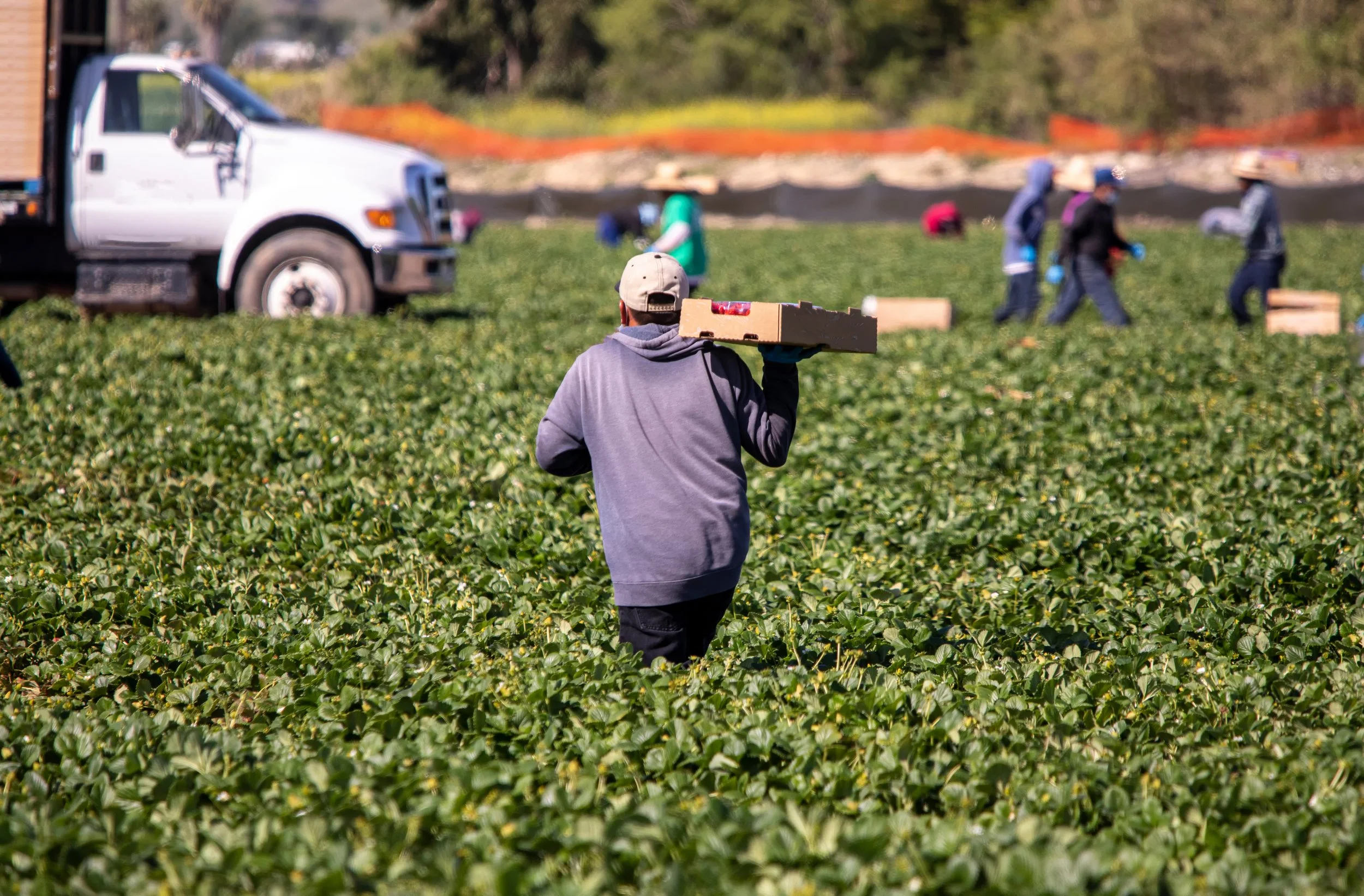
On July 1st, California Governor Gavin Newsom signed legislation to reform the Private Attorney’s General Act (PAGA). The legislation was enacted to help ensure workers retain a strong tool to resolve labor claims and receive fair compensation, while reducing shakedown lawsuits that hurt employers and employees.
The legislation signed was Assembly Bill 2288 (AB 2288) and Senate Bill 92 (SB 92). Newsom was quoted as saying, “This reform was decades in the making and it’s a big win for both workers and businesses. It streamlines the current system, improves worker protections, and makes it easier for businesses to operate.”
The key elements of the PAGA reform include:
Reform of Penalty Structure
Increases the amount of allocated penalty money that goes to employees from 25% to 35%.
It caps the penalty for employers who quickly take steps to fix policies and practices, and make workers whole, after receiving a PAGA notice. It also reduces the penalty for employers that act responsibly to take steps proactively to comply with the labor code before receiving a PAGA notice.
Creates a new penalty ($200 per pay period) if an employer acted maliciously, fraudulently, or oppressively.
Reduces the maximum penalty where the alleged violation was brief or where it is a wage statement violation that did not cause confusion or economic harm to the employee (i.e. misspelling of company name or forgetting to add “Inc.” on the pay statement).
Penalties for employers who pay weekly are adjusted to meet other employers who pay on a biweekly or monthly basis. Previously, such employers were penalized at twice the amount because the penalties were accrued on a per pay period basis.
Reducing and Streamlining Litigation
Expands which labor code sections can be cured to reduce the need for litigation and make employees whole quickly.
It protects small employers by providing a more robust right to cure process through the state labor department (Labor and Workforce Development Agency) to ultimately reduce claim costs.
For larger employers, it provides an opportunity for early resolution.
Codifies that a court may limit both the scope of claims presented at trial to ensure cases can be managed effectively.
Improving Measures for Injunctive Relief and Standing
It incentivizes or provides injunctive relief to employers to implement changes in the workplace to remedy labor law violations.
It requires employees to personally experience any alleged violation prior to filing a claim.
Strengthening State Enforcement
The administration will pursue a trailer bill to give the California Department of Industrial Relations (DIR) the ability to expedite hiring and filling vacancies to ensure effective and timely enforcement of employee labor claims.
PAGA claims have wreaked havoc on employers for decades. In fact, since 2013, there have been nearly $10 billion in court case awards. Unfortunately, due to significant attorney fees, only a small portion of these awards go to the workers. PAGA claims have impacted every type of business in California, including non-profits, family-run businesses, and even local governments. This PAGA reform should help change the long-term success of workers and businesses moving forward.
While coverage for PAGA violations is limited at best from Employment Practices Liability policies, employers should review their wage and hour policy with their risk advisor and employment law attorney to mitigate the impact of potential fines.
To discuss your company’s potential exposure to PAGA claims , contact me at (619) 937-0174 or jhoolihan@ranchomesa.com.
Protecting Commercial Property Investments through Vacancy Permit Endorsements
Author, Kevin Howard, Account Executive, Rancho Mesa Insurance Services, Inc.
Commercial real estate owners may face significant exposure nationally due to vacancy clauses and policy exclusions. The vacancy permit endorsement can potentially fill a major coverage gap within commercial property policies for landlords.
Author, Kevin Howard, Partner, Rancho Mesa Insurance Services, Inc.
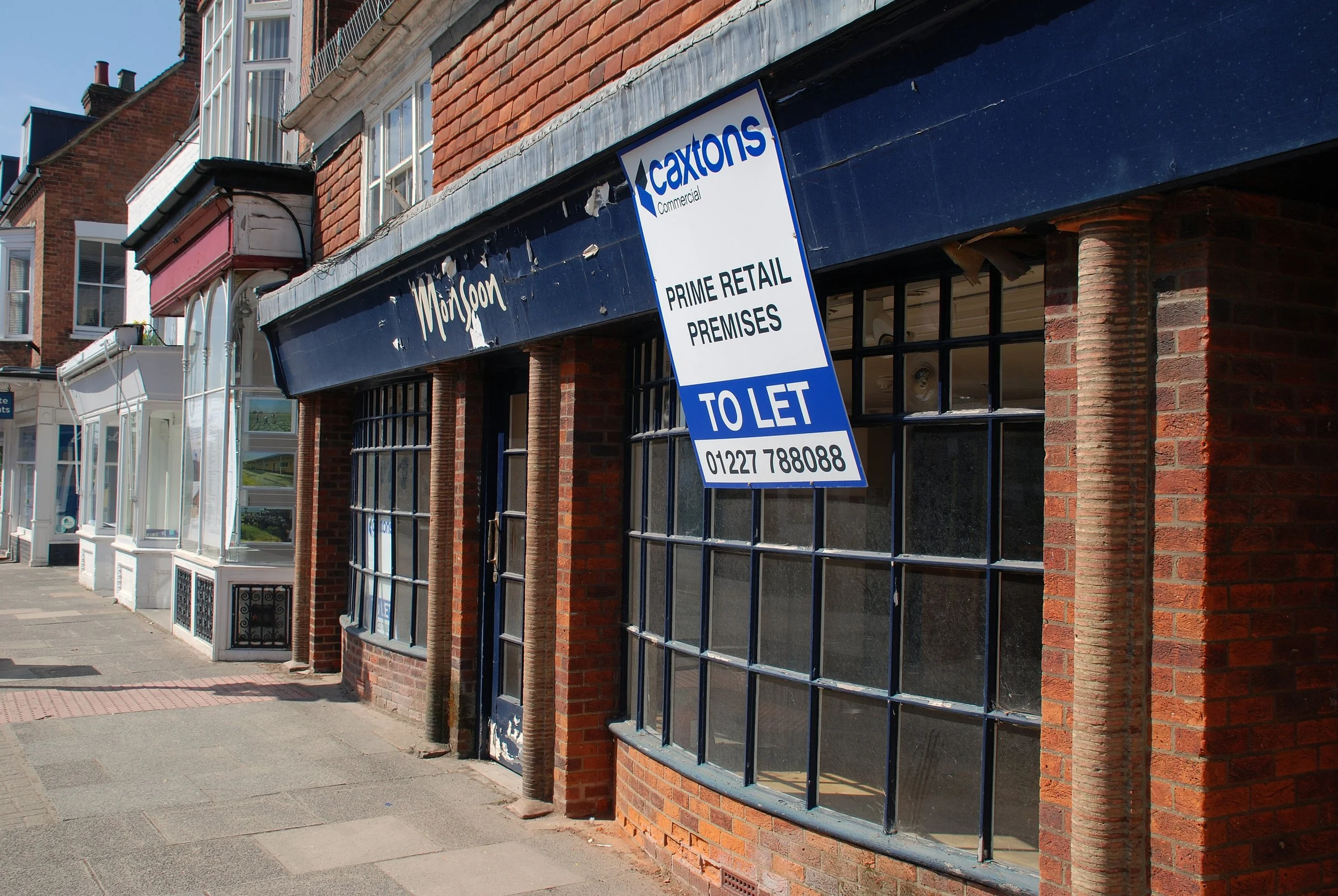
Commercial real estate owners may face significant exposure nationally due to vacancy clauses and policy exclusions. The vacancy permit endorsement can potentially fill a major coverage gap within commercial property policies for landlords.
COVID-19 forever changed the commercial real estate industry by shutting down operations in several asset classes, including retail, office, and industrial. The shutdown created a huge spike in vacancy rates that has certainly come back to nearly normal levels but still presents issues for many landlords. For example, office buildings have seen a continued increase in the national vacancy rate from 12% in 2017 to 16.5% in Q4 of 2023 (www.statista.com).
For property managers and building owners, the risk of an insurance claim within a vacant space has increased, making a focus on coverage paramount. Most insurance policies have specific exclusions that can limit coverage for bodily injury or property damage based on the duration of a building's vacancy or the percentage of the building that is vacant. For example, some exclusions restrict coverage entirely if the building has been vacant for more than 60 days. Another common exclusion requires that at least 31% of the building be rented, leased, or owner-occupied for coverage to respond.
Vacancy Permit Endorsement
For insureds, requesting a vacancy permit endorsement is a smart move that helps eliminate any guesswork regarding coverage gaps. Most carriers will tailor this endorsement to specify the vacancy period, the coverages in place, and the conditions that need to be met by the insured. These conditions typically include maintenance disclosures, inspection reports, and security measures.
There is usually a relatively small premium adjustment for a vacancy permit endorsement, which is well worth the investment compared to the potential cost of an uninsured claim.
The risk associated with vacant properties is more pronounced than ever. Owners and managers must be proactive in securing appropriate coverage to mitigate these risks. The vacancy permit endorsement is a crucial tool in this effort, providing tailored coverage that addresses the specific challenges posed by vacant spaces. By understanding and utilizing this endorsement, property owners can ensure comprehensive protection, safeguarding their investments against unforeseen claims and maintaining peace of mind in an ever-evolving market.
California’s Indoor Heat Illness Prevention Standard Approved: What You Need to Know
Author, Megan Lockhart, Client Communications Coordinator, Rancho Mesa Insurance Services, Inc.
Recently, the Cal/OSHA Standards Board approved new requirements for California businesses, heat illness prevention for indoor work spaces. The new Section 3396 addition to the California Labor Code will go into effect as early as August 1, 2024.
Author, Megan Lockhart, Client Communications Coordinator, Rancho Mesa Insurance Services, Inc.

Recently, the Cal/OSHA Standards Board approved new requirements for California businesses, heat illness prevention for indoor work spaces. The new Section 3396 addition to the California Labor Code will go into effect as early as August 1, 2024.
The law states that requirements apply to “all indoor work areas where the temperature equals or exceeds 82 degrees Fahrenheit when employees are present.”
For work environments such as warehouses, restaurants, and manufacturing plants, temperatures can rise dangerously high, putting employees at risk for heat illness. Let’s take a look into the new requirements for employers.
Provide access to cool-down areas, and encourage employees to take cool-down rests.
Provide access to potable water that is fresh, suitably cool, free of charge, and located as close as possible to indoor cool-down area.
Monitor employee symptoms and provide appropriate first aid and emergency response if they exhibit or report signs of heat illness.
Closely observe new employees for the first 14 days of employment as they acclimatize.
Provide employees and supervisors with training on topics such as heat risk factors, symptoms of heat illness, water consumption, and emergency procedures.
Establish, implement and maintain a written Heat Illness Prevention plan for the work environment.
Some additional requirements also apply when the temperature or heat index reaches or exceeds 87 degrees while employers are present, or the temperature reaches or exceeds 82 degrees and employees wear clothing that restricts heat removal or they work in a high radiant heat area.
In these cases, employers need to maintain records of their indoor temperature or heat index. They also must initiate engineering, administrative, and personal control measures to reduce the indoor working environment and maintain it below 87 degrees.
As temperatures continue to soar in many parts of California, employers with employees working indoors in high heat conditions should evaluate their current heat policies to ensure they comply with these impending labor law changes.
For further information about indoor heat illness prevention compliance, clients should refer to the Cal/OSHA website, which offers resources employers can utilize, including a Sample Written Heat Illness Prevention Plan for Indoor and Outdoor Places of Employment (Model Program).
Transitioning from a Credit-Based to a Standard Surety Program
Author, Andy Roberts, Account Executive, Rancho Mesa Insurance Services, Inc.
When sureties began offering credit-based programs, there were only a few companies who would offer this type of program and the limits were low, most often around $250,000 for a single project and aggregate.
Author, Andy Roberts, Account Executive, Rancho Mesa Insurance Services, Inc.

When sureties began offering credit-based programs, there were only a few surety companies who would offer this type of program and the limits were low, most often around $250,000 for a single project and aggregate. However, over the past few years, there has been an increase in the number of surety companies that are willing to offer these types of programs. The limits offered have also increased with some companies writing $1,000,000 for a single project and aggregate bond based solely on an owner's personal credit score. These programs are great for contractors that are getting started with bonded work, or don’t bond frequently and are not looking to provide the information necessary to set up a standard program. However, for contractors looking to grow and need additional surety capacity in order to achieve that goal, they should be aware of the steps that will need to be taken in order to transition from the credit-based program to a standard bond program. The first, and most important step will be the company financials.
Standard bond programs are written primarily based on the financial strength of the company. Sureties will be looking to obtain the last two fiscal year-end financial statements, balance sheet and income statement, and the most recent interim balance sheet and income statement that are available. They will evaluate the current cash position, working capital, and equity in the company to determine a single and aggregate bond limit.
In addition to the company financials, the surety will want to evaluate the personal financial statements for all the owners. Personal financial statements are an important item that surety companies will evaluate. Similar to the corporate financials, assets and liabilities will be evaluated along with the personal credit of the owners. Surety companies want to ensure that the company owners are current with their personal obligations before providing surety credit to their company.
Another important item that a surety underwriter will want to review before providing a standard surety program, is a current work in progress schedule. Being able to provide a current and accurate work in progress (WIP) schedule will be a requirement from a surety underwriter. The WIP monitors project progress and performance over time, and plays a critical role in determining the maximum amount of bonded work that a contractor can take on at one time.
While these are just a few things that surety underwriters will be wanting to evaluate in order to set up a standard bond program. There are other items that contractors can consider, like hiring a CPA for their year-end financial statements and getting a bank line of credit.
For contractors that are looking to graduate from a credit-based program, increase their current surety capacity, and want to explore further strategies that can strengthen their bonding program, contact me at (619) 937-0165 or via email at aroberts@ranchomesa.com.
Updates to California Healthcare Minimum Wage Policies for 2024
Author, Megan Lockhart, Client Communications Coordinator, Rancho Mesa Insurance Services, Inc.
This year has seen several changes to minimum wage in the State of California. On January 1, 2024, the California general minimum wage increased to $16 per hour, regardless of tips. However, as of July, several individual industries across the State, including healthcare, saw minimum wage increases.
Author, Megan Lockhart, Client Communications Coordinator, Rancho Mesa Insurance Services, Inc.

This year has seen several changes to minimum wage in the State of California. On January 1, 2024, the California general minimum wage increased to $16 per hour, regardless of tips. However, as of July, several individual industries across the State, including healthcare, saw minimum wage increases.
While the federal minimum wage rate still stands at $7.25 as per the Fair Labor Standards Act (FLSA), individual states and certain cities may have their own minimums like California. So, be sure to check the updates in the RM365 HRAdvantage™ portal for your specific industry and jurisdiction to ensure your company’s payroll is compliant.
California Healthcare Minimum Wage Rate Changes
| Jurisdiction | Industry | Coverage| Minimum Wage as of July 1, 2024 | |
| Statewide | General | $16.00 | |
| Statewide | Healthcare | Hospitals | $18.00 (delayed, effective date TBD) |
| Statewide | Healthcare | Clinics and all other healthcare facilities | $21.00 (delayed, effective date TBD) |
| Statewide | Healthcare | Large employers and integrated healthcare systems | $23.00 (delayed, effective date TBD) |
Clients can login to the RM365 HRAdvantage™ portal to review the full minimum and tipped wages for all states under the 2024 State and Local Minimum and Tipped Wage Rates.
Understanding the Importance of Your Workers’ Compensation Unit Stat Filing Date
Author, Greg Garcia, Account Executive, Rancho Mesa Insurance Services, Inc.
Imagine you are a landscaping company owner and your workers’ compensation policy just renewed January 1st. You are probably thinking, now what? Well, the next date that should be on your radar is June 30th, your unit stat date.
Author, Greg Garcia, Account Executive, Rancho Mesa Insurance Services, Inc.

Imagine you are a landscaping company owner and your workers’ compensation policy just renewed January 1st. You are probably thinking, now what? Well, the next date that should be on your radar is June 30th, your unit stat date. Each unit stat date varies and with the actual filing taking place approximately 180 days from when the workers’ compensation policy was placed. The unit stat date is when all workers’ compensation claim activity is frozen, along with audited payroll information, and sent to the rating bureau so the experience modification (XMOD) can be calculated.
As a reminder, your XMOD is determined by comparing your loss experience and historical payroll to others with similar class codes. The XMOD is derived from three years of audited payroll and losses suffered over those years.
If a particular claim is closed after your unit stat date, that claim will impact your next XMOD at the total incurred value before the unit stat date. Therefore, if you have a claim that can either be closed or reserves reduced, it is critical that this is done ahead of the unit stat date. Staying up to date with your claims adjuster and insurance professional ahead of the filing can quite literally save you points on your XMOD, which in turn can help to reduce your worker’s compensation annual premium.
Using one of the metrics on our proprietary KPI Dashboard, our clients are able to track the number of days until their unit stat date. Combining this KPI tool with our dedicated workers’ compensation claim advocate services at prescheduled claims reviews throughout the policy year helps to close the claims or mitigate claim costs in advance of the filing. This strategy can dramatically lower overall insurance costs.
If you have any questions about the unit stat or would like me to put together a custom KPI dashboard for your team, you can contact me at ggarcia@ranchomesa.com.
Leveraging Your Experience Modification Rating to Your Advantage
Author, Matt Gorham, Account executive, Rancho Mesa Insurance Services, Inc.
Your Experience Modification Rating (e.g., EMR, X-Mod, or Mod) can have a significant impact on controlling costs within your insurance program. While most business owners recognize that a lower EMR typically leads to lower insurance costs, few owners understand the mechanics for determining an EMR and how they can be used to proactively manage resources to their company’s benefit.
Author, Matt Gorham, Account executive, Rancho Mesa Insurance Services, Inc.

Your Experience Modification Rating (e.g., EMR, X-Mod, or Mod) can have a significant impact on controlling costs within your insurance program. While most business owners recognize that a lower EMR typically leads to lower insurance costs, few owners understand the mechanics for determining an EMR and how they can be used to proactively manage resources to their company’s benefit.
An EMR is determined by evaluating a company’s recent history of payrolls and job related injuries, relative to its own industry, to benchmark them to their peer group.
If a company’s incurred losses (both paid and reserved) exceed the average within its industry, it will result in a debit mod (i.e., EMRs above 100) which leads to higher premiums. If the incurred losses are less than the industry average, the company will earn a credit mod (i.e., EMRs under 100) resulting in lower premiums.
As your EMR changes from year to year, it will directly increase or decrease your company’s workers’ compensation premiums, thus impacting overhead costs. Higher EMRs will increase overhead costs and can lead to increased bid costs, reduced profit margins, and in some cases restrict you in the pre-qualification process.
In the construction world, passing higher costs on to your customers in a competitive bidding process can prevent you from securing contracts. Choosing instead to absorb those additional costs, however, can jeopardize your company’s growth, financial stability, or possibly stop you from having the funds necessary to complete the job.
But managing your EMR is more than simply having the good fortune to avoid expensive claims. It is important to recognize that not all claims impact your EMR the same. Severity and frequency of claims both play an important role in your EMR, as does your primary threshold.
Using these key data points, we are able to create a proprietary KPI dashboard for clients providing valuable insights to the mechanics of their EMR. Business owners are able to see their:
Primary Threshold and Maximum EMR Impact
Claim Dollars Equal to 1 Point of EMR
Maximum Controllable Points within the EMR
Individual Frequency Trends and Benchmarking to Industry
Individual Severity Trends and Benchmarking to Industry
Lowest Possible EMR
Projected EMR
Our KPI dashboard has become a must have tool for business owners, providing a better understanding of how to manage their EMR, allowing them to more reliably forecast overhead costs, and proactively address safety concerns. Coupled with Rancho Mesa’s in-house workers’ compensation claims advocate, business owners can more efficiently deploy resources and return-to-work programs to mitigate claim costs.
To request your own KPI dashboard and start putting it to use within your business, contact me at (619) 486-6554 or mgorham@ranchomesa.com.