

Industry News

Generating Your Employee Handbook Is Easier Than Keeping a New Years Resolution
Author, Casey Craig, Account Executive, Rancho Mesa Insurance Services, Inc.
When business owners are asked if their employee handbooks are up to date, they typically shrug and say “It’s something we have been meaning to tackle.” It is hard to blame them when it often feels as though a newly revised employee handbook quickly requires an update due to changes in employment laws! There is a significant need for an easy to use option where employers can have an up to date handbook throughout the year and, have it generated at no cost. Rancho Mesa provides that solution.
Author, Casey Craig, Account Executive, Rancho Mesa Insurance Services, Inc.
When business owners are asked if their employee handbooks are up to date, they typically shrug and say “It’s something we have been meaning to tackle.” It is hard to blame them when it often feels as though a newly revised employee handbook quickly requires an update due to changes in employment laws! There is a significant need for an easy to use option where employers can have an up to date handbook throughout the year and, have it generated at no cost. Rancho Mesa provides that solution.
As the California workplace climate changes, it is imperative that business owners have solutions before problems arise. Employee lawsuits against their employers are on the rise and Rancho Mesa clients must be prepared for the possible, if not inevitable. While updating an employee handbook can be one of the easiest obligations to neglect, skipping this task can have serious repercussions.
When laws and protocols change over time, it can be difficult making sure your employee handbook is up to date. Make sure it clearly communicates:
What is expected of your employees.
What are your company policies.
What rules are in place.
At Rancho Mesa, we have taken the time to understand our clients’ needs and if there is a solution available, we try to accommodate. We provide a free option for our clients, to help them compose a compliant handbook that is:
State and federal compliant.
Handbook is fully customizable with optional policy update alerts. If a law were to change right after completing your handbook, you would receive an email with the change and have the option to add it to your handbook.
Live HR support to assist with company specific question.
Please reach out to Alyssa Burley at aburley@ranchomesa.com with any questions you may have about the employee handbook builder option through the RM365 HRAdvantage™ portal. If you have any questions pertaining to your insurance needs, please call (619) 934-0164.
The Flu Isn’t the Only Bug You Need to Worry About
Author, Sam Clayton, Vice President, Construction Group, Rancho Mesa Insurance Services, Inc.
When we hear of a data breach, we typically think of large corporations or more recently municipalities that collect customers’ personal identification information or are using technology to manage physical locations (i.e. buildings), transit systems, and people. However, just about any large, medium or small organization that uses technology to operate their business faces a cyber-exposure.
Author, Sam Clayton, Vice President, Construction Group, Rancho Mesa Insurance Services, Inc.

Target, Capital One, and Equifax are all Fortune 500 Companies and household names we recognize. All have experienced a cyber liability breach in the last decade. When we hear of a data breach, we typically think of large corporations or more recently municipalities that collect customers’ personal identification information or are using technology to manage physical locations (i.e. buildings), transit systems, and people. However, just about any large, medium or small organization that uses technology to operate their business faces a cyber-exposure. And, as technology becomes more complex and sophisticated, so do the threats we face, which is why every business and organization needs to be prepared with both cyber liability insurance and an effective cyber security plan to manage and mitigate cyber risk. Below are two different cyber threats your company faces on a daily basis.
Ransomware is a type of malware that prevents users from accessing their system or personal files and demands a ransom payment, typically in the form of Bitcoin, in order to unlock and regain access to your data.
Social Engineering is the fraudulent attempt to obtain sensitive information such as usernames, passwords and credit card details by disguising oneself as a trustworthy entity via e-mail. This is typically accomplished by directing users to enter personal information at a fake website which matches the look and feel of the legitimate website.
A Cyber Liability Policy can help protect against data breaches and other evolving cyber exposures that are not covered by a standard property and general liability policy. These policies can respond in multiple ways such as credit card data remediation and notifications expense, network and information security liability, regulatory defense expense, crisis management expenses and computer program and electronic data restoration expenses.
In addition to the coverages above, many cyber insurers offer policyholders pre-breach services, employee training and IT forensics specialists. Some also provide data breach “coaches” who specialize in the unique legal and regulatory issues surrounding breaches, and will assist businesses with navigating the response process and ensure compliance with state and federal privacy laws.
Please contact Rancho Mesa to learn more about implementing a strong Cyber Prevention Plan.
Youth Protection Policy - Are You Protected?
Author, Sam Brown, Vice President, Human Services Group, Rancho Mesa Insurance Services, Inc.
California Governor, Gavin Newsome, signed a new state law on October 13th, 2019 to better protect California’s survivors of child abuse. In response, youth organizations and insurance companies expect a surge in legal activity in 2020.
Author, Sam Brown, Vice President, Human Services Group, Rancho Mesa Insurance Services, Inc.

California Governor, Gavin Newsome, signed a new state law on October 13th, 2019 to better protect California’s survivors of child abuse. In response, youth organizations and insurance companies expect a surge in legal activity in 2020.
This new law will give survivors of childhood sexual abuse until age 40 to file a civil suit against their attackers. This is a 14-year increase from the previous age limit of 26. Adult survivors previously had three years from discovering the abuse to sue, but the new law now provides a five year window. The new law also suspends the statute of limitations to three years beginning January 1, 2020. No age limit will be enforced during the three-year span.
The State of New York passed a similar law on January 25, 2019 named the “Child Victims Act.” Among other changes, the new law allows survivors of any age to come forward beginning August 1, 2019. More than 400 lawsuits were filed the first day the act took effect.
Insurance companies offering abuse liability insurance in California are prepared for a surge in legal activity in 2020. New lawsuits may cause an increase to insurance premiums and negatively impact the carriers’ capacity to offer higher limits of liability.
Youth organizations that normally rely on insurance companies to cover the cost of defense and settlement in these cases, may find themselves in financial jeopardy if insurance limits become exhausted.
It is imperative that school districts and other youth organizations take a critical look at youth protection policies and safeguards moving forward. This may include added training, mandatory background checks, and eliminating one-on-one interactions.
Please contact Rancho Mesa to learn about resources for creating a strong youth protection policy.
Information sourced from The Legal Examiner and ABC News.
New Law Changes Which Injuries Must Be Reported
Author, Daniel Frazee, Executive Vice President, Rancho Mesa Insurance Services, Inc.
A new California law, Assembly Bill 1805 (AB 1805), changes when employers are required to report serious workplace injuries to the California Division of Occupational Safety and Health (Cal/OSHA). The law now broadens the scope of what will be classified as a serious illness, injury or exposure. Many believe this change will increase the number of workplace accidents that will have to be reported in 2020.
Author, Daniel Frazee, Executive Vice President, Rancho Mesa Insurance Services, Inc.

A new California law, Assembly Bill 1805 (AB 1805), changes when employers are required to report serious workplace injuries to the California Division of Occupational Safety and Health (Cal/OSHA). The law now broadens the scope of what will be classified as a serious illness, injury or exposure. Many believe this change will increase the number of workplace accidents that will have to be reported in 2020.
The definition of “serious injury or illness” has, for many years, been defined as an injury or illness that requires inpatient hospitalization for more than 24 hours of treatment, or if any employee suffers a “loss of member” or serious disfigurement. The definition has excluded hospitalizations for medical observation. Regulations also excluded from reporting requirements any serious injury caused by a criminal assault and battery or a vehicle accident on a public road or highway.
AB 1805 aligns California’s rules more closely with Federal OSHA regulations for reporting. More specifically:
Rules
The following will need to be reported to Cal/OSHA:
Any inpatient hospitalization (even less than 24 hours),
An inpatient hospitalization is required for something “other than medical observation or diagnostic testing,”
Employers must report any “amputation” (even if the tip of a finger is cut off) to Cal/OSHA. This replaces the terminology “loss of member;”
The loss of an eye,
Serious injuries or deaths caused by a criminal assault and battery,
The exclusion for injuries from auto accidents on a public street or highway remains in effect. However, accidents that occur in a construction zone must now be reported.
Compliance (related directly to serious injuries and illnesses or fatalities)
In order to say in compliance:
The report must be made within 8 hours of the employer knowing, or with “diligent inquiry” should have known, about the serious injury/illness.
The report must be made by PHONE to the nearest Cal/OSHA district office.
For more details on how these changes may impact your company’s IIPP, please contact me at (619) 937-0172.
Employers Embrace Benefits of Telemedicine to Treat Work-Place Injuries
Author, Jeremy Hoolihan, Account Executive, Rancho Mesa Insurance Services, Inc.
Telemedicine is becoming prevalent in the workplace as a more efficient way to treat non-emergency type injuries. Employers, employees, and insurance companies alike are seeing the benefits of telemedicine from a convenience and efficiency standpoint.
Author, Jeremy Hoolihan, Account Executive, Rancho Mesa Insurance Services, Inc.

Telemedicine is becoming prevalent in the workplace as a more efficient way to treat non-emergency type injuries. Employers, employees, and insurance companies alike are seeing the benefits of telemedicine from a convenience and efficiency standpoint.
Telemedicine is defined as the practice of caring for patients remotely when the provider and patient are not physically present with each other. Modern technology has enabled doctors and nurses to consult patients by using HIPAA compliant audio and video conferencing tools.
Benefits of Telemedicine
Immediate access to medical professionals is provided to injured employees and their supervisors; 24 hours a day, seven days a week. This often eliminates the need for scheduling and attending an in-person appointment and waiting room delays.
The injured workers and supervisors avoid lost time from work driving to and from appointments.
Employees who work remotely can quickly gain access to medical assistance.
Minor injuries such as strains and sprains can respond favorably to appropriate on-site first aid. Often times, these types of injuries are referred to off-site clinics for care that is more expensive and more time consuming, but no more effective.
Sound clinical decisions can be made about when first aid is appropriate and when referrals are necessary.
When off-site referrals are necessary, doctors and nurses can direct the injured worker to pre-selected clinics within the insurance companies Medical Provider Network (MPN).
Many telemedicine providers work directly with the employer’s insurance company to provide the first report of injury and create the claim in their system. This eliminates the need for policyholders to report the claim. This also ensures that claims are reported immediately and without delay.
Telemedicine calls are typically recorded for future reference. The recordings are a useful tool in documenting the symptoms and injuries that are initially reported.
How Telemedicine Works
When a workplace injury occurs and the employee requests medical treatment, a call will be placed to the predetermined telemedicine company. The triage nurse that answers will typically speak with the supervisor first, then privately with the injured employee. During the call, the nurse will provide an initial assessment of the injured worker, determine the seriousness, and evaluate the type of medical care that is appropriate. If further medical care is deemed necessary, the nurse will refer the injured employee to a certified occupational physician who can conduct a virtual appointment online via a computer, tablet, or smartphone. If the telemedicine company is not able to conduct a virtual appointment, the injured employee will be directed to a clinic within the MPN.
Once the assessment is complete, the nurse will provide a treatment plan. If the injured employee can safety return to work, the nurse will provide first aid/self-care instructions. Self-care instructions are typically accessed online or faxed. The nurse typically completes the call by speaking once again with the supervisor to ensure they are aware of the treatment plan.
Telemedicine is recognized by many as an efficient way of treating non-emergency injuries in the workplace. In fact, many insurance companies have recently partnered with telemedicine companies to help prevent a minor injury from becoming more complicated, and help the injured employee focus on returning to wellness.
If you would like to have a discussion about telemedicine and how it could be implemented into your workers’ compensation program, please feel free to reach out to me, Jeremy Hoolihan, at (619) 937-0174.
California Non-Profits Brace for Higher Insurance Premiums and Dramatic Changes to Coverage
Author, Chase Hixson, Account Executive, Human Services Group, Rancho Mesa Insurance Services, Inc.
For years, the insurance marketplace for non-profits, specifically general liability, abuse, property and management liability have been somewhat stable (subject to loss history, of course). Unfortunately, that is looking to change as the marketplace braces for significant correction.
Author, Chase Hixson, Account Executive, Human Services Group, Rancho Mesa Insurance Services, Inc.

For years, the insurance marketplace for non-profits, specifically general liability, abuse, property and management liability have been somewhat stable (subject to loss history, of course). Unfortunately, that is looking to change as the marketplace braces for significant correction.
The key drivers of change:
2018 Wildfire Season
An estimated $12 Billion in losses has forced carriers to offset those losses with higher premiums, regardless of the amount of property exposure. Reinsurance markets (insurance for insurance companies when a loss becomes catastrophic) suffered significant losses, as well, and have had to increase their rates on the insurance companies they insure.Increase in Harassment/Discrimination Claims
Though the exact reason is unknown, many point to the #MeToo movement as the reason for more than double the harassment and discrimination claims that have occurred the last three years. We have already seen significant increases not only to premiums, but also deductibles.Incoming Influx of Abuse Claims
With changes to California law, insurers expect an uptick in claims beginning January 2020 when the statute of limitations will be lifted for reporting child abuse. We expect to see significant increases in premium as well as coverage being reduced or even eliminated in some scenarios.
What can you do to help your organization? Get out ahead of it early and be prepared to sell your organization to the marketplace. The insurance carriers will need to have a clear picture of what your organization is doing to be different when compared to the organizations that are causing the losses. It may seem like a lot of information to present to a carrier, but failure to do so will lead to increased costs for your organization.
Contact Rancho Mesa Insurance at (619) 937-0164 if you would like to discuss how these changes may affect your organization.
Ensure You’re Not Under Covered and Overpaying for Auto Insurance
Author, Casey Craig, Account Executive, Rancho Mesa Insurance Services, Inc.
Auto insurance prices are continuously rising. What is the reason for this and what can be done to cut back on the cost? There are many factors that lead to the carriers needing to increase their rates. We are going to discuss exactly what some of the reasons for the increases are; and more importantly, what business owners can do to offset price increase as much as possible while receiving adequate coverage.
Author, Casey Craig, Account Executive, Rancho Mesa Insurance Services, Inc.

Auto insurance prices are continuously rising. What is the reason for this and what can be done to cut back on the cost? There are many factors that lead to the carriers needing to increase their rates. We are going to discuss exactly what some of the reasons for the increases are; and more importantly, what business owners can do to offset price increase as much as possible while receiving adequate coverage.
Distracted drivers are causing more claims every year. Repairing a vehicle has become more costly as newer models have technology features such as sensors and back-up cameras. People using their cell phones while driving can cause them to have a diminished reaction time, which is leading to more severe high impact accidents. This is pushing medical costs up at a rapid rate, leading to an increase of claims dollars. Implementing a “No Phones While in a Vehicle” policy could reduce claims drastically and keep your employees safe.
There are many ways that carriers can get out of covering a loss, and employees driving their vehicles to and from job sites can really come back to haunt you if they do not have adequate coverage limits. Make sure that you have Hired and Non-Owned Coverage! Hired and Non-Owned is the coverage needed for the carrier to cover losses on vehicles that are not on the company’s policy, such as rented or employee owned vehicles. Employers need to make sure that employees have adequate personal auto insurance limits. The California minimum coverage limits of $15,000/$30,000/$5,000 can get exhausted very quickly in a serious accident, and lawyers are getting very good at finding grey areas to drag the employer in. You should consider reimbursing your employees to offset the increase in premium for them. Some carriers will apply subjective credits to your company auto premium if they know your employees need to have higher limits to drive for you.
One of the biggest gaps that brokers see when they audit policies for prospects is they are using the wrong symbols, thinking they are covered for a claim, and end up not having correct coverage. Most reputable carriers will offer Symbol 1 for your liability insurance and it is imperative that you use Symbol 1 vs. Symbol 7. Symbol 7 only covers vehicles described in the declaration and leaves limited coverage for vehicles acquired after your policy begins.
Rancho Mesa Insurance Services is a National Best Practices Agency 13 years in a row. We strive to make sure that our clients are without gaps in their coverage. Call (619) 934-0164 to ask about Rancho Mesa’s proprietary programs that help maintain clients’ safety and get them the lowest premiums possible. Register here for the free Fleet Safety webinar to learn how to increase vehicle safety, control vehicle accidents, safeguard long-term profitability, and ensure that your fleet safety & accident prevention programs are up-to-date.
California Wildfires Distress Insurance Market
Author, Chase Hixson, Account Executive, Human Services Group, Rancho Mesa Insurance Services, Inc.
2018 saw the most destructive wildfire season ever recorded in California. Over 1.8 million acres were burned; 22,751 buildings were destroyed and over 100 lives perished. As a result, insurance claims have exceeded $12 billion and are expected to rise.

2018 saw the most destructive wildfire season ever recorded in California. Over 1.8 million acres were burned; 22,751 buildings were destroyed and over 100 lives perished. As a result, insurance claims have exceeded $12 billion and are expected to rise.
Many in the industry expect we are on the verge of a crisis and from what I’ve seen so far, I’d have to agree. The marketplace is in frenzy as carriers aren’t sure what their overall financial hit will be. Furthermore, catastrophic losses like this affect the reinsurance marketplace, which causes pressure downstream to insurers.
Below is a look at what we are seeing in the marketplace.
Non-Renewals
Most carriers are non-renewing their entire books of business who are at risk of wildfires. Even if the client has been with the carrier many years with no losses, they are simply non-renewing properties on accounts in certain areas prone to wildfire. This is essentially leaving the marketplace with very few players.
Significant Premium Increases
Those carriers still willing to write property accounts are hiking up premiums significantly. We’ve heard of increases 5-10 times the previous year’s premiums. We recently spoke to an insured in the Riverside area whose insurance premium went from $85,000 to $500,000 a year.
Increased Deductibles for Wildfires
On top of the significant premium increases, most carriers are offering increased deductibles for wildfires. It’s not uncommon to now see $150,000, $250,000 and $500,000 deductibles depending on the value of the building(s).
What Can Business Owners Do?
Business owners need to act early and quickly. Speak with a broker to plan ahead because it looks like there will be a significant financial burden and risk (per increased deductible) moving forward. The marketplace is inundated with excessive submissions, so the need to submit as early as possible is imperative. There are alternative insurance programs that can act as a temporary solution while helping alleviate cost burdens. Some declinations can be avoided by proper abatement of brush and trees or installation of fire suppression systems. Regardless of when the insurance policy renews, I suggest getting started on this as soon as possible. The marketplace could take several years to stabilize.
For help understanding how wildfires can affect your organization’s insurance premium, contact Rancho Mesa Insurance Services at (619) 937-0164.
Workers’ Compensation Fraud Is Not a Victimless Crime
Author, Jim Malone, Workers’ Compensation Claims Advocate, Rancho Mesa Insurance Services, Inc.
Fraud can happen in every industry, including workers’ compensation. Within workers’ compensation claims, fraud is a term that can be overused by employers who may not agree with a claim, or a condition that has been considered work-related/work-aggravated. Many times, instead of fraud, there is simply a difference of opinion as to whether a specific work incident caused an injury.
Author, Jim Malone, Workers’ Compensation Claims Advocate, Rancho Mesa Insurance Services, Inc.

Fraud can happen in every industry, including workers’ compensation. According to standard definitions, “in law, fraud is intentional deception to secure unfair or unlawful gain, or to deprive a victim of a legal right. Fraud can violate civil law, a criminal law, or it may cause no loss of money, property or legal right but still be an element of another civil or criminal wrong. The purpose of fraud may be monetary gain or other benefits, for example by obtaining a passport, travel document, or driver's license, or mortgage fraud, where the perpetrator may attempt to qualify for a mortgage by way of false statements.”
Within workers’ compensation claims, fraud is a term that can be overused by employers who may not agree with a claim, or a condition that has been considered work-related/work-aggravated. Many times, instead of fraud, there is simply a difference of opinion as to whether a specific work incident caused an injury. For these disputes, it usually comes down to a medical opinion addressing whether something is work-related or work-aggravated.
Examples of Workers’ Compensation Fraud
A claim can become fraudulent when the employee lies about how the injury occurred or about their ability to work. The treating physician may be asked to provide their opinion as to whether the injured worker mislead them about how their injury occurred, and the significance of their complaints or physical capabilities. The doctor is provided records or sub rosa videotape contradicting information previously provided by the injured worker. Fraud can also occur when the injured worker lies under oath during a deposition, thus becoming a felony.
Workers’ compensation fraud is not limited to employees, but others within the system can also knowingly participate in the fraud. Physicians can be fraudulent in their billing for services not rendered, for accepting kick-backs, or realizing financial benefit for referrals to and from other physicians, vendors or other entities. Employers can commit insurance fraud by understating their number of employees, under-reporting payroll or misclassifying employees into cheaper job/class codes in order to secure cheaper insurance policy rates and premiums. Vendors can commit fraud by billing insurance carriers for products or services never provided. Attorneys can use illegal capping schemes to retain injured workers for clients.
Combating Workers’ Compensation Fraud
Each insurance company is now required to have a Special Investigative Unit (SIU) that provides ongoing monitoring and investigation of questionable activities related to claims. Fraud continues to cost tax-payers millions of dollars (some estimates are up to $80,000,000) per year. The money and resources the employers and insurance carriers are spending to combat fraud are also increasing each year.
In the event of a fraud conviction, fines or assessments, prison sentences, or restitution can be ordered. Workers’ compensation fraud is not a victimless crime; from the losses caused by fraudulent activities, to the money used to combat and prosecute fraud. The money lost to workers’ compensation fraud can never be replaced, but we are all responsible to do our part in remaining vigilant and reporting suspected fraud to the appropriate person or agency.
Senate Bill 778 Extends Employee Anti-Harassment Training Deadline
Author, Alyssa Burley, Media Communications and Client Services Manager, Rancho Mesa Insurance Services, Inc.
Newly passed Senate Bill 778 (SB 778) extends the deadline set in Senate Bill 1343 for California’s mandatory Anti-Harassment Training from January 1, 2020 to January 1, 2021. The bill also addresses concerns about supervisory employees and clarifies when temporary workers must be trained. California Governor Newsom signed the bill into law on August 30, 2019, which included an urgency clause that allows the bill to go into effect immediately.
Author, Alyssa Burley, Media Communications and Client Services Manager, Rancho Mesa Insurance Services, Inc.
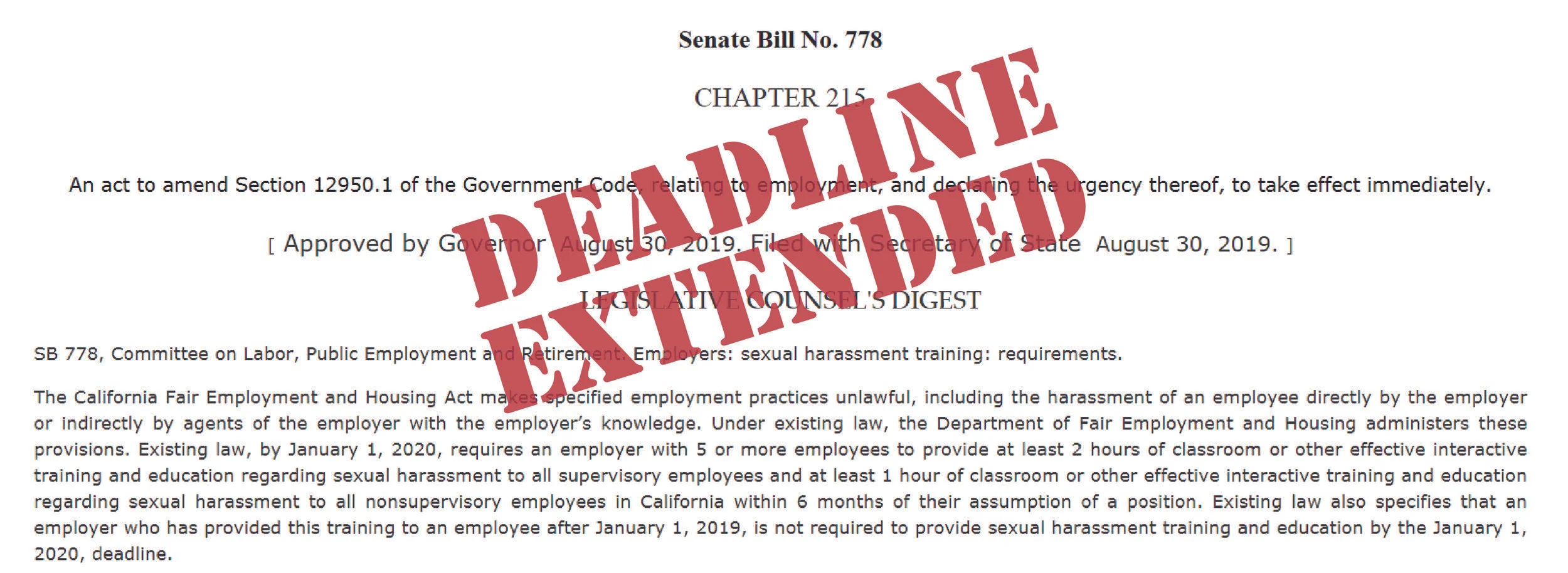
Newly passed Senate Bill 778 (SB 778) extends the deadline set in Senate Bill 1343 for California’s mandatory Anti-Harassment Training from January 1, 2020 to January 1, 2021. The bill also addresses concerns about supervisory employees and clarifies when temporary workers must be trained. California Governor Newsom signed the bill into law on August 30, 2019, which included an urgency clause that allows the bill to go into effect immediately.
What SB 778 Means to CA Employers
The changes made by SB 778 not only extends the deadline for non-supervisory employee Anti-Harassment training, but also allows supervisory employees to stay on their existing two-year training schedule. For example, if a supervisory employee completed Anti-Harassment training in 2018, their next training, with the SB 1343 compliant content, will be due in 2020 - two years from their last training date, which is before the new deadline. Likewise, if a supervisory employee was trained in 2019, their next training due date will be in 2021.
Non-supervisory employees will need to complete their initial 1-hour Anti-Harassment training by January 1, 2021. For those who have already taken the training in 2019, we recommend they maintain their two-year schedule, and complete the training again in 2021.
Both supervisory and non-supervisory employees must be trained within six months of hire. However, temporary or seasonal workers who are hired for less than six months must be trained within 30 days of hire.
For questions about this training requirement or to learn how to enroll your supervisors and employees, register for the “How to Enroll Supervisors and Employees in the Online Anti-Harassment Training” webinar or contact Rancho Mesa’s Client Services Department at (619) 438-6869.
3 Benefits to Working with an Insurance Specialist vs. Generalist
Author, Jeremy Hoolihan, Account Executive, Rancho Mesa Insurance Services, Inc.
Most insurance agencies welcome any and all types of businesses, paying little attention to the type of business the prospect is running. These accommodating professionals will commit to quote virtually any person or business looking for insurance coverage. With this type of approach, inevitably the buyer will be working with a jack of all trades, but a master of none.
Author, Jeremy Hoolihan, Account Executive, Rancho Mesa Insurance Services, Inc.

Most insurance agencies welcome any and all types of businesses, paying little attention to the type of business the prospect is running. These accommodating professionals will commit to quote virtually any person or business looking for insurance coverage. With this type of approach, inevitably the buyer will be working with a jack of all trades, but a master of none. Working at Rancho Mesa Insurance for nearly 16 years, I’ve learned the importance of focusing on a niche or vertical market, rather than attempting to write insurance for anything with a pulse. The two vertical markets I focus on are the janitorial and construction industries. Below are three reasons why I believe a business owner should consider working with a specialist rather than a generalist.
Avoid Gaps in Coverage:
Having a trusted advisor that is a specialist in your industry can truly minimize potential gaps in coverage that otherwise might get overlooked by someone dabbling in your industry. Some examples include:
Allowing an exclusion of coverage to a policy where the insured has exposure: Unfortunately I see this all too often when I audit a prospects policy. I once reviewed a residential general contractor’s (GC) insurance policy and found a subsidence exclusion. This posed a serious concern because the GC builds foundations. If they were ever served with a claim relating to a foundation sinking or failing, there would likely be no coverage. I’ve also seen residential GC’s who build new homes with a residential exclusion. It’s these types of errors that can put a business in tremendous jeopardy.
Missing key coverage’s to plug gaps in coverage: Most contractors are required to carry workers’ compensation and general liability insurances. However there are many exposures that a contractor has in their operations that would be excluded without additional coverage’s in place. One example is pollution liability. If a plumber installs a faucet that leaks over time, undetected, and causes mold or fungus to develop, you will likely run into a pollution liability claim for bodily injury and/or property damage. Most general liability policies have a pollution exclusion. Without the knowledge of placing a separate pollution liability policy in place, the plumbing contractor would be faced with a gap in coverage.
Knowledge of Specialty Coverage’s and Markets:
Brokers who understand the operations and challenges faced by a particular vertical market have an opportunity to position themselves as risk management and coverage expert in that field. Specialization can also lead to specialty markets seeking brokers out to work with. Specialty markets seek brokers with expertise in their specific niche because they know the marketplace, and proper coverages can provide a steady flow of business. These relationships often lead to a much more comprehensive policy at an aggressive price. In addition, these programs include coverages that you would normally purchase individually that come standard to the program.
In the janitorial industry, one example is 3rd party crime coverage. Many of your standard market package policies will include 1st party crime coverage for employee theft. While this coverage is very important against an employee stealing from an employer, it does not cover theft of a client’s property from an employee. In order to cover this exposure, a policy needs to have 3rd party crime coverage.
Industry Specific Resources:
Partnering with a broker and agency, like Rancho Mesa Insurance, will also provide industry specific resources that generalist agencies will not. Below are a few examples of what you should expect when working with a specialist like Rancho Mesa.
Industry Specific Workshops – such as OSHA 10 Certification, Mobility & Stretch, Heat Illness Prevention, Fleet Safety, Fighting Fraud in CA Workers’ Compensation, etc.
Industry Specific Training Materials – extensive training library of over 3,000 titles in both online and in-person formats, available in English and Spanish
A dedicated Workers’ Compensation Claims Advocate to aggressively work on a client’s existing claims.
HR Benefits – rely on a team of HR experts who can quickly answer complex human resource and compliance questions over the phone or via email.
Comprehensive Living Employee Handbook – create and maintain your customizable employee handbook plus receive suggested updates when laws change.
Client Services Advocacy – In house dedicated client services coordinator to assist with implementation of risk management services.
Rancho Mesa Insurance is dedicated to becoming a trusted advisor to their clients by providing a 365 day approach to Risk Management. Our laser focus on specific industries has allowed us to build comprehensive programs that our clients are able to benefit from. If anything in this article resonates with you, please feel free to reach out to Rancho Mesa Insurance at (619) 937-0164.
Providing Anti-Harassment Training Is the Employer’s Responsibility
Author, Alyssa Burely, Media Communications and Client Services Manager, Rancho Mesa Insurance Services, Inc.
Many industries like construction utilize a semi-transient workforce that can shift from company to company as labor needs change throughout the project’s life cycle. Employees may work a few months for one employer, then move on to another employer when the project is completed. This scenario poses a dilemma for California employers looking to comply with Senate Bill 1343 (SB 1343). Providing training to an ever-changing workforce can be a challenge.
Editor’s Note: This article was originally published on August 22, 2019 and has been updated for accuracy on September 12, 2019.
Author, Alyssa Burely, Media Communications and Client Services Manager, Rancho Mesa Insurance Services, Inc.

Many industries like construction utilize a semi-transient workforce that can shift from company to company as labor needs change throughout the project’s life cycle. Employees may work a few months for one employer, then move on to another employer when the project is completed. This scenario poses a dilemma for California employers looking to comply with Senate Bill 1343 (SB 1343). Providing training to an ever-changing workforce can be a challenge.
“The current employer must provide the Anti-Harassment training to new employees within six months of hire, regardless if the employee was trained and has a certificate of completion provided by a previous employer or labor union.”
SB 1343 requires California employers with five or more employees to provide Anti-Harassment training to all supervisors and employees. The passing of Senate Bill 778, on August 30, 2019, extends the deadline for this training to January 1, 2021. The training must be completed every two years. For example, if an employee was trained in 2019, their next training due date will be in 2021. New employees must be trained within six months of hire. This means the current employer must provide the Anti-Harassment training to new employees within six months of hire, regardless if the employee was trained and has a certificate of completion provided by a previous employer or labor union. Every time a worker begins employment at a new company, they should expect to receive Anti-Harassment training within the first six months. However, temporary or seasonal workers who are hired for less than six months must be trained within 30 days of hire. This requirement ensures the current employer is able to maintain accurate training records.
Recordkeeping for Anti-Harassment training is important when there is an allegation of harassment or if an employee reports the employer for non-compliance. The Department of Fair Employment and Housing (DFEH) “accepts complaints from employees that their employers have not complied with the law…If DFEH finds that the law has been violated, it will work with employers to obtain compliance with the law,” according to the DFEH’s “Sexual Harassment and Abusive Conduct Prevention Training Information for Employers” document.
Rancho Mesa offers free online Anti-Harassment training for supervisors and employees to all of its clients. The training can be accessed from a computer, tablet or smartphone. The online platform provide automated recordkeeping and rescheduling to ensure as soon as an employee completes the training, they are automatically scheduled to complete it in two years. It also allows administrators to archive employee training records when an employee leaves the company and reactivate the records when/if they are rehired. To learn more about the trainings, visit our website or contact the client services department at (619) 438-6869.
SB 1343 requires employers take responsibility for providing Anti-Harassment training to all of their employees and supervisors. Take advantage of Rancho Mesa’s Anti-Harassment training and ensure your company stays compliant.
Home Care Dishonesty Bonds and Client Property Theft Coverage Are Not Created Equal
Author, Chase Hixson, Account Executive, Rancho Mesa Insurance Services, Inc.
A common misconception in the home care industry is assuming a Home Care Dishonesty Bond is the same as having coverage for theft of client property. Many business owners don’t realize that Home Care Dishonesty Bonds, following the payment of a claim, will seek reimbursement from the business owner. That means the business owner is ultimately going to pay the claim if they don’t have an insurance policy to cover this type of act.

A common misconception in the home care industry is assuming a Home Care Dishonesty Bond is the same as having coverage for theft of client property. Many business owners don’t realize that Home Care Dishonesty Bonds, following the payment of a claim, will seek reimbursement from the business owner. That means the business owner is ultimately going to pay the claim if they don’t have an insurance policy to cover this type of act.
A bond is different from traditional insurance in that a bond is in place to protect the consumer (i.e. the client) in the event that a business becomes insolvent or refuses to pay a claim. In the case of home care dishonesty bonds, the bonding company acts as a safeguard for the client. In the event of a proven loss, the bonding company steps in to pay the client, and then seeks reimbursement from the business.
There are insurance companies that provide Theft of Client Property Coverage (sometimes called Third Party Coverage) under the general liability insurance form. This acts on behalf of the business owner. Should someone accuse their employee of stealing, this insurance would pay the claim and not seek any reimbursement from the business owner.
It is worth looking into your current general liability policy to see whether or not your company is truly covered for theft of client’s property rather than be surprised when you receive an invoice from the bonding company.
If you have any questions about this topic, please contact Rancho Mesa Insurance Services at (619) 937-0164.
Employers Prepare As Reports of Sexual Harassment Spike
Author, Alyssa Burley, Media Communications and Client Services Manager, Rancho Mesa Insurance Services, Inc.
Americans are all too familiar with the #MeToo movement that has shed light on sexual harassment in the workplace. Outspoken celebrities and prominent public figures have brought this topic to the forefront in the media. With all the publicity surrounding sexual harassment allegations, people are empowered to speak out and report unwanted behaviors in the workplace. This leaves many employers asking what they can do to prevent harassment and prepare for possible harassment allegations.
Editor’s Note: This article was originally published on June 27, 2019 and has been updated for accuracy on September 12, 2019.
Author, Alyssa Burley, Media Communications and Client Services Manager, Rancho Mesa Insurance Services, Inc.
Americans are all too familiar with the #MeToo movement that has shed light on sexual harassment in the workplace. Outspoken celebrities and prominent public figures have brought this topic to the forefront in the media. With all the publicity surrounding sexual harassment allegations, people are empowered to speak out and report unwanted behaviors in the workplace. This leaves many employers asking what they can do to prevent harassment and prepare for possible harassment allegations.

Charges Alleging Sexual Harassment FY 2010 - FY 2018
The United States Equal Employment Opportunity Commission (EEOC) released its “Charges Alleging Sexual Harassment FY 2010 - FY 2018” report. The data shows from 2010 to 2017 reports of alleged sexual harassment incidents actually declined 15.7%, over the seven-year span. However, based on the data, it is difficult to know if incidents of sexual harassment declined or just the reporting of incidents declined.
However, during 2018 there was an increase of 13.6% in alleged sexual harassment incidents, which accounted for over 7,600 claims at a cost of $56.6 million dollars in damages.
| Year | 2010 | 2011 | 2012 | 2013 | 2014 | 2015 | 2016 | 2017 | 2018 |
|---|---|---|---|---|---|---|---|---|---|
| Percentage Change Over Previous Year Number of Charges |
NA 7,944 |
-1.4% 7,809 |
-3% 7,571 |
-4.2% 7,256 |
-5.7% 6,862 |
-0.6% 6,822 |
-0.9% 6,758 |
-0.9% 6,696 |
13.6% 7,609 |
| Percentage Change Over Previous Year Damages (In Millions) |
NA $41.2 |
9.5% $45.1 |
-4.7% $43 |
3.7% $44.6 |
-21.5% $35 |
31.4% $46 |
-11.5% $40.7 |
13.8% $46.3 |
22.2% $56.6 |
EEOC. Charges Alleging Sexual Harassment FY 2010 - FY 2018. https://www.eeoc.gov/eeoc/statistics/enforcement/sexual_harassment_new.cfm.
California’s Senate Bill 1343 (SB 1343) now requires employers with 5 or more employees to provide 2-hour Anti-Harassment training to supervisors and 1-hour training to employees, every two years. As part of this new requirement, the initial training must be completed for all employees and supervisors by January 1, 2021, according to Senate Bill 778, approved on August 30, 2019, which extends the training due date. The changes made by SB 778 not only extends the due date to January 1, 2021, but also addresses concerns about supervisory employees and clarifies when temporary workers must be trained. Read about the changes here.
It’s our belief that as more people are trained to recognize harassment in its many forms, we expect to see the number of reported alleged harassment incidents increase in the coming years. So, what should California employers do to mitigate this increased risk?
Course of Action
For employers, the best course of action is two-fold. Make sure you are compliant by training your employees and supervisors; second, make sure you have Employment Practices Liability Insurance (EPLI) as part of your risk management portfolio.
Training Supervisors and Employees
Understanding the confusion, time and financial burden SB 1343 puts on all California employers, Rancho Mesa offers its clients SB 1343-compliant free online supervisor and employee Anti-Harassment training. Supervisor and employee trainings can be completed 100% online via a computer, tablet or mobile device.
California employers who are not clients of Rancho Mesa can find this training through 3rd party vendors that work in the Human Resource arena and will need to contract with them directly to meet this requirement.
Employment Practices Liability Insurance (EPLI)
EPLI is “a type of liability insurance covering wrongful acts arising from the employment process. The most frequent types of claims covered under such policies include: wrongful termination, discrimination, sexual harassment, and retaliation,” according to the International Risk Management Institute, Inc.
If your organization currently does not have EPLI, or you are unsure about what is covered in your policy, we recommend you contact your insurance broker or call us to get clarification. With the projected increase in these types of claims, not having this vital coverage in place could expose your company to severe negative financial impacts.
Whether the increase in reported alleged sexual harassment incidents is a result of more incidents or simply more people feeling comfortable reporting the harassment, every employer should be prepared to properly train their employees and supervisors, while actively working to prevent and stop all forms of harassment in the workplace.
Contact the Rancho Mesa Insurance Services Client Services Department at (619) 438-6869 or aburley@ranchomesa.com for more information about free anti-harassment training for supervisors and employees, or learn more through our other articles on the topic.
Alyssa Burley is NOT a licensed insurance professional. Informational statements regarding insurance coverage are for general description purposes only. Contact a licensed insurance professional for specific questions.
Promoting Safe Behaviors in the Workplace
Author, Jeremy Hoolihan, Account Executive, Rancho Mesa Insurance Services, Inc.
Safety awareness is one of the most important factors in reducing workplace injuries. There are approximately three million workplace injuries, every year. This amounts to roughly 8,000 injuries per day, 350 per hour, or 6 injuries per minute. Many of these injuries are preventable. Unsafe behaviors or decisions are usually the most common contributing factors. If employees are unaware of hazards or not motivated to follow safety protocol, their behavior will expose them even more.
Author, Jeremy Hoolihan, Account Executive, Rancho Mesa Insurance Services, Inc.

Safety awareness is one of the most important factors in reducing workplace injuries. There are approximately three million workplace injuries, every year. This amounts to roughly 8,000 injuries per day, 350 per hour, or 6 injuries per minute. Many of these injuries are preventable. Unsafe behaviors or decisions are usually the most common contributing factors. If employees are unaware of hazards or not motivated to follow safety protocol, their behavior will expose them even more.
Promoting safe behavior in the workplace can be one of the most impactful ways of reducing injuries. I encourage business owners to go above and beyond the required controls and measures such as engineering, administrative, and personal protective equipment (PPE) and promote safe behaviors and a safe work environment. Below are examples of ways ownership and management can promote safe behaviors.
Conduct frequent safety meetings with employees and encourage participation. Discuss previous injuries or near misses with your employees to identify the root cause and any corrective actions that are necessary. Be aware that not all corrective actions are readily accepted by employees, especially those seasoned employees that are set in their ways. It is important to listen to their concerns, analyze and modify the procedure or task so that the employee will buy into the changes and not be tempted to break the rules and work unsafely.
Give recognition to employees who are performing tasks safely and demonstrate proper behaviors. A little bit of recognition amongst your peers can be extremely influential and can further promote safety in the workplace.
Involve the employees in identifying and correcting hazards in the workplace. This can promote self-worth in an employee. Your employees are your eyes and ears in the field and they may identify an overlooked workplace hazard. It is especially impactful when the corrective action was a hazard they identified on their own.
Perform safety observations to encourage safe behaviors. While supervisory observations are important, business owners should also consider peer to peer safety observations. By collaborating with employees and involving them in the safety program, it will help them buy into any changes that are necessary further promoting workplace safety.
Having ownership and management consistently express their concerns for their employees well-being and safety is another way to promote safe behaviors. As a business owner, communicating to your employees that your main concern is their safety can drastically change the culture of a business. Reminding your employees that you want them to go home safely each day, goes a long way.
Promoting safe behaviors in the workplace starts with ownership and management, but is executed daily by the workforce. Providing sound policies and procedures relating to safety, along with a strong collaboration between ownership, management, and staff can drastically improve safety in the workplace and promote a safety culture.
Rancho Mesa Insurance Services, Inc. is a strong advocate for workplace safety. We like to take a risk management approach with our clients and prospects to develop a program that fits their needs. Please feel free to reach out to me, Jeremy Hoolihan, at (619) 937-0174 to see how Rancho Mesa can improve your risk profile.
Protecting Employees from Third Party Harassment
Author, Chase Hixson, Account Executive, Human Services Group, Rancho Mesa Insurance Services, Inc.
The recent changes to California’s Anti-Harassment Training Requirements have prompted employers to take a closer look at their internal operations and how they can eliminate harassment from the workplace. A question that is frequently asked is “What happens if the harassment comes from someone other than one of my employees?” This is known as Third Party Harassment.

The recent changes to California’s Anti-Harassment Training Requirements have prompted employers to take a closer look at their internal operations and how they can eliminate harassment from the workplace. A question that is frequently asked is “What happens if the harassment comes from someone other than one of my employees?” This is known as Third Party Harassment.
Third Party Harassment is when someone outside the organization harasses an employee. With a heavy focus on home care/home health care, third party harassment can arise between a nurse and an elderly client. In some cases, advances are made towards a nurse - further compounded in some cases by dementia or Alzheimer’s. Restaurants and bars are another common place where this type of harassment can occur when a patron or supplier harasses an employee. However, this type of harassment can occur in any industry where employees interact with people outside the organization. Several questions arise in these instances: As the employer, am I liable for third party harassment? What can I do to address this? Can I insure against this type of harassment?
Is the employer liable for Third Party harassment claims?
The short answer is yes. An employer is responsible for creating and maintaining a harassment-free workplace for their employees. Failure to act on a third part harassment claim is not an option.
What can an employer do to address a potential situation?
If you become aware of an alleged act of harassment, act quickly. Engage the employee with sympathy. Not only will this show them that you care, but you need their input if you are going to maintain a safe work environment. Implement corrective actions immediately and ensure the employee will not be adversely affected. Investigate the incident through interviewing and evidence collection. Document all that was discovered and determine who is involved and what occurred. Depending on the seriousness of the incident(s), legal action may be necessary. In many cases, simply removing the employee from the situation and have a conversation with the alleged harasser is all it takes. For example, with the employee’s input, you may switch their schedule to work with a different client. If your employee is a sales representative, you might try switching accounts with another employee so they no longer need to work together.
If the harassment continues or is severe, you may need to stop doing business with the alleged harasser. While this might be difficult to do, the long term effects on employee morale and decreased likelihood of a harassment suit are worth it.
Does insurance cover these suits?
An Employment Practices Liability Insurance (EPLI) policy can cover against such claims, but only if it specifically includes “Third Party” in the wording. Some EPLI policies exclude or limit coverage. It is important when working with a broker that you clarify the coverage so you aware of what you are buying.
Rancho Mesa Insurance clients have access to free online supervisor and employee Anti-Harassment training designed to educate the entire organization on the types of harassment, remedies, and the organization’s responsibilities.
If you have any questions, or any questions regarding California’s New Anti-Harassment Laws, please contact Rancho Mesa Insurance Services, Inc. at (619) 937-0164.
What Do You Mean My Deductible Is Infinity?
Author, Kevin Howard, CRIS, Account Executive, Rancho Mesa Insurance Services, Inc.
In this unsettling time throughout various workforces, it makes good business sense to consider EPLI options with varied deductible ranges. Having that clarity brings comfort to many clients who have worked years to build their business, acquire assets, and improve their net worth. Exposing their business to what could very well be unlimited costs creates considerable risk moving forward.
Author, Kevin Howard, CRIS, Account Executive, Rancho Mesa Insurance Services, Inc.

Employment Practices Liability Insurance (EPLI)
Employment Practices Liability Insurance (EPLI) can protect companies from claims related to wrongful termination, discrimination, defamation, unfair hiring/firing practices, and wage and hour lawsuits. EPLI policies may also provide defense costs associated with responding to employment related lawsuits.
HIGHER THAN AVERAGE DEDUCTIBLES
With the increasing frequency of EPLI claims and 40% of California claims occurring within companies with less than 100 employees, deductibles have risen to previously unseen levels. It is now common to see per claim deductibles at a $10,000 starting point and jumping as high as $50,000. These higher retentions can, at times, deter many employers from securing coverage when they might need it most.
YOUR DEDUCTIBLE IS INFINITY
For those employers who elect to self-insure this exposure and go bare without a policy, there is a question that needs to be asked. What is your deductible without EPLI coverage? The simple, very possible answer is that it can be infinity. That is, an employer is responsible for the first dollar to defend along with any future negotiated settlement. That unknown is why many of our clients ultimately purchase EPLI as their balance sheet cannot absorb an infinite loss.
ATTENTION BUSINESS OWNERS!!!
In this unsettling time, across various workforces, it makes good business sense to consider EPLI options with varied deductible ranges. Having that clarity brings comfort to many clients who have worked years to build their business, acquire assets, and improve their net worth. Exposing their business to what could very well be unlimited costs creates considerable risk moving forward.
COMMON MISCONCEPTIONS
Misconception: “If I file an EPLI claim, I will owe the entire deductible upfront.”
Truth: When a claim is filed, policy holders will team up with an attorney who will bill hours until your self-insured retention is met. This could run the course of years with small bills being paid out over time.
Misconception: “I can’t afford to pay an entire annual premium at once, on top of my other insurance renewal premiums.”
Truth: Rancho Mesa can generate a finance plan that will allow you to pay your premiums over a 12 month period.
Misconception: “If I ever have a claim occur, I will just purchase a policy at that time to protect my business.”
Truth: EPLI carriers include prior acts exclusion for this very reason. Any claim that has been made, even in its infant stages, will be declined. You must have a policy in place in advance in order to protect yourself.
Misconception: “I have never had an EPLI claim. Why would I have one now?”
Truth: The California mandate AB 1825 and SB 1343 have increased awareness and visibility of employment related lawsuits. In light of workplace discrimination concerns and the #MeToo movement, the State of California requires all employers with more than 5 employees to conduct Sexual Harassment Prevention Training.
Misconception: “My general liability policy covers EPLI.”
Truth: General liability carriers exclude employment practices liability. If you were to file a claim they would deny coverage.
Business owners deserve a clear explanation of ways to protect themselves from insurable risk. If you would like to discuss how your business is protected, please contact Rancho Mesa Insurance Services, Inc. at (619) 937-0164.
Painters Stretching Can Lead to Reduced Premiums
Author, Casey Craig, Account Executive, Rancho Mesa Insurance Services, Inc.
Having played professional baseball for several years, I know the importance of stretching to prepare oneself for the day. My team would stretch when we got to the field, then again before batting practice, and once more before the game started. Most people reserve stretching for sporting events. They forget the importance of stretching before work - feeling they will “loosen up” as the day goes along. However, there are countless ways for employees to become injured and those medical bills can grow all too fast.
Author, Casey Craig, Account Executive, Rancho Mesa Insurance Services, Inc.

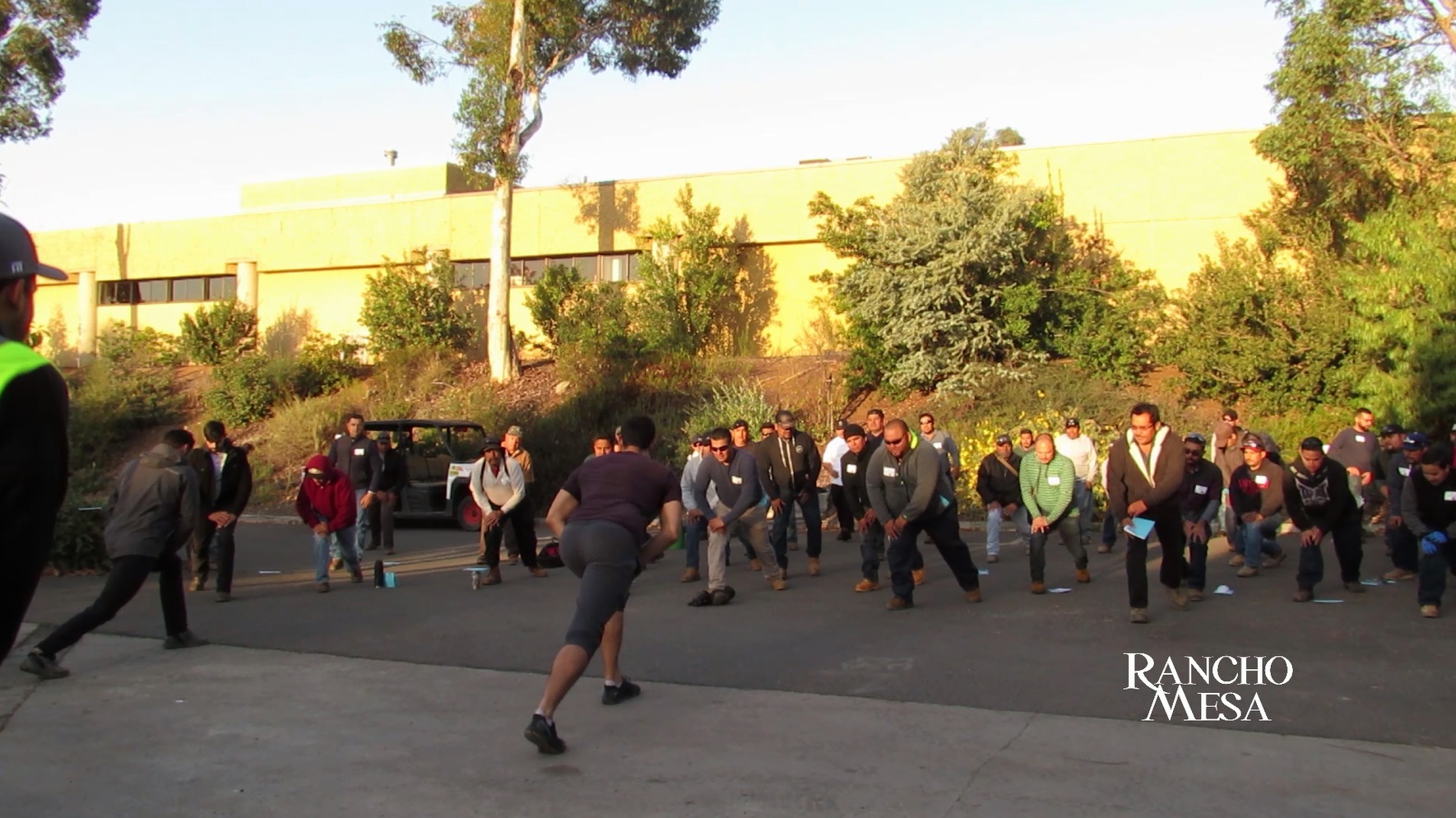
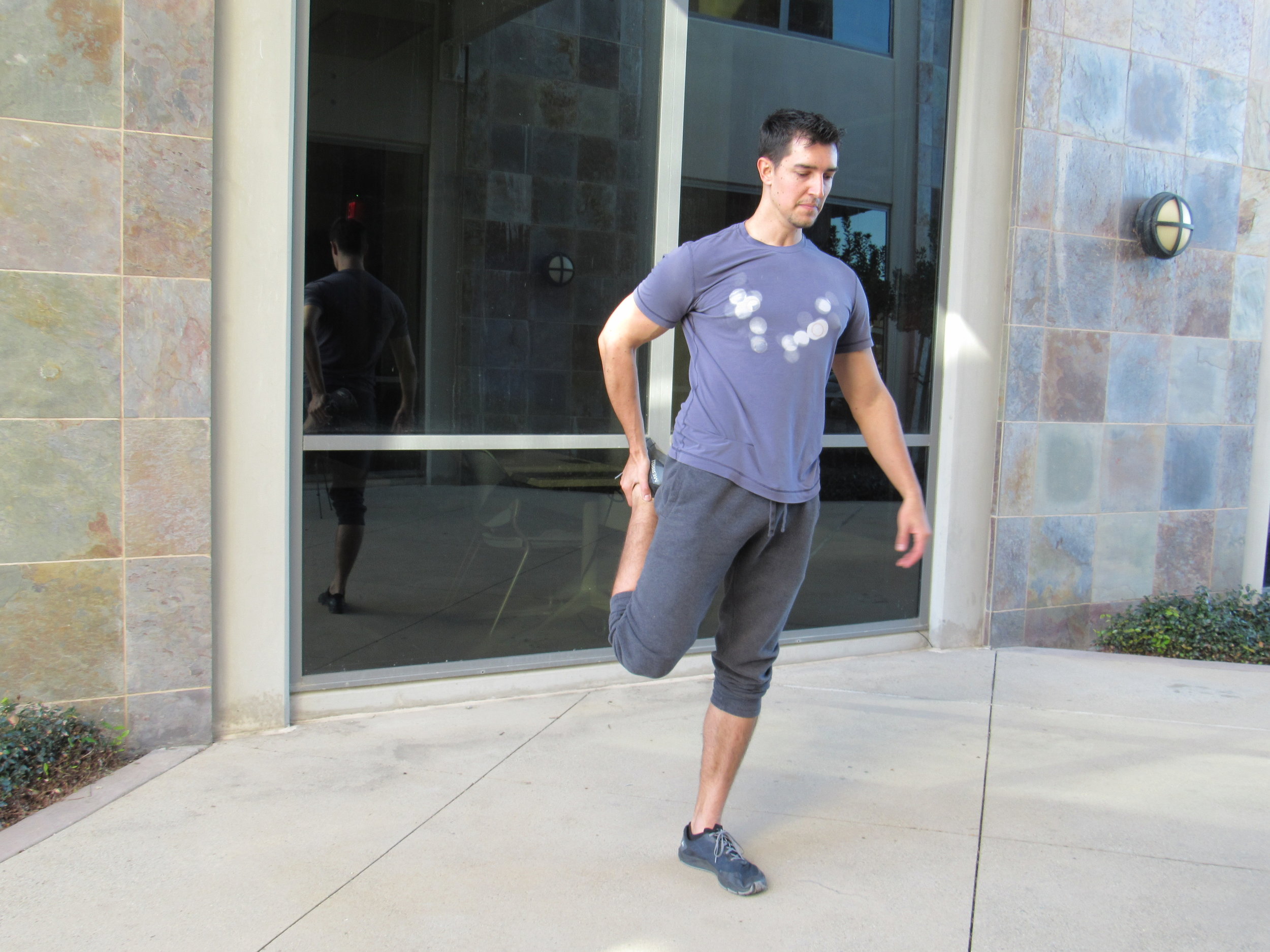
Having played professional baseball for several years, I know the importance of stretching to prepare oneself for the day. My team would stretch when we got to the field, then again before batting practice, and once more before the game started. Most people reserve stretching for sporting events. They forget the importance of stretching before work — feeling they will “loosen up” as the day goes along. However, there are countless ways for employees to become injured and those medical bills can grow all too fast.
While there are things that can be done to try to mitigate the claims after they occur, the best way to save on your premium is to prevent injuries from ever happening. If you can set aside just 5 minutes a day for your employees to stretch their muscles that will be used throughout the day, that could reduce strain and pull claims dramatically.
As recent as 2015, the WCIRB has broken down the most common injuries that occur in the 5474/5482 class codes. 57% of the injuries could have possibly been prevented by allotting just a few minutes a day for stretch and wellness. The most common injuries for painters are to their lower extremities, back, and upper extremities (not including the hand). It is easy to see, that with all the bending down and painting above their heads, cumulative injuries are going to happen if no precautions are taken. An average claim for these types of injuries can cost just shy of $35,000. Having multiple claims of these types can be crippling for a company.
Having employees stretch when they get to the jobsite, and after lunch is the best way to reduce soft tissue claims. Making sure the legs are ready to bend, the back and neck are stretched out, and shoulders are prepared for the work at hand, is as important as anything they will be doing that day.
Your employees may need a little extra energy in the morning, but caffeine reduces blood circulation and can lead to stiffness when returning from lunch. It is important to get the blood flowing again with some trunk twists, toe touches, and arm swings. This will increase blood flow throughout the body. Finally, inflammation can worsen as the day progresses, and having leafy greens reduces inflammation. Providing a healthy lunch can help to build morale and keep that nagging soreness away while increasing productivity.
Rancho Mesa has put together a Mobility and Stretch Program™ for their clients. The program has reduced the number of reported strain and pull claims, and has significantly helped drop clients’ MODs. Please reach out to Rancho Mesa Insurance Services, Inc. with any questions you may have.
3 Ways for Nonprofits to Opt Out of Unemployment Tax
Author, Sam Brown, Vice President, Human Services Group, Rancho Mesa Insurance Services, Inc.
Nonprofit leaders who want to reduce overhead and tax burdens should consider revisiting their organizations’ unemployment tax status. More to the point, thanks to the Federal Unemployment Tax Act of 1972, nonprofits can eliminate the unemployment insurance tax and outsource the headache of claims administration. Let’s investigate further.
Author, Sam Brown, Vice President, Human Services Group, Rancho Mesa Insurance Services, Inc.

Nonprofit leaders who want to reduce overhead and tax burdens should consider revisiting their organizations’ unemployment tax status. More to the point, thanks to the Federal Unemployment Tax Act of 1972, nonprofits can eliminate the unemployment insurance tax and outsource the headache of claims administration. Let’s investigate further.
Traditionally, the state charges a nonprofit employer payroll tax to fund the state unemployment insurance program. Each nonprofit’s tax rate adjusts each year depending on employee turnover and unemployment claims. According to several sources, nonprofits pay an average of $2.00 in taxes for every $1.00 in paid claims. So how do we reduce this overage?
Now for the good news; nonprofits are not required to pay the state unemployment tax. Provision 3309a of the Federal Unemployment Tax Act allows 501(c)(3)s to choose whether to pay into the state program at the prescribed tax rate, or to pay into the program an amount equal to the actual unemployment benefits paid out by the state program. In other words, a nonprofit employer may “opt out” and reimburse the state.
Below are three “opt out” and administrative solutions a nonprofit should consider depending on its desired level of risk.
First Dollar Insurance: A private insurance company provides a fixed rate based on the nonprofit’s individual claims history and expected future claims. This option provides budgetary certainty with a low-risk product. If unemployment claims exceed expectations, there is no additional cost to the employer.
Customized Stop-Loss Insurance: For nonprofit leaders who want to accept more risk and realize higher savings, the employer pays an agreed upon self-insured retention, after which point the insurance company pays all benefits.
Nonprofit Unemployment Trust: For nonprofit organizations with high employee retention or low unemployment claims frequency, a trust can offer a high return in exchange for higher risk. In most cases, the trust protects the employer against unexpected, catastrophic charges. The nonprofit employer has a high retention that must be met before the protection is triggered.
Each solution presented above provides services to further reduce risk and unemployment expenses. These services include claims management, hearing representation, unemployment cost management training, and transparent billing and accounting.
Whether the nonprofit pays unemployment taxes or reimburses the state, there are advantages and disadvantages. Nonprofit leaders who understand these details and the nuances of each solution will have the confidence to move forward in the direction that best suits the organization.
Higher Workers' Compensation Premiums Linked to New Employee Injuries
Author, Drew Garcia, Vice President, Landscape Group, Rancho Mesa Insurance Services, Inc.
Based on Rancho Mesa Insurance Services’ client’s information, we have been able to identify that the majority of work-related injuries occur within the first year of employment. During the first year, the majority of these claims occur in the first six months. Having a system for onboarding and training new hires is a critical component to dealing with the heightened risk of injury during this time period.
Author, Drew Garcia, Vice President, Landscape Group, Rancho Mesa Insurance Services, Inc.

Based on Rancho Mesa Insurance Services’ clients’ information, we have been able to identify that the majority of work-related injuries occur within the first year of employment. During the first year, the majority of these claims occur in the first six months. Having a system for on-boarding and training new hires is a critical component to dealing with the heightened risk of injury during this time period.
New Hires Effect Risk Exposure
During the workers’ compensation underwriting process, companies are commonly asked if their payroll will continue to grow, stabilize, or decline. Underwriters can assume that with growing payrolls, the company will be hiring new employees. New employees will likely increase the probability of work-related injuries. Underwriters must take this information into consideration when justifying a premium that will cover the company’s complete risk exposure.
Mitigating the Increase in Premium
It is extremely beneficial for the owner and insurance broker to relay the measures that their company has committed to train, manage, and track new hires. If you are looking for a way to improve your safety efforts, consider focusing on proper new employee onboarding and training to minimize the potential impact claims can have on your company.
Please reach out to Rancho Mesa’s Client Services Coordinator Alyssa Burley at (619) 438-6869 to learn more about the Risk Management Center and how you can improve your safety training.