

Industry News

Navigating Subcontract Agreements with Charles Stec, J.D.
In the first of a special two-part series, Construction Group Vice President Daniel Frazee and Landscape Group Vice President Drew Garcia, interview Charles Stec, J.D., accomplished attorney at Lanak and Hanna, to discuss how construction companies can best navigate subcontract agreements.

In the first of a special two-part series, Executive Vice President Daniel Frazee and Landscape Group Vice President Drew Garcia, interview Charles Stec, J.D., accomplished attorney at Lanak & Hanna, to discuss how construction companies can best navigate subcontract agreements.
Daniel Frazee: Welcome everyone and thanks for joining us. I am Daniel Frazee, the construction group leader and we're back in StudioOne™ with Drew Garcia, our landscape group leader. Welcome Drew.
Drew Garcia: Dan, good morning. How you doing?
DF: Doing fantastic. We're really excited to be joined by Charles Stec, an accomplished attorney supporting the construction industry with Lanak and Hanna. Charles is here to share his experience in representing California trade and general contractors, which includes several of our clients. And more specifically, I think we're going to get inside two important but very distinct topics, subcontract agreements and indemnification. Welcome, Charles, to StudioOne™.
Charles Stec: Thanks for having me, it's my pleasure.
DF: So before we get started, Charles, tell us more about yourself and how you became so focused in the construction industry?
CS: Well, I actually got my start in the trades. I worked as a roofer back in the 90s and 2000s and worked on a lot of different projects: residential, commercial, public projects. Ultimately I still have and maintain a general contractor's license and when I got into the law I ended up gravitating back to construction both because of my experience but also because I believed as a lawyer that I could help contractor clients navigate the pitfalls of the construction industry by getting involved earlier.
What I've noticed in my practice is that many contractors don't consult with an attorney until something goes wrong and they get sued. And at that point, they've already got the contract, says what it says, the facts are the facts. What I like to do is get involved earlier. And at that point, we can look at contracts, we can look at what's going on in a project, and try to assess risks and minimize risks. So the firm I work for, Lanak and Hanna, were really a one-stop construction shop. We handle everything that's related to a construction business. So from the outset, we handle, for example, the contracts, but also bids during the project, labor issues that might come up. And at the end, collections such as stop notices and mechanics liens, or in the event something goes wrong, defending against a defect or a damages claim.
DG: Very good. Yeah, I think we can relate with your guys’ proactive approach to business and how you're trying to kind of consult with your customers in advance of an issue and obviously when there is an issue reacting to it and making sure that you're there for them. We take a similar approach to the way that we do our business. And when we jump into subcontract agreements you know Rancho Mesa we've got a number of different businesses that we help support. We could have general contractors; we could have trade contractors that are a part of a project. We've also got service contractors that might be subbing out small portions of their work where it might not be as glaring or they might think there's not a need to have a subcontract agreement.
Obviously, it's important. Can you talk to us about why the sub contract agreement is an important step in the relationship between two service partners and how it provides clarity?
CS: Sure, Drew. Let's start with the basic, what is the purpose of a contract? Really the purpose of a contract is to allocate risk by defining the rights and responsibilities between your two service providers to avoid disputes that are caused by misunderstandings or to set forth what's going to happen if something actually does go wrong. So generally what we see a lot of in the most common disputes between contractors and subs or a service provider and their subcontractor is simple things like payments, or what happens when there's extra work. So a subcontract agreement can be used to put those things into writing and set forth those basic terms; what that subcontractor is going to get paid, what the specific items that are included in their scope are, so if there is extra, we can define what is and what isn't extra, and then how that subcontractor is going to get paid. Are they getting paid on a progress payment, or are they getting paid on a lump sum when it's done?
If something does go wrong, the subcontractor agreement also has the benefit of setting forth how it's going to be resolved. For example, if that subcontractor doesn't finish their work or they get terminated, who's responsible for the cost to complete that work? Another example would be if there's an injury or damages that come from their work, how do we apportion that responsibility? And another example after that would be If something does go wrong and we can't resolve it, what's the procedure going to be? Are we going to go to litigation and spend years in court? Are we going to consider arbitration, which might cost us a little more upfront, but could get to a resolution faster?
The main point is a subcontract agreement is giving you an opportunity to allocate your risks, which allows you to better bid a project. If you are taking on a lot more risk, you're probably going to want to charge a premium for that risk. On the opposite side if you are passing that risk on to your subcontractor perhaps then you might be able to bid at a tighter rate. So a subcontract agreement's big main purpose is to really define things so that we know what's going to happen rather than leaving it up in the air.
DG: Well, so that makes sense. And when somebody's putting together a subcontract agreement, maybe it's the first one that somebody like you is putting together for a business. Is it kind of a, “hey, this one agreement fits all types of work that you might subcontract” or should the business look at more of a focused approach in terms of the type of work that they're subbing out or the type of project that they're on? Would that bring any nuance to the subcontract agreement?
CS: It would. So there's really two answers to your question Drew. First, yes, there are many general provisions that you're going to use through all your different types of subcontractors. Those are going to be those basic provisions like price, payment methods, what's the scope of work, how do we handle change orders, what's that procedure and the notice, maybe schedule and your insurance requirements.
But second, there's going to be some provisions that really are specific to the type of work you're subbing out. So take for example, if you're subbing out work where people are working in the ground, they're doing digging, they're doing trenching, they're planting materials. There's a large possibility that you could have unknown obstructions, whether there's big rocks or boulders in the ground or there's an unidentified utility. You might want to have a provision then that's going to assign who's responsible for those unknown encounters? Is it going to be the subcontractor who's then going to price it higher to deal with their risk of the unknowns? Or is it going to be the general contractor? Or is it going to be the owner? And that's going to affect both your pricing and bidding on the project, but it's also going to affect when that comes up, how do you deal with that dispute? Having that provision in place allows you to have the answer so you don't actually have to have a dispute and go to litigation.
Comparatively let's imagine that your subcontracting out work like roofing or windows or plumbing. Those come with the possibility of a water intrusion claim, there could be a leak there could be a burst pipe. So first and foremost we think well damages from that would probably be covered by insurance but there are other things that aren't and that's going to be those incidentals. For example, if you have a plumbing leak and it's in a residence or in a business, there's a possibility that owner is going to make a claim for loss of use or for a loss of profits because they haven't been able to operate their business. What we would want to then consider is whether or not you should have a consequential damages waiver that essentially says if there's these other indirect costs like the loss of use or like the loss of profits, who's going to be responsible for that? Is that going to be the owner or is that going to be the contractor or the subcontractor that caused the damage? And again, that's going to allocate to you how do you want to price this project? Because your bid is probably going to be affected by how much risk you're taking on. So those are two possible provisions that you might want to make more specific to your individual subcontractors and the type of work that they're doing.
DG: Got it. So obviously having open dialogue with a professional like yourselves in terms of what the project might look like for the business helps to kind of cater to the subcontract agreement or the specific needs of that agreement.
So in general, how often should somebody relook at their, the general provisions of their subcontract agreement that might be unanimous across all of their agreements? Is it an annual thing, bi-annual? Is there a recommendation in terms of how and those things should be re-looked at and revisited?
CS: Well, we generally recommend having your contracts re-looked at yearly. Now, some years there might be nothing to change, but other years there could be. The issue is the law is constantly evolving. So what the regulations are out there, whether it's from the CSLB or it's going to be from decisions from the court, are going to change over the years.
Let's take example, most common thing, pay. In the last several years, we've seen many revisions. Going back, not long ago, if paid provisions were allowed, which essentially said that the contractor and the subcontractor would share the risk that the owner doesn't pay. California has since prohibited those and said, no, that's not reasonable., it's against public policy, we want subcontractors to get paid. So now those are prohibited. Yet I still see them in contracts all the time that haven't been updated.
Similarly, California does allow pay when paid, which says that the subcontractor’s payment can be delayed until the contractor is paid by the owner. We saw just in the last couple of years, the court come back though and find one scenario where it decided to limit those provisions. And specifically, it was a lot of these provisions were being written to say that if the owner and the prime contractor got into a dispute, that the subcontractor had to wait to get paid until that dispute, whether it was litigation or arbitration, was resolved. Courts came out and said, that's not reasonable because it potentially makes that subcontractor who may have nothing to do with the dispute have to wait for payment for even years until that litigation is resolved. So the court said now that “pay when paid” provisions have to be reasonable. So I've been recommending in the last couple of years’ revisions to contracts to define what that reasonable period is.
So the answer to your question is ultimately contracts should probably be reviewed yearly. Some years it's going to be more, some years it's going to be less, but you want to stay up to date with the current codes, the current decisions, and the CSLB rules that are ever changing.
DG: Very nice. Now that makes sense. Last question, last subcontract question for you. So obviously having them is important, making sure that they are catered towards the work that you guys are, that you're putting into place. You know, I think the answer is probably obvious on this, when should that subcontract agreement be signed? But I'd like you to comment on that, but also what are some pitfalls if they're not signed before the project takes off? What are some concerns or what could that create in terms of, you know, future issues or maybe more immediate issues if that agreement isn't in place before the project takes off?
CS: Well, I think starting off, I would say what we've been talking about assigning risk and responsibility is really going to impact your pricing. So I would recommend having those agreements signed early.
What a lot of my contractor clients have been doing is they're doing master subcontractor agreements where with the regular vendors that they're using, they have an overall agreement that sets forth the terms and conditions and their assignment of risk and how they're going to deal with problems that they typically would foresee in an agreement that gets signed long before there's ever a job in place. Then when there's a particular job, they'll issue a purchase order and that purchase order will just incorporate the terms and conditions of that master subcontractor agreement. That's a really good place to be because then when you are bidding on a project, you already know how you are allocating risk amongst yourself, your subcontractor, and the owner, and you can price accordingly.
DG: Yeah. Again, it makes total sense.
DF: Okay. Well, tell us if people need to connect with you, what's a good way to start the dialogue?
CS: Again, thank you for having me here today. I can be reached at my office, it's (714) 451 -7919. Send me an email, that's cksetc@lanak-hanna.com or you can go to our website, which is Lanak-Hanna.com.
DG: Thank you again and thanks to our listeners for joining us and we'll see you next time.
Continue to Part II
Umbrella vs. Excess Liability: The Key Differences Contractors Need to Know
Author, Sam Clayton, Vice President, Construction Group, Rancho Mesa Insurance Services, Inc.
When reviewing insurance requirements that contractors receive from municipalities and/or general contractors, two lines of coverage that are often misunderstood are umbrella and excess liability. These terms are commonly interchangeable in the contract, but have subtle differences. In addition, the limits required by contracts are increasing significantly.
Author, Sam Clayton, Vice President, Construction Group, Rancho Mesa Insurance Services, Inc.

When reviewing insurance requirements that contractors receive from municipalities and/or general contractors, two lines of coverage that are often misunderstood are umbrella and excess liability. These terms are commonly interchangeable in the contract, but have subtle differences. In addition, the limits required by contracts are increasing significantly.
Excess vs. Umbrella
An excess liability policy has two primary functions: it provides excess limits above the underlying liability insurance limits and replaces underlying insurance limits as aggregate limits are exhausted; the excess policy will be subject to the same coverage terms, conditions and exclusions as the underlying policies. This is what is called follow-form.
A commercial umbrella liability policy has three primary functions: it provides excess limits above the underlying liability insurance limits; replaces underlying insurance limits as aggregate limits are exhausted; and offers broader coverage than primary policies for certain losses which would be subject to an SIR or self-insured retention.
Why are they important?
A commercial umbrella or a properly structured excess policy will sit above a contractor’s existing policy’s general liability, auto liability and employers’ liability limit. This protects contractors from large unexpected losses that can have devastating financial impact on the company.
With the dramatic rise in costs of insurance claims the last few years, either from social inflation or third-party litigation funding, multi-million dollar settlements are becoming more frequent. For example, if one of your employees is in an auto accident that causes severe bodily injury to multiple people, the legal and medical costs incurred could very easily exhaust your primary auto liability limit very quickly. Umbrella or excess policy limits would be available cover those losses.
So, when reviewing a contract, pay close attention to the umbrella or excess insurance requirements, and ensure that you understand the subtle differences of how they can impact your bottom line if there is a claim.
To learn more about these specific coverages and how they can be incorporated into your current insurance program, reach out via email to sclayton@ranchomesa.com or (619) 937-0167.
Maximizing the Value of Your Next Loss Control Visit
Author, Rory Anderson, Partner, Account Executive, Rancho Mesa Insurance Services, Inc.
There are a few different reasons for a carrier to schedule a loss control visit. Sometimes, a carrier may want to perform a loss control visit before they quote your insurance. However, for the purpose of this article, I’d like to focus on the loss control service offering provided directly from your current insurance carrier.
Author, Rory Anderson, Partner, Account Executive, Rancho Mesa Insurance Services, Inc.
There are a few different reasons for a carrier to schedule a loss control visit. Sometimes, a carrier may want to perform a loss control visit before they quote your insurance. However, for the purpose of this article, I’d like to focus on the loss control service offering provided directly from your current insurance carrier.
From the perspective of a tree care business owner, uncertainty, skepticism, and hesitation are often the most common initial reactions to an insurance carrier loss control visit. However, these visits should not be seen as a negative process. Instead, they present an opportunity for tree care business owners to enhance safety protocols, reduce risks, and ultimately improve their insurability.
Loss control specialists have dedicated their careers to understanding risk and safety, and are committed to make the workplace safer. By engaging with the loss control specialist and reviewing their recommendations as constructive guidance, tree care companies can make valuable changes that not only improve their risk profile, but also potentially lower insurance premiums.
To get the most out of a loss control visit:
Set clear objectives. Establish goals and determine what you would like to accomplish. Communicate your objectives of the visit with your team members and the loss control representative. It is a good idea to engage your key employees and involve your team. Your safety officer, fleet manager, and crew leaders should be present. This will encourage participation and help cultivate a culture of safety.
Share information. Have your safety programs, training records, maintenance records, and any other safety information ready to share. Discuss any safety incentive programs and/or initiatives set forth by management.
Maintain an open mind and practice humility. Welcome feedback and approach the visit with a positive attitude. View the loss control specialist as a partner and be open to recommendations.
Conduct a walkthrough and jobsite visit. Tour your facility and visit a jobsite, unannounced. It is best to drop in on your crews without them knowing you will be there. This will provide real insight into your operations, accountability, and identify gaps in safety compliance.
Document recommendations. Most of the time, your loss control representative will generate and send to you a report for your records. However, if that is not the case, make sure to record key points and suggestions.
Create an action plan and prioritize changes. After the visit, review the recommendations with your team and prioritize the changes and completion of your plan within a certain timeframe.
Build a relationship. Stay in touch after the initial visit and maintain communication with the loss control representative to discuss ongoing safety improvements and updates.
Maximizing a loss control visit strengthens your business by improving safety, reducing insurance costs, and maintaining a long-term relationship with your carrier partner. It is easy to view loss control visits as a chore or another task to check off the to-do list, but doing so overlooks the valuable insights the loss control representative can offer. Instead, try to view it as a partnership so you can leverage the representative’s knowledge to improve workplace practices and create a safer and more efficient operation.
To discuss how your tree care company can make the most of a loss control visit, contact me at (619) 486-6437 or randerson@ranchomesa.com.
Employer’s Guide to Handling Cumulative Trauma Claims
Author, Casey Craig, Account Executive, Rancho Mesa Insurance Services, Inc.
A growing thorn in employers’ sides has been the rise of worker’s compensation cumulative trauma (CT) claims. Cumulative trauma refers to the ongoing psychological and physical injuries that accumulate over time, often resulting from repetitive stress or exposure to adverse conditions. Employees missing time can lead to larger workers’ compensation claims, lower moral and less efficiency. It can be easy as an employer to take a defensive stance and fight every one of these but there are a few factors that need to be taken into consideration prior to deciding if you should settle or challenge these claims.
Author, Casey Craig, Account Executive, Rancho Mesa Insurance Services, Inc.

A growing thorn in employers’ sides has been the rise of worker’s compensation cumulative trauma (CT) claims. Cumulative trauma refers to the ongoing psychological and physical injuries that accumulate over time, often resulting from repetitive stress or exposure to adverse conditions. Employees missing time can lead to larger workers’ compensation claims, lower moral, and less efficiency. It can be easy as an employer to take a defensive stance and fight each one of these, but there are a few factors that must be taken into consideration prior to deciding if you should settle or challenge these claims.
Not every CT claim should to be fought. As hard as it is to hear, you can win the battle but lose the war. Sometimes the cost of gathering information, medical reviews, time spent away from operations and litigation can add up to more than it would have cost to settle these claims. This is extremely tough to achieve in construction as the burden is on the employer to prove that there is no way that their stated injuries could have happened while working for you.
Employers can proactively fight CT claims by staying ahead of the exposure as much as possible. This means making sure your workers have the safest, most ergonomic-friendly environment possible. Stress and repetitive motion are two of the largest causes of CT claims. Trying to keep your employees from doing the same repetitive task over and over is extremely important in keeping both moral high and frequency of claims lower. However, this can be difficult for most construction companies with the need to perform the same motion over and over, but it is necessary to have your employees switch up tasks if at all possible.
This does not mean that every cumulative trauma claim should be settled either. We are seeing younger and younger employees filing these once they have been let go or have chosen to leave. These post termination claims typically come attached with an applicant attorney and can include multiple body parts being named that appear initially as fraudulent statements. If it is determined that there truly was no record of injury and they are able to perform all normal duties, fighting the claim may make sense.
Each claim is unique and needs to be handled as such. Relying on your insurance broker and carrier claim consultant for guidance is critical in staying focused on the facts, not the frustration and emotions that often accompany these types of claims. While settling a claim that could be fraudulent can be frustrating and does have an impact on your experience modification rate, it can often be the best path towards minimizing costs and maintaining lower loss ratios that lead directly to lower renewal premiums, which is the ultimate goal.
If you have any questions about how to handle cumulative trauma claims, reach out to me at ccraig@ranchomesa.com or (619)438-6900.
Exploring Innovation and Problem Solving in the Commercial Construction Industry
Author, Andy Roberts, Surety Account Executive, Rancho Mesa Insurance Services, Inc.
Surety Account Executive Andy Roberts sat down and interviewed Miggs Borromeo, Commercial Surety Underwriter for Merchants Bonding, and discussed the current climate of the commercial surety world in Southern California. They also covered the bonding trends most commonly seen today, and the programs that Merchants Bonding Company offers.
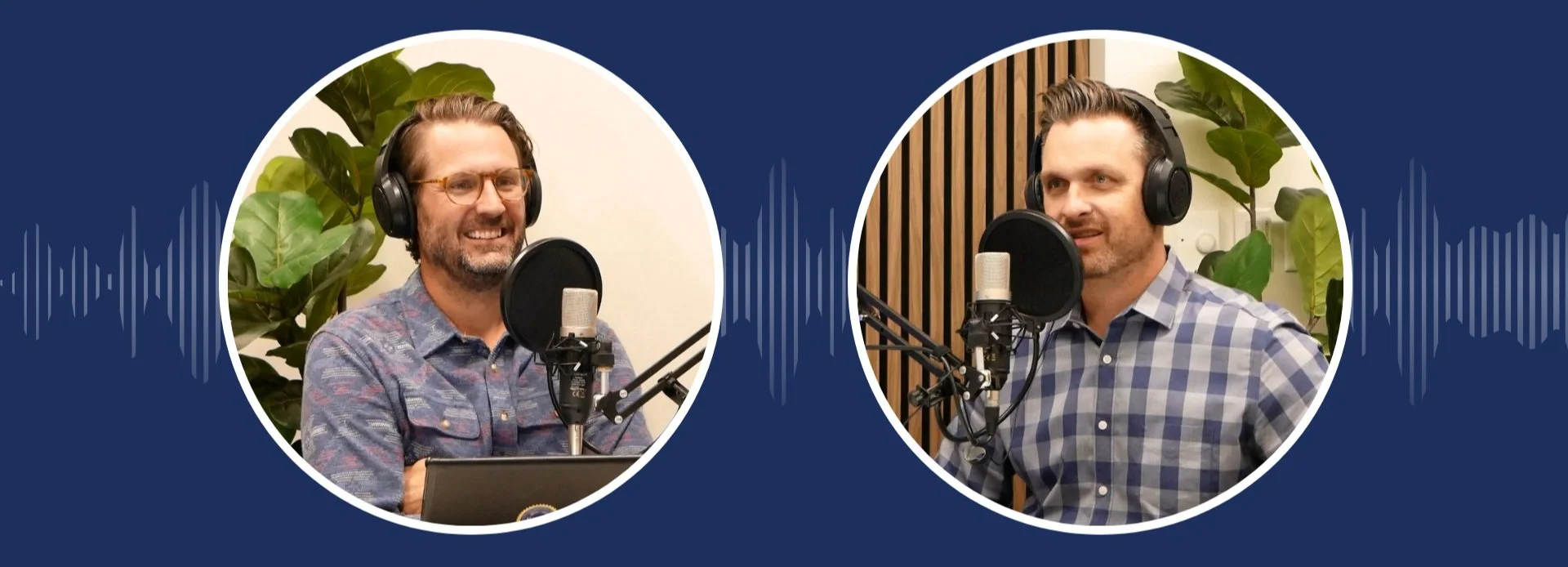
Kevin Howard, Partner with Rancho Mesa, interviews Jeremy Dentt of Dentt Properties Inc. and explores a range of topics relating to innovation and problem solving in the commercial construction world.
Kevin Howard: Welcome to StudioOne™. I'm Kevin Howard, Partner here at Rancho Mesa Insurance. Very excited to have our guest today, Jeremy Dentt. Jeremy, how are you doing?
Jeremy Dentt: I'm good. Thanks for having me. First time podcaster here.
KH: First time podcaster. I feel privileged. Jeremy Dentt is the owner of Dentt Real Estate Services. He's been specializing in the development, management, leasing, and sales of commercial real estate since 2004.
Jeremy, you mind if I go through your resume really fast? Geez, Louise. 19 years of experience in commercial real estate, which officially makes you a guru. San Diego State Aztec, and I'm looking through the development and management, you just have a ton of different types, a multitude of developments: commercial, habitational, gas stations. Which one of those was your favorite?
JD: I would have to say that my favorite is industrial. It's easier, four walls, some concrete, less chaos to the mix of the development where gas stations, carwashes; lots of moving parts, lots of different subs and smaller lots to build on.
KH: Makes more sense, it's more concise, less of a busy zone. And that would be your ideal build.
Well, we're going to go over some commercial real estate topics that I think.a lot of listeners are maybe asking themselves, you know, “What’s going on out there?” There’s been a ton of change since COVID, a ton of change nationally, internationally, so, just really excited to dive into this.
Let’s start with this question; if you could solve one major challenge in the commercial real estate industry today, what would that challenge be and what would you do?
JD: Well I think the biggest challenge we're still facing in commercial real estate, and just the building industry in general, is the escalating costs. We had huge spikes during COVID and we were hoping for a softening post-COVID but, some things have slowed down. It's still challenging to get material on time, costs are still going up, specifically switch gears are a year out from manufacturing to delivery to the site which presents just a major challenge to getting a project out of the ground.
KH: So you're estimating for a project to be, you know, six months, seven months, and you're way behind just because of how the economy is just so slow right now?
JD: Yeah, the supply chains are still on a significant delay for certain parts. Most of our projects that we started in the last three years, we ordered some of the important items like the switch gear and any large equipment six, seven months before even signing up a contractor.
KH: Right, frustrating, but what would you do to solve that problem? You know, you have a magic wand and you're like, "Hey, this is the big fix."
JD: That's a great question that I don't think there's one easy answer. I think having a little bit more manufacturing in the States would help. Some of the shipping logistics was the biggest challenge, getting it across seas. If we had more opportunity to manufacture some of these products locally, I think it would be easier for us to streamline the process.
KH: Totally agree. Your career spanning, you know, 20 plus years, what was the defining moment if you could just name one in your career so far, as far as a commercial real estate developer?
JD: Yeah, I think for me, I started my own project in 2019. It's an industrial complex, seven buildings in total, broken up into two phases. In the first phase, we got out of the ground in early 2019. And as you know, in 2020, March, we hit COVID and the world shut down. And I specifically remember the moment in this development when I was sitting there looking at my Excel spreadsheet with all my costs; my loan, which was a personal guaranteed loan of over $6 million and the world shutting down and wondering, what do I do next? And there's actually a funny picture of me laying in my backyard face down in, you know, March, where it's still 75 degrees here, I'm outside lying face down with a Patagonia jacket on just contemplating the decisions I've made.
KH: Yeah. “Where do we go from here?” Perfect timing, right?
JD: Yeah. I think for the defining moment side of it, it made me realize that I'd worked on this project since 2012 and we timed everything as best as we could. But there's so many factors in real estate and just anything you do that can come out of nowhere, that blindside you. And so having important economics to the deal is more important than ever because tomorrow something can change. And in that instance it was a global pandemic that I did not factor in my investment performance. But it was still a great project in a great location and luckily things turned and we did just fine but it was certainly one of those moments where it constantly changes your risk assumptions and how much risk you're willing to take on given that nothing's guaranteed.
KH: Right. Nothing is guaranteed. And obviously, that project is done. I've seen it. It's beautiful.
JD: It's done. It's insured by you, which is great. It's financed. So, yeah, it turned out to be a really good project for us.
KH: It worked out. Let's switch over to some innovation conversations. What innovations are you most excited about? I know there's just so much change with AI and, you know, remote workers What are you excited about when it comes to innovation?
JD: Well with innovation and construction and, you know, development of commercial property I've been really tracking more of the AR technologies that are coming out. Specifically, I've been working on a lot of construction projects where I'm out there, kind of old school, with a set of plans looking at details making sure the contractor built it right and I've lately come across these Apple goggles.
KH: Apple Vision Pro, the augmented reality. So cool, right?
JD: The augmented reality. Yeah those I really like and I've been tracking some of the programs that you can get where instead of the old school way of walking around with blueprints and checking the details making sure it's getting built right, the AR goggles you can build in the architectural plans with all the overlays of all the MEP sheets. And instead of looking down, they're essentially cast in front of you in the building and so if you had questions about, you know; the structural components behind it or what's behind that drywall or is that plumbing line supposed to be there? The plans are in front of you in these Apple goggles.
And I just think about how much efficiency will be brought to the construction industry when you're essentially staring at the plans while standing at the project. I think it's going to be huge for the construction industry in terms of not missing things. For instance, like right now I've got a project that I'm really concerned about some of the waterproofing and I can't get those layers pulled out. And I'm not sure that the details perfectly followed because there's some missing elements there. So now we're going to pull back some of the panels and make sure it's all there. However, if we had these technologies at the start, it'd provide one more opportunity for them to make sure that they're getting it right.
KH: That layer of comfort for you, right? Because you can see it.
JD: Absolutely.
KH: Yeah, I think that AR is definitely, it's going to come fast. It's going to affect how we train everybody in different industries, but it's definitely going to create more accuracy. You know, you can see it. It's right in front of you.
JD: Yeah, the technology doesn't just span construction. We're seeing it every year in the property management. You know, my company is unique where we do development, we do property management as well. It actually, the property management feeds itself from the development because understanding how the building is built is as important to managing it as well.
But, the technology there is constantly changing. Just coming into your office, looking at these elevator systems that have negative air systems now post-COVID, self -cleaning buttons. The property management software is changing, the connectivity between you and the tenant is easier than ever. It's really about streamlining that connection. And I always tell my clients that we incorporate these new technologies to connect us to the tenant, to get the rents paid, to get the tenants needs taken care of, but it's not to lose that connection with the manager. These types of technologies actually free up our time more so that we can be connected to the tenant base, which is important. They want to know their manager; they want to feel like they're being heard. And these programs are to kind of get rid of the minutia and streamline whatever it is, maybe a maintenance call, getting them connected to our vendor so that we can open lines of communications for other things.
KH: Right. It frees up the opportunity cost for you to go do other things, plug in your time. I mean, those are the advancements that we're so excited about.
JD: Yeah.
KH: I'm imagining listeners that are interested in commercial real estate would have some questions for you having to do with the future. What are you seeing in 20 years from now? You know, 20 years ago, if we talked about AR, augmented reality, we'd be like, “What?”
What's on the horizon and what would be really cool?
JD: Well, I think that one's more of a challenge for guys like you and I that are born and raised in San Diego. Perfect example, 25, 30 years ago, downtown San Diego was never on my radar. I didn't think there was any opportunity to develop. As you know, when we were kids, it wasn't the safest area to go. For me, I remember going down to Old Spaghetti Factory and my pops would drive up to that front door, open the minivan, say, “Get out, go inside.” Then he'd come in hour later, said, “Wait at the door,” minivan comes around, open, jam in. That was my understanding depiction of downtown, right? And then all of a sudden this ballpark comes in and everything explodes down there.
I think it's part of what I'm talking about of what 30 years looks like, density, right? We are out of land in San Diego. Single family homes, building them is a challenge. We just don't have big tracks to put it together. You'll get your small pockets here and there, but the reality is, is most of our housing is going to come from density. And you've seen it in downtown San Diego. You see constant sky rises going up. You're seeing it more in North Park than ever before with the cities updating their community plans for denser locations near freeways. And so I think that the 20, 30-year outlook for San Diego is just a completely different sky rise. The single family huts that we grew up in East County, all those areas will have to accommodate growth, and we’re out of land. So how do you do it? You go up.
And I think that's honestly, we're seeing it even in industrial. It hasn't hit San Diego, but in markets like Seattle, Oakland, New York, they're building two and three story industrial buildings now. Those same markets are constrained with land. And so how do you create more industrial space?
KH: Go up.
JD: You go up. It's expensive, but at some point it does make sense. So I think just a vertical skyline is going to be the future of San Diego.
KH: Right, and that reminds me of the book Ready Player One that I asked you to read years ago.
JD: Sure, what a great recommendation.
KH: And that story, the stacks are stacked high because of that same problem, right?
JD: Sure, hopefully, we don't lose the social interaction that is lost in that world, but the density, I agree.
KH: We shall see. We'll listen to this podcast later on in life and say, "We were way off," or "You nailed it." So, we've talked about innovation. We've talked about the future of commercial real estate, what are you doing for risk management? What are you doing out there to really mitigate major risk?
JD: Yeah, I think that's one of the biggest things where we constantly look into. First things first is hire a good insurance agent, like you, to ensure the entire portfolio and be as cost effective as possible.
At a property level, we're encouraging all of our owners and looking at our own assets and trying to add cameras. I think from a perspective of risk for litigation, having captured more data on your building; what people are coming and going, what happens when they're at their building, I think is one of the best things that you can do. It doesn't help proactive. Of course, we got to stay proactive with getting eyes on our property, checking to make sure that everything's in good order. We don't want broken concrete. We don't want tripping hazards, all the kind of normal checks. But inevitably things are going to happen, right? And so mitigation of that risk after it happened. Well, not to say anyone lies about trip and fall on a property, however, having an understanding of what happened can be a defensible situation for us. And so having cameras at our properties to pick up on any activity of what may or may not happen is something that we're trying to roll out across our portfolio. And we do it on our large properties, which cost a little bit more because you have a bigger area to capture, all the way down to the properties that we represent that are one and two units. And this can be achieved with even installing a ring camera that has the ability to just capture an area.
And what we found is in these situations if something arises, we understand what happened so we can defend or acknowledge the situation and oftentimes it's just using it as a defense opportunity. The risk perspective is, we got to hand it over insurance and then our insurance premiums go up, right? So, doing as much to the building as possible to protect us and keep our claims low.
KH: I think it's especially very timely as far as adding a control, adding something to invest in that will just pay benefits over the long run If you do have a claim like that. It’s the same with commercial auto right now like, “Hey, so what happened?” Is it he said, she said or oh, “Here's the footage, we have it right here.” So that's really smart.
JD: Great point. Yeah, it's no different than insurance policy to us. It helps after the fact of collecting the data and understanding. And on an amenity base for tenants, they're actually finding a lot of value in it.
So we've got two high traffic buildings, one in Chula Vista and one in Escondido. And now multiple times I've provided footage for a tenant or a client of the tenant that reached out and said, "Someone backed up into my car." And I provided them the make, the model of the vehicle and they were just blown away like, "This is fantastic. This is what my insurance needed. They know it's not me.”
KH: I love it.
JD: What they do with it, I don't know, but it at least helps them on their side.
KH: Right.
JD: And so, we've been really trying to push for a lot of that.
KH: This is really innovative and can't cost too much either, right?
JD: It's coming down in price. I remember when I started, you would look at it and it just didn't make financial sense. But with the wireless connectivity, which is the most challenging part, because you don't want to be running wires 600 feet down the building, right? In a conduit, it all starts adding up. But with the new wireless capabilities and the quality of these videos, it's cheaper than it's ever been.
You know, I do all these things, right? And I put in all these checks and balances for my buildings. My most recent project, that you're aware of, is the ESFR rated fire system. The best you can get. If anything catches fire there, that fire system is going to suppress. But, the industry in general, every year, not every year, I should say the last couple of years, we've seen it premium spikes. And the comments have been, “Well, there's been a lot of wildfires, there's been floods.” Nothing that's been extremely detrimental to my properties or in my location, but my premiums continue to go up. I'm curious is why are outside events affecting my properties?
KH: That's a really good question. I think that, you know, we see premiums go up and we're wondering, “Hey, time out. My portfolio was not affected, you know, I'm so far away from these fire zones.” In reality, you know, I have some statistics in front of me. In 2023, 7,127 wildfires. The year prior, 7,667 wildfires. Both years ranging $10 billion to $ 15 billion and paid out insurance costs.
So, your insurance companies, they're buying reinsurance. They're buying insurance on top of insurance. Those reinsurers, they're getting killed. Hurricane Milton, for example, has an estimated $60 billion payout. So when we have these disasters internationally that are taking a huge hit and these re-insurers are taking a huge hit. The pressure passes down to the insurers and ultimately the consumer, right? So we'll see the effect of Milton and Hurricane Helene. But that's the long and short of it is you can have the best controls in place, but because of what's going on with natural disasters, Unfortunately, you're seeing the effect.
And then one more added layer is the cost of goods. Like you mentioned, you know, gas prices being up, money costs more. If there is a situation where a building has to be rebuilt, it costs way more now than it did 10 years ago.
JD: Sure.
KH: So you combine those two together and, you know, that's why we're seeing premiums go up. And the best way for us to really help you fight, you know, at commercial real estate portfolios, you know, fight down those costs, is to communicate early with your insurance agent, make sure they know everything about those controls that you're talking about. Do you have the cameras? And what else are you doing that really helps us mention that to the marketplace and find savings where we can find savings?
JD: So my mitigation of risk can transfer over to their mitigation of risk and hopefully, maybe move the needle of premiums?
KH: I mean, for example, we talked about property premiums going up. General liabilities are usually a good portion of your total insurance costs. Can we push that down? Should we raise the deductible? Are we fighting for the best rate on that? We got to fight where we can fight right now when we have no control, we're completely powerless over what's happening in the property marketplace.
Similar to homeowners right now that live in these fire zones, paying five, six, seven thousand dollars a year in premiums. They weren't expecting that. They didn't budget for that. So we have to just hold tight, be as creative as possible, and really dig deep as far as how we market your account and how we fight for credits.
JD: Yeah, I agree.
KH: We've covered a lot of ground here. We've talked about how you're mitigating risk. We've talked about the implementation of new technology. With everything that you have under your belt, who can you help right now? Who's out there that might need your services?
JD: So our focus is twofold. We're looking for clients and partners that have land or a building that has some type of value-add lift that needs someone with expertise of construction, ownership, and management. And then also over the past five years, we've added multifamily into our portfolio. Which, the landscape of San Diego has changed from a few small developers and managers to multi-billion dollar companies. And so being just focused in one silo of commercial real estate presented challenge. So we pivoted and took what we experienced in commercial real estate, which is a higher level of care and trust for a building and added that to our multifamily portfolio.
So there's a lot of families out there that are self-managing their own portfolio, whether it's a three unit, four unit or a couple hundred units that the family was doing on their own. They're reaching that point of retirement where that building--it makes a nice cash flow for them--and to give up that management fee to shed all risk and just the risk of everything that's constantly changing. They don't have to stay on top of anymore giving passing that baton over to a company that stays on top of it works with the right people, the right insurance, the right GCs to keep that building running healthy for a long time is who we're really looking for. Someone that we can form a relationship with. We're not just there for just the management. We want to be a partner to it and provide them the highest level of service that we originally started our roots in, which is commercial real estate.
KH: Right. And it sounds like you'd bring a real peace of mind in that scenario where somebody's kind of at the end of where they want to manage their property and they want to hand it over to a pro.
And I'll vouch for Jeremy. I've known Jeremy my entire life. He's such a good guy. I really truly believe in what you're doing out there in the community for San Diego. Jeremy also contributes his time to Miracle League, which is a fabulous, very important part of San Diego as far as a nonprofit. And I'm just so proud to be your friend.
JD: Appreciate that. You know, we're here to help. I understand management comes at a cost. Oftentimes there's an opportunity to offset that expense that you see from management fees. So we're really pushing for families and owners that, looking for retirement, that want to hand over their asset that they worked really hard. And we're going to honor how hard they work to make that deal and to hold it for so long and carry out that legacy of management for them.
KH: That's a good point. It's a very good point. Well Jeremy if somebody wants to reach out to you. How can they get ahold of you?
JD: Yeah, we can attach my email to this post. It's jeremy@denttprop.com Happy to help.
KH: Very cool.
JD: Thanks so much for having me.
KH: Thank you for coming to StudioOne™.
JD: Great introduction to my first podcast.
KH: There you go. Appreciate it.
JD: Thanks.
Three Industry Benchmarks all Landscape Companies Should Track
Author, Greg Garcia, Account Executive, Rancho Mesa Insurance Services, Inc.
There are three major benchmarks that all landscape companies should consider when looking at how well they manage risk: average claim cost, claim indemnity rate, and claim frequency rate. Knowing the importance of this, we designed a key performance indicator (KPI) dashboard that highlights these industry benchmarks, as well as benchmarks them against other landscape companies in their geographic area.
Author, Greg Garcia, Account Executive, Rancho Mesa Insurance Services, Inc.

There are three major benchmarks that all landscape companies should consider when looking at how well they manage risk. The three benchmarks are your:
Average Claim Cost
Claim Indemnity Rate
Claim Frequency Rate
Knowing the importance of this, we designed a key performance indicator (KPI) dashboard that highlights these industry benchmarks, as well as compares them against other landscape companies in their geographic area.
We have pulled data from all landscape companies using the 0042 class code and have come up with some industry averages. For the sake of this example, we will use California landscape contractors only.
In California, the average claim cost for landscape contractors is $50,300 per 1 million dollars of landscape payroll. In other words, on average for every 1 million dollars a landscape company has in the 0042 class code they should incur about $50,300 in claim cost. That number would rise to $100,600 in claim cost if a landscape company had 2 million dollars in 0042 class code.
The next major category to consider would be indemnity rate. Indemnity rate, or claims that result in lost time and temporary disability, the industry average is 0.7 claims per 1 million dollars of 0042 payrolls.
Finally, the last category we consider is frequency rate. In California for every 1 million dollars allocated to the 0042 class code on average that company will have 1.5 claims.
Knowing the data will not only give your team a good indication of how safe your company is, but these categories also play a significant role in determining work comp premiums. There are several underwriting metrics a worker compensation underwriter takes into consideration when looking at a prospective business. The Experience MOD, loss history, and of course safety protocols and procedures to name a few.
The other major metric that underwriters are looking at are these three benchmarks: , average claim cost, indemnity rate, and frequency rate. Simply put, the better a landscape company scores in these critical metrics, the better chance that an underwriter will add schedule credits to lower the worker’s compensation premium.
Now is a great time to see how well your landscape company stacks up against your peers, and consider any internal options to improve your metrics in any of these three major categories.
Protecting Your HVAC and Plumbing Business with Proper Classifications
Author, Matt Gorham, Account executive, Rancho Mesa Insurance Services, Inc.
Within the construction industry, it is common for questions to arise about how to categorize work that a contractor performs. While organizations like the Insurance Service Office (ISO), Workers’ Compensation Insurance Rating Bureau (WCIRB), and the National Council on Compensation Insurance (NCCI) have created classification systems, nuances in worksite demands can lead to confusion about which class code to use for a given business’s operations.
Author, Matt Gorham, Account Executive, Rancho Mesa Insurance Services, Inc.

Within the construction industry, it is common for questions to arise about how to categorize work that a contractor performs. While organizations like the Insurance Service Office (ISO), Workers’ Compensation Insurance Rating Bureau (WCIRB), and the National Council on Compensation Insurance (NCCI) have created classification systems, nuances in worksite demands can lead to confusion about which class code to use for a given business’s operations.
Even though many types of work have similarities, mistakes in classification can lead to:
Problematic coverage exclusions
Surprise audit bills
Overpaying insurance premiums
General liability class codes differ between types of work, such as commercial/industrial plumbing and residential plumbing, or heating and air conditioning with or without liquefied petroleum gas.
Problems can arise for businesses when their coverage fails to match the work being performed, especially when certain endorsements are included within their policies. When a loss happens in this situation, a carrier may deny coverage, leaving the business to respond to the damage or injury on its own.
We recently started working with an HVAC contractor that had previously found themselves on the wrong end of this scenario, having incurred over $350,000 in property damage costs because they were held responsible for flooding an apartment while moving a water line. Their previous carrier denied the claim because of a coverage limitation endorsement, which specifically limited coverage only to the classification codes listed on their policy.
In severe cases, a carrier may also choose to cancel or non-renew coverage for the business if they learn that the business’s operations are heavier or significantly different than what was previously represented.
Like general liability, workers’ compensation class codes can also cause challenges for contractors.
Consider the example of an HVAC contractor. Their workers’ compensation payrolls could easily be categorized into either 5183/5187 or 5538/5542. There is a subtle difference that separates whether payroll should be classified within the plumbing class codes or the sheet metal class codes. However, there can be a substantial difference in the corresponding premium a company would pay for workers’ compensation, especially when you consider that these classifications are subject to different dual wage thresholds.
An HVAC company with a technician getting paid $32 per hour whose payroll is classified as 5187 could expect to pay premiums from a $4 to $5 base rate per $100. Another HVAC company with a technician getting paid the same, but categorized as 5538 could expect to pay premiums from a $10 to $12 base rate per $100. While the lower rate may at first be appealing, if payroll is improperly classified throughout the policy term, an audit could lead to a substantial additional premium, so it is best that you classify your work correctly from the start so that your premium properly reflects the risk of the work being done.
Plumbers often encounter a similar classification challenge. Should they be categorizing payroll under the plumbing class code only? Do they have any sewer or excavation exposure? That depends on some key details in their operations and will directly influence which carriers are willing to partner with them and how aggressively they price their coverage.
Rancho Mesa recognizes the importance of proactively working with accurate, complete information. To better serve the needs of our clients, we have developed a comprehensive submission and renewal process, which includes:
Pre-renewal meetings 90 to 120 days before the renewal date to understand any changes in the business
Industry specific supplemental applications to gather more thorough and relevant information
Open, honest communication with carrier partners that fosters trust and transparency
Policy reviews and audits to identify potential coverage issues
To request a policy audit, and ensure that the coverage and pricing for your insurance program properly aligns with your industry, contact me at (619) 486-6554 or mgorham@ranchomesa.com.
Digitalizing Risk Management: A Step-by-Step Guide for Getting Started
Author, Alyssa Burley, Partner, Media Communications & Client Service Group, Rancho Mesa Insurance Services, Inc.
Imagine you are working in a highly productive organization. Over many years of trial and error, the team has streamlined their operations to the point of a well-oiled machine using good ol’ paper and spreadsheets. Then, your insurance broker offers a digital risk management solution and you are faced with the prospect of transitioning your manual processes to a digital platform. This is the scenario that many Rancho Mesa clients have faced and successfully overcome.
Author, Alyssa Burley, Partner, Media Communications & Client Services Group, Rancho Mesa Insurance Services, Inc.

Imagine you are working in a highly productive organization. Over many years of trial and error, the team has streamlined their operations to the point of a well-oiled machine using good ol’ paper and spreadsheets. Then, your insurance broker offers a digital risk management solution and you are faced with the prospect of transitioning your manual processes to a digital platform. This is the scenario that many Rancho Mesa clients have faced and successfully overcome.
Mobile applications have become an integral part of daily life by streamlining everything from banking to finding a ride in the city. Manual tasks can now be completed easily from a mobile device. So, why haven’t most businesses implemented this mobile technology into their daily operations?
Planning & Support
Transitioning a manual process, like the administration and documentation of toolbox talks, safety trainings, jobsite inspections, and other risk management activities, to a digital platform does not have to be a daunting task, though it may seem that way at first. With proper planning and support from those who have helped others digitalize their manual processes, you can significantly increase the chances for success. Utilize resources like Rancho Mesa’s client services team to provide best practices for each manual process that will be replaced by a digital platform.
Where to Start
Once an organization has decided they are ready to make the move to a digital platform, they often ask how they should begin. It is a best practice to start digitalizing a process that has few barriers to implementation, yet will still have a significant impact on operations. Therefore, utilizing digital toolbox talks (e.g., tailgate talks, safety meetings, and the like) is typically the best process to tackle first.
Next, review your existing toolbox talk process and document the steps. It may be helpful to ask the following questions:
Who decides which topics will be used each week?
Where is the content sourced?
How is the topic content distributed?
Who administers the toolbox talk (e.g., tailgate talk, safety meeting, etc.)?
Where are the toolbox talks performed?
How are employees tracked who participated in the toolbox talk?
Where is the documentation stored?
The answers to these questions will help you identify who will need access to the toolbox talks in the digital platform, whether through an administrator website or a mobile application.
Then, identify one to three people in the organization who are excited about being an early adopter of the new technology. They should be excited at the prospect of streamlining the manual process of getting the toolbox talk content each week, performing the safety meeting, passing around the sign-in sheet, and making sure the signed paper makes it back to the office and in the correct file cabinet. These early adopters could be an administrator, foreman, supervisor, or safety manger, depending on who is responsible for performing portions of this task.
The early adopters will function as the organization’s initial testers, cheerleaders, and then coaches for the rest of the team. They will test the digital process by accessing toolbox talk content and documenting the meeting attendance with both pictures and signatures from their mobile devices. They will report back to their organization’s leadership on how the new process is working. This gives the organization a chance to work with their insurance broker’s client services team to offer suggestions for minor adjustments to the new digital process. Meanwhile, the early adopters will naturally promote the new technology to their co-workers and get others excited for the launch of the new process.
Once the new digital toolbox talk process is tested and adjusted as needed, it is ready to be released to the rest of the organization. There will be a learning curve, but the early adopters will be familiar with how the streamlined digital process works and will act as informal coaches for new users of the platform.
Benefits
Changing a well-established process can cause some people within the organization to question why the change is needed in the first place. So, be prepared to explain the reasoning behind the transition. Explain the benefits that will be felt by both the employee and the organization.
Employees will spend less time on paperwork, so they can get back to their other job responsibilities. No longer will a supervisor have to worry about where the sign-in sheet went from yesterday’s safety meeting. All the documentation is digitally uploaded to the cloud and instantly accessible to those who need it.
The organization can ensure compliance with the Occupational Safety and Health Administration’s (OSHA) safety meeting requirements and eliminate lost paperwork. No longer do organizations need file folders full of sign-in sheets with, unfortunately, illegible signatures. Digital records are easily accessible and filtered by date, project, topic, etc. in order to streamline the process of retrieving data.
All of these things save time, effort, and increases compliance, which ultimately translates to reduced costs.
If your organization is ready to make the transition from paper to digital, contact your Client Technology Coordinator for more information about Rancho Mesa’s proprietary SafetyOne™ mobile app and website.
Don’t Wait Until It’s Too Late: Notify Your Insurer of a Claim Right Away
Author, Sam Brown, Vice President, Human Services Group, Rancho Mesa Insurance Services, Inc.
Rancho Mesa’s commercial clients purchase insurance to transfer financial risk to a third party and protect their business against claims of liability. These clients rightfully expect their respective insurers to fulfill the obligation found in black and white on the Insurance Service Office (ISO) general liability form that reads “We will pay those sums that the insured becomes legally obligated to pay as damages because of bodily injury or property damage to which this insurance applies.” So, what must a policyholder do to ensure this obligation is fulfilled?
Author, Sam Brown, Vice President, Human Services Group, Rancho Mesa Insurance Services, Inc.

Rancho Mesa’s commercial clients purchase insurance to transfer financial risk to a third party and protect their business against claims of liability. These clients rightfully expect their respective insurers to fulfill the obligation found in black and white on the Insurance Service Office (ISO) general liability form that reads “We will pay those sums that the insured becomes legally obligated to pay as damages because of bodily injury or property damage to which this insurance applies.” So, what must a policyholder do to ensure this obligation is fulfilled?
Most importantly, following a known event, policyholders should not wait until served a lawsuit. Per the policy conditions, the policyholder must notify the insurer “as soon as practicable” of an “occurrence or an offense” which may result in a claim. Failure to do so can result in a breach of duty and forfeiture of coverage for that claim.
When reviewing policy coverage and terms in proposal meetings with their broker, clients often voice concerns about what types of occurrence require notice, how a notice to an insurer will impact future coverage and premiums, and how quickly is “as soon as practicable.”
Per the ISO general liability form, “occurrence” means an accident, including continuous or repeated exposure to substantially the same general harmful conditions.
Various court cases and legal precedent do not provide a clear reporting timeline. It is safe to say policyholders do not want to find out how late is too late to report a claim. Report the incident without delay.
Having some apprehension in reporting the incident due to potential rate increases is common and understandable, but should not come into play at the expense of triggering coverage. It is also true that most insurers do not weigh reported incidents or notice only items when underwriting the risk. In contrast, claims, or matters where a third party actually alleges the policyholder is responsible for damages, will have significance to the underwriter. When determining how or when to properly provide notice to the insurer, your Rancho Mesa service team can educate and advise on how best to proceed.
For more information on a policyholder’s obligation to report an incident or to ask questions about your current policy, please contact me at (619) 937-0175 or sbrown@ranchomesa.com.
Return of the Rush Hour: Avoid Increased Risk with Safe Driving
Author, Megan Lockhart, Marketing & Media Communications Special, Rancho Mesa Insurance Services, Inc.
As students return to the classroom, the back to school traffic has also resumed. With more cars on the roads, this leads to more risk for commercial vehicles making their daily commutes.
Author, Megan Lockhart, Marketing & Media Communications Special, Rancho Mesa Insurance Services, Inc.

As students return to the classroom, the back to school traffic has also resumed. With more cars on the roads, this leads to more risk for commercial vehicles making their daily commutes.
By the time Labor Day passes, most school districts and universities in the nation have started classes again, and with that, an increase in traffic in the mornings and afternoons has also resumed. The roads are flooded with school buses, parents, carpoolers, and college students rushing to their destinations. At the same time, the normal work commute continues, including many commercial and company-owned fleet vehicles.
In 2021, the National Highway Traffic Safety Administration reported that the rate of large truck fatal crashes was highest in the months August through October.
In order to keep their drivers safe, employers should educate their employees on the added hazards on the road this time of year and revisit training topics related to defensive and distracted driving.
The SafetyOne™ platform offers driver safety resources to help employers prevent auto accidents, with many toolbox talks and a library of online training courses.
Additionally, anyone can register online for Rancho Mesa’s Fleet Safety webinar with dates throughout September and October.
To learn more about driver safety resources, contact your client technology coordinator.
Understanding Why Your Building’s Leaky Roof Claim Might Be Denied
Author, Jack Marrs, Associate Account Executive, Rancho Mesa Insurance Services, Inc.
Leaky roofs can be a major headache for commercial property owners, often leading to significant damage and costly repairs. Understanding how insurance policies respond to these situations is crucial in navigating the claims process.
Author, Jack Marrs, Associate Account Executive, Rancho Mesa Insurance Services, Inc.

Leaky roofs can be a major headache for commercial property owners, often leading to significant damage and costly repairs. Understanding how insurance policies respond to these situations is crucial in navigating the claims process.
When is a Leaky Roof Covered?
Insurance policies typically cover leaky roofs under certain conditions. The key factor is whether the leak resulted from an unexpected and accidental event, such as a storm causing direct damage to the roof. For instance, if a storm creates a hole or crack in your roof, allowing water to penetrate and cause damage, your insurance policy will likely cover the repairs.
When is a Leaky Roof Not Covered?
On the other hand, if the leak is due to a lack of maintenance or general wear and tear over time, the insurance carrier will typically deny the claim. Routine maintenance and upkeep are the property owner's responsibility, and insurance policies are not designed to cover damages resulting from negligence or normal wear and tear. Also, the age of the roof can determine if the claim will not be covered.
According to the Raizner Slania lawfirm, “In most cases, roof damage on a roof that is 20 years old or older, which accounts for the lifespan of most shingle roofs, will not be covered. A roof on a commercial property can also be deemed too old if one of the lower layers is 20 years old and a new layer was simply added to it rather than the whole roof being replaced.”
Ensuring That Your Claim is Covered
To ensure that your insurance claim for a leaky roof is covered, it is important to document the cause of the damage. If a storm has caused the damage, take photos of the roof and any other affected areas. These photos can serve as evidence when you file your claim. Additionally, maintaining your roof regularly and addressing minor issues before they worsen can help you avoid the claim being denied. Keep records of any maintenance work and inspections conducted on your roof as these documents will be helpful if you need to prove that the damage was not due to lack of upkeep/maintenance.
Remember, if a storm directly causes the damage that leads to a leak, your insurance policy will likely cover the repairs. However, if the leak is due to poor maintenance or normal wear and tear, your insurance policy will most likely deny the claim. By staying up to date with roof maintenance and documenting any storm related damage, you can feel confident your claim will be covered.
To discuss your organization’s potential exposure to property claims, contact me at (619) 486-6569 or jmarrs@ranchomesa.com.
Protecting Commercial Property Investments through Vacancy Permit Endorsements
Author, Kevin Howard, Account Executive, Rancho Mesa Insurance Services, Inc.
Commercial real estate owners may face significant exposure nationally due to vacancy clauses and policy exclusions. The vacancy permit endorsement can potentially fill a major coverage gap within commercial property policies for landlords.
Author, Kevin Howard, Partner, Rancho Mesa Insurance Services, Inc.
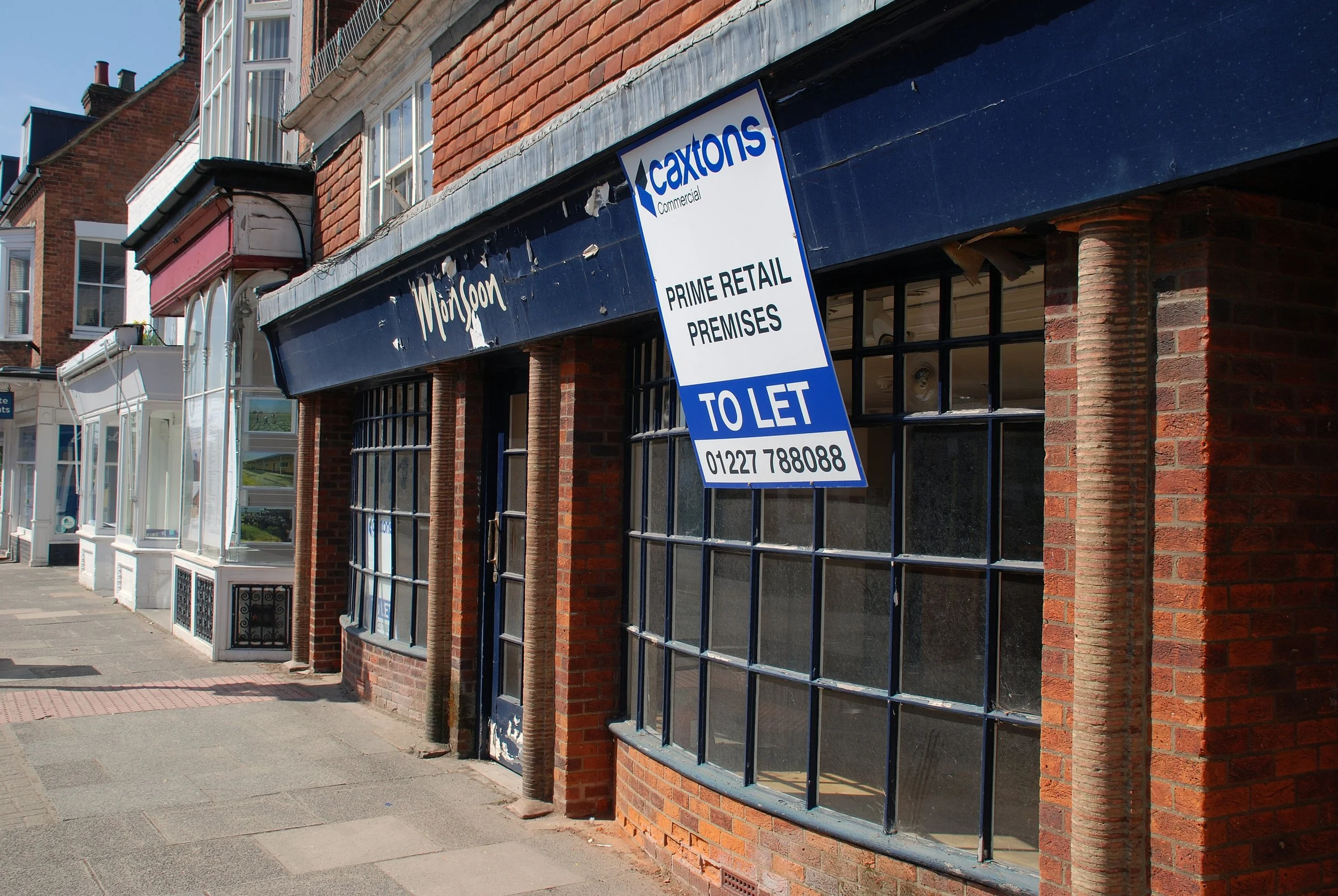
Commercial real estate owners may face significant exposure nationally due to vacancy clauses and policy exclusions. The vacancy permit endorsement can potentially fill a major coverage gap within commercial property policies for landlords.
COVID-19 forever changed the commercial real estate industry by shutting down operations in several asset classes, including retail, office, and industrial. The shutdown created a huge spike in vacancy rates that has certainly come back to nearly normal levels but still presents issues for many landlords. For example, office buildings have seen a continued increase in the national vacancy rate from 12% in 2017 to 16.5% in Q4 of 2023 (www.statista.com).
For property managers and building owners, the risk of an insurance claim within a vacant space has increased, making a focus on coverage paramount. Most insurance policies have specific exclusions that can limit coverage for bodily injury or property damage based on the duration of a building's vacancy or the percentage of the building that is vacant. For example, some exclusions restrict coverage entirely if the building has been vacant for more than 60 days. Another common exclusion requires that at least 31% of the building be rented, leased, or owner-occupied for coverage to respond.
Vacancy Permit Endorsement
For insureds, requesting a vacancy permit endorsement is a smart move that helps eliminate any guesswork regarding coverage gaps. Most carriers will tailor this endorsement to specify the vacancy period, the coverages in place, and the conditions that need to be met by the insured. These conditions typically include maintenance disclosures, inspection reports, and security measures.
There is usually a relatively small premium adjustment for a vacancy permit endorsement, which is well worth the investment compared to the potential cost of an uninsured claim.
The risk associated with vacant properties is more pronounced than ever. Owners and managers must be proactive in securing appropriate coverage to mitigate these risks. The vacancy permit endorsement is a crucial tool in this effort, providing tailored coverage that addresses the specific challenges posed by vacant spaces. By understanding and utilizing this endorsement, property owners can ensure comprehensive protection, safeguarding their investments against unforeseen claims and maintaining peace of mind in an ever-evolving market.
California’s Indoor Heat Illness Prevention Standard Approved: What You Need to Know
Author, Megan Lockhart, Client Communications Coordinator, Rancho Mesa Insurance Services, Inc.
Recently, the Cal/OSHA Standards Board approved new requirements for California businesses, heat illness prevention for indoor work spaces. The new Section 3396 addition to the California Labor Code will go into effect as early as August 1, 2024.
Author, Megan Lockhart, Client Communications Coordinator, Rancho Mesa Insurance Services, Inc.

Recently, the Cal/OSHA Standards Board approved new requirements for California businesses, heat illness prevention for indoor work spaces. The new Section 3396 addition to the California Labor Code will go into effect as early as August 1, 2024.
The law states that requirements apply to “all indoor work areas where the temperature equals or exceeds 82 degrees Fahrenheit when employees are present.”
For work environments such as warehouses, restaurants, and manufacturing plants, temperatures can rise dangerously high, putting employees at risk for heat illness. Let’s take a look into the new requirements for employers.
Provide access to cool-down areas, and encourage employees to take cool-down rests.
Provide access to potable water that is fresh, suitably cool, free of charge, and located as close as possible to indoor cool-down area.
Monitor employee symptoms and provide appropriate first aid and emergency response if they exhibit or report signs of heat illness.
Closely observe new employees for the first 14 days of employment as they acclimatize.
Provide employees and supervisors with training on topics such as heat risk factors, symptoms of heat illness, water consumption, and emergency procedures.
Establish, implement and maintain a written Heat Illness Prevention plan for the work environment.
Some additional requirements also apply when the temperature or heat index reaches or exceeds 87 degrees while employers are present, or the temperature reaches or exceeds 82 degrees and employees wear clothing that restricts heat removal or they work in a high radiant heat area.
In these cases, employers need to maintain records of their indoor temperature or heat index. They also must initiate engineering, administrative, and personal control measures to reduce the indoor working environment and maintain it below 87 degrees.
As temperatures continue to soar in many parts of California, employers with employees working indoors in high heat conditions should evaluate their current heat policies to ensure they comply with these impending labor law changes.
For further information about indoor heat illness prevention compliance, clients should refer to the Cal/OSHA website, which offers resources employers can utilize, including a Sample Written Heat Illness Prevention Plan for Indoor and Outdoor Places of Employment (Model Program).
Transitioning from a Credit-Based to a Standard Surety Program
Author, Andy Roberts, Account Executive, Rancho Mesa Insurance Services, Inc.
When sureties began offering credit-based programs, there were only a few companies who would offer this type of program and the limits were low, most often around $250,000 for a single project and aggregate.
Author, Andy Roberts, Account Executive, Rancho Mesa Insurance Services, Inc.

When sureties began offering credit-based programs, there were only a few surety companies who would offer this type of program and the limits were low, most often around $250,000 for a single project and aggregate. However, over the past few years, there has been an increase in the number of surety companies that are willing to offer these types of programs. The limits offered have also increased with some companies writing $1,000,000 for a single project and aggregate bond based solely on an owner's personal credit score. These programs are great for contractors that are getting started with bonded work, or don’t bond frequently and are not looking to provide the information necessary to set up a standard program. However, for contractors looking to grow and need additional surety capacity in order to achieve that goal, they should be aware of the steps that will need to be taken in order to transition from the credit-based program to a standard bond program. The first, and most important step will be the company financials.
Standard bond programs are written primarily based on the financial strength of the company. Sureties will be looking to obtain the last two fiscal year-end financial statements, balance sheet and income statement, and the most recent interim balance sheet and income statement that are available. They will evaluate the current cash position, working capital, and equity in the company to determine a single and aggregate bond limit.
In addition to the company financials, the surety will want to evaluate the personal financial statements for all the owners. Personal financial statements are an important item that surety companies will evaluate. Similar to the corporate financials, assets and liabilities will be evaluated along with the personal credit of the owners. Surety companies want to ensure that the company owners are current with their personal obligations before providing surety credit to their company.
Another important item that a surety underwriter will want to review before providing a standard surety program, is a current work in progress schedule. Being able to provide a current and accurate work in progress (WIP) schedule will be a requirement from a surety underwriter. The WIP monitors project progress and performance over time, and plays a critical role in determining the maximum amount of bonded work that a contractor can take on at one time.
While these are just a few things that surety underwriters will be wanting to evaluate in order to set up a standard bond program. There are other items that contractors can consider, like hiring a CPA for their year-end financial statements and getting a bank line of credit.
For contractors that are looking to graduate from a credit-based program, increase their current surety capacity, and want to explore further strategies that can strengthen their bonding program, contact me at (619) 937-0165 or via email at aroberts@ranchomesa.com.
Understanding the Importance of Your Workers’ Compensation Unit Stat Filing Date
Author, Greg Garcia, Account Executive, Rancho Mesa Insurance Services, Inc.
Imagine you are a landscaping company owner and your workers’ compensation policy just renewed January 1st. You are probably thinking, now what? Well, the next date that should be on your radar is June 30th, your unit stat date.
Author, Greg Garcia, Account Executive, Rancho Mesa Insurance Services, Inc.

Imagine you are a landscaping company owner and your workers’ compensation policy just renewed January 1st. You are probably thinking, now what? Well, the next date that should be on your radar is June 30th, your unit stat date. Each unit stat date varies and with the actual filing taking place approximately 180 days from when the workers’ compensation policy was placed. The unit stat date is when all workers’ compensation claim activity is frozen, along with audited payroll information, and sent to the rating bureau so the experience modification (XMOD) can be calculated.
As a reminder, your XMOD is determined by comparing your loss experience and historical payroll to others with similar class codes. The XMOD is derived from three years of audited payroll and losses suffered over those years.
If a particular claim is closed after your unit stat date, that claim will impact your next XMOD at the total incurred value before the unit stat date. Therefore, if you have a claim that can either be closed or reserves reduced, it is critical that this is done ahead of the unit stat date. Staying up to date with your claims adjuster and insurance professional ahead of the filing can quite literally save you points on your XMOD, which in turn can help to reduce your worker’s compensation annual premium.
Using one of the metrics on our proprietary KPI Dashboard, our clients are able to track the number of days until their unit stat date. Combining this KPI tool with our dedicated workers’ compensation claim advocate services at prescheduled claims reviews throughout the policy year helps to close the claims or mitigate claim costs in advance of the filing. This strategy can dramatically lower overall insurance costs.
If you have any questions about the unit stat or would like me to put together a custom KPI dashboard for your team, you can contact me at ggarcia@ranchomesa.com.
Leveraging Your Experience Modification Rating to Your Advantage
Author, Matt Gorham, Account executive, Rancho Mesa Insurance Services, Inc.
Your Experience Modification Rating (e.g., EMR, X-Mod, or Mod) can have a significant impact on controlling costs within your insurance program. While most business owners recognize that a lower EMR typically leads to lower insurance costs, few owners understand the mechanics for determining an EMR and how they can be used to proactively manage resources to their company’s benefit.
Author, Matt Gorham, Account executive, Rancho Mesa Insurance Services, Inc.

Your Experience Modification Rating (e.g., EMR, X-Mod, or Mod) can have a significant impact on controlling costs within your insurance program. While most business owners recognize that a lower EMR typically leads to lower insurance costs, few owners understand the mechanics for determining an EMR and how they can be used to proactively manage resources to their company’s benefit.
An EMR is determined by evaluating a company’s recent history of payrolls and job related injuries, relative to its own industry, to benchmark them to their peer group.
If a company’s incurred losses (both paid and reserved) exceed the average within its industry, it will result in a debit mod (i.e., EMRs above 100) which leads to higher premiums. If the incurred losses are less than the industry average, the company will earn a credit mod (i.e., EMRs under 100) resulting in lower premiums.
As your EMR changes from year to year, it will directly increase or decrease your company’s workers’ compensation premiums, thus impacting overhead costs. Higher EMRs will increase overhead costs and can lead to increased bid costs, reduced profit margins, and in some cases restrict you in the pre-qualification process.
In the construction world, passing higher costs on to your customers in a competitive bidding process can prevent you from securing contracts. Choosing instead to absorb those additional costs, however, can jeopardize your company’s growth, financial stability, or possibly stop you from having the funds necessary to complete the job.
But managing your EMR is more than simply having the good fortune to avoid expensive claims. It is important to recognize that not all claims impact your EMR the same. Severity and frequency of claims both play an important role in your EMR, as does your primary threshold.
Using these key data points, we are able to create a proprietary KPI dashboard for clients providing valuable insights to the mechanics of their EMR. Business owners are able to see their:
Primary Threshold and Maximum EMR Impact
Claim Dollars Equal to 1 Point of EMR
Maximum Controllable Points within the EMR
Individual Frequency Trends and Benchmarking to Industry
Individual Severity Trends and Benchmarking to Industry
Lowest Possible EMR
Projected EMR
Our KPI dashboard has become a must have tool for business owners, providing a better understanding of how to manage their EMR, allowing them to more reliably forecast overhead costs, and proactively address safety concerns. Coupled with Rancho Mesa’s in-house workers’ compensation claims advocate, business owners can more efficiently deploy resources and return-to-work programs to mitigate claim costs.
To request your own KPI dashboard and start putting it to use within your business, contact me at (619) 486-6554 or mgorham@ranchomesa.com.
WCIRB 2024 Construction Dual Wage Threshold Increases Approved
The California Insurance Commissioner Lara has approved an increase in hourly wage thresholds for all 16 construction dual-wage classifications.

California Insurance Commissioner Ricardo Lara has approved an increase in hourly wage thresholds for all 16 construction dual-wage classifications.
The increases range from $1 to $4 depending on the classification and will go into effect for policyholders on their workers’ compensation policy renewal date on or after September 1, 2024. The chart below outlines the proposed increases for each classification.
| Dual Wage Classifications | Existing Threshold | Proposed Increase |
Proposed Threshold |
| 5027/5028 Masonry | $32 | $3 | $35 |
| 5190/5140 Electrical Wiring | $34 | $2 | $36 |
| 5183/5187 Plumbing | $31 | $1 | $32 |
| 5185/5186 Automatic Sprinkler | $32 | $1 | $33 |
| 5201/5205 Concrete Work | $32 | $1 | $33 |
| 5403/5432 Carpentry | $39 | $2 | $41 |
| 5446/5447 Wallboard Installation | $38 | $3 | $41 |
| 5467/5470 Glaziers | $36 | $3 | $39 |
| 5474/5482 Painting Waterproofing | $31 | $1 | $32 |
| 5484/5485 Plastering or Stucco | $36 | $2 | $38 |
| 5538/5542 Sheet Metal Work | $29 | $4 | $33 |
| 5552/5553 Roofing | $29 | $2 | $31 |
| 5632/5633 Steel Framing | $39 | $2 | $41 |
| 6218/6220 Grading/Land Leveling | $38 | $2 | $40 |
| 6307/6308 Sewer Construction | $38 | $2 | $40 |
| 6315/6316 Water/Gas Mains | $38 | $2 | $40 |
In light of the ongoing labor shortage within the construction industry, employers have been making a concerted effort to retain their workforce. This includes providing more comprehensive benefits packages, including higher wages, and merit-based bonuses when appropriate. As a result, these new wage classification increases may prompt employers to consider extending further salary increases to their employees, with the aim of reducing workers' compensation premiums.
To better understand these changes and plan for the impact this will have on your company, please call us at 619-937-0164 and ask to speak to a member of our construction group.
Beyond Insurance: Employer Strategies to Prevent Wage and Hour Claims
Author, Sam Brown, Vice President, Human Services Group, Rancho Mesa Insurance Services, Inc.
It was June 86 years ago, Congress and President Franklin D. Roosevelt (FDR) signed into law the Fair Labor Standards Act of 1938 (FLSA). In the words of FDR, the FLSA ensured “a fair day’s pay for a fair day’s work.”
Author, Sam Brown, Vice President, Human Services Group, Rancho Mesa Insurance Services, Inc.

It was June, 86 years ago, when Congress and President Franklin D. Roosevelt (FDR) signed into law the Fair Labor Standards Act of 1938 (FLSA). In the words of FDR, the FLSA ensured “a fair day’s pay for a fair day’s work.”
While the FLSA immediately raised wages for hundreds of thousands of workers and improved working conditions, it has also given rise to a specific type of costly allegation, wage and hour claims.
Wage and hour claims arise when non-salaried or non-exempt employees make a formal complaint stating they were unfairly compensated for work performed.
In 2021, about 19,000 California workers filed unpaid wage claims for a total of more than $330 million, according to Cal Matters.
Wage and Hour Liability Allegations include:
Underpayment of overtime
Miscalculation of wages
Refusal to allow employee breaks
Expecting off-the-clock work
Not paying employees regularly
Refusal to pay exempt employees for absences
Not paying for time required to put on or remove protective gear or clothing
Adhering to federal minimum pay guidelines when state guidelines warrant higher pay
Prevention is always the best line of defense against wage and hour claims. Beyond purchasing insurance, which will typically provide $100,000 to $200,000 of defense costs, employers can mitigate risk by:
Assessing the risk within the company, starting with the State and Local Government Self-Assessment Tool available from the U.S. Department of Labor’s Wage and Hour Division.
Review employee classification as to “exempt” and “non-exempt” status to ensure compliance with guidelines under the FLSA and applicable state laws.
Consult with an attorney or consultant regarding job descriptions and how overtime is calculated.
Review and confirm proper classification for independent contractors.
Keep payroll records for all employees and establish a mechanism for tracking non-exempt employees’ hours.
Review practices and procedures to ensure compliance with meal and rest periods as applicable to state law.
Allow an outside HR firm to conduct an external audit of the employer’s wage and hour practices.
Enacting policies that prohibit off-the-clock work
Navigating employment law and the FLSA will help employers earn good favor among workers and help to avoid costly wage and hour lawsuits. Understanding common wage and hour allegations is a critical step in this process, but may not be enough.
If you have questions about how insurance policies may supplement your existing risk management plan, contact me at sbrown@ranchomesa.com or (619) 937-0175.
Surety Bonding: Understanding the Client-Broker-Carrier Relationship
Author, Matt Gaynor, Director of Surety, Rancho Mesa Insurance Services, Inc.
People from outside the surety bond industry will sometimes ask if we work for 1) the carrier (bond company) or 2) the contractor client. This is an easy one. While we are approved to issue bonds by the 20+ carriers we are appointed with, make no mistake that we work 100% for our clients.
Author, Matt Gaynor, Director of Surety, Rancho Mesa Insurance Services, Inc.

People from outside the surety bond industry will sometimes ask if we work for 1) the carrier (bond company) or 2) the contractor client. This is an easy one. While we are approved to issue bonds by the 20+ carriers we are appointed with, make no mistake that we work 100% for our clients.
The thought for this article came about when a potential new client mentioned to me that he felt his broker was not working very hard on his behalf to increase his aggregate bond program. During a phone call where the client was providing the broker with a narrative of information to pass along to the bond company, the broker mentioned that he didn’t want to, “push too hard” because he had a number of accounts with the bond company and did not want to negatively affect that relationship.
Whether a broker has 1 or 10 accounts placed with a particular carrier, you should ethically treat each account individually, working as hard as possible to create the best program for your client. Our industry promotes very high standards regarding the servicing of our accounts, and the State of California requires agents to complete three hours of ethics training every two years. I am certain this is covered during the training.
Looking at this from the carrier viewpoint, if the bond company supported an account mainly because a broker placed numerous accounts with that company (yet the underwriting of the account did not meet the bond company requirements) that would open the door for them to accept undue risk of future losses. At some point, one of these accommodation-type accounts will fail and cause a loss that the bond carrier could have avoided.
If you would like to discuss the client-broker-carrier relationship, please contact me at (619) 937-0165 or mgaynor@ranchomesa.com.
Return to Work Programs: Best Practices for Handling Workers’ Comp Claims
Author, Casey Craig, Account Executive, Rancho Mesa Insurance Services, Inc.
How do you handle the situation when a great employee is injured but not quite ready to return to full duty? We do all that we can to prevent injuries and make sure once they do happen our employees are taken care of quickly and properly. The one true variable we have in our control, after a claim has been filed, is how to accommodate employees that are injured but not able to return to normal duties until deemed fully recovered.
Author, Casey Craig, Account Executive, Rancho Mesa Insurance Services, Inc.

How do you handle the situation when a great employee is injured but not quite ready to return to full duty? We do all that we can to prevent injuries and make sure once they do happen our employees are taken care of quickly and properly. The one true variable we have in our control, after a claim has been filed, is how to accommodate employees that are injured but not able to return to normal duties until deemed fully recovered.
Your experience modification rate (X-MOD) is a very important component in your premiums and potentially securing bids in states like California. Every company has a primary threshold that is unique to the company. This is a dollar amount per claim that, once the medical, permanent disability, and temporary disability surpasses this threshold, has no further impact to your X-MOD. Carriers have medical review teams set in place to ensure that the medical portion of each claim is as low as possible, permanent disability is dictated by the treating doctor, so the only portion of each claim we have control over is how the temporary disability will be handled. Sometimes, even that is out of our control if an injured employee is not able to work in any capacity.
Ideally, your workers’ compensation doctor will quickly give you work restrictions and you will be able to determine if you have any available work within those restrictions. The bigger question is what to do with these employees if they are not fit for regular duty? Is it best to let the carrier handle the temporary disability portion of the claim, have the employee come back and work in your office doing odd jobs, or utilize companies like ReEmployAbility or carrier programs where they can work at any number of nonprofit organizations? Temporary disability mismanagement can add up very quickly and lead to a small claim turning into a claim that heavily impacts your X-MOD.
Making sure your employee feels valued and that they have a job to come back to is a great way to keep claims cost down and employee morale high. When employees sit at home waiting to recover, they may feel helpless and uncertain about their future, are exposed to countless commercials about injured workers and lawyers that claim they can make them rich. Keeping them at work, in some capacity, where progress can be seen and communication continues is beneficial for both the employee and the employer.
The intricacies of how to handle claims is something you hope to never need to be good at as an employer, which is why it is so important to have a broker and claims advocate on your side to help navigate the process with you.
This is a complex topic and if you would like to discuss further or talk about any other insurance needs, I can be reached at (619)438-6900 or you can email me at ccraig@ranchomesa.com.