

Industry News

Preparing the Next Generation of Construction Leaders
Author, Casey Craig, Account Executive, Rancho Mesa Insurance Services, Inc.
This year has brought significant challenges for many of our clients. Amid economic shifts, project delays, and labor uncertainty, one concern has become increasingly common in conversations with construction leaders: the difficulty of attracting qualified younger employees and the growing struggle to replace retiring leadership.
Author, Casey Craig, Account Executive, Rancho Mesa Insurance Services, Inc.

This year has brought significant challenges for many of our clients. Amid economic shifts, project delays, and labor uncertainty, one concern has become increasingly common in conversations with construction leaders: the difficulty of attracting qualified younger employees and the growing struggle to replace retiring leadership.
The aging workforce in the construction industry is part of a broader trend that has been developing for decades. According to the U.S. Bureau of Labor Statistics (BLS), the median age of construction workers has steadily increased from 38 in 2000, to 41 in 2010, and now 42 in 2024. As experienced professionals near retirement, many companies are facing a critical leadership gap, without a strong pipeline of younger talent to step into those roles.
Not only are there fewer young workers entering the construction industry who can grow into leadership roles over time, but the current aging workforce typically brings increased claim frequency and severity, elevating both operational and insurance costs.
How can construction companies proactively address this issue and build strong, future-ready leadership teams?
Support a local construction-focused outreach organization
There are many organizations across the U.S. that are actively working to promote the industry to younger generations. In San Diego, for example, the Future Construction Leaders Foundation (FCLF) provides opportunities for young people to investigate the construction industry as a potential career. Listen to our podcast episode #510 where FCLF talks about their mission to inspire the next generation through hands-on programs, impactful camps and mentorship.Educate young people on real earning potential
Offer to speak at a local high school or community college about the strong wages available in the skilled trades, especially compared to many entry-level roles.Promote the advantage of debt-free career paths
With local students, emphasize the ability to earn while learning, with little or no student loan burden.In job posts, position construction as a stable alternative to shrinking remote work opportunities
As remote work availability declines across many sectors, construction offers reliable, location-based work with long-term security.Define clear growth paths within the company
Young employees need to see what their future looks like if they were to stay with your company, long-term. Invest in mentorship, leadership development, and transparent career progression plans.
Some potential young employees may not see construction as a viable career path. To attract the best of the youth, they need to see construction as a career opportunity. While this is not an easy issue to fix, it is becoming more and more relevant. Staying ahead of this issue is paramount to the strength and viability of your company’s futures.
If you have any questions related to this topic or any other insurance issue, please feel free to reach out to me directly at (619) 438-6900 or email me at ccraig@ranchomesa.com.
Insuring the Future: AI Tools for Modern Brokers
Rancho Mesa President David Garcia and Erik Vandermaus, Executive Vice President with BrokerPRO, a data and insight company that’s transforming the insurance industry. Discover how their technology is empowering brokers to streamline workflows, personalize client interactions, and stay competitive in a rapidly evolving market. discuss how to deal with current or former employees who post slanderous videos online, and ways to prevent it from occurring.

Rancho Mesa President David Garcia sits down with Erik Vandermaus, Executive Vice President with BrokerPRO, a data and insight company that’s transforming the insurance industry, to discuss how their technology is empowering brokers to streamline workflows, personalize client interactions, and stay competitive in a rapidly evolving market.
Dave Garcia: Hi everyone, you're listening to Rancho Mesa's Studio One podcast, where each week we break down complex insurance and safety topics to help your businesses thrive. I'm your host Dave Garcia, and today I'm joined by Erik Vandermaus. He's the Executive Vice President with BrokerPRO, and today we're going to discuss this platform and what's on the horizon with it. Erik, welcome to the show.
Erik Vandermaus: Thanks so much, Dave.
DG: So, Eric, let's just jump right into this thing. What led you and your team to start BrokerPRO?
EV: Well, I really appreciate the opportunity here. And it all started with our president, Nezih Hasanoglu's vision back in 2023 to create an insight and automation company that would do just that, bring solutions to brokers that would more effectively harness, leverage, and monetize their data and then share that high quality trusted data with other like-minded brokers to create a national benchmark across P&C, EB, and other areas.
So Nezih is our president of BrokerPRO and then I lead our data product development efforts. And about two years ago, two and a half years ago, I was a managing director at Accenture, which is a global tech consulting firm, and I was creating those same data analytics, digital and CRM solutions for my clients in the insurance industry.
DG: Okay.
EV: And so now I get to bring those same technologies to the broker space.
DG: Awesome.
EV: Yeah, it's been such a blast to work with Nez and others in the space. And the key for me has really been the ability to make an impact and deliver value to those at the trading desk. Those that are producing and need an edge to increase their win rates, go up market, and free up time so they can spend more of it with their clients.
DG: So in working with Nez and looking around and doing your research, what were some of the biggest frustrations or inefficiencies you saw brokers facing in the insurance marketplace today and how do you think BrokerPRO’s going to be solving some of them?
EV: Yeah, great question. BrokerPRO is a data and insight company. And our mission is to digitally enhance the client experience by harnessing and leveraging data for value at the trading desk. And so we start with a phrase by brokers for brokers, meaning that it's in our DNA, our funding, our leadership is from the broker space. And why does that give us an edge? It means we're close to the problems because we see them when we walk down the hall and see someone spending hours creating a benefit guide, or see someone using other generative apps that really aren't tuned to the specific task and are inherently just not going to be as accurate as some of our solutions are. And so what we see for biggest frustrations, inefficiencies at the trading desk, there's so much unnecessary times moving things around, taking data from here to there, spending 10 hours creating a benefit guide, as I mentioned, or comparing two policies or a quote to a policy, or spreadsheeting information. It's time that could be freed up. And so this is why we created one of our products called GenPro, which I'll talk more about.
And second, brokers can no longer rely solely on the strength of their relationship with a prospect or client to win and keep their business. Yes, relationship will always be critical, but not sufficient. And that's really because of the buyer of today. And, you know, that new CFO, that's 35 years old, they went through college during the 2008 financial crisis. And they were trying to find their first job around that time. And that has significantly shifted how brokers need to approach them, more towards a strategic risk-aware partnership mindset. And they value resilience, data-driven insights, and long-term value. And so that's how we need to meet them, where they're at. And that's what BrokerPRO is doing.
EV: So you mentioned a lot of things there. And your customers will be brokers like Rancho Mesa, and other agencies across the country. And then we'll be able to deliver these benefits to our customers and clients and hopefully talk to prospects about the benefits of things as well. So is there, is that, do you have any success stories that I know, you know, what's the genesis of BrokerPRO? How long has it been out in the marketplace? And then maybe you can share a couple of success stories with us today.
EV: Yeah, we just started with our marketing efforts this year and we have six brokers on platform now and we're growing. And back to that CFO, they want a national benchmark and that trading desk wants efficiency. That's what BrokerPRO is solving for. And so I'll give you some numbers, success stories: 31, 106, and 20.
First, riffing off that national benchmark comment, producers that use BrokerPRO's data products see new business win rates 31% higher than those that don't.
What's more, producers that use our data products see their average win amount 106% higher than their peers. And that's because they're using data products within the pro suite benchmark, national benchmarking for P&C as well.
And a producer recently who was doing a P&C renewal, client wanted to change carriers. They weren't happy with the carrier from a work comp. claims perspective. But the producer was able to bring this trusted national benchmarking to show that their rate is lower than their peer. They argued that they shouldn't go to market and that the client immediately agreed. So again, back to that CFO, they want to see data to back up the recommendation.
Even more, brokers need to free up time. And so 20 comes from freeing up 20% of time at the trading desk when our generative AI GenPro is used. Users are saying that it's saving them on average an hour and a half per day. And that adds up over a week, that's 20% of your time for the week.
DG: So I know we're going to discuss some of the products specifically here in a second Erik, but I'm curious you've mentioned a lot about the producers and the impact to them. Do you see this as a tool that the client management staff will use as well? Maybe you can share a little bit about how they're using this in their day to day. I'm sure it's saving them time too.
EV: I love it. Yeah, absolutely. Yes, 100%. So GenPro, our generative AI app is tuned for the work that a client manager is doing all day long. And that's where we see the greatest use. And that that's where we see that hour and a half savings per day.
For an example, I was I was on with one of our subscribers. And the client manager was talking about a benefit guide accuracy check she was doing and she put it through GenPro and she found another claim in the template because the template is often reused. It happens and her manual check wouldn't find it but GenPro found it. Saved her a lot headache.
DG: Oh for sure. Yeah that's great. You mentioned GenPro. What else is contained in the BrokerPRO model?
EV: Yeah we talk about our pro suite starts with GenPro. That's private, secure, generative AI. It's tuned to perform like an insurance broker's assistant, and it's been configured to be accurate. So unlike Copilot or other Gen AI apps, we've turned its creative abilities all the way down. It is focused on accuracy and to sit alongside you, and that's what's driving the time savings. It's so fun to hear the users when they get into it, “It saved me 10 hours here. This is what I was doing.”
So, really fun and exciting to see what they're doing with it.
DG: Erik, you'll quickly recognize I am not a tech leader like you are. So, let me ask a couple of questions at my level of tech understanding. When we talk about GenPro, I'm concerned that you always hear, at least that I hear, is that somehow we're going to let information out of our office, out into wherever that goes, making it accessible to other types of AI products, can GenPro go out of the system to seek information, other than agency information?
EV: Great questions. The answer to the first question, no, it cannot leak data out because we take a copy of the large language model. And so whenever you're interacting with it, it's using a copy that it's talking to.
DG: I see.
EV: So that public model is never able to see anything you upload to it. So that's a really important piece. Users also have self-contained security. They can only see their own documents, et cetera. We don't want it to go out and find data externally. I will caveat that to say, though, although we are and we do have the ability to ask or have GenPro look at files coming from the AMS. So for example, one subscriber has over four million files that they've downloaded from Epic and GenPro is able to look at those and use those, but it's all contained, self-contained within that subscriber.
DG: Okay, so many of us—Epic for the audience is an agency management system that many agencies probably the 75% probably of the agencies in the United States use Epic. So what we're saying then, Erik, is that GenPro and Epic can communicate with one another? So the information that's in Epic is accessible to GenPro?
EV: Correct, it is.
DG: Okay. I'll tell you, as the agency owner here out in Southern California, that is one of our biggest needs is to, we've got these sources of data, whether it's in our agency management systems, on Excel sheets or wherever and finding some kind of a product that can talk with each of those and extract data from it and then put it into some usable, readable tool is huge.
EV: Yeah, so exactly.
DG: And maybe that kind of leads to my next question. How does BrokerPRO kind of stand apart from all these other insure-tech products? I get an email a day, you know, from the next greatest, you know, insure tech product. How does BrokerPRO stand apart from all of those?
EV: Indeed, there's so many options out there and brokers are spending so many hours just evaluating solutions and weeding through it. Here's BrokerPRO's superpower that cuts through all that. We're by brokers for brokers. By brokers for brokers. We were born from a top 50 broker here, M3 insurance. That gives us a tremendous edge over other insure-techs by being close to the problems that brokers face.
That said, we're also independent and we operate separate from the parent. And so we've solved the national benchmark data problem with high quality trusted data and efficiency with GenPro. And now if you start to put those two together, high quality national benchmarking with Generative AI, if you start to mix and match those tools, which you can do on BrokerPRO, that becomes a competitive edge over these other insure-techs that only do one or two or three things separately. We can mix and match those together.
DG: So Erik, as you grow this membership, I think you mentioned currently have six or seven agencies that are now BrokerPRO subscribers. Is there any abilities to use the data within that group as a benchmarking tool for all the members without obviously being account specific or something like that?
EV: Absolutely that's the beauty of our benchmark pro products both for P&C and employee benefits and that's the beauty of the BrokerPRO platform because we're able to share data with like-minded firms. And we de-identify, we anonymize that data so you can't see the actual name of that client, but you can benefit as a broker by calling up what that national benchmark looks like when you are competing for business and you want that broader perspective.
DG: Yeah, that's a big help for agencies like ourselves. As I mentioned, we're in Southern California is where our corporate offices are, but we do business in 22 different states, and you roll into a state that you're not familiar with, you've got an opportunity there, you really don't know the marketplace, what carriers are really active there, and what are not. So it sounds like this tool would be a big asset for us to say, “Hey, we're looking at a plumbing contractor in Missouri, can you give us an idea of which carriers are being active in that marketing space?”
EV: Yeah, and you can trust it because you know where that data came from. You know that that peer firms that aren't competitors with each other, but we're sharing data in order to help each other win against the national firms that just have national benchmarks just based on their size.
DG: Yeah, so, you know, I'm going to be selfish here for a second because this next question probably Fits myself and our agency, you know spot-on but give me a piece of advice that you give to other brokerage agency leaders like myself who are working on their AI strategy within their own firm. Most of us do not have somebody like Erik that we can just say, "Hey, Erik, can you look into this for us?"
What advice can you give me or give us all?
EV: Yeah, absolutely. So if you're evaluating insure-tech and AI, which most of us are, you're in this endless loop of analysis. There's just so many options. So I encourage you to prioritize the platforms that are scalable enough on the number of use cases they can solve for you versus having to evaluate and buy a separate solution for every use case problem you face. And that is one of the major benefits of BrokerPRO because we've got close to the problems, and we're able to see across those areas, P&C and EB then mix benchmarking with AI together. If you focus on those things, that will really accelerate your time to value in your shop, and selfishly, it will also lead you to BrokerPRO.
DG: Yeah, right, sure. Well, you know, I think, you know, I've had a few conversations about this, so you enlighten me to a lot, and I like the idea of kind of reverse engineering the needs basis, like what's the outcomes? What's the output we're looking for? And then is that something BrokerPRO can do? And if so, how does that works?
So--versus, and we've already sat through a number of different meetings with different other vendors and it's overwhelming, you know, they can all do everything, most of it we don't need and you get confused. And then, you know, I don't know if this is a real term when I made up, but I feel like there's AI stacking, you know, where you start laying product on top of product on top of product, and you don't know which one's doing what the best. So, sounds like BrokerPRO’s, I like the idea that it's reverse engineered from the broker standpoint. You know, it's written by our needs, and that's a consensus of needs. And then with the growing group of members, there's probably going to be new needs that are going to apply to all of us to help us. So that makes a lot of sense. So Erik, before we wind down, where's BrokerPRO going next? What are you guys working on? Give us a little tip.
EV: So, you know, even if your agency is growing 10 to 15 percent a year, there's likely friction points all over your agency, slowing you down from even that next level of growth. So think about all of those friction points. One of those that we've heard from our subscribers is benefit guide creation. We all know that it takes so long to create those things, and one client may have 10 different files that a client manager, someone at the desk, needs to look at to create one of those benefit guides. And so, how can you take that 10 hours of manual creation and use AI to bring that down to let's say an hour? We're solving that problem. We're actively in development on that. I can't wait to bring out to our subscribers to show them what we can do.
DG: So a little tease there, a little something coming. Stay tuned for the first episode of next season, sounds like. That's awesome. Anything else in the pipeline that you can mention or feel comfortable mentioning?
EV: Yes, there's so much on our roadmap and so many things that we're working on, but it's really important for us to prioritize based on what our subscribers are asking for. That is one of them, but there's a couple others that are on the burners right now.
DG: Okay, great. Well, listen, Erik, I've really enjoyed the time today. It's been super informative. We're looking forward to you and I and our companies having further discussions for sure, but if listeners that are out there are curious to learn more or to get started with you, what's their best first step? How can they reach out to you?
EV: Yep, go to brokerproai.com, and there's a way to request an invitation, and we would love to talk with you.
DG: Okay, that's is there before we end is there anything else you'd like to talk about or mention before we wrap up today?
EV: It's just, it's been an honor to be able to talk with you and to get this opportunity and we know that now being by brokers for brokers we're talking to those that are in the same boat they're looking for these solutions and it's tough it's tough to read through it so let us show you how we're different and how we're close to the problems that you need to solve.
DG: Great Erik, thanks so much for joining me today in StudioOne. I appreciate it.
EV: Thank you.
DG: And everyone out there, thanks for tuning in to our latest episode produced by StudioOne. If you enjoyed what you heard, please share this episode and consider subscribing. For more insights like this, visit us at RanchoMesa.com and subscribe to our weekly newsletter. Till next time, take care, bye-bye.
New AI Regulations for California Employers
Author, Jadyn Brandt, Client Communications Coordinator, Rancho Mesa Insurance Services, Inc.
On October 1, 2025 California employers with five or more employees will be required to follow new Artificial Intelligence (AI) regulations. The amended regulations address the use of automated-decision systems (ADSs) in employee or prospective-hire evaluations, applying existing antidiscrimination laws to new AI technologies.
Author, Jadyn Brandt, Client Communications Coordinator, Rancho Mesa Insurance Services, Inc.

On October 1, 2025 California employers with five or more employees will be required to follow new Artificial Intelligence (AI) regulations.
The amended regulations address the use of automated-decision systems (ADSs) in employee or prospective-hire evaluations, applying existing antidiscrimination laws to new AI technologies.
Automated-Decision Systems
Employers will be required to comply with the state’s existing antidiscrimination laws when using an ADS. For work-related purposes, an ADS is defined as any computational process that makes or supports employment decision-making, including hiring, promotion, or termination. An ADS may use artificial intelligence, algorithms, or other types of data processing to:
Screen, evaluate, or make predictive assessments about applicants or employees, including their skills, abilities, personality or cultural fit.
Share job advertisements or recruiting materials to certain groups.
Screen resumes for key terms.
Analyze observable traits from online interviews, including facial expressions, word choice, or tone of voice.
Analyze third party data.
Accommodations
Improper use of ADS can lead to discrimination based on disability or religious creed. Individuals with disabilities could be placed at an unfair disadvantage if an ADS evaluates physical abilities or cognitive traits. An applicant’s or employee’s religious beliefs or practice could also conflict with the screening process used by an ADS. Employers should consider whether reasonable accommodations are required in either case before making a decision based on an ADS.
Recordkeeping
Data collected from an automated-decision system must be retained by employers for four years from the date the record was created or the date of the action taken as a result of the ADS, whichever is later.
To ensure your business is compliant with the new regulations, there are a few steps you can take.
Retain ADS data for at least four years.
Ensure HR and managers are aware of what accommodations for a disability or religious beliefs might be required, when using an ADS in employment decisions.
Resources for staying up-to-date with state and federal laws can be accessed through Rancho Mesa’s RM365 HRAdvantage™ portal. Rancho Mesa’s HR experts are also available for clients to answer specific questions about the new regulations and how they could impact your business through the HR portal.
Maintaining Strong Banking Relationships Supports Surety Bonding Capacity
Author, Josh Hill, Account Executive, Rancho Mesa Insurance Services, Inc.
Having a good relationship with your bank can pay dividends for your business when obtaining bonds from your surety. Managing that line of credit appropriately can be a resource of available working capital which surety carriers likes to see, but when it is not utilized as expected by your bank, it could become a substantial detriment to your operations and ability to secure bonds.
Author, Josh Hill, Account Executive, Rancho Mesa Insurance Services, Inc.

Having a good relationship with your bank can pay dividends for your business when obtaining bonds from your surety. Managing that line of credit appropriately can be a resource of available working capital which surety carriers likes to see, but when it is not utilized as expected by your bank, it could become a substantial detriment to your operations and ability to secure bonds.
Many established businesses are well versed in what their bank expects from them and what they need to provide in order to keep their line of credit in place, which surety companies like to see. However, many smaller companies who have been in business only a handful of years have not necessarily thought about what they need to do to keep their line of credit in good standing and renewable for the foreseeable future.
Not keeping a line of credit in good standing often happens when banks are focused upstream on middle market companies where their seasoned bankers are dedicated to that space. Newer companies or smaller revenue businesses (i.e., $10MM or less) are often serviced by less experienced bankers that may not coach their clients on bank expectations as outlined in their loan documents to keep that line of credit in good standing.
A common pitfall I have noticed among less experienced bankers in my previous 18-year career as a commercial loan officer was that smaller businesses often did not understand that their revolving line of credit needs to actually, revolve. The line is designed to support short term working capital but when your business is in growth mode, that will deplete working capital and often the line of credit gets utilized to help alleviate cash constraints.
The problem, the line of credit gets maxed out and it stays there becoming, permanent working capital. If this occurs, when the line of credit comes up for renewal, banks will typically look at two solutions; the first is to term out balance on the line of credit over a 3 or 4-year period creating a hefty P&I payment to retire the debt in full; or, if the company is lacking collateral and/or cash flow, they may decide to turn the client over to their special assets division where they will work out a less favorable repayment plan possibly looking at the assets of the business owner(s) for repayment.
No one wants to find themselves in a situation where they need to worry about their ability to obtain bonds from their surety. That is why it is important to have a dedicated banker who understands your business and proactively communicates bank expectations so that as a business owner, you can renew that line of credit at each maturity date. This keeps the surety happy and it will keep you, as a business owner, focused on your business and not a potential workout with your bank.
If you are a business owner who feels they could benefit from a good relationship banker or has questions about how to build your bonding program, I can be reached at jhill@ranchomesa.com or (619) 798-2819.
Doubling Down on Safety in California’s Janitorial Industry
Author, Jeremy Hoolihan, Partner, Rancho Mesa Insurance Services, Inc.
For those that run janitorial businesses in California, you have probably heard the news that workers’ compensation rates are on the rise. Insurance Commissioner Lara recently approved a recommended rate increase of 8.7% on average across all classification codes effective September 1st 2025. For the janitorial industry specifically, the pure premium increase was 11%. These increases will result in higher costs for employers across the board.
Author, Jeremy Hoolihan, Partner, Rancho Mesa Insurance Services, Inc.

For those that run janitorial businesses in California, you have probably heard the news that workers’ compensation rates are on the rise. Insurance Commissioner Lara recently approved a recommended rate increase of 8.7% on average across all classification codes effective September 1st 2025. For the janitorial industry specifically, the pure premium increase was 11%. These increases will result in higher costs for employers across the board.
In the janitorial industry, where the work is physically demanding and full of potential hazards, these rate increases hit especially hard. But the good news is, with a strong focus on workplace safety, you can help keep your claims down and your premiums more manageable.
The Most Common Claims
The janitorial industry has a unique set of risks that contribute to its workers’ compensation claims, including:
Slips, Trips, and Falls: Wet floors, cluttered hallways, and stairs can lead to sprains, fractures, and plenty of lost days.
Lifting and Overexertion: Heavy and improper lifting can cause painful back, shoulder, or knee injuries.
Repetitive Motion Injuries: Tasks such as mopping, vacuuming, or scrubbing can result in repetitive strain injuries over time. Common injuries include carpal tunnel syndrome, tendonitis, and chronic back pain.
Chemical Exposure: Regular use of cleaning agents like bleach, ammonia, and disinfectants can lead to rashes, eye irritation, or respiratory issues if workers are not properly protected.
Cuts and Punctures: Broken glass and sharp edges can cause injuries. While often less severe, these incidents occur frequently and can result in infections.
The Most Severe Claims
Some injuries may be less frequent but carry a much higher price tag. For example:
Fall From Heights: Janitors who use ladders are at a higher risk of serious injuries such as fractures, head trauma, or spinal damage.
Severe Back Injuries: Herniated discs or spinal injuries can sideline an employee for months or even end their career.
Severe Chemical Exposure: Accidents with strong cleaning agents can cause permanent lung or eye damage.
These types of injuries not only impact your employee’s health, they also drive up insurance costs and are a big factor in the rate increases we are seeing.
Mitigating Common and Severe Claims
Maintaining a safe workplace is not just about compliance, it is also a financial strategy. Fewer claims and losses over time will help you control your premiums even in a rising rate environment.
A few key risk mitigation strategies include:
Prevent Slips and Falls: Place “wet floor” signs immediately when mopping. Use slip resistant shoes and ensure adequate floor mats are in place.
Teach Smart Lifting: Provide training on proper body mechanics and lifting methods. Use carts or dollies instead of manual lifting whenever possible. Encourage team lifting for heavy or bulky objects.
Reduce Repetitive Strain: Rotate tasks to reduce strains. Provide ergonomic tools such as lightweight mops, backpack vacuums, and adjustable handles.
Protect Against Chemicals: Train employees on safe handling, storage, and mixing of cleaning agents. Make PPE (i.e., gloves, safety glasses, and masks) non-negotiable. And maintain clear Safety Data Sheets (SDS) for all products.
Stay Sharp About Sharps: Provide puncture resistant gloves and safe disposal containers for broken glass or needles. Also train employees on safe handling procedures.
Develop a workplace safety program. Rancho Mesa’s SafetyOne™ platform is designed to administer an effective workplace safety program to ensure employees are getting the proper safety training, identifying hazards before an incident occurs, and investigating incidents to ensure they don’t happen in the future.
Final Takeaway
The reality is that workers’ compensation rates are firming in California. Your employees are your most valuable assets. By paying close attention to the most common risks and putting preventive measures in place, you will not only keep those employees safe but will also help minimize your frequency and severity of claims. The result will be fewer disruptions, lower expenses, and a more efficient business.
Dealing with Employees Who Post Slanderous Videos Online
Author, Jadyn Brandt, Client Communications Coordinator, Rancho Mesa Insurance Services, Inc.
With today’s widespread use of social media, false or damaging claims from a current or former employee can pose serious risks to a company’s reputation. Slanderous online content can include text, videos, or images posted to social media platforms or blog sites that falsely accuse an employer of actions that can damage an individual’s reputation or the reputation of a company.
Author, Jadyn Brandt, Client Communications Coordinator, Rancho Mesa Insurance Services, Inc.

With today’s widespread use of social media, false or damaging claims from a current or former employee can pose serious risks to a company’s reputation. Slanderous online content can include text, videos, or images posted to social media platforms or blog sites that falsely accuse an employer of actions that can damage an individual’s reputation or the reputation of a company.
If a current or former employee is posting slanderous content online about you or your business, there are steps that you can take to prevent damages to your company’s reputation, including documenting evidence, reporting the posts, and seeking legal advice if necessary.
Company Policies
A good way to prevent a current employee from posting content online that could harm your business is to make sure your company has well-established social media use policies. This policy can provide guidance on conduct and define what content is acceptable for employees to share online. A sample social media policy is available through Rancho Mesa’s RM365 HRAdvantage™ portal.
Collect Evidence
If a current or former employee does post content online that you believe to be defamatory, screenshot or screen-record the posts or videos. Take note of the dates and times when they were shared. Having your own record of the slanderous content is important, because if the person making the posts decides to delete them, it will be difficult to recover evidence of the defamation.
You will also need to prove both that the statements made about you or your business were defamatory, and that you or your business suffered real damages as a result of the posts—in the form of financial loss or reputational damages.
Report Defamatory Content to the Host Platform
While social media companies and their sites cannot be held responsible for what users share on their platforms, most social media sites have policies prohibiting harassment and defamation, as well as a reporting process you can use to remove defamatory content. Report the posts directly to the platform where they were published using the platform’s reporting feature.
Seek Legal Advice
Consulting an attorney who specializes in defamation or employment law can help you build a case and prove damages.
If you are unsure about possible next-steps, you can also reach out to an HR expert through Rancho Mesa’s RM365 HRAdvantage™ portal.
Consult Your Insurance Advisor
If you suspect your business has suffered harm as a result of a current or former posting slanderous content online, it may be covered under your general liability policy for personal and advertising injury coverage. Reach out to your insurance advisor to confirm whether or not it is covered.
Success Soars with SafetyOne™: Improve Workplace Safety and Lower Costs
Author, Jadyn Brandt, Client Communications Coordinator, Rancho Mesa Insurance Services, Inc.
In today’s complex insurance environment, workplace safety is not just a regulatory requirement, it’s a necessary strategy to keep employees safe and costs low.
Author, Jadyn Brandt, Client Communications Coordinator, Rancho Mesa Insurance Services, Inc.

In today’s complex insurance environment, workplace safety is not just a regulatory requirement, it’s a necessary strategy to keep employees safe and costs low.
Rancho Mesa’s SafetyOne™ platform is transforming how businesses train their employees, providing access to proactive risk management tools that can improve compliance, reduce incidents, and lower expenses.
In a recent analysis of client data, Rancho Mesa found that clients who are frequent SafetyOne users see, on average, significant decreases in their X-MOD, incident frequency rate, and indemnity rate.
For clients who were shown to be active users of Toolbox Talks over a three-year period:
Average X-MOD has decreased by 14%
Average Frequency Rate Percent has decreased by 27%
Average Indemnity Rate Percent has decreased by 4%
These impressive results can be attributed in-part to a consistent emphasis on workplace safety, strengthened by the tools that Rancho Mesa provides to our clients.
Toolbox talks are an excellent resource to ensure your team is equipped to handle all jobsite responsibilities safely and respond to unsafe situations. They can be used as weekly safety trainings or to correct unsafe actions observed on a jobsite.
Rancho Mesa’s vast library of toolbox talks includes general industry trainings as well as industry-specific content for landscapers, tree care companies, and company drivers.
Subscribe to receive Rancho Mesa’s weekly toolbox talk emails for your industry.
Navigating the Hard Market in Tree Care Insurance: What Business Owners Need to Know
Author, Rory Anderson, Partner, Account Executive, Rancho Mesa Insurance Services, Inc.
The tree care industry has always carried a unique set of risks, but in today’s insurance climate, business owners are facing challenges unlike anything they have seen before. What used to be a straightforward cost of doing business has evolved into one of the more complex and expensive aspects of running a company. Nearly every major coverage line is feeling rate pressure, stricter underwriting standards, and fewer carriers willing to take on the exposure.
Author, Rory Anderson, Partner, Account Executive, Rancho Mesa Insurance Services, Inc.

The tree care industry has always carried a unique set of risks, but in today’s insurance climate, business owners are facing challenges unlike anything they have seen before. What used to be a straightforward cost of doing business has evolved into one of the more complex and expensive aspects of running a company. Nearly every major coverage line is feeling rate pressure, stricter underwriting standards, and fewer carriers willing to take on the exposure.
This environment is what the industry calls a hard market. Knowing why this is happening and how it impacts your business is essential to navigating it successfully.
Auto: The Leading Cost Driver
Commercial auto has become the biggest pain point in insurance programs for tree care companies. Premiums are rising sharply due to:
Vehicle costs - new trucks, parts, and repair expenses have jumped significantly
Medical bills - post-accident treatment continues to escalate year after year
Nuclear verdicts - jury awards in the millions, even for relatively routine accidents, have made insurers more cautious and aggressive with rate adjustments.
In response, many carriers are raising rates substantially and, in some cases, reducing coverage. For contractors that rely heavily on vehicles, this is creating major financial strain.
General Liability: The Long Tail of Claims
Tree care companies are also feeling pressure on general liability coverage. Carriers are dealing with:
Rising medical costs for bodily injury claims
Inflated property damage payouts as materials and labor costs climb
Claims that appear years after work is completed. For example, if a company trims a tree and years later a storm brings it down, liability may still trace back to the original contractor.
These realities have not only led carriers to raise premiums, but also scrutinize operations more closely, sometimes declining to offer quotes on accounts they would have considered in the past.
Umbrella: Following the Trend
Because umbrella liability sits directly on top of auto and general liability policies, the pricing inevitably follows those trends. As underlying rates climb, umbrella coverage has become more expensive, and carriers are regularly reducing limits. This makes it difficult for companies to secure the higher levels of protection they need.
Workers’ Compensation: No Longer a Safe Haven
For years, workers’ compensation provided a soft landing spot in an otherwise tough market. That has changed.
The 2025 pure premium for class code 0106 (tree care) has increased 12% from $9.91 to $11.24. Pure premium is the baseline rate set by the state that reflects the expected cost of claims for a given class code, before carrier expenses, fees, and profit are added.
The primary drivers of this increase are rising medical costs, a surge in cumulative trauma claims, and higher wages which increase claim payouts since lost wages are a core part of workers’ compensation benefits.
Tree care companies that once relied on stable workers’ compensation programs are now seeing noticeable increases on this critical line of coverage.
Positioning Your Company for Success
While companies cannot control market cycles, they can influence how carriers view their risk. Strategies include:
Strengthening safety programs - documented safety practices lower both claim frequency and severity.
Prioritizing fleet management - clean driving records, ongoing training, and telematics can make your auto risk more attractive.
Start early - the more lead time your broker has, the more leverage you will have with carriers.
Choose a specialist - generalist brokers often miss industry nuances. A broker who understands tree care can align your program with carriers who know the risks.
The hard market is reshaping how insurance works for tree care companies. Rising rates and limited capacity are real challenges, but businesses that invest in safety, plan ahead, and partner with knowledgeable advisors can still secure strong and competitive programs. Now is the time to approach insurance with a proactive, not reactive, strategy.
For assistance navigating the hard market, contact me at randerson@ranchomesa.com or (619) 486-6437.
Using Rancho Mesa Resources for Return-to-Work Programs
Author, Jadyn Brandt, Client Communications Coordinator, Rancho Mesa Insurance Services, Inc.
Avoiding injuries on the job should be every employers goal but despite their best efforts, injuries can still happen. If an employee’s ability to work is limited for an extended amount of time, that employee could be at risk of leaving their job or dropping out of the labor force entirely. Return-to-work programs are essential in managing the impact of work-related injuries or illnesses, and to help your employees successfully reintegrate to the workplace.
Author, Jadyn Brandt, Client Communications Coordinator, Rancho Mesa Insurance Services, Inc.

Avoiding injuries on the job should be every employers goal but despite their best efforts, injuries can still happen. If an employee’s ability to work is limited for an extended amount of time, that employee could be at risk of leaving their job or dropping out of the labor force entirely. Return-to-work programs are essential in managing the impact of work-related injuries or illnesses, and to help your employees successfully reintegrate to the workplace.
In addition to reducing the number of weeks an employee is not performing their normal job duties, developing a return-to-work program can be a cost-saving tool for employers by lowering workers’ compensation costs and eliminating the need for a new or temporary hire. An effective return-to-work program will allow an injured employee to recover, while supporting continued productivity through modified duties.
Timely Reporting of On-the-Job Injuries
The first step of ensuring an employee can safely return to work after an injury is making certain the employee receives proper and timely medical treatment. When an injury or illness occurs on the job, having clear and up-to-date policies is a necessity.
A sample Injury and Accident Response and Reporting Policy is available on Rancho Mesa’s RM365 HRAdvantage™ portal.
You may also be required to log the injury or illness in your OSHA 300 and 301 logs. Recording of OSHA logs are also available within the RM365 HRAdvantage portal. Additional information regarding OSHA log requirements can be found on the Rancho Mesa website.
Returning to Work Safely
When an employee is ready to return to work, a Release and Return to Work Acknowledgement letter should be provided to the returning employee that outlines their modified duties and accommodations. A template is available through the RM365 HRAdvantage portal.
An employee may be required to perform modified or reduced duties while preparing to return to their normal job. It is up to the employer to decide what tasks to assign an employee. Temporarily working for a non-profit organization, or completing online safety training can be used as a task or transitional step towards getting the employee back to their normal job duties.
Rancho Mesa provides two extensive libraries of safety and professional development trainings that can be useful in a return-to-work program. These safety trainings can be accessed through the SafetyOne platform, while the professional development trainings are located in the RM365 HRAdvantage portal.
For questions regarding Rancho Mesa’s resources for return-to-work programs, contact your Client Technology team member.
Protecting the Organization and Employees When Offering Retirement Plans
Author, Sam Brown, Vice President, Human Services Group, Rancho Mesa Insurance Services, Inc.
In this competitive labor market, employers may offer ERISA (Employee Retirement Income Security Act of 1974) compliant retirement plans to draw and retain a talented workforce. It makes sense; data shows that retirement benefits reduce turnover, build employee trust, and offer predictable retirement savings.
Author, Sam Brown, Vice President, Human Services Group, Rancho Mesa Insurance Services, Inc.

In this competitive labor market, employers may offer ERISA (Employee Retirement Income Security Act of 1974) compliant retirement plans to draw and retain a talented workforce. It makes sense; data shows that retirement benefits reduce turnover, build employee trust, and offer predictable retirement savings.
Exposure to Liability
While an ERISA plan offers many benefits to an organization, savvy leaders understand U.S. labor code exposes employers to significant liabilities. This liability is due to the strict fiduciary duties the law requires of plan sponsors and fiduciaries. Under ERISA, a plan fiduciary is any person:
Exercising discretionary control or authority over plan management or administration,
Exercising any authority or control over the management or disposition of plan assets,
Rendering investment advice for a fee or other compensation.
According to the U.S. Department of Labor (DOL), within a leadership framework, fiduciaries may include plan trustees, plan administrators, members of an investment committee, investment managers, and corporate officers with plan oversight.
In addition, fiduciaries who do not follow established principles of conduct may be personally liable to restore any losses to the plan following a breach of fiduciary duty.
A complaint of a breach of fiduciary duty may allege imprudent investment choices, excessive fees, lack of investment diversity, poorly selected service providers, or failure to follow plan documents.
Addressing Exposures
Critical to the ERISA plan discussion is securing insurance to protect the organization, plan assets, and individual fiduciaries in the event of a claim or lawsuit from plan participants. An employer can accomplish this with two lines of insurance coverage.
To protect the ERISA plan’s assets and employee investments, crime insurance policies typically offer ERISA fidelity coverage. This will pay the insured for direct loss of money and securities belonging to an employee benefit plan caused by theft or forgery committed by a fiduciary. Minimum required limits are generally 10% of the plan assets with a $500,000 maximum. Limits can exceed $500,000 with underwriting approval. Additional information on ERISA bonds can be found on the DOL website.
To protect the organization and individual fiduciaries against actual or alleged breach of responsibilities, employers would be wise to secure fiduciary liability insurance coverage. In the event of a claim, lawsuit, or government investigation the policy will pay on behalf of the insured all costs of defense and damages up to the limit of liability. It is important to remember the policy will not protect against intentional wrongdoing and does not cover claims against outside service providers.
As employers strive to attract and retain talent, ERISA plans may give organizational leadership a competitive edge in a tight labor market. In doing so, employers should understand and address exposures to liability. An experienced insurance professional will offer guidance and education when seeking the proper protections.
Please contact me at sbrown@ranchomesa.com to discuss these and other risk transfer solutions.
Training Your Team for Safer Driving This Fall
Author, Jadyn Brandt, Client Communications Coordinator, Rancho Mesa Insurance Services, Inc.
Summer break is coming to a close and as students return to the classroom, drivers can expect an influx of cars on the road. Whether you’re dropping the kids off at school or operating a commercial vehicle, busier commutes mean more risk. Safe driving should always be a priority, but with more people rushing to their destinations, this is a time to be extra vigilant behind the wheel. Drivers will likely encounter more school busses, cyclists, pedestrians, and teenage drivers still getting the hang of operating a vehicle than in the summer months, which can pose additional hazards.
Author, Jadyn Brandt, Client Communications Coordinator, Rancho Mesa Insurance Services, Inc.

Summer break is coming to a close and as students return to the classroom, drivers can expect an influx of cars on the road.
Whether you’re dropping the kids off at school or operating a commercial vehicle, busier commutes mean more risk. Safe driving should always be a priority, but with more people rushing to their destinations, this is a time to be extra vigilant behind the wheel. Drivers will likely encounter more school busses, cyclists, pedestrians, and teenage drivers still getting the hang of operating a vehicle than in the summer months, which can pose additional hazards.
Unsafe driving practices can lead to property damage, injury, or even death. The National Highway Traffic Safety Administration (NHTSA) reports the rate of fatal crashes and crashes which resulted in injury in 2023 peaked in the months of September and October. Plus, with auto rates on the rise, on-the-job accidents can cause premiums to skyrocket. And for employees, a history of auto accidents on your personal driving record can hinder your chances of being hired for roles that include driving as part of the job.
To keep drivers safe and insurance premiums low, employers should take time to train employees on safe driving practices and highlight potential hazards they might encounter on the road.
Rancho Mesa’s SafetyOne™ platform offers a variety of safety resources including online training courses and a library of 52 driver-specific toolbox talks, in both English and Spanish. These trainings can be used as weekly safety refreshers, or to help correct specific unsafe actions. If you want to address the increase in traffic during the fall months, Rancho Mesa recommends these toolbox talks:
Awareness of Pedestrian and Vehicle Traffic for Company Drivers
Avoiding Distracted Driving for Company Drivers
Handling Aggressive Drivers for Company Drivers
Managing Following Distance for Company Drivers
Right-of-Way Rules for Company Drivers
School Zone Awareness for Company Drivers
Sharing the Road with Cyclists & Pedestrians for Company Drivers
Understanding Blind Spots for Company Drivers
To receive weekly driver-specific toolbox talks directly to your inbox, subscribe to Rancho Mesa’s free weekly Driver Safety newsletter.
The History, Importance and Value of Surety Bond Requirements for Contractors
Author, Anne Wright, Surety Relationship Executive, Rancho Mesa Insurance Services, Inc.
Surety bonds, in the world of construction, guarantee that the obligations of the contract will be properly completed and all costs paid. The concept of surety – which is a guarantee of one party for another’ party’s debts or obligations – literally goes back to ancient times.
Author, Anne Wright, Surety Relationship Executive, Rancho Mesa Insurance Services, Inc.

Surety bonds, in the world of construction, guarantee that the obligations of the contract will be properly completed and all costs paid.
The concept of surety – which is a guarantee of one party for another party’s debts or obligations – literally goes back to ancient times. Whether the story you might find is a farmer in Mesopotamia in 2750 BC promising that another farmer will deliver on their obligation – or more recently (1600s) a guarantee that a ship would safely arrive at its cross-ocean destination with the goods promised – civilizations have long realized that an instrument of protection was important to ensure something was delivered as promised.
Here in the US, Congress passed the Heard Act in 1894 requiring surety bonds to guarantee completion of any projects funded with federal dollars. This was revisited and updated in 1935, under the Miller Act, which you may have heard of. Today’s federal requirements require a form of surety guarantee (i.e., corporate or individual surety bonds) for any construction projects over $150,000.
Individual public agencies (e.g., states, cities, universities, school districts, etc.) set their own guidelines for bonding thresholds. These have been referred to as “Little Miller Acts” for the local jurisdictions.
When it comes to private construction projects, it is not mandated by law but, rather, determined by an owner or often a lending institution whether they want a guarantee from the general contractor to the project owner. This serves as a form of insurance that guarantees job completion and payment of all associated costs, thereby ensuring the project is finished without any liens.
The surety process itself is a useful tool for owners, general contractors, and contractors needing bonds in order to be considered a good risk. Which means they have proper processes in place to ensure a productive and, in the end, profitable project.
The processes that are typically needed for a contractor to get the best support, and often rate, from their surety relationship, all serve the contractor well in their overall business, too.
The process might be seen as a prequalification of a contractor’s ability to perform, but it also can set a contractor apart from competition who cannot claim to be bondable.
To some, the surety processes (e.g., producing trackable financial information, perhaps annual financials prepared by a CPA, getting a bank relationship in place for a line of credit, etc.) may seem to be an extra burden for some business owners, a benefit to the contractor is that it provides the business owner with certain accountability tools to make sure their jobs are managed properly, and accounted for properly, and allow them to see their businesses flourish. This is a tangible value to the contractor, and we, as surety professionals, appreciate being able to facilitate these processes and witness that success.
While you can see that the history of suretyship really started to protect the owner’s dollars at stake in the project, it has also served construction companies well to help them manage their business and related performance indicators.
To see how Rancho Mesa can assist with your surety needs, contact me at awright@ranchomesa.com or (619) 486-6570.
Navigating Risk A Holistic Approach to Mechanical Trades Safety with UFG
Account Executive Matt Gorham sits down with Gary Clevenger, VP of Risk Control at UFG Insurance, to discuss a consultative approach to risk management in the mechanical trades. They cover how a holistic risk assessment, strong partnerships, and modern tools like the DOS framework can elevate your safety and insurance strategies.

Account Executive Matt Gorham sits down with Gary Clevenger, VP of Risk Control at UFG Insurance, to discuss a consultative approach to risk management in the mechanical trades. They cover how a holistic risk assessment, strong partnerships, and modern tools like the DOS framework can elevate your safety and insurance strategies.
Matt Gorham: You're listening to Rancho Mesa's StudioOne™ podcast, where each week we break down complex insurance and safety topics to help your business thrive. I'm your host, Matt Gorham, and I'm joined by Gary Clevenger, Vice President of Risk Control with UFG. Gary, welcome to the show.
Gary Clevenger: Thanks, Matt. Glad I'm here. Appreciate it.
MG: Yep. Happy to have you here. So, you know, Gary, I wanted to start a little bit more about your background to give listeners a chance to understand where you're coming from. Tell us about your history in the mechanical trades and how you made your way to being VP of Risk Control for UFG.
GC: Well like everyone, I didn't start out to be the Vice President of Risk Control, but life will take you down many paths. Way back 25 years ago, I had the opportunity to be the risk manager for a Sheet Metal Contractor Association, SMACNA. So inside of that role, I got to be exposed to the mechanical trades, the roofing trades, they all, all the artisan contractors, and they all seemed to intertwine, and I would see them on projects. So I went to work for an international carrier, and in that space, I was able to work on programs related to the mechanical trades and the sheet metal trades. So Mechanical Contractors Association, state and local chapters, also got to work with some of the largest mechanical contractors in the U.S. and world, quite frankly. So just had a lot of exposure to the mechanicals and the sheet metals and took that experience and knowledge over the years and just expanded it as I went and really just find it as an area that I have a lot of interest in, a lot of experience with and something I'm passionate about is making sure that they continue to improve and that continues that improvement mantra within that group.
MG: It's fantastic. I mean, exhaustive, if not, you know, extensive certainly, which seems like it would give you a really unique perspective to approach the mechanical trades in particular and artisan trades more broadly, but mechanical trades, which would just give you some really valuable insights to how the mechanical trades operate and where you can provide more value to them in strengthening their safety program.
GC: Yeah, no, you're exactly right. We got to see so many different contractors' different ways of doing business, the good, bad, and the ugly, if you will. But with that, you know, you also had a chance to really learn and take what's good from many different contractors and bring it together to say, "What would the perfect mechanical contractor look like if you could put one together, like the 6-million-dollar man back in the day. What's that contractor look like?”
And there's a lot of commonalities. And so take the best out of those and bring that to the table for them to review and see where they can plug it into their operations.
MG: Yeah, that's fantastic. And now you've told me that UFG's approach to risk assessment, it's not traditional, but more of a service designed to support contractors. What do you mean by that?
GC: So I'm glad you asked you know, the old term transactional versus conversational or consultative. So, the old way of doing risk control seemed to be transactional. You would go out, have a conversation, do the quasi-inspection checklist, and, you know, get your information and go. We're really striving to be consultative, have the conversation, get to know the customer, find out their pain points, you know, look at the threat landscape, a holistic risk management type approach. So really trying to dig deeper into everything from their workforce resiliency to their processes, their process flow, what exposure they have in a given market or within the artisan trades, they are specialty. So if they're doing data centers, how can we help versus maybe service or a new install? So a lot of different components to it, but really trying to be consultative is a nice term in doing a total risk assessment with a holistic approach.
MG: Yeah, you just mentioned a phrase that, you know, when we first spoke really stuck out to me and you use it here again, just so fluently: risk landscape. Where do you first encounter that concept and how does that guide your team's work?
GC: Well, it wasn't a—when I say the concept, you know we coined the phrase the threat landscape or the risk landscape because it is holistic. You know, you can focus on safety or you can focus on compliance or the insurance side, but really they all dovetail together. So making sure that the contractor is aware that, you know, what they do on a job site that may cause a work comp claim can also impact them on the general liability side or that, hey, what penetrates the umbrella the most are auto accidents. So are you taking care of your drivers? That contractors in place, their job is to, is to build a constructor or install something, not manage risk or not manage that driver or do that driver training. So we're really trying to help them with those pain points and those threat landscapes out there, whether it be workforce resiliency or, you know, process flow, just the various ways you can engage with them to help them make their businesses better that continuous improvement mantra.
MG: Yeah, and I appreciate that you recognize that, right? their responsibility is building, constructing. That's their primary focus is running their business so they can deliver on the projects and the commitments that they've taken on. And you've also mentioned a couple of times a holistic, consultative process to risk management and the way that you guys are able to work alongside policyholders. How important is it to get collaboration from policyholders and from agency partners to deliver on your objectives and why should policyholders want risk control involved?
GC: Those are great questions. A risk assessment is essentially that opportunity to have an outside individual come in and just give you an assessment of your operations. You have threats to your business, you have safety, you have compliance, you have payroll, you have your workforce, you've got a procurement, you have so many things going on. So having a risk consultant come in or a risk assessment completed by risk control representative, along with the agent, you know, really is valuable or should be a value. That's that value add opportunity to say, Hey, we see hundreds of mechanical contractors or artisan contractors in a given year, let us help you with some of the intelligence we've learned from others and help you plug that into your business where it makes sense. Again, it's not a one-size-fits-all. It's really a, we call it a white glove service or boutique type service. It's like really trying to find, “Hey, where can we make the biggest impact and help you get better and then how does it build upon a stuff? How does it stair step or how can you ladder that into the next success?”
MG: Yeah, you shared with me that there are different areas that you guys will focus on. You just mentioned, of course, that auto being the area that's most likely to lead to an excess loss or an umbrella loss, and there are, again, these different areas that you have the ability to look at risk control and controls from different mechanical contractors and bring them together to support other policy holders. Can you speak a little bit about just some of the different areas that you're looking at, whether that be auto or whether that be work comp when you are doing a risk control survey?
GC: No, that's a great question as well. We broke it down into what I would call minimum standards. So it's really three categories. They focus on fleet and your equipment. They focus on general liability and they focus on workers' compensation. Then inside of those, there's just a number of items that really, if you have those in place, you will be successful. And this is from years of looking at Mechanicals and finding those who are successful and in most cases, what did they have in place that allowed them to protect their company, protect their assets? Everything from driver training, employee training, you know, how did they maintain their vehicles? Did they have subcontractor pre-qualification in place? Do they have the right contracts? Did they have a construction defect or product liability concern? What does their completed operations look like, you know, wellness programs, PPE, is it appropriate for the job? You know, safety training, safety programs, the whole gamut, all broken down together. And it's something that works well. It allows the contractor really more-or-less to do a quick gauge of how they stack up to peer companies across the country, quite frankly.
MG: That's awesome. And one of the things that comes to mind for me is you're talking about the different controls in the different areas here. You've also shared with me a DOS assessment. Walk me through that?
GC: So a DOS is a dangers and opportunities and strengths. It's very similar to a SWOT analysis or a 3P or a Lean Construction or a Kaizen. You think of all those different terms, but DOS, I've landed on that. It's very simple. It's dangers, opportunities and strengths. So just ask an owner or a risk manager what, in your organization, what do you see as your number one danger, your biggest opportunity and strengths? Sometimes they can all be the same.
A good example is that UFG, my risk control group, they're outstanding professionals and that's our greatest strength. They're also very tenured. That could also be a danger because they're, because of their tenure and their level of expertise, technical knowledge, others are trying to poach them or they may be getting close to retirement. It is an opportunity as well because we can lean into that high level of expertise and bring that to the customer and bring it a different level than just the basic risk control compliance type services really going deep in that white glove approach that we talked about earlier.
So, dangers, opportunities, and strengths, an easy one. You can do it in a lot of different scenarios. You can do it by line of coverage. You can do it by job. You can just do it by a company holistically. Think of that threat landscape that all these companies have in front of them and what does that you know reputational risk look like? So what's the threat to your reputation if you've got a great workforce that's healthy and is you know getting the hours they need and not getting hurt, you know, you're going to look a lot different than a company that's pulling up with trucks with dents on them and employees with bandages on their hand or beat up PPE, you know, that's that reputation risk we talk about so a lot of different pieces there inside of the DOS that you can go a lot of paths you can use it for.
MG: Yeah I like the fact that you point out that you could have one factor be both a danger and a strength
GC: Yes.
MG: It really depends on how you want to apply it and approach it and in protecting yourself, but also being able to provide what that benefit is to your policyholders or for you know our listeners for their businesses; how do to leverage the assets that they have and retain them effectively.
GC: Yeah, I would challenge anybody just to do the exercise yourself just in your head. You know, get or sit down with your team and you know, “Let's go through our dangers, opportunities and strength as an organization and what are they in it?”
And it'll be interesting, your frontline supervisor may have something different than your field leadership versus your, you know, the back room support. So it, everybody's going to have a different danger, opportunity and strength, but holistically bring them all together you'll make you a stronger organization
MG: Yeah, you brought something up that I think is really interesting is who do you would involve in that conversation and it seems like as risk managers it's a conversation that we should be having with our policy holders.
GC: Yes. No, that's a great point. It's really the risk manager the owner of the principles obviously all should be engaged. But the risk manager that's their job inherently the title of you know and just because you're called the risk manager, you may have 16 other hats you wear, but at some point your responsibility is managing the risk of the company. That could be the owner. That could be a designated individual. It could be a committee, but they would be a great exercise. Whoever's in charge of the risk mitigation to try the DOS.
MG: Really good point. I'm curious then, and there may not be a universal answer to this, but curious to hear your thoughts. How often should policyholders be in contact with a risk control consultant?
GC: Oh, that's a great question. So it's interesting, there's some customers that, you know, really two or three visits just really close together where you try to drive home a process or you need some help immediately. And then from there, it's as needed. Whereas others, it's like, I'm more of the approach of, let's make this a two or three-year service strategy. We're not going to get it all done in nine months or six months. Let's string this out. It must be realistic with it. What can we fix or work on? What can we bring to the table that is digestible? And then where can we go throughout the process? Where do you want to be is as a step, we want to go from A to B to C; how do we get there?
So really having a plan and understanding that you have that resource available. If you have an immediate question, “We're going on a job site, we've got crane setup, we don't know if their cribbing is right,” you know, we'll get you on FaceTime, let's use a virtual platform, let's look at it together. We can solve it. Versus, Hey I really need a new fleet safety program that incorporates telematics and, you know, external facing cameras. And I also need to, I'm concerned about negligent trust so I need to work on that type of a policy.”
So it varies depending on the customer and where they're at in their maturity level.
MG: Yeah, there's a lot of really good points in there. You know, one of them is the prioritization element, you know, and breaking things down into a digestible amount and a process that can be implemented on what's most important, what's most pressing, and also meeting policy holders where they are, with what they can practically implement.
And so, Gary, what are some less commonly known areas that risk control can provide support on?
GC: Most risk control professionals and in UFG, they're very broad in their experience and their technical expertise. And so what we've done is we've laid out a very diverse group of professionals, but we also have a diverse group of service offerings. So it may be initially we need compliance training to get us on a job. And then from there, “Hey, how do we bring our accident rates down so we can continue to get these jobs?”
And so to the point of a company may have contracts issues or they've got bad risk transfer in place. Not say bad, but it's lacking a component that could be stronger. Or, hey, really to button down the risk, they should really look at, you know, what kind of site controls do they have in place for subcontractors or what kind of, you know, pre-qualification you have for subcontractors. So the subcontractor pre-qual is a big piece of it, making sure they understand their insurance exclusions and personal use policies, whatever the case may be.
So there's that component of it, but then you also get into we can do training, training can be virtual, it can be on site. There's other resources. We have an ecosystem of vendors called United Vendor Network. These are vendors that do things, everything from telematics to confined space training to safety type training to industrial hygiene, to drug and alcohol testing and helping you write those programs, you know, so you can take in that force multiplier track approach in an ecosystem where maybe they need to tap into one of those to add value to their company or they're lacking that expertise. So it is very diverse in what most risk control can bring to the table.
And I think, I think the fallacy is that it's just an inspection. It should never be just an inspection that risk assessment term is what you should be hearing from most professionals and that's what it is it's an assessment of your risk. What's your threat landscape look like and then what maybe solutions or suggestions can we provide.
MG: Yeah which is fantastic because it—again it's less about bringing somebody out to tell on you right or having them tell on themselves.
GC: That's not the intent, yeah. That's a great, that's not, it's not a “gotcha” moment by any means no it's like, “Hey, tell us what you're doing, show us what you're doing.”
And then we may ask you more questions because we want to learn more because, “Hey, this is the best we've seen,” or it may be, “This is good, but if you want to go to the next step, this is what another company did that would help you tweak it a bit. And, you know, that process improvement could be implemented.”
MG: You also mentioned technology and the ways that we can connect now virtually or the library of resources that's available, where it's not simply a matter of having a schedule time face-to-face or walking around with a clipboard and a checklist, where you can get a lot more out of working with your risk control advisor, with your carrier partner than you could in years past.
I know where ergonomics training is an area that's getting a lot of attention, being able to use predictive modeling to see where injuries are going to take place or where damage is likely to be caused. So it seems like there's a different focus, there's a different approach, but technology is really helping your team develop a philosophy that's working more with policyholders in a consultative approach, rather then, again, a “gotcha” type moment.
GC: Yes, no, then I think the term we like to use is how can we be present? We want to be present with our customer. And you can't always be present in person just because of a variety of logistics that make them into place. So we've stood up a virtual platform and our virtual platform is FaceTime type technology. It's agnostic to any device. So we could talk to an owner in Ohio looking at a job site in Florida and a second job site in Arizona, all in the same in the same afternoon, and really have some great interactions.
If you think about the construction industry, you can go on a job site and see what you need to see via a FaceTime-type video and really be able to provide some valuable insights. As well as training, you can do training virtually. You can do training on-site. You can do training via the various platforms that are out there, the learning management systems that are out there. We have all those as well. Companies should take advantage of that of every one of those if they can. On-site’s great, virtual is good, learning management-type system training, it hits the mark it keeps the training documentation for you they're really well done nowadays so it's just an ever-evolving industry.
You know as well as I do everyone has a cell phone they have a smartphone we look at reels we look at clips we're on FaceTime we're on the various sites often so the more we can incorporate that in along with the technology in the vehicles from the telematics to the cameras to the, you know, cell blocking technology. There are so many ways technologies can be integrated. Now you can overwhelm yourself with that too and you have to be a little bit choosy so you don't just spend money to spend money. But in a lot of cases it's becoming table stakes.
MG: Absolutely. And like you mentioned, everybody has everybody has a cell phone. We've been able to leverage proprietary software here, SafetyOne, that has things like your tailgate topics to be able to make it accessible for people regardless of where they are in the field, but also digital record keeping, have it centralized.
So just helping to bring our clients into the 21st century and making sure that not only is the training being done, but there's continuous record of it to make things easier. And I imagine it's the same philosophy that you guys have followed of accessibility one, but also the follow-up that comes with it to ensure that people are getting something out of it and there's documentation that supports it.
GC: Yeah, I know to your point that the collateral and the resources that Rancho Mesa has are outstanding. They're, they're cutting edge top, you know, state-of-the-art, having that available to customers just brings more opportunities to be successful. Same with your carrier. So if you take your UFG and you marry that up with a Rancho Mesa, all the various technologies available, you can really have a robust platform, maybe more than you need, but you pick and choose what fits and then work with your producer, your agent, and your risk control consultant on building out a plan to implement and engage over time and be present with your customers, be present with your employees and really allows you to have a robust risk management platform that mitigates risks and really is thoughtful also in that process.
MG: Yeah, I appreciate that. And yeah, I really like the way that you've introduced presence within it, you know, especially in relation to the, you know, the DOS analysis of being able to introduce everybody to it, have presence, an ongoing presence and prioritization. When you bring these elements together, it can really impact the risk control of the business to allow them to focus on, again, what, like you said, their job is, it's building, it's construction, rather than having to worry about losing guys in the field or really dealing with the damage, the fallout of when things go wrong. You've continued to amaze with what you have to share, and I know that I'm going to continue to learn from you, just giving your vast experience and everything. Any other wisdom that you want to share with us before we wrap up?
GC: Partner with your insurance partners, partner with your carrier, partner with your producer and your agent at Rancho Mesa because you've got a lot of collaboration and a lot of expertise available to you. Don't be afraid to use it, that's what we're here for and it will really make the industry better as a whole, but also will improve your business, is a good way to look at it.
MG: Fantastic. I'm going to call it wisdom because the reality is insurance is, it's a difficult product for a lot of people to really wrap their head around because it's not tangible. It's not something you can touch and feel and it's feels like it's the same for a lot until you need it. But the reality is with carriers that are looking to invest in businesses, there's a lot more that they can bring to the table. And you don't have to wait till something goes wrong to find out what that value is.
GC: No, you're really looking for that partner that partnership and it and it grows across the whole spectrum that partnership so that's what you're looking for. Someone told me years ago, and I think it's appropriate for when we talk about mechanical contractors and such said, you know, “You can have a house and you can have a home you know so your insurance is a little bit like the HVAC system in your house; you don't have to have it, but it will make you a lot more comfortable with it.”
MG: Yeah, that's a good point. So, Gary, thanks for joining me in StudioOne. I really enjoyed getting to hear what you had to say, and just looking forward to continuing the conversation.
GC: Oh, thank you, it was great. I appreciate it, and I look forward to the next time.
MG: Thanks for tuning in to our latest episode produced by StudioOne. If you enjoyed what you heard, please share this episode and subscribe. For more insights like this, visit us at RanchoMesa.com and subscribe to our weekly newsletter.
Staying Compliant: Updating Your Human Resources Policies
Author, Jadyn Brandt, Client Communications Coordinator, Rancho Mesa Insurance Services, Inc.
In today’s rapidly changing legal landscape, it is more important than ever to ensure your company’s policies and procedures are kept up-to-date. Updating your employee handbook is a vital step in ensuring employees are aware of new policies and understand what is expected of them.
Author, Jadyn Brandt, Client Communications Coordinator, Rancho Mesa Insurance Services, Inc.

In today’s rapidly changing legal landscape, it is more important than ever to ensure your company’s policies and procedures are kept up-to-date.
Updating your employee handbook is a vital step in ensuring employees are aware of new policies and understand what is expected of them.
A yearly review of your company handbook is recommended, in order to prevent a lapse in compliance. In order to streamline this process, Rancho Mesa’s RM365 HRAdvantage™ portal provides important law updates at both the state and federal level. Additionally, if you choose to build your company handbook through the HR Portal, updates to your policies will be automatically be suggested to reflect any new laws or requirements.
If you are actively reviewing your company policies or simply want to get a head start on next year’s policy changes, login to the HR portal to get your state-specific requirements. Below are a few notable California law updates:
1. California Minimum Wage Increases for 2026
On January 1, 2026 the standard state minimum wage will increase to $16.90 per hour. The minimum salary threshold for exempt employees will also increase to $70,304 per year.
Employers who fall under local or industry-specific minimum wages that are higher must comply with those rates.
2. California Publishes Required Victim Leave Notice
A new notice requirement took effect July 1, 2025 as part of California’s expanded victim protection leave law. The California Civil Rights Department (CRD) released a model notice which employers need to provide:
To new employees upon hire
To all employees annually
At any time upon request
Any time an employee informs the employer that they or their family member is a victim
Employers can also choose to create their own notice provided it meets the requirements of the law.
3. Updated California Regulations Addressing Automated Decision Systems
The California Civil Rights Department (CRD) has updated the Fair Employment and Housing Act (FEHA) regulations on FEHA to employers’ use of an automated decision system (ADS) such as an AI applicant screening tool.
The updated regulations prohibit any discrimination that results from an employer’s use of an ADS or selection criteria—even when performed by a third party system.
The amended regulations apply to employers with five or more employees and will take effect on October 1, 2025.
For questions about how to update your employee handbook in the HR portal, contact your Client Services representative.
Training Your Landscape Fleet Drivers with Rancho Mesa
Author, Drew Garcia, Vice President, Landscape Group, Rancho Mesa Insurance Services, Inc.
Landscape businesses are well aware of the risks associated with their employees operating vehicles on a daily basis. The commercial insurance market has also taken notice of the risks and responded with rate increases and a diminishing appetite to write the policies.
Author, Drew Garcia, Vice President, Landscape Group, Rancho Mesa Insurance Services, Inc.

Landscape businesses are well aware of the risks associated with their employees operating vehicles on a daily basis. The commercial insurance market has also taken notice of the risks and responded with rate increases and a diminishing appetite to write the policies.
Rancho Mesa works with over 100 landscape and tree care professionals across the country. Due to our heavy concentration on the green industry, we are able to bring specific resources to this group in an effort to better prepare their businesses to mitigate risk.
An example of these industry-specific resources is our recently released driver-specific toolbox talk library that can be used on a weekly basis to help employees prepare for the common exposures they face while driving for your company. These short safety meetings should be used to supplement your fleet and driver safety program.
The library of 52 English/Spanish driver-specific toolbox talk topics includes:
6 Utility Trailer Driving
6 Worksite Parking and Awareness
40 General Driver Safety
Safety managers can use this content for:
Weekly refresher trainings for fleet drivers
During a specific time of year when there is low light, wet weather, or high wind
Corrective action from GPS or dashcam insights (e.g., harsh breaking, speed management, following distance, right of way, turning, backing safely, and blind spots)
The library of driver-specific toolbox talks are available within the SafetyOne™ mobile app. And, anyone can subscribe to receive Rancho Mesa’s weekly driver-specific toolbox talk emails.
Rancho Mesa encourages the landscape industry to continuously train their drivers to better position them for success.
For questions about best practices for managing driver risk, contact me at drewgarcia@ranchomesa.com or (619) 937-0200.
Six Ways Contractors Can Prepare for Higher Workers’ Compensation Rates
Authors, Sam Clayton, Vice President, Construction Group, Rancho Mesa Insurance Services, Inc.
Over the last couple of months, we have published multiple articles and podcasts on the Workers’ Compensation Insurance Rating Bureau’s proposed rate increase and now the approved 8.7% increase to the pure premium rates effective 9/1/25. But, what we have not touched on are the specific steps our best-in-class contractors are doing to position their companies to offset these increases.
Author, Sam Clayton, Vice President, Construction Group, Rancho Mesa Insurance Services, Inc.
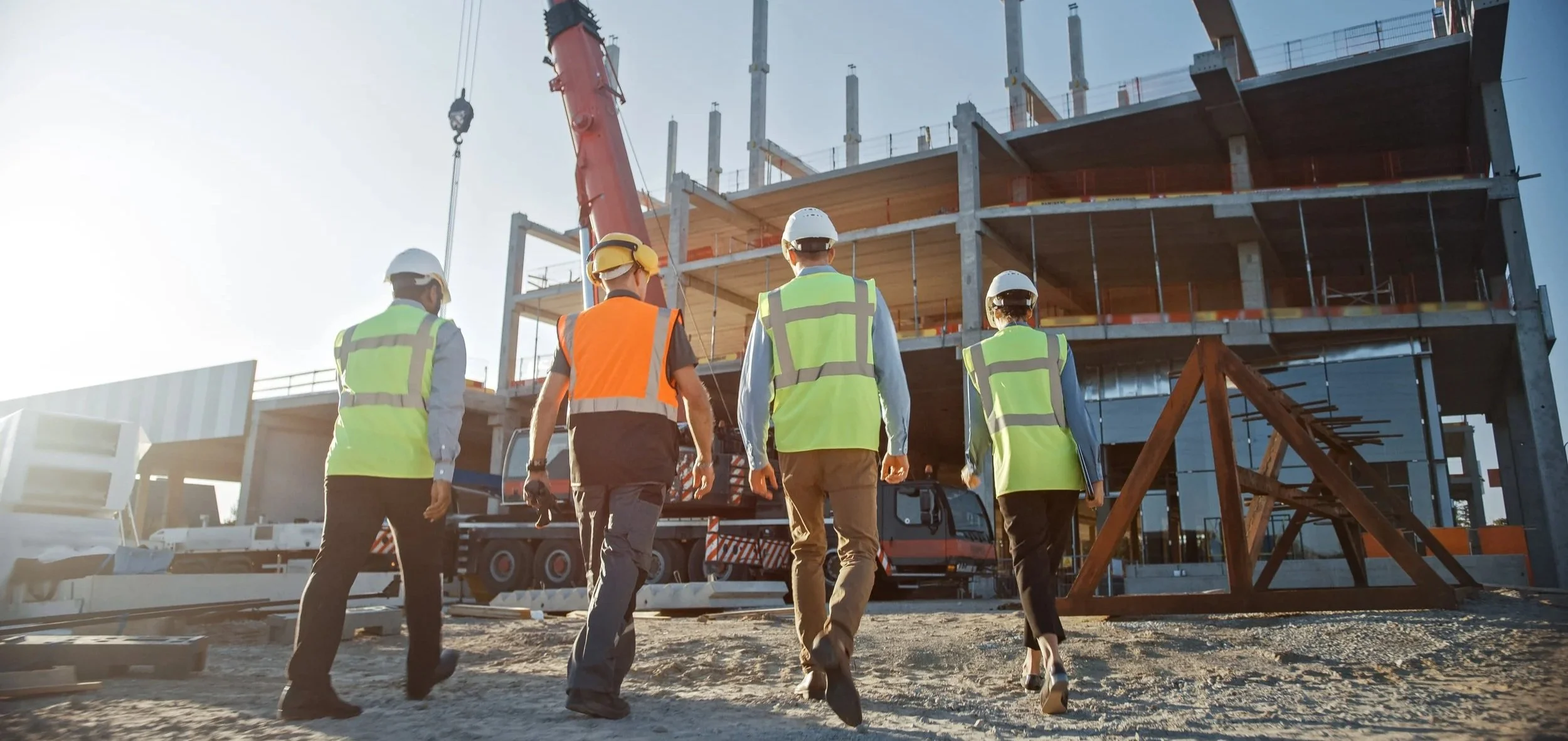
Over the last couple of months, we have published multiple articles and podcasts on the Workers’ Compensation Insurance Rating Bureau’s proposed rate increase and now the approved 8.7% increase to the pure premium rates effective 9/1/25. But, what we have not touched on are the specific steps our best-in-class contractors are doing to position their companies to offset these increases. They are:
Engaging with their advisor early in the renewal process. Contractors need to know exactly how this rate change will impact their specific class code. For 5506 Street/Road Contractors, the pure premium increase is 5%, but contractors performing dry utility work in class code 6325 Conduit Construction, it is increasing 26%.
Continuing to evaluate and update their companies’ risk control program.
Understand and managing their historical and future experience modification rate (EMR) . If their EMR is a debit mod (i.e., over 100), determine what is driving it upward?
Using KPIs to benchmark their frequency and severity against their peers’.
Analyzing both open and closed claims. They are looking for any lag times in claim reporting, and reviewing open claims on a consistent basis to manage open reserves. They identify the root causes of the incident and what they can do to prevent these types of claims from reoccurring in the future.
Evaluating alternative risk financing strategies like captives, retros or deductible workers’ compensation plans.
So the question becomes, why do these best-in-class contractors take these proactive steps? One, they understand that losses unfortunately are inevitable but if there are processes and procedures that they can put in place to minimize the impact, they are willing to do it. The second reason is that they are bidding projects that potentially do not start for another 8-12 months and they want to factor in any increase in operating costs and protect their profitability.
To get started on these six steps to prepare for higher workers’ compensation rates, contact me at sclayton@ranchomesa.com or (619) 937-0167.
Updates to OSHA Penalty Guidelines and Reductions for Small Businesses
Author, Jadyn Brandt, Client Communications Coordinator, Rancho Mesa Insurance Services, Inc.
Small businesses are set to be the beneficiaries of new Occupational Safety and Health Administration (OSHA) penalty adjustments. The U.S. Department of Labor has updated its penalty and debt collection procedures in OSHA’s Field Operations Manual, expanding the number of businesses that fall under small business guidelines.
Author, Jadyn Brandt, Client Communications Coordinator, Rancho Mesa Insurance Services, Inc.

Small businesses are set to be the beneficiaries of new Occupational Safety and Health Administration (OSHA) penalty adjustments.
The U.S. Department of Labor has updated its penalty and debt collection procedures in OSHA’s Field Operations Manual, expanding the number of businesses that fall under small business guidelines.
Under new guidance, businesses across all 50 states who employ up to 25 employees will now be eligible for up to a 70% fine reduction. Previously, that level of penalty reduction was only available for business with 10 or fewer employees.
A penalty reduction of 20% has also been expanded for employers who do not have a history of violations. Businesses who have never undergone inspection by OSHA at a federal or state level, as well as those who have undergone inspection in the last five years but had no “serious, willful, or failure-to-abate violations” are eligible for this reduction.
Additionally, employers who take immediate steps to eliminate a hazard will now be eligible for a 15% penalty reduction.
These policy changes take effect July 14, 2025. Any penalties issued before that date will be held to the previous penalty structure. If your business is part of an open investigation where a penalty has not yet been issued, you will be covered by the new guidance.
Contact your local OSHA office to find our if you company is eligible for these new fine reductions.
The Value of Safety Committees in Human Services Organizations
Author, Jack Marrs, Associate Account Executive, Rancho Mesa Insurance Services, Inc.
Human services organizations operate in challenging environments. Staff regularly work in close contact with individuals who may have physical, cognitive, or behavioral needs. This can involve lifting and transferring clients, managing unpredictable situations, or navigating unfamiliar environments. National data from the Bureau of Labor Statistics (BLS) shows that these situations elevate the risk of workplace injuries.
Author, Jack Marrs, Associate Account Executive, Rancho Mesa Insurance Services, Inc.

Human services organizations operate in challenging environments. Staff regularly work in close contact with individuals who may have physical, cognitive, or behavioral needs. This can involve lifting and transferring clients, managing unpredictable situations, or navigating unfamiliar environments. National data from the Bureau of Labor Statistics (BLS) shows that these situations elevate the risk of workplace injuries.
The BLS data confirms the healthcare and social assistance sector has some of the highest injury rates across all industries, with 4.5 nonfatal cases per 100 full-time workers in 2022. While some risk is unavoidable in this field, many of the most common injuries are preventable and that’s where safety committees can make a powerful impact.
Role of a Safety Committee
Safety committees are internal teams that meet regularly to discuss hazards, evaluate recent injuries and near misses, and implement steps to prevent injuries from happening in the first place. They often bring together staff and management from different departments to proactively create a formal structure for addressing workplace safety.
Organizations with engaged safety committees experience fewer claims, lower insurance costs, and stronger relationships with their employees. Safety committees are not just about checking a box, they help create a safe work environment in a way that becomes part of the organization’s culture.
Benefits of an Active Safety Committee
Having an active safety committee comes with several benefits that support both the organization and its employees. Some examples are:
Fewer workplace injuries. One of the most significant benefits of having a safety committee is a reduction in workplace injuries. Over time, committees will begin to identify trends, like repeated lifting injuries or slips in common areas, and respond by recommending lifting trainings or suggest that employees need to wear nonslip shoes. When these improvements are implemented and reinforced, injury rates often decline significantly.
Insurance savings. Insurance carriers pay close attention to how seriously an organization takes safety. An active safety committee that documents meetings, follows through on recommendations, and tracks results can improve underwriting outcomes when presented by the broker.
Improved staff morale and retention. Employees like to feel heard. When staff see leadership taking action on safety issues they have raised, whether it is adding nonslip shoes, improving lighting, or increasing trainings, it fosters trust. And, in a field where burnout and turnover are high, trust matters.
Regulatory compliance. Under OSHA’s General Duty Clause, employers are responsible for maintaining a workplace free from recognized hazards. A safety committee helps fulfill this obligation and can serve as documentation of due diligence during audits or inspections. In California and several other states, safety committees may also play a role in meeting state-specific requirements related to workers' compensation or injury prevention plans.
Best Practices for Human Services Settings
To be effective, a safety committee needs more than just good intentions. The most successful ones follow key practices:
Balanced membership. Include management and frontline workers. Direct support staff often have the insight into daily risk and often have ideas to prevent injuries.
Consistent meetings. Monthly or quarterly meetings keeps safety on the forefront of your mind. Sporadic meetings will not lead to lasting results.
Review of incidents and near misses. Analyze both what went wrong and what almost went wrong. These near misses are also important to document and put steps in place so an injury does not occur in the future.
Site walkthroughs. Physically inspecting locations can uncover hazards that are not easily visible on paper.
Clear documentation. Keep meeting minutes, assign follow-ups, and track progress. This level of detail not only improves accountability, it can also support insurance or OSHA documentation if needed.
If you are just starting out, OSHA has a resources for effective health and safety committees along with many other state and national safety organizations.
For human services organizations, safety is more than checking a box, it is essential to long-term stability. Fewer injuries mean fewer claims, which leads to less disruption, and a stronger team. A well-run safety committee is a low-cost strategy that leads to a safer work environment and a cost savings outcome.
To learn more about how Rancho Mesa can support your safety committee’s efforts, contact me at (619) 486-6569 or jmarrs@ranchomesa.com.
Top Work-Related Injuries for Landscapers
Author, Greg Garcia, Account Executive, Rancho Mesa Insurance Services, Inc.
Travelers Insurance’s peer data from 2020 to 2025 report showcases the top work-related injury causes within the landscape industry. Looking at the top of this list, slip/trips/falls as well as strains account for roughly 40% of the injuries reported.
Author, Greg Garcia, Account Executive, Rancho Mesa Insurance Services, Inc.
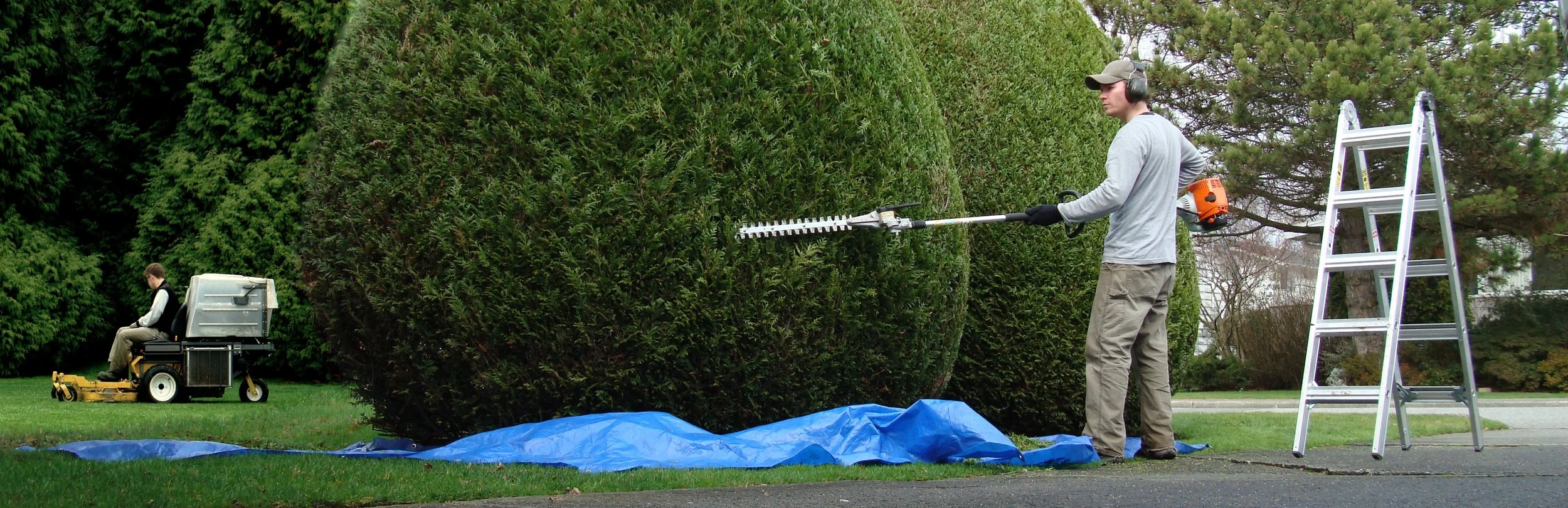
Travelers Insurance’s peer data from 2020 to 2025 report showcases the top work-related injury causes within the landscape industry. Looking at the top of this list, slip/trips/falls as well as strains account for roughly 40% of the injuries reported.
With the state of the worker’s compensation marketplace clearly hardening, as shown by the proposed 11% increase to the pure premium rates in CA, now is a great time to make sure your landscape company is focused on preventing these top work-related injuries. (Learn more about the pure premium increase.)
Managing and accounting for slips, trips and falls for landscape companies can be difficult. Best-in-class landscape companies mitigate these claims by managing their job hazard analyses (JHAs). Documenting and communicating to the crew these JHAs can be very beneficial in the prevention of slips trips and falls. Examples include calling out a portion of the sidewalk that may be uneven due to a root, or a hole in the grass. It can also include identifying a slippery slope if it had just rained the night before, or perhaps when crew members are working in the morning hours when dew is present. Staying diligent with your company’s JHAs can help reduce these slip trips and falls.
The second major cause of work-related injuries referenced for landscape companies would be strains. The day-to-day demands of being a landscape professional can be very taxing on the body as it is a very physical occupation. To help mitigate some of these strains, landscape companies should consider implementing a mobility and stretch program into their organization’s daily routine. This would consist of the crews getting together either in the morning at the yard, or at their respective jobsites and performing a quick 5 minute stretch routine to make sure their bodies are ready for the physical activity of the day. Rancho Mesa’s Mobility & Stretch™ Program offers an effective way to ensure employees are stretching prior to performing their job duties.
With workers’ compensation rates on the rise, now is a great time to revisit these key elements of your safety program and make sure your team is doing everything possible to help mitigate future work-related injuries.
For more information or to learn more about our safety resources, email me at ggarcia@ranchomesa.com or (619) 438-6905.
Signs of Future Increased Costs in Workers’ Compensation Continue
Author, Kevin Howard, Account Executive, Rancho Mesa Insurance Services, Inc.
Senator Anna M. Caballero recently introduced Senate Bill 555 (SB 555), also known as the Workers’ Disability Adjustment Act. While the bill is currently stalled in the Senate Appropriations Committee, SB 555 could, if signed into law, increase weekly Permanent Disability (PD) benefits for injured workers in the California workers’ compensation system, adjusting these annually to reflect economic inflation through a cost-of-living adjustment (COLA).
Author, Kevin Howard, Partner, Rancho Mesa Insurance Services, Inc.

Senator Anna M. Caballero recently introduced Senate Bill 555 (SB 555), also known as the Workers’ Disability Adjustment Act. While the bill is currently stalled in the Senate Appropriations Committee, SB 555 could, if signed into law, increase weekly Permanent Disability (PD) benefits for injured workers in the California workers’ compensation system, adjusting these annually to reflect economic inflation through a cost-of-living adjustment (COLA).
According to the official Senate Committee analysis, the projected cost of SB 555 is estimated at $570 million to $907 million over eight years. This potential increase in long-term claim cost could catch workers’ compensation underwriters and actuaries off guard. Exploring things further, we have provided an example below of an injured worker’s permanent disability benefits should SB 555 generate enough interest back in Sacramento.
Meet Joe the Roofer
If Joe is deemed 25% permanently disabled, here is how his PD benefits would look before and after SB 555. I am using a 5-year period in this claim scenario:
Before SB 555 (Current System)
Weekly Benefit: $290/week
Duration: 5 years
Total: $75,400
(Note: These rates have remained unchanged since 2014.)
After SB 555 (COLA)
Benefits increase annually with inflation (assume 3% COLA/year)
Estimated Total: $80,051
Bottom line: Over five years, Joe would receive 6–8% more in PD benefits under SB 555. These payments would reflect modern cost-of-living realities for injured workers.
Projecting these new claim costs could dramatically impact underwriting within the worker’s compensation marketplace. It would most certainly elevate premiums to levels not been seen in years. While it is clear this bill may continue to be stalled, we expect the push for higher permanent disability benefits to be a regular theme in this and other potential new legislation.
How to Prepare For the Hardening Workers’ Compensation Market
Work closely with your broker at your pre-renewal meeting to understand your company’s key performance indicators and how those can be leveraged for the best possible pricing outcome at renewal. Re-visit your safety program and protocol, focusing on lowering claim frequency and severity. And finally, understand how your broker is developing your risk profile to the underwriters. To learn more about how Rancho Mesa can help in these areas, contact me at khoward@ranchomesa.com or call me at (619) 438-6874.
About the Author
Kevin Howard is a Commercial Insurance Broker at Rancho Mesa Insurance Services, Inc., specializing in risk management and insurance solutions for artisan contractors including solar, roofing, and other skilled trades. Based in San Diego, California, Kevin serves contractors throughout the Southern California region, helping them protect their businesses with tailored coverage and proactive support. His clients benefit from access to exclusive tools like the SafetyOne™ Platform, RM365 HRAdvantage™ Portal, and workers’ compensation claims advocacy services, designed to improve safety, streamline HR processes, and support better claims outcomes.