

Industry News

Why Am I Now Required to Bond Such Small Construction Projects?
Author, Matt Gaynor, Director of Surety, Rancho Mesa Insurance Services, Inc.
I received an email from a large Subcontractor client last week requesting performance and payment bonds in the amounts of $87,000 and $133,000, respectively. This client has completed projects in excess of $5,000,000 in the past and was surprised that the general contractor they were working with was requiring such a small amount to be bonded back.
Author, Matt Gaynor, Director of Surety, Rancho Mesa Insurance Services, Inc.
I received an email from a large Subcontractor client last week requesting performance and payment bonds in the amounts of $87,000 and $133,000, respectively. This client has completed projects in excess of $5,000,000 in the past and was surprised that the general contractor they were working with was requiring such a small amount to be bonded back.
I explained the potential reasons for why the general contractor may require such a small bond.
One reason might be with the financial uncertainty created by the COVID-19 pandemic, the prime contractor/general contractors’ bond company is looking to transfer some of the risk from the bond they provide to their prime contractor. They may set a certain limit (for example, all subcontracts over $100,000) to require the subcontractor to bond back to the prime contractor.
A second reason might be that the prime contractor has not used a certain subcontractor in the past and wants the protection of a bond to help offset the risk. The general contractor might have selected this subcontractor based on “price” and wants the third party prequalification that the performance and payment bond provides.
A third example could be that the trade this subcontractor supports is critical to the success of the project and the general contractor is using every tool they can to manage the risk.
Overall in 2020, we have seen an increase in the number of prime contractors requiring a bond for a small subcontract.
The good news for the subcontractor that rarely requires bonding is that the qualification process for a small subcontractor bond is relatively easy. A number of highly rated bond companies provide programs for bonding projects up to $400,000 (sometimes higher) based on the credit scoring of the subcontract company owner.
If you would like more information on how a professional bonding agent can assist in putting a single bond or a bond program in place for your company, feel free to reach out to me at (619) 937-0165 to ensure your company is getting the proper attention.
Surety Tightens Due to COVID-19 Pandemic
Author, Andy Roberts, Account Executive, Surety Department, Rancho Mesa Insurance Services, Inc.
Before COVID-19, the construction industry had been enjoying one of the longest economic booms that this county has seen in recent memory. And, even though construction has been deemed essential, the industry is already seeing some effects from the pandemic, ranging from delayed material supplies, projects being shut down, and late or non-payments from project owners.
Author, Andy Roberts, Account Executive, Surety Department, Rancho Mesa Insurance Services, Inc.

Before COVID-19, the construction industry had been enjoying one of the longest economic booms that this county has seen in recent memory. And, even though construction has been deemed essential, the industry is already seeing some effects from the pandemic, ranging from delayed material supplies, projects being shut down, and late or non-payments from project owners. Additionally, we are now starting to see some of the effects of the pandemic reach into the surety world, as some bond companies are beginning to limit their appetite and tighten their underwriting guidelines.
While some bonding companies have continued business as usual, others have made changes to their policies, with some opting to remove accounts that do not have frequent bond needs and others opting to not accept any new business submissions. While most surety carriers will not react this drastically, we anticipate them tightening their underwriting guidelines, and it is important for contractors to know that there are other options out there that might be a better fit for their bond program. This is where partnering with a Best Practices surety broker is of great benefit to a contractor.
At Rancho Mesa, we have access a variety of high quality surety markets, while also possessing a deep understanding of what different bond companies value when they are underwriting bond requests. As the markets begin to tighten, this type of knowledge becomes even more important. Certain markets will be a fit for some contractors while others will not, and selecting the wrong market can lead to financially sound contractors not receiving the level of surety credit that they need or deserve.
For more information, or for any questions regarding your surety needs, please contact Andy Roberts at (619) 937-0166 or aroberts@ranchomesa.com.
Frustrated You’re Not Getting Paid on a Bonded Project?
Author, Matt Gaynor, Director of Surety, Rancho Mesa Insurance Services, Inc.
Getting paid on time by project owners is essential! As construction companies attempt to collect their account receivables, a frustration builds as the overdue payments stretch from 60, to 90, to over 120 days. You might have already paid certain suppliers or subcontractors, and now your cash flow is getting stretched because your receivable has been delayed. If this is a bonded project – you do have an additional avenue of recourse to collect.
Author, Matt Gaynor, Director of Surety, Rancho Mesa Insurance Services, Inc.

Getting paid on time by project owners is essential! As construction companies attempt to collect their account receivables, a frustration builds as the overdue payments stretch from 60, to 90, to over 120 days. You might have already paid certain suppliers or subcontractors, and now your cash flow is getting stretched because your receivable has been delayed. If this is a bonded project – you do have an additional avenue of recourse to collect.
You should first obtain a copy of the bond from the owner, municipality, or general contractor on the project. On a public works project this should not be difficult to obtain.
The next step is to work with your bond agent on the best way to contact the bonding company with your claim. Some bond companies will request you send an email to their claims department. Otherwise, your agent will have the bond company claim department address to ensure your claim goes to the proper area to receive attention. At Rancho Mesa, we have prepared letters that you can use as a sample to provide the bond company the proper information so your claim is not delayed.
The bond company should respond to you (usually within 20 days) and have you fill out their claim form and provide the backup documentation required to support your claim. They will then check with their insured to find out if the claim is legitimate and why payment has not been made.
If you would like a better understanding of how your professional bonding agent can assist you in filing a bond claim on a construction project, please feel free to contact me to ensure you are getting the proper direction to collect your money.
Skilled Labor Shortages Prompt Subcontractors to Provide Performance Guaranty
Author, Andy Roberts, Account Executive, Surety Division, Rancho Mesa Insurance Services, Inc.
The construction industry is currently booming. According to a survey conducted by the AGC of America, and a recent article written by Rancho Mesa’s Kevin Howard, the industry shows no signs of slowing down, as 80% of contractors predict growth in 2020. While that’s great news for the industry, we are starting to see some trends that can cause some issues for contractors.
Author, Andy Roberts, Account Executive, Surety Division, Rancho Mesa Insurance Services, Inc.

The construction industry is currently booming. According to a survey conducted by the AGC of America, and a recent article written by Rancho Mesa’s Kevin Howard, the industry shows no signs of slowing down, as 80% of contractors predict growth in 2020. While that’s great news for the industry, we are starting to see some trends that can cause some issues for contractors.
With an abundance of work, contractors are finding it more difficult to find the skilled labors required to complete a project on schedule. This is causing more and more general contractors, who historically didn’t require their subcontractors to provide a bond, to now require their subcontractors to bond back to them on contracts over a certain amount.
Bonding back is when a general contractor requires a subcontractor to obtain a performance and payment bond, even though the general contractor is already carrying a bond for the entire project. The bonds from the subcontractor operate in the same way as the bonds that the general contractor provided to the project owner, but now the general contractor has a performance guaranty from the subcontractor. This gives the general contractor an avenue to pursue recourse, should the subcontractor default or fail to perform up to the standards required by the contract, which is something that can happen if the subcontractor is having issues finding enough skilled labor.
Furthermore, this can present a problem for subcontractors who aren’t accustomed to bonding. They would need to get a bonding program put into place in order to work with a general contractor that they may have a long relationship with, who they previously never required a bond back. This makes it very important for subcontractors to have the discussion with the general contractor about potential bond requirements. An upfront conversation with the general contractor can help you avoid getting into a situation where you win a bid, but don’t have the ability to meet the bond requirement.
Fortunately, for contractors that are new to bonds or maybe don’t bond frequently, there are a variety of programs that the different sureties offer, whether it be credit-based, or a more traditional program. We can help navigate those programs and find the solution that works best for their company’s bonding needs.
If you have additional questions or would like to explore all the different options that each surety offers, please contact Andy Roberts at (619) 937-0166.
What is an LLC Employee/Worker Bond?
Author, Andy Roberts, Account Executive, Surety Division, Rancho Mesa Insurance Services, Inc.
In California, when a contractor opts to organize their business as a Limited Liability Company (LLC) they are required to maintain an LLC Employee/Worker Bond in the amount of $100,000 in order to obtain their Contractors License, per the California Business and Professions Code, Section 7071.6.5. After our clients receive notice of this requirement, we are often asked why this bond is required and what does it protect against.
Author, Andy Roberts, Account Executive, Surety Division, Rancho Mesa Insurance Services, Inc.
In California, when a contractor opts to organize their business as a Limited Liability Company (LLC) they are required to maintain an LLC Employee/Worker Bond in the amount of $100,000 in order to obtain their Contractors License, per the California Business and Professions Code, Section 7071.6.5. After our clients receive notice of this requirement, we are often asked why this bond is required and what does it protect against.
LLCs are a very popular type of business structure, as they provide the owners, or members, a high level of protection from a liability standpoint because only the LLC, not the owners personally, will be held liable for the debts and liabilities incurred by the business. While this type of protection is good for the owners, California wants to ensure that the LLC’s employees/workers are protected from certain types of monetary damage they may suffer at the hands of the LLC, and they accomplish this by requiring the LLC to have this bond executed by an admitted surety company.
By issuing the bond, the surety company is providing the Contractors State License Board (CSLB) a guarantee that the workers employed by the LLC will receive payment of their wages, up to a limit of $100,000. Additionally, the bond covers interest on wages, fringe benefits, welfare fund contributions, and apprentice program contributions. Should an LLC fail to provide any of the guarantees listed above, a claim may be filed against the bond, which the surety company will pay in order to settle the claim. Once the claim has been settled, the surety will look to the LLC to reimburse them for any money paid out.
Please note, due to the high risk associated with these bonds, they aren’t written as easily or freely as the $15,000 Contractors License Bond, which a lot of sureties provide instant quotes on just based on the owners credit score. In order to qualify for an LLC Employee/Worker bond, sureties will require a completed commercial bond application, Indemnity Agreement executed by all owners and their spouses, company financials, and personal financial statements for all owners.
Should you have any questions regarding LLC Employee/Worker bonds or need one quoted or placed for your business, please give me a call at (619) 937-0166.
Maximize Your Bond Line of Credit by Collecting Account Receivables
Author, Matt Gaynor, Director of Surety, Rancho Mesa Insurance Services, Inc.
We often hear the term “cash is king” in the construction business. When referring to our contractor clients’ bond line of credit, this term is paramount. The various sources of cash listed on a balance sheet (i.e., cash in the bank, accounts receivable, available bank lines of credit) will largely influence the bond company’s calculation of the bond credit line. Let’s focus on accounts receivable.
Author, Matt Gaynor, Director of Surety, Rancho Mesa Insurance Services, Inc.

We often hear the term “cash is king” in the construction business. When referring to our contractor clients’ bond line of credit, this term is paramount. The various sources of cash listed on a balance sheet (i.e., cash in the bank, accounts receivable, available bank lines of credit) will largely influence the bond company’s calculation of the bond credit line. Let’s focus on accounts receivable.
When we provide the bond company a financial statement from a client, they will often request we include a Schedule of the Accounts Receivable and Accounts Payable statement. Generally, the schedule breaks out the receivables by 30, 60, and 90 day increments. Regarding the open receivable balances scheduled as “over 90 days past the invoice date,” the bond company will subtract this amount from the equity and working capital analysis because they feel that a greater risk exists in the collection of these receivables.
The over 90-day receivables become very important since the collection of these receivables can mean the difference between a bond company approving or declining a specific bid request (for a project which our contractor may already be heavily invested). The bond underwriter wants to ensure that the contractor has sufficient cash coming in the door to pay the labor, suppliers, and subcontractors on current projects – and may not want to take on additional risk if they are concerned about receivable collections needed to pay for these costs.
Being awarded a contract, whether bid or negotiated, is extremely important to a contractor’s success. But right behind the importance of winning and executing the contract, is the contractor’s ability to collect the money to ensure they are getting paid for the work they do. Make sure you have a good receivables team in place so that paperwork is issued correctly/timely, and consistently follow up on late payments to collect your money.
If you would like a better understanding of how the accounts receivable collection process affects your bond line of credit, feel free to contact me at (619) 937-0165 or mgaynor@ranchomesa.com to discuss ways to ensure your bond program is efficient as possible.
Surety Bonds: What Are They, What Do They Do, and Why Am I Required to Get Them?
Author, Andy Roberts, Account Executive, Surety Division, Rancho Mesa Insurance Services, Inc.
When we have clients that are required to bond for the first time, often their first questions are what is a surety bond, how do they work, and why am I being required to provide one.
In its basic form, a surety bond is a three party agreement between the contractor, called the principal, the project owner, called the obligee, and the surety company. The surety company provides a financial guarantee to the obligee that the principal is both qualified and capable of performing the contracted job.
Author, Andy Roberts, Account Executive, Surety Division, Rancho Mesa Insurance Services, Inc.

When we have clients that are required to bond for the first time, often their first questions are what is a surety bond, how do they work, and why am I being required to provide one.
In its basic form, a surety bond is a three party agreement between the contractor, called the principal, the project owner, called the obligee, and the surety company. The surety company provides a financial guarantee to the obligee that the principal is both qualified and capable of performing the contracted job.
It is important to note, that while surety is an insurance product, it doesn’t function in the same way that traditional insurance does. Unlike insurance, which protects who obtains it, surety bonds are put in place for the benefit, or protection, of the obligee. As mentioned previously, the bond provides financial assurance to the obligee that the contractor is qualified and capable of completing the job per the terms stipulated in the contract. If the contractor were to default, the surety would be responsible for stepping in and making sure the project gets finished.
When and Why Are Surety Bonds Required?
Surety bonds are required on most public works projects that are led by federal, state, or local government agencies due to the Miller Act, which was passed in 1935. The Miller Act is designed to protect tax payer dollars, by requiring performance and payment bonds on all federal projects in excess of $150,000 and payment bonds for federal contracts between $35,000 and $150,000. Most states have similar legislation, known as “Little Miller Acts,” although the bond threshold varies from state to state. In addition to these jobs that require bonding, an increasing number of private owners and construction lenders are requiring surety bonds as well, in order to provide protection on their private jobs.
This article serves as a basic overview of performance and payment bonds, what they do, and why they are required on certain jobs. For additional information about these topics or additional information about the process of getting bonding for a job, please contact us at (619) 937-0166.
Additionally, we will be hosting a webinar, “Surety 101: Bond Basics” on August 27, 2019. I will dive deeper into the different types of contract and commercial bonds that are often required of contractors, and also the process of what is needed in order to get a surety bond program established with a surety.
Time To Renew Your Bond Line of Credit
Author, Matt Gaynor, Director of Surety, Rancho Mesa Insurance Services, Inc.
The majority of Rancho Mesa’s contractor clients have a fiscal year, end of December 31, for their company financial statements. During March, April, and May we collect a variety of financial information from our contractors to update the bonding company. The underwriting items we request include the 12/31 CPA financial statement, along with the work in progress and closed contract schedules. We also request an updated bank letter, account receivable/account payable schedules, and a personal financial statement from the owner.
Author, Matt Gaynor, Director of Surety, Rancho Mesa Insurance Services, Inc.

The majority of Rancho Mesa’s contractor clients have a fiscal year, end of December 31, for their company financial statements. During March, April, and May we collect a variety of financial information from our contractors to update the bonding company. The underwriting items we request include the 12/31 CPA financial statement, along with the work in progress and closed contract schedules. We also request an updated bank letter, account receivable/account payable schedules, and a personal financial statement from the owner.
Once this information is collected, submitted to, and reviewed by the bond company, they may follow up with questions or require additional information to explain what has been submitted. They will also ask the bonding agent to request single bond and aggregate bond program “parameters” based on the contractor’s estimate of work over the next 12 months. This information forms the basis for the bond agent’s line of authority that the bond company will provide to the bond agent.
The line of authority provides the agent with approval to execute the bid, payment, and performance bonds for their contractor client within the negotiated single and aggregate limits. The bond agent line of authority also includes certain conditions that would fall outside the agent’s authority to approve the bond request; therefore, the agent would need to submit the request to the bond company for approval. Some of the conditions that fall outside automatic approval include:
a.) a bid spread in excess of 10% between the first and second bidder.
b.) a project located outside the contractors’ normal geographic area for work.
c.) the contractor taking over work of a defaulted contractor, etc.
The agent line of authority is an efficient way for the bond agent to service their contractor client accounts without requiring approval from the bond company for every project. Upon receipt of a new bond request, the agent will review the project information to ensure it falls within their authority, and then they will execute the bid or performance bond and deliver the bond to their client. The line will usually expire on April 30th of the following year – which restarts the process to collect the financial information for the bond company to renew the agent’s line for another year.
If you would like a better understanding of how the bond line of authority affects your bond program, please contact Matt Gaynor, at (619) 937-0165.
The Benefits and Risks of Third Party Indemnity
Author, Andy Roberts, Account Executive, Surety Division, Rancho Mesa Insurance Services, Inc.
For a contractor that is wanting to bid a job, or has won a job that’s requiring a bond that they are not able to qualify for on their own, one option for increasing their bond capacity and ability to qualify would be to have a third party also indemnify to their Surety. While there are definite risks, this type of agreement can be very beneficial to both parties.
Author, Andy Roberts, Account Executive, Surety Division, Rancho Mesa Insurance Services, Inc.

For a contractor that is wanting to bid a job, or has won a job that requires a bond they are not able to qualify for on their own, one option to increase their bond capacity and ability to qualify would be to have a third party indemnify to their surety. While there are definite risks, this type of agreement can be very beneficial to both parties.
For the contractor, the main benefit is the additional financial backing provided by the third party that will help alleviate concerns of a surety that might lead to the contractor running out of money, therefore, not being able to complete the job as contracted. For the third party, they can negotiate what their compensation will be through the contractor, since they are taking on a financial risk by signing the indemnity agreement. This type of agreement should not be entered into lightly because there are risks for both the contractor and the third party.
A Surety Bond Indemnity Agreement is a signed agreement which states the principal will indemnify the surety company, should a claim occur. When a third party also signs this agreement, they are opening themselves up to the risk of having to indemnify the surety should the contractor that is doing the work fail to complete it, forcing the surety to step in to complete the job. This becomes even more likely if the contractor becomes insolvent, making the third party next in line for indemnity purposes. While there is risk associated with this type of agreement, there are ways to mitigate that risk and that is for both the contractor and the prospective third party to thoroughly review each other’s businesses.
When a third party is providing indemnity to support another businesses project, it is vitally important that they have a firm grasp of that company’s current capacity, capital and character, and this is the same for the contractor. The contractor needs to know that if they do get into trouble on the job, the third party does in fact have the ability to help them out of the situation.
For any questions regarding third party indemnity, please contact Rancho Mesa Insurance Services at (619) 937-0164.
How Credit-Based Bond Programs Benefit New Contractors
Author, Andy Roberts, Account Executive, Surety Division, Rancho Mesa Insurance Services, Inc.
For small or new contractors that are looking to break into the world of government contract work, the process of getting a surety bond program in place can seem like an onerous one. It requires the contractor to compile a lot of paperwork and detailed financial reports, which can be a daunting task for any contractor, regardless of size or experience. However, there are now several “A” rated sureties that provide credit-based programs for writing smaller bonds.
Author, Andy Roberts, Account Executive, Surety Division, Rancho Mesa Insurance Services, Inc.

For small or new contractors that are looking to break into the world of government contract work, the process of getting a surety bond program in place can seem like an onerous one. It requires the contractor to compile a lot of paperwork and detailed financial reports, which can be a daunting task for any contractor, regardless of size or experience. However, there are now several “A” rated sureties that provide credit-based programs for writing smaller bonds.
The owner or owners will provide their financial information via a one or two page application, often referred to as a “fast track application.” These let you and your company apply for smaller bonds, usually $500,000 or less, depending on the surety, without requiring all the typical underwriting information that is needed to put together a formal surety program. And, so long as the owner(s) credit is good, the surety will approve the bond(s) to be issued.
These programs are great for contractors that don’t bond very often or contractors that are just starting to bid on bonded jobs. In addition, these programs also provide the contractor an opportunity to begin a relationship with a surety company, which will be very beneficial as the contractor grows and begins to bid larger bonded jobs that fall outside of the credit program, and will require a formal program with the surety.
If you have additional questions or would like to explore all the different options that each surety offers, please contact Rancho Mesa Insurance Services, Inc. at (619) 937-0166.
What is a Surety Bondability Letter?
Author, Matt Gaynor, Director of Surety, Rancho Mesa Insurance Services, Inc.
When an owner or general contractor is looking to pre-qualify a contractor for a specific project, they will often request the contractor to submit a bondability letter from their bond agent. The bondability letter provides the owner with an assurance that the contractor has been underwritten and approved by a surety company for support of a specific project. The bondability letter is issued for no cost (it is regarded as a standard service provided by the bond agent).
Author, Matt Gaynor, Director of Surety, Rancho Mesa Insurance Services, Inc.

When an owner or general contractor is looking to pre-qualify a contractor for a specific project, they will often request the contractor to submit a bondability letter from their bond agent. The bondability letter provides the owner with an assurance that the contractor has been underwritten and approved by a surety company for support of a specific project. The bondability letter is issued for no cost (it is regarded as a standard service provided by the bond agent).
The typical bondability letter contains the following information:
a.) How long the bond company has been providing bonding for the contractor,
b.) The A.M. Best rating of the bond company (typically required to be “A” or above),
c.) Confirms that the bond company is on the U.S. Treasury approved list, and that the bond company is licensed in the state where the work is to be performed,
d.) Provides the single and aggregate bond limits that the bond company will support the contractor,
e.) Includes contact information of the bond agent for follow-up if the owner or general contractor has additional questions.
Although the bondability letter is non-binding and does not provide the same assurance that a bid, performance, or payment bond would provide, it is still a useful pre-qualification tool that does not require the contractor to spend any money.
If you are looking for an inexpensive way to pre-qualify your company with an owner, work with a Rancho Mesa Insurance for assistance with a bond program.
How Warranty Periods Can Impact Bonding
Author, Andy Roberts, Account Executive, Surety, Rancho Mesa Insurance Services, Inc.
When we review contracts that require bonding, one area that we need to understand is the warranty obligation. I would expect that over 90% of the contracts that we review for our contractor clients contain a standard one-year warranty term. Since Performance & Payment Bonds respond to the contract, the surety company is also on the hook for this one-year obligation. Premium rates for bonding already include the cost for this one-year warranty in the cost of the performance & payment bond.
Author, Andy Roberts, Account Executive, Surety, Rancho Mesa Insurance Services, Inc.
When we review contracts that require bonding, one area that we need to understand is the warranty obligation. I would expect that over 90% of the contracts that we review for our contractor clients contain a standard one-year warranty term. Since Performance & Payment Bonds respond to the contract, the surety company is also on the hook for this one-year obligation. Premium rates for bonding already include the cost for this one-year warranty in the cost of the performance & payment bond.

What if the warranty period exceeds 12 months?
Depending on the warranty wording of the contract, both the contractor and the surety company can be liable for multiple years of warranty obligation. Anytime that the warranty is going to exceed one year, the surety will charge additional rate for each extra year, which increases the cost of the bond, thereby increasing costs for the principle and ultimately the obligee or owner. Second, and most importantly, increased warranty periods could make it more difficult for a contractor to qualify for a bond for that specific job. The longer the warranty period that the bond will be covering, the longer the surety has to try and project how a contractor or company will be doing at that time. Since they have no real way of doing this, it increases their liability for that particular job and could ultimately lead to a declination for the bond.
One option to consider - for a warranty period of longer than one year (but not specifically stated if the bond will respond to the longer warranty period), the contractor should ask for clarification from the obligee for a couple of different reasons. The owner may confirm that the bond does not have to cover the warranty after the initial one-year period. This will make it easier for the contractor to obtain the bond, because the surety will not be required to respond to a warranty claim several years after a job has been completed. It should be noted that this does not mean the contractor is not bound by the full warranty length stated in the contract.
If your company is interested in working on jobs that require bonding, or you are a contractor with an established surety program but have questions about warranty periods, please contact me at Rancho Mesa Insurance Services 619-937-0164 as I can assist with any questions you may have.
Contractor Strategies to Maximize Your Bank Line of Credit
Author, Matt Gaynor, Director of Surety, Rancho Mesa Insurance Services, Inc.
Some of my most successful bond clients opened their construction business with a good amount of working experience on their resume, but only a minimal amount of cash and capital. Unfortunately, bond companies like to see a strong amount of cash and capital. Therefore, my goal, as their bond agent, is to work with what they have at the present time to explain why they are a “good risk” now for bid, performance, and payment bonds - along with ideas on how to overcome the initial cash and capital constraints.
Author, Matt Gaynor, Director of Surety, Rancho Mesa Insurance Services, Inc.

Some of my most successful bond clients opened their construction business with a good amount of working experience on their resume, but only a minimal amount of cash and capital. Unfortunately, bond companies like to see a strong amount of cash and capital. Therefore, my goal, as their bond agent, is to work with what they have at the present time to explain why they are a “good risk” now for bid, performance, and payment bonds - along with ideas on how to overcome the initial cash and capital constraints.
As a contractor grows and is looking at larger single and aggregate bond programs, I make it a point to work with the contractor on upgrading their financial presentation along with the goal to qualify for a Bank Line of Credit. It can sometimes be difficult to qualify for that “first” bank line of credit.
We want to help! On Friday, September, 28th, we will be inviting a local bank professional to cover "Contractor Strategies to Maximize their Bank Line of Credit." Our goal is to answer some of the following questions to prepare the contractor for a favorable submission process with the banker:
a) What is the typical information needed from the Contractor to apply for a Bank Line?
b) How do I determine what size Line of Credit I should ask for?
c) What are the “key” underwriting areas you will concentrate on?
d) How long after we provide you the information should we expect an answer?
e) To qualify for a line of credit – do we need to move our checking account to your Bank?
The seminar will allow us to pull back the curtain with the banker to make this process as seamless and painless as possible. The seminar will provide the contractor an opportunity to ask the questions you might have avoided because you assumed you did not qualify.
If interested, please register online or contact Rancho Mesa Insurance at (619) 937-0164.
How a Bank Line of Credit Can Affect Your Surety Bonding
Author, Andy Roberts, Account Executive, Surety, Rancho Mesa Insurance Services, Inc.
When a surety carrier is evaluating a bonding program for a contractor, they use many different underwriting factors to determine an acceptable amount of bond capacity. They will consider a contractor’s working capital, net worth and work in progress schedules, to name a few. Another important factor that can help increase a contractor's bonding capacity is a bank line of credit.
Author, Andy Roberts, Account Executive, Surety, Rancho Mesa Insurance Services, Inc.

When a surety carrier is evaluating a bonding program for a contractor, they use many different underwriting factors to determine an acceptable amount of bond capacity. They will consider a contractor’s working capital, net worth and work in progress schedules, to name a few. Another important factor that can help increase a contractor's bonding capacity is a bank line of credit.
The construction industry is very unpredictable and unforeseen issues can arise that may interrupt jobs and cash flow. Surety carriers place such a high value on a bank line because it provides access to cash that may be critical to continuing the day to day operations and survival of the contractor's business.
While bank lines are an important factor that underwriters use, the lines should not be depended upon for frequent use. Dependency on a line can be a sign that the contractor may have some deeper financial issues. Contractors should try to have at least 30 consecutive days during the course of the year, where they do not use their bank line at all.
If your company is interested in working on jobs that require bonding, or you are a contractor with an established surety program but interested in ways to increase the programs limits, please contact me or Matt Gaynor at Rancho Mesa Insurance Services 619-937-0164 as we can assist with any questions you may have.
Case Study: First-Time Bonding for Landscape Professional
Author, Matt Gaynor, Director of Surety, Rancho Mesa Insurance Services, Inc.
I recently had the opportunity to work with a new client who is a landscape professional. He wanted to bid on a maintenance project for a local municipality and wasn’t sure if he would qualify for the required performance bond.
Author, Matt Gaynor, Director of Surety, Rancho Mesa Insurance Services, Inc.

I recently had the opportunity to work with a new client who is a landscape professional. He wanted to bid on a maintenance project for a local municipality and wasn’t sure if he would qualify for the required performance bond.
After a brief discussion of how bonding differs from insurance, we decided to collect some basic information to determine if he would “pre-qualify” for the bond before putting together a full submission. The bond company ran the personal credit of the owner and determined that they would support single bonded projects up to $500,000.
After a careful review of the project specifications, the client decided not to bid on the project. We mutually decided he should provide additional information to the bond company in the event he wanted to bid on a larger project that was going to be released in the following month. The information requested by the bond company included:
a.) Completed contractor questionnaire
b.) Two year-end financial statements or tax returns for the company
c.) A personal financial statement for the owner(s)
Based on the additional information provided, we were able to negotiate a $1,000,000 single project / $3,000,000 aggregate bonding program for this particular landscape professional. The client executed the bond company general indemnity agreement and was off and running to bid the larger projects.
Make sure you work with a professional surety agent who can help assist with the bonding process if you are considering bidding on public works projects. It can save you a lot of time and effort.
Contact Rancho Mesa at (619) 937-0165 if you have any bonding questions.
The Number 1 Reason a CPA Reviewed Financial Statement Can Benefit a Contractor
Author, Matt Gaynor, Director of Surety Bonding, Rancho Mesa Insurance Services, Inc.
One of the key documents required when we are assembling the Bonding Programs for our construction clients is a fiscal year-end financial statement prepared by an outside Certified Public Accountant (CPA). Although we monitor internal financial information from our contractors throughout the year, at the fiscal year-end (usually 12/31), the bond company will require that the statement come from a third party CPA. That way, they have some certainty that the information has been prepared by an independent financial source that has a background in working on contractor financial statements.
Author, Matt Gaynor, Director of Surety Bonding, Rancho Mesa Insurance Services, Inc.

One of the key documents required when we are assembling the Bonding Programs for our construction clients is a fiscal year-end financial statement prepared by an outside Certified Public Accountant (CPA). Although we monitor internal financial information from our contractors throughout the year, at the fiscal year-end (usually 12/31), the bond company will require that the statement come from a third party CPA. That way, they have some certainty that the information has been prepared by an independent financial source that has a background in working on contractor financial statements.
When working with a new client or raising the aggregate program for an existing client, we often discuss recommendations about what type of financial presentation (i.e., compilation or review) they should request from their CPA. From a cost basis, the compilation may save the contractor a few thousand dollars. Here is a description of each financial presentation:
- Compilation - the CPA takes financial data provided by the contractor and puts them in a financial statement format that complies with generally accepted accounting principles. There are no testing or analytical procedures performed during a compilation.
- Review - inquiries and analytical procedures present a reasonable basis for expressing limited assurance that no material modifications to the financial statements are necessary and they are in conformity with generally accepted accounting principles.
As a bond agent, I have noticed the historical decision point for when bonding companies ask for a contractor to upgrade to a review is when the single job size they are bidding exceeds $500,000. Of course, we have many exceptions to this rule:
a. If the contractor rarely requires bonding and will only need an occasional $600,000 - $700,000 bond, a compilation is more than acceptable.
b. If the contractor has strong internal financial statements and only requires a bond less than $1,000,000 every few years.
c. If the contractor has a very strong cash position and a solid personal financial statement several sureties will require copies of tax returns but may waive the requirement for a CPA issued statement.
On the flip side, on several occasions we have used the future requirement that they upgrade to a CPA review at their fiscal year-end to provide approval for a bond they need now. Under that scenario, both the bond company and the contractor have an understanding in place that the request for an upgraded financial statement will allow a positive approval to increase the bonding capacity in advance of the fiscal year end.
Keep in mind, it would be also be prudent to check with your bank to determine what level of financial statement they may require.
In closing, for contractors looking to grow their business, it is best to provide a CPA review (and pay the extra money) then to risk not getting approved for that larger project or increased program. It can also help to have a review as the owner starts to get a little further away from the numbers and they can get some level of comfort with a review as to the strength of their accounting system.
Talk to your bond agent and CPA now, to ensure all three parties are on the same page.
For more information about surety bonding, contact Rancho Mesa Insurance Services, Inc. at (619) 937-0164
Small Performance Bonds No Longer Require CPA Financial Statements
Author, Matt Gaynor, Director of Surety, Rancho Mesa Insurance Services, Inc.
In the past, many Surety Bond carriers required financial statements from a Certified Public Account (CPA), bank lines of credit, tax returns, etc. for contractor bond programs, whether the client required one bond a year or a large bond program. This is no longer the case.
Author, Matt Gaynor, Director of Surety, Rancho Mesa Insurance Services, Inc.

In the past, many Surety Bond carriers required financial statements from a Certified Public Account (CPA), bank lines of credit, tax returns, etc. for contractor bond programs, whether the client required one bond a year or a large bond program. This is no longer the case.
Several “A” rated carriers now provide “personal credit based scoring” to approve single bonds of $350,000 up to $500,000. There is no need for company financial statements. Instead, the contractor completes a “fast track” application, which requests personal financial information about the owner(s). The bond company will run the personal credit of the owner(s). If the owner(s) personal credit is decent, the bond will be approved. A response is provided within 48 hours of submission.
The program responds to requests for bid bonds, performance and payment bonds, and letters of bondability. Several carriers provide a “pre-qualification” feature so you can determine if you will qualify for the bond before you bid or negotiate a project that will require a bond. This pre-qualification feature is helpful for owners that are aware they have low credit scores.
So, if you are considering a project that requires a bond and you are not a big fan of collecting a lot of paperwork for one project – don’t fret. We may have a solution to help you win that job!
Contact Rancho Mesa Insurance Services, Inc. at (619) 937-0164.
Increase Bonding Capacity Through Jobsite Pictures
Author, Matt Gaynor, Director of Surety Bonding, Rancho Mesa Insurance Services, Inc.
A picture may be worth a thousand words, but it can also be worth hundreds of thousands of dollars when it comes to bonding a new construction project. Let me explain the bonding process and how a few pictures can free up a contractor's bonding capacity.
Author, Matt Gaynor, Director of Surety Bonding, Rancho Mesa Insurance Services, Inc.
A picture may be worth a thousand words, but it can also be worth hundreds of thousands of dollars when it comes to bonding a new construction project. Let me explain the bonding process and how a few pictures can free up a contractor's bonding capacity.
For Construction Bonding Programs, we typically provide a Single Project Limit and an Aggregate Surety Program to guide our clients with pre-approved parameters they can use to bid on projects that require bonding. Although many factors come into play when providing a single project limit, the general rule is 1½ times the largest project completed to date.
The Aggregate Program is made up of the “Cost to Complete” for all bonded and non-bonded projects the contractor has open. To compute the cost to complete, take the estimated cost of the project less the cost to date listed on the work in progress schedule.
One way the agent and bond company can check on the progress of a particular project is by sending a status form to the owner or general contractor. The status form is used to determine how much work has been completed to date. It also includes a comment section to report any problems on the project.
Proving a project is progressing is highly important for a contractor, since it can free up their bonding capacity and allow them to get bonding on additional projects. But, what happens when the owner of a project doesn't return the status form in a timely manner and the contractor needs to free up bonding capacity in order to get bonding on another project?
Case Study
Recently, Rancho Mesa was looking for a way to fit a new bonded project into a contractor’s aggregate program, which was almost at capacity.
In an effort to speed up the process of releasing bonding capacity, the contractor provided pictures (from various angles) of one of his current bonded projects. The pictures showed that several sections of the project were complete. This allowed Rancho Mesa to confirm with the bond underwriter that over 60% of the project was complete. Thus, the underwriter was able to release over $750,000 of capacity to be used on the new project that required bonding.
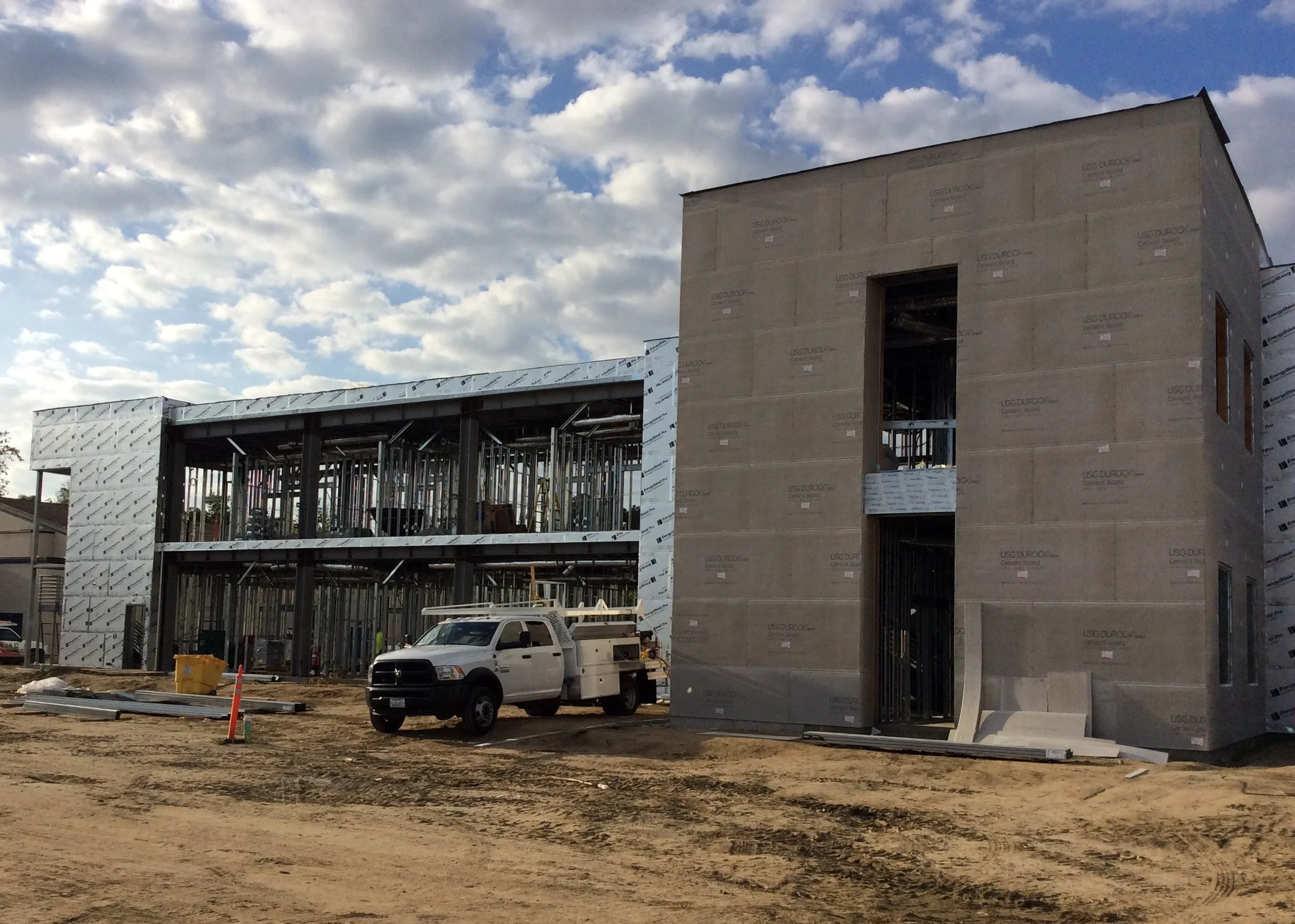
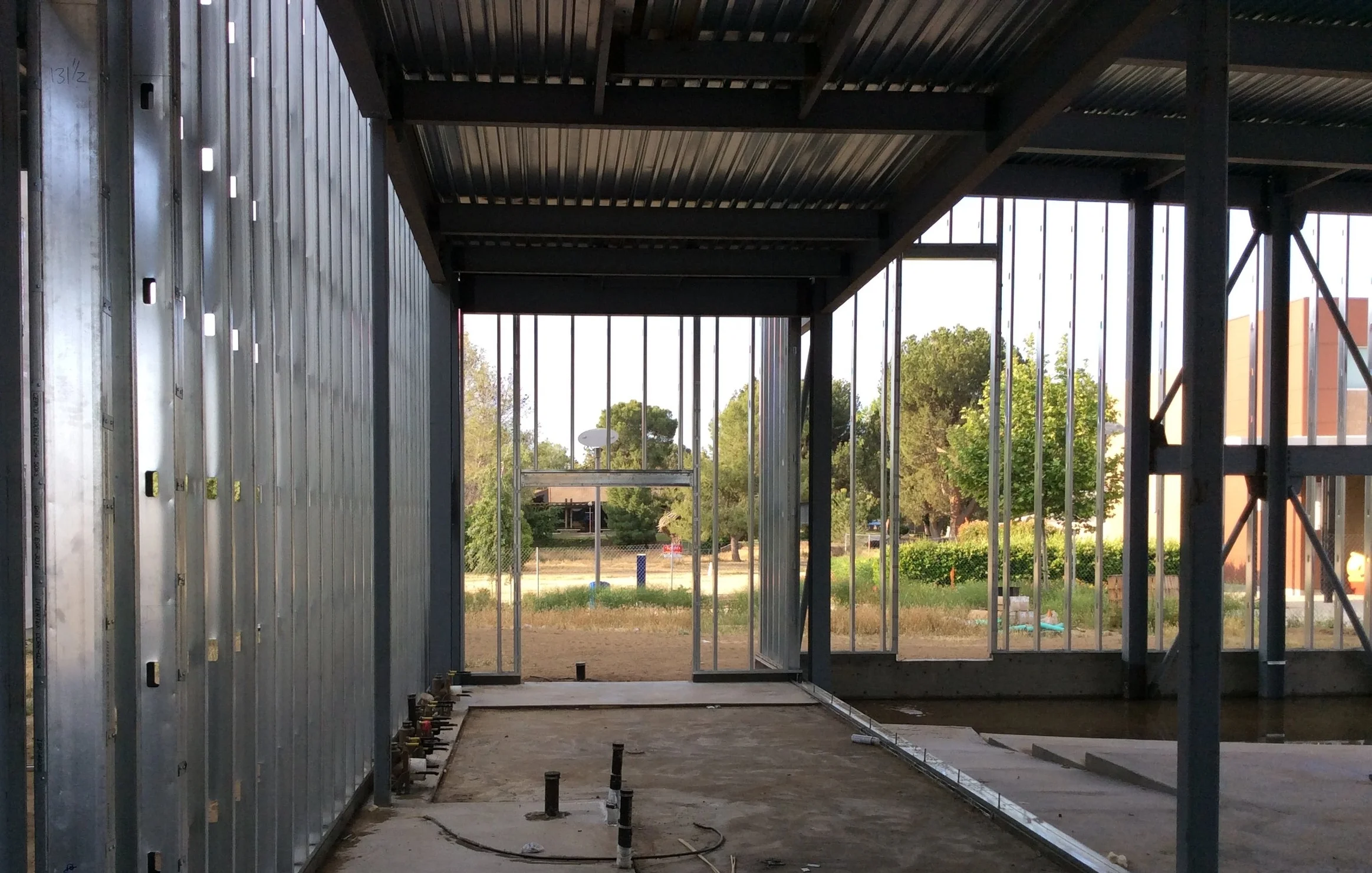
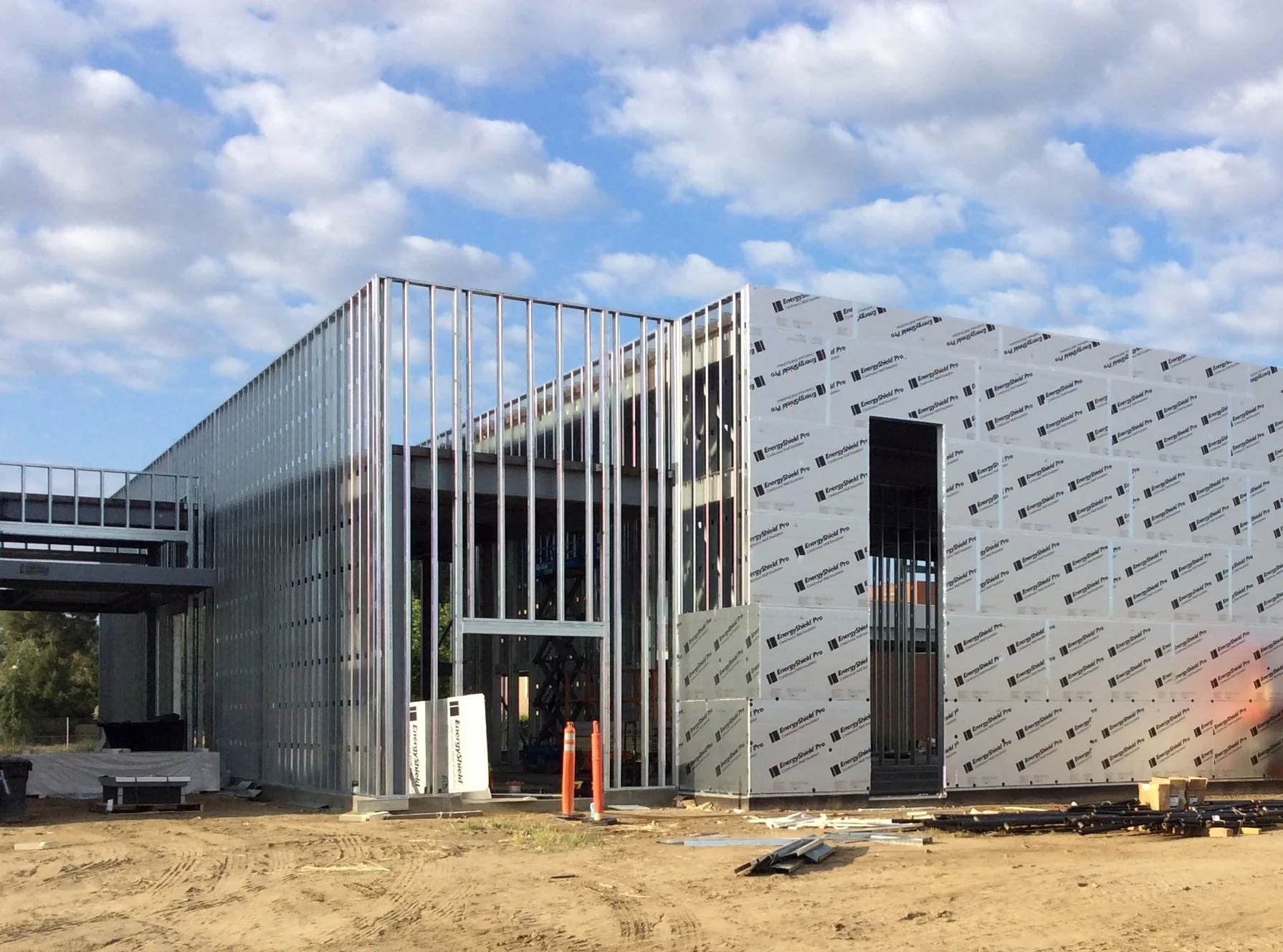
While the preferred method to release bonding is to get a signed status report from the owner; sometimes, a few pictures from the jobsite can help quicken the process, while we wait for the signed document.
For questions about Surety, contact Rancho Mesa Insurance Services, Inc. at 619) 937-0164.