

Industry News

2026 Brings Another Increase in California Tree Care Work Comp Rates
Author, Rory Anderson, Partner, Account Executive, Rancho Mesa Insurance Services, Inc.
Pure premium rates are developed by the Workers’ Compensation Insurance Rating Bureau of California (WCIRB) and reflect the expected cost of workers’ compensation claims for a particular class of business. Each year, the WCIRB evaluates loss and payroll data reported by insurance carriers throughout California and develops advisory pure premium rates that serve as an important benchmark for workers’ compensation pricing.
Author, Rory Anderson, Partner, Account Executive, Rancho Mesa Insurance Services, Inc.
Pure premium rates are developed by the Workers’ Compensation Insurance Rating Bureau of California (WCIRB) and reflect the expected cost of workers’ compensation claims for a particular class of business. Each year, the WCIRB evaluates loss and payroll data reported by insurance carriers throughout California and develops advisory pure premium rates that serve as an important benchmark for workers’ compensation pricing.
Every workers’ compensation insurance carrier establishes its own base rate for the 0106 Tree Pruning class code. In developing that rate, carriers consider the WCIRB pure premium rate along with their own expenses, claims experience, underwriting results, taxes and fees, and profit requirements. As pure premium rates increase, there is generally upward pressure on the rates carriers charge tree care companies.
For 2026, the pure premium rate for class code 0106 Tree Pruning increased to $12.39 per $100 of payroll, up from $11.24 in 2025. That represents an increase of approximately 10.2% year over year.
For tree care companies, this is an important indicator of the continued cost of workers’ compensation losses within the industry. While an increase in the pure premium rate does not mean every company will see its workers’ compensation premium increase by the same percentage, it does create additional pricing pressure across the marketplace. A company’s actual rate will continue to depend on factors including its individual loss history, experience modification, payroll, safety practices, carrier relationship, and overall underwriting profile.
So, there are steps tree care companies can do to prepare and limit the impact of rising workers’ compensation costs:
Reduce claim frequency and severity through a continuous and robust safety and training program that identifies and addresses the root causes of injuries. Rancho Mesa’s proprietary SafetyOne™ Platform offers tree care-specific toolbox talks and other tools designed to streamline effective safety programs.
Control your experience modification rating through regular claim reviews, proactive claims management, and an aggressive return-to-work program.
Maintain strong carrier partnerships and continuity. Long-term relationships with carriers that understand the tree care industry and provide strong in-house claims handling can become increasingly valuable in a challenging workers’ compensation environment.
The recent increase in the 0106 pure premium rate reinforces the importance of treating workers’ compensation as more than just a transactional purchase. Tree care companies that actively manage safety, claims, return-to-work, and their overall risk profile will be better positioned to control costs and navigate an increasingly challenging insurance marketplace.
To learn how Rancho Mesa and our SafetyOne™ Platform can help your tree care company reduce risk and better manage workers' compensation costs, contact me at randerson@ranchomesa.com or (619) 486-6437.
Fleet Safety is Evolving: How Telematics and AI Are Changing Fleet Risk
Author, Rory Anderson, Partner, Account Executive, Rancho Mesa Insurance Services, Inc.
Fleet safety technology is rapidly shifting from reactive to proactive. Modern telematics and artificial intelligence (AI) tools now give companies real-time visibility into driver behavior, helping identify and correct risky habits before they turn into accidents.
Author, Rory Anderson, Partner, Account Executive, Rancho Mesa Insurance Services, Inc.
Fleet safety technology is rapidly shifting from reactive to proactive. Modern telematics and artificial intelligence (AI) tools now give companies real-time visibility into driver behavior, helping identify and correct risky habits before they turn into accidents.
I recently attended a webinar titled Telematics, AI & the Future of Fleet Risk hosted by the Insurance Journal, and one of the biggest takeaways was that many companies are seeing immediate value from these tools through reduced claims, improved driver performance, and better operational efficiency which all lead to greater returns on revenue-generating assets like the company’s fleet of vehicles.
Interestingly, many organizations initially implement telematics for safety reasons, but quickly discover benefits across multiple areas of the business. In addition to improving fleet safety, which ultimately leads to fewer out-of-service vehicles, companies often report:
Reduced fuel costs
Improved maintenance tracking
Better workflow efficiency
Greater asset (vehicle) utilization
One analogy from the webinar stood out to me. The speaker compared drivers to professional athletes reviewing game film. Just as athletes use video to improve performance, drivers can now use dash cameras and AI insights to improve driving habits through more personalized coaching.
Of course, implementation is not without challenges. Employee buy-in is often the biggest hurdle, particularly when drivers feel the technology creates a “big brother” environment. Transparency is critical. Companies that clearly explain what the system tracks, how the data is used, and why it is being implemented typically see much stronger adoption.
Another challenge is information overload. Many organizations are surprised by the amount of data available when they first launch a telematics platform. A gradual rollout focused on a few key metrics at a time often leads to the best results.
There was also strong discussion around the impact telematics and AI are having on claims and litigation. Dash camera footage and telematics data can help piece together accidents more accurately, improve claim investigations, and provide objective evidence during litigation. In many cases, these tools help reduce the total cost of risk while improving defensibility.
Fleet technology continues to evolve quickly, and while telematics is not a replacement for a strong safety culture, it is becoming an increasingly valuable tool for contractors looking to improve safety, reduce losses, operate more efficiently, and improve return on assets.
To learn more about how telematics and AI tools can help your company manage risk, contact me at randerson@ranchomesa.com or (619) 486-6437.
General Liability Classification for Tree Care Contractors: Ground Work Is Still Tree Work
Author, Rory Anderson, Partner, Account Executive, Rancho Mesa Insurance Services, Inc.
Many tree care contractors are familiar with the ability to split workers’ compensation payroll between tree care and landscape codes when specific conditions are met. This has led some contractors to believe the same approach applies to general liability, particularly when trimming small shrubs, fruit trees, or clearing small trees and brush from the ground. While this assumption is understandable, workers’ compensation and general liability are governed by different classification systems. Applying workers’ compensation logic to general liability classification is one of the most common reasons tree care contractors experience unexpected additional premium at audit.
Author, Rory Anderson, Partner, Account Executive, Rancho Mesa Insurance Services, Inc.
Many tree care contractors are familiar with the ability to split workers’ compensation payroll between tree care and landscape codes when specific conditions are met. This has led some contractors to believe the same approach applies to general liability, particularly when trimming small shrubs, fruit trees, or clearing small trees and brush from the ground. While this assumption is understandable, workers’ compensation and general liability are governed by different classification systems. Applying workers’ compensation logic to general liability classification is one of the most common reasons tree care contractors experience unexpected additional premium at audit.
General liability classifications are governed by the Insurance Services Office (ISO), and ISO class code 99777, Tree Pruning, Trimming, Repairing or Spraying, is intentionally broad. The code explicitly includes tree work performed from the ground, as well as work performed from ladders, by climbing, or using bucket trucks. It also includes incidental chipping, debris removal, stump grinding, storm cleanup, and the removal of a small number of trees. Under ISO rules, the determining factor is the nature of the operation being performed, not whether an employee leaves the ground. If a contractor is hired to perform tree work, that exposure must be reported as 99777 regardless of tree size or elevation.
For a tree care contractor, ground-related tree work should not be treated as landscape work for general liability purposes. If the scope of work involves pruning, trimming, removal, or care of trees, including ornamentals or fruit trees, the operation is considered tree work under ISO classification rules. Ground-based tree work does not become landscape exposure simply because it resembles landscaping. General liability auditors are not focused on whether an employee leaves the ground. Instead, they are focused on what the business does. If a company is licensed as a tree contractor, markets itself as a tree care company, and is hired to perform tree work, that exposure is considered tree operations for general liability purposes.
This does not mean landscape classifications are never appropriate. Tree care companies with a separate landscape maintenance division may properly use landscape general liability codes for crews performing standalone landscape services such as mowing, planting, irrigation repair, or general groundskeeping. However, once a crew is dispatched for tree-related operations, regardless of size or whether the worker leaves the ground, that payroll must be reported under 99777. Understanding this distinction upfront helps tree care contractors avoid audit surprises and ensures their general liability program accurately reflects their operations.
Reach out to me if your tree care or landscape company has encountered challenges with general liability and/or workers’ compensation audits. Having a resource that understands these key distinctions can provide deeper understand and clarity in this often confusing space. I can be reached via email, randerson@ranchomesa.com or by phone at (619)-486-6437.
Understanding the Three Deadliest Hazards in Tree Care
Author, Rory Anderson, Partner, Account Executive, Rancho Mesa Insurance Services, Inc.
Tree care remains one of the most hazardous professions in the country. Whether crews are pruning, removing hazardous trees, clearing storm damage, or performing routine maintenance, the work demands planning, precision, and strong safety practices. Despite ongoing improvements in training and equipment, three accident types continue to cause serious injuries and fatalities: falls, electrical contact, and struck by incidents.
Author, Rory Anderson, Partner, Account Executive, Rancho Mesa Insurance Services, Inc.
Tree care remains one of the most hazardous professions in the country. Whether crews are pruning, removing hazardous trees, clearing storm damage, or performing routine maintenance, the work demands planning, precision, and strong safety practices. Despite ongoing improvements in training and equipment, three accident types continue to cause serious injuries and fatalities: falls, electrical contact, and struck by incidents.
Falls account for about one third of industry fatalities according to the Tree Care Industry Association (TCIA). Climbers are involved in roughly half of these incidents, most often when they become unsecured even briefly or when an anchor point fails. Climbers also continue to fall with the tree due to hidden decay or structural failure, which highlights the importance of thorough inspections. Aerial lift falls also remain fatal events, usually when operators are not wearing fall protection or when their harness is not actually attached to the boom. Workers should always be properly secured and should never open platform gates while off the ground.
Electrical contact is one of the deadliest hazards in tree care and represents about 14 percent of fatalities. Nearly all of these incidents involve electric current, and about half occur when climbers make indirect contact with primary distribution lines. This often happens through conductive tools such as metal pole saws or when a cut branch or palm frond swings into an energized line while the climber is still holding it. Minimum approach distances must include the worker, the full length of their tools, and the path of falling or swinging branches. With a fatality rate of one in four, strict line clearance procedures are essential.
Struck by incidents also remain a serious risk. Nearly 10 percent of tree care fatalities involve workers being hit by falling or swinging branches, usually when cuts are made without warning or when ground workers enter an active drop zone. Clear communication and enforced drop zones are the most effective ways to reduce these incidents. Chippers also contribute to serious struck by injuries and account for almost 7 percent of fatalities. Many of these events occur when ropes or winch lines are caught in the chipper and strike the operator. Keeping ropes bagged or staged and positioning the chipper away from rigging areas can prevent these accidents.
In an industry where high risk tasks are routine, understanding the leading causes of severe incidents is essential. Safety must remain a consistent and intentional priority on every job.
Utilize regular safety trainings to ensure employees are properly trained on safe practices. Subscribe to Rancho Mesa’s weekly Tree Care-specific safety meeting emails to receive toolbox talk content.
For questions about managing risk in the tree care industry, contact me at (619) 486-6437 or randerson@ranchomesa.com.
All percentages and incident trends cited in this article reflect TCIA’s most recent fatality and incident reporting for the tree care industry.
Navigating the Hard Market in Tree Care Insurance: What Business Owners Need to Know
Author, Rory Anderson, Partner, Account Executive, Rancho Mesa Insurance Services, Inc.
The tree care industry has always carried a unique set of risks, but in today’s insurance climate, business owners are facing challenges unlike anything they have seen before. What used to be a straightforward cost of doing business has evolved into one of the more complex and expensive aspects of running a company. Nearly every major coverage line is feeling rate pressure, stricter underwriting standards, and fewer carriers willing to take on the exposure.
Author, Rory Anderson, Partner, Account Executive, Rancho Mesa Insurance Services, Inc.
The tree care industry has always carried a unique set of risks, but in today’s insurance climate, business owners are facing challenges unlike anything they have seen before. What used to be a straightforward cost of doing business has evolved into one of the more complex and expensive aspects of running a company. Nearly every major coverage line is feeling rate pressure, stricter underwriting standards, and fewer carriers willing to take on the exposure.
This environment is what the industry calls a hard market. Knowing why this is happening and how it impacts your business is essential to navigating it successfully.
Auto: The Leading Cost Driver
Commercial auto has become the biggest pain point in insurance programs for tree care companies. Premiums are rising sharply due to:
Vehicle costs - new trucks, parts, and repair expenses have jumped significantly
Medical bills - post-accident treatment continues to escalate year after year
Nuclear verdicts - jury awards in the millions, even for relatively routine accidents, have made insurers more cautious and aggressive with rate adjustments.
In response, many carriers are raising rates substantially and, in some cases, reducing coverage. For contractors that rely heavily on vehicles, this is creating major financial strain.
General Liability: The Long Tail of Claims
Tree care companies are also feeling pressure on general liability coverage. Carriers are dealing with:
Rising medical costs for bodily injury claims
Inflated property damage payouts as materials and labor costs climb
Claims that appear years after work is completed. For example, if a company trims a tree and years later a storm brings it down, liability may still trace back to the original contractor.
These realities have not only led carriers to raise premiums, but also scrutinize operations more closely, sometimes declining to offer quotes on accounts they would have considered in the past.
Umbrella: Following the Trend
Because umbrella liability sits directly on top of auto and general liability policies, the pricing inevitably follows those trends. As underlying rates climb, umbrella coverage has become more expensive, and carriers are regularly reducing limits. This makes it difficult for companies to secure the higher levels of protection they need.
Workers’ Compensation: No Longer a Safe Haven
For years, workers’ compensation provided a soft landing spot in an otherwise tough market. That has changed.
The 2025 pure premium for class code 0106 (tree care) has increased 12% from $9.91 to $11.24. Pure premium is the baseline rate set by the state that reflects the expected cost of claims for a given class code, before carrier expenses, fees, and profit are added.
The primary drivers of this increase are rising medical costs, a surge in cumulative trauma claims, and higher wages which increase claim payouts since lost wages are a core part of workers’ compensation benefits.
Tree care companies that once relied on stable workers’ compensation programs are now seeing noticeable increases on this critical line of coverage.
Positioning Your Company for Success
While companies cannot control market cycles, they can influence how carriers view their risk. Strategies include:
Strengthening safety programs - documented safety practices lower both claim frequency and severity.
Prioritizing fleet management - clean driving records, ongoing training, and telematics can make your auto risk more attractive.
Start early - the more lead time your broker has, the more leverage you will have with carriers.
Choose a specialist - generalist brokers often miss industry nuances. A broker who understands tree care can align your program with carriers who know the risks.
The hard market is reshaping how insurance works for tree care companies. Rising rates and limited capacity are real challenges, but businesses that invest in safety, plan ahead, and partner with knowledgeable advisors can still secure strong and competitive programs. Now is the time to approach insurance with a proactive, not reactive, strategy.
For assistance navigating the hard market, contact me at randerson@ranchomesa.com or (619) 486-6437.
4 Ways Tree Care Companies Can Strengthen Their Insurance Profile
Author, Rory Anderson, Partner, Account Executive, Rancho Mesa Insurance Services, Inc.
When it comes to insurance, your broker is responsible for representing your business to the marketplace. And, how your company is presented makes a real difference. There is a clear distinction between a submission that includes only the basics, an application and loss runs, and one that provides a full picture of your operations, safety practices, and credentials. Underwriters respond more favorably to businesses that take risk management seriously and can show it.
Author, Rory Anderson, Partner, Account Executive, Rancho Mesa Insurance Services, Inc.
When it comes to insurance, your broker is responsible for representing your business to the marketplace. And, how your company is presented makes a real difference.
There is a clear distinction between a submission that includes only the basics—an application and loss runs—and one that provides a full picture of your operations, safety practices, and credentials. Underwriters respond more favorably to businesses that take risk management seriously and can show it.
So, what exactly helps you stand out in the eyes of an underwriter? What are they looking for when deciding whether or not to offer terms? Let us take a look at the factors that can move the needle in your favor.
1. Safety Culture and Documentation
A documented safety program goes a long way with underwriters. They want evidence that safety is part of your daily operations.
What helps:
Commitment from the leadership team that safety is a priority
Written safety manual and job hazard analysis process
Regular, documented safety meetings (tailgates and formal trainings)
PPE usage policies and enforcement
Process for documenting when clients decline recommended work—for example, if you advise removing a hazardous tree and the client refuses, a signed acknowledgment or internal log can help limit future liability
The more specific and consistent your documentation, the more confidence an underwriter will have in how your risk is managed in the field.
2. Fleet Management and Driver Oversight
Auto losses are one of the biggest concerns in the tree care industry. Underwriters pay close attention to how you manage your vehicles and drivers.
What helps:
Written driver policy, including MVR screening and standards
Use of telematics to monitor speed, location, and driving behavior
Formal accident investigation – written description, witness statements, and photographs
Regular vehicle inspections and maintenance logs
If you are actively managing fleet and driver risk, it sends a clear message that your team is working to prevent losses before they happen.
3. Claims History and What You Have Learned from It
Most companies have claims—it’s how you respond that matters most.
What helps:
Timely and accurate reporting of all claims
Documentation of corrective actions taken after an incident
Written loss narratives on large claims explaining root cause and what’s been done to prevent reoccurrence
Using the claim incident as a teaching tool to prevent similar accidents
Underwriters are more inclined to offer favorable terms when they see that you have taken steps to learn from past incidents and improve your processes.
4. Industry Credentials and Professional Involvement
Credentials and affiliations show that your company operates at a higher standard, and underwriters take notice.
What helps:
TCIA Accreditation
ISA Certified Arborists on staff
CTSPs (Certified Treecare Safety Professionals)
Active membership in associations like TCIA and ISA
These credentials reflect a commitment to professionalism, ongoing education, and adherence to industry best practices.
Insurance carriers make decisions based on how they perceive your risk. The companies that demonstrate strong safety practices, solid operations, and industry commitment typically secure better outcomes.
You also need a broker who understands your business and knows how to present it effectively. If your risk management efforts are not being clearly communicated to underwriters, the value of that work can get lost.
Partnering with someone who knows the tree care industry and how to advocate for you in the insurance market can make all the difference—not just in pricing, but in the kind of support and coverage you receive.
If you want to make sure your business is being represented accurately and competitively, contact me directly at randerson@ranchomesa.com or call me at (619) 486-6437.
The Crucial Role of Third-Party EPLI Coverage for Tree Care Companies
Author, Rory Anderson, Partner, Account Executive, Rancho Mesa Insurance Services, Inc.
Operating a tree care business comes with numerous risks, from ensuring your team’s safety on the job to managing potential property damage. One crucial area of risk that is often overlooked is Employment Practices Liability Insurance (EPLI), specifically third-party coverage. Third-party EPLI can help protect your business from expensive lawsuits, making it essential for businesses that regularly interact with the public.
Author, Rory Anderson, Partner, Account Executive, Rancho Mesa Insurance Services, Inc.
Operating a tree care business comes with numerous risks, from ensuring your team’s safety on the job to managing potential property damage. One crucial area of risk that is often overlooked is Employment Practices Liability Insurance (EPLI), specifically third-party coverage. Third-party EPLI can help protect your business from expensive lawsuits, making it essential for businesses that regularly interact with the public.
EPLI Coverage
EPLI is an insurance policy designed to protect businesses from claims related to employment practices. This includes allegations of discrimination, harassment, wrongful termination, and other workplace-related issues brought forth by employees. For many companies, EPLI is vital for covering the costs of defending against lawsuits, including legal fees, settlements, and damages.
While traditional EPLI coverage protects your business against employee claims, it is important to also consider third-party EPLI coverage.
Third-Party EPLI Coverage
Third-party EPLI coverage extends the protection of your EPLI policy beyond your employees. This provides an extra layer of protection for claims made by non-employees, such as customers, vendors, and members of the public. It covers allegations made by non-employees who may claim they were subject to harassment, discrimination, or wrongful conduct by your employees while interacting with your business. In the tree care industry, where workers frequently engage with clients, contractors, and the general public, this type of coverage is important.
Examples of Third-Party EPLI Claims in Tree Care
Harassment Allegation from a Homeowner. A tree care crew is performing work on a residential property when a homeowner accuses one of the employees of making inappropriate comments or gestures. The homeowner files a lawsuit for emotional distress, potentially resulting in costly legal fees.
Inappropriate Behavior from an Arborist in a Bucket Truck. While performing tree pruning, an arborist in a bucket truck sees a woman through a window who appears to be changing clothes. The woman later claims the arborist was staring at her inappropriately and files a harassment lawsuit against the tree care company. Even if the arborist did not intend any harm, this type of situation can lead to legal action and unnecessary costs.
Reasons Third-Party EPLI Coverage Is Essential for Tree Care Companies
High Interaction with the Public. Arborists and tree care crews often work in public spaces or on residential and commercial properties where they have frequent contact with non-employees, increasing the likelihood of third-party claims.
Legal Defense Costs. The costs of legal defense can add up quickly, whether or not your business is found liable. Third-party EPLI coverage can help offset these costs, preventing them from becoming a financial burden on your company.
EPLI Policy
Third-Party Coverage. Not all EPLI policies automatically cover claims made by non-employees. Be sure to confirm that third-party protection is included.
Defense Cost Outside Limit. If defense costs are deducted from the liability limit, they can quickly deplete your coverage, leaving less available for a settlement or judgment. It is crucial to look for a policy that offers defense costs outside the limit, ensuring that your liability coverage remains intact and fully available in the event of a claim.
Third-party EPLI coverage is an essential safeguard for tree care businesses, providing protection against claims made by non-employees such as homeowners, pedestrians, or subcontractors. With the high level of public interaction in this industry, the potential for costly lawsuits is significant. Ensuring your EPLI policy includes third-party coverage and defense costs outside the liability limit can help protect your business from unexpected legal and financial burdens.
To learn more about how EPLI insurance can protect your company, contact me at (619) 486-6437 or randerson@ranchomesa.com.
Maximizing the Value of Your Next Loss Control Visit
Author, Rory Anderson, Partner, Account Executive, Rancho Mesa Insurance Services, Inc.
There are a few different reasons for a carrier to schedule a loss control visit. Sometimes, a carrier may want to perform a loss control visit before they quote your insurance. However, for the purpose of this article, I’d like to focus on the loss control service offering provided directly from your current insurance carrier.
Author, Rory Anderson, Partner, Account Executive, Rancho Mesa Insurance Services, Inc.
There are a few different reasons for a carrier to schedule a loss control visit. Sometimes, a carrier may want to perform a loss control visit before they quote your insurance. However, for the purpose of this article, I’d like to focus on the loss control service offering provided directly from your current insurance carrier.
From the perspective of a tree care business owner, uncertainty, skepticism, and hesitation are often the most common initial reactions to an insurance carrier loss control visit. However, these visits should not be seen as a negative process. Instead, they present an opportunity for tree care business owners to enhance safety protocols, reduce risks, and ultimately improve their insurability.
Loss control specialists have dedicated their careers to understanding risk and safety, and are committed to make the workplace safer. By engaging with the loss control specialist and reviewing their recommendations as constructive guidance, tree care companies can make valuable changes that not only improve their risk profile, but also potentially lower insurance premiums.
To get the most out of a loss control visit:
Set clear objectives. Establish goals and determine what you would like to accomplish. Communicate your objectives of the visit with your team members and the loss control representative. It is a good idea to engage your key employees and involve your team. Your safety officer, fleet manager, and crew leaders should be present. This will encourage participation and help cultivate a culture of safety.
Share information. Have your safety programs, training records, maintenance records, and any other safety information ready to share. Discuss any safety incentive programs and/or initiatives set forth by management.
Maintain an open mind and practice humility. Welcome feedback and approach the visit with a positive attitude. View the loss control specialist as a partner and be open to recommendations.
Conduct a walkthrough and jobsite visit. Tour your facility and visit a jobsite, unannounced. It is best to drop in on your crews without them knowing you will be there. This will provide real insight into your operations, accountability, and identify gaps in safety compliance.
Document recommendations. Most of the time, your loss control representative will generate and send to you a report for your records. However, if that is not the case, make sure to record key points and suggestions.
Create an action plan and prioritize changes. After the visit, review the recommendations with your team and prioritize the changes and completion of your plan within a certain timeframe.
Build a relationship. Stay in touch after the initial visit and maintain communication with the loss control representative to discuss ongoing safety improvements and updates.
Maximizing a loss control visit strengthens your business by improving safety, reducing insurance costs, and maintaining a long-term relationship with your carrier partner. It is easy to view loss control visits as a chore or another task to check off the to-do list, but doing so overlooks the valuable insights the loss control representative can offer. Instead, try to view it as a partnership so you can leverage the representative’s knowledge to improve workplace practices and create a safer and more efficient operation.
To discuss how your tree care company can make the most of a loss control visit, contact me at (619) 486-6437 or randerson@ranchomesa.com.
Trim the Risk: Professional Liability for Tree Care Companies
Author, Rory Anderson, Partner, Account Executive, Rancho Mesa Insurance Services, Inc.
Whether you have a consulting arborist on staff or not, every tree care company has a professional liability exposure. Your general liability policy will likely exclude professional liability claims. A misdiagnosis of tree disease, damage to property, or an injury resulting from an error or miscalculation can be extremely costly. So, it is important to understand the risk, then make a decision on whether or not you would like to transfer that risk by purchasing a professional liability policy.
Author, Rory Anderson, Partner, Account Executive, Rancho Mesa Insurance Services, Inc.
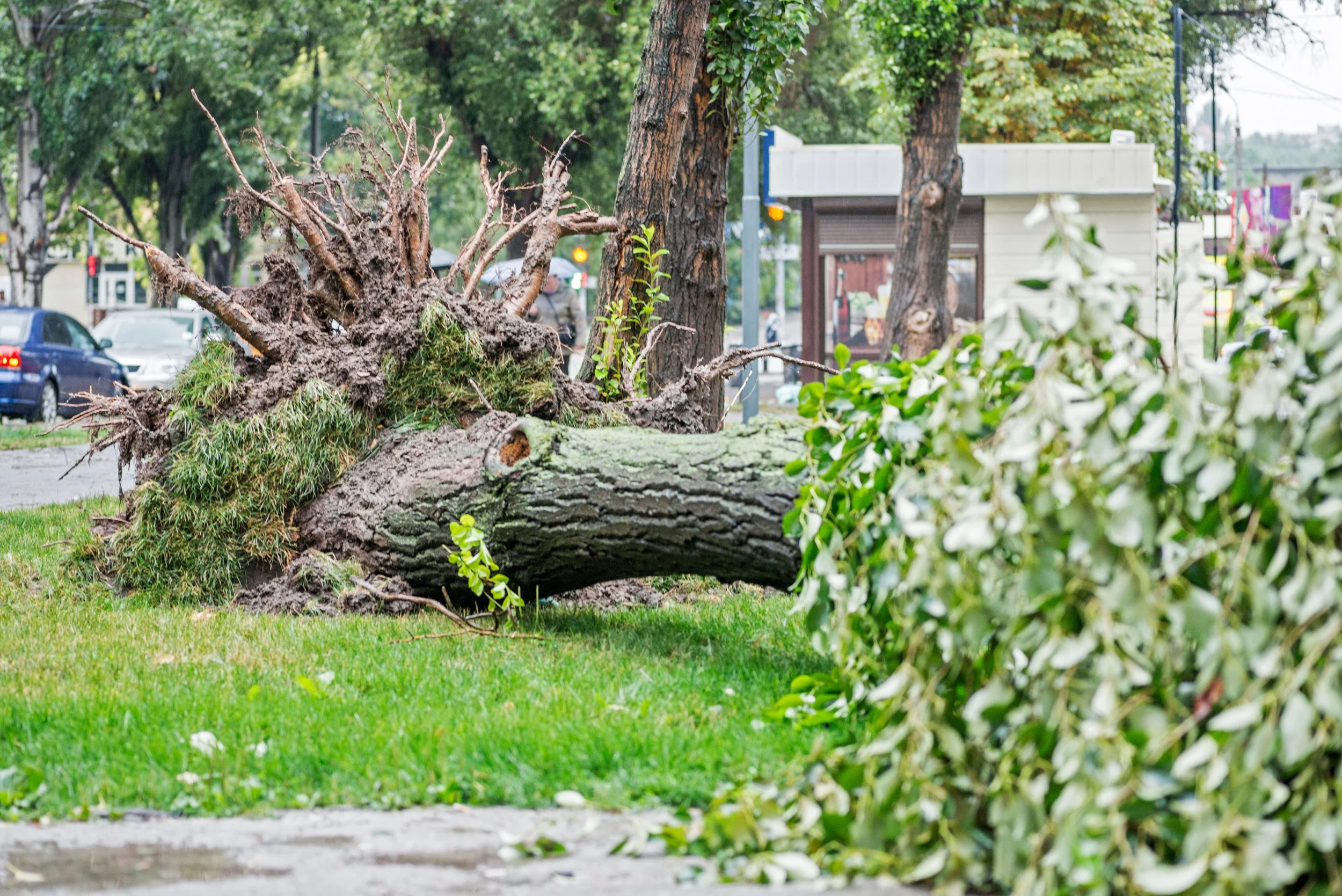
Whether you have a consulting arborist on staff or not, every tree care company has a professional liability exposure. Your general liability policy will likely exclude professional liability claims. A misdiagnosis of tree disease, damage to property, or an injury resulting from an error or miscalculation can be extremely costly. So, it is important to understand the risk, then make a decision on whether or not you would like to transfer that risk by purchasing a professional liability policy.
Many tree care companies have certified arborists on staff that offer consulting and expert advice related to the health, safety, and management of trees. This type of work clearly has the highest need for professional liability insurance to cover any errors or incorrect advice that leads to financial loss, property damage, or bodily injury. A professional liability insurance policy would help protect the arborist by covering legal defense costs, settlements, or judgements if the arborist is found liable for errors or omissions related to their consulting work.
If you do not have a certified arborist on staff and you are simply performing tree care contracting work, you still have exposure to professional liability. General liability policies are in place to cover third party property damage and bodily injury that occurs as a result of your work. They do not, however, cover your work itself. If your tree care business removes the wrong tree or the tree that you pruned died from over-pruning, and your client sues for the cost of the tree and emotional distress, you would need faulty workmanship coverage to cover your work. For many of these instances, you may choose to absorb these costs internally; but, if the mistake was on a mature and rare tree, paying out of pocket may severely impact your balance sheet.
Although there are more examples, these are the two main professional liability exposures that tree care companies face. In a field as specialized as tree care and arboriculture, protecting your business is crucial.
Talk with your insurance agent about purchasing a professional liability policy to transfer your risk and give yourself peace of mind, knowing that you are covered for any unexpected or unpleasant surprises.
If you have any questions, please reach out to me at (619) 486-6437 or randerson@ranchomesa.com.
Understanding Insurance Options for Tree Care Vehicles with Permanently Mounted Equipment
Author, Rory Anderson, Account Executive, Rancho Mesa Insurance Services, Inc.
The vehicles that tree care companies are using today have become more specialized and more mechanized than ever. These specialized vehicles contribute to the overall productivity, profitability, and safety of the tree care industry.
Author, Rory Anderson, Account Executive, Rancho Mesa Insurance Services, Inc.
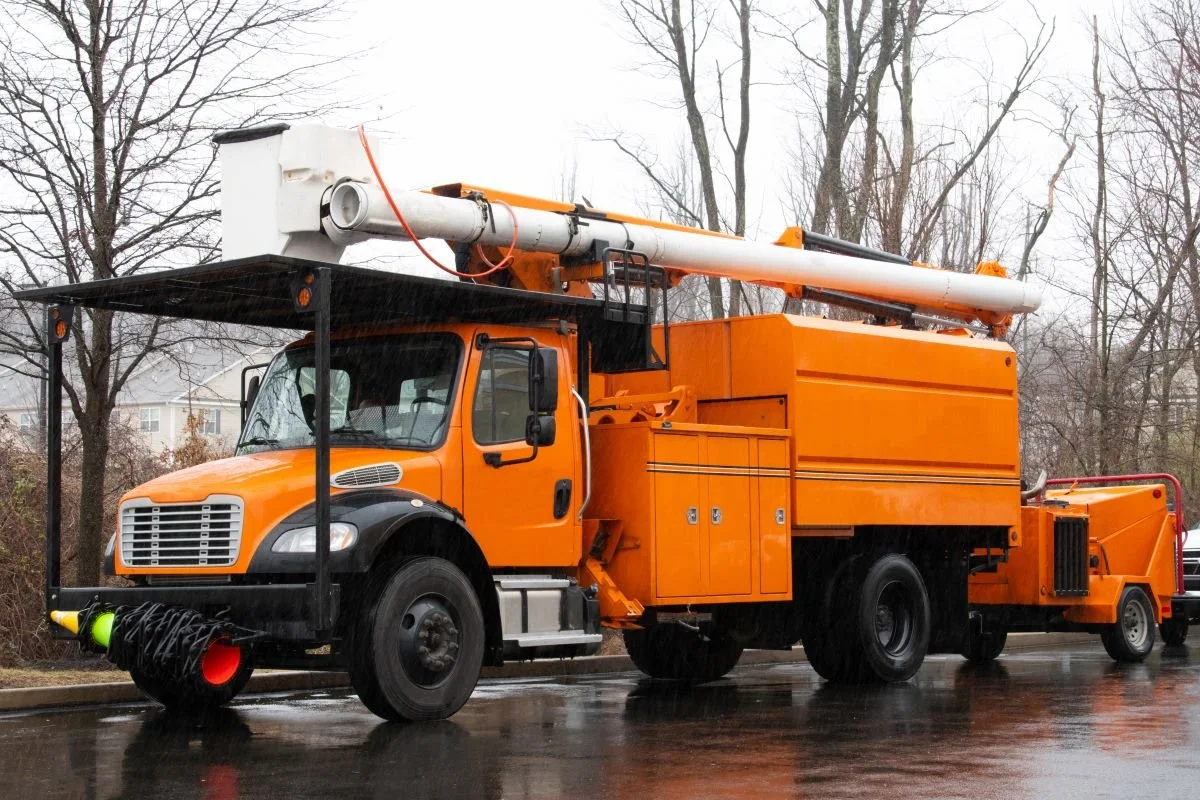
The vehicles that tree care companies are using today have become more specialized and mechanized than ever. These specialized vehicles contribute to the overall productivity, profitability, and safety of the tree care industry.
Many vehicles in a tree care company’s fleet have permanently mounted equipment. The crane is a great example. Both the knuckleboom and straight boom crane are permanently mounted onto the cab and chassis. Obviously, the value of the vehicle significantly increases the moment the crane is mounted.
When placing insurance coverage for this unit, it is important to understand the options. The liability coverage for specialty vehicles will always be insured on the commercial auto policy. However, when insuring the physical damage to your unit, you may have a couple different options.
The commercial auto policy will value the physical damage on actual cash value, which is a depreciated value. Actual cash value equals the replacement cost minus depreciation. In the event of a physical damage claim, the commercial auto insurance carrier will factor in depreciation when determining the amount to pay out for the claim. If you have an older crane, this may be an acceptable way to provide coverage. Just be certain that your insurance broker and carrier have the total value, including the crane, for the vehicle.
You can also split the physical damage coverage between commercial auto and inland marine. Often times, you can get replacement cost valuation on the inland marine policy, which is a more robust valuation. Replacement cost is the cost of a new one today, without factoring in depreciation. You can cover the physical damage of the vehicle (cab and chassis) on the commercial auto policy, but then you can cover the crane itself on the inland marine policy and get the replacement cost valuation. This strategy might make more sense if you are insuring a new, and expensive, crane. In the event of a total loss, the difference between actual cash value and replacement cost can be staggering.
Properly insuring your assets is a fundamental aspect of your risk management program. It is crucial for protecting your company’s financial stability. It is also important to work with your insurance broker to understand how your current insurance company will handle this.
If you have any questions, please reach out to me at (619) 486-6437 or randerson@ranchomesa.com.
Avoid Audit Nightmares with Properly Classified Tree Care Industry Equipment and Vehicle Maintenance Operations
Author, Rory Anderson, Account Executive, Rancho Mesa Insurance Services, Inc.
Tree care companies use specialized vehicles and equipment to perform their work. These assets are vital to the success of the company. To maintain their effectiveness, the machines need routine maintenance and upkeep. Issues arise when they break down, so it’s important to repair them immediately to limit business interruptions such as decreased productivity and profitability. The maintenance of the machinery can be a full time job, and some tree care businesses are lucky enough to have an employee, or a team of employees, dedicated to shop maintenance.
Author, Rory Anderson, Account Executive, Rancho Mesa Insurance Services, Inc.

Tree care companies use specialized vehicles and equipment to perform their work. These assets are vital to the success of the company. To maintain their effectiveness, the machines need routine maintenance and upkeep. Issues arise when they break down, so it’s important to repair them immediately to limit business interruptions such as decreased productivity and profitability. The maintenance of the machinery can be a full time job, and some tree care businesses are lucky enough to have an employee, or a team of employees, dedicated to shop maintenance. This type of work is a specialized skill and represents a key role within the organization. The intent of this article is to define how to properly classify these operations, so your company is prepared for any issues that may come up at the audit.
Workers’ Compensation
The Workers’ Compensation Insurance Rating Bureau (WCIRB) has created a specific class code for the maintenance of equipment and vehicles: 8227 Construction or Erection of Permanent Yards of Shops, which ONLY applies to the construction industry. In Appendix I, the WCIRB defines which industries are considered construction. Tree care, is not included on this list. Therefore, the WCIRB says, you must classify these operations in the governing class code, which is 0106 Tree Trimming, Repairing or Trimming. In fact, the WCIRB’s definition for 0106 Tree Pruning, Repairing or Trimming states that shop and yard storage operations are included: “TREE PRUNING, REPAIRING OR TRIMMING — N.O.C. — hand or mechanical power — including ground crews and shop, yard or storage operations.”
General Liability
Unlike workers’ compensation, in the tree care industry there is a general liability (GL) class code dedicated to the employees that are working on the maintenance of their own vehicles and equipment: 91590 Contractors Permanent Yards – Maintenance or Storage of Equipment or Material. It’s important to note that this class code does not consider maintenance or repairs on machinery or equipment other than those owned by the tree care company. The use of this code on your policy can be beneficial because the rate is usually cheaper than the tree care GL rate: 99777 Tree Pruning, Dusting, Spraying, Repairing, Trimming or Fumigating. So, it is safe to split payroll between these two class codes accordingly. Remember to keep proper records segregating the wages earned by your employees.
Overall, maintenance and repair employees are essential for maintaining the operational effectiveness, safety, and profitability of a tree care company. It is important to understand how to properly classify your equipment and vehicle maintenance operations so you can align your insurance policies correctly and avoid costly mistakes at the audit.
If you have questions or would like me to audit your current policies, please reach out to me at (619) 438-6437 or randerson@ranchomesa.com. I’m happy to help!
Don’t Get Skunked: Properly Insuring Large Tree Care Equipment
Author, Rory Anderson, Account Executive, Rancho Mesa Insurance Services, Inc.
These days, everything is more expensive. Between inflation and supply chain issues, the cost of equipment is steadily increasing. As the tree care industry becomes more mechanized, we see new technological advancements in machinery and equipment that are greatly improving the productivity, profitability, and safety of the industry. These big ticket equipment purchases are a major investment for a tree care business. It is important to make sure that your assets are insured correctly so you can rest easy knowing that if something were to happen to them, you are properly covered. This can provide financial protection and affirm business continuity.
Author, Rory Anderson, Account Executive, Rancho Mesa Insurance Services, Inc.

These days, everything is more expensive. Between inflation and supply chain issues, the cost of equipment is steadily increasing. As the tree care industry becomes more mechanized, we see new technological advancements in machinery and equipment that are greatly improving the productivity, profitability, and safety of the industry. These big ticket equipment purchases are a major investment for a tree care business. It is important to make sure that your assets are insured correctly so you can rest easy knowing that if something were to happen to them, you are properly covered. This can provide financial protection and affirm business continuity. There are two important factors to remember when scheduling equipment with your insurance broker:
1. Insurance Valuation: Replacement Cost or Actual Cash Value
In insurance, there are a few ways to value equipment, most commonly replacement cost (RC) and actual cash value (ACV). RC is the cost new today, without factoring in depreciation. ACV is the depreciated value (ACV = RC – depreciation). If you have a total loss on a piece of equipment that was rated on ACV, the insurance company will factor in depreciation when determining the payout amount, so you may not receive enough money to replace your equipment with a new item. With inflation and recurring supply chain issues over the past few years, tree care equipment is hard to get and more expensive.
For example, a 2020 chipper costs more new today than it did in 2020. Replacement cost coverage takes this into account by providing coverage for the current cost of replacing your equipment with a new item at current market rates. We recommend that you have the carrier provide replacement cost coverage on all items, so look for that definition when reviewing with your broker.
2. Equipment Valuation
Secondly, it is critical that you execute a pre-renewal meeting with your insurance broker. In that meeting, your broker should be asking you to review the equipment values and make adjustments where necessary, appropriate to the true valuation. As discussed, equipment values are steadily increasing. Therefore, it is imperative that you are increasing those values on the upcoming policy term to be certain you will get the most money back in the event of a claim.
Properly insuring your assets is a fundamental aspect of your risk management program. It is crucial for protecting your company’s financial stability, business continuity, and safeguards your reputation and operational stability. If you have questions about properly insuring your equipment, please reach out to me at (310) 753-6804 or randerson@ranchomesa.com.
Surviving the Blaze: Developing Asset Relocation Plans in Wildfire-Prone Regions
Author, Rory Anderson, Account Executive, Rancho Mesa Insurance Services, Inc.
As a tree care company operating in wildfire-prone areas, the safety of your crew, equipment, and vehicles is paramount. Wildfires can be unpredictable and devastating, posing a significant threat to your valuable assets. To mitigate risk of potential losses, it is important to have an effective asset relocation plan in place. This plan ensures that in the event of a wildfire, your vehicles and equipment have a safe place, reducing the risk of damage or total loss. This safe relocation address should be in an urban area, surrounded by buildings – not rural vegetation. It can be a mall parking lot or any urban lot. Let’s explore the reasons why having an asset relocation plan is crucial for tree care companies.
Author, Rory Anderson, Account Executive, Rancho Mesa Insurance Services, Inc.

As a tree care company operating in wildfire-prone areas, the safety of your crew, equipment, and vehicles is paramount. Wildfires can be unpredictable and devastating, posing a significant threat to your valuable assets. To mitigate risk of potential losses, it is important to have an effective asset relocation plan in place. This plan ensures that in the event of a wildfire, your vehicles and equipment have a safe place, reducing the risk of damage or total loss. This safe relocation address should be in an urban area, surrounded by buildings – not rural vegetation. It can be a mall parking lot or any urban lot. Let’s explore the reasons why having an asset relocation plan is crucial for tree care companies.
Reduce Insurance Costs
Insurance is a critical aspect of risk management for tree care companies. While insurance can help cover losses from wildfires, having a well-executed asset relocation plan can potentially lead to reduced insurance premiums. Insurance carriers may view your proactive approach to asset protection as a lower risk, leading to more favorable terms and lower premiums. This can result in cost savings for your business.
Protect Your Investments
Tree care contractors often invest in specialized equipment and vehicles, which are essential for their operations. A wildfire can damage these valuable assets, leading to significant financial losses. An asset relocation plan allows you to move your equipment and vehicles to a safer location to protect your investment.
Ensure Business Continuity
The aftermath of a wildfire can be chaotic. Having an asset relocation plan in place ensures that your equipment and vehicles are moved to a secure location well before a wildfire strikes, keeping your assets safe. This allows your business to continue operating after the disaster with minimal disruptions. Maintaining continuity is essential for your income and reputation.
An asset relocation plan is an important component of your risk management program as a tree care company, especially if you’re located in a rural area. If your business is located in California, Cal Fire has a valuable online resource called Fire Hazard Severity Zones Maps. This resource shows the areas in your county that are considered high fire hazard severity zones. It is recommended that you make your relocation address somewhere where the fire hazard severity is considered low or moderate.
Should you have further questions on this topic, reach out to me directly at randerson@ranchomesa.com or call me on my direct line at (310) 753-6804.
Improving Safety with Mechanization in the Tree Care Industry
Author, Rory Anderson, Account Executive, Rancho Mesa Insurance Services, Inc.
Mechanization refers to the process of introducing machinery, equipment, or automated systems to replace human labor. Today, the tree care industry is becoming more mechanized with many technological advancements that are greatly improving the productivity, profitability, and safety of the industry. Let’s focus on safety.
Author, Rory Anderson, Account Executive, Rancho Mesa Insurance Services, Inc.
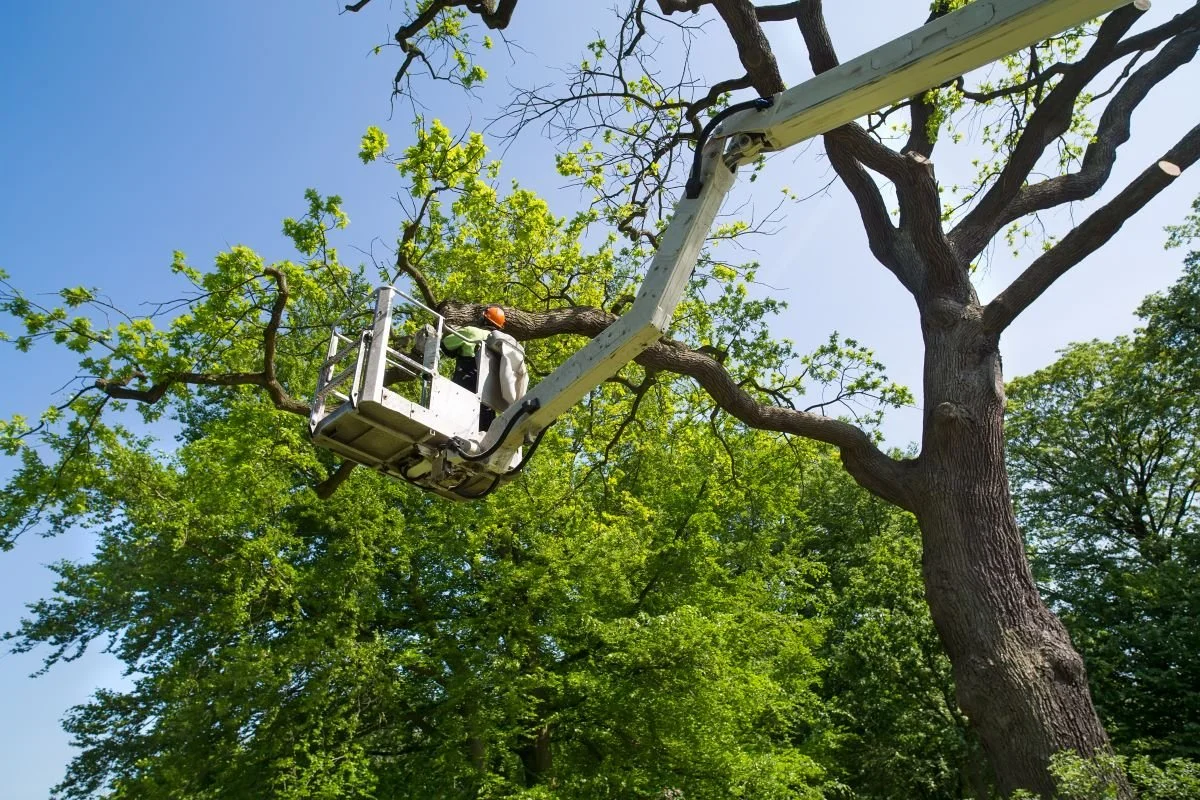
Mechanization refers to the process of introducing machinery, equipment, or automated systems to replace human labor. Today, the tree care industry is becoming more mechanized with many technological advancements that are greatly improving the productivity, profitability, and safety of the industry. Let’s focus on safety.
Tree care accidents can be unforgiving and can have major consequences. Here are some safety benefits that come with mechanization:
Reduces manual labor: mechanization reduces the amount of physical labor required to perform tasks. Tree care tasks are physically exhausting. Specialized machinery reduces the strain on workers, minimizing the risk of fatigue-related accidents.
Improves efficiency and reduces exposure to hazards: Mechanized equipment reduces the time workers spend in potentially hazardous situations, working at heights or in proximity to heavy tree limbs. By executing tasks more quickly and accurately, it reduces the overall exposure to potential accidents and hazards.
Reduces human error: even the most experienced arborists can make mistakes. Machines can mitigate human error by using automation. For instance, tree removal machines with automated cutting and lifting mechanisms can carry out tasks precisely as programmed.
Promotes training: the use of mechanized equipment requires special training and certification. This contributes to a higher level of competency and safety awareness within your organization.
Mechanization is the future of the tree care industry. Of course, traditional methods must always be available. However, we can limit our human footprint and liability by investing in this new-age equipment. Fewer accidents increases productivity and profitability.
For questions please contact me at (619) 486-6437 or randerson@ranchomesa.com.
Pollution Liability for Tree Care Companies
Author, Rory Anderson, Account Executive, Rancho Mesa Insurance Services, Inc.
Most tree care companies use pesticides, herbicides, fungicides, and other chemicals as a part of their operations. Even if the company does not offer plant health care, many tree care professionals still use hydraulic fluids, gasoline, and other fluids to operate or maintain equipment and vehicles. The use of heavy equipment and chemicals, while operating exclusively outdoors, opens the company up to environmental exposure.
Author, Rory Anderson, Account Executive, Rancho Mesa Insurance Services, Inc.
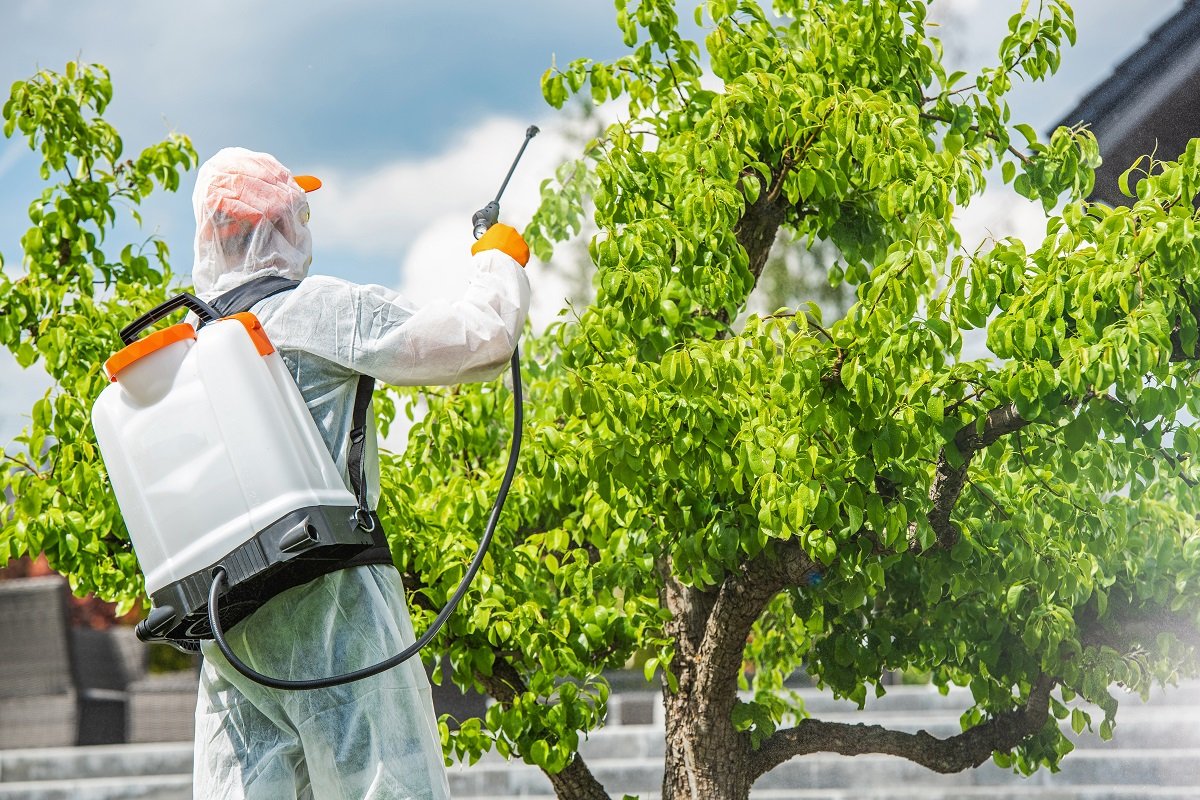
Most tree care companies use pesticides, herbicides, fungicides, and other chemicals as a part of their operations. Even if the company does not offer plant health care, many tree care professionals still use hydraulic fluids, gasoline, and other fluids to operate or maintain equipment and vehicles. The use of heavy equipment and chemicals, while operating exclusively outdoors, opens the company up to environmental exposure.
Pollution coverage is a standard exclusion on any general liability policy, but business owners can cover this exposure with a stand-alone contractor’s pollution liability (CPL) policy. CPL insurance is distinct in that it offers protection for contractors in the event their work, or any work done on their behalf, leads to a pollution or environment-related claim of bodily harm, property damage, cleanup and other remediation expenses. In today’s green and eco-minded society, filling this gap is more important than ever.
If the tree care company offers plant health care as a service, the herbicide/pesticide applicator coverage endorsement is an important part of your insurance program and can offer some coverage to replace damaged or dead plants/trees in the event an arborist mixes a bad batch or over sprays. However, the herbicide/pesticide applicator coverage endorsement may not pick up remediation efforts, or the business interruption losses that result from the clean-up. The best way to transfer your environmental exposure would, again, be putting a contractor’s pollution liability policy in place with at least a $1,000,000 limit.
Pollution liability insurance is an important part of the risk management strategy and can help protect tree care contractors from environmental liabilities by providing coverage for legal fees, cleanup costs, and other expenses associated with environmental pollution.
For a policy review or questions about which policies match your tree care company’s risks, please contact me at (619) 486-6437 or randerson@ranchomesa.com.
All Licensed California Tree Care Companies Now Required to Carry Workers’ Comp. Insurance
Author, Rory Anderson, Account Executive, Rancho Mesa Insurance Services, Inc.
Within the last few weeks, all licensed tree care companies received a notice in the mail from the California State License Board (CSLB) stating that effective January 1, 2023, the CSLB is requiring that all companies with a D-49 Tree Service Contractor license must have workers’ compensation insurance, regardless of whether they have employees.
Author, Rory Anderson, Account Executive, Rancho Mesa Insurance Services, Inc.
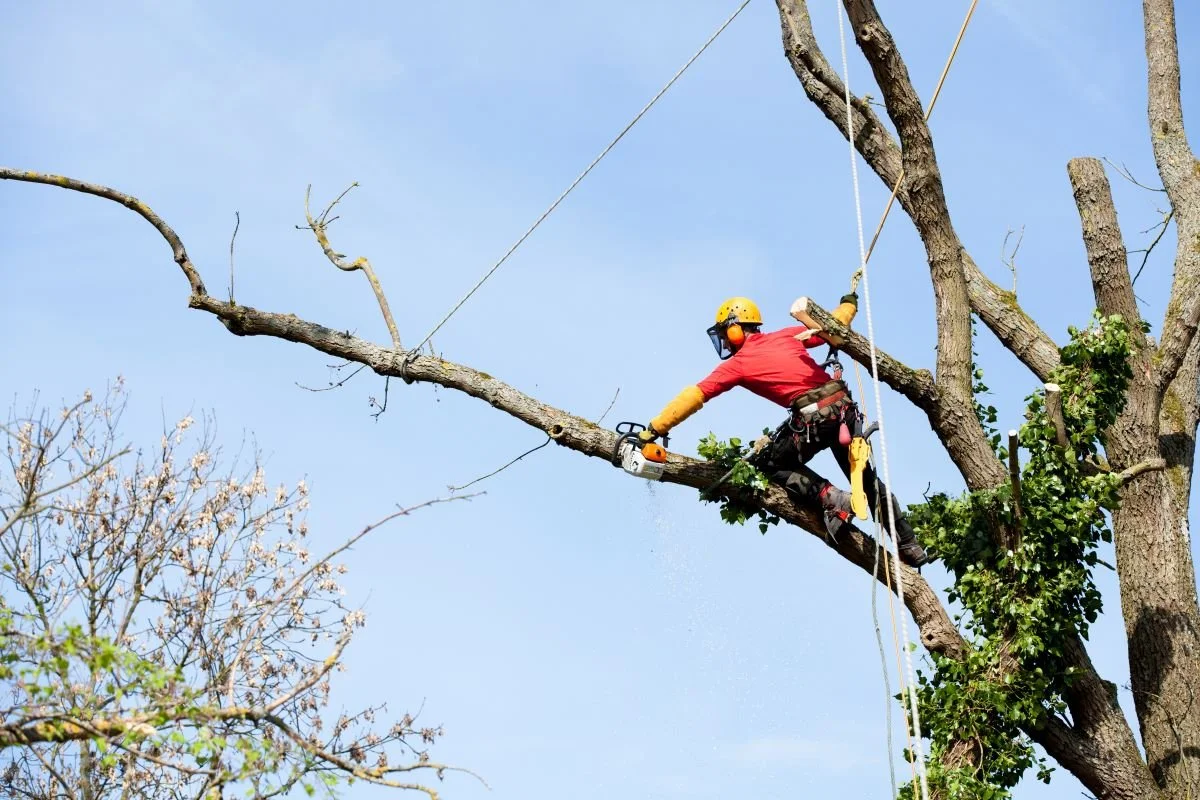
Within the last few weeks, all licensed tree care companies received a notice in the mail from the California State License Board (CSLB) stating that effective January 1, 2023, the CSLB is requiring that all companies with a D-49 Tree Service Contractor License must have workers’ compensation insurance, regardless of whether they have employees.
Currently, licensed tree care companies without employees are exempt from having workers’ compensation insurance. This new requirement comes after Governor Gavin Newsom signed Senate Bill 216 into law on September 30, 2022 which requires all contractors (not just tree service contractors), with or without employees, to have workers’ compensation insurance by January 1, 2026.
According to an article by Red Bluff Daily News, “The California State License Board research confirms that many of the approximate 50 to 60 percent of licensed contractors who currently claim an exemption to workers’ compensation insurance do use employees.”
This not only puts the non-insured tree workers and the public at risk, but it also poses an issue of unfair advantage to the companies who do not carry workers’ compensation. This creates a disadvantage for tree service contractors who play by the rules, as they are subject to higher business costs.
This new requirement will hold every tree service contractor accountable to the same standards by leveling the playing field, and it will protect the tree workers and our public.
How does this impact you, as a licensed tree service contractor?
If you currently have workers’ compensation insurance in place, confirm with your broker that they have properly provided a certificate of insurance to the CSLB to show proof of insurance. You may also check your license status with the Department of Consumer Affairs to confirm it is up to date.
If you are a tree care company that does not currently have employees, contact me to explore workers’ compensation insurance options for your business, effective January 1, 2023.
If you would like to discuss further, please reach out to me at randerson@ranchomesa.com or call me at (619) 486-6437.
Rise in Pure Premium Rates Impacts Tree Care Industry
Author, Rory Anderson, Account Executive, Rancho Mesa Insurance Services, Inc.
Pure premium rates are determined by the Workers’ Compensation Insurance Rating Bureau (WCIRB). The rates reflect the amount of losses that an insurance carrier can expect to pay out in claims for that particular class of business. Every year, the WCIRB submits pure premium rates to the California Department of Insurance for approval. These pure premium rates are comprised of loss and payroll data submitted to the WCIRB by all the insurance companies in California.
Author, Rory Anderson, Account Executive, Rancho Mesa Insurance Services, Inc.

Pure premium rates are determined by the Workers’ Compensation Insurance Rating Bureau (WCIRB). The rates reflect the amount of losses that an insurance carrier can expect to pay out in claims for a particular class of business. Every year, the WCIRB submits pure premium rates to the California Department of Insurance for approval. These pure premium rates are comprised of loss and payroll data submitted to the WCIRB by all the insurance companies in California.
Each workers’ compensation insurance company has its own base rate for the 0106 Tree Pruning class code, for example. In order to establish the base rate, the insurance carrier takes the approved pure premium rate from the WCIRB and applies their factor that includes general overhead expenses, sales and marketing expenses, taxes and fees, and profit. So, if the pure premium rates are increasing, the insurance companies’ base rates are also increasing.
The 2022 pure premium rate in the tree care industry (class code 0106) has increased to $11.36 per $100 of payroll, which is roughly a 9% increase from last years $10.39. This means that the overall workers’ compensation claim activity in the tree care industry is up about 9%, and the WCIRB is recommending that the workers’ compensation insurance carriers increase their base rates to price for that increase in claim activity.
What can you do to prepare for this change and limit the impact to your tree care business?
Lower your claim frequency and severity with a consistent, robust safety and training program, focusing in on root causes of the claims.
Control your experience MOD with quarterly claim reviews and an aggressive return to work program.
Maintain strong carrier partnerships and continuity with carriers that have excellent in-house claims handling.
Benchmark your company with the rest of the tree care industry to see how you compare to your peers. As part of our proprietary TreeOne™ program, we have created a Key Performance Indicator (KPI) dashboard for the tree care industry that puts this information at your fingertips. To see how you compare with your peers, request the KPI Dashboard for your company.
For more information on rising pure premium rates, contact me at (619) 486-6437 or email me at randerson@ranchomesa.com.
Automobile Rental Reimbursement for Tree Care Companies
Author, Rory Anderson, Account Executive, Rancho Mesa Insurance Services, Inc.
A tree care company’s auto fleet includes specialty vehicles like bucket and box trucks. These vehicles are important assets for the company and critical for completing jobs. Getting into an auto accident is already stressful, but what can add more grief is if the vehicle that gets damaged is vital for your business. In this case, you will be looking to rent a replacement vehicle during the repair window so that your business can maintain productivity and profitability. With this in mind, rental reimbursement coverage helps cover the rental cost incurred while your vehicle is repaired after a covered loss.
Author, Rory Anderson, Account Executive, Rancho Mesa Insurance Services, Inc.
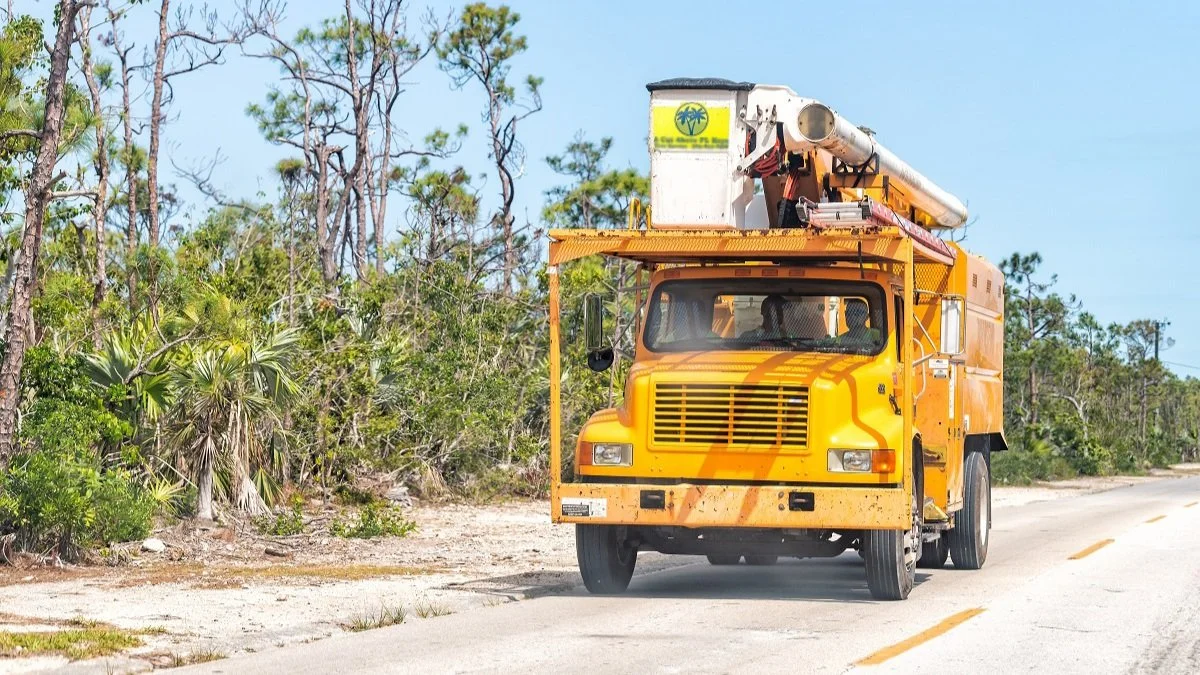
A tree care company’s auto fleet includes specialty vehicles like bucket and box trucks. These vehicles are important assets for the company and critical for completing jobs. Getting into an auto accident is already stressful, but what can add more grief is if the vehicle that gets damaged is vital for your business. In this case, you will be looking to rent a replacement vehicle during the repair window so that your business can maintain productivity and profitability. With this in mind, rental reimbursement coverage helps cover the rental cost incurred while your vehicle is repaired after a covered loss.
In the tree care business, renting a specialty truck is no easy task. Rental bucket and box trucks are expensive and limited. Renting these specialty trucks can cost up to $600 per day. In addition to the cost, the COVID-19 pandemic continues to cause problems with the supply chain of products, including auto parts. So, not only is it expensive to rent these specialty trucks, but it is also taking longer than normal to get vehicles repaired.
The standard rental reimbursement coverage will offer between $50 and $100 per day for 30 days. With how costly the tree care specialty trucks are and with the amount of time it is taking to repair these trucks, you can see how you might find yourself in a sticky situation if one of these key trucks goes down. However, certain insurance carriers will offer to increase the per day amount as well as extend the period of rental reimbursement coverage, if needed.
Partnering with an insurance professional who specializes in the tree care industry is important to make sure that your bucket and box trucks have the correct rental reimbursement coverage in the case of an auto accident.
To discuss this potential gap within your current insurance program or any other commercial insurance for your tree care business, contact me at (619) 486-6437 or randerson@ranchomesa.com.
Hydraulics Safety in the Tree Care Industry
Author, Rory Anderson, Account Executive, Rancho Mesa Insurance Services, Inc.
Tree care professionals regularly work with equipment that utilizes hydraulics: aerial lifts, stump grinders, and chippers, just to name a few. Injuries from hydraulic fluid leaks are very serious and can result in amputation.
Author, Rory Anderson, Account Executive, Rancho Mesa Insurance Services, Inc.
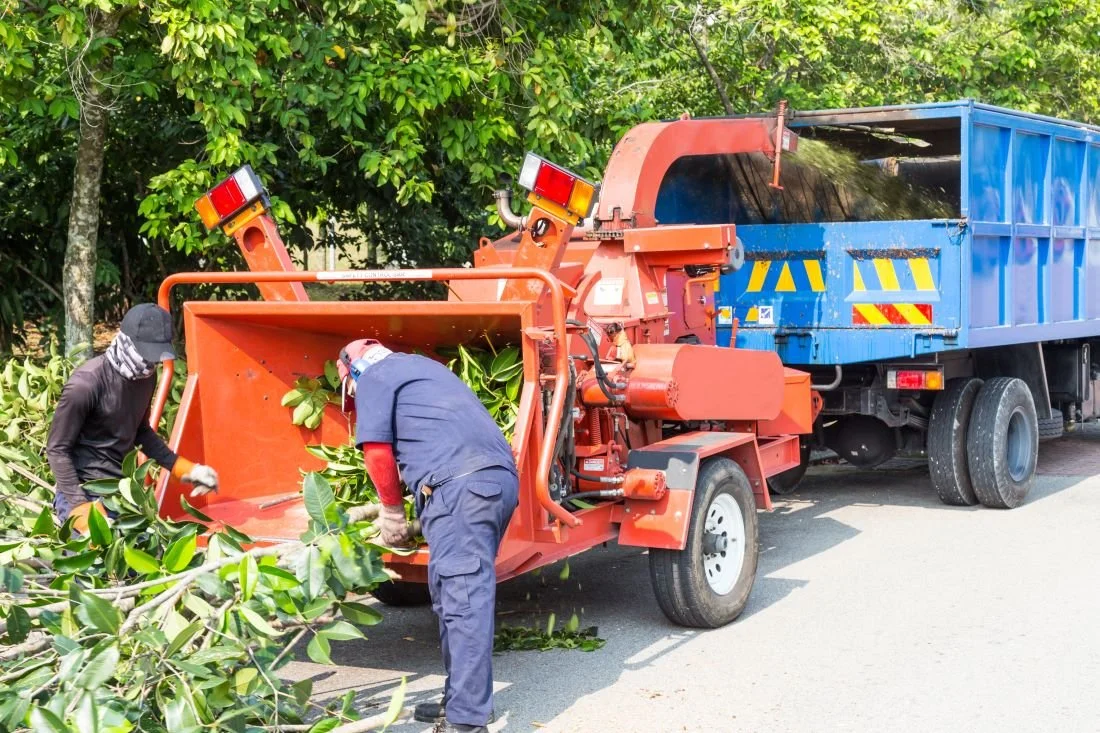
Tree care professionals regularly work with equipment that utilizes hydraulics: aerial lifts, stump grinders, and chippers, just to name a few.
Injuries from hydraulic fluid leaks are very serious and can result in amputation. These injuries occur when hydraulic fluid is lost through a small hole and comes in contact with the skin of a worker. The injury can at first look like a mild, small puncture wound – but the truth is that they are anything but minor.
Hydraulic fluids are toxic and act as a poison to the body. In almost all cases, treatment (surgery) is immediately required to save the workers limb.
Stump grinders, chippers, and other equipment that tree care professionals use commonly run at 4,000 PSI, and the pressure needed to penetrate your skin is only 100 PSI. So, it is vital that employees be trained on how to safely use hydraulic equipment.
Hydraulics safety trainings should include:
an overview and description of which equipment utilizes hydraulics;
proper techniques to check for leaks;
how to handle leaks;
how to handle injuries;
regular maintenance and upkeep on hydraulic hoses; and
the appropriate time to replace hydraulic hoses.
Make sure hydraulics safety is on your list of rotating topics that are regularly discussed with your crews at safety meetings.
For assistance with building your library of safety material for tailgate topics, reach out to me directly at (619) 486-6437 or randerson@ranchomesa.com.
Top Five OSHA Citations the Tree Care Industry Should Avoid
Author, Rory Anderson, Account Executive, Rancho Mesa Insurance Services, Inc.
Every year, Federal OSHA conducts hundreds of inspections and issues costly citations to tree care companies. Although the Occupational Health OSHA citations can be issued for many reasons, there are five specific citations that continually plague the tree care industry every year.
Author, Rory Anderson, Account Executive, Rancho Mesa Insurance Services, Inc.
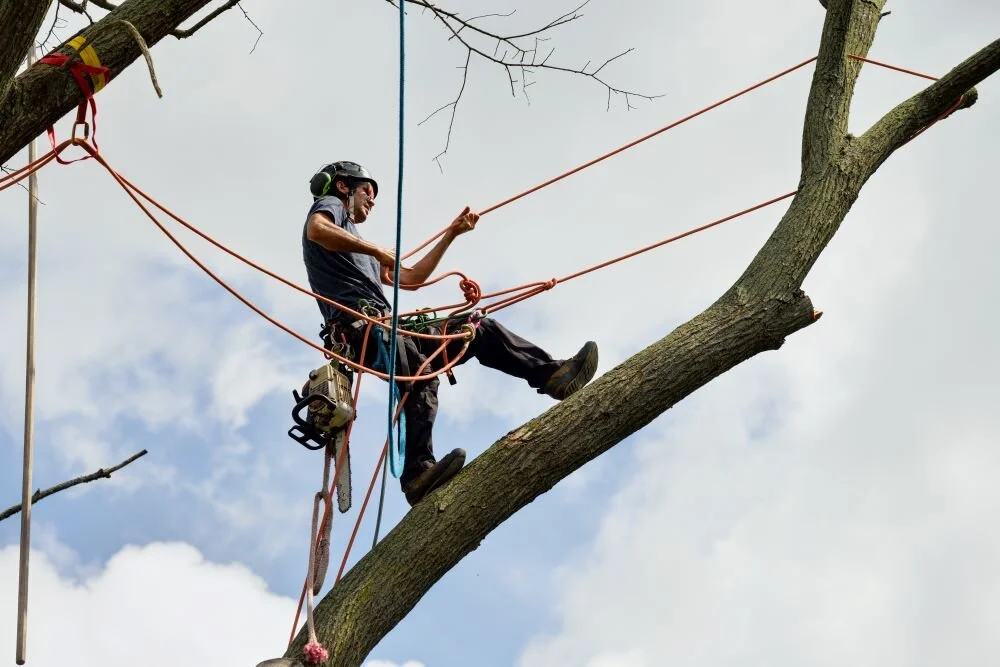
Every year, Federal OSHA conducts hundreds of inspections and issues costly citations to tree care companies. Although the Occupational Health OSHA citations can be issued for many reasons, there are five specific citations that continually plague the tree care industry every year.
1. Violation of standard 1910.132, PPE General Requirements
Employers of tree care companies can be cited for a violation if they fail to assess the workplace hazards, don’t provide personal protective equipment and fail to train employees on when and how to use it.
Average penalty: $1,300
2. Violation of standard 1910.1200, Hazard Communication
This citation is served if the employer lacks a hazard communication program for hazardous substances such as gas or hydraulic fluid periodically encountered in the tree care workplace.
Average penalty: $454
3. Violation of standard 5(a)(1), OSHA General Duty Paragraph
This is when an employer fails to provide a workplace free of recognized hazards. OSHA did not have a standard to describe the hazards specifically encountered in the tree care industry, but general duty citations usually cite passages from the ANSI Z133 standard.
Average penalty: $2,992
4.Violation of standard 1910.67, Vehicle-mounted Elevating and Rotating Work Platforms (e.g., bucket trucks and aerial lifts).
This citation can be issued if the employer fails to provide fall protection for the lift operator or fails to properly inspect the lift.
Average penalty: $3,325
5. Violation of standard 1910.135, Head Protection
This citation occurs when the employer fails to ensure that employees wear hard hats when required.
Average penalty: $1,262
As a tree care company, it is important that employee trainings routinely cover these five topics. While the standard safety training topics for the tree care industry are impactful (e.g., fall protection, chainsaw safety, etc.) and vital to your company’s safety success, these top five OSHA citations should be considered a high priority for regular review.
Access these specific trainings from our Risk Management Center library. If you’re not a Rancho Mesa client, please contact me at (619) 486-6437 or randerson@ranchomesa.com for a free Risk Management Center trial.