

Industry News

Topics Your COVID-19 Training Should Cover
Author, Lauren Stumpf, Media Communications Coordinator, Rancho Mesa Insurance Services, Inc.
As states begin to lift COVID-19 restrictions and move into later phases of reopening plans, and companies begin to bring back their employees, it is important to take the necessary health and safety precautions in the workplace. Your staff should be well informed about safety precautions and resources to keep one another safe. When choosing a COVID-19 employee training, make sure it is comprehensive and includes all the necessary topics recommended by local, state and federal agencies.
Author, Lauren Stumpf, Media Communications Coordinator, Rancho Mesa Insurance Services, Inc.



As states begin to lift COVID-19 restrictions and move into later phases of reopening plans, and companies begin to bring back their employees, it is important to take the necessary health and safety precautions in the workplace. Your staff should be well informed about safety precautions and resources to keep one another safe. When choosing a COVID-19 employee training, make sure it is comprehensive and includes all the necessary topics recommended by local, state and federal agencies.
The Risk Management Center offers a 10-15 minute training designed to ensure compliance with COVID-19 safety guidelines. This general awareness course on COVID-19 covers tips on how to reduce the risk of contracting the virus by using best practices. In addition, the course covers COVID-19 characteristics and related health and safety concerns.
The COVID-19 General Awareness Online Training topics include:
COVID-19 Characteristics
CDC-Recommended Basic Precautions
Tips for Limiting Exposure
Proper Hand Washing
Social Distancing
Personal Protective Equipment (PPE)
Cross Contamination
Employer Responsibilities
Employee Temperature Checks
Face Masks
Importance of proper disinfecting and sanitation
Recommended Chemicals
What to Clean and Disinfect
Working-from-Home Ergonomics
Federal Assistance for COVID-19 Related Leave
Families First Coronavirus Response Act (FFCRA)
Paid Sick Leave
Family and Medical Leave Act (FMLA)
This online training is offered for free to Rancho Mesa clients. Contact the Client Services department at (619) 438-6869 to learn more about the COVID-19 General Awareness training.
For up-to-date COVID-19 information and HR resources please visit Rancho Mesa’s COVID-19 Information Page.
Critical Elements of a COVID-19 Safety Plan
Author, Jeremy Hoolihan, Account Executive, Rancho Mesa Insurance Services, Inc.
As businesses re-open across the country, it is important that we all do our part in preventing and slowing the spread of COVID-19. For many companies in construction and those in the service industry, employees often work in close proximity with others. Keeping your workforce and the public safe should be priority number one.
Author, Jeremy Hoolihan, Account Executive, Rancho Mesa Insurance Services, Inc.
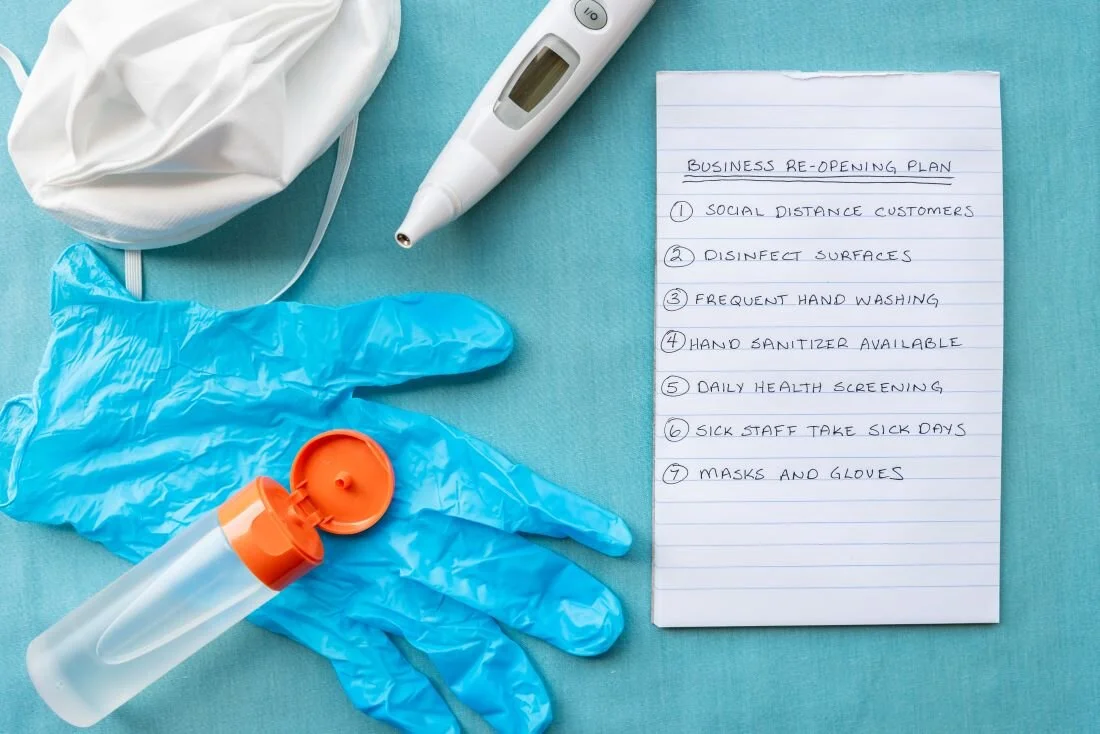
As businesses re-open across the country, it is important that we all do our part in preventing and slowing the spread of COVID-19. For many companies in construction and those in the service industry, employees often work in close proximity with others. Keeping your workforce and the public safe should be priority number one.
The Centers for Disease Control and Prevention (CDC) recommends having a written COVID-19 Safety Plan in place. Check with your local city or county for specific Safety Plan (aka Safe Reopening Plan) requirements. A well implemented plan will assist in keeping its employees and the public safe. A Safety Plan should have three critical elements; purpose, responsibilities, and safety procedures. Below is a brief explanation of these three critical elements:
Purpose: A safety plan should provide the purpose for why it is in place.
What is Covid-19? Explain the effects of the virus and how it can spread to others.
Control Measures: Train personnel on ways of minimizing exposure of Covid-19.
Personal Protective Equipment: Maintaining recommended supplies, such as respirators, eye protection, gloves, and hand sanitizer.
Compliance: Making sure your business is in compliance with local, State, and Federal emergency response and health agencies.
Responsibilities: A Safety Plan should also provide specific responsibilities for management and staff, such as:
Training and informing all on safety procedures relating to COVID-19.
Implementing a plan across all personnel.
Monitoring the application of the plan.
Safety Procedures: A Safety Plan should have mandatory procedures in place that all personnel are trained on and are strictly adhered. A few examples include:
Practicing good hygiene.
Stop handshaking, use noncontact methods of greeting.
Guidelines on how to properly disinfect surfaces like doorknobs, tables, desks, and handrails.
Creating a COVID-19 Safety Plan which explains its purpose, the responsibilities of all personnel, and safety procedures will go a long way in minimizing COVID-19 exposure. It will also have a positive effect on employee and public moral as it shows you are doing your part to stop the spread of the virus.
As your business designs a formal COVID-19 Safety Plan, Rancho Mesa can assist you with a plethora of related safety resources available in both English and Spanish. Visit www.ranchomes.com/covid-19 for a list of available resources.
Resources:
COVID-19 Safety Plan/Return-to-Work Plan Resources
San Diego County Safe Reopening Plan Template
Imperial County Sample Agency COVID-19 Response Plan (4.27.20)
Riverside County Safe Reopening Guidelines 05212020
Aerial Lift Best Practices
Author, Rory Anderson, Account Executive, Rancho Mesa Insurance Services, Inc.
Aerial lifts have become extremely popular over the past few years in the arboriculture industry. An aerial lift is an ideal way to reach higher trees safely and securely. They can also make potentially hazardous tree removal safer and more efficient. This equipment requires extensive training to operate responsibly, and the lack of this training has led to an increase in accidents and injuries with aerial lift devices.
Author, Rory Anderson, Account Executive, Rancho Mesa Insurance Services, Inc.
Aerial lifts have become extremely popular over the past few years in the arboriculture industry. An aerial lift is an ideal way to reach higher trees safely and securely. They can also make potentially hazardous tree removal safer and more efficient. This equipment requires extensive training to operate responsibly, and the lack of this training has led to an increase in accidents and injuries with aerial lift devices. According to OSHA, between 2009 and 2013 there were 47 aerial lift operator fatalities among the tree care industry in the US. To make for a safer operation, here are a few suggestions and reminders about Best Practices for working with aerial lifts:
Inspect the Lift
Visual inspections ensure that lifts remain functional and safe, while often saving potentially hours of maintenance and future medical bills. Conducting the visual inspection should include a close eye on hydraulic leaks, cracks, loose bolts, and worn or discolored hoses. It’s important to remember to always be cautious and not use your hands or any body parts to check for hydraulic-fluid leaks - always use a piece of cardboard or wood. When hydraulic fluid is under pressure, it can penetrate deep into skin and poison flesh, causing disastrous injuries. Never stick your hand around a fitting or hose to feel for a leak.
Function Testing and Drift Testing
Before climbing into the bucket, lift operators should check the lower controls and run the lift through a full range of motion. These controls are critical as they could very well come into use while rescuing a lift operator from the bucket in an emergency situation.
After the lower controls have been tested, a drift test should also be performed to make sure there are no issues with the hydraulics. To test for drift, set a traffic cone off to the side of the lift and move the bucket over the top of the cone, leaving a few inches in between. Turn the truck off and wait five minutes to make sure the boom doesn't drift down and touch the cone. If it does drift, take the truck out of service until it can be repaired.
Suiting Up
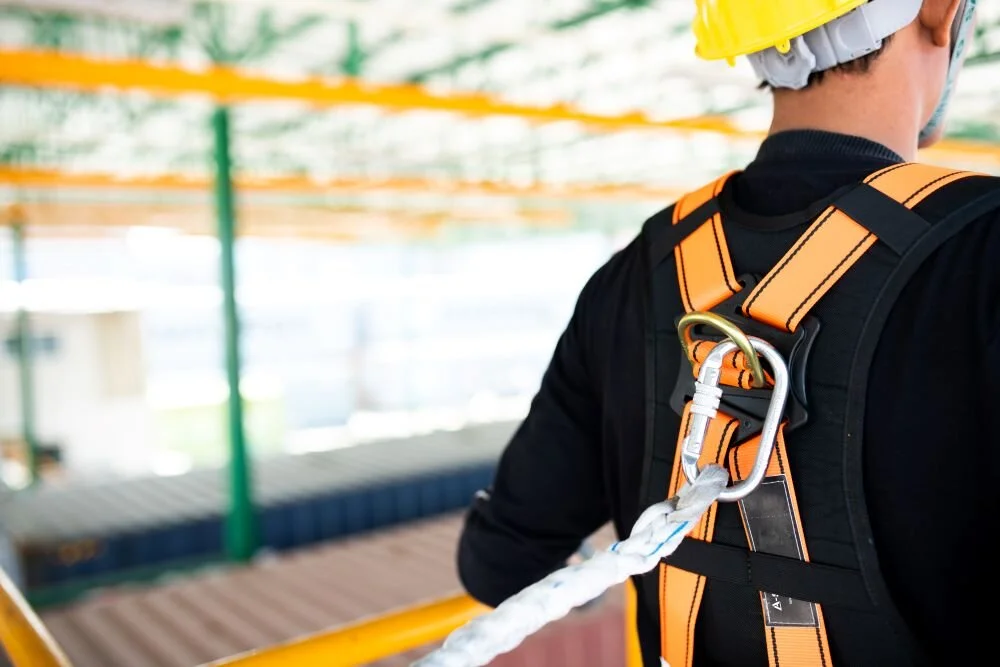
It is now time to put on your fall-protection harness. Make sure your harness fits properly and has a dorsal attachment. Once your harness is on, attach your fall restraint system to the harness and then to the life support attachment on the lift. It is virtually impossible to fall out of an aerial lift device if you wear proper fall protection and make sure it’s attached to the lift, every time.
When used correctly, aerial lifts can be effective and efficient tools for Arborists. When properly set up and tested, they can move easily on the jobsite and provide safe access in hard to reach areas. Their design allows for mobility and flexibility which can increase the crew’s safety, production and profitability.
Rancho Mesa’s Risk Management Center offers training materials covering aerial lifts, elevated work platforms and fall protection as online courses, tailgate talks and posters, as well as sample evaluation forms and policies. For additional information on the use of aerial lifts or other Best Practice safety measures for the arborist industry, please reach out to me, Rory Anderson at randerson@ranchomesa.com and learn more about our TreeOne Program.
Nurse Triage Can Save You Time and Money
Author, Casey Craig, Account Executive, Rancho Mesa Insurance Services, Inc.
When dealing with minor injuries, one of the last places you want your employees having to go right now is to a clinic or hospital emergency room. What are ways that you can keep your employees well cared for, without subjecting them to the added exposure of a waiting room? Telephonic Nurse Triage allows your employee to have a conversation with a registered nurse and possibly avoid the trip to a clinic or emergency room.
Author, Casey Craig, Account Executive, Rancho Mesa Insurance Services, Inc.

When dealing with minor injuries, one of the last places you want your employees having to go right now is to a clinic or hospital emergency room. What are ways that you can keep your employees well cared for, without subjecting them to the added exposure of a waiting room? Telephonic Nurse Triage allows your employee to have a conversation with a registered nurse and possibly avoid the trip to a clinic or emergency room.
The advantages of using nurse triage include:
Timely Claim Reporting
Quick Proper Treatment
Improved Productivity
Lower Claim Costs
Reduced Litigation
The average call to a nurse triage provider is 8-12 minutes, which includes the introductory questions. This process can save your company countless hours while still getting your employee the proper care needed. Additionally, should the injured employee require further care, the nurse can help direct the employee to the nearest approved clinic or hospital within your insurance provider’s Medical Provider Network (MPN).
Nurse Triage has developed into a much needed resource in the workers’ compensation field. Recognizing this, some insurance carriers have begun integrating this service into their own claims management process. At Rancho Mesa, educating our clients on options and resources like these help us stay on the leading edge of technology. If you would like assistance in exploring Nurse Triage or other cost saving programs, please contact Alyssa Burley, Client Services Manager, at aburley@ranchomesa.com.
FFCRA Requiring Mandatory Display of Notice
Author, Lauren Stumpf, Media Communications Coordinator, Rancho Mesa Insurance Services, Inc.
The Families First Coronavirus Response Act (FFCRA) is requiring all employers with fewer than 500 employees, to post the Employee Rights - Paid Sick Leave and Expanded Family and Medical Leave Under the Families First Coronavirus Response Act notice in a conspicuous place on their premises. An employer may satisfy this requirement by emailing or direct mailing this notice to employees and new hires or posting it on the employer’s website (“an employee information internal or external website”).
Author, Lauren Stumpf, Media Communications Coordinator, Rancho Mesa Insurance Services, Inc.
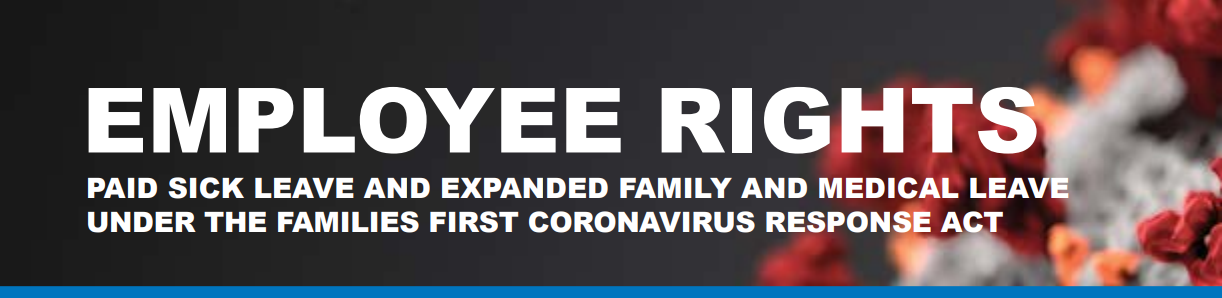
The Families First Coronavirus Response Act (FFCRA) is requiring all employers with fewer than 500 employees, to post the Employee Rights - Paid Sick Leave and Expanded Family and Medical Leave Under the Families First Coronavirus Response Act notice in a conspicuous place on their premises. An employer may satisfy this requirement by emailing or direct mailing this notice to employees and new hires or posting it on the employer’s website (“an employee information internal or external website”).
The notice must be posted from April 1, 2020 through December 31, 2020, regardless of whether the employer’s state requires greater protections.
More information about the FFCRA notice specifications can be found on the U.S. Department of Labor website.
Check the Wage and Hour Division of the U.S. Department of Labor website or sign up for Key News Alerts to ensure that you remain current with all notice requirements.
Manage Your COVID-19 Risk With These Tools
Author, Alyssa Burley, Media Communications and Client Services Manager, Rancho Mesa Insurance Services, Inc.
While most of the country is under shelter-in-place orders, many of our clients work in essential industries that must continue to provide vital services to the community. Therefore, it is imperative that they have the tools they need to keep their employees safe.
Author, Alyssa Burley, Media Communications and Client Services Manager, Rancho Mesa Insurance Services, Inc.
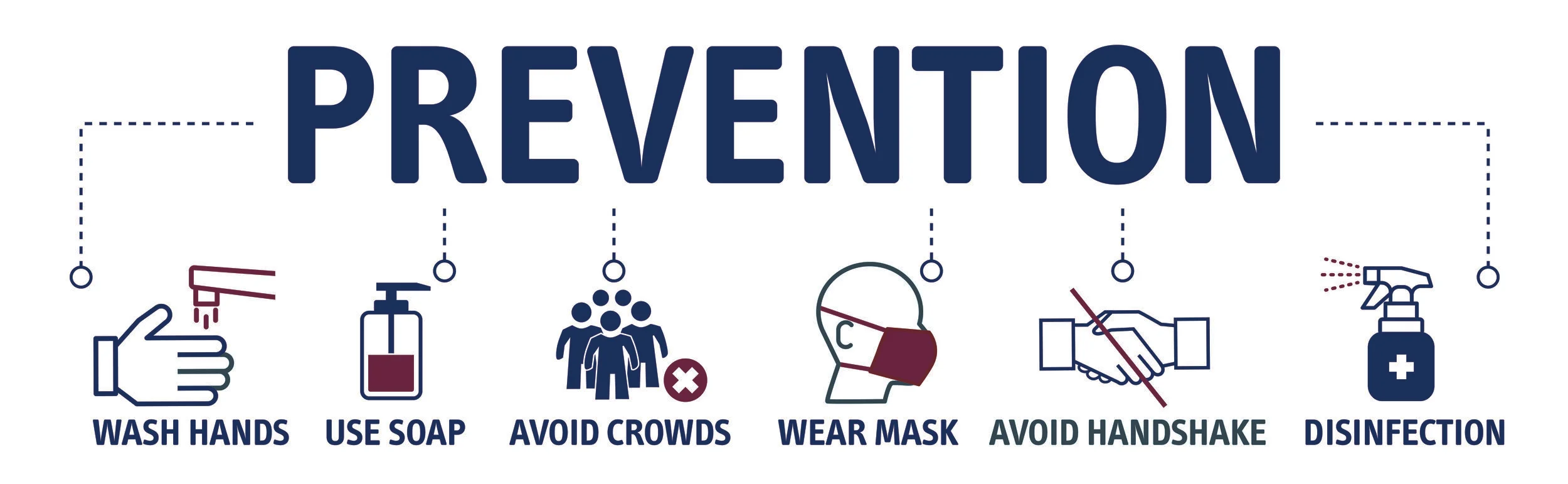
While most of the country is under shelter-in-place orders, many of our clients work in essential industries that must continue to provide vital services to the community. Therefore, it is imperative that they have the tools they need to keep their employees safe.
For those who must continue to operate, we’ve complied resources employers can use to implement COVID-19-specific written safety programs, provide employee training, and signage that can be posted in the workplace. Many of these resources are available in both English and Spanish.
Our goal is to provide the tools our clients’ needs to protect their employees.
Program Administration
Our risk management and safety partners have developed templates that employers can use, today.
COVID-19 Guide (English/Spanish)
This document should be reviewed by ownership and management for clarification on how to implement the COVID-19 Written Program.COVID-19 Guide Amendment A: Employee Has Tested Positive for COVID-19, Now What?
Amendment A provides instructions on what to do if your employee tests positive for the COVID-19 virus.
COVID-19 Health Screening Form (English/Spanish)
Each employee, should complete this form daily before performing any work. Foremen and supervisors should send these completed forms to management for record keeping purposes.COVID-19 Written Program (English/Spanish)
This program should be reviewed by all employees including ownership, management and workers in the field.COVID-19 Written Program Acknowledgement Form (English/Spanish)
All staff members must acknowledge they have read and understand the new program by signing the acknowledgement form.COVID-19 Checklist for Management (English/Spanish)
This checklist should be used daily for management to evaluate safety within the office for employees and identify any areas of concern.COVID-19 Checklist for Jobsites (English/Spanish)
This checklist should be used daily by foreman to evaluate the safety within the jobsite for employees and identify any areas of concern.COVID-19 Site-Specific Safety Plan
This site-specific safety plan may be required by a general contractor or site owner. It is a template employers can use to develop COVID-19 safety plans for specific jobsites where employees are working.
Training Staff
We have complied training that teach staff how to prevent the spread of the COVID-19 virus in the workplace through proper hygiene.
COVID-19 How to Prevent Catching & Spreading Coronavirus (English/Spanish)
Coronavirus and Workplace Hygiene (English/Spanish)
Safety Signage
In addition to proper training, signage is another way to remind employees of proper ways to prevent the spread of the COVID-19 virus within the workplace and among their co-workers.
CDC – Don’t’ Spread Germs at Work (English/Spanish)
CDC – Handwashing Sign (English/Spanish)
CDC – Handwashing: A Corporate Activity
COVID-19 – Do Not Enter If You Have Symptoms
COVID-19 – Eliminate the Spread Workday Flowchart
COVID-19 – How in infects and Spreads
COVID-19 – Prevention Practices – Why is soap better?
COVID-19 – Wash Hands Upon Entry Sign
To access these resources, login to the Risk Management Center and type in “COVID-19” or “Coronavirus” into the search box. If you already have an account but do not remember your login information, click the “Forgot Username or Password” link on the login screen.
We’ll continue to provide COVID-19 resources as they become available. Please visit www.ranchomesa.com/covid-19 for human resources content, insurance carrier statements and more.
3 Cyber Threats of Employee Telecommuting
Author, Sam Clayton, Vice President, Construction Group, Rancho Mesa Insurance Services, Inc.
The recent coronavirus (COVID-19) pandemic has created numerous challenges for both individuals and businesses all over the world. Last week, California Governor Gavin Newsom required all residents to “shelter-in place” and all “non-essential businesses” to cease “in-person” operations. In doing so and in order to keep their business operating, many employers transition employees to work remotely, otherwise known at Telecommuting.
Author, Sam Clayton, Vice President, Construction Group, Rancho Mesa Insurance Services, Inc.

The recent coronavirus (COVID-19) pandemic has created numerous challenges for both individuals and businesses all over the world. Last week, California Governor Gavin Newsom required all residents to “shelter-in place” and all “non-essential businesses” to cease “in-person” operations. In doing so and in order to keep their business operating, many employers transition employees to work remotely, otherwise known as Telecommuting.
While this approach is nothing new for many businesses, employers have been required to expedite these accommodations which creates unanticipated Cyber Liability Exposure.
Below are three online threats that remote workers should be aware of:
1. Secured WiFi Networks
Make sure that all employees are using a secure WiFi network. An unsecured or public WiFi network are prime targets for malicious parties to spy on internet traffic and collect confidential information.
2. Use of Personal Devices and Networks
Many employees will be forced to use personal devices and home networks for work. These devices often lack the tools built into company networks, such as strong antivirus software and firewalls. This lack of security could increase the risk of malware which may allow personal as well as confidential information being exposed.
3. Phishing Scams
Workers may receive emails from hackers impersonating a supplier/vendor or even someone within the organization to obtain confidential information or to transfer funds unknowingly.
In order to minimize these threats, companies should implement a written “Telecommuting Agreement” that outlines specific practices and procedures when employees are working remotely.
For information on implementing these and other internal policies, visit www.ranchomesa.com/COVID-19 and login to our RM365 HRAdvantage™ portal. Contact Alyssa Burley aburley@ranchomesa.com in our Client Services Department to learn more about the platform.
What Employers Need to Know Before a Serious Injury Occurs in the Workplace
Author, Jim Malone, Workers’ Compensation Claims Advocate, Rancho Mesa Insurance Services, Inc.
Timely reporting of an employee’s work-related serious injury, illness or death can pose a challenge to the employer. As of January 1, 2020, these incidents (including any hospitalizations, unless the injured worker is admitted for medical observation or diagnostic testing) must be reported immediately to Cal/OSHA. Immediately means as soon as practically possible but not longer than 8 hours after the employer knows or, with diligent inquiry, would have known of the serious injury, illness or death.
Author, Jim Malone, Workers’ Compensation Claims Advocate, Rancho Mesa Insurance Services, Inc.

Timely reporting of an employee’s work-related serious injury, illness or death can pose a challenge to the employer. As of January 1, 2020, these incidents (including any hospitalizations, unless the injured worker is admitted for medical observation or diagnostic testing) must be reported immediately to Cal/OSHA. Immediately means as soon as practically possible but not longer than 8 hours after the employer knows or, with diligent inquiry, would have known of the serious injury, illness or death.
Monitoring the employee’s status at a hospital can be difficult if the employer has not put in place procedures and policies that will authorize a healthcare provider to disclose information that is covered by the Health Insurance Portability and Accountability Act (HIPAA). For example, the employer must follow-up with the hospital providing care to the injured employee to determine if the incident must be reported to Cal/OSHA. The employer will need to know if the employee has been moved from the emergency room and admitted to the hospital for in-patient treatment.
Ensuring policies and procedures are developed and implemented to restrict the use and disclosure of protected health information (PHI), are important elements of HIPAA compliance. If health information is used for purposes not permitted by the HIPAA Privacy Rule, or is deliberately disclosed to individuals not authorized to receive the information, there are possible penalties for the covered entity or individual responsible.
HIPAA permits PHI to be used for healthcare operations, treatment purposes, and in connection with payment for healthcare services. It can be argued that employers need this information to comply with State and Federal OSHA laws. Information may be disclosed to third parties for said purposes, provided an appropriate relationship exists between the disclosing covered entity (i.e., the hospital) and the recipient’s covered entity or business associate (i.e., the employee or employer). A covered entity can only share PHI with another covered entity if the recipient had previously or currently has a treatment relationship with the patient. The PHI has to relate to that relationship. In the case of a disclosure to a business associate, a Business Associate Agreement must have been obtained. Disclosures must be restricted to the minimum necessary information that will allow the recipient to accomplish the intended purpose of use.
Prior to any use or disclosure of health information that is not expressly permitted by the HIPAA Privacy Rule, one of two steps must be taken:
A HIPAA authorization must be obtained from a patient, in writing, permitting the covered entity or business associate to use the data for a specific purpose not otherwise permitted under HIPAA.
The health information must be stripped of all information that allows a patient to be identified.
Employers may consider obtaining signed business associate agreements or HIPAA authorizations from their employees before any injury or accident occurs. This will ensure they are able to get the appropriate protected medical information from the hospitals so they can report “serious injury or illness” accurately and timely to Cal/OSHA.
Therefore, it is extremely important for employers to learn the existing laws and new changes to these laws and have a plan of action in place to address these concerns before the next serious injury, illness, or death occurs.
Currently, reporting to Cal/OSHA can be made by telephone or e-mail. With these reporting changes, Cal/OSHA has also been directed to establish an on-line mechanism for reporting these injuries. It is always important to document when these incidents are reported to Cal/OSHA. Until an online mechanism is established, use of e-mail would be such method for documentation. Monitoring of the Cal/OSHA website for implementation of the on-line mechanism of reporting is also suggested.
For more information on how to report serious injuries and illnesses to Cal/OSHA, please reference “Cal/OSHA Updates: AB 1804 Changes How Injuries and Illnesses Are Reported.”
For more information about what is considered a serious injury or illness under Cal/OSHA, please reference “Cal/OSHA Updates: AB 1805 Changes Definition of Serious Injury or Illness.”
Strategies Employers Can Use to Combat the Coronavirus
Author, Jeremy Hoolihan, Account Executive, Rancho Mesa Insurance Services, Inc.
According to the U.S. Center for Disease Control and Prevention (CDC), there is no evidence of widespread transmissions of COVID-19 (commonly known as Coronavirus) in the United States, at this time. But, business owners should ask themselves, would my company be prepared in the event of an outbreak? Employers should be ready to implement strategies to protect their workforce while ensuring some semblance of business operations. The CDC has recommended the following strategies that employers can use, today.
Author, Jeremy Hoolihan, Account Executive, Rancho Mesa Insurance Services, Inc.

According to the U.S. Center for Disease Control and Prevention (CDC) there is no evidence of widespread transmissions of COVID-19 (commonly known as Coronavirus) in the United States, at this time. For the general American public, such as workers in non-healthcare settings, where it is unlikely that work tasks create an increased risk of exposure to COVID-19, the immediate health risk from the virus is considered low. Business owners should ask themselves, would my company be prepared in the event of an outbreak? The CDC recommends creating an Infectious Disease Outbreak Response Plan.
Employers should be ready to implement strategies to protect their workforce in the event of an outbreak of COVID-19 while ensuring some semblance of business operations. The CDC has recommended the following strategies that employers can use, today.
Actively encourage sick employees to stay home.
Employees who have symptoms of acute respiratory illness are recommended to stay home and not come back to work until they are free of a fever (100.4° or greater) without the use of fever reducing medicines. Employees should notify their supervisor and stay home if they are sick.
Ensure that your sick leave policies are flexible and consistent with public health guidelines and that employees are aware of these policies.
If your business utilizes contract of temporary employees, make sure the company you work with implements the same strategies as your business and recommends sick employees stay home.
Separate sick employees:
The CDC recommends that employees who appear to have acute respiratory illness symptoms (i.e. cough, shortness of breath) upon arrival to work or become sick during the day should be separated from other employees and be sent home immediately. Sick employees should cover their noses and mouths with a tissue when coughing or sneezing.
Emphasize staying home when sick, respiratory etiquette and hand hygiene by all employees:
Place posters that encourage staying home when sick, cough and sneezing etiquette, and hand hygiene at the entrance to your workplace and in other workplace areas where they are likely seen.
Provide tissue and no-touch disposal receptacles for use by employees.
Provide and encourage the use of alcohol-based hand sanitizer that contains at least 60-95% alcohol, or wash hands with soap and water for at least 20 seconds.
Perform routine environmental cleaning:
Routinely clean all frequently touched surfaces in the workplace, such as workstations, countertops, and doorknobs.
Provide disposable wipes so that commonly used surfaces can be wiped down by employees before each use.
Advise employees before traveling to take certain precautions:
Check the CDC’s Traveler’s Health Notices for the latest guidelines and recommendations for each country to which you will travel.
Advise employees to check themselves for symptoms of acute respiratory illness before starting travel and notify their supervisor and stay home, if they are sick.
Ensure employees who become sick while traveling or on temporary assignment understand that they should notify their supervisor and promptly call a healthcare provider for advice, if needed.
Additional measures in response to currently occurring sporadic importations of the COVID-19:
Employees who are well but who have a sick family member at home with COVID-19 should notify their supervisor and refer to CDC guidance for how to conduct a risk assessment of their potential exposure.
If an employee is confirmed to have the COVID-19 infection, employers should notify fellow employees of their possible exposure to COVID-19 in the workplace but maintain confidentiality as required by the Americans with Disabilities Act (ADA). Employees exposed to a co-worker with confirmed COVID-19 should refer to CDC guidance for how to conduct a risk assessment of their potential exposure.
Engage state and local health departments to confirm channels of communication and methods for dissemination of local outbreak information.
It is extremely important for business owners to know what they can do to minimize the spread of an infectious disease. It is equally as important to be prepared for an outbreak (whether it’s COVID-19 or any other potential infectious disease). Having an Infectious Disease Outbreak Response Plan can guide a business during these trying times. Rancho Mesa Insurance’s RM365 HR Advantage™ online portal offers instructions on “How to Handle an Infectious Disease Outbreak.” If you have any questions relating to this subject matter please feel free to reach out to Rancho Mesa Insurance.
Don’t Trim Down Your Safety Procedures
Author, Rory Anderson, Account Executive, Landscape Group, Rancho Mesa Insurance Services, Inc.
Trees require regular maintenance to ensure their health and safety. Dead or diseased trees must be cut down in order to prevent injuries to people or damage to nearby structures. Maintaining trees through trimming is a dangerous task, even for experienced professionals. Unfortunately, accidents do occur. The three most common types of serious accidents experienced by tree trimmers are…
Author, Rory Anderson, Account Executive, Landscape Group, Rancho Mesa Insurance Services, Inc.
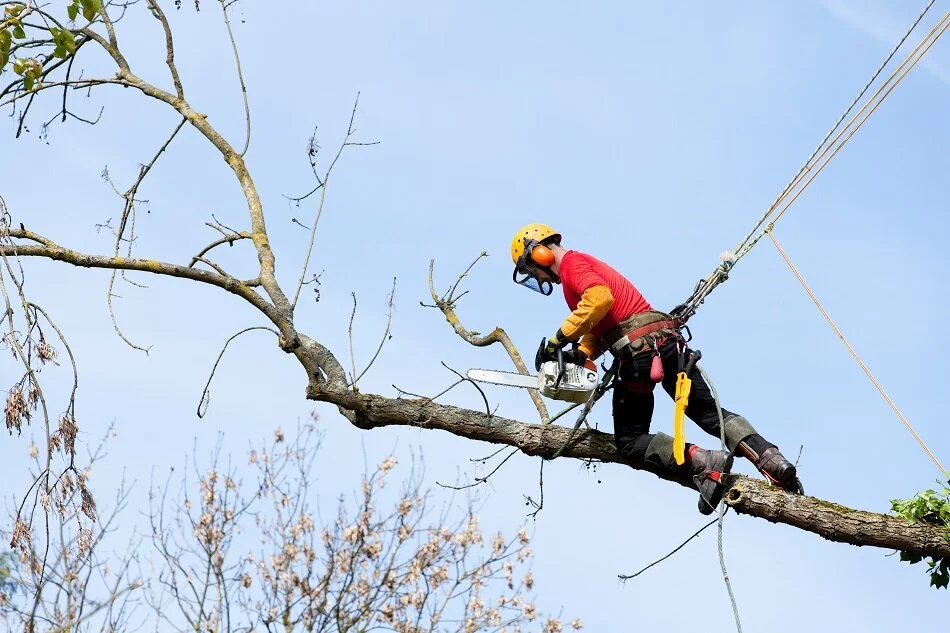
Trees require regular maintenance to ensure their health and safety. Dead or diseased trees must be cut down in order to prevent injuries to people or damage to nearby structures. Maintaining trees through trimming is a dangerous task, even for experienced professionals. Unfortunately, accidents do occur. The three most common types of serious accidents experienced by tree trimmers are falls, electrocution, and being struck by falling objects.
Falls
Falls are a common accident for tree trimmers. They can occur by slipping off of a ladder, falling from a roof, or falling out of a tree. The typical fall victim is unsecured or not properly secured. Using proper personal protective equipment is essential in preventing falls.
Electrocution
The risk of electrocution is very high when working around power lines. Some trees are planted near overhead power lines and there is a risk of electrocution to anyone trimming branches. The worker may accidentally touch the wires, or a falling branch could knock down the wires resulting in a tree trimmer touching the lines. The most common type of victim violates minimum approach distances and makes contact with the power lines through a conductive tool/object such as pruning shears. Training employees on minimum approach distances and proper trimming techniques when working around power lines can help prevent electrocution.
Falling Objects
According to the Centers for Disease Control, being struck by a falling object is the most reported tree trimming accident. A falling object is typically an entire tree or its branches/limbs, but it could also be loose equipment like a chain saw. Most victims are struck by a tree or tree limb after it falls in an unexpected direction; however, careless accidents do occur in specified drop zones. Communication between employees in the tree and on the ground is imperative to ensure the safety of all.
Tree trimming professionals face dangerous hazards on a daily basis and it is extremely important to take precautionary safety measures to make sure that they are doing everything they can to reduce risk. Safety training materials for tree trimmers are available through the Risk Management Center.
For information about Rancho Mesa's TreeOne™ program, contact Rory Anderson at (619) 937-0164.
Managing the Inherent Risks of Personal Vehicle Use Within Your Company
Author, Daniel Frazee, Executive Vice President, Rancho Mesa Insurance Services, Inc.
While costs associated with auto liability continue rising across the country, there are risks within existing fleet safety programs that often get overlooked. If your business allows employees to use personal vehicles to conduct business even just occasionally, you could be exposing your firm to considerably more risk.
Author, Daniel Frazee, Executive Vice President, Rancho Mesa Insurance Services, Inc.

While costs associated with auto liability continue rising across the country, there are risks within existing fleet safety programs that often get overlooked. If your business allows employees to use personal vehicles to conduct business, even just occasionally, you could be exposing your firm to considerably more risk. You can ignore this potential gap in coverage or closely examine the exposure while simultaneously developing a risk mitigation plan.
Review and Examine Liability Coverage
Before developing any guidelines, we encourage clients to identify those drivers that are using personal vehicles. Again, the pool here should include regular and non-regular drivers who are using personal vehicles. Once that list is finalized, request current declaration pages and/or certificates of insurance showing coverage periods and limits. As you examine this information, ensure that coverage is in force and pay close attention to the limits as many state minimum coverage requirements will be much lower than typical commercial auto policy limits (Example: $10,000 to $15,000 for bodily injury). Working to develop company standard minimum limits for personal use of vehicles is something you can establish with and through recommendations from your broker partner and carrier.
Hiring with Auto Exposure in Mind
Just as many managers do when hiring employees who will drive company vehicles, consider requiring the same guidelines for potential new hires who may use their own vehicles. These guidelines may include a current Motor Vehicle Report (MVR) which allows you to review accidents and track behavior. You may also enroll drivers in the Employer Pull Notice (EPN) Program which notifies businesses when employees have any type of driving activity in or out of the workplace. Lastly, be prepared with documented steps to take when your drivers exhibit unsafe driving behavior. This can include additional training, a suspension, or even termination depending on the frequency.
Written Expectations and Usage Guidelines for Drivers
Vehicle use agreements have become commonly used documents for employers. Depending on the layout, usage guidelines can help establish clear expectations and encourage real buy-in from the employee. As a reference point, Rancho Mesa offers an example of a usage guideline form available within the Risk Management Center.
Creating and Maintaining a Culture of Safety
Evaluating your respective safety programs is a process that takes time. Many employers are unfamiliar where to even start and perhaps which areas of their operation pose the greatest risk to their business’ financial health. With auto liability, in general, the potential for direct loss can impact balance sheets of all sizes. Part of our role as commercial insurance brokers is tying in years of experience seeing these gaps within programs, like personal vehicle use. We recommend first how to mitigate them and then tailor an insurance program that further reduces or eliminates the exposure. The points listed above represent only the start to your process in revamping your Fleet Safety Program. Call or email Rancho Mesa Insurance for a complete “all lines” safety review and coverage audit. Your company’s financial future could depend on it.
New Law Changes Which Injuries Must Be Reported
Author, Daniel Frazee, Executive Vice President, Rancho Mesa Insurance Services, Inc.
A new California law, Assembly Bill 1805 (AB 1805), changes when employers are required to report serious workplace injuries to the California Division of Occupational Safety and Health (Cal/OSHA). The law now broadens the scope of what will be classified as a serious illness, injury or exposure. Many believe this change will increase the number of workplace accidents that will have to be reported in 2020.
Author, Daniel Frazee, Executive Vice President, Rancho Mesa Insurance Services, Inc.

A new California law, Assembly Bill 1805 (AB 1805), changes when employers are required to report serious workplace injuries to the California Division of Occupational Safety and Health (Cal/OSHA). The law now broadens the scope of what will be classified as a serious illness, injury or exposure. Many believe this change will increase the number of workplace accidents that will have to be reported in 2020.
The definition of “serious injury or illness” has, for many years, been defined as an injury or illness that requires inpatient hospitalization for more than 24 hours of treatment, or if any employee suffers a “loss of member” or serious disfigurement. The definition has excluded hospitalizations for medical observation. Regulations also excluded from reporting requirements any serious injury caused by a criminal assault and battery or a vehicle accident on a public road or highway.
AB 1805 aligns California’s rules more closely with Federal OSHA regulations for reporting. More specifically:
Rules
The following will need to be reported to Cal/OSHA:
Any inpatient hospitalization (even less than 24 hours),
An inpatient hospitalization is required for something “other than medical observation or diagnostic testing,”
Employers must report any “amputation” (even if the tip of a finger is cut off) to Cal/OSHA. This replaces the terminology “loss of member;”
The loss of an eye,
Serious injuries or deaths caused by a criminal assault and battery,
The exclusion for injuries from auto accidents on a public street or highway remains in effect. However, accidents that occur in a construction zone must now be reported.
Compliance (related directly to serious injuries and illnesses or fatalities)
In order to say in compliance:
The report must be made within 8 hours of the employer knowing, or with “diligent inquiry” should have known, about the serious injury/illness.
The report must be made by PHONE to the nearest Cal/OSHA district office.
For more details on how these changes may impact your company’s IIPP, please contact me at (619) 937-0172.
Employers Embrace Benefits of Telemedicine to Treat Work-Place Injuries
Author, Jeremy Hoolihan, Account Executive, Rancho Mesa Insurance Services, Inc.
Telemedicine is becoming prevalent in the workplace as a more efficient way to treat non-emergency type injuries. Employers, employees, and insurance companies alike are seeing the benefits of telemedicine from a convenience and efficiency standpoint.
Author, Jeremy Hoolihan, Account Executive, Rancho Mesa Insurance Services, Inc.
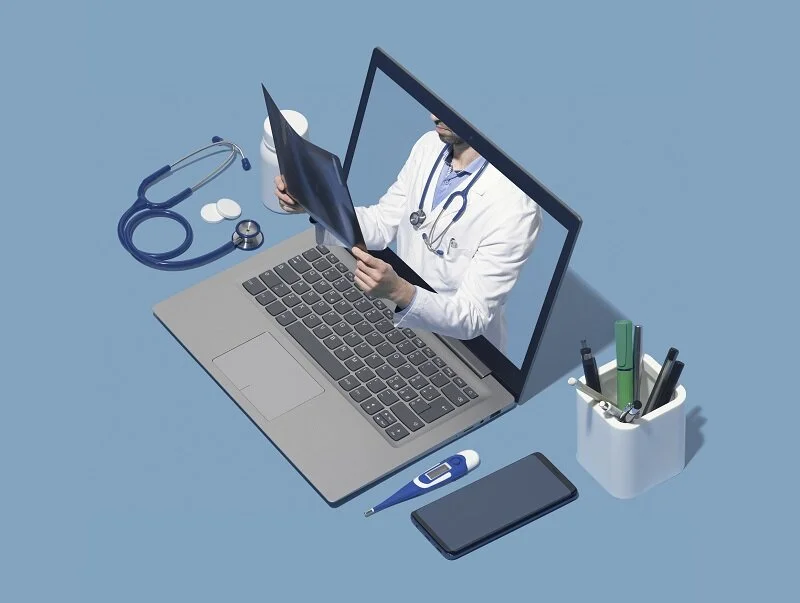
Telemedicine is becoming prevalent in the workplace as a more efficient way to treat non-emergency type injuries. Employers, employees, and insurance companies alike are seeing the benefits of telemedicine from a convenience and efficiency standpoint.
Telemedicine is defined as the practice of caring for patients remotely when the provider and patient are not physically present with each other. Modern technology has enabled doctors and nurses to consult patients by using HIPAA compliant audio and video conferencing tools.
Benefits of Telemedicine
Immediate access to medical professionals is provided to injured employees and their supervisors; 24 hours a day, seven days a week. This often eliminates the need for scheduling and attending an in-person appointment and waiting room delays.
The injured workers and supervisors avoid lost time from work driving to and from appointments.
Employees who work remotely can quickly gain access to medical assistance.
Minor injuries such as strains and sprains can respond favorably to appropriate on-site first aid. Often times, these types of injuries are referred to off-site clinics for care that is more expensive and more time consuming, but no more effective.
Sound clinical decisions can be made about when first aid is appropriate and when referrals are necessary.
When off-site referrals are necessary, doctors and nurses can direct the injured worker to pre-selected clinics within the insurance companies Medical Provider Network (MPN).
Many telemedicine providers work directly with the employer’s insurance company to provide the first report of injury and create the claim in their system. This eliminates the need for policyholders to report the claim. This also ensures that claims are reported immediately and without delay.
Telemedicine calls are typically recorded for future reference. The recordings are a useful tool in documenting the symptoms and injuries that are initially reported.
How Telemedicine Works
When a workplace injury occurs and the employee requests medical treatment, a call will be placed to the predetermined telemedicine company. The triage nurse that answers will typically speak with the supervisor first, then privately with the injured employee. During the call, the nurse will provide an initial assessment of the injured worker, determine the seriousness, and evaluate the type of medical care that is appropriate. If further medical care is deemed necessary, the nurse will refer the injured employee to a certified occupational physician who can conduct a virtual appointment online via a computer, tablet, or smartphone. If the telemedicine company is not able to conduct a virtual appointment, the injured employee will be directed to a clinic within the MPN.
Once the assessment is complete, the nurse will provide a treatment plan. If the injured employee can safety return to work, the nurse will provide first aid/self-care instructions. Self-care instructions are typically accessed online or faxed. The nurse typically completes the call by speaking once again with the supervisor to ensure they are aware of the treatment plan.
Telemedicine is recognized by many as an efficient way of treating non-emergency injuries in the workplace. In fact, many insurance companies have recently partnered with telemedicine companies to help prevent a minor injury from becoming more complicated, and help the injured employee focus on returning to wellness.
If you would like to have a discussion about telemedicine and how it could be implemented into your workers’ compensation program, please feel free to reach out to me, Jeremy Hoolihan, at (619) 937-0174.
Providing Anti-Harassment Training Is the Employer’s Responsibility
Author, Alyssa Burely, Media Communications and Client Services Manager, Rancho Mesa Insurance Services, Inc.
Many industries like construction utilize a semi-transient workforce that can shift from company to company as labor needs change throughout the project’s life cycle. Employees may work a few months for one employer, then move on to another employer when the project is completed. This scenario poses a dilemma for California employers looking to comply with Senate Bill 1343 (SB 1343). Providing training to an ever-changing workforce can be a challenge.
Editor’s Note: This article was originally published on August 22, 2019 and has been updated for accuracy on September 12, 2019.
Author, Alyssa Burely, Media Communications and Client Services Manager, Rancho Mesa Insurance Services, Inc.

Many industries like construction utilize a semi-transient workforce that can shift from company to company as labor needs change throughout the project’s life cycle. Employees may work a few months for one employer, then move on to another employer when the project is completed. This scenario poses a dilemma for California employers looking to comply with Senate Bill 1343 (SB 1343). Providing training to an ever-changing workforce can be a challenge.
“The current employer must provide the Anti-Harassment training to new employees within six months of hire, regardless if the employee was trained and has a certificate of completion provided by a previous employer or labor union.”
SB 1343 requires California employers with five or more employees to provide Anti-Harassment training to all supervisors and employees. The passing of Senate Bill 778, on August 30, 2019, extends the deadline for this training to January 1, 2021. The training must be completed every two years. For example, if an employee was trained in 2019, their next training due date will be in 2021. New employees must be trained within six months of hire. This means the current employer must provide the Anti-Harassment training to new employees within six months of hire, regardless if the employee was trained and has a certificate of completion provided by a previous employer or labor union. Every time a worker begins employment at a new company, they should expect to receive Anti-Harassment training within the first six months. However, temporary or seasonal workers who are hired for less than six months must be trained within 30 days of hire. This requirement ensures the current employer is able to maintain accurate training records.
Recordkeeping for Anti-Harassment training is important when there is an allegation of harassment or if an employee reports the employer for non-compliance. The Department of Fair Employment and Housing (DFEH) “accepts complaints from employees that their employers have not complied with the law…If DFEH finds that the law has been violated, it will work with employers to obtain compliance with the law,” according to the DFEH’s “Sexual Harassment and Abusive Conduct Prevention Training Information for Employers” document.
Rancho Mesa offers free online Anti-Harassment training for supervisors and employees to all of its clients. The training can be accessed from a computer, tablet or smartphone. The online platform provide automated recordkeeping and rescheduling to ensure as soon as an employee completes the training, they are automatically scheduled to complete it in two years. It also allows administrators to archive employee training records when an employee leaves the company and reactivate the records when/if they are rehired. To learn more about the trainings, visit our website or contact the client services department at (619) 438-6869.
SB 1343 requires employers take responsibility for providing Anti-Harassment training to all of their employees and supervisors. Take advantage of Rancho Mesa’s Anti-Harassment training and ensure your company stays compliant.
RM365 Safety Star Program May Lower Risk of Receiving OSHA’s Most Frequently Cited Violation
Author, Kevin Howard, CRIS, Account Executive, Rancho Mesa Insurance Services, Inc.
Rancho Mesa Insurance Services’ RM365 Advantage Safety Star Program™ checks several boxes for contractors who are looking to improve their safety culture and lower risk. The program provides safety training designed to reduce an organization’s probability of work-related injuries; thus, minimizing the likelihood of an OSHA citation when used in conjunction with the Risk Management Center tools.
Author, Kevin Howard, CRIS, Account Executive, Rancho Mesa Insurance Services, Inc.

Rancho Mesa Insurance Services’ RM365 Advantage Safety Star Program™ checks several boxes for contractors who are looking to improve their safety culture and lower risk. The program provides safety training designed to reduce an organization’s probability of work-related injuries; thus, minimizing the likelihood of an OSHA citation when used in conjunction with the Risk Management Center tools.
Encouraging a safety culture through proper training makes sense for employers. Fed OSHA’s, maximum fine for a non-serious violation is $12,600. A willful repeat violation, however, can cost an employer anywhere from $70,000 - $126,000.
According to the United States Department of Labor, the top 10 most frequently cited standards are:
Fall protection, construction
Hazard communication standard, general industry
Scaffolding, general requirements, construction
Respiratory protection
Control of hazardous energy (lockout/tagout), general
Ladders, construction
Powered industrial trucks, general industry
Fall Protection–Training Requirements
Machinery and Machine Guarding, general requirements
Eye and Face Protection
Avoiding OSHA’s #1 Violation
With Fall Protection being at the top of OSHA’s citation list, and one of the most frequent causes of workplace fatalities in construction, it is of the upmost importance to focus on it when developing a safety program.
Rancho Mesa’s Risk Management Center offers a number of safety trainings that cover all 10 of the most frequently cited standards listed above. Fall Protection is one of five modules, within the RM365 Advantage Safety Star Program that could potentially help avoid a severe injury and OSHA fines.
When Century Painting’s Eddie Lopez was asked to give his thoughts on becoming RM365 Safety Star certified, his response was sincere.
“Obtaining my RM365 Safety Star Certificate was not only fulfilling and educational as a safety manager, but it also helped me navigate through safety criteria that OSHA is expecting us to follow regardless,” said Eddie Lopez, Safety Manager for Century Painting Corp.
RM365 Advantage Safety Star Program™ is a comprehensive tool for contractors that are hoping to package several advantages into one single task. To learn more about how to enroll, please visit the Safety Star Program™ page or contact Rancho Mesa Insurance Services at (619) 937-0164.
To learn more about the Fall Protection in Construction requirements, visit Cal OSHA’s Safety & Health Fact Sheet. You will notice links dedicated to each industry down the left side of the page. This information can further help companies avoid a potential OSHA fine, and more importantly, protect employees.
Top 5 Free Safety Apps for Landscape Contractors
Author, Drew Garcia, Vice President, Landscape Group, Rancho Mesa Insurance Services, Inc.
Mobile devices have become an invaluable tool for many people, on the job. They provide access to contacts, email and applications (i.e., apps) that can make work a lot simpler and safer for landscapers. We researched the top apps that boost worker safety. In no particular order, here are the top 5 free safety applications for the landscape industry.
Author, Drew Garcia, Vice President, Landscape Group, Rancho Mesa Insurance Services, Inc.




Mobile devices have become an invaluable tool for many people, on the job. They provide access to contacts, email and applications (i.e., apps) that can make work a lot simpler and safer for landscapers. We researched the top apps that boost worker safety. In no particular order, here are the top 5 free safety applications for the landscape industry.
OSHA-NIOSH Heat Safety Tool
This app allows workers and supervisors to monitor the heat index for any jobsite. By utilizing the apps features any user can get a reminder about the proper safety precautions and proactive measures that should be taken under the given conditions. It is available in both English and Spanish (to access Spanish, set phone language to Spanish).
Red Cross First Aid
This app provides access to information on how to properly handle first aid emergencies. It is available in both English and Spanish.
Chemical Safety Data Sheets - ICSC
This concise app offers searchable information on substances, delivered in a simple manner. It is only available in English.
NIOSH Sound Level Meter
This app quickly monitors the level of noise exposure in order to judge and evaluate if further testing is needed. It is available in both English and Spanish.
NIOSH Ladder Safety
This interactive ladder safety application is used to assist the worker in positioning a ladder at an optimal angle. It is available in both English and Spanish.
There are many applications employers can use on devices to help improve their safety program, formalize trainings, and consolidate information.
If you use an application (with or without a fee), we would like to hear about it, so we can share with all of our safety-minded clients. Please send your feedback to Alyssa Burley, aburley@ranchomesa.com.
Employers Prepare As Reports of Sexual Harassment Spike
Author, Alyssa Burley, Media Communications and Client Services Manager, Rancho Mesa Insurance Services, Inc.
Americans are all too familiar with the #MeToo movement that has shed light on sexual harassment in the workplace. Outspoken celebrities and prominent public figures have brought this topic to the forefront in the media. With all the publicity surrounding sexual harassment allegations, people are empowered to speak out and report unwanted behaviors in the workplace. This leaves many employers asking what they can do to prevent harassment and prepare for possible harassment allegations.
Editor’s Note: This article was originally published on June 27, 2019 and has been updated for accuracy on September 12, 2019.
Author, Alyssa Burley, Media Communications and Client Services Manager, Rancho Mesa Insurance Services, Inc.
Americans are all too familiar with the #MeToo movement that has shed light on sexual harassment in the workplace. Outspoken celebrities and prominent public figures have brought this topic to the forefront in the media. With all the publicity surrounding sexual harassment allegations, people are empowered to speak out and report unwanted behaviors in the workplace. This leaves many employers asking what they can do to prevent harassment and prepare for possible harassment allegations.

Charges Alleging Sexual Harassment FY 2010 - FY 2018
The United States Equal Employment Opportunity Commission (EEOC) released its “Charges Alleging Sexual Harassment FY 2010 - FY 2018” report. The data shows from 2010 to 2017 reports of alleged sexual harassment incidents actually declined 15.7%, over the seven-year span. However, based on the data, it is difficult to know if incidents of sexual harassment declined or just the reporting of incidents declined.
However, during 2018 there was an increase of 13.6% in alleged sexual harassment incidents, which accounted for over 7,600 claims at a cost of $56.6 million dollars in damages.
| Year | 2010 | 2011 | 2012 | 2013 | 2014 | 2015 | 2016 | 2017 | 2018 |
|---|---|---|---|---|---|---|---|---|---|
| Percentage Change Over Previous Year Number of Charges |
NA 7,944 |
-1.4% 7,809 |
-3% 7,571 |
-4.2% 7,256 |
-5.7% 6,862 |
-0.6% 6,822 |
-0.9% 6,758 |
-0.9% 6,696 |
13.6% 7,609 |
| Percentage Change Over Previous Year Damages (In Millions) |
NA $41.2 |
9.5% $45.1 |
-4.7% $43 |
3.7% $44.6 |
-21.5% $35 |
31.4% $46 |
-11.5% $40.7 |
13.8% $46.3 |
22.2% $56.6 |
EEOC. Charges Alleging Sexual Harassment FY 2010 - FY 2018. https://www.eeoc.gov/eeoc/statistics/enforcement/sexual_harassment_new.cfm.
California’s Senate Bill 1343 (SB 1343) now requires employers with 5 or more employees to provide 2-hour Anti-Harassment training to supervisors and 1-hour training to employees, every two years. As part of this new requirement, the initial training must be completed for all employees and supervisors by January 1, 2021, according to Senate Bill 778, approved on August 30, 2019, which extends the training due date. The changes made by SB 778 not only extends the due date to January 1, 2021, but also addresses concerns about supervisory employees and clarifies when temporary workers must be trained. Read about the changes here.
It’s our belief that as more people are trained to recognize harassment in its many forms, we expect to see the number of reported alleged harassment incidents increase in the coming years. So, what should California employers do to mitigate this increased risk?
Course of Action
For employers, the best course of action is two-fold. Make sure you are compliant by training your employees and supervisors; second, make sure you have Employment Practices Liability Insurance (EPLI) as part of your risk management portfolio.
Training Supervisors and Employees
Understanding the confusion, time and financial burden SB 1343 puts on all California employers, Rancho Mesa offers its clients SB 1343-compliant free online supervisor and employee Anti-Harassment training. Supervisor and employee trainings can be completed 100% online via a computer, tablet or mobile device.
California employers who are not clients of Rancho Mesa can find this training through 3rd party vendors that work in the Human Resource arena and will need to contract with them directly to meet this requirement.
Employment Practices Liability Insurance (EPLI)
EPLI is “a type of liability insurance covering wrongful acts arising from the employment process. The most frequent types of claims covered under such policies include: wrongful termination, discrimination, sexual harassment, and retaliation,” according to the International Risk Management Institute, Inc.
If your organization currently does not have EPLI, or you are unsure about what is covered in your policy, we recommend you contact your insurance broker or call us to get clarification. With the projected increase in these types of claims, not having this vital coverage in place could expose your company to severe negative financial impacts.
Whether the increase in reported alleged sexual harassment incidents is a result of more incidents or simply more people feeling comfortable reporting the harassment, every employer should be prepared to properly train their employees and supervisors, while actively working to prevent and stop all forms of harassment in the workplace.
Contact the Rancho Mesa Insurance Services Client Services Department at (619) 438-6869 or aburley@ranchomesa.com for more information about free anti-harassment training for supervisors and employees, or learn more through our other articles on the topic.
Alyssa Burley is NOT a licensed insurance professional. Informational statements regarding insurance coverage are for general description purposes only. Contact a licensed insurance professional for specific questions.
Fleet Management: Driver Behavior Counts
Author, Sam Clayton, Vice President, Construction Group, Rancho Mesa Insurance Services, Inc.
When you give the car keys to your teenager for the first time, you wish you were sitting in the back seat controlling how they drive. Unfortunately, you have very limited control and the consequences of poor driving can be disastrous. It’s time to think of your employee drivers in a similar manner; these principles apply to your company’s fleet management program.
Author, Sam Clayton, Vice President, Construction Group, Rancho Mesa Insurance Services, Inc.

When you give the car keys to your teenager for the first time, you wish you were sitting in the back seat controlling how they drive. Unfortunately, you have very limited control and the consequences of poor driving can be disastrous. It’s time to think of your employee drivers in a similar manner; these principles apply to your company’s fleet management program.
To gain some sense of control, you regularly perform fleet inspections and driver trainings. You also hire and manage according to driving records, which provides a picture of the employee’s past driving history. Though, if you are honest with yourself, you too have driven over the speed limit many, many times before you received your speeding ticket. So, a driving record is not the only way to gauge a driver’s behavior.
If you had an effective and efficient way to impact your driver’s behavior before a ticket or accident occurs, you would feel more confident about managing your fleet.
There are Global Positioning Systems (GPS) that can monitor some of the problem behaviors like speeding; however, the onus is on you (the employer) to analyze the information then act on it. Another problem with this type of system is willful negligence. What happens if you have the data, know of a problem, but don’t act? This could cause a major problem when an accident occurs because you knew of a driver’s poor behavior but did nothing specifically to correct it.
The insurance industry is in a commercial auto claims crisis. The cost of vehicle repairs have increased and whether you employ safe drivers or not the price to insure a vehicle is skyrocketing. Simply, the claims have exceeded the premiums collected and the carriers are trying to recover the loss. So, steering driver behavior is more important than ever for your bottom line.
To the degree you can control auto claims created by your employee drivers, the better your premiums will be. Fewer claims equal lower premiums — simple as that. Claims are caused from poor driving behavior. Improve drivers’ behavior on any given day, and you’ll reduce the number of accidents.
But, how do you do that? Logistically, you can’t physically ride along with every employee to ensure they are driving safely, and offer real-time corrective guidance when they make mistakes.
As mentioned, there are GPS devises that measure driver behavior and performance. The devices will consolidate the information; but, it is up to the employer to analyze and act on the information.
Ask yourself, do I have enough time to consistently review this information and implement the correct plan of action? Do I have the resources available to manage this process?
If you are unsure and would like to learn about automated ways to track, manage and correct behaviors likes seatbelt usage, speeding, harsh braking, acceleration and corning, join us at our upcoming Fall workshop, “Driver Behavior is What Counts” and learn how to effectively and efficiently improve your fleet management practices and reduce premiums using smart technology.
In the meantime, if you have any questions, please contact Sam Clayton at (619)937-0167.
Promoting Safe Behaviors in the Workplace
Author, Jeremy Hoolihan, Account Executive, Rancho Mesa Insurance Services, Inc.
Safety awareness is one of the most important factors in reducing workplace injuries. There are approximately three million workplace injuries, every year. This amounts to roughly 8,000 injuries per day, 350 per hour, or 6 injuries per minute. Many of these injuries are preventable. Unsafe behaviors or decisions are usually the most common contributing factors. If employees are unaware of hazards or not motivated to follow safety protocol, their behavior will expose them even more.
Author, Jeremy Hoolihan, Account Executive, Rancho Mesa Insurance Services, Inc.
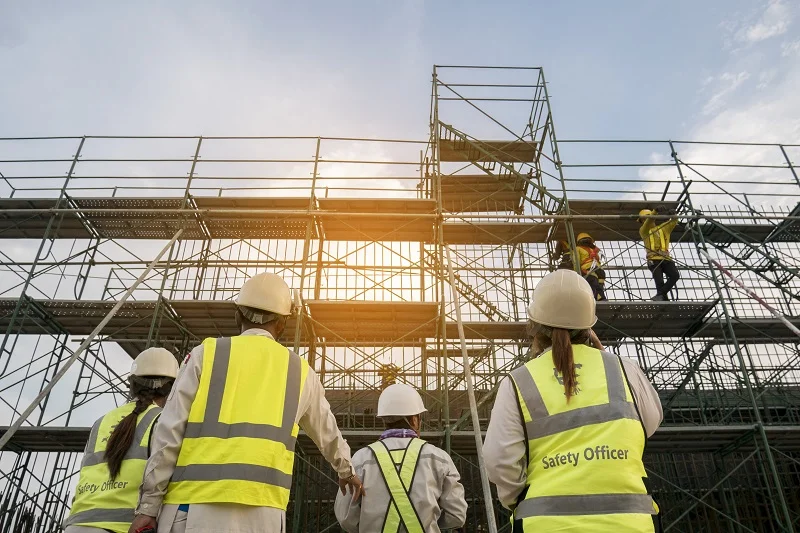
Safety awareness is one of the most important factors in reducing workplace injuries. There are approximately three million workplace injuries, every year. This amounts to roughly 8,000 injuries per day, 350 per hour, or 6 injuries per minute. Many of these injuries are preventable. Unsafe behaviors or decisions are usually the most common contributing factors. If employees are unaware of hazards or not motivated to follow safety protocol, their behavior will expose them even more.
Promoting safe behavior in the workplace can be one of the most impactful ways of reducing injuries. I encourage business owners to go above and beyond the required controls and measures such as engineering, administrative, and personal protective equipment (PPE) and promote safe behaviors and a safe work environment. Below are examples of ways ownership and management can promote safe behaviors.
Conduct frequent safety meetings with employees and encourage participation. Discuss previous injuries or near misses with your employees to identify the root cause and any corrective actions that are necessary. Be aware that not all corrective actions are readily accepted by employees, especially those seasoned employees that are set in their ways. It is important to listen to their concerns, analyze and modify the procedure or task so that the employee will buy into the changes and not be tempted to break the rules and work unsafely.
Give recognition to employees who are performing tasks safely and demonstrate proper behaviors. A little bit of recognition amongst your peers can be extremely influential and can further promote safety in the workplace.
Involve the employees in identifying and correcting hazards in the workplace. This can promote self-worth in an employee. Your employees are your eyes and ears in the field and they may identify an overlooked workplace hazard. It is especially impactful when the corrective action was a hazard they identified on their own.
Perform safety observations to encourage safe behaviors. While supervisory observations are important, business owners should also consider peer to peer safety observations. By collaborating with employees and involving them in the safety program, it will help them buy into any changes that are necessary further promoting workplace safety.
Having ownership and management consistently express their concerns for their employees well-being and safety is another way to promote safe behaviors. As a business owner, communicating to your employees that your main concern is their safety can drastically change the culture of a business. Reminding your employees that you want them to go home safely each day, goes a long way.
Promoting safe behaviors in the workplace starts with ownership and management, but is executed daily by the workforce. Providing sound policies and procedures relating to safety, along with a strong collaboration between ownership, management, and staff can drastically improve safety in the workplace and promote a safety culture.
Rancho Mesa Insurance Services, Inc. is a strong advocate for workplace safety. We like to take a risk management approach with our clients and prospects to develop a program that fits their needs. Please feel free to reach out to me, Jeremy Hoolihan, at (619) 937-0174 to see how Rancho Mesa can improve your risk profile.
Protecting Employees from Third Party Harassment
Author, Chase Hixson, Account Executive, Human Services Group, Rancho Mesa Insurance Services, Inc.
The recent changes to California’s Anti-Harassment Training Requirements have prompted employers to take a closer look at their internal operations and how they can eliminate harassment from the workplace. A question that is frequently asked is “What happens if the harassment comes from someone other than one of my employees?” This is known as Third Party Harassment.

The recent changes to California’s Anti-Harassment Training Requirements have prompted employers to take a closer look at their internal operations and how they can eliminate harassment from the workplace. A question that is frequently asked is “What happens if the harassment comes from someone other than one of my employees?” This is known as Third Party Harassment.
Third Party Harassment is when someone outside the organization harasses an employee. With a heavy focus on home care/home health care, third party harassment can arise between a nurse and an elderly client. In some cases, advances are made towards a nurse - further compounded in some cases by dementia or Alzheimer’s. Restaurants and bars are another common place where this type of harassment can occur when a patron or supplier harasses an employee. However, this type of harassment can occur in any industry where employees interact with people outside the organization. Several questions arise in these instances: As the employer, am I liable for third party harassment? What can I do to address this? Can I insure against this type of harassment?
Is the employer liable for Third Party harassment claims?
The short answer is yes. An employer is responsible for creating and maintaining a harassment-free workplace for their employees. Failure to act on a third part harassment claim is not an option.
What can an employer do to address a potential situation?
If you become aware of an alleged act of harassment, act quickly. Engage the employee with sympathy. Not only will this show them that you care, but you need their input if you are going to maintain a safe work environment. Implement corrective actions immediately and ensure the employee will not be adversely affected. Investigate the incident through interviewing and evidence collection. Document all that was discovered and determine who is involved and what occurred. Depending on the seriousness of the incident(s), legal action may be necessary. In many cases, simply removing the employee from the situation and have a conversation with the alleged harasser is all it takes. For example, with the employee’s input, you may switch their schedule to work with a different client. If your employee is a sales representative, you might try switching accounts with another employee so they no longer need to work together.
If the harassment continues or is severe, you may need to stop doing business with the alleged harasser. While this might be difficult to do, the long term effects on employee morale and decreased likelihood of a harassment suit are worth it.
Does insurance cover these suits?
An Employment Practices Liability Insurance (EPLI) policy can cover against such claims, but only if it specifically includes “Third Party” in the wording. Some EPLI policies exclude or limit coverage. It is important when working with a broker that you clarify the coverage so you aware of what you are buying.
Rancho Mesa Insurance clients have access to free online supervisor and employee Anti-Harassment training designed to educate the entire organization on the types of harassment, remedies, and the organization’s responsibilities.
If you have any questions, or any questions regarding California’s New Anti-Harassment Laws, please contact Rancho Mesa Insurance Services, Inc. at (619) 937-0164.