

Industry News

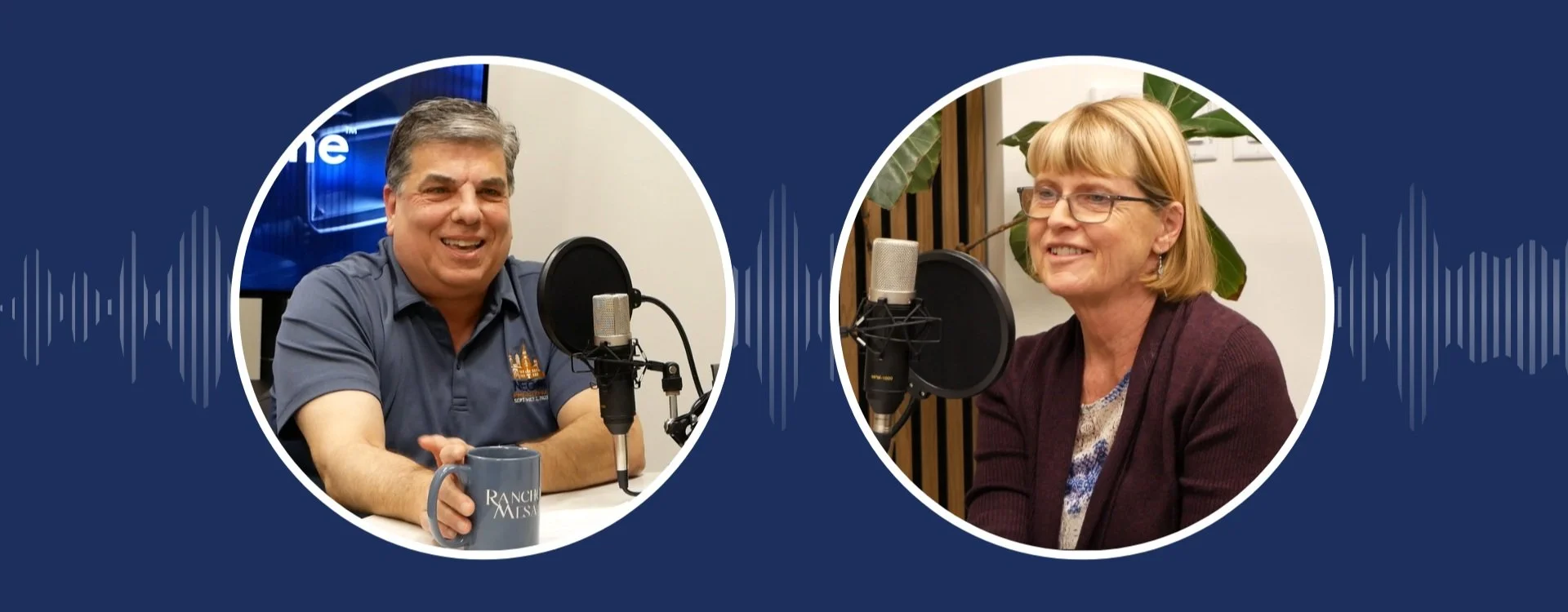
Getting to Know Our Trade Associations – Meet Andy Berg, Executive Director of NECA San Diego
Author, Anne Wright, Surety Relationship Executive, Rancho Mesa Insurance Services, Inc.
As we have shared with our clients and viewers in the past, Rancho Mesa finds a tremendous amount of value in memberships of various trade associations. Becoming involved in these associations by attending events, and participating in committees, ultimately at board level, has allowed for a deeper understanding of the construction industry that we bond. I have found value in following legislation changes that affects the industry, as well as learning about the issues and processes available for contractors to run safer jobs, be more competitive in the industry, and manage contracts and financial reporting. It has made me better at what I do as a surety agent.
Author, Anne Wright, Surety Relationship Executive, Rancho Mesa Insurance Services, Inc.
As we have shared with our clients and viewers in the past, Rancho Mesa finds a tremendous amount of value in memberships of various trade associations. Becoming involved in these associations by attending events, and participating in committees, ultimately at board level, has allowed for a deeper understanding of the construction industry that we bond. I have found value in following legislation changes that affects the industry, as well as learning about the issues and processes available for contractors to run safer jobs, be more competitive in the industry, and manage contracts and financial reporting. It has made me better at what I do as a surety agent.
Over the years, I’ve had the pleasure of developing a great relationship with Andy Berg, Executive Director of the National Electrical Contractors Association (NECA) San Diego. This past year, Rancho Mesa was honored to be the recipient of NECA’s Affiliate of the Year Award.
NECA represents the union electrical construction industry, locally and nationally, and is a strong voice for its members on matters on advocacy, education, training, and a vibrant labor force. Andy joined the staff of NECA San Diego in 2002 as the Director of Local Government Relations & Economic Development, and earned his position of Executive Director in 2007.
I had the pleasure of getting to know Andy many years ago when I was involved on the San Diego American Subcontractors Association (ASA) board. NECA was a member of ASA, and Andy joined us on the government relations committee, meeting with local public agency policy makers. I learned most of what I know about communicating with public agencies from Andy, both construction and surety related. He has been a wonderful mentor to me over the years. Collaboration with other groups in the industry is important for the greater whole, and NECA has proven that they are all about advancing their industry, in this regard.
When I speak about the value of association memberships in guiding and forming our careers in the greater construction industry, this relationship with Andy will always be at the top of my list regarding the benefits of forging meaningful connections.
Listen below for the full podcast interview with Andy where he discusses his successful history and issues facing contractors today.
Performance Bonds for Private Equity Contractors
Author, Matt Gaynor, Director of Surety, Rancho Mesa Insurance Services, Inc.
We have entertained several recent submissions from our construction division prospects looking for bonding support of their companies that are majority owned by a private equity firm. The traditional surety market will push back on private equity submissions pointing out the goodwill and large amount of debt listed on the balance sheet. Throw in the limited indemnity package offered in support of the bond program and we have created a perfect storm for the account to be declined without any actual underwriting taking place. But there is hope!
Author, Matt Gaynor, Director of Surety, Rancho Mesa Insurance Services, Inc.

We have entertained several recent submissions from our construction division prospects looking for bonding support of their companies that are majority owned by a private equity firm. The traditional surety market will push back on private equity submissions pointing out the goodwill and large amount of debt listed on the balance sheet. Throw in the limited indemnity package offered in support of the bond program and we have created a perfect storm for the account to be declined without any actual underwriting taking place. But there is hope!
Let’s first take a step back. For our standard construction bond program, we preach the retention of capital and net profit as the best way to increase your bonding facility. The bond company will also look to company and personal indemnity to ensure they are protected in the event of a bond claim. This is in deep contrast to the private equity arena where the payment of monthly interest on debt and write-off of goodwill often translates into a net loss on the income statement translating into reduced net worth. Also, no personal indemnity is afforded to support the bond program. In fact, only limited indemnity from the principal is available.
Fortunately, a number of large commercial surety carriers are willing to look beyond the net worth underwriting roadblocks and concentrate more on cash flow, available bank credit, and other working capital items to consider a bonding program.
By providing quarterly financial updates, work in progress schedules exhibiting strong gross profit margins, and generating advance discussions of potential acquisitions, the broker and client can get out ahead of potential underwriting distractions.
If you would like more information or want to discuss what is needed in support of a bond program for your private equity owned company, please contact me at (619) 937-0165 or mgaynor@ranchomesa.com.
Unlocking Working Capital in Construction: Options for Reducing or Releasing Retention
Author, Andy Roberts, Surety Account Executive, Rancho Mesa Insurance Services, Inc.
Retention is a very common practice within the construction industry that typically involves 5-10% of each payment to the subcontractor being withheld until the project has been completed. The purpose behind this is simple, it is designed to make sure that subcontractors satisfy their contractual agreements before they receive their last payment for the work they have done. While this practice serves a real purpose, it can cause significant issues for subcontractors if the payments are delayed.
Author, Andy Roberts, Surety Account Executive, Rancho Mesa Insurance Services, Inc.

Retention is a very common practice within the construction industry that typically involves 5-10% of each payment to the subcontractor being withheld until the project has been completed. The purpose behind this is simple, it is designed to make sure that subcontractors satisfy their contractual agreements before they receive their last payment for the work they have done. While this practice serves a real purpose, it can cause significant issues for subcontractors if the payments are delayed.
Regardless of the reasons why a retention payment could be delayed, whether it be overall project completion delays or if there are issues with the work performed, the delay in payment can cause significant cash flow issues. For subcontractors that do a lot of bonded work, cash flow issues will have a direct impact on their working capital which can have a negative impact on their bonding program. However, there are some strategies that subcontractors can employ to get their payments released sooner, like negotiating the terms of the retention release in the contract.
Prior to signing the contract, it is important that a subcontractor review and attempt to negotiate any unfavorable retention release terms. One option is negotiating a 10% retention down to 5% in the contract. Should that not be achievable, subcontractors can provide performance and payment bonds which might convince the project owner and/or general contractor to lower the retention amount or release the retention sooner.
Performance and payment bonds protect the project owner and the general contractor in case the subcontractor fails to fulfill their contractual obligations, which is the main reason that retention is being withheld. Therefore, the presence of bonds on the project may allow a subcontractor to negotiate terms that are more favorable to them, potentially lowering the percentage withheld from each payment, or even getting it released at earlier points within the project.
While retention remains a standard practice within the construction industry, it can cause significant issues for a subcontractor should those payments be delayed. So, negotiating these terms in all contracts is vital while also using the ability to provide bonds on the project as a solution to getting more favorable terms.
Should you have any questions about this or you are having issues with retention being withheld, reach out to me at aroberts@ranchomesa.com or 619-937-0166.
Anne Wright Explores Philadelphia Surety with Mike Hall
Rancho Mesa’s Surety Relationship Executive Anne Wright sat down with Mike Hall, Vice President of Surety for Philadelphia Insurance Company to explore what makes Philadelphia Surety unique and the programs they offer businesses placed with them.

Rancho Mesa’s Surety Relationship Executive Anne Wright sat down with Mike Hall, Vice President of Surety for Philadelphia Insurance Company to explore what makes Philadelphia Surety unique and the programs they offer businesses placed with them.
Transcript
Anne Wright: Welcome. This is Anna Wright, Surety Account Executive here with Rancho Mesa Insurance and we’re going to talk a little bit about how we place business with our surety companies. We have a lot of options. Our clients rely on us to obviously be the professionals they expect handling their business, but also making sure we get the right surety relationship that's going to serve them best with all the terms, conditions and long term relationship.
So I have Mike Hall here with me today. Mike, you want to do a quick introduction?
Mike Hall: Sure. Hi, my name is Mike Hall with Philadelphia Insurance, Vice president and I run the Western region, which includes the northwest, Northern California, Southern California and Hawaii. I’ve been doing surety for 29 years, and Anne and I have known each other for, I would say, probably 27 years of that. So we've been doing business a long time and I'm happy to be here.
AW: Well, thank you for being here. We appreciate it. So when we are looking at placing a piece of business with a surety, you know, we're looking at the type of contractor developer, the type of work they do, the job sizes they need, who they do work for, and then the various underwriting information that they have that's available. So again, we have lots of choices in lots of markets, but we found Philadelphia to be a very strong market for some of our best clients, for many years. I think Philly's been around for 11 years.
MH: Philly Surety has been around for just over 12 and a half years. And then Philadelphia Insurance itself has been around for 60 plus years.
AW: Okay. So they brought in some great talent with Mike and some of his peers to run the surety division. It's been very successful. So we found it a very good market for a lot of our accounts. With regard to Philly, what we find sets you apart from some other sureties, again, the relationships. It's very important that we have the personal relationships with the underwriter. So when you say we've been working together and known each other for 27 years, that matters, obviously. What do you think sets Philly apart from some of your competitors?
MH: I would say one thing that sets us apart is we're A++ 15 ranked by AM Best. That's the highest ranking you can get. There are other sureties, but there's only a handful of them that get that ranking. I think we provide good service and a consistent underwriting approach. So the broker in the account knows exactly what to expect as we're going through the underwriting process.
AW: Yeah, it's an excellent point. Something we have to take into consideration with a lot of public agencies and general contractors, the AM Best rating is an important tool that they use to determine what's acceptable as a surety company. So there's a lot of A- surety companies out there right now, which is still an A, and it's still you know, it's not a big negative. But to be able to say you've got that A++ 15 rating is definitely huge for you all.
MH: It definitely comes into play on the commercial side of the house when they're looking at large appeal bonds or bonds of that nature.
AW: Gotcha. Okay. Yeah, well, you know, some of the smaller to midsize accounts, though, you know you write those, too. So I would typically think that the very large general contractors or developers are going to need that A++ 15 rating. But it's nice to know that Philly is available for some of other accounts that we've been able to place with you along the way. So it's not just meant for mega companies.
MH: Exactly.
AW: And you also have a small contract program. You are one of the early entrants, I think, into the, what we call, the Express program.
MH: Yes, we have on the contract side, we have it's called just Contract Express, and it's for programs of job sizes, $500,000 single up to $1,000,000 aggregate programs. We can go a little bit larger in that area, but that's just kind of typically where they, where they operate. And then on the commercial side, we have Commercial Express, which handles those small statutory bonds.
The agent or even the account itself can go online and purchase a bond there, prints it out, prints out the bond form for you and you ready to go.
AW: Very efficient.
MH: Yeah, it's very efficient. And then standard contract, we go up to programs of $300 million. There's other competitors of ours out there that do substantially more than that but-
AW: It fits your needs.
MH: Yep.
AW: So, very good. We look at claims handling as being an important part of the surety relationship as well. We, obviously we all underwrite to avoid claims. We underwrite to a zero loss ratio, but claims happen. So do you have anything you can share about your claims people and how well they work to resolve issues?
MH: Yeah, our claims department is great and in addition to just the normal claims handler, we have one local here in Southern California, but we also have an engineer on staff. So if you had a situation where there's maybe a big bid spread and our account was confident in their number, we could have the engineer talk with the account, go through the project, walk through it, get a better understanding, and then they'll just provide that additional feedback to the underwriting team.
And then we make the final decision on whether we write the final bond or not. We also have accountants on staff, so if the account is in difficult situation, we can send the accountant in and go through the books and records, get a better assessment of kind of what's going on. You know, that makes sense to finance the account through the project, or is it better to take, you know, some other approach to resolving the claims situation.
AW: Sure. So value added services that exactly through the project.
MH: Exactly, and we also offer up early on in the underwriting process, we have the ability to take collateral. We can also use funds control to maybe get over some hurdles in the underwriting process.
AW: All right. So again, all the tools, that's wonderful. Well, I know there was a recent newsletter that came out from Philly and they talked about selecting the right relationship and they mentioned reputation, size and service. And again, that's what our clients look for in us, and that's what we look for in our sureties, and Philly certainly fits the bill when it comes to reputation and size of the company and service to us as the agents and then our clients to get them on their way and grow the relationship and grow their business. And again, the value that you bring has been a great experience in my career with you. So, thank you for that.
MH: Likewise.
AW: So as a broker, we're going to find any way, any reasonable way, to get the bond done. If we can do it with Philly, we're going to do it with Philly. Mike is one of our go-to’s and we appreciate you being here today in StudioOne™.
MH: Thank you for having me.
AW: You're welcome. If anyone has any questions, you can contact me awright@ranchomesa.com.
Thank you.
MH: Thank you.
Need a License, Permit, or Court Bond? Rancho Mesa Can Help
Author, Matt Gaynor, Director of Surety, Rancho Mesa Insurance Services, Inc.
During our recent budget discussions for the 2024 fiscal year, the Rancho Mesa Surety Department looked at a breakdown of the bonds we wrote in 2023. As expected, 90% of our bond revenue was represented by the typical performance and payment bonds, subdivision bonds, bid bonds, bond riders, and consents of surety for our construction clients.
Author, Matt Gaynor, Director of Surety, Rancho Mesa Insurance Services, Inc.

During our recent budget discussions for the 2024 fiscal year, the Rancho Mesa Surety Department looked at a breakdown of the bonds we wrote in 2023. As expected, 90% of our bond revenue was represented by the typical performance and payment bonds, subdivision bonds, bid bonds, bond riders, and consents of surety for our construction clients.
One area that surprised us was the volume of bonds classified as “non-contract” that we provide for both our construction and human resource clients. While these type of bonds are small in size (bond amounts are usually $25,000 or below) they make up a large volume of bonds since many of our accounts require at least one or two of these. Below I have identified four categories of non-contract bonds and several examples:
Court and Fiduciary: Plaintiff bonds include attachment, replevin, mechanic’s lien, and garnishment. While defendant bonds include appeal, supersedes, release of lien, and temporary restraining order bonds. We also placed various probate bonds to cover executors, administrators, guardians, and conservators.
License and Permit: Businesses and professionals may need mortgage brokers bonds, CA contractor license bonds, sales and use tax bonds, alcohol bonds, and compliance bonds.
Federal Official and U.S. Government: There are several types of bonds including public official bonds, U.S. customs bonds, and notary public bonds for those doing business with or for government entities.
Miscellaneous: Additional miscellaneous bonds could include financial guarantee bonds, utility deposit bonds, insurance program bonds, and lost securities bonds.
With over 1,000 types of bonds classified as “non-contract,” it can be overwhelming to determine which category of bond might fit a certain circumstance. That is where a Rancho Mesa bond agent brings value to provide direction and assist in placing the correct form of coverage.
If you would like more information on various miscellaneous bonds that you might encounter, please contact me at 619-937-0165 or mgaynor@ranchomesa.com.
Strategies for General Contractors to Minimize Liability
Author, Lauren Stumpf, Marketing & Media Communications Specialist, Rancho Mesa Insurance Services, Inc.
In Episode 355 of Rancho Mesa’s StudioOne™ podcast, host Andy Roberts, an Account Executive in the Surety Group at Rancho Mesa, is joined by Ted Lee, a Contract Bond Underwriter at Liberty Mutual Surety, to discuss strategies for general contractors to limit their liability when working with subcontractors. Ted shares his background and experience in the surety industry before delving into the main topic.
Author, Lauren Stumpf, Marketing & Media Communications Specialist, Rancho Mesa Insurance Services, Inc.

In Episode 355 of Rancho Mesa’s StudioOne™ podcast, host Andy Roberts, an Account Executive in the Surety Group at Rancho Mesa, is joined by Ted Lee, a Contract Bond Underwriter at Liberty Mutual Surety, to discuss strategies for general contractors to limit their liability when working with subcontractors. Ted shares his background and experience in the surety industry before delving into the main topic.
They explore two key strategies that general contractors can use to mitigate liability:
Subcontractor Prequalification: Ted emphasizes the importance of how general contractors select their subcontractors. If they choose based solely on the lowest bid, there may be risks associated with subpar quality. To mitigate this risk, it's suggested that general contractors require a prequalification letter from the subcontractor's surety. This helps ensure that the subcontractor is bondable, providing added assurance to the general contractor.
Performance and Payment Bonds: Requiring performance and payment bonds from subcontractors offers immediate protection to general contractors. Performance bonds protect against subcontractor default, while payment bonds guard against potential liens from lower-tier subcontractors and suppliers. These bonds could also enhance a general contractor's bonding program, potentially allowing for higher bonding limits and more favorable terms.
The conversation highlights the role of the general contractor's surety in evaluating the prequalification process and bond requirements. Ted explains that this evaluation helps the surety understand and support the general contractor's risk mitigation efforts.
They also mention that some general contractors may have automatic bond requirements for certain project sizes, but for those who don't, bond companies may step in and require subcontractor bonds when needed.
In conclusion, the podcast episode provides valuable insights for general contractors looking to limit their liability and manage risk by implementing subcontractor prequalification processes and requiring performance and payment bonds. Andy and Lee also recommend seeking assistance from insurance agents with expertise in surety bonding to navigate these processes effectively.
Listen to Episode 355 below, or on your favorite podcast listening app.
Are Bonded Projects Really Better Performers than Non-Bonded Projects?
Author, Anne Wright, Surety Relationship Executive, Rancho Mesa Insurance Services, Inc.
The goal of the surety, in any relationship, is to ensure that the bonded job is completed successfully, is profitable for their client, and is without claims.
Author, Anne Wright, Surety Relationship Executive, Rancho Mesa Insurance Services, Inc.
The goal of the surety, in any relationship, is to ensure that the bonded job is completed successfully, is profitable for their client, and is without claims.
In their attempt to understand the risk versus reward of a given bonded project, the surety can add some value by reviewing certain aspects of a particular request.
To that end, the surety considers each request for a bond on its own merits. If the bond is for a routine project (based on the contractor’s history and track record), then it will likely be a pretty routine process for issuing the bond based on the contractor’s past performance, history, etc. However, something out of the wheelhouse for a given contractor might find the surety contemplating certain details about the request. They may ask more about the type of project and past experience on similar jobs and resources needed. The surety may want to know if this project has an adequate schedule, the profit and related costs of the job, information about the owner requesting the bond, bond forms, and the contract. In reviewing the contract, the surety is not just looking at the general form of the contract, but also various provisions like payment and retention terms, liquidated damages, schedules, etc. And, you might find your surety agent asks what you like about the job or what challenges you see in the job if it is outside of your normal scope and size. Every now and then, a client comments that they appreciate these discussions – and the extra set of eyes to make sure key factors in the job, bid, or contract were not missed.
Many sureties can also provide some input relating to contract review, especially if a client is working for a new project owner, or a general contractor who has a reputation for being tough.
And, if your work is for a private owner, the surety will typically want to confirm that there are construction funds earmarked to make sure the contractor gets paid. That information should be available in generalities in the preliminary notice information, but having the surety asking to confirm specifically that their contractor’s money is available to pay for their line items (and any contingency) can be a real benefit.
Also, keep in mind that the contractor (the business owner) typically has their personal indemnity on the line if things go wrong and the surety has to respond to a claim – one might presume that the contractor is paying extra attention to a bonded job where there is more on the line.
So, at the end of the day, the services provided by underwriting the bond request can add that extra value in making sure there is no loss. The extra attention may also result in a more successful project. And, the job should be a good performer.
Don’t just take my word for it. Overall, the industry agrees that unbonded projects have a higher likelihood to default, or have more significant problems. The case can certainly be made that with the partnership and value of the surety team supporting a contractor in their efforts to have a successful job, more attention is paid to those critical components to ensure that this is the case.
An article by Vicki Speed, “A Study in Surety Effectiveness, Reassessing Exposures,” published in the July 10/17, 2023 issue of ENR Magazine confirmed the value of surety bonding. According to a survey of owners and developers cited in the article, “bonded projects are more likely to be completed on time or ahead of schedule.”
Remember, the surety is not here to tell you how to run your business or your projects. Only to support your success. It should be seen as a valued partnership that is beneficial to the owners who require the bonds.
For more information about bonding jobs, contact me at (619)486-6570 or awright@ranchomesa.com.
Unraveling Residential Exclusions: Navigating General Liability in Construction
Author, Lauren Stumpf, Marketing & Media Communications Specialist, Rancho Mesa Insurance Services, Inc.
In Episode 339 of Rancho Mesa’s StudioOne™ podcast, Vice President of the Construction Group Sam Clayton interviews Executive Vice President Daniel Frazee as they discuss the importance of Residential Exclusions in General Liability (GL) Policies for companies in the construction industry.
Author, Lauren Stumpf, Marketing & Media Communications Specialist, Rancho Mesa Insurance Services, Inc.
In Episode 339 of Rancho Mesa’s StudioOne™ podcast, Vice President of the Construction Group Sam Clayton interviews Executive Vice President Daniel Frazee as they discuss the importance of Residential Exclusions in General Liability (GL) Policies for companies in the construction industry.
Sam and Daniel highlight how these exclusions impact coverage for various types of residential work within the construction industry, such as single-family homes, apartments, and more. Daniel emphasizes the need for construction firms to be specific about the type and location of their residential work, as different carriers have varying interpretations of residential exclusions. He also touches on Wrap/OCIP policies, which can provide broader coverage for subcontractors working on residential projects.
The episode highlights the significance of understanding existing residential exclusions for Rancho Mesa construction clients and suggests considering a policy audit to ensure proper coverage.
Overall, the podcast provides valuable insights into navigating residential exclusions and their implications for construction businesses, urging listeners to proactively manage their insurance coverage.
Episode 339 can be listened to below, or on your favorite listening platform. If you would like more information, please contact Daniel Frazee at dfrazee@ranchomesa.com, or Sam Clayton at sclayton@ranchomesa.com.
Risk Tamed and Rewards Claimed: Requiring Subcontractor Bonds
Author, Matt Gaynor, Director of Surety, Rancho Mesa Insurance Services, Inc.
We often receive questions from our contractor clients regarding if/when they should require a subcontractor to provide the protection of a performance & payment bond for a project. Although the premium charged for the bond will add cost to the project – on many occasions the benefit of the bond will far outweigh the cost.
Author, Matt Gaynor, Director of Surety, Rancho Mesa Insurance Services, Inc.

We often receive questions from our contractor clients regarding if/when they should require a subcontractor to provide the protection of a performance & payment bond for a project. Although the premium charged for the bond will add cost to the project – on many occasions the benefit of the bond will far outweigh the cost. Here are several benefits that might assist in your decision:
The subcontractor would have gone through a prequalification process of the surety. The surety will evaluate the subcontractor’s financial strength, experience, and ability to perform the work. This can be extremely valuable if you have never worked with this subcontractor on past projects.
Provides protection that the subcontractor will pay their suppliers and lower tier subcontractors. The payment bond transfers the risk of these payments to the subcontractor’s surety.
If the subcontractor has a critical role in the overall completion of the project or a special expertise - the bond can protect against additional costs or delays due to a default.
Your bond company may require you to obtain subcontractor bonds when a trade exceeds a certain parameter (for example: $500,000) as a condition of the program they provide.
We recently supported a contractor client on a project that was two times larger than any project they had completed in the past. The decision to bond back the three largest subcontractors made the bond company comfortable enough with this transfer of risk to support the project.
We have other clients that have suffered subcontractor losses in the past and now require subcontractor bonds on all their projects.
If you would like more information on the bonding of subcontractors, please contact me at 619-937-0165 or mgaynor@ranchomesa.com.
Taking the Mystery out of Bonding for Public Works Projects
Author, Andy Roberts, Account Executive, Rancho Mesa Insurance Services, Inc.
Obtaining bonding for public works projects can be a complex process but understanding what bonds are, why they are required, and what information the bond company needs can take a lot of the mystery out of the process and make it seem a lot less daunting.
Author, Andy Roberts, Account Executive, Rancho Mesa Insurance Services, Inc.

Obtaining bonding for public works projects can be a complex process but understanding what bonds are, why they are required, and what information the bond company needs can take a lot of the mystery out of the process and make it seem a lot less daunting.
Bonds are a financial instrument which provide a guarantee, provided by the bond company, to the project owner (Obligee) that the contractor (Principal) will fulfill their obligations per the terms and conditions of the contract that has been awarded to them. We most often see bonds on public works projects as they are required by law but we also see general contractors and lenders require bonds in some instances. Specifically looking at public works projects, there are laws in place requiring bonds on these projects because they are funded by tax payer dollars, making it important to mitigate the financial risks associated with these projects and protect those funds. With this basic understanding of what bonds are and why they are required, how then do contractors go about getting bonded?
Depending on the size of the project that requires a contractor to get a bond, there are a few different options. Many surety companies offer bond programs solely based on the credit of the owners, and so long as personal credit is good, the surety will offer support. The limit for these types of programs are typically maxed out at $750,000 per project and aggregate depending on the bond company. In order to go above these limits, more financial information must be obtained: contractor questionnaire, three years of company financials (balance sheet & income statements), personal financial statements from all owners, and bank statements verifying the cash amounts listed on company and personal financial statements. After reviewing all of the provided information, the bond company and surety broker can determine the contractor’s eligibility for the appropriate size bond program.
Having the ability to secure bonds can provide additional revenue sources to help a contractor grow their business. This makes it important for contractors to seek out an experienced bond agent that can not only guide them through the process but also educate them so that the process is not overwhelming.
If you have any questions or would like to start putting your own bonding program in place, I can be reached at aroberts@ranchomesa.com or 619-937-0166.
Contract Provisions to Review for Successful Projects
Author, Anne Wright, Surety Relationship Executive, Rancho Mesa Insurance Services, Inc.
Contracts are not always the most fun to read, but certainly important for all of us in the construction industry.
Author, Anne Wright, Surety Relationship Executive, Rancho Mesa Insurance Services, Inc.

Contracts are not always the most fun to read, but are certainly important for all of us in the construction industry.
As a subcontractor, you are bound to the contract once you have signed it whether you understand everything that is in it or not.
Let’s consider a few key provisions in a construction project agreement that can impact your bottom line more than others. With a goal of mitigating certain impacts along the way, addressing these items prior to signing your contract should be considered as a best practice in the industry, and, we hope, support your success.
Contracts are often tedious to read, to say the least. Any business owner can proceed at their own risk, of course. But, we want to share a few things for you to consider that might offer some support and protection.
Delays
What does the contract say? What is a reasonable penalty? Business owners should always confirm just what types of delay clauses they could be responsible for (e.g., liquidated and consequential come to mind), and since there are most always liquidated damages that could be charged to you for delay of a project, make sure your contract is clear about what those are.
As a subcontractor, you are bound to the terms and conditions of the prime contract between the owner (whether a public agency or private entity) and your general contractor. These can be referred to as “flow down” provisions when it comes to things like damages, warranty, etc.
Best Practice: Always ask for a copy of the prime contract if you are a subcontractor. Make sure you read that, too, for anything that could impact you.
Mobilization
What can you bill for, and when?
Sequencing of Scope of Work
What happens when another trade interferes with your work? What are your rights and responsibilities of putting your client on notice when you have these impacts? Can you be compensated for any additional costs relating to these impacts?
Material Cost Escalations (and lead times)
Does your contract allow for cost escalations? How do supply chain issues affect you and how can you mitigate some of that exposure?
Change Orders
What can you reasonably expect to achieve to cover OH&P?
The best practice for change orders is documentation from day one and early communication to your client. When everyone bunches up at the end of the job with a ton of change orders, the owner may have less of a pool of funds to draw from (for contingencies, etc.) than they may have at earlier stages of the project.
It’s important to know that the surety companies and underwriters are contract savvy as well and we do our best to understand what the obligations are within the contracts. You should expect some questions about some of these contract provisions which, at the end of the day, are intended to make sure you are best protected along the job’s progression.
There just may be something about the surety’s relationship with their principal and communication about these contracts which results in bonded jobs being more successful than non-bonded jobs. But, that’s a topic for another article and podcast!
A Deeper Dive Into Professional Liability
Author, Lauren Stumpf, Marketing & Media Communications Specialist, Rancho Mesa Insurance Services, Inc.
In Episode 315 of Rancho Mesa’s StudioOne™ podcast, Executive Vice President Daniel Frazee and Vice President of the Construction Group Sam Clayton discuss pollution liability, and why virtually all general liability policies exclude this coverage.
Author, Lauren Stumpf, Marketing & Media Communications Specialist, Rancho Mesa Insurance Services, Inc.
In Episode 319 of Rancho Mesa’s StudioOne™ podcast, Vice President of the Construction Group Sam Clayton interviews Executive Vice President Daniel Frazee as they continue their conversation on general liability policies and move deeper into a key exclusion that is often seen as they negotiate terms and conditions on behalf of their clients and prospective clients.
During the episode, Frazee explains what professional liability is and why it is excluded on general liability policies. He gives a summary of what types of contractors typically have professional liability exposure and reasons for why they may have it. Frazee also describes specific options contractors can look at when it comes to securing stand-alone policies.
Episode 319 can be listened to below, or on your favorite listening platform. If you would like more information, please contact Daniel Frazee at dfrazee@ranchomesa.com, or Sam Clayton at sclayton@ranchomesa.com.
A Brief Discussion on Pollution Liability
Author, Lauren Stumpf, Marketing & Media Communications Specialist, Rancho Mesa Insurance Services, Inc.
In Episode 315 of Rancho Mesa’s StudioOne™ podcast, Executive Vice President Daniel Frazee and Vice President of the Construction Group Sam Clayton discuss pollution liability, and why virtually all general liability policies exclude this coverage.
Author, Lauren Stumpf, Marketing & Media Communications Specialist, Rancho Mesa Insurance Services, Inc.

In Episode 315 of Rancho Mesa’s StudioOne™ podcast, Executive Vice President Daniel Frazee and Vice President of the Construction Group Sam Clayton discuss pollution liability, and why virtually all general liability policies exclude this coverage.
Frazee and Clayton talk about general liability policies and delve deeper into some key exclusions they often see as they negotiate terms and conditions with underwriters.
Clayton also explains the specific options contractors can look at when it comes to securing stand-alone policies.
Please listen to the full episode below, or on your favorite listening platform. If you would like more information, please contact Daniel Frazee at dfrazee@ranchomesa.com, or Sam Clayton at sclayton@ranchomesa.com.
Contractor Strategic Planning with Kevin Brown of RBTK, LLP
Author, Matt Gaynor, Director of Surety, Rancho Mesa Insurance Services, Inc.
In my recent StudioOne™ podcast episode with Kevin Brown, Of Counsel with the CPA Firm RBTK, LLP, we discuss the anatomy and considerations that go into strategic planning for your business.
Author, Matt Gaynor, Director of Surety, Rancho Mesa Insurance Services, Inc.

In my recent StudioOne™ podcast episode with Kevin Brown, Of Counsel with the CPA Firm RBTK, LLP, we discuss the anatomy and considerations that go into strategic planning for your business.
The podcast addresses questions, such as:
What do you want your business to accomplish?
What steps will help my company achieve its goal(s)?
The episode includes a discussion of the importance of developing a succession plan.
If you would like more information on Episode 309, please contact Kevin Brown at kbrown@rbtk-cpa.com.
Matching Contractors with the Right Bond Company
Author, Andy Roberts, Account Executive, Rancho Mesa Insurance Services, Inc.
Like any great match-maker, a surety bond agent needs to fully understand both parties in order to match the contractor with the right bond company.
Author, Andy Roberts, Account Executive, Rancho Mesa Insurance Services, Inc.

Like any great match-maker, a surety bond agent needs to fully understand both parties in order to match the contractor with the right bond company.
In a previous article, we explored key factors that a contractor should consider when hiring a surety bond agent, highlighting experience, some additional value adds, and agent appointments. Agent appointments are an important factor to consider, because one of the most important roles of a surety bond agent is making sure that their clients are paired with the right surety bond company. In order to do this, an agent needs to have an in-depth understanding of both their client’s business and the bond companies that they work with.
In order to properly match a client with a bond company, it is vital that the agent take the time to really understand the client’s business: review financials, review the business plan, and get a firm handle on what the contractor’s goals are for the company. Doing this will allow the agent to get a thorough understanding of the client’s specific bond needs and will help them narrow down the marketplace to a handful of bond companies that would be the right fit. While it is very important to have a good understanding of the client’s business, it is equally important to have a strong understanding of each bond company’s appetite.
There are more than 100 bond companies out there and they are all a little different. They all have different limitations with regard to the size of bonds they can write. They will have different underwriting standards for when a client is required to start providing CPA-reviewed financials. They have different classes of business that they favor. Some bond companies value personal financials more than others. This list goes on, making it vital that agents have a thorough understanding of their markets, and have good relationships with their underwriters so that clients are placed with a bond company that will be a good partner for them as they look to accomplish their goals.
It is important that an agent have appointments with a variety of highly rated bond companies while also possessing a deep understanding of those markets because contractors need to be able to trust that their agent has them placed with the bond company that is the right fit for their business. Rancho Mesa has long-standing appointments with over 20 highly regarded bond companies, in addition to close working relationships with those underwriters.
As you look to build a successful bond program that can help your construction firm grow profitably, contact me at aroberts@ranchomesa.com or by phone at (619) 937-0166.
Best Practices for Growing Your Surety Program
Author, Anne Wright, Surety Relationship Executive, Rancho Mesa Insurance Services, Inc.
You may know that the surety client/agent/underwriter relationship is different from other lines of insurance.
Whether you are new to the bonding process, or have been doing bonded work for years, there are a handful of important items that can assist with securing the best relationship for your bonding needs. It really boils down to a few key areas: timely information, accurate information, and regular communication.
Author, Anne Wright, Surety Relationship Executive, Rancho Mesa Insurance Services, Inc.

You may know that the surety client/agent/underwriter relationship is different from other lines of insurance.
Whether you are new to the bonding process, or have been doing bonded work for years, there is a handful of important items that can assist with securing the best relationship for your bonding needs. It boils down to a few key areas: timely information, accurate information, and regular communication.
For contractors who only need small or infrequent bonds, communication may be very basic and minimal. For example, if we establish your support with a surety who has an “express program,” these programs are based on clean, personal credit and perhaps some track record of completed projects. So, there may not be a need for as much communication as there would be if an account is in a more “standard” or “preferred” program. We always want to understand and share details on the jobs you are looking to do, and have completed, but there’s generally no need for a personal relationship with the underwriter in these types of programs.
Once you are established with a more standard surety relationship, the timely information the surety expects to receive is key. However, with regular and clear communication, we also hope to add value to the relationship between our clients and the underwriter in support of the contractor’s needs.
Communication about financial information will ensure that proper attention is given to the accurate details that confirm important benchmarks. Questions like: does equity track? is the operation profitable? how is the cash looking? are percentage of completion entries noted and match what’s on the work in progress report (WIP)?
Regular communication will not only include this financial information, but also conversations about the work you have completed and the work you will complete. Be prepared to provide trends from year to year, profitability year-to-date, and specific information on current or completed jobs noted on the WIP (whether certain jobs are bonded or not). All of this information is designed to better understand your operational processes and goals, thus presenting the most complete information to the surety.
Being proactive in this relationship is always our goal. We will do our best to facilitate the information that is needed, and work to share the information that will facilitate the best support for you.
We are your advocate with the surety underwriter – and happy to facilitate these conversations and/or meetings to ensure that your surety needs are adequately addressed and met.
Regular and open communication with your surety agent and underwriter, like any relationship, is a Best Practice that will serve us all well.
To discuss your surety program, contact me at awright@ranchomesa.com or (619) 486-6570.
Take Advantage of Contractor Express Bond Programs
Author, Matt Gaynor, Director of Surety, Rancho Mesa Insurance Services, Inc.
Several years ago, I put together an article on various credit driven surety bond offerings that require a one-page application to qualify for bonding. Quick and simple! At that time, the maximum limits offered by various carriers was $350,000 for a single bond.
Author, Matt Gaynor, Director of Surety, Rancho Mesa Insurance Services, Inc.

Several years ago, I put together an article on various credit driven surety bond offerings that require a one-page application to qualify for bonding. Quick and simple! At that time, the maximum limits offered by various carriers was $350,000 for a single bond.
Last week, I received separate emails from two of our partner surety carriers offering single bond programs of $600,000 and $750,000, respectfully. Again, these quick and easy bond offers are solely based on personal credit scoring. In other words, if the owner of a construction company pays their personal bills, then they most likely will have the ability to qualify for a decent-sized bond.
There is no need for company financial statements to qualify for bonding in these programs. Instead, the contractor completes a “fast” application requesting personal financial information about the owner(s). The bond company will run the personal credit of the owner(s). If the personal credit is decent, the bond will be approved. A response is provided within 24 hours of submission.
The program responds to requests for bid bonds, performance and payment bonds, and letters of bondability. Several carriers provide a “pre-qualification” feature so you can determine if you will qualify for the bond before you bid or negotiate a project that will require a bond. This pre-qualification feature is helpful for owners that are concerned they may have low credit scores.
The standard premium rate for these programs is 3% of the contract amount. Based on the strength of your personal credit, and the type of work you are looking to bond, we have seen this lowered to 2%.
Therefore, if you are considering a project that requires a bond and you are not a big fan of collecting a lot of paperwork for one project – don’t fret. We may have a solution to help you win that job.
If you would like more information on how to qualify for these programs, please contact me at (619)937-0165 or mgaynor@ranchomesa.com.
Managing Your Surety Relationship for 2023 and Beyond
Author, Andy Roberts, Account Executive, Rancho Mesa Insurance Services, Inc.
Over the past two years, there has been a lot of talk about a looming recession. If a recession happens, its severity remains to be seen, but regardless, it is important for contractors to be taking an active approach in building their relationship with their bond company and utilizing the services of a surety specific agent.
Author, Andy Roberts, Account Executive, Rancho Mesa Insurance Services, Inc.

Over the past two years, there has been a lot of talk about a looming recession. If a recession happens, its severity remains to be seen, but regardless, it is important for contractors to be taking an active approach in building their relationship with their bond company and utilizing the services of a surety specific agent.
Surety companies are conservative and err on the side of caution when it comes to providing bonds, which makes it imperative that the contractor build a strong relationship with their management and underwriting teams. Annual meetings should be conducted, as this provides the underwriter valuable insight into the company while also allowing them to build a more personal relationship with the contractor. Additionally, it is important that there is regular communication between all parties throughout the year regarding the contractor’s financials and performance on jobs, as this type of discussion can help build trust between both parties. This may seem pretty standard, but it is not easily accomplished unless a contractor is working with a surety broker that specializes in the bonding industry.
The surety industry is specialized and relationship driven, which makes partnering with the right broker even more critical as the country moves into unprecedented financial times. Effective brokers know each carriers’ appetite; they have relationships with those underwriters and should be able to easily determine which surety will be able to provide a program to match the contractor’s needs. This type of knowledge and experience can greatly benefit a contractor in the event the economy begins to turn and surety markets begin to limit capacity and/or pull back from offering bond programs.
In this most uncertain time, contractors should begin building and, in some cases, re-building their surety relationships. With considerable work lined up in Southern California over the next few years, strengthening these bond programs can allow for maximum capacity and potentially profitable growth.
For any questions about managing your surety relationships or to discuss if we can assist with any bond-related needs, contact me at aroberts@ranchomesa.com or call my direct line at (619) 937-0166.
Utilize Payment Bonds as a Backstop for Getting Paid
Author, Anne Wright, Surety Relationship Executive, Rancho Mesa Insurance Services, Inc.
Contractors may do their work and meet their contractual obligations, but on some jobs it’s harder to get paid than on others. As in any business, your collection activities are key to getting your money. Don’t be afraid to be a squeaky wheel. There are a couple of things I’d like to share as either a reminder, or perhaps an education, that all contractors should know and consider.
Author, Anne Wright, Surety Relationship Executive, Rancho Mesa Insurance Services, Inc.

Contractors may do their work and meet their contractual obligations, but on some jobs it’s harder to get paid than on others. As in any business, your collection activities are key to getting your money. Don’t be afraid to be a squeaky wheel. There are a couple of things I’d like to share as either a reminder, or perhaps an education, that all contractors should know and consider.
Know where your money is coming from. If you are working on a public works job, it is of course coming from the public agency/owner of the job. If you are working on a private job, there are more questions to be asked.
If you are working as a general/prime contractor or a sub-contractor on a private works project, always confirm the financing – always. Make sure you document your job file with information as to where the money is coming from, and specifically cover your scope/line items of work. There may be a construction loan. If so, you will typically obtain that information for your preliminary notice purposes. If not, don’t hesitate to ask for some verification as to where the funds are held. Your surety will commonly pursue the source of the financing, if you are asked to bond the job.
What do you do if you are struggling to collect what you are owed? First and foremost, be aware of what your basic payment protections might be.
Your most likely assurance of payment for undisputed work would be the payment bond. Payment bonds are a primary protection to sub-contractors and suppliers if they are working for a prime contractor who has had to provide their bonds to the owner. There is an investigative process in the event of a claim against the bond, but the surety is there to make sure all valid claims are paid.
Sub-contractors, if you are working for a general contractor, you will want to make sure you get a copy of any payment bond that might be held by the owner for the general contractor’s work.
Suppliers, you may have payment bond protection as well, depending on who you are working for on the job and the type of job (i.e., federal, public or private).
Public works project bonds are required on most public works jobs of $35,000 or more (but can vary by agency) and Federal jobs of $150,000 or more.
Private works project bonds are rarely required of the general contractor, but it is important to ask if they are to document your job file. Otherwise, your best options are the stop notice to the lender and/or mechanic’s lien.
Best practice here is to always ask for a copy of the payment bond from your general contractor. Confirm one has been provided to the owner if you are a sub-contractor or supplier. If you are a lower tier sub-contractor, find out if the sub-contractor you are contracted with had to provide a bond and obtain that for your job file! If you are a supplier, ask about those payment bonds that might protect you as well.
What if a payment bond isn’t in place to cover you? There are various remedies short of litigation that may be available to you. These include mechanic’s lien filings, and/or stop notice to the lender/owner of a project.
Mechanics lien can be used if the job is on private property (needs to be recorded with the county recorder). At the very least, this puts you in a generally secured position on the title of the property when it is sold. It’s not a quick remedy, or even guaranteed payment, depending on other liens already filed ahead of you.
Stop notice may be useful if the project is for private works (filed against the construction lender). This notifies the lender that you are owed money. You will have to file a bond to accompany your stop notice, but when properly filed, it requires that the lender withhold monies until your matter is resolved. Again, there is a process involved here and it’s often not a quick remedy, but it should be considered.
If you are working on a private job and there is no payment bond filed on the project, the stop notice and/or mechanics lien are key.
It's important that you know your lien rights and filing times whether you are working on a public or a private project (the various protections have certain timetables, e.g. after notice of completion, etc. that have to be considered for you to have rights to these various remedies). If you are a member of a trade association, you no doubt have a member who is an attorney. They can provide the current timelines for the various lien rights. We can also offer referrals to construction attorneys who can provide you with the timetables for the purposes of these various filings or related support.
Pursuing these remedies are best practices. It doesn’t hurt to file the preliminary notice on any job when you begin your work. Everyone is entitled to managing their relationships the way they see best for their business, but hopefully some of this information will be helpful.
If you have questions about payment bonds, contact me at (619) 486-6570 or awright@ranchomesa.com.
Five Things to Know Before Your Annual Surety Meeting
Author, Matt Gaynor, Director of Surety, Rancho Mesa Insurance Services, Inc.
November is the month that I meet with our contractor clients to discuss how the current year will end up and begin planning for the next year. We will also touch base regarding the items our surety carrier partners will want to hear about when we schedule our annual meetings (after the December 31, 2022 financial information is available).
Author, Matt Gaynor, Director of Surety, Rancho Mesa Insurance Services, Inc.

November is the month that I meet with our contractor clients to discuss how the current year will end up and begin planning for the next year. We will also touch base regarding the items our surety carrier partners will want to hear about when we schedule our annual meetings (after the December 31, 2022 financial information is available).
Similar to having an open book test, if our contractor knows in advance what will be requested, they can prepare accordingly and anticipate any “red flag” type items that might be of concern for the bond company. Below is a general list:
Items on the balance sheet with an emphasis on cash, accounts receivable, borrowing against the bank line of credit, and equity.
An aging schedule of the accounts receivables will be very helpful to determine what amount is in excess of 90 day collections.
The revenue and net profit or net loss from the income statement to reflect if 2022 was a profitable or losing year. Also, a discussion of any Paycheck Protection Program (PPP) money that was loaned to the contractor and if the entire amount was forgiven in 2022.
They will review the work in progress and completed contract schedules to discuss which projects were successful and others that lost money. Be prepared to provide additional detail on any problems connected with losing projects and steps taken to correct this on future work.
Potential new opportunities you anticipate in 2023. Will any of these projects exceed your current program, contain work outside your normal scope or geographic territory? Be prepared to address how you will manage additional risk that may be a concern to the bond company.
Tax Planning. What additional withdraws do you anticipate to cover taxes, etc.?
If you would like more information on how your bond carrier might analyze your 2022 financial information, please contact me at (619)937-0165 or mgaynor@ranchomesa.com.