

Industry News

Workplace Etiquette Guidelines for New Employees and Those New to the Workforce
Author, Jadyn Brandt, Client Communications Coordinator, Rancho Mesa Insurance Services, Inc.
Starting a new job brings opportunities to learn and grow, but it also can be challenging for new employees to navigate if they are unprepared. Understanding proper office etiquette is key to finding success in the workplace. Office etiquette can include behaviors, communication styles, and social norms that can help maintain a respectful and efficient work environment.
Author, Jadyn Brandt, Client Communications Coordinator, Rancho Mesa Insurance Services, Inc.

Starting a new job brings opportunities to learn and grow, but it also can be challenging for new employees to navigate if they are unprepared. Understanding proper office etiquette is key to finding success in the workplace. Office etiquette can include behaviors, communication styles, and social norms that can help maintain a respectful and efficient work environment.
Every workplace is different. So, to help new employees and those just beginning their careers, here are some essential office etiquette tips every employee should know:
1. Professionalism & Attitude
Be punctual. Arrive on time for work, meetings, and deadlines.
Take ownership. Follow through on tasks and meet commitments.
Be adaptable. Welcome feedback and stay open to learning new things.
2. Communication Etiquette
Use professional language and avoid slang. Be polite, clear, and concise in emails, chats, and meetings.
Write effective emails. Include a subject line, greeting, and signature; proofread before sending.
Be meeting-ready. Come prepared, avoid multitasking, and respect others’ time.
Listen actively. Pay attention, don’t interrupt, and show understanding.
3. Respect & Collaboration
Respect boundaries. Be mindful of personal space, noise levels, and others’ time to focus on their work.
Work as a team. Offer help, share credit, and communicate openly.
Handle conflict professionally. Address concerns calmly and privately.
4. Technology & Digital Conduct
Follow company IT policies. Use devices and software responsibly and as directed.
Keep it professional online. Maintain appropriate email signatures and chat messages.
Limit distractions. Avoid excessive personal phone or social media use during work hours.
Protect confidentiality. Do not share client or company information without permission.
5. Workplace Behavior & Environment
Keep areas clean. Tidy up after yourself in shared spaces like the kitchen and restrooms.
Be considerate of noise. Use headphones and maintain a respectful volume during conversations.
Dress appropriately. Follow the company dress code and represent the company well.
Use breaks wisely. Take appropriate breaks and be mindful of your schedule.
6. Office Culture & Participation
Engage with the team. Attend meetings, trainings, and events.
Understand the organization’s structure. Follow proper channels when communicating or escalating issues.
Ask questions. Learning is encouraged and don’t hesitate to seek guidance.
Don’t be the story. Represent the company professionally whether in person, by phone, or online.
Be present. Turn your camera on and participate actively in virtual meetings.
Stay accessible. Keep calendars and chat statuses updated.
In addition to this list, a Professional Etiquette online course is available through Rancho Mesa’s RM365 HRAdvantage™ Portal, and is a great resource for new employees or can be used to remind current employees of company expectations.
Practicing proper office etiquette is about more than just following the rules, it is a way to show respect and consideration for others. When employees communicate effectively and respectfully, behave professionally in person and online, and collaborate with coworkers, they help create a workplace where everyone can thrive. No matter where you are in your career, staying mindful of these guidelines can lead to a more productive and enjoyable work environment for you and your entire team.
Avoiding Halloween Horrors: Tips for a Workplace-Friendly Halloween
Author, Jadyn Brandt, Client Communications Coordinator, Rancho Mesa Insurance Services, Inc.
Halloween is a fun and festive time of year, and many companies will choose to celebrate with decorations, costumes, and themed events. While embracing the holiday spirit in the workplace can boost morale, it’s important to prioritize safety, for both employees and clients. A thoughtful approach can ensure that Halloween celebrations remain inclusive, appropriate, and risk-free.
Author, Jadyn Brandt, Client Communications Coordinator, Rancho Mesa Insurance Services, Inc.
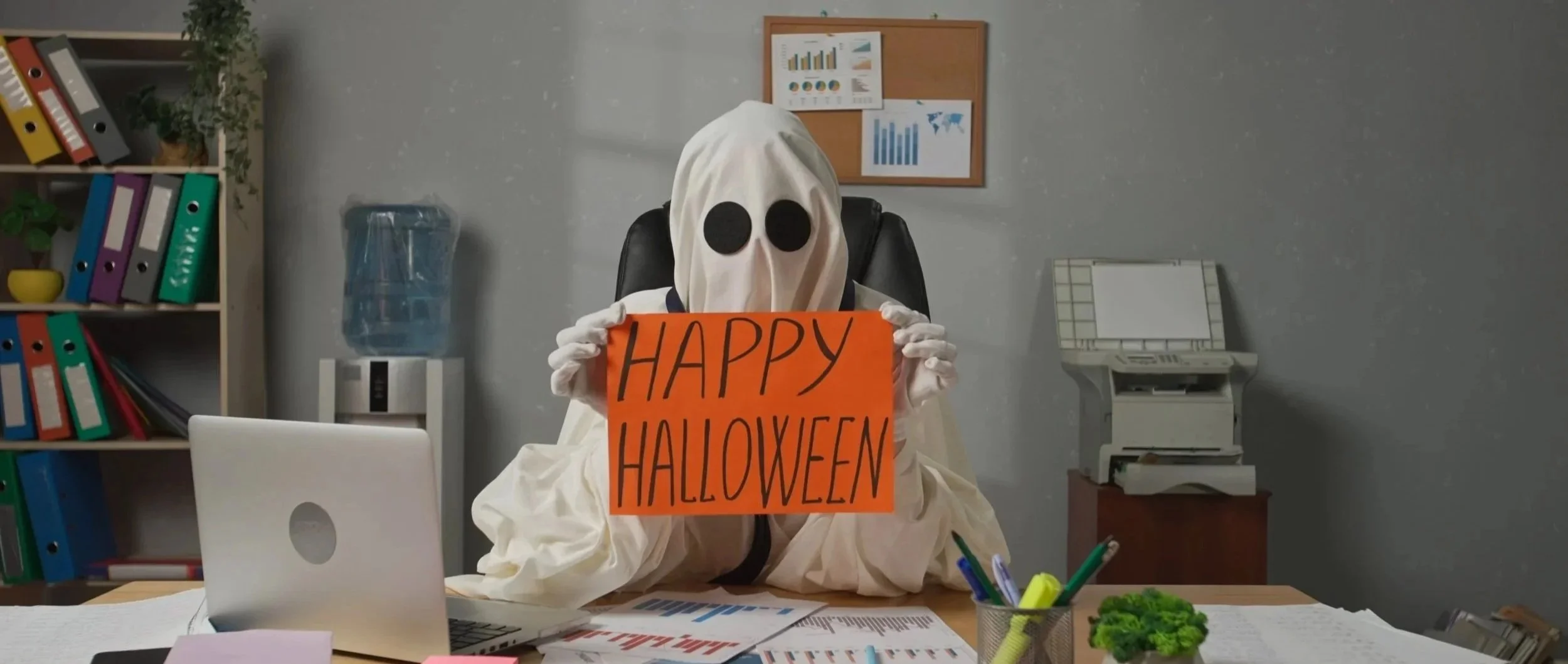
Halloween is a fun and festive time of year, and many companies will choose to celebrate with decorations, costumes, and themed events. While embracing the holiday spirit in the workplace can boost morale, it’s important to prioritize safety, for both employees and clients. A thoughtful approach can ensure that Halloween celebrations remain inclusive, appropriate, and risk-free.
Do:
1. Have Clearly Outlined Policies in Place
A costume policy is not a requirement in a workplace, but it can help keep employees and clients safe. Remind employees that costumes and props can get caught in large equipment or machinery and cause injury. Avoid using open flames like candles or decorations that block emergency exits or create tripping hazards. Costumes can be a fun way for employees to express themselves, but should not interfere with the safe performance of work tasks.
2. Remind Employees of Proper Etiquette
Remind employees of company rules and guidelines ahead of time. One way to do this is to share a company-wide reminder detailing what is allowed and not allowed in your workplace. Make sure employees know if and when they are allowed to dress up, and what items they are prohibited from bringing to work, such as fake weapons or masks that can obscure identity.
3. Establish a Process for Reporting Issues
If an incident does arise, ensure there is a clear process for reporting and addressing issues. Have a plan in place in case of any unforeseen emergencies, and make sure temporary decorations do not interfere with emergency signage or escape routes.
Don’t:
1. Allow Offensive or Inappropriate Costumes at Work
Employees should be reminded that, if they choose to dress up in the workplace, professional expectations remain the same. Costumes that make fun of protected classes should be avoided. Employees should be reminded to steer clear from political costumes and outfits that show too much skin. Client-facing employees should have costumes and/or decor that reflect professionalism.
2. Force Employees to Participate in Workplace Celebrations
Some employees may choose to abstain from Halloween celebrations, including dressing up in costume, decorating their workspace, or participating in activities. Their decision not to participate may be for religious, cultural, or personal reasons. Employers should allow employees to opt out of any and all Halloween activities. Celebrations should also consider accessibility. Decorations or events shouldn't create physical obstacles that might be unsafe for employees or clients with mobility issues.
Rancho Mesa’s RM365 HRAdvantage™ is a great resource for Rancho Mesa clients who have additional questions about how to ensure their company is celebrating Halloween safely and professionally, or how to respond to an HR issue.