

Industry News

OSHA Requirements for Safety Meetings
Author, Jadyn Brandt, Client Communications Coordinator, Rancho Mesa Insurance Services, Inc.
California’s Occupational Safety and Health Administration (Cal/OSHA) requires employers to have an Injury and Illness Prevention Program (IIPP), and regular toolbox talks are often a key training element in an effective safety program. Toolbox talks, also known as tailgate talks or tailgate safety meetings, are brief, informal safety trainings typically held at the jobsite.
Author, Jadyn Brandt, Client Communications Coordinator, Rancho Mesa Insurance Services, Inc.
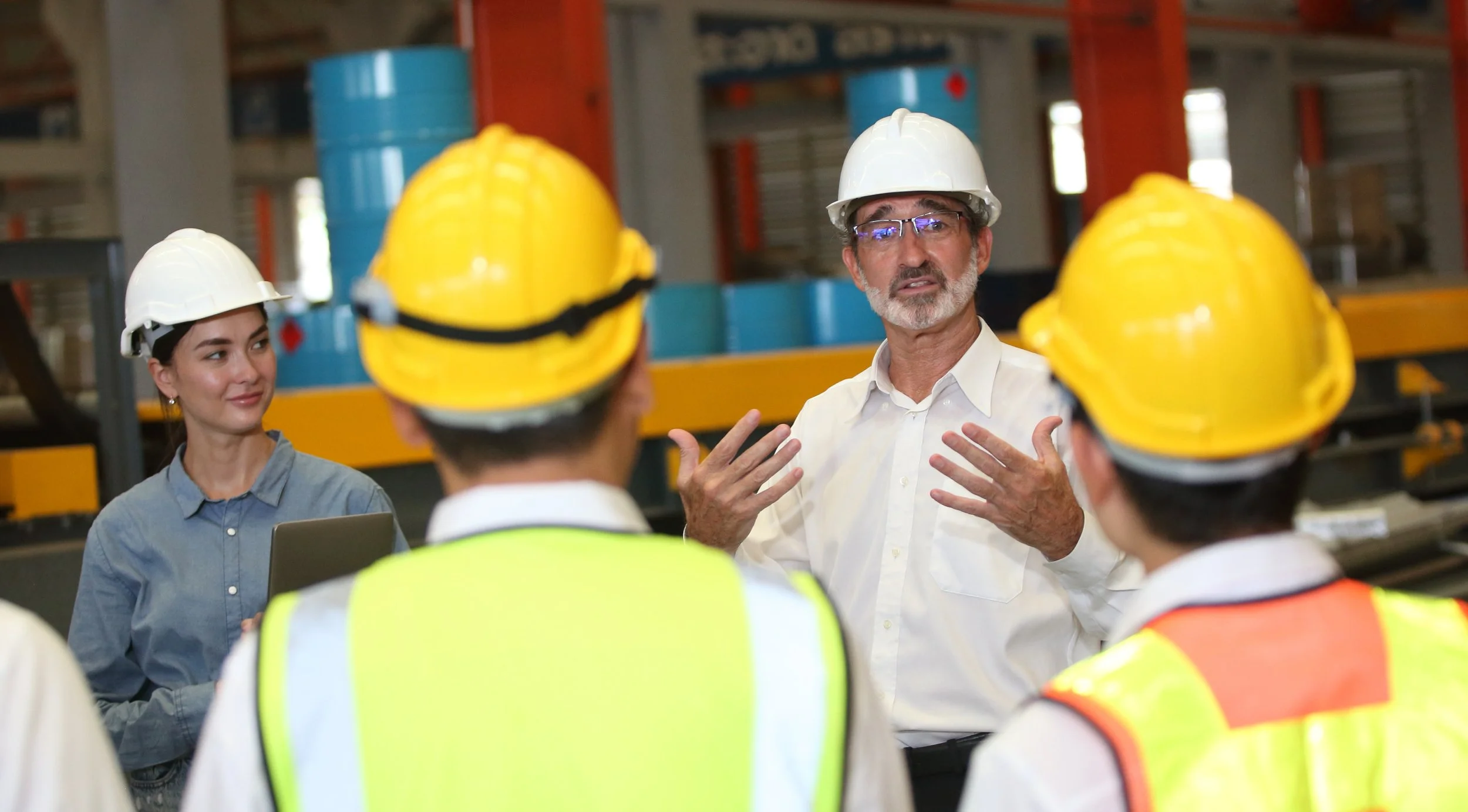
California’s Occupational Safety and Health Administration (Cal/OSHA) requires employers to have an Injury and Illness Prevention Program (IIPP), and regular toolbox talks are often a key training element in an effective safety program. Toolbox talks, also known as tailgate talks or tailgate safety meetings, are brief, informal safety trainings typically held at the jobsite.
However, toolbox talks are an often forgotten piece of an effective employee safety training program, though required by Cal/OSHA.
Presentation
Toolbox talk trainings should be presented to employees in-person at the jobsite in a location easily accessible to team members. Topics should be relevant to the industry or project, or should address a recent incident or near-miss.
Rancho Mesa’s SafetyOne™ platform has an extensive library of toolbox talk topics designed for industries like construction, landscape and tree care, non-profit and human services organizations.
Scheduling
Cal/OSHA requires supervisory employees to conduct toolbox talks with their crews “at least every 10 working days.” To keep on a consistent schedule, Rancho Mesa recommends holding weekly toolbox talks on the same day each week.
Landscape, tree care, and driver-specific toolbox talk sub-libraries each contain a total of 52 topics, enough for one topic to be used each week of the year. In total, the library includes over 780 safetytoolbox talk topics that can be used for a variety of industries.
Documentation
Keeping a record of who has been trained on each toolbox talk topic is a necessity. Cal/OSHA expects employers to maintain written records that include the training topic and content, date, presenter’s name, and the signatures of all attendees. These records should be easily accessible so they may be made available during inspections.
SafetyOne administrators can use a mobile device (i.e., smart phone or tablet) to collect participant signatures and take a group photo after each toolbox talk. These records will be saved in the SafetyOne platform for each project and can be accessed by administrators at any time.
When administered in line with Cal/OSHA expectations, weekly safety meetings become a powerful tool for reducing injuries and improving communication. By delivering sessions in person, selecting relevant topics, scheduling consistent meetings, and maintaining accurate documentation, employers can create safer job environments and strengthen compliance with California safety regulations; protecting both employees and their business.
OSHA Requirements for Weekly Safety Meetings
Author, Jadyn Brandt, Client Communications Coordinator, Rancho Mesa Insurance Services, Inc.
Employee safety should always be a priority for business owners, and that means fostering a safety culture throughout the year. Weekly safety meetings are a great way to curb risk on a job site and ensure employees are prepared to handle an unsafe situation at any time.
Author, Jadyn Brandt, Client Communications Coordinator, Rancho Mesa Insurance Services, Inc.

Employee safety should always be a priority for business owners, and that means fostering a safety culture throughout the year. Weekly safety meetings are a great way to curb risk on a job site and ensure employees are prepared to handle an unsafe situation at any time.
At the federal level, the Occupational Safety and Health Administration (OSHA) does not require weekly-safety meetings. Even those the meetings are not required, they should be a regular part of an employer’s safety program in order to reduce risk.[BK1]
Some states do have requirements for regular safety meetings, however. For example, Cal/OSHA requires a safety meeting at least every 10 working days. Employers should check with their state’s OSHA program for a list of requirements for each of the states where they operate, in order to stay compliant.
For employers, weekly safety meetings serve as an opportunity to check in with employees, mitigate hazards, and protect the business. For employees, they are a chance to ask pressing safety questions, learn important safety techniques, and serve as a reminder of proper procedures on the job site.
Here’s how to run an effective safety meeting:
1. Make the meeting easy to attend for all employees.
Host the meeting on the job site, at the start of a shift or after a break to increase attendance.
2. Research and choose a topic relevant to your industry.
Rancho Mesa’s SafetyOne™ platform hosts an extensive list of industry-specific topics for landscapers, tree care-professionals, drivers, construction, and general industry workers. For a total of 788 toolbox talk topics to choose from.
If a recent incident or near-miss has occurred on the jobsite, it is a good idea to use toolbox talks to re-enforce safety guidelines, or they can be used as general safety reminders.
3. Make sure the solutions or tips provided are practical and applicable to the jobsite.
Demonstrate proper use of equipment or PPE and safe work practices outlined in the toolbox talk.
Allow employees to share personal experiences as they have likely encountered the hazards or circumstances addressed in toolbox talks.
4. Ask follow-up questions to keep employees engaged.
Most toolbox talks on the SafetyOne platform include questions that can be asked during or after the meeting. These questions reinforce learning and encourage employee participation.
5. Keep the meeting short.
SafetyOne toolbox talks are designed to be covered in an average of 10-15 minutes. Shorter meetings help keep employees engaged and don’t take away valuable work time.
For assistance in accessing Rancho Mesa’s toolbox talk library, contact your client technology team member.