
OSHA Requirements for Safety Meetings
Author, Jadyn Brandt, Client Communications Coordinator, Rancho Mesa Insurance Services, Inc.
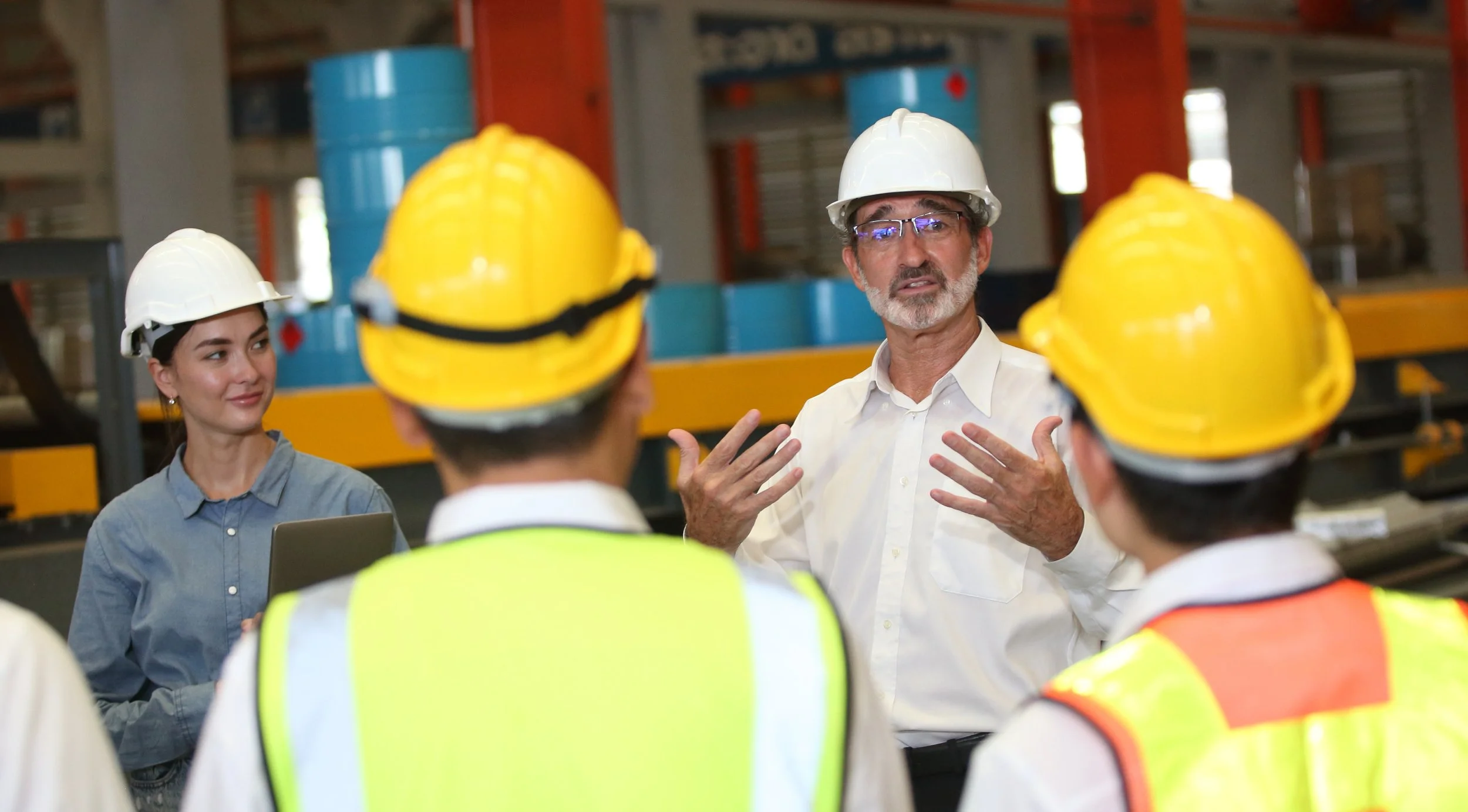
California’s Occupational Safety and Health Administration (Cal/OSHA) requires employers to have an Injury and Illness Prevention Program (IIPP), and regular toolbox talks are often a key training element in an effective safety program. Toolbox talks, also known as tailgate talks or tailgate safety meetings, are brief, informal safety trainings typically held at the jobsite.
However, toolbox talks are an often forgotten piece of an effective employee safety training program, though required by Cal/OSHA.
Presentation
Toolbox talk trainings should be presented to employees in-person at the jobsite in a location easily accessible to team members. Topics should be relevant to the industry or project, or should address a recent incident or near-miss.
Rancho Mesa’s SafetyOne™ platform has an extensive library of toolbox talk topics designed for industries like construction, landscape and tree care, non-profit and human services organizations.
Scheduling
Cal/OSHA requires supervisory employees to conduct toolbox talks with their crews “at least every 10 working days.” To keep on a consistent schedule, Rancho Mesa recommends holding weekly toolbox talks on the same day each week.
Landscape, tree care, and driver-specific toolbox talk sub-libraries each contain a total of 52 topics, enough for one topic to be used each week of the year. In total, the library includes over 780 safetytoolbox talk topics that can be used for a variety of industries.
Documentation
Keeping a record of who has been trained on each toolbox talk topic is a necessity. Cal/OSHA expects employers to maintain written records that include the training topic and content, date, presenter’s name, and the signatures of all attendees. These records should be easily accessible so they may be made available during inspections.
SafetyOne administrators can use a mobile device (i.e., smart phone or tablet) to collect participant signatures and take a group photo after each toolbox talk. These records will be saved in the SafetyOne platform for each project and can be accessed by administrators at any time.
When administered in line with Cal/OSHA expectations, weekly safety meetings become a powerful tool for reducing injuries and improving communication. By delivering sessions in person, selecting relevant topics, scheduling consistent meetings, and maintaining accurate documentation, employers can create safer job environments and strengthen compliance with California safety regulations; protecting both employees and their business.