

Industry News

Workers' Comp Rate Increases On the Way with Margaret Hartmann: Part 3
In the final episode of a three-part series, President David Garcia and Margaret Hartmann, Sr. VP and Chief Marketing Officer with BHHC, discuss the WCIRB's proposed 11.2% workers’ compensation rate increase in California. They explore how this may impact employers, and actionable steps businesses can take to mitigate rising premiums.

In the final episode of a three-part series, President David Garcia and Margaret Hartmann, Sr. VP and Chief Marketing Officer with BHHC, discuss the WCIRB's proposed 11.2% workers’ compensation rate increase in California. They explore how this may impact employers, and actionable steps businesses can take to mitigate rising premiums.
Dave Garcia: Hi, you're listening to Rancho Mesa's StudioOne™ podcast where each week we break down complex insurance and safety topics to help your businesses thrive. I'm your host, Dave Garcia. Thanks for joining us.
So today with the WCIRB's recent announcement of 11.2% recommended rate increase in workers' compensation, it definitely feels to me like the workers' compensation marketplace in California is about to change, and with that in mind, we've invited Margaret Hartman, the Senior
Vice President/Chief Marketing Officer at Berkshire Hathaway Home State Companies, who's one of the largest specialty workers' compensation carriers in California, to give us some insights as to how this recommendation came about, what are the areas that are driving this increase, and what employers can do to try and mitigate the rate increases.
Hi Margaret, welcome back to StudioOne. Thanks for joining me today.
Margaret Hartman: Thanks for having me.
DG: It seems to me Margaret, given all the data and recent recommendations that many employers have not all are going to experience rate increases on the renewals. You know, we know Commissioner Lara--generally speaking--the Bureau makes their recommendation which they have at 11.2. Commissioner Lara--usually in June so it could be any day now-- will make his recommendation.
MH: I think it's today. There's a hearing today. He may not decide today, but I know there's a hearing today.
DG: Okay, well it could be today and today, so the we're taping this it's June the 10th. You know, I don't have a crystal ball. My crystal ball has snow in it I think he's going to come in with a recommendation of somewhere between four and six percent increase or somewhere in that range, six to seven, I don't know. Regardless, it's going to be a recommended increase, which we have not seen in over a decade in workers' compensation. So while that means it's going to put upward pressure on rate, that doesn't mean every single policyholder in California will see the same rate increase as another.
So your experience modifications come into play, your claims experience is going to come into play, and most importantly too, your safety practices. And this is where we're really auditing that and then allowing your broker to present that to the marketplace and what you're doing to prevent injuries from occurring and then what you do once an injury occurs. I think that is the really, really critical right now and Margaret, what actions would you recommend they try to do, if they see an increase to try to mitigate the increase and in some cases maybe there's still a decrease out there?
MH: Sure. And I mean, we've talked a lot about some specific ways that employers can help themselves out. But really, that experience modification that you're talking about is the best way to manage your insurance premium. So as you mentioned, there's going to be probably some sort of rate increase and probably single-digit, I'd imagine. And I agree with you four to six, three to five, something like that, but you're experiencing it. So that's, the carrier will have a base rate increase, increase likely, but your net rate is not going to be the same as that base rate. And the only way to impact that is to have a low mod. So try to manage your experience mod as much as you can.
And again, that's all the things we talked about, having the safest work environment that you can so you can prevent accidents from happening and then partnering with a carrier that's focused on providing the best possible care, getting claims resolved quickly and efficiently.
DG: Yeah, and we know, as Margaret said, it’s your premiums can be predicated on your payrolls by class code, multiplied by the final rate from the carrier, multiplied by your experience modification. But to get to the final rate of the carrier, there is some subjectivity still available with the carriers. So they can deviate a certain percentage, usually it's plus or minus 50%, off of their base rate. But in order to warrant those credits, it's going to take real items to try to get the carrier to understand why they should apply those credits. So when we talk about that out there, what your broker does is he or she submits to a carrier your information. We call that a submission.
So Margaret, how important is receiving a complete submission early in the process of benefit to the policyholder in getting the best possible rates?
MH: Yeah, I think it's incredibly important. So an underwriter is going to be getting a lot of these
applications, right, they're coming to their desk. And the ones that are complete, where they don't have to call or send an email or ask questions or try to get more information, those are going to rise to the top of the stack and they'll be able to process them quickly and maybe get the quotation out, right?
And then that starts the process of negotiation or tweaking that price. So the earlier that you can do that, the better. I think it definitely helps. And then the more complete the information is, you know, that will help the underwriter better price the risk as well.
DG: Yeah, are there any parts of submission that, you know, they're all important, but does any part of it carry more weight for your underwriting team than another area?
MH: Yeah, I mean, I think we look at the account as a whole, but obviously, loss history. It goes a lot into how we view an account, how we price an account. You know, a lot of times there's a supplemental application and employers out there have checked the box. "Oh, yeah, I have a safety program," blah, blah, blah.
But sometimes it becomes a check the box versus a, you know, "What exactly are you really doing?" But the proofs and the pudding, what does the loss history look like?
We also pay a lot of attention to payroll too. Is the account growing and if there's substantial growth in the payroll versus the expiring year, what's going on is there going to be growth and if there's going to be growth, it's not to say we would dislike the account, but that's one where we may want to keep an eye on them. how are they going to manage hiring practices to bring on all these new people? What kind of projects are they going to be taking on? It just goes into us understanding what that risk is isn't understanding how to price it.
Likewise, if the payroll's dropping substantially, why is that happening? Is there a layoff spending, those kinds of things? And then we look at the risk quality, risk management, safety program. Those are harder to get our arms around because as I said, a lot of people will just kind of check the box. Yeah, we have these things. So a narrative is really important from the broker, kind of putting together the story of the account.
The loss history, none of these things are the only, they're only a little piece of the puzzle, right? So maybe the loss history is such that it looks really bad and then in the last two years, it's improved. If you can substantiate why it's improved, not just send, here's the loss runs and here's the application, but this employer really took some steps to improve their loss profile. You know, they hired a new risk manager, they automated a lot of their procedures. Those are things that are going to play into the price and you're going to go, well, I think that account is going to perform the way it has the last two years, not what happened in the past. And they may still have a really high mod because of past poor losses. So it can help kind of paint the picture of what's going on with the account today.
DG: I think that's great you know what it sounds to me and it's high time it's time for everybody go to work, you know the broker needs to go to work and not just check boxes needs to provide more information. I know we regularly dig deep into those things if payrolls are going up maybe it's just payroll inflation maybe there's no new employees everybody just got pay raises or now they're doing union work versus not. Like you need to know more than just the basic facts. And I love the summaries, you know, we're a big proponent of that. But I think I'm always three dimensional, always seems to be the best. And so I know we've worked in the past Margaret, when we get looking at a new potential client of ours, we put all the all the paperwork together, the summaries, the losses, the payrolls, all those things, but it's still paper.
And what I think I like, you know, how we work with you is we'll say, "Hey, can we go out and do a joint call together so you can actually ask the questions and see the operations?"
Do you think having the carrier go out prior to quoting the business is a benefit to the business?
MH: Yeah, absolutely it is. And we love to go out and see the prospects. There's nothing like meeting somebody face-to-face, looking them in the eye and seeing the operation as well. And on the other hand too, they have an opportunity to meet us and see their service team and what they’re going to get from us. You know, policy, especially in the workers’ comp, you know, they all kind of cover the same thing, there’s not really a lot changes besides maybe a deductible. So it's really the service that's important. And so I think it's good for an employer to actually meet their service team and see who's going to be working with them in the future. Yeah, I mean, absolutely. We love to do that. We're always open to having our folks go out and meet with prospects face to face.
And now with virtual too, a lot of times we will do them virtually. It's easier and you can do them quickly. You can get them set up quickly.
DG: I'm sure you can do more than two or three in a day if you need to.
MH: Right, so either way. We're happy to have those meetings. And it does make an impact.
DG: So employers, I would encourage you, you're working with your broker currently to engage with them early. And when we say early, you're probably talking 120 days outside of your renewal date. So you want to get this process started early, particularly with the changes that are occurring. And then as a team, you guys decide should we involve some carrier interviews where we get an opportunity to talk to the carriers, and you can talk to more than one. You know, if you just want to get a comparison like who did you like better? They both offer great services and things like that. So it is going to, it's time to roll up our sleeves and you know really get to work here. There's some tremendously great work comp carriers--Berkshire Hathaway heading the
List--that are out there. So I would just encourage you to you know to go out and work with your broker partner and make sure that they're doing the job that they're supposed to be doing too.
So Margaret you know I appreciate your time today before we wrap up is there anything else you'd like to share with our audience.
MH: Gosh, no, I mean, I think we've covered a lot today. And again, I think our mission is really to provide, you know, the best possible care for injured workers, because at the end of the day, you know, that's what's going to result in the best claims costs more effective for employers. And it's the right thing to do. And keeping employees safe is the right thing to do, not just for, you know, an employer's business, but just because, you know, we care about people.
DG: Yep. And you've demonstrated that, you know, time and time again. So I think everybody out there, you know, there's been a lot of things that we've discussed today. If you're looking for more information, you know, reach out to myself or to Margaret directly, you know, you can go to our site, RanchoMesa.com.
And we're happy to help, you don't have to be our client, we're in this together. So Margaret, listen, I can't thank you enough for joining me today in StudioOne and kind of sharing your insights to this changing worker compensation marketplace. Last, anything else? How's Notre Dame football going to be this year? What do you think? What's your prediction?
MH: Oh boy, I don't know. Don't throw that curve at me. I have no idea, but I'm still looking forward to the season.
DG: Okay, there you go. All right. Well, listen, thank you all for joining me today in StudioOne. If you found this information useful, you can subscribe to our podcast channel, which is StudioOne, all one word, and it can be found on literally all the podcast applications. So thank you again for your time. Goodbye for now.
Workers' Comp Rate Increases On the Way with Margaret Hartmann: Part 2
In the second episode of a three-part series, President David Garcia continues his discussion with Margaret Hartmann, Sr. VP and Chief Marketing Officer with BHHC, and explains how companies can mitigate cumulative trauma claims in light of the WCIRB’s recent 11.2% recommended rate increase.

In the second episode of a three-part series, President David Garcia continues his discussion with Margaret Hartmann, Sr. VP and Chief Marketing Officer with BHHC, and explains how companies can mitigate cumulative trauma claims in light of the WCIRB’s recent 11.2% recommended rate increase.
David Garcia: Hi, you're listening to Rancho Mesa's Studio One podcast, where each week we break down complex insurance and safety topics to help your businesses thrive. I'm your host, Dave Garcia, thanks for joining us.
So today, with the WCARB's recent announcement of a 11.2% recommended rate increase in workers' compensation, it definitely feels to me like the workers' compensation marketplace in California is about to change and with that in mind, we've invited Margaret Hartman, the Senior Vice President, Chief Marketing Officer at Berkshire, Hathaway Homestate Companies, which's one of the largest specialty workers' compensation carriers in California, to give us some insights as to how this recommendation came about, what are the areas that are driving this increase and what employers can do to try and mitigate the rate increases.
Hi Margaret, welcome back to Studio One. Thanks for joining me today.
Margaret Hartman: Thanks for having me.
DG: I know that Berkshire Hathaway, we've worked with you guys for any number of years. We have a tremendously strong relationship so I'm very familiar with a lot of the services that you're able to provide policy holders, but are you guys looking at taking any targeted steps to help manage this growing impact of CT claims as a company?
MH: Yeah, I'm glad you asked. We are taking this very seriously and we have taken some proactive steps here, including you know we have a task force a little committee that we’ve set up internally within our claims teams to try and manage some of these claims and have strategies for, you know, we want to make sure that we make decisions on these quickly, ones that are legitimate that we’re getting people treated quickly and though the system so that we can get them back to health and back to work as quickly as possible.
DG: You know, that's a really, really smart idea. I know you guys did the same thing during COVID, when you started to see COVID claims, you kind of bunched those into a unit because the repetitiveness of the type of claim led to expertise in managing the claim.
MH: Right.
DG: Yeah. That's a, that's, that's awesome. I'm glad to hear you're doing that.
MH: Yeah, so we've, you know, we've improved our tracking, like our CT tracking approach implemented some analytics on that so we can dig deeper on some of the doctors that we're seeing, some of the players in the CT space. We ramped up our training around the compensability decisions involved, more managers in the process. We've just, we've made a lot of targeted changes, including using data analytics again and identifying the players in that CT space. And then we really kind of launched a collaborative approach on how we're managing these claims. So along with our claims professionals and consolidating cases with specific claims professionals, we also have specialty teams that are pretty unique, including our medical excellence team, which is headed by our medical director, Dr. Lynn, who's an occupational health specialist. So she's developed some strategies for helping us deal with these. We have a roundtable approach that we've now implemented for some of these CT claims.
We also have a contribution team which is kind of unique as well. So, as I mentioned, a lot of these, since they happen over a span of time, it often, you know, somebody may work for multiple employers and we want to make sure that our policyholders are only paying for their fair share of those claims. So we have a contribution teams that helps us manage those third party recoveries and get those dollars back if somebody else is responsible for a portion of those claims. We also have in-house council and a very robust special investigation unit, for when we do start to see some of those like mass layoff type filings of CT claims, we'll get our special investigations unit involved in those as well.
DG: Is that unit also involved with I guess the slang word would be capping you know by attorneys?
MH: Yes.
DG: Can you explain what capping is and maybe how that hurts the system if you're the employer or the insurance carrier?
MH: Right well there's been several really, really high profile cases of capping here in California where people are actually going out and trying to that people to come in and get medical treatment, signing them up, say you have a claim and we'll send you in to see these doctors. I mean, to the point where some of them are really egregious, like people were having surgeries that they didn't need just so that they could get paid and then they're getting paid for that. So our special investigation unit is very involved in those types of cases. Those are, of course, very, very extreme cases, but we want to make sure that they're involved. And so when we start spotting some of these trends and behaviors and things, we will definitely bring them into the loop. And they work with the local district attorney's offices. A lot of them have very good relationships with the DA's offices so that we can move some of these cases forward and make sure that there's no abuse there. And then, you know, all of that is kind of what we're doing after the fact. But probably the most important thing, and I'm going to talk about this again when we talk about what employers can do, is getting loss control involved early on. I think our loss control specialists are very well versed in trying to identify these possible CT exposures that may occur in the workplace. And we may not be able to eliminate them all, but we can reduce the risk often.
DG: Well that's great. So let's switch gears now and start talking about what would you recommend employers do to try to mitigate this risk.
MH: Well prevention starts at the workplace level of course so one of the most effective things employers can do is foster early reporting, open communication, many CT claims stem from issues that were never reported or addressed early If somebody is having problems with their wrists, for example, because they're doing, you know, repetitive typing, we can get an ergonomic eval and get somebody out there to help prevent that injury from progressing because now we're going to have the right equipment in place for them to be able to do the job safer. And often some of these modifications are not expensive to do.
DG: And that ergonomic evaluation is something that your loss control department can assist with?
MH: They can assist with it. We also have a kind of a do -it -yourself app. Okay. You know, there's a lot of them out there. I mean, the nice thing for employers right now is that there are so many safety resources before you had to go through some library and now you can kind of Google YouTube videos and get them from anywhere.
DG: Right.
MH: So I'd say, you know, stay informed, stay engaged in what kind of preventative measures are out there. And then just stay tuned into what's going on with your workforce as well. Strong return to work programs also can help with that as well. I want to highlight another thing that, you know, we have nurse triage that's available for employers. So nurse triage programs where the injury gets reported to a nurse and they help to triage that injury, get them to the right medical provider network doctor and get people in appropriate treatment right away. That can also really help with early reporting.
Also, that these nurses take a pretty detailed medical history. So that can really go a long way to in helping like set the groundwork for the defense of a claim. If say the specific injury you talked about, sometimes a specific injury, then turns into a CT, then turns into multiple body parts, we'll have a detailed and recorded statement from the nurse with a medical history of the injured worker. So a lot of times we can use that to help defend against that spread. Now, you know, it was a risk, but now it's an elbow and a shoulder and a neck.
DG: Yeah, you know, big, big proponent of nurse triage. I just think it's you guys implemented that now I don't know several years ago and in just with our clients that utilize it we've seen a significant decrease in claims kind of growing arms and legs because it's make that phone call at the initial time the injury occurs. This is of course assuming a non -life -threatening type of injury. It's recorded as you said it's a very thorough, you know, evaluation by a nurse on the other end, but it is recorded. And then the nurses then report the claim into your claims department. So there's really hardly any lag time in reporting the claim. And then it gives your claims people an opportunity to get it from the jump. I just think that's a, if you're an employer out there and you're not asking your current carriers, if they have this availability you may consider moving to a carrier, like a Berkshire Hathaway, that does provide this service because it comes to you at no cost. Berkshire absorbs this cost and it's just a way of you know treating your employees better. They feel like you really care because you're getting immediate assistance right away. You know it also eliminates the drive time between wherever the injury occurred and whatever facility you're taking them to be seen. If it's not an urgent situation then they're just sitting in an urgent care waiting room and it's not very productive. So you know we've seen that the claim handled better and we've seen productivity have less of an impact negatively for our clients that use it. So I think nurse triage is really something that everybody should be using regularly.
MH: Yeah, I Agreed.
DG: What other things Margaret?
MH: Again, I'm going to highlight loss control, you know, loss control specialists can help develop a plan to address some of the CT exposures that that may occur in the workplace. Some wellness programs and I know you guys implemented that mobility stretch program for landscapers. That is also very helpful if somebody's already, you know, stretched and they're loose and it can help prevent injuries. And if they're doing that consistently, it can also help prevent a CT claim.
DG: Yeah, yeah, thanks for bringing that up. We did, you know, we worked closely with your team to identify, you know, what is the predominant type of injury a landscaper might have. We found it to be lower back. It looked for the root cause of what it's what were they doing in those situations. Then identified a stretching program that helped mitigate that when they were going to be doing whatever that procedure in the work day entailed. And you know, I think when we do that, whether it's a broker, the carrier, the combination of the broker and the carrier, and then the employer, the worker feels like they matter, that somebody actually cares about them.
And you know, most people, that's all they're really looking for. It's like I want to provide a living for my family. I want to go to a work environment that I feel safe, that I feel valued. And so we're going to switch just a little bit about culture too. Do you find culture, you know, being a part of this that an employer can, you know, I mean, there's so many things, aging workforce.
So let's hold off on culture. Talk to me about aging workforce. I'm in that category. I'm 67 years
old. I was hoping to skip it, but we really need to talk about it. So is there any plan, you know, that you think an employer can do for handling the aging workforce like me?
MH: Well, again, I just think it has to be acknowledged and addressed. So, you know, Bureau of Labor Statistics is saying employees age 65 or older has grown 117 % in the last 20 years. So people are just staying in the workforce-
MH: -A lot longer. And, you know, I think employers just need to be cognizant of that and that there may be work modifications that can and should be done to accommodate some of these workers just to keep them also protected.
DG: Yeah.
MH: Often we will see CT claims and it's kind of the retirement claim after a prolonged, you know, like 10 year of doing heavy lifting, right? If it is some of these workers, you know, they're great employees. And that's why people keep them on and they want to continue to contribute. And I think that there are some ways that you can strategize on keeping them safe. So and I, I'm going to highlight loss control and reaching out to them or some of some guidance on some of those plans. And then, if there is going to be a pending layoff, there's some things that can be done in advance to prepare as well. So again, I think the partnership between employer and carrier, just open communication and knowing what's going on early on, we can help. We can't eliminate all of the exposure, but we can help mitigate some of it.
DG: Yeah, we get asked this question a lot prior to a layoff or even just during the regular work week is it helpful to have anybody acknowledge sign something saying I don't presently have an injury you know so they're going to be laid off and then you say great are you know you're okay yes would you mind acknowledging that is that just a pipe dream or is that something that maybe an employer should think about doing does it help at all if they have that document?
MH: I think it certainly can help and I think that there's you know the other side will argue well then are you putting it in their mind that you know now they've had a claim. I think there's ways to ask those questions that are you know are still legitimate we don't want to certainly be you know sneaky in the way we're asking it but we do want We do want to ask, is there anything we could do to make the workplace safer? How do you feel about the things that we have in place to keep you safe? Maybe having some of those questions. There are some ways that I think it does help if you can set that groundwork early on. Again, you might not be able to completely defend any of these cases, but it can just be one more thing. Look, we do ask how people feel at the end of their shifts, how people feel about our ability to keep them safe, and there was no issues at all until six months post layoff, and now all of a sudden we're getting this litigation. But all along they were saying that everything was okay. So I think it can help, and again, it's about really developing the right strategy and talking to our loss control professionals about how to go about doing that. That kind of tees up culture in a way, you know, the empathy, the care, all of those types of things. So, do you think that the culture of an organization can really impact the number of CT claims a business might have?
MH: I think it's probably the best way to impact the number of CT claims. You know, some of the things you were saying earlier about employees feeling heard and valued and safe, you know, physically and emotionally, you know, culture plays this huge role because those employees are likely to report issues early. And they're also not likely to litigate because they feel angry or disenfranchised or because they've been treated unfairly. So I think it's probably the most impactful thing that you can do is to have that really good culture. And on the other hand, we see environments where morale is very low and the culture's not good. And employees will find a way to retaliate on that. So it's often we'll see like a group of CT claims and they'll all be in one department or one unit or one team or reporting to one supervisor.
So those issues about leadership in your organization, you know, have to be addressed. And so yes, I think culture isn't just like a nice to have, it's actually a risk management tool.
DG: Yeah, and it's, you know, it's not to the point where you have to say, you know, the inmates are running the asylum kind of thing, it's like, no, but you know, it's the golden rule, right? Treat others that you'd like to be treated. So I think if you're, you know, seeing things or observing things that you don't feel are right, you need to do something to correct it. And I think that feedback to ask those questions like, is there anything else we could do or can be doing to make your job better, safer, more productive, things like that. It's an overused term, culture, you know, like what does that really mean? But boy, I'll tell you, I'm sure you've seen this, when you walk into certain businesses, within five minutes, you can see that on the good or bad culture scale, you're like, this is an energy company, these people are engaged, these people are happy to be here, they're working well, and you can walk into a company like, I don't think anybody wants to be here. It seems very punitive or something.
So I think it's a really good measure for us. And maybe another transition point here is to say, hey, do you think it's now time, given the changes that we see coming in the marketplace, that employers should really fully audit their safety plans, their cultures, and be looking for areas to improve it? Do you think that would be step one for a lot of companies out there right now?
MH: 100%. I mean, it's a best practice anyway to be constantly looking and evaluating and enhancing your safety program. But now with what we're seeing in the market and appending rate increase, it's really actually critical. And I think what you said about, you know, culture to wrap that up, you know, you can tell and a company has a really good safety culture. And if you want to help improve it, again, I'm going to make a pitch for loss control and our loss control especially, they do a lot of training on safety culture, train the trainers, training managers and lead people to do that. Because those are the key people within the organization. You know, you might say it at the top, but if it's not happening at the management level, it's probably not happening, and they have a lot of ideas. One of the strategies, as an example, that was mentioned to me was we had an employer that they had one of their lead people that was a very long-term employee that was bilingual. They have Spanish-speaking workforce, and he volunteered as part of his leadership responsibilities to be accountable for the work comp claims. If there was a work comp claim, he was kind of the go-to that they could come and ask questions on what to do, who to go to, how to report. And having that be somebody that was actually out there that was a worker on the floor made a huge impact with that company where they were having a problem with late reporting. So, that's just one little example of what an employer might do.
DG: Yeah, and there's, you know, a company safety program, it's like an octopus. It has a lot of different arms to it. You could be looking for root causes of injuries, what safety trainings are you providing to attend any workshops. If you have a claim or you engage, as you mentioned earlier, with a return to work program, are you reporting the claims timely? How are you investigating the claims you're looking for, hey an injury occurred, we should do an accident investigation and then use that as a training with other employees So that we don't have that reoccurrence of that issue because we've now trained for it benchmarking themselves against industry peers. How am I doing against other landscapers or whoever it happens to be I probably any one of those things you can spend a lot of time on but you need to tackle them You know those are all things and there's the list can kind of go on and on. Are there any one in particular that stands out to you? Or is that just-
MH: Well, you know, I'd say all of the above I mean I think everything you mentioned is really important and helping to manage claims costs and have a good safety culture and you know as I said before safety resources are readily available everywhere yeah and even if you don't you If you're a small employer and you say, "Well, I don't have a loss control consultant that's coming out," I mean, almost all carriers have safety centers, websites, and all sorts of tools and resources that can help keep employees safe.
And we haven't talked yet about return to work programs. And with indemnity payments on the rise, and I recently saw a study by another large multi-line carrier, but they write a lot of work with composition here in California, and they were noticing that disability days are very much on the rise. So it's important to get employees back to work as quickly as possible. And some employers don't have the ability to modify jobs, so there's no modified work available.
We have a transitional work program so we can get people back to work at local nonprofits. It gets employees back to some kind of modified duty, feeling like they're doing something to add value and help get them back on the path to recovery. So I would encourage a return to work program for all employers, especially given that we're seeing those increases and wages are continuing to go up too. So temporary disabilities tied to state average weekly wage, so we've seen some pretty big increases the past couple of years.
DG: Yeah, and you know, we've been big proponents of that and utilized your resources, whether it's, as you mentioned, kind of the re-employability side of your business where you do put them out into nonprofits or your other program, Shakley, which actually sends the work to their house.
MH: Right.
DG: So they don't even have to leave their house if that was the need. And we've just seen tremendous improvement in returning them back to their customary job.
And it also, just for employers out there, if you’re able to continue any of the wage during that period of time, any portion of it, it comes off of that temporary disability benefit so, your wages that you’re going to pay that person this work does not accumulate to go towards your experience modification. So, only the actual temporary disability payment that the carrier is making on behalf of you go into that calculation. So, you know, for our clients, they're very aware of that, they understand, you know, how many dollars of claim value is equal to one point of claim, and they realize, well, if I just pay this person X, I've reduced my experience modification by one, three, five points. So, there's just a lot of benefit to doing it. So I would definitely encourage you to take a look at that. Make sure that your place in your business with a carrier like Berkshire Hathaway that offers those tools.
Margaret, listen, I can't thank you enough for joining me today in StudioOne and kind of sharing your insights to this changing worker compensation marketplace. And thank you all for joining me today in StudioOne. If you found this information useful, you can subscribe to our podcast channel, which is StudioOne, all one word, and it can be found on literally all the podcast applications. So thank you again for your time. Goodbye for now.
Workers' Comp Rate Increases On the Way with Margaret Hartmann: Part 1
President David Garcia sits down with Margaret Hartmann, Sr. VP and Chief Marketing Officer with BHHC, to offer insight on the outcome of WCIRB’s recent 11.2% recommended rate increase, what areas are driving this increase, and what employers can do to mitigate it.

In the first episode of a three-part series, President David Garcia sits down with Margaret Hartmann, Sr. VP and Chief Marketing Officer with BHHC, to explain the outcome of WCIRB’s recent 11.2% recommended rate increase, and offer insight on what areas are driving this increase.
David Garcia: Hi, you're listening to Rancho Mesa's StudioOne™ podcast, where each week we break down complex insurance and safety topics to help your businesses thrive. I'm your host, Dave Garcia. Thanks for joining us.
So today, with the WCIRB's recent announcement of 11.2 % recommended rate increase in workers' compensation, it definitely feels to me like the workers' compensation marketplace in California is about to change. And with that in mind, we've invited Margaret Hartman, the Senior Vice President, Chief Marketing Officer, Berkshire Hathaway Home State Companies, who's one of the largest specialty workers' compensation carriers in California, to give us some insights as to how this recommendation came about, what are the areas that are driving this increase, and what employers can do to try and mitigate the rate increases. Hi, Margaret. Welcome back to Studio One. Thanks for joining me today.
Margaret Hartman: Thanks for having me.
DG: All right. Well, let's just roll up our sleeves and jump into this thing. So starting with the 11.2 rate increase being the recommendation by the Bureau, and the root causes driving it, aside from cumulative trauma claims, which we definitely will talk about today, what are the other areas that are driving this recommended increase?
MH: Okay, well, I think first we have to start with medical cost inflation, which we thought we would see a couple of years ago, and I think really because we've had very good fee schedules here in California, the impact of medical inflation was delayed a little bit. We are now starting to see significant growth in paid medical services per claim in 2024, attributed to a recent growth in the number of medical transactions per claim and a continued increase in paid per transaction.
So one of the other things that happened a couple of years ago is they redid the fee schedule for medical legal services and we've seen increases for medical legal services per claim also with an increase of 15% in 2024. So those numbers are now starting to hit and they're really pretty big numbers.
DG: Yeah, so when you talk about medical cost inflation, that's something I think our audience is probably well aware of just in their own health insurance costs. I mean, what we're talking about here is you go to the doctor for some procedure, it's going to be more expensive today than it was five years ago, simply because of inflation in the medical arena. Is that kind of what we're talking about?
MH: Absolutely.
DG: Yeah. So that eventually is going to trickle into the premium, the losses and all of those things for when we consider workers' compensation, it's going to pull into that arena as well. So that's it. That's a cost driver, an increase that has to be accounted for.
MH: Absolutely.
DG: Yeah.
MH: The fee schedules have now caught up with medical inflation.
DG: Yeah. What else is driving this Margaret?
MH: So we've also seen a slight increase in indemnity payments of about 3%, which is driving indemnity claim and just an indemnity claim is really a lost time claim, a claim that it's not just a need for medical but also disability payments.
DG: Right. So you're going to be away from work.
MH: Right. So the projected severity on indemnity claims for 2024 was 6% higher than in 2023. And the average severity in 2024 is the highest it's been in more than a decade. So we, so we talked a lot about the workers' compensation market and how great the Senate Bill 863 reforms that happened several years ago were on the industry. Well, now we're starting to see that some of those increases creep back in. And so we're seeing indemnity claim frequency also on top of the severity. So it's kind of a double whammy.
DG: Yeah, so more serious claims and more often.
MH: More often.
Yeah, okay.
MH: Now, interestingly, this is what we're going to talk a little bit about, start to talk about CT claims. There was a lot of volatility obviously in frequency during the pandemic years, but then we started to see claims frequency start to tick up and really the sharp increase in the frequency of claims really involves these cumulative trauma or continuous trauma claims that we're going to talk about here in a minute. That started really in 2022 and has continued through the beginning of this year as well. So if you take those claims out of the system, there's a slight actually decline in frequency. So those are really what's driving claims frequency here in California.
DG: Okay. So CT claims is the major driver for this cost increases. So you mentioned it, but before we jump into the topic, just for the audience, how do you define Cumulous Trauma, a CT claim? What is that?
MH: Okay. Yeah, I'm happy to describe what that is.
DG: Give it a shot.
MH: I'm also going to tell you, though, that one last thing on the increases, because these continuous trauma claims are typically litigated, there’s also been a big increase in loss adjustment expenses and we saw a 10 % jump in 2024. So a lot of that 11.2 % increase is driven by these negative trends, including this big impact on continuous trauma. So now I'm going to delve into what is this and you may hear the term cumulative trauma, continuous trauma, RMI, of motion injury, repetitive stress injuries.
The thing that's in comment about these claims is they occur gradually over time. So it's not a specific incident that causes it, but it's a gradual onset. And they result from repetitive stress or continuous exposure or chronic overuse of a body part during work activities. So to give you a couple of examples of repetitive stress injuries is carpal tunnel syndrome, which happens of the risks from repetitive typing. You can have back pain from chronic heavy lifting or bending and stooping.
Hearing loss is another form of continuous trauma from prolonged exposure to loud machinery. You have respiratory claims from prolonged exposure to chemicals.
So those are just some examples of what a continuous trauma claim is.
DG: And that doesn't seem, I mean, obviously some of this could be industry specific. I think about the construction industry, as you know, we focus quite heavily on that. We see a lot of these types of claims from what you were talking about, the lifting, just the year over year over year of doing that manual work. But it's not limited just to construction, right? You're seeing these CT claims across the board, whether it's an office exposure, a manufacturer, hospitality, construction, doesn't really matter, is that?
MH: Absolutely.
DG: Okay. What do you, in your view, what have these CT claims met to the overall performance of workers' compensation claims in California? How big of an impact have they really had?
MH: Well, in talking about the numbers that went into that recommended increase, I mean, CT claims have had a pretty significant impact on our overall system. They're also, interestingly, kind of California -specific. We write workers' compensation, of course, in all states. And we really see this phenomenon here in California. They are typically litigated. 70 % of the continuous trauma claims that we see are litigated, which results in longer claim duration. So they're open longer, they're going to stay on an employer's experience mod longer. So there's a lot of challenges in trying to get these claims resolved. It's typically not a quick resolution. Often there's other carriers involved since they happen a prolonged period of time. They limit it to a year, but there could be two or more different employers that are involved in these claims. So, they can be rather complicated. And then, you know, applicants, attorneys here in California have been very aggressive about using social media and a lot of advertising to kind of get the word out and sometimes even kind of convince workers that the aging process itself is part of their continuous trauma.
And then the other interesting thing that's happened with CT claims recently is they were really, really prevalent in Southern California. So it's kind of started in the LA Basin and expanded throughout Southern Cal. But, you know, there was often talk about there was it was a tale of two states. Southern California had all these issues with CT claims. We didn't see them in the North. Now we're starting to see them. Since 2022, big increases in Northern California and the Central Valley as well.
One of the theories behind why that's happening, which I think makes a lot of sense, is that with the pandemic, a lot of things pivoted, a lot of these legal proceedings now have pivoted to virtual, so they don't have to go to the board to prove the case. The attorneys now can have clients all over the state, it doesn't really matter, and then handle depots and hearings virtually, so it's made it a lot easier for them to get clients that are outside of their area. So we've seen these claims really balloon and expand.
DG: So, that's kind of like you said that's a residual of the COVID years right that's what it had to be enacted and that's just continued.
MH: Right.
DG: Yeah so you know I'm already thinking of some solutions here but let's power forward here a little bit further. So are there any ways potential reform changes in the laws that you can see that might help tune this around?
MH: Well, you know, absolutely, there's opportunities for reform. For one, just tightening the standards around how CT claims are filed and accepted could help. The threshold in California is vague and really leaves the door open for some questionable claims.
Today, really, an introvert only has to prove 1% of work causation cause their disability. So they could have all sorts of pre -existing conditions, but if the work environment contributed even just very slightly like the 1%, that CT claim would be accepted. So you may get some apportionment on permanent disability, but you still, the employer would be responsible for the medical treatment and the temporary disability for that claim. So tightening up some of those thresholds years and years ago in California, we were seeing the same thing. It was just a flurry of mental health psychological claims and with the same threshold and they actually changed the threshold. So now for a pure site claim where there's no other specific incident, post -traumatic stress type situation, that's involved, it's a continuous trauma type of cycling, the work has to be the predominant cause of that. So it's like it's more of a 51% threshold. So maybe doing something like that.
DG: So I mean, that makes total sense to me, of course. What would it take to get something like that done? Why isn't that happening right now?
MH: Yeah, I think the biggest problem is that, you know, it's California right now is having problems with property insurance with a wildfire situation that we have here, auto insurance, there's just not been a focus on workers comp. Workers comp rates have just continued to decline for the past several years, so there hasn't really been any big efforts to make any changes there.
Now that we're seeing rates start increasing, we may see some reform. The California Workers Comp Institute is saying maybe in 2026, I think it's probably going to take a little bit longer than that before, you know, we see any types of changes. I think one of the other things that could be addressed to is really how post termination claims are handled because, you know, we still continue to see these post termination layoff claims where, you know, the insured has a layoff and then we see multiple claims filed often with the same attorney, same types of pleadings.
DG: So, on those post termination claims, is there any timeframe, post termination that they have to file the claim? Is it a year for that as well?
MH: It's not. So, a post term specific injury, there is a statute of limitations of a year, but not for a post-term continuous trauma because if the employee doesn't know that they're injured, they can't report the claim. And since the CT happens over time, the threshold is when you knew or should have known that you had a disability and an injury and so you have to have proof that they went to a doctor and someone told them they were injured and that kind of thing.
DG: So that leaves that door pretty wide open.
MH: Exactly.
DG: And just for the audience, we will get to some solutions that you can do as an employer to maybe try to mitigate some of these things. So what we really are trying to do is let's just get the issues on the table, try to really understand them, and then let's go about trying to put some fixes in place that in your companies that you might be able to do to try to help this situation. We're not going to be able to let it, we're not going to get it to go away until there's more reform. And as Margaret said earlier, that's going to take some time. But I think it's all employer groups, unions, associations, things like that. Now is the time to start to put some focus on, putting some pressure on Sacramento to try to get these things higher on the list and not let it just sit behind the wildfires and the other issues we have in California.
MH: Sure. And I want to add too that we don't want to take legitimate benefits away from somebody who's injured, but we have seen a lot of abuse with these types of claims and that's what we need to get out of the system.
DG: Yeah. I just, I mean, we can talk about the frustration and, you now, the accounts that we manage and work with and, you know, you just see where body parts become separate claims, you know, so it's a CT claim, first it's a shoulder, then a week later it's an ankle, then it becomes a back, an arm, you know, so these are just multiple claims then, which have individual costs, which again really impact the EMR's experience, lots of things like that.
Margaret, listen, I can't thank you enough for joining me today in StudioOne and kind of sharing your insights to this changing worker compensation marketplace.
And thank you all for joining me today in Studio One. If you found this information useful, you can subscribe to our podcast channel, which is StudioOne, all one word, and it can be found on literally all the podcast applications. So thank you again for your time. Goodbye for now.
CAL/OSHA Emergency Rule Adopted for Wildfire Smoke
Author, Drew Garcia, Vice President, Landscape Group, Rancho Mesa Insurance Services, Inc.
Author, Steve Hamilton, Loss Control Supervisor, Berkshire Hathaway Homestate Companies.
On Thursday, July 17 2019, the California Occupational Safety & Health Standards Board voted to adopt an emergency standard requiring employers to take action when air quality particulate matter measures greater than 150 and when there is reasonable expectation that employees will come in to contact with wildfire smoke.
Author, Drew Garcia, Vice President, Landscape Group, Rancho Mesa Insurance Services, Inc.
Author, Steve Hamilton, Loss Control Supervisor, Berkshire Hathaway Homestate Companies.
On Thursday, July 17 2019, the California Occupational Safety & Health Standards Board voted to adopt an emergency standard requiring employers to take action when air quality particulate matter measures greater than 150 and when there is reasonable expectation that employees will come in to contact with wildfire smoke.
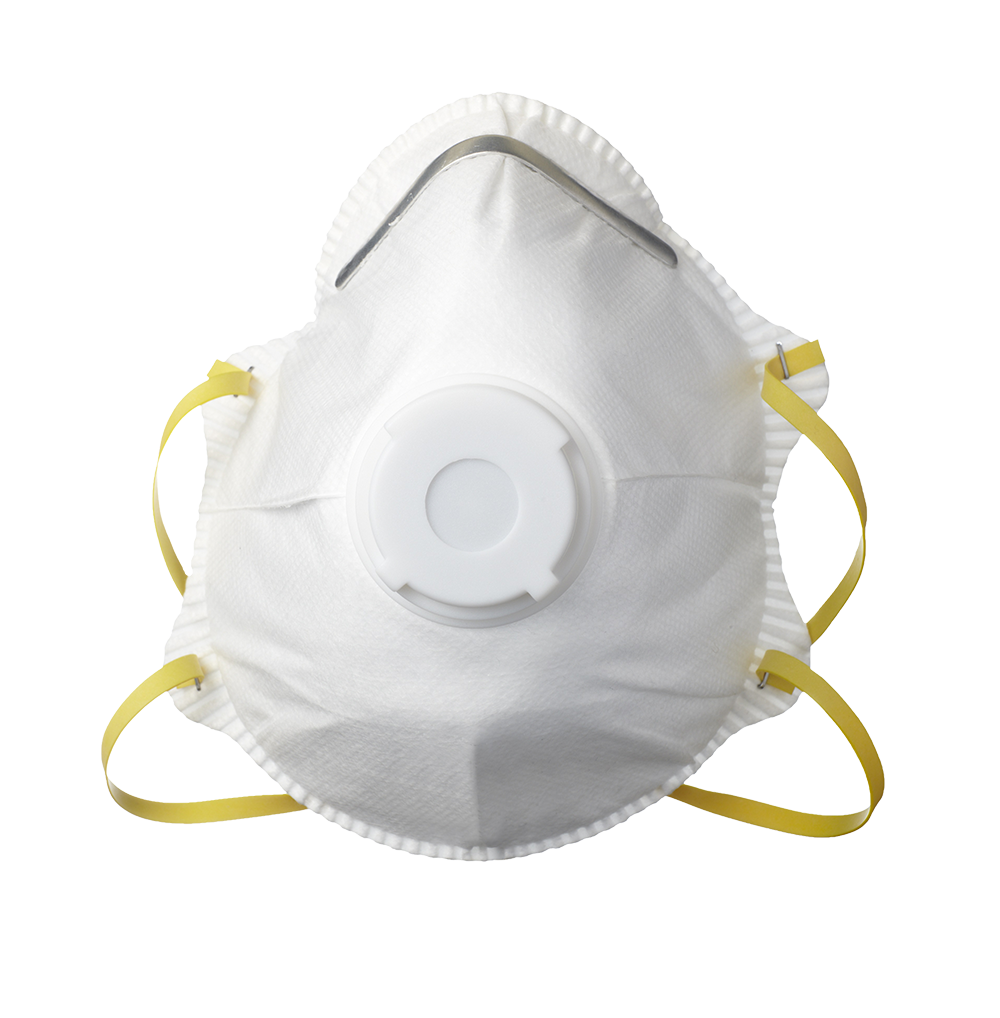
While this may seem new to many employers, it is technically an extension of regulations currently in place including the respiratory protection standards for employees and the need to address identified hazards in the workplace. As an employer it is critical that you follow the hierarchy of controls to ensure your employees’ safety in the field. If possible, eliminate the hazard by shutting down the workforce for the day. Employees should remain indoors until particulate levels fall to acceptable. If this is not possible, try to limit the workday by rotating employees who must work outdoors, remaining cognizant of the hazards in the air and allowing employee’s time to recover in appropriate indoor areas. If neither of these options are possible, consider providing N95 respiratory protection masks.
Please remember that any type of respiratory protection provided to employees must also be accompanied by applicable training, pulmonary exams, communication on proper usage/storage and others. Links to the applicable programs can be found at this address along with sites to help you monitor air quality: https://www.dir.ca.gov/dosh/Worker-Health-and-Safety-in-Wildfire-Regions.html
This site has additional training resources in English and Spanish, handouts on proper usage of N95 masks and the history of the standard as it has been submitted. Cal/OSHA wants you to have the resources you need to effectively address the risk potential.
At this point, the regulation is on its way to the Office of Administrative Law for approval and if deemed compliant, it will go into effect 10 days after it is received. This would mean the regulation could go into effect before August.
An advisory committee will meet August 27, 2019 to begin work on a permanent version of the regulation.
If you have any questions about ways to enhance regulatory compliance, please reach out to your local resources including your insurance agent, workers’ compensation insurance safety professionals, and Cal/OSHA Consultation.