

Industry News

OSHA Issues Heat Hazard Alert: Preparing for the Heat Wave
Author, Megan Lockhart, Media Communications and Client Services Coordinator, Rancho Mesa Insurance Services, Inc.
California can experience high heat in the late Summer and early Fall months, which increases the risk of heat illness for employees working outside.
Author, Megan Lockhart, Media Communications and Client Services Coordinator, Rancho Mesa Insurance Services, Inc.

California can experience high heat in the late Summer and early Fall months, which increases the risk of heat illness for employees working outside.
OSHA has issued a heat hazard alert, reminding companies of their responsibility to protect employees from heat illness this time of year. The U.S. Department of Labor also announced stricter enforcement for heat-related violations and increasing inspections in the construction and landscape industries.
To help employers prepare for this, we've added more dates to our Heat Illness Prevention webinar to help keep employees safe. Register for one of the webinars in the coming months to learn how to best protect employees and reduce the risk of claims.
Additionally, clients can view SafetyOne™’s Extreme Heat Checklist that covers best practices to follow before and during heat exposure, as well as protocol for heat illness incidents.
Identifying Proper Procedures for the Injury and Illness Prevention Program
Author, Jack Marrs, Associate Account Executive, Rancho Mesa Insurance Services, Inc.
In this second installment of exploring an Injury and Illness Prevention Program (IIPP) we will be taking a closer look at the procedures for identifying and evaluating workplace hazards, investigating occupational injury or illnesses, and correcting unsafe or unhealthy conditions, work practices and procedures.
Author, Jack Marrs, Associate Account Executive, Rancho Mesa Insurance Services, Inc.

In this second installment of exploring an Injury and Illness Prevention Program (IIPP) we will be taking a closer look at the procedures for identifying and evaluating workplace hazards, investigating occupational injury or illnesses, and correcting unsafe or unhealthy conditions, work practices and procedures.
Identifying and Evaluating Workplace Hazards
Employers need to have proper measures in place to identify potential health and safety risks like unsafe conditions and practices within the workplace. These measures involve conducting regular inspections to identify any areas of the workplace that may be hazardous. Also, conducting interviews with employees is a great way to identify any potential workplace hazards. During this process it is important to document any identified hazards and create a plan of action to fix them.
According to California’s State Fund “Inspections should be conducted by personnel who, through experience or training, are able to identify actual and potential hazards and understand safe work practices. They should be knowledgeable in the Cal/OSHA safety orders that apply to your workplace to better help you identify potential hazards.”
Investigating Occupational Injuries or Illnesses
Referring now to the investigation that should take place after an accident or near miss has occurred. The investigation should be done by a trained employee who is able to identify the cause of the accident and understands what solutions need to be put in place to prevent a similar incident from happening in the future. When doing an investigation, it is crucial to fill out an investigation report containing the details about what happened. This information is used to not only identify root causes but much of the data that is collected will need to be documented on the OSHA logs. CAL/OSHA lists five important steps for proper recordkeeping:
Each employer (unless exempt by size or industry) must record each fatality, injury, or illness that is work-related, is a new case, or meets one or more of the general recording criteria specified by OSHA.
Record each injury or illness on the OSHA Form 300, according to its instructions.
Prepare an Injury and Illness Incident Report known as Form 301, or its equivalent.
Annually review and certify the OSHA Form 300 and post the Summary of Work-Related Injuries and Illnesses known as the Form 300A no later than February 1 and keep it posted where employees can see it until April 30.
Maintain the last five years of these records in your files.
Lastly, building an inventory of investigation reports can lead to a stronger ability to identify developing trends and root causes that could lead to additional incidents, if not corrected.
Correcting Unsafe or Unhealthy Conditions, Work Practices and Procedures
Once your safety team becomes aware of a hazard, it is imperative to take immediate action. If the hazard is not easily fixable, employees should vacate the work area until a solution is implemented. Once the solution is in place, only trained staff members should enter the hazardous area to address the issue. This approach ensures effective hazard management while minimizing the risks associated with its correction.
By implementing an effective Injury and Illness Prevention Program, workplaces will begin to fulfill their regulatory obligation of maintaining a safe workplace, but also create a culture of safety and accountability.
Our next installment will cover the last 3 critical components of the IIPP: providing employee training and instruction, procedures to allow employee access to the program, and recordkeeping and documentation.
Please contact me with any questions about managing your risk at (619) 486-6569 or via email at jmarrs@ranchomesa.com.
The Critical Role of Pollution Liability Insurance for Mechanical Contractors
Author, Kevin Howard, Account Executive, Rancho Mesa Insurance Services, Inc.
Mechanical HVAC contractors are essential to making sure that buildings around the globe have controlled temperatures and are energy efficient. Nationwide, the demand for mechanical HVAC contractors often keeps these businesses with full backlogs. These companies use various materials that create the potential for a pollution liability claim. Refrigerants, gases, flammable liquids, and lubricants are examples of these types of pollutants. If leaked or exposed, walls, ceilings, and floors can develop damage or mold that is not covered by standard commercial general liability policies.
Author, Kevin Howard, Account Executive, Rancho Mesa Insurance Services, Inc.

Mechanical HVAC contractors are essential to making sure that buildings around the globe have controlled temperatures and are energy efficient. Nationwide, the demand for mechanical HVAC contractors often keeps these businesses with full backlogs. These companies use various materials that create the potential for a pollution liability claim. Refrigerants, gases, flammable liquids, and lubricants are examples of these types of pollutants. If leaked or exposed, walls, ceilings, and floors can develop damage or mold that is not covered by standard commercial general liability policies.
Pollution liability insurance is a separate and specific form of insurance meant to protect businesses from pollution-related claims. Pollution risks may arise from activities such as the improper disposal of hazardous materials, fuel spills, or accidental leaks from HVAC systems. Such incidents can lead to damage to the environment, neighboring properties, and public health, which could potentially result in costly legal disputes and cleanup expenses.
Below we will cover two common pollution claim examples in an effort to raise awareness and drive home the need for commercial pollution liability insurance specifically for HVAC mechanical contractors.
Claim Example 1: Contamination of Ground Water due to HVAC System Leak
In this example, XYZ Mechanical installed an HVAC system in a commercial building. The building is adjacent to a residential development. Post install, there was a leak in the refrigerant line which seeped into the dirt below the building which went undetected for weeks. The refrigerant seeped into the groundwater supply causing contamination.
Hazard - This claim example would have a significant impact on wildlife, could cause harm to residents and would need a specific extraction/clean up that would be costly to a business owner.
Protection - A pollution liability insurance policy would react to this type of claim and could offer coverage for the cleanup, any third-party injuries, and the cost for legal proceedings.
Claim Example 2: Fuel-Contaminated Environment
ABC Mechanical is hired to install an energy efficient HVAC ground unit for an apartment complex. There was an underground unmarked fuel storage tank that was accidentally drilled into and caused a leak.
Hazard - This claim example would need immediate attention for the potential risk of fuel leaking into the ground and a plan for cleanup. The leak could make its way into the groundwater contaminating wells and potentially causing contamination of water. There would also be some health hazards for residents that could become a concern.
Protection - A pollution liability policy would come to aid with emergency response, cleanup cost, third- party bodily injury and legal defense costs.
Pollution liability is very often an overlooked coverage for many HVAC mechanical contractors. In 1986, however, the total pollution exclusion (TPE) became a standard exclusion in commercial general liability policies and has since created the need to purchase commercial pollution liability policies due to the variety of exposures to risk. The cost is relatively minor and the benefit very high if and when coverage is triggered. If you have questions regarding commercial pollution liability, please contact me at khoward@ranchomesa.com or (619) 438-6874.
Cal/OSHA to Enact ETS for Silica Exposure in Artificial Stone Industry
Author, Megan Lockhart, Media Communications and Client Services Coordinator, Rancho Mesa Insurance Services, Inc.
On July 20, 2023, the Cal/OSHA board approved a petition that requested an emergency temporary standard for respirable crystalline silica, a byproduct of manufacturing and cutting artificial stone material.
Author, Megan Lockhart, Media Communications and Client Services Coordinator, Rancho Mesa Insurance Services, Inc.

On July 20, 2023, the Cal/OSHA board approved a petition that requested an emergency temporary standard for respirable crystalline silica, a byproduct of manufacturing and cutting artificial stone material.
The petition was submitted to Cal/OSHA by the Western Occupational and Environmental Medical Association (WOEMA). It argued that the recent increase in advanced silicosis cases documented in California hospitals made heightened silica regulations necessary.
The permissible exposure limit (PEL) at which current silica safety requirements apply, is 50 micrograms per cubic meter of air over the course of an 8-hour shift. Employees whose interactions with respirable crystalline silica surpass this limit are required to implement control measures and wear personal professional equipment (PPE) in order to reduce exposure.
WOEMA advised that workplaces using engineered stone with a silica content greater than 50% should put in place the following ETS standards.
Regulated areas to limit employee access to spaces where artificial stone is fabricated.
Restrictions on fabrication without the use of water to suppress dust.
The use of airline respirators or power air-purifying respirators (PAPRs) for all work involving fabrication of artificial stone.
Annual reporting letters from employers to the Cal/OSHA Occupational Carcinogen Control Unit on the use of silica.
Strengthened penalty structure so that violations of the ETS result in citations classified as serious.
Updated information on CT exams and other diagnostic studies, prepared by Cal/OSHA.
Requirements that physicians or other licensed health care professionals report moderate to severe silicosis diagnosis to Cal/OSHA.
The Cal/OSHA staff’s evaluation concluded that most of the petition’s requested requirements were already part of the current standard for silica in construction environments. It therefore advised the board to deny adopting an ETS and instead, update the current permanent standards where needed.
However, in a contested decision, the board ultimately went against their staff’s recommendation, and approved the request to enact an ETS.
Cal/OSHA is expected to draw up the new emergency temporary standards within the next couple months. Silica exposure occurs in industries that manufacture stone countertops, brick, concrete blocks, or ceramic products. This motion may affect construction clients who frequently work with these materials.
Further information regarding the current safety regulations for respirable crystalline silica can be found in Cal/OSHA’s Code of Regulations.
Taking the Mystery out of Bonding for Public Works Projects
Author, Andy Roberts, Account Executive, Rancho Mesa Insurance Services, Inc.
Obtaining bonding for public works projects can be a complex process but understanding what bonds are, why they are required, and what information the bond company needs can take a lot of the mystery out of the process and make it seem a lot less daunting.
Author, Andy Roberts, Account Executive, Rancho Mesa Insurance Services, Inc.

Obtaining bonding for public works projects can be a complex process but understanding what bonds are, why they are required, and what information the bond company needs can take a lot of the mystery out of the process and make it seem a lot less daunting.
Bonds are a financial instrument which provide a guarantee, provided by the bond company, to the project owner (Obligee) that the contractor (Principal) will fulfill their obligations per the terms and conditions of the contract that has been awarded to them. We most often see bonds on public works projects as they are required by law but we also see general contractors and lenders require bonds in some instances. Specifically looking at public works projects, there are laws in place requiring bonds on these projects because they are funded by tax payer dollars, making it important to mitigate the financial risks associated with these projects and protect those funds. With this basic understanding of what bonds are and why they are required, how then do contractors go about getting bonded?
Depending on the size of the project that requires a contractor to get a bond, there are a few different options. Many surety companies offer bond programs solely based on the credit of the owners, and so long as personal credit is good, the surety will offer support. The limit for these types of programs are typically maxed out at $750,000 per project and aggregate depending on the bond company. In order to go above these limits, more financial information must be obtained: contractor questionnaire, three years of company financials (balance sheet & income statements), personal financial statements from all owners, and bank statements verifying the cash amounts listed on company and personal financial statements. After reviewing all of the provided information, the bond company and surety broker can determine the contractor’s eligibility for the appropriate size bond program.
Having the ability to secure bonds can provide additional revenue sources to help a contractor grow their business. This makes it important for contractors to seek out an experienced bond agent that can not only guide them through the process but also educate them so that the process is not overwhelming.
If you have any questions or would like to start putting your own bonding program in place, I can be reached at aroberts@ranchomesa.com or 619-937-0166.
Seasonal Demands Lead to Increased Risk for Landscapers
Author, Megan Lockhart, Media Communications and Client Services Coordinator, Rancho Mesa Insurance Services, Inc.
With summer in full swing and the autumn months close ahead, landscapers are at their busiest time of the year. During this time, landscape companies often increase their employee numbers with temporary hires to meet the seasonal demands. Due to this, employers are encouraged to be more cautious of the increased risk of injuries to their workers, particularly those who are young and less-experienced.
Author, Megan Lockhart, Media Communications and Client Services Coordinator, Rancho Mesa Insurance Services, Inc.
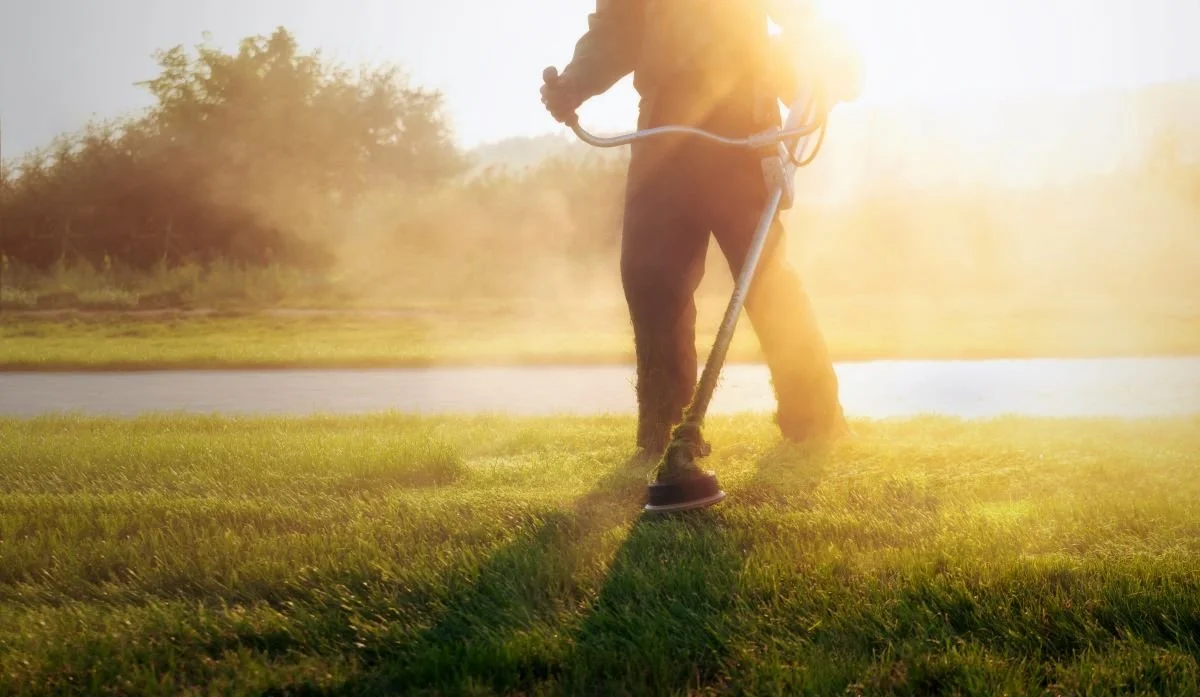
With summer in full swing and the autumn months close ahead, landscapers are at their busiest time of the year. During this time, landscape companies often increase their employee numbers with temporary hires to meet the seasonal demands. Due to this, employers are encouraged to be more cautious of the increased risk of injuries to their workers, particularly those who are young and less-experienced.
Landscaping and grounds keeping is undoubtedly a dangerous field of work. Potential hazards include chemicals, dangerous equipment, wildlife encounters, extreme heat, and electricity. According to the U.S. Bureau of Labor Statistics, 1,072 work-related deaths were reported in the industry from 2011 to 2021, and 142 employees suffered fatal workplace injuries in 2021 alone.
Risk of injury to young people is particularly important this time of year. A study published by the CDC in 2021 analyzed 18,037 workers’ compensation claims in the landscaping services industry from 2001 to 2017. Of these claims, 50% of serious injuries were employees aged 34 and younger. The average age for landscape workers in the United States was 38.1 in 2011, indicating younger workers may be at greater risk to injury than older workers.
Considering younger employees are often hired to work temporary summer jobs and typically have less experience in the industry, employers should ensure young workers are properly trained and are in compliance with the federal child labor law that restricts employees under the age of 17 from being exposed to hazardous occupations.
Newly-hired employees also experience particularly high numbers of work-related injuries in the landscape industry, especially at smaller companies.
“The percentages of all serious injuries occurring during the first 90 days of job tenure ranged from 22% to 30%, with the smallest companies having the highest percentage of these short-tenure claims,” the CDC states in their landscape industry study. “The frequency of injuries to young and early-career workers suggests that better training and supervision of new workers could be crucial to worker safety.”
Increased demand leads to increased risk with less-experienced, young, and temporary hires. As heat continues to soar in late summer and early fall, it is best to make sure your workers all have proper safety training that includes heat illness prevention, in order to prevent workers’ compensation claims.
“Landscaping can be dangerous when workers lack experience and appropriate training in a language they understand,” Assistant Secretary for Occupational Safety and Health Doug Parker said, in an article published by the U.S. Department of Labor. “Too often, our inspectors find workers harmed in ways that their employers could have prevented by following federal and industry safety standards. We urge employers to implement strategies that involve their workers and protect everyone.”
The Federal OSHA website offers Health and Safety Programs applicable to the landscape industry, including an Injury and Illness Prevention Program for High Hazard Employees.
Rancho Mesa’s SafetyOne™ Mobile and Desktop application also contains a library of toolbox talks and online training applicable to landscape workers that can benefit companies during this time of the year. Clients can contact their client technology coordinator for more information.
First Four Steps to Take Immediately After a Data Breach
Author, Sam Brown, Account Executive, Rancho Mesa Insurance Services, Inc.
On Friday, July 14th Rancho Mesa hosted a popular workshop titled “Cyber Liability Explained: Hacking Trends for 2023” with presenter Beau Bechelli of Evolve MGA. His 60-minute presentation educated the audience on the cost of cyber-attacks, the most common types of attacks, and practical ways to help reduce the threat of a breach.
Author, Sam Brown, Account Executive, Rancho Mesa Insurance Services, Inc.

On Friday, July 14th Rancho Mesa hosted a popular workshop titled “Cyber Liability Explained: Hacking Trends for 2023” with presenter Beau Bechelli of Evolve MGA. His 60-minute presentation educated the audience on the cost of cyber attacks, the most common types of attacks, and practical ways to help reduce the threat of a breach.
This article will cover recommended steps an organization should take immediately following a data breach.
Call Insurance Agent
Immediately call the business’ insurance agent or the cyber insurance policy’s claim reporting line to report details of the incident.
Secure Operations
According to the FTC.gov’s Data Breach Response Guide, an organization should first take steps to quickly secure its operations. This may require:
New locks and access codes to physical areas
Taking all affected equipment offline immediately
Remove improperly posted information from the organization’s website
Search for the organization’s exposed information on the web
FTC.gov also recommends interviewing individuals who discovered the breach and advises against destroying evidence.
Address Vulnerabilities
The organization should next address the system’s vulnerabilities compromised in the breach. Contact any service providers involved to assess the personal information to which the provider had access and determine if it’s necessary to change access privileges.
Work with the forensics team to understand if the breach is contained and determine the status of the network’s backup data. This process should also produce the number and types of records compromised. Begin corrective measures as soon as possible.
Notify Appropriate Parties
The guide instructs businesses to notify law enforcement, other affected businesses, and affected individuals. Work with the insurance company’s assigned legal counsel to ensure compliance with all state and federal notification requirements.
Please refer to the Federal Trade Commission’s Data Breach Response Guide for more detailed steps.
For those who are interested in learning more about how cyber-crimes affect real businesses, watch “Cyber Liability Explained: Hacking Trends for 2023.”
Contact me to discuss the merits of cyber liability insurance or a possible data breach at (619) 937-0175 or sbrown@ranchomesa.com.
SafetyOne™ Mobile App Streamlines Safety Within the Janitorial Industry
Author, Jeremy Hoolihan, Account Executive, Rancho Mesa Insurance Services, Inc.
Earlier this year, Rancho Mesa launched its proprietary SafetyOne™ mobile app. Feedback so far has been extremely positive, with many clients taking full advantage of the extensive resources the app provides.
Author, Jeremy Hoolihan, Account Executive, Rancho Mesa Insurance Services, Inc.

Earlier this year, Rancho Mesa launched its proprietary SafetyOne™ mobile app. Feedback so far has been extremely positive, with many clients taking full advantage of the extensive resources the app provides.
As a specialist in the janitorial industry, I have already witnessed how much SafetyOne has improved our clients’ risk management programs. When asked how the app can improve a risk management program, we focus on efficiency and how the app will streamline all of a business’ processes.
For example, the app will help improve the lines of communication between management and crews by sending push notifications to mobile app users, such as crew leaders, with important information and reminders. The app will document incidents at your clients’ location and automatically notify the appropriate administrators in real-time.
The app also ensures that safety trainings are a priority. A company’s administrative staff will be able to determine what safety training topics will be available to each crew. Then, crews will be able to document regular safety meetings easily through their mobile device. The safety meeting documentation will be available in real-time, which helps management address who might have missed the meeting.
In addition, the app is helpful in addressing and minimizing safety issues in the field. The app allows a user to perform and document risk observations at each jobsite to find and address safety concerns before there is an incident.
And finally, one of the most talked about advantages the app provides Rancho Mesa clients is the ability to go paperless. The SafetyOne app eliminates paperwork through electronic documentation of safety meetings, risk observations and other forms. This allows the information to be accessed at any time.
If you are a Rancho Mesa client and have not yet explored the capabilities of SafetyOne, we strongly recommend you explore this new technology. With the assistance of training videos and our client services team, the implementation should be straightforward and easy.
If you have any questions relating to SafetyOne, please feel free to reach out to me at (619)937-0174 or jhoolihan@ranchomesa.com.
Take Your Safety Program to the Next Level through Leading Indicators
Author, Drew Garcia, Vice President of the Landscape Group, Rancho Mesa Insurance Services, Inc.
When it comes to measuring safety, most green industry (i.e., lawn, landscape, and tree care) businesses rely on OSHA rates, the experience modification, and, if you’re a Rancho Mesa customer, your Safety KPI Dashboard. This data is important; however, it only captures lagging information. Take your safety program to the next level by measuring predictive, preventive, and proactive - leading indicators.
Author, Drew Garcia, Vice President of the Landscape Group, Rancho Mesa Insurance Services, Inc.
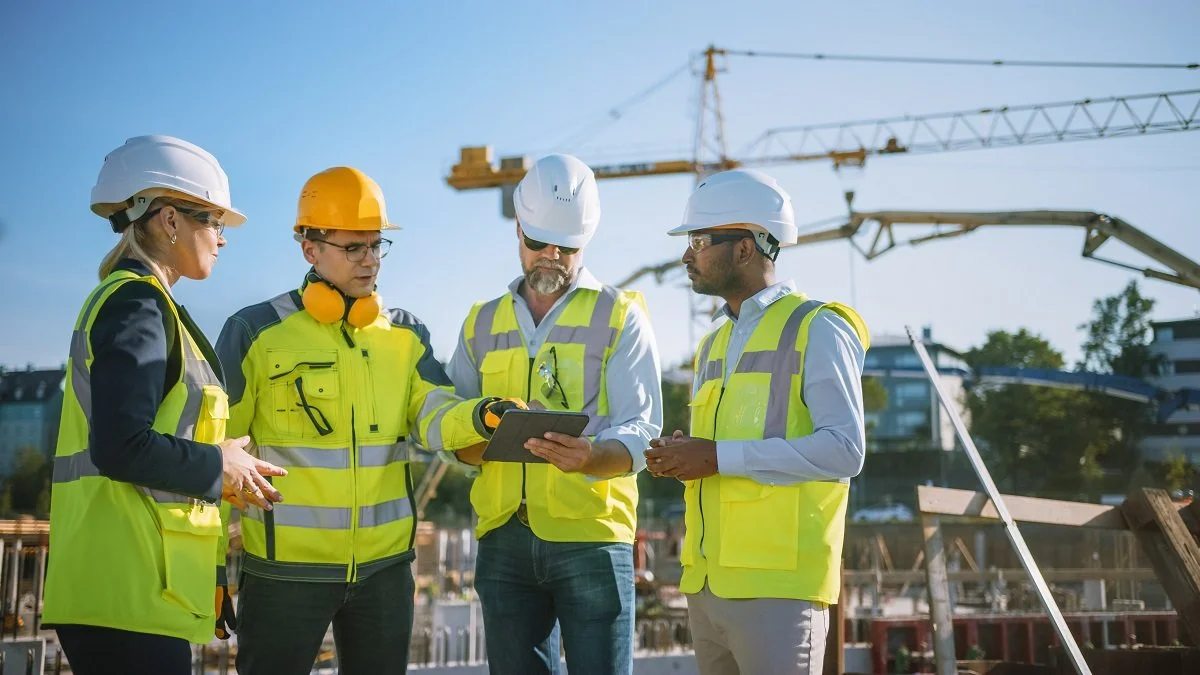
When it comes to measuring safety, most green industry (i.e., lawn, landscape, and tree care) businesses rely on OSHA rates, the experience modification, and, if you’re a Rancho Mesa customer, your Safety KPI Dashboard. This data is important; however, it only captures lagging information. Take your safety program to the next level by measuring predictive, preventive, and proactive - leading indicators.
The SafetyOne™ mobile application provides your green industry business with the ability to capture your leading indicator goals at the yard or on the jobsite.
OSHA published a document on leading indicators along with resources on hazards and solutions for the landscape and horticultural services industry. In the article, OSHA suggest using SMART principles when setting up your program. SMART stands for specific, measurable, accountable, reasonable, and timely.
Examples of Leading Indicators
Attendance at safety meetings - Are your employees attending regular toolbox talks, formal safety meetings, and getting proper safety onboarding? How do you know? Keeping a current record of safety activities allows management to know when safety is a priority or when it’s been neglected. Using data collected in the SafetyOne mobile app, management knows in real-time when a crew did or did not complete a scheduled toolbox talk or safety meeting by the end of the shift. This is a leading indicator that safety is either a priority or it is not and it is time to address the issue before there is an accident.
Industry Known Hazards
Heat Stress – Training, Checklist
Vehicle Accidents – Training, Driving Requirements
Slips, Trips, Falls – Job Hazard Analysis
Lifting – Training, Mobility and Stretch
Cuts and hand injuries - Training
Chemical – SDS, Training
PPE – Training, Checklist
Electrical – Dig alert, Checklist
Review your companies own loss history and extend your indicators to reach your company’s assets and liabilities
Equipment theft
Third-party slip and falls
Vehicle accidents at fault/not at fault
Third party property damage
Equipment damage
By using the SMART principles when developing your leading indicators, you can clearly define your goals. Making the indicators measurable allows your team to take the information and make calculated and informed decisions.
To learn more about the leading indicators or the SafetyOne™ mobile app, contact me at (619) 937-0200 or drewgarcia@ranchomesa.com.
Pure Premium Increase for Landscape (0042) in Consecutive Years
Author, Greg Garcia, Account Executive, Rancho Mesa Insurance Services, Inc.
When my baseball career ended in 2021, it was time for me to do something new with my life. For me the decision was easy and one that I am very grateful for. My dad, Dave Garcia started Rancho Mesa 25 years ago and throughout the years he and many others have contributed into what Rancho Mesa is today, a 16-time National Best Practices Agency. I was fortunate enough to get an opportunity to join such an amazing organization.
Author, Greg Garcia, Account Executive, Rancho Mesa Insurance Services, Inc.

In September 2022, the Workers’ Compensation Insurance Rating Bureau (WCIRB) recommended a 9% increase in the pure premium rate for landscape class code 0042. Effective September of 2023, a 4% increase was recently approved, totaling 13% over the two-year span.
Pure Premium Rates arise from losses sustained and payroll submitted to the WCIRB from all workers’ compensation insurance companies. Per the California Department of Insurance (CDI), “Pure Premium Rates” are defined as “the cost of workers' compensation benefits and the expense to provide those benefits.” The WCIRB evaluates each individual class code and determines what the recommended rates will be for the upcoming year. This recommendation is made to the CDI who ultimately needs to reject or approve the recommendation. Once the pure premium rates are approved, each workers’ compensation insurance carrier will apply their individual least common multiple (LCM) which is an adjustment to the pure premium rate that takes into consideration business expenses and profit for the carrier, thus creating their individual base rates for each class code.
What does this all mean? The claim activity and claim cost as a whole have been increasing over the last two years for landscapes companies in California. This may signal the beginning of a hardening workers’ compensation market resulting in higher premium cost.
What can be done to help combat these potential increases in premium? An increased attention to safety practices to reduce claims, a robust return to work program to mitigate cost of existing claims, proactive claim management, and consistent, documented safety training are a few of the ways that will help a landscape business remain best in class.
Take control of your future costs and look to your existing risk management partners to help you accomplish your goals. For Rancho Mesa landscape clients, we do this through our customized and proprietary programs and tools, including:
Key Performance Indicator (KPI) for workers’ compensation
These pure premium changes will take place on workers’ compensation insurance renewals after September of this year. Don’t be caught by surprise or unprepared. We are here to help you proactively navigate through this. If you have any questions, want to learn more about our programs and tools, please feel free to reach out to me at ggarcia@ranchomesa.com or 619-438-6905.
Contract Provisions to Review for Successful Projects
Author, Anne Wright, Surety Relationship Executive, Rancho Mesa Insurance Services, Inc.
Contracts are not always the most fun to read, but certainly important for all of us in the construction industry.
Author, Anne Wright, Surety Relationship Executive, Rancho Mesa Insurance Services, Inc.

Contracts are not always the most fun to read, but are certainly important for all of us in the construction industry.
As a subcontractor, you are bound to the contract once you have signed it whether you understand everything that is in it or not.
Let’s consider a few key provisions in a construction project agreement that can impact your bottom line more than others. With a goal of mitigating certain impacts along the way, addressing these items prior to signing your contract should be considered as a best practice in the industry, and, we hope, support your success.
Contracts are often tedious to read, to say the least. Any business owner can proceed at their own risk, of course. But, we want to share a few things for you to consider that might offer some support and protection.
Delays
What does the contract say? What is a reasonable penalty? Business owners should always confirm just what types of delay clauses they could be responsible for (e.g., liquidated and consequential come to mind), and since there are most always liquidated damages that could be charged to you for delay of a project, make sure your contract is clear about what those are.
As a subcontractor, you are bound to the terms and conditions of the prime contract between the owner (whether a public agency or private entity) and your general contractor. These can be referred to as “flow down” provisions when it comes to things like damages, warranty, etc.
Best Practice: Always ask for a copy of the prime contract if you are a subcontractor. Make sure you read that, too, for anything that could impact you.
Mobilization
What can you bill for, and when?
Sequencing of Scope of Work
What happens when another trade interferes with your work? What are your rights and responsibilities of putting your client on notice when you have these impacts? Can you be compensated for any additional costs relating to these impacts?
Material Cost Escalations (and lead times)
Does your contract allow for cost escalations? How do supply chain issues affect you and how can you mitigate some of that exposure?
Change Orders
What can you reasonably expect to achieve to cover OH&P?
The best practice for change orders is documentation from day one and early communication to your client. When everyone bunches up at the end of the job with a ton of change orders, the owner may have less of a pool of funds to draw from (for contingencies, etc.) than they may have at earlier stages of the project.
It’s important to know that the surety companies and underwriters are contract savvy as well and we do our best to understand what the obligations are within the contracts. You should expect some questions about some of these contract provisions which, at the end of the day, are intended to make sure you are best protected along the job’s progression.
There just may be something about the surety’s relationship with their principal and communication about these contracts which results in bonded jobs being more successful than non-bonded jobs. But, that’s a topic for another article and podcast!
A Deeper Dive Into Professional Liability
Author, Lauren Stumpf, Marketing & Media Communications Specialist, Rancho Mesa Insurance Services, Inc.
In Episode 315 of Rancho Mesa’s StudioOne™ podcast, Executive Vice President Daniel Frazee and Vice President of the Construction Group Sam Clayton discuss pollution liability, and why virtually all general liability policies exclude this coverage.
Author, Lauren Stumpf, Marketing & Media Communications Specialist, Rancho Mesa Insurance Services, Inc.

In Episode 319 of Rancho Mesa’s StudioOne™ podcast, Vice President of the Construction Group Sam Clayton interviews Executive Vice President Daniel Frazee as they continue their conversation on general liability policies and move deeper into a key exclusion that is often seen as they negotiate terms and conditions on behalf of their clients and prospective clients.
During the episode, Frazee explains what professional liability is and why it is excluded on general liability policies. He gives a summary of what types of contractors typically have professional liability exposure and reasons for why they may have it. Frazee also describes specific options contractors can look at when it comes to securing stand-alone policies.
Episode 319 can be listened to below, or on your favorite listening platform. If you would like more information, please contact Daniel Frazee at dfrazee@ranchomesa.com, or Sam Clayton at sclayton@ranchomesa.com.
Improving Safety with Mechanization in the Tree Care Industry
Author, Rory Anderson, Account Executive, Rancho Mesa Insurance Services, Inc.
Mechanization refers to the process of introducing machinery, equipment, or automated systems to replace human labor. Today, the tree care industry is becoming more mechanized with many technological advancements that are greatly improving the productivity, profitability, and safety of the industry. Let’s focus on safety.
Author, Rory Anderson, Account Executive, Rancho Mesa Insurance Services, Inc.
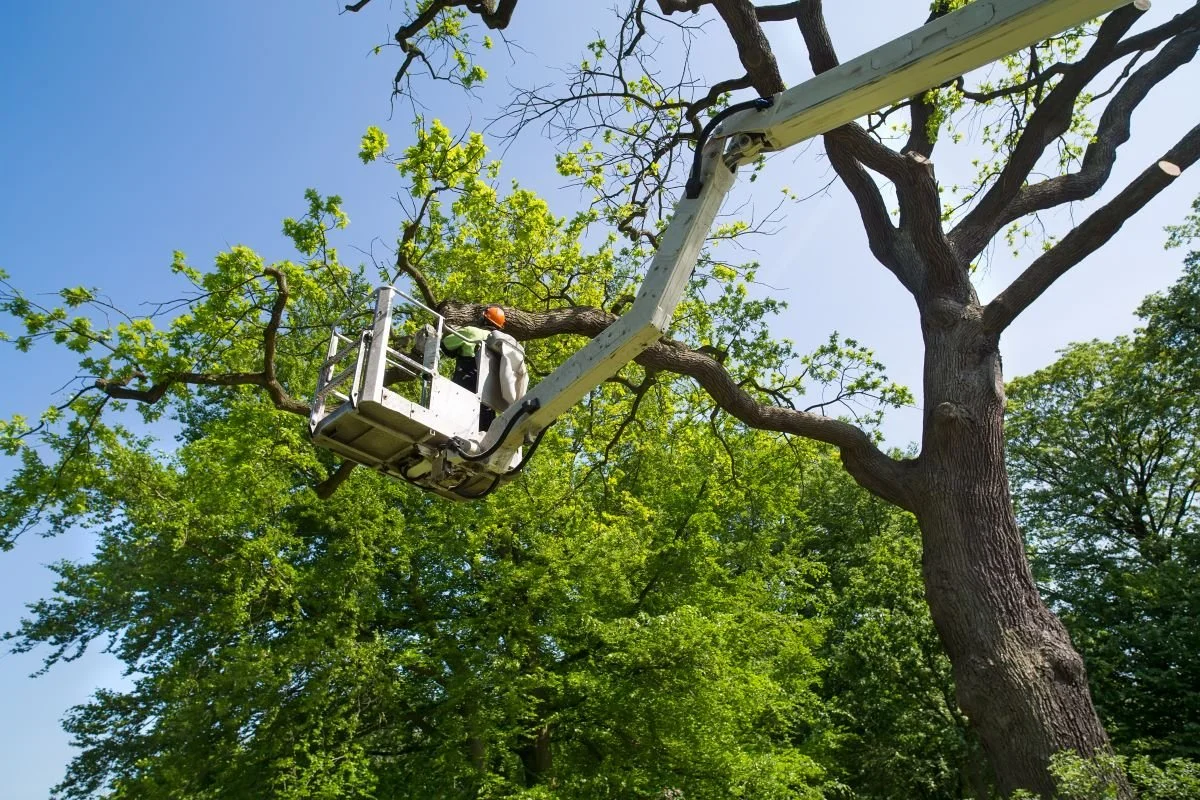
Mechanization refers to the process of introducing machinery, equipment, or automated systems to replace human labor. Today, the tree care industry is becoming more mechanized with many technological advancements that are greatly improving the productivity, profitability, and safety of the industry. Let’s focus on safety.
Tree care accidents can be unforgiving and can have major consequences. Here are some safety benefits that come with mechanization:
Reduces manual labor: mechanization reduces the amount of physical labor required to perform tasks. Tree care tasks are physically exhausting. Specialized machinery reduces the strain on workers, minimizing the risk of fatigue-related accidents.
Improves efficiency and reduces exposure to hazards: Mechanized equipment reduces the time workers spend in potentially hazardous situations, working at heights or in proximity to heavy tree limbs. By executing tasks more quickly and accurately, it reduces the overall exposure to potential accidents and hazards.
Reduces human error: even the most experienced arborists can make mistakes. Machines can mitigate human error by using automation. For instance, tree removal machines with automated cutting and lifting mechanisms can carry out tasks precisely as programmed.
Promotes training: the use of mechanized equipment requires special training and certification. This contributes to a higher level of competency and safety awareness within your organization.
Mechanization is the future of the tree care industry. Of course, traditional methods must always be available. However, we can limit our human footprint and liability by investing in this new-age equipment. Fewer accidents increases productivity and profitability.
For questions please contact me at (619) 486-6437 or randerson@ranchomesa.com.
A Brief Discussion on Pollution Liability
Author, Lauren Stumpf, Marketing & Media Communications Specialist, Rancho Mesa Insurance Services, Inc.
In Episode 315 of Rancho Mesa’s StudioOne™ podcast, Executive Vice President Daniel Frazee and Vice President of the Construction Group Sam Clayton discuss pollution liability, and why virtually all general liability policies exclude this coverage.
Author, Lauren Stumpf, Marketing & Media Communications Specialist, Rancho Mesa Insurance Services, Inc.
In Episode 315 of Rancho Mesa’s StudioOne™ podcast, Executive Vice President Daniel Frazee and Vice President of the Construction Group Sam Clayton discuss pollution liability, and why virtually all general liability policies exclude this coverage.
Frazee and Clayton talk about general liability policies and delve deeper into some key exclusions they often see as they negotiate terms and conditions with underwriters.
Clayton also explains the specific options contractors can look at when it comes to securing stand-alone policies.
Please listen to the full episode below, or on your favorite listening platform. If you would like more information, please contact Daniel Frazee at dfrazee@ranchomesa.com, or Sam Clayton at sclayton@ranchomesa.com.
Breaking Down the First Few Components of the IIPP
Author, Jack Marrs, Associate Account Executive, Rancho Mesa Insurance Services, Inc.
Building upon Sam Brown’s article “Guidance for Developing an Effective Injury and Illness Prevention Program” (IIPP), I would like to delve further into some of the key components of an IIPP. In this first installment, I will explore assigning the right person to create the IIPP, compliance with safety regulations, and effective communication.
Author, Jack Marrs, Associate Account Executive, Rancho Mesa Insurance Services, Inc.

Building upon Sam Brown’s article “Guidance for Developing an Effective Injury and Illness Prevention Program” (IIPP), I would like to delve further into some of the key components of an IIPP. In this first installment, I will explore assigning the right person to create the IIPP, compliance with safety regulations, and effective communication.
Person Responsible for Creating the IIPP
This person must understand the ins and outs of the organization. They must be familiar with the workplace hazards and understand what safety measures need to be put in place. They are also in charge of updating the program and improving it as the organization changes and grows. This individual must also be formally mentioned in the IIPP, clarifying the assigned responsibility for overseeing this aspect of safety by including their name in the document.
Compliance with Safety Regulations
The IIPP outlines the system for ensuring employees comply with safe and healthy work practices.
This entails effectively training and informing employees about their responsibilities and expectations. Employees need to understand the system that is put in place as well as the safety procedures and the requirements of the IIPP. Providing positive recognition and rewarding employees who are following the IIPP guidelines is crucial, while disciplinary measures should be put in place for those who fail to comply. This is how you begin to create a culture of safety and accountability. Also, to ensure your IIPP stays up to date, it is considered best practices to regularly review and update all rules and procedures as needed.
Effective Communication
The IIPP must include a system for communicating with employees in a form readily understandable by all affected.
It remains critical to effectively communicate with your employees on matters that relate to the IIPP. Clear communications can be learned through trainings. And, it is important that employees use language that can be easily interpreted. According to the State Fund, “your communication system should include provisions for encouraging employees to report potential hazards in the work environment without fear of reprisal. One way to do this is to have a notification system where employees report hazards anonymously.” This helps eliminate fear in the employee and allows them to feel comfortable holding their co-workers to the IIPP standard. Effective communication can help prevent injuries from happening in the first place.
By embracing these components, organizations can create a culture of safety and accountability.
The next IIPP article will cover the three critical components of the IIPP: identifying work place hazards, investigating occupational injury or illness, and work practices/procedures.
If you have any inquiries, feel free to reach out to me at (619) 486-6569 or via email at jmarrs@ranchomesa.com.
Heat Illness Awareness Vital for California's Construction Companies
Author, Kevin Howard, Account Executive, Rancho Mesa Insurance Services, Inc.
California faces a critical need to prioritize heat illness awareness among its workforce. The combination of Southern California's recent above average rainfall and the anticipated heatwave resulting from El Niño has created the possibility of an extremely warm summer. Construction companies must remain vigilant and adaptable, implementing appropriate measures to address these changing weather dynamics and ensuring the safety of their workers. By staying informed about weather forecasts and implementing flexible work schedules and site preparations, companies can effectively navigate these challenging conditions and prioritize the well-being of their employees. By understanding the significance of heat illness awareness, companies can ensure the safety and well-being of their workers while fostering productivity, minimizing downtime, and improving overall project efficiency.
Author, Kevin Howard, Account Executive, Rancho Mesa Insurance Services, Inc.
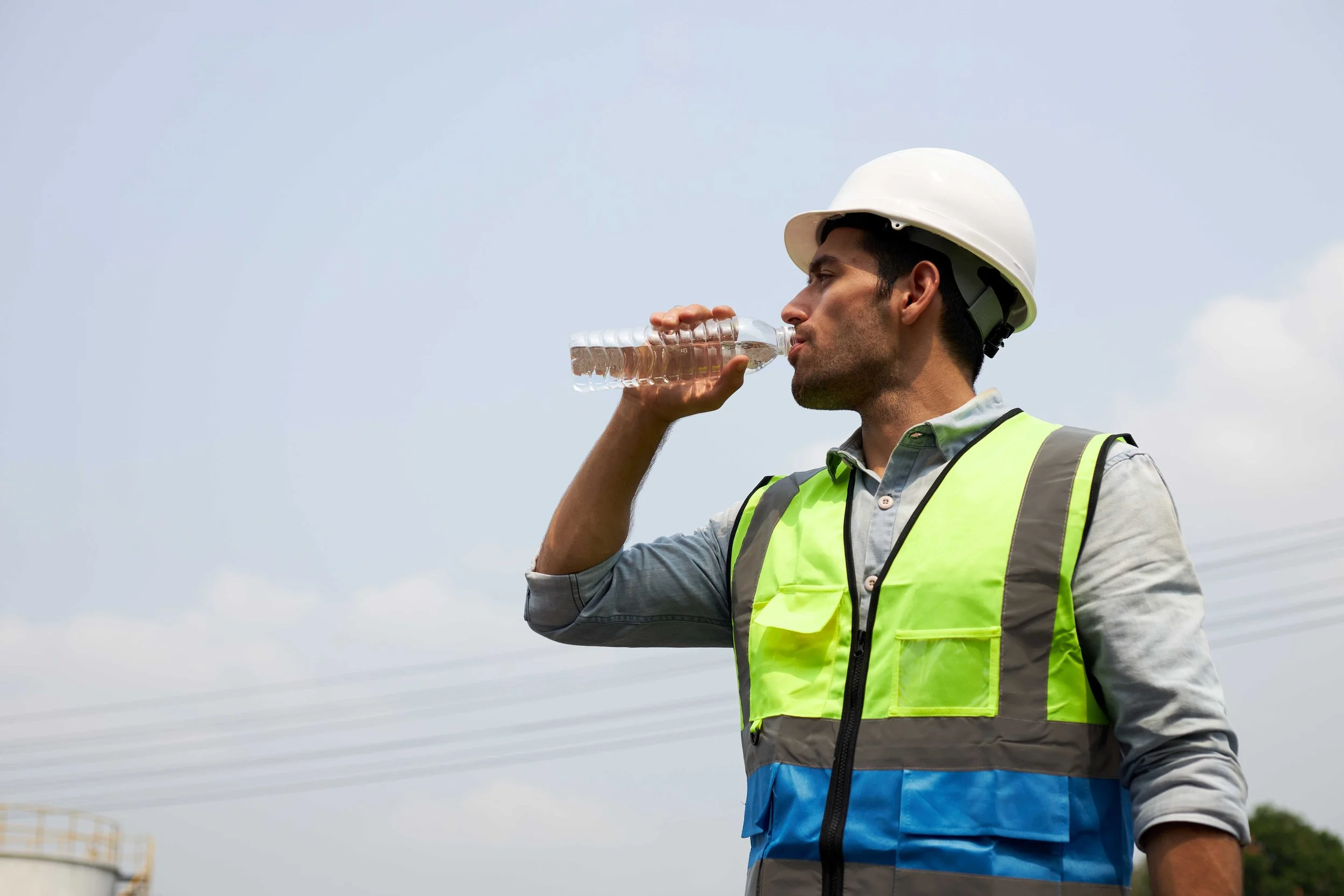
California faces a critical need to prioritize heat illness awareness among its workforce. The combination of Southern California's recent above-average rainfall and the anticipated heatwave resulting from El Niño has created the possibility of an extremely warm summer. Construction companies must remain vigilant and adaptable, implementing appropriate measures to address these changing weather dynamics and ensuring the safety of their workers. By staying informed about weather forecasts and implementing flexible work schedules and site preparations, companies can effectively navigate these challenging conditions and prioritize the well-being of their employees. By understanding the significance of heat illness awareness, companies can ensure the safety and well-being of their workers while fostering productivity, minimizing downtime, and improving overall project efficiency.
Recognizing the Risks
The construction industry in California is particularly vulnerable to heat-related illnesses and fatalities due to the physically demanding nature of the work and prolonged exposure to high temperatures. Heat stress, heat exhaustion, and heat stroke are severe conditions that can result in significant health complications. By acknowledging the risks associated with working in high temperatures, construction companies can proactively take measures to mitigate potential hazards.
Cultivating a Culture of Safety
Establishing a culture of safety is crucial for construction companies in California to create an environment where employee well-being is the top priority. Employers should develop comprehensive programs focused on preventing heat-related illnesses. These initiatives should include employee training, hazard assessments, access to shade and water, acclimatization procedures, and adjusted work schedules. Regular safety meetings and open lines of communication should be encouraged to address concerns, share information, and ensure that everyone is aware of the potential risks associated with working in high heat.
Implementing Worksite Modifications
Modifying the worksite environment can reduce the impact of heat-related illnesses. Construction companies should establish shaded rest areas where workers can take breaks, cool down, and hydrate. Access to potable water should be readily available to prevent dehydration, and regular hydration breaks should be scheduled throughout the day. Additionally, adjusting work schedules to avoid the hottest periods, utilizing cooling fans or misting systems, and implementing rotational job assignments can help reduce heat stress and improve worker safety.
Monitoring and Supervision
Supervisors and management play an important role in ensuring heat illness awareness on construction sites. Regular monitoring of weather conditions and temperature provides valuable information for determining appropriate work practices and scheduling. Close supervision enables the early detection of signs of heat-related illness and allows for immediate intervention. Encouraging workers to prioritize their own well-being and empowering them to report any symptoms promptly is equally important.
Heat illness awareness is vital for construction companies operating in California. By prioritizing worker safety and implementing comprehensive programs to prevent heat-related illnesses, employers can safeguard their employees from the risks associated with high temperatures. Moreover, such initiatives enhance productivity, avoid worker’s compensation claims, reduce downtime due to illness or injuries, and improve overall project efficiency. By cultivating a safety culture, providing necessary PPE, implementing worksite modifications, and maintaining close supervision, construction companies can establish a healthy and safe working environment that ensures the well-being of their workers.
Rancho Mesa’s Upcoming Heat Illness Prevention Workshop
Lastly, Rancho Mesa Insurance is hosting our annual Heat Illness Prevention workshop on June 2nd at the Mission Valley library from 10:00 AM to 11:30 AM. This workshop will provide valuable insights, best practices, and resources to help construction companies and their employees effectively address and prevent heat-related illnesses. Be sure to join this workshop to stay informed and proactive in ensuring the health and safety of your workforce.
Contractor Strategic Planning with Kevin Brown of RBTK, LLP
Author, Matt Gaynor, Director of Surety, Rancho Mesa Insurance Services, Inc.
In my recent StudioOne™ podcast episode with Kevin Brown, Of Counsel with the CPA Firm RBTK, LLP, we discuss the anatomy and considerations that go into strategic planning for your business.
Author, Matt Gaynor, Director of Surety, Rancho Mesa Insurance Services, Inc.

In my recent StudioOne™ podcast episode with Kevin Brown, Of Counsel with the CPA Firm RBTK, LLP, we discuss the anatomy and considerations that go into strategic planning for your business.
The podcast addresses questions, such as:
What do you want your business to accomplish?
What steps will help my company achieve its goal(s)?
The episode includes a discussion of the importance of developing a succession plan.
If you would like more information on Episode 309, please contact Kevin Brown at kbrown@rbtk-cpa.com.
Implementing Best Practices when Hiring in the Construction Industry
Author, Casey Craig, Account Executive, Rancho Mesa Insurance Services, Inc.
With unemployment rates settling near 4 percent, it is becoming increasingly difficult to find the right employees to help grow your construction company. With most able-bodied workers having secure employment, this leads to having either apprentice-type employees that come with unique challenges or pulling from an aging workforce that can bring cumulative injuries and risks. Navigating these issues can be complex and there is not a perfect solution, but employer’s hiring practices need to change in order to keep up with the current state of the industry.
Author, Casey Craig, Account Executive, Rancho Mesa Insurance Services, Inc.
With unemployment rates settling near 4%, it is becoming increasingly difficult to find the right employees to help grow your construction company. With most able-bodied workers having secure employment, this leads to having either apprentice-type employees that come with unique challenges or pulling from an aging workforce that can bring cumulative injuries and risks. Navigating these issues can be complex and there is not a perfect solution, but employer’s hiring practices need to change in order to keep up with the current state of the industry.
When hiring new employees, consider:
Pre-hire drug testing
Pre-hire physicals
Targeted job postings with accurate description of daily work
Multiple levels of interviews
Simulating work at your office that potential new hires would be performing in the field
The US saw a unique shift in the workplace as a result of COVID-19 where employees felt their value skyrocket as fewer people were willing to work in-person. Employers were forced to increase wages to get bodies on jobsites. In prior years, it may have been enough to just rely on word of mouth and referrals to get new hires. Too often now, we are seeing new hires suffer “ghost injuries” that are quickly followed with letters of representation. These and similar types of cumulative trauma claims can have long term impacts on your experience rating (EMR). While these situations are difficult to prevent, using best practices and conducting thorough interviews with your prospective employees will allow you to make educated decisions which typically lead to better hires.
Taking advantage of the best practices listed above can help insulate your company from poor hiring decisions. Obviously, we would love for new hires to turn into long term employees, as onboarding and proper training can be a costly expense in both other employee’s time and payroll. In a recent survey conducted by Traveler’s Insurance, it was shown that 34% of workplace injuries occurred during the worker’s first year on the job. This can be from a combination of inexperience, overexertion, and/or lack of safety knowledge.
Consider these hiring and onboarding processes to assist in mitigating the glaring number of claims that are emanating from newer employees or employees that have limited experience on jobsites. The financial impact they can have on your company will impact your balance sheet for years and can be potentially avoided with implementing some of our recommended techniques
To learn more about improving your hiring practices or how Rancho Mesa can help to improve your process, reach out at (619) 438-6900 or ccraig@ranchomesa.com.
Guidance for Developing an Effective Injury and Illness Prevention Program
Author, Sam Brown, Account Executive, Rancho Mesa Insurance Services, Inc.
As some company leaders may recall, since 1991, all California employers are required to maintain a written Injury and Illness Prevention Program (IIPP). An IIPP is an understandable and accessible safety program tailored to a business’ operations. An effective IIPP will help an employer establish and maintain a safe workplace while setting expectations and protocols for all employees.
Author, Sam Brown, Account Executive, Rancho Mesa Insurance Services, Inc.
As some company leaders may recall, since 1991, all California employers are required to maintain a written Injury and Illness Prevention Program (IIPP). An IIPP is an understandable and accessible safety program tailored to a business’ operations. An effective IIPP will help an employer establish and maintain a safe workplace while setting expectations and protocols for all employees.
The information below outlines the necessary elements of a written and effective IIPP, while recommending a resource to use when creating or updating the plan.
Cal/OSHA requires all Injury and Illness Prevention Programs to contain nine critical components:
A person (or persons) with authority and responsibility for implementing the program is identified.
A system for ensuring employees comply with safe and health work practices.
A system for communicating with employees in a form readily understandable by all affected.
Procedures for identifying and evaluating work place hazards.
Procedures to investigate occupational injury or illness.
Procedures for correcting unsafe or unhealthy conditions, work practices and procedures.
Provide employee training and instruction.
Procedures to allow employee access to the Program.
Recordkeeping and documentation.
California employers looking for guidance on the Cal/OSHA required Injury & Illness Prevention Program can often feel overwhelmed when addressing all required elements, while also abiding by the best practices of updating the plan, annually. Fortunately, California’s State Compensation Insurance Fund offers a free IIPP builder to all employers.
The State Fund’s IIPP Builder will help an employer create an IIPP from scratch, but can also help improve an existing program to make it more effective and compliant. An employer is first asked to answer a series of questions about safety practices. The answers will help build a safety program and tailor it to the business. The IIPP builder will also guide an employer through the required elements of the written IIPP.
Once finished, an employer can save the IIPP to their computer and upload it into their SafetyOne™ mobile app. They can also print and keep a hard copy at all locations. Lastly, to make it a truly effective program, the employers should share details of the IIPP with their employees.
Rancho Mesa wants clients to feel comfortable and confident when creating, updating, and sharing details of their Injury and Illness Prevention Program. To learn more about an effective IIPP and the State Fund’s IIPP BuilderSM, please contact me at sbrown@ranchomesa.com or (619) 937-0175.
Importance of Implementing a Stretch and Mobility Program
Author, Greg Garcia, Account Executive, Rancho Mesa Insurance Services, Inc.
When my baseball career ended in 2021, it was time for me to do something new with my life. For me the decision was easy and one that I am very grateful for. My dad, Dave Garcia started Rancho Mesa 25 years ago and throughout the years he and many others have contributed into what Rancho Mesa is today, a 16-time National Best Practices Agency. I was fortunate enough to get an opportunity to join such an amazing organization.
Author, Greg Garcia, Account Executive, Rancho Mesa Insurance Services, Inc.

Strains are one of the top workers’ compensation injuries affecting landscape companies. The Federal Bureau of Labor Statistics states that back strains account for almost 20% of all workers’ compensation injuries. When analyzing this data, we see there is a common theme - a lack of preventative measures to avoid back strains.
One of the reasons for the frequency of these back strain claims is due to the fact that employees are not properly stretching nor engaged before they perform their work for the day. With regards to safety, the top landscape companies have all implemented a stretch and mobility program of some kind.
Every day, there are two great opportunities to implement a stretch and mobility program. One of which would be at a morning huddle and the other would be at the jobsite. In either case, the most important take away is that there is a stretch program being implemented before the employees engage in any physical activity.
Knowing the importance of a stretch and mobility program for our clients, Rancho Mesa created the RM365 Advantage Mobility & Stretch™ Program for them to implement. We collaborated with a certified professional trainer to create a stretch and mobility program that is designed to help eliminate some of these injuries.
One version of the program can be completed at the morning huddle (without using a truck) and the other can be done at the jobsite (using a truck). Both versions are available in English and Spanish with pictures and descriptions of the movements that need to be performed.
Using Rancho Mesa’s SafetyOne™ mobile app, clients can document every day that they performed the RM365 Advantage Mobility & Stretch™ Program with a quick photo showing their employees in action.
By creating these simple programs and implementing it on a daily basis, we aim to lower the chances of our client’s employees being injured; thus, creating a safer work environment. In addition, limiting these types of claims will also help to lower the company’s experience MOD, which can also help create savings on workers’ compensation premiums.
For landscapers who currently do not have a stretch and mobility program, I would encourage them to reach out to their insurance advisor to help set one up. Or, take a look at the RM365 Advantage Mobility & Stretch™ Program on Rancho Mesa’s website.
Feel free to contact me with any questions about implementing a stretch and mobility program at ggarcia@ranchomesa.com or (619) 438-6905.