

Industry News

Putting Your Best Foot Forward: Slip and Fall Preparedness
Author, Jadyn Brandt, Client Communications Coordinator, Rancho Mesa Insurance Services, Inc.
With winter fast approaching, it’s important that employees are prepared to handle potential hazards caused by the change in weather. Slip and fall prevention is essential for any businesses operating in areas where employees will encounter rain, ice, and snow during the workday.
Author, Jadyn Brandt, Client Communications Coordinator, Rancho Mesa Insurance Services, Inc.

With winter fast approaching, it’s important that employees are prepared to handle potential hazards caused by the change in weather. Slip and fall prevention is essential for any businesses operating in areas where employees will encounter rain, ice, and snow during the workday.
Wet or icy surfaces and snow build-up can increase the likelihood of slip and fall accidents. Unfortunately, it is not always easy to spot ice that has formed on walkways, stairs and building entrances. Workers may unknowingly step on dangerously slick spots, and snow build-up on pathways can obscure tripping hazards like curbs or cracks in the sidewalk.
One way to raise employee awareness all winter long is through a safety campaign. Regular safety reminders and updates can help keep slip and fall prevention on an employee’s radar, until temperatures warm up again.
Employers can communicate potential hazards to their team through physical signage, email alerts, and proper safety training. Signage can be posted in employee common areas, as well as in places where snow or ice may accumulate, alerting workers to the potential hazards around them. Safety trainings should be assigned to team members who will be working in these winter conditions. Regular email reminders should also be sent to team members to caution against dangerous behaviors.
There are a number of safety tips that employers can provide to their staff members either in a training or through email reminders. Here are a few examples:
Proper Footwear: Boots with enough tread or ice cleats should be worn when working outside in winter conditions.
Walk Carefully: Adjust your gate when walking on a slippery area. Take slow, small steps and pay attention to the ground in front of you.
Precipitation: Stay informed about current weather expectations. Be aware of the potential for rain or snow before heading to work each day.
Choose a Safe Route: Follow marked routes to building entrances. Obey signage and don’t take short cuts because they could be dangerous.
Keep Your Hands Free: Make sure your hands and arms are free to help keep you stable while walking. Use bags or backpacks to free up your arms and avoid carrying heavy loads long distances.
Know How to Fall: Knowing how to brace yourself after a fall can reduce the risk of injury. Stay informed on how to protect your body in case things go wrong.
Employers should always make sure their staff are educated about the specific risks of winter weather. Proper training should be provided on adequate footwear, how to walk safely on icy surfaces, and how to lessen or avoid injury if a fall does occur.
Preventing slips and falls requires a proactive approach from both employers and employees. Building awareness in the workplace can reduce the risk of serious injuries and foster a culture of safety in the workplace.
Rancho Mesa has a variety of toolbox talks available through the SafetyOne™ platform that can be utilized in order to prepare them for winter-related hazards. If you have questions about the available safety trainings, contact your Client Technology Coordinator.
Market Update: Sexual Misconduct Liability in Healthcare Organizations
Author, Sam Brown, Vice President, Human Services Group, Rancho Mesa Insurance Services, Inc.
Rancho Mesa’s insurance brokers specializing in healthcare, education and non-profit organizations continue to navigate the hardening insurance marketplace, characterized by tighter underwriting guidelines, reduced limits of liability, increased deductibles, and higher policy premiums.
Author, Sam Brown, Vice President, Human Services Group, Rancho Mesa Insurance Services, Inc.

Rancho Mesa’s insurance brokers specializing in healthcare, education and non-profit organizations continue to navigate the hardening insurance marketplace, characterized by tighter underwriting guidelines, reduced limits of liability, increased deductibles, and higher policy premiums.
One of the sectors most impacted by the hardening market is healthcare and its ability to attain adequate insurance protection, specifically sexual misconduct liability insurance. Continued claim activity, social inflation, third-party litigation financing, and the increased cost of litigation all contribute to the hardening market conditions.
Consider the following data points in order to understand why the market is hardening. Several states have recently removed barriers to reporting abuse. Only five states maintain a criminal statute of limitations on claims of abuse. Nineteen states have eliminated statutes of limitations on civil claims. And, 30 states have enacted laws allowing victims more flexibility to revive claims of sexual abuse.
Additionally, according to the Institute for Legal Reform, from 2016 to 2020 the tort system’s direct economic costs grew 6% every year, exceeding both the inflation rate and GDP. That means more and more cases are litigated each year.
Not only are the number of cases increasing, but a 2023 report titled “Medical Malpractice Claims-Made Social Inflation and Loss Development Report” indicates that claims exceeding $1,000,000 continue to grow in frequency. So, the number of claims are increasing as the cost of claims are increasing.
An increase in third-party litigation financing, the practice of investors funding lawsuits in exchange for a portion of the settlement and return on the investment, can discourage prompt and reasonable settlements. This practice also reduces an attorney’s accountability to good faith standards and produces more lawsuits.
Impact to Sexual Misconduct Coverage and Healthcare Providers
Insurance companies are now reducing their financial risk for abuse exposures. This means medical professional liability underwriters may need additional underwriting information to quote limits in excess of $100,000. Additional underwriting measures may include issuing non-renewals, considering jurisdictional challenges, careful consideration of policies covering young patients, excluding all trafficking allegations, and adding a per victim or perpetrator deductible.
Risk Management Strategies for Healthcare Providers
Healthcare organizations can help mitigate some of the risk by:
Using chaperones to reassure patients of a procedure’s professional nature. The chaperone provides a witness to support the practitioner’s actions.
Performing examinations for a minor in the presence of a parent, guardian, or chaperone.
Educating the patient about the exam and its necessity prior to the patient’s appointment.
Documenting the exam’s medical necessity, the education provided to the patient, and the chaperone’s identity.
Maintaining boundaries by establishing proper practitioner-patient relationships.
Educating staff on proper patient interactions, professional boundaries and reporting of misconduct.
Ensuring familiarity with your state’s reporting obligations related to sexual misconduct and include the requirements in your policies and procedures.
The legal environment and claim trends add financial exposure for both healthcare providers and insurance companies. Rancho Mesa will continue to monitor these trends to better educate and advocate for clients. Please contact me at (619) 937-0175 or sbrown@ranchomesa.com to discuss possible insurance solutions.
OSHA Tips to Protect Workers During the Holiday Season
Author, Jadyn Brandt, Client Communications Coordinator, Rancho Mesa Insurance Services, Inc.
As the holiday season approaches, many businesses will experience an increase in demand that can put an extra strain on a workplace and its employees. The surge in work often means more safety challenges for an employer. To deal with the additional strain, employers may be hiring new or seasonal employees, bringing in additional volunteers, and/or expanding their hours. Despite these changes, safety should still remain a top priority.
Author, Jadyn Brandt, Client Communications Coordinator, Rancho Mesa Insurance Services, Inc.

As the holiday season approaches, many businesses will experience an increase in demand that can put an extra strain on a workplace and its employees. The surge in work often means more safety challenges for an employer.
To deal with the additional strain, employers may be hiring new or seasonal employees, bringing in additional volunteers, and/or expanding their hours. Despite these changes, safety should still remain a top priority. Employers must work to train and prepare their employees and volunteers to recognize and prevent job hazards and enact safe work practices.
The Occupational Safety and Health Administration (OSHA) has shared a list of nine safety tips that employers should implement for the holiday season. Here’s what they recommend:
1. Train workers on safe practices in a language they speak and understand
It’s important that all workers are aware of necessary safety practices, rules and regulations. This can include basic safety policies or industry-specific safety trainings. Communicating these policies clearly and effectively is equally as important. Employers should regularly remind employees of safe practices in meetings and give trainings when needed.
2. Provide hands-on training for young and new workers on properly using equipment
New or seasonal workers should be given thorough explanations on all tasks they will perform. This is especially important if a worker will be operating equipment in a warehouse or will be sent out on deliveries. Encourage workers to look out for one another and assist newer hires if needed.
3. Delivery services and warehouse workers should wear bright, visible clothing
Longer hours could mean more workers will work late nights or early mornings. For some workers, that could mean part or all of their shifts are done in the dark. Be sure all workers are wearing the proper clothing and safety gear in order to be sure they are visible in all conditions.
4. Prevent injuries by properly stacking materials and making sure workers stand clear when doors are opened for unloading
Stocking inventory or loading and unloading delivery trucks can be dangerous if workers are unaware of proper lifting and handling techniques. Workers should be trained on these proper techniques before handling heavy items. Remind workers to stand clear of opening doors when unloading delivery trucks, to prevent any materials that may have shifted around in transit from falling on and injuring a person.
5. Create a detailed and flexible staffing plan to help reduce workplace stress
Accommodating everyone’s time-off requests during the holidays can be difficult. And workers may experience heightened stress due to the increased workloads and tight deadlines. Be mindful of each person’s wellbeing, and avoid overworking them during the holidays. Encourage taking regular breaks, and provide access to mental health resources. Keeping a detailed schedule will also help avoid any confusion on busy or unusual days.
6. When large crowds are expected, prepare an emergency plan
The holiday season means many businesses—especially in the retail or community services industry—may experience an increase in visitors. Whether you are a landscaper at a shopping mall or providing meals and health services to the community, larger crowds bring unique safety hazards, from crowd control to fire or medical emergencies. It is important to have a clear and well-communicated emergency plan in place to deal with these situations.
7. Make sure entrance and exit location signs are visible
Employers should ensure that all workers are familiar with emergency exits and evacuation routes. An evacuation plan should also account for disabled individuals, so that everyone can leave safely if necessary. Use clear signage to mark first aid stations, entrances, and exits. A communication system—like an intercom—should also be put in place to quickly convey information in place of emergency.
8. Encourage workers to report any safety and health concerns
Foster a workplace culture that is open to the reporting of any workplace accidents or health concerns. Create a clear and accessible reporting process, and be sure all workers are made aware of that process at the start of their employment. Make it clear to workers that they will not suffer retaliation if they do report an issue. If an issue is reported, act on it promptly and effectively. Staying aware of and prepared for any potential hazards or health problems can be a huge benefit to you and your team in the long run.
9. Remember: Seasonal workers have the same rights as full-time workers
During this time, many businesses may hire seasonal employees to meet increased demand. But it is important to remember that seasonal workers are entitled to the same rights and protections as permanent employees. Seasonal workers should not be excluded from safety trainings or benefits, and should be treated the same as full-time workers.
By following OSHA’s nine tips for holiday worker safety, businesses can help keep employees safe, healthy, and organized through the holiday season. Proper safety training, emergency preparedness and fostering a climate of safety can help keep a business running smoothly through the holidays. More safety resources and trainings can be found on Rancho Mesa’s SafetyOne™ Platform.
Cal/OSHA Releases Top Safety Citations for 2024
Author, Jadyn Brandt, Client Communications Coordinator, Rancho Mesa Insurance Services, Inc.
The Occupational Safety and Health Administration (OSHA) recently released its Top 10 List of Most Frequently Cited Standards for fiscal year 2024. Each year, OSHA compiles a list of the most common workplace safety hazards. Understanding these new numbers can provide insight for employers on potential safety issues within their organizations. While OSHA’s list includes the top ten citations, we will focus on the top five critical violations.
Author, Jadyn Brandt, Client Communications Coordinator, Rancho Mesa Insurance Services, Inc.

The Occupational Safety and Health Administration (OSHA) recently released its Top 10 List of Most Frequently Cited Standards for fiscal year 2024.
Each year, OSHA compiles a list of the most common workplace safety hazards. Understanding these new numbers can provide insight for employers on potential safety issues within their organizations. While OSHA’s list includes the top ten citations, we will focus on the top five critical violations.
1. Fall Protection
Fall Protection (1926.501) was once again the leading cause of OSHA workplace violations. The administration reported over 6,000 violations this year; significantly more than any other reason for citation. There are a number of ways one can incur a fall protection violation including a lack of fall protection such as safety harnesses, hand rails or toe-boards. Regular training on fall hazards and how to properly use fall protection equipment is essential to keeping employees safe while at work.
2. Hazard Communication
Hazard Communication (1910.1200) violations were the second most common reasons for citation. OSHA guidelines require the hazards of the chemicals that a company produces or imports must be, “available and understandable to workers.” In order to avoid citations, employers must train employees on how to handle hazardous chemicals correctly, and must have safety labels displayed in the workplace.
3. Ladders
The number three violation for the year was Ladders (1926.1053). There are numerous requirements for the use of ladders on a job site, which can be found on the OSHA website. Those requirements range from the condition and spacing of ladder rungs, placement and weight limits, and manufacture date. Employers should ensure that all ladders are regularly inspected and maintained, and should make sure employees are trained on how to safely use a ladder on the job.
4. Respiratory Protection
Respiratory Protection (1910.134) was the fourth most-common type of violation. Oftentimes, contaminants in the air of a jobsite require respiratory protection. Some common contaminants that would require specific protection include harmful dusts, vapors, gases or sprays. OSHA also, “requires the employer to develop and implement a written respiratory protection program with required worksite-specific procedures and elements for required respirator use.” That program must then be administered by a trained program administrator.
5. Lockout/Tagout
Lockout/Tagout (1910.147) violations were fifth on the list of the most common safety violations for the year. These violations occur when the proper procedures for controlling hazardous energy releases are not followed when servicing machines or equipment. Proper lockout/tagout procedures are a must when performing machine maintenance, and employers should be sure to train their employees on how to protect themselves.
OSHA tracked safety violations beginning on October 1, 2023 and ending on September 5, 2024. The full list of violations include:
Fall Protection—General Requirements (1926.501): 6,307 violations
Hazard Communication (1910.1200): 2,888 violations
Ladders (1926.1053): 2,573 violations
Respiratory Protection (1910.134): 2,470 violations
Lockout/Tagout (1910.147): 2,443 violations
Powered Industrial Trucks (1910.178): 2,248 violations
Fall Protection – Training Requirements (1926.503): 2,050 violations
Scaffolding (1926.451): 1,873 violations
Personal Protective and Lifesaving Equipment – Eye and Face Protection (1926.102): 1,814 violations
Machine Guarding (1910.212): 1,541 violations
Violations of any of these OSHA guidelines can put employees in dangerous situations, and can lead to significant consequences for an employer. If the proper safety precautions are not put in place, serious injury and even death can occur on a worksite. Failing to comply with the administration’s regulations can also be incredible costly for an employer. The maximum financial penalty for an OSHA violation is currently $16,131 per violation, and the maximum penalty for willful or repeated violations is $161,323 per violation.
Rancho Mesa’s RM365 Advantage Safety Star™ program and the SafetyOne™ platform are both great resources to train employees on the top OSHA safety violations.
If you have questions about how best to prepare your team and implement necessary safety plans, contact your Client Technology Coordinator.
Navigating Halloween Costumes and Celebrations in the Workplace
Author, Jadyn Brandt, Client Communications Coordinator, Rancho Mesa Insurance Services, Inc.
Halloween is right around the corner, and while workplace holiday celebrations offer a chance for creativity and fun, there are a few things to keep in mind to avoid any HR violations.
Author, Jadyn Brandt, Client Communications Coordinator, Rancho Mesa Insurance Services, Inc.

Halloween is right around the corner, and while workplace holiday celebrations offer a chance for creativity and fun, there are a few things to keep in mind to avoid any HR violations.
Companies are not required to have a costume policy in place, but employers should consider instituting one, if they believe costumes could cause an unsafe situation for employees or clients. Examples of items that could lead to safety issues include fake blood, weapons or oversized props. Setting clear guidelines can help employees navigate the dos and don’ts of dressing up, and address the use of items that an employer determines to be a safety hazard.
Employers should also remind team members that professionalism is still a priority, while allowing for festive self-expression. Offensive or inappropriate costumes should not be worn to work. Outfits that show too much skin or depict religious, cultural or gender-related stereotypes are best avoided while working. It’s also best to steer clear from political costumes in the workplace.
It’s always good to take a proactive approach and remind employees of these rules and policies early on, especially if Halloween falls on a workday. Employers should send out a company-wide reminder highlighting workplace policies and guidelines to be sure the holiday festivities don’t make others feel uncomfortable. It’s also important to establish a process for reporting and handling issues, if an incident does occur.
Although plenty of people will enjoy participating in office costume contests and parties, employers should allow these things to be optional. If an employee chooses not to take part in Halloween activities, it may be for cultural or religious reasons, and it’s best not to push them to participate.
Rancho Mesa’s RM365 HRAdvantage™ is a great resource for Rancho Mesa clients who have additional questions about Halloween costume guidelines, how to strike the right balance between festive spirit and appropriate attire, or how to respond to a potential issue.
Preparing Your Company for Winter Weather
Author, Jadyn Brandt, Client Communications Coordinator, Rancho Mesa Insurance Services, Inc.
Winter is on its way, and companies are preparing for the colder months still ahead. Lower temperatures, heavy rain, and illnesses caused by the cold can all take away from the safety and efficiency of a business or job site.
Author, Jadyn Brandt, Client Communications Coordinator, Rancho Mesa Insurance Services, Inc.

Winter is on its way, and companies are preparing for the colder months still ahead. Lower temperatures, heavy rain, and illnesses caused by the cold can all take away from the safety and efficiency of a business or job site.
Cold-weather related incidents are preventable if the proper steps are taken to ensure employee safety. That’s why it is important for employers to take necessary precautions, and prepare their employees for the seasonal changes.
To prepare for the winter weather, supervisors should be sure their workers are wearing the proper clothing in order to reduce body-heat loss, and are staying dry as much as possible; wet clothing can chill the body rapidly. It’s also important not to ignore shivering. Even if an employee says they are fine, persistent shivering is a sign it’s time to return indoors.
In addition to the cold weather, heavy rains, dense fog and substantial snowfall can decrease visibility on the job site, and on the road, which increases the likelihood of accidents with equipment or vehicles. If it is raining, the best thing to do is stay off of the roads. If avoiding the roads is not an option, be sure vehicles are equipped with properly inflated tires that are not bald or badly worn. This will improve traction and reduce the likelihood of losing control of the vehicle.
These are just some of the ways companies can mitigate weather-related incidents. If an accident does occur, SafetyOne™ users can complete an incident report mobile form. A tutorial on how to complete a mobile form can be found on the Rancho Mesa website. To help prevent accidents caused by a mechanical failure, SafetyOne users can file an inspection report for vehicles in need of service using the “Motor Vehicle” observation. A tutorial on how to complete an observation report can be found on the Rancho Mesa website.
Rancho Mesa also has a number of toolbox talks available for cold weather, including safety tips when using an industrial space heater and weather awareness for landscape contractors and tree care companies. To enable access to these weather-specific toolbox talks via the mobile app, Rancho Mesa recommends the SafetyOne administrator create a Winter Weather toolbox talk group specifically for these toolbox talks and assign the group to the desired projects or crews. This will make the winter weather-specific toolbox talks available to users in the mobile app.
Rancho Mesa recommends the following toolbox talks through SafetyOne:
Cold Weather
Driving in Wet Conditions
Effects of Weather
Hypothermia
LP Gas Salamander Heaters
Snow Removal
Temporary Heat Safety
Weather Awareness for Landscape Contractors
Weather Awareness for Tree Care Companies
To learn more about preparing for the winter weather or how to enable toolbox talks in SafetyOne, reach out to your client technology coordinator.
The Solution for Distracted Driving: An Effective Fleet Safety Program
Contractors have seen significant increases in commercial auto rates over the last few years. Because of this, it is imperative for companies to implement a written fleet safety program.
The fleet safety program must detail leadership’s expectation of what is required to be a driver for the company and the consequences if the policies are not followed.
Author, Sam Clayton, Vice President, Construction Group, Rancho Mesa Insurance Services, Inc.

Contractors have seen significant increases in commercial auto rates over the last few years. Because of this, it is imperative for companies to implement a written fleet safety program.
The fleet safety program must detail leadership’s expectation of what is required to be a driver for the company and the consequences if the policies are not followed.
For both the fleet safety program and driver training to be effective and successful, companies should be constantly discussing the policies with all of their employees, not just the employees assigned to a company vehicle.
One topic that should be at the forefront of your driving training program is distracted driving.
Distracted driving is the leading cause of most vehicle collisions and near collisions. According to the National Traffic Safety Administration (NHTSA), nearly 80% of collision and 65% of near collisions involve some form of distracted driving.
There are 3 types of distracted driving:
Visual – An example would be taking your eyes off the road.
Manual – An example would be taking your hands off the wheel.
Cognitive – An example would be taking your mind off driving.
Many of these crashes occur in company vehicles during the working hours and can cause serious problems for both the driver and the company. If the employee is injured, he/she will likely be eligible for workers’ compensation. The company’s auto insurance would pay for damage to the vehicle and potential lawsuits brought on by the bodily suffered by a third party. The quick glance at a cell phone while driving could cost a company hundreds of thousands of dollars.
In order to protect your company from these types of losses, the company’s leadership must make a fleet safety program a priority. Have a written cell phone policy. Require employees to put their phone on do not disturb while they are driving, which blocks calls and text messages while their car is in motion. And, train drivers using the SafetyOne™ Distracted Driving online course. Not only can an effective fleet safety program minimize further insurance increases, but most importantly you could save a life.
To learn the essential points of a fleet safety program and defensive driving skills, register for our Fleet Safety Webinar.
For questions about how your fleet safety program affects your commercial auto premiums, contact me at sclayton@ranchomesa.com or (619) 937-0167.
SafetyOne™ Updates Company News: New Recipient Role Added for Users
Author, Megan Lockhart, Client Communications Coordinator, Rancho Mesa Insurance Services, Inc.
Recently, SafetyOne™ released new updates to the Company News feature of the platform. These updates include a new company news recipient user and added email notifications for all users.
Author, Megan Lockhart, Client Communications Coordinator, Rancho Mesa Insurance Services, Inc.
Recently, SafetyOne™ released new updates to the Company News feature of the platform. These updates include a new company news recipient user and added email notifications for all users.
A new “Recipient” role is now available specifically for receiving company notifications. Users who are assigned to this role do not need access to the mobile app or website, so they won't need to set up a password, and will receive all company news alerts they are assigned via email.
If the user with a Recipient role is switched to a different role in the future, they will be sent an email to create their login information.

Administrators can assign recipient users to their designated projects and when they send out Company News to that project, recipient users will receive it as an email. All users assigned to that project with the mobile app will also get both a notification on their phone immediately and an email.
These new features contribute to the flexibility of SafetyOne and our effort to continually improve user experience.
For questions on how to use these new additions, clients can contact their client technology coordinator, or view our Frequently Asked Questions on the Rancho Mesa website.
California Rainy Season Offers Online Training Opportunity for Employees
Author, Megan Lockhart, Client Communications Coordinator, Rancho Mesa Insurance Services, Inc.
Californians have experienced record storms this year along with other parts of the United States. However, with Spring on the horizon, construction companies are preparing for rainier months still ahead. When job sites close due to rain and flooding, it's a good opportunity for employees to use that time to revisit safety and operational skills with online training.
Author, Megan Lockhart, Client Communications Coordinator, Rancho Mesa Insurance Services, Inc.

Californians have experienced record storms this year along with other parts of the United States. However, with Spring on the horizon, construction companies are preparing for rainier months still ahead. When job sites close due to rain and flooding, it's a good opportunity for employees to use that time to revisit safety and operational skills with online training.
When the weather is hazardous and construction jobs must close, it's common for employers to send workers home. This can cause a financial setback not only for the business, but also for the employees who were depending on working those hours.
“On days where it would be unwise to expect employees to get up on a roof or scale a building wall, offer virtual training sessions so your employees can still earn a living, and you skill up your workforce,” Eric Mochnacz, Director of Operations at Red Clover HR, said in his article.
To prepare for days when the weather restricts jobsite work, employers can compile a list of training that can be assigned to employees, such as operation skills and safety procedures relevant to their work in the field.
“There’s lots of opportunity and potential in planning for bad weather days by building a strong library of virtual training,” Mochnacz said. “When your ability to meet business goals is directly tied to the weather, having contingency plans is crucial for business continuity.”
Rancho Mesa offers tools for employee online training via both the SafetyOne™ platform and the RM365 HRAdvantage™ Portal. SafetyOne holds a library of online training on a wide range of topics in construction safety. RM365 HRAdvantage Portal online training topics include professional development and compliance.
For more information on utilizing Rancho Mesa’s resources, contact your Client Technology Coordinator.
Back to the Books: Fall Months Call for Driver Preparedness
Author, Megan Lockhart, Media Communications and Client Services Coordinator, Rancho Mesa Insurance Services, Inc.
As schools begin filtering back into session, more vehicles flood the roads in the mornings and afternoons. The “rush hour” traffic is back in full swing. From construction workers on their way to the jobsite to parents rushing their kids to school, more vehicles on the road means more risk for accidents, and an uptick in insurance claims.
Author, Megan Lockhart, Media Communications and Client Services Coordinator, Rancho Mesa Insurance Services, Inc.

As schools begin filtering back into session, more vehicles flood the roads in the mornings and afternoons. The “rush hour” traffic is back in full swing. From construction workers on their way to the jobsite to parents rushing their kids to school, more vehicles on the road means more risk for accidents, and an uptick in insurance claims.
According to the National Highway Traffic Safety Administration data, in 2021 the rate of fatal crashes for large trucks was highest in the months August through October, with its peak in September. Construction-industry vehicles typically fall into the category of large trucks, defined by a total weight of 10,000 pounds or more.
To avoid becoming a statistic, it’s a good time for employees to freshen up on driver training. The SafetyOne™ platform offers a library of online driver training topics to ensure your drivers are safe on the road.
Driver Safety: The Basics
Driving Safety
Driving Defensively
Distracted Driving
Commercial Driver’s License (CDL) Defensive Driver Training
To learn more about risk management resources or the training offered in SafetyOne, contact your client technology coordinator.
Seasonal Demands Lead to Increased Risk for Landscapers
Author, Megan Lockhart, Media Communications and Client Services Coordinator, Rancho Mesa Insurance Services, Inc.
With summer in full swing and the autumn months close ahead, landscapers are at their busiest time of the year. During this time, landscape companies often increase their employee numbers with temporary hires to meet the seasonal demands. Due to this, employers are encouraged to be more cautious of the increased risk of injuries to their workers, particularly those who are young and less-experienced.
Author, Megan Lockhart, Media Communications and Client Services Coordinator, Rancho Mesa Insurance Services, Inc.

With summer in full swing and the autumn months close ahead, landscapers are at their busiest time of the year. During this time, landscape companies often increase their employee numbers with temporary hires to meet the seasonal demands. Due to this, employers are encouraged to be more cautious of the increased risk of injuries to their workers, particularly those who are young and less-experienced.
Landscaping and grounds keeping is undoubtedly a dangerous field of work. Potential hazards include chemicals, dangerous equipment, wildlife encounters, extreme heat, and electricity. According to the U.S. Bureau of Labor Statistics, 1,072 work-related deaths were reported in the industry from 2011 to 2021, and 142 employees suffered fatal workplace injuries in 2021 alone.
Risk of injury to young people is particularly important this time of year. A study published by the CDC in 2021 analyzed 18,037 workers’ compensation claims in the landscaping services industry from 2001 to 2017. Of these claims, 50% of serious injuries were employees aged 34 and younger. The average age for landscape workers in the United States was 38.1 in 2011, indicating younger workers may be at greater risk to injury than older workers.
Considering younger employees are often hired to work temporary summer jobs and typically have less experience in the industry, employers should ensure young workers are properly trained and are in compliance with the federal child labor law that restricts employees under the age of 17 from being exposed to hazardous occupations.
Newly-hired employees also experience particularly high numbers of work-related injuries in the landscape industry, especially at smaller companies.
“The percentages of all serious injuries occurring during the first 90 days of job tenure ranged from 22% to 30%, with the smallest companies having the highest percentage of these short-tenure claims,” the CDC states in their landscape industry study. “The frequency of injuries to young and early-career workers suggests that better training and supervision of new workers could be crucial to worker safety.”
Increased demand leads to increased risk with less-experienced, young, and temporary hires. As heat continues to soar in late summer and early fall, it is best to make sure your workers all have proper safety training that includes heat illness prevention, in order to prevent workers’ compensation claims.
“Landscaping can be dangerous when workers lack experience and appropriate training in a language they understand,” Assistant Secretary for Occupational Safety and Health Doug Parker said, in an article published by the U.S. Department of Labor. “Too often, our inspectors find workers harmed in ways that their employers could have prevented by following federal and industry safety standards. We urge employers to implement strategies that involve their workers and protect everyone.”
The Federal OSHA website offers Health and Safety Programs applicable to the landscape industry, including an Injury and Illness Prevention Program for High Hazard Employees.
Rancho Mesa’s SafetyOne™ Mobile and Desktop application also contains a library of toolbox talks and online training applicable to landscape workers that can benefit companies during this time of the year. Clients can contact their client technology coordinator for more information.
Heat Illness Awareness Vital for California's Construction Companies
Author, Kevin Howard, Account Executive, Rancho Mesa Insurance Services, Inc.
California faces a critical need to prioritize heat illness awareness among its workforce. The combination of Southern California's recent above average rainfall and the anticipated heatwave resulting from El Niño has created the possibility of an extremely warm summer. Construction companies must remain vigilant and adaptable, implementing appropriate measures to address these changing weather dynamics and ensuring the safety of their workers. By staying informed about weather forecasts and implementing flexible work schedules and site preparations, companies can effectively navigate these challenging conditions and prioritize the well-being of their employees. By understanding the significance of heat illness awareness, companies can ensure the safety and well-being of their workers while fostering productivity, minimizing downtime, and improving overall project efficiency.
Author, Kevin Howard, Account Executive, Rancho Mesa Insurance Services, Inc.

California faces a critical need to prioritize heat illness awareness among its workforce. The combination of Southern California's recent above-average rainfall and the anticipated heatwave resulting from El Niño has created the possibility of an extremely warm summer. Construction companies must remain vigilant and adaptable, implementing appropriate measures to address these changing weather dynamics and ensuring the safety of their workers. By staying informed about weather forecasts and implementing flexible work schedules and site preparations, companies can effectively navigate these challenging conditions and prioritize the well-being of their employees. By understanding the significance of heat illness awareness, companies can ensure the safety and well-being of their workers while fostering productivity, minimizing downtime, and improving overall project efficiency.
Recognizing the Risks
The construction industry in California is particularly vulnerable to heat-related illnesses and fatalities due to the physically demanding nature of the work and prolonged exposure to high temperatures. Heat stress, heat exhaustion, and heat stroke are severe conditions that can result in significant health complications. By acknowledging the risks associated with working in high temperatures, construction companies can proactively take measures to mitigate potential hazards.
Cultivating a Culture of Safety
Establishing a culture of safety is crucial for construction companies in California to create an environment where employee well-being is the top priority. Employers should develop comprehensive programs focused on preventing heat-related illnesses. These initiatives should include employee training, hazard assessments, access to shade and water, acclimatization procedures, and adjusted work schedules. Regular safety meetings and open lines of communication should be encouraged to address concerns, share information, and ensure that everyone is aware of the potential risks associated with working in high heat.
Implementing Worksite Modifications
Modifying the worksite environment can reduce the impact of heat-related illnesses. Construction companies should establish shaded rest areas where workers can take breaks, cool down, and hydrate. Access to potable water should be readily available to prevent dehydration, and regular hydration breaks should be scheduled throughout the day. Additionally, adjusting work schedules to avoid the hottest periods, utilizing cooling fans or misting systems, and implementing rotational job assignments can help reduce heat stress and improve worker safety.
Monitoring and Supervision
Supervisors and management play an important role in ensuring heat illness awareness on construction sites. Regular monitoring of weather conditions and temperature provides valuable information for determining appropriate work practices and scheduling. Close supervision enables the early detection of signs of heat-related illness and allows for immediate intervention. Encouraging workers to prioritize their own well-being and empowering them to report any symptoms promptly is equally important.
Heat illness awareness is vital for construction companies operating in California. By prioritizing worker safety and implementing comprehensive programs to prevent heat-related illnesses, employers can safeguard their employees from the risks associated with high temperatures. Moreover, such initiatives enhance productivity, avoid worker’s compensation claims, reduce downtime due to illness or injuries, and improve overall project efficiency. By cultivating a safety culture, providing necessary PPE, implementing worksite modifications, and maintaining close supervision, construction companies can establish a healthy and safe working environment that ensures the well-being of their workers.
Rancho Mesa’s Upcoming Heat Illness Prevention Workshop
Lastly, Rancho Mesa Insurance is hosting our annual Heat Illness Prevention workshop on June 2nd at the Mission Valley library from 10:00 AM to 11:30 AM. This workshop will provide valuable insights, best practices, and resources to help construction companies and their employees effectively address and prevent heat-related illnesses. Be sure to join this workshop to stay informed and proactive in ensuring the health and safety of your workforce.
Plan Your SafetyOne™ App to Best Suit Your Organization’s Needs
Author, Megan Lockhart, Media Communications and Client Services Coordinator, Rancho Mesa Insurance Services, Inc.
Rancho Mesa aims to provide clients with tools that are flexible in order to best fit their individual needs, including our proprietary SafetyOne™ application. SafetyOne’s features are systemized based on “Projects.” However, projects are highly adaptable to the way each individual organization works.
Author, Megan Lockhart, Media Communications and Client Services Coordinator, Rancho Mesa Insurance Services, Inc.

Rancho Mesa aims to provide clients with tools that are flexible in order to best fit their individual needs, including our proprietary SafetyOne™ application. SafetyOne’s features are systemized based on “Projects.” However, projects are highly adaptable to the way each individual organization works.
Below are best practices for utilizing projects depending on your organization’s industry and structure.
Construction (Project or Job)
As the name suggests, construction companies will most likely assign their policies, mobile forms and users to their individual construction projects or job sites. Project managers and foremen can access job-specific content based on the projects they are assigned.
This system works well for both short-term and long-term projects that need to manage safety within unique worksites.
Landscape, Tree Care and Janitorial (Service Crew)
Many landscape, tree care and janitorial companies organize their employees in the SafetyOne application into crews. These crews are employees who stay grouped together from one worksite to the next. Companies can name their projects based on a crew number, truck, or team name and assign content, such as toolbox talks to individual crews.
This system works well for companies providing on-going services to multiple accounts that aren’t necessarily tied to one worksite.
Human Services (Client or Program)
Human services organizations like non-profits, home healthcare, and schools can use projects for their different office locations, facilities, programs, or campuses. These organizations may choose to make policies and forms available to employees based on their office, clients, facility, program or campus.
There may be different ways to utilize the projects organization structure in the SafetyOne application. Through the dynamicity of the platform, Rancho Mesa is happy to help clients best meet their organization’s risk management needs.
For more information about how to set up projects in SafetyOne™, please contact your client services coordinator or watch our Administrator Website Overview Training.
Insurance Benefits of GPS Systems in Commercial Vehicles
Author, Kevin Howard, Account Executive, Rancho Mesa Insurance Services, Inc.
For businesses that rely on a fleet of commercial vehicles, insurance costs can be a significant expense. Insurance carriers calculate premiums based on a variety of factors, including the age and condition of the vehicles, driver experience and record, and the frequency and distance of trips. One factor that can positively impact insurance costs is the use of global positioning systems (GPS) in commercial vehicles. Below, we will explore some of the insurance benefits of installing GPS systems in commercial vehicles.
Author, Kevin Howard, Account Executive, Rancho Mesa Insurance Services, Inc.

For businesses that rely on a fleet of commercial vehicles, insurance costs can be a significant expense. Insurance carriers calculate premiums based on a variety of factors, including the age and condition of the vehicles, driver experience and record, and the frequency and distance of trips. One factor that can positively impact insurance costs is the use of global positioning systems (GPS) in commercial vehicles. Below, we will explore some of the insurance benefits of installing GPS systems in commercial vehicles.
Improved Safety
GPS systems in commercial vehicles can help improve safety by providing real-time tracking of vehicles and drivers. This can help businesses identify and address unsafe driving behaviors such as speeding, sudden braking, and hard cornering. By addressing these behaviors, businesses can reduce the risk of accidents and insurance claims which can result in lower insurance premiums.
Reduced Theft Risk
GPS systems can also help reduce the risk of vehicle theft. If a commercial vehicle is stolen, GPS tracking can help businesses locate the vehicle quickly and notify law enforcement. This can help reduce the risk of property loss and insurance claims related to vehicle theft.
Faster Claims Processing
In the event of an accident or other incidents involving a commercial vehicle, GPS systems can provide valuable data to insurance carriers. This can include information on the location, speed, and direction of travel of the vehicle at the time of the incident. This data can help insurance carriers process claims more quickly and accurately, which can help reduce costs and improve the overall claims experience for businesses.
Lower Insurance Premiums
GPS in vehicles can lower the loss ratio which is a key factor that underwriters use. Furthermore, the disclosure to insurance underwriters that GPS is installed and properly utilized could help insurance brokers negotiate lower premiums based on this added safety feature.
Improved Business Operations
In addition to insurance benefits, GPS systems can also help businesses improve their operations. Real-time tracking and reporting can help businesses optimize their routes, reduce fuel costs, and improve overall efficiency. By improving operations, businesses can reduce costs and improve profitability, which can have a positive impact on insurance costs and premiums.
GPS Systems have a multitude of benefits. These systems can save lives because drivers pay more attention to detail when GPS is on the vehicle. They can lower insurance premiums which can improve the return on investment. Lastly, the ability to track a stolen vehicle is a control that creates major benefits knowing that the cost of vehicles and the time needed to locate a replacement is at an all-time high.
To learn more about how GPS on your commercial vehicles can be implemented as part of your risk management plan, contact me at (619)438-6874 or khoward@ranchomesa.com.
Staying Ahead of the “Hard Market”
Author, Casey Craig, Account Executive, Rancho Mesa Insurance Services, Inc.
Over the past 15+ quarters, California employers have been experiencing a soft workers’ compensation marketplace. At some point, however, this will start to pivot and the companies that will secure the more favorable pricing must be able to differentiate themselves to their insurance carriers. As we continue seeing signs of the hard market coming, without this solid explicit differentiation, it will become harder for our carriers to be aggressive with their pricing. With all of that said, as a business owner, you may be asking how you differentiate yourself to the insurance marketplace and protect your company from large premium increases. Following are some proven methods.
Author, Casey Craig, Account Executive, Rancho Mesa Insurance Services, Inc.

Over the past 15+ quarters, California employers have been experiencing a soft workers’ compensation marketplace. At some point, however, this will start to pivot and the companies that will secure the more favorable pricing must be able to differentiate themselves to their insurance carriers. As we continue seeing signs of the hard market coming, without this solid explicit differentiation, it will become harder for our carriers to be aggressive with their pricing. With all of that said, as a business owner, you may be asking how you differentiate yourself to the insurance marketplace and protect your company from large premium increases. Following are some proven methods.
Return to Work Programs
Do you have a return to work program in place? We all would like to prevent injuries from occurring but need effective return to work programs to help control the total cost of a claim after it has occurred. The fewer dollars that are paid in temporary disability can directly save points on your experience modification (MOD), lower your overall loss ratio, and reduce litigation. All three of these benefits will help you in the marketplace and keep future premiums in check. Watch our “Return to Work Program: A Cost Effect Solution” webinar to learn more about these types of programs.
Hiring Practices
Take an in-depth look at your hiring practices. Many employers are experiencing an uptick in post termination claims that can turn into cumulative trauma claims. This can have severe impacts on your MOD and loss ratio, so it’s vital that you are bringing on the right employees. Pre-hire physicals and drug testing, formal interviews, checking references and job offers with job descriptions are great ways to make sure you are onboarding the right people who are clear in what is expected of them. Fraudulent claims consistently arise from employees who feel undervalued, underpaid, or underappreciated. Hire people with defined roles and make sure they are acknowledged when they are performing well. Employees who are consistently recognized by management and have strong relationships with their supervisors are less likely to file fraudulent claims. Use our Job Description Builder to quickly create job descriptions within the RM365 HRAdvantage™ Portal.
Provide and Document Safety Trainings
Utilize training materials that are provided by your insurance broker. As the hard market trend continues, it is going to be even more important to show the carrier that you are preemptively stopping claims from happening by actively training your employees. Showing your carrier partner that your employees are properly trained and management is prepared when claims occurs will go a long way to getting you the savings you deserve. Rancho Mesa has developed the RM365 Advantage Safety Star™ certification program for foreman/supervisors that is endorsed by the insurance marketplace as a way to both raise the level of safety awareness but also provide subjective credits to your premiums. Rancho Mesa also provides many additional training materials and workshops through our Risk Management Center for clients to use in conducting and documenting their safety.
Now is the time to make sure that you are taking the necessary steps to differentiate yourself from your peers. As you look forward, consider Rancho Mesa and our myriad of resources to help start that process. Contact me at ccraig@ranchomesa.com or (619) 438-6900.
Four Factors Contributing to Employee Theft
Author, Sam Brown, Vice President of Human Services, Rancho Mesa Insurance Services, Inc.
Crime insurance policies act as one line of defense against financial loss to an employer. At times, guarding against theft can feel like an uphill battle with many factors outside of our control. One common form of crime insurance claims may be more preventable than ever with some quick education. We are talking about employee theft.
Author, Sam Brown, Vice President of Human Services, Rancho Mesa Insurance Services, Inc.

Crime insurance policies act as one line of defense against financial loss to an employer. At times, guarding against theft can feel like an uphill battle with many factors outside of our control. One common form of crime insurance claims may be more preventable than ever with some quick education. We are talking about employee theft.
Employee theft can come in the form of stolen petty cash, liberal use of gas cards, or payroll fraud. A review and understanding of the most common reasons why employees steal from their employer can help prevent such crimes.
1. Financial Need
Real or perceived, a financial crisis can drive an employee to steal. Examples include family illness, falling behind on bills, personal debts, or even the desire to have clothing or material possessions the employee cannot afford on their own.
2. Perceived Unfair Treatment
Employees justify stealing when they believe the employer has overworked and underpaid its employees. An employee may also blame management when job performance does not warrant a pay increase. Employees may feel the company owes them.
3. Opportunity
One theory suggests that even honest people will steal if there is ample opportunity. It would make sense then that the incidence of theft increases for employees near unsecured cash or valuable property. This is especially true for employees who understand the worth of company property.
4. Workplace Norms
Employees who see co-workers get away with stealing from the company are more likely to commit theft themselves. Conversely, a quick reminder to a new employee that theft of an any kind is not condoned can adequately communicate what is and what is not to be tolerated.
Understanding factors that drive an employee to steal from an employer can help organizational leaders identify suspicious behavior. This may also lead to management decisions made to influence company culture in a positive way.
Please contact Rancho Mesa Insurance if your private company or non-profit organization has questions about crime insurance and employee theft.
Automobile Rental Reimbursement for Tree Care Companies
Author, Rory Anderson, Account Executive, Rancho Mesa Insurance Services, Inc.
A tree care company’s auto fleet includes specialty vehicles like bucket and box trucks. These vehicles are important assets for the company and critical for completing jobs. Getting into an auto accident is already stressful, but what can add more grief is if the vehicle that gets damaged is vital for your business. In this case, you will be looking to rent a replacement vehicle during the repair window so that your business can maintain productivity and profitability. With this in mind, rental reimbursement coverage helps cover the rental cost incurred while your vehicle is repaired after a covered loss.
Author, Rory Anderson, Account Executive, Rancho Mesa Insurance Services, Inc.
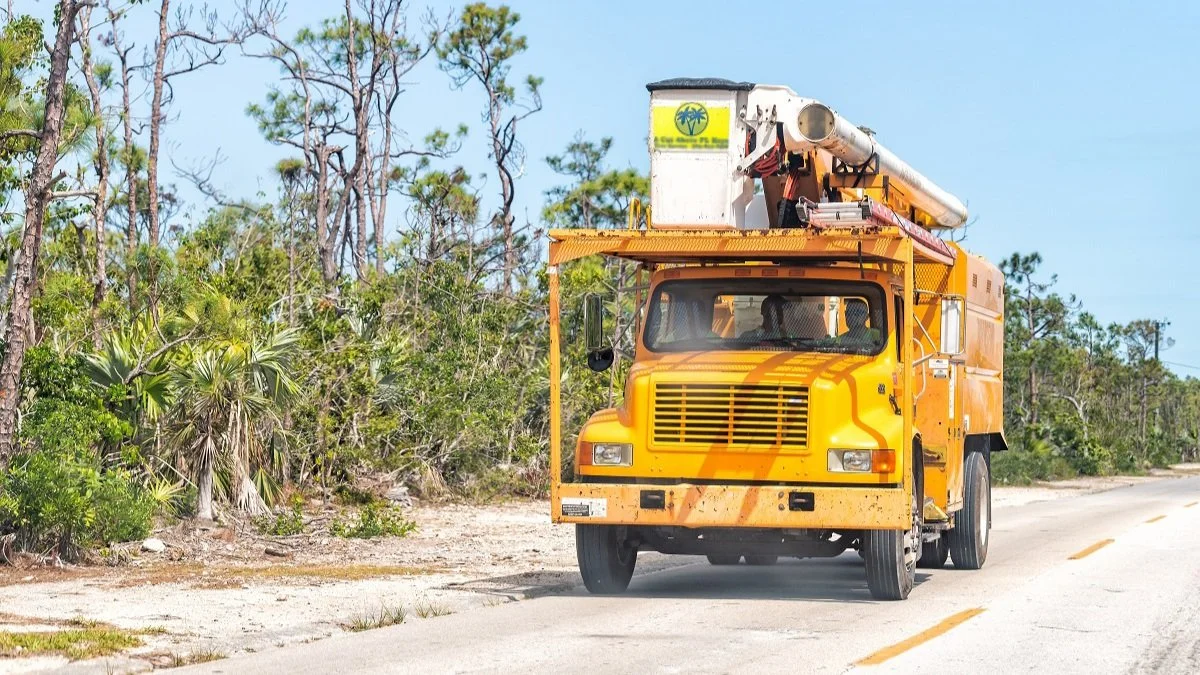
A tree care company’s auto fleet includes specialty vehicles like bucket and box trucks. These vehicles are important assets for the company and critical for completing jobs. Getting into an auto accident is already stressful, but what can add more grief is if the vehicle that gets damaged is vital for your business. In this case, you will be looking to rent a replacement vehicle during the repair window so that your business can maintain productivity and profitability. With this in mind, rental reimbursement coverage helps cover the rental cost incurred while your vehicle is repaired after a covered loss.
In the tree care business, renting a specialty truck is no easy task. Rental bucket and box trucks are expensive and limited. Renting these specialty trucks can cost up to $600 per day. In addition to the cost, the COVID-19 pandemic continues to cause problems with the supply chain of products, including auto parts. So, not only is it expensive to rent these specialty trucks, but it is also taking longer than normal to get vehicles repaired.
The standard rental reimbursement coverage will offer between $50 and $100 per day for 30 days. With how costly the tree care specialty trucks are and with the amount of time it is taking to repair these trucks, you can see how you might find yourself in a sticky situation if one of these key trucks goes down. However, certain insurance carriers will offer to increase the per day amount as well as extend the period of rental reimbursement coverage, if needed.
Partnering with an insurance professional who specializes in the tree care industry is important to make sure that your bucket and box trucks have the correct rental reimbursement coverage in the case of an auto accident.
To discuss this potential gap within your current insurance program or any other commercial insurance for your tree care business, contact me at (619) 486-6437 or randerson@ranchomesa.com.
Three Changes to Your Routine That Increases Safety
Author, Greg Garcia, Account Executive, Landscape Group, Rancho Mesa Insurance Services, Inc.
Every landscape company wants to be safe. So, I want to discuss three ways to improve safety in your workplace starting today: routine equipment maintenance, personal protective equipment (PPE) checks, and finally, assessing job site hazards.
Author, Greg Garcia, Account Executive, Landscape Group, Rancho Mesa Insurance Services, Inc.

Every landscape company wants to be safe. So, I want to discuss three ways to improve safety in your workplace, starting today.
1) Routine Equipment Maintenance
Routine maintenance and cleaning of equipment is essential for any landscape company wanting to make sure all of their equipment is running properly and is ready for a day’s work. From a safety standpoint, we see the biggest risk comes from those companies who use sprayers to fertilize lawns and plants for their clients. By not cleaning the sprayers out daily, landscape companies are putting their employees at risk of being exposed to pesticides and herbicides, which can be detrimental to the employee’s heath. Therefore, routinely checking and cleaning pieces of equipment can not only improve your productivity and profitability by making sure equipment is ready for work, but can also lead to a much safer working environment for your employees.
2) personal protective equipment (PPE) checks
Personal protective equipment is one of the most important things landscape employees can use to protect themselves while they work. Whether it be thorny bushes to cut back, the use of loud chainsaws or mowers, or just the effects of being out in the sun, it is important to assess the job site hazards and make proper PPE choices. A few examples that landscape companies are doing to help their employees fight the effects of being exposed to the sun are: wearing long sleeve shirts, wearing sun hats that provide shade to the face and neck, and wearing proper sunglasses to help with the heavy glare. Always keeping up to date and staying informed on proper PPE will ensure that your landscape company is doing all they can to stay safe.
3) assessing job site hazards
Finally, addressing job site hazards is vital for companies in the landscape industry. The safety manager, supervisor or foreman need to get out to job sites and really see what hazards are out there. For example, look to see if there are any poisonous plants at the jobsite and/or any pieces of debris or puddles in the walk ways that could create a trip and fall hazard. All of these exposures need to be noted to ensure everyone is aware of potential risks. Every jobsite is different, so it is crucial that your team remain proactive and really hone in on the potential risks at each particular jobsite.
If equipment checks, PPE checks, and job site checks are not currently in your landscape company’s safety routine, I would strongly suggest starting that routine, today.
Subscribe to our weekly landscape-specific safety emails to ensure you are getting relevant training materials every week.
If you have questions about how to mitigate your company’s risk, reach out to Greg Garcia at (619) 438-6905 or ggarcia@ranchomesa.com.
Is Your Business Safe From a Business Email Compromise Claim?
Author, Jeremy Hoolihan, Account Executive, Rancho Mesa Insurance Services, Inc.
Cybercrimes are at an all-time high. News sources report cybercrimes almost on a daily basis with most of the press relating to company breaches and cyber extortion. However, one of the biggest cyber threats that is often overlooked is Business Email Compromise (BEC).
Author, Jeremy Hoolihan, Account Executive, Rancho Mesa Insurance Services, Inc.

Cybercrimes are at an all-time high. News sources report cybercrimes almost on a daily basis with most of the press relating to company breaches and cyber extortion. However, one of the biggest cyber threats that is often overlooked is Business Email Compromise (BEC).
BEC is a type of email cybercrime scam in which an attacker targets a business to defraud the company. BEC attacks use real or impersonated business email accounts to defraud employees. In 2020, BEC scammers made over $1.8 billion – far more than any other type of cybercrime.
In this type of cybercrime, the scammer sends an email that looks like it came from someone the recipient knows, like a superior or co-worker, and asks them to do perform a task. For example, the email may request:
A change to a vendor’s mailing address so future payments are sent to the scammer and not to the actual vendor.
An employee to purchase gift cards for a charity auction or employee rewards and then asks for the serial numbers on the cards so the scammers can use them without ever having the physical card.
A client is sent an email with wire instructions for payment of an invoice that appears to come from your company, but instead it is for the scammer’s bank account.
BEC scams use a variety of impersonation techniques. The following 3 techniques tend to be the most common:
A spoofed email address or website often has a slight variation from the legitimate address or URL. At a quick glance, the spoofed email address may fool victims into thinking it’s authentic. However, upon a closer look, an “L” might be switched out for a “I” or an “0” for an “o.”
Phishing emails appear to come from a trusted sender in order to trick the victim into providing personal or confidential information like account numbers, usernames, personal identification numbers, passwords or answers to security questions. Then, the information is used to gain access to networks, accounts, and other data.
Cyber criminals can infiltrate a company’s network using malicious software and gain access to networks and legitimate emails, often getting information about billing and invoices. This type of cybercrime is often unnoticed until it is too late.
For ways on how to protect your business from BEC claims, Rancho Mesa recommends first starting with a Cyber Liability policy. A comprehensive Cyber Liability policy will not only respond to BEC claims, but it can also provide coverage for other cybercrimes such as cyber extortion, cyber breach, and network security. If you have an interest in obtaining a Cyber Liability policy please feel free to reach out to me at 619-937-0174 or jhoolihan@ranchomesa.com.
Signing Up for Safety
Author, Greg Garcia, Account Executive, Landscape Group, Rancho Mesa Insurance Services, Inc.
There are many tips, ideas, and systems involved in creating a safe culture in the landscape industry. The most common practice landscape companies implement with regards to safety are regular safety meetings.
Author, Greg Garcia, Account Executive, Landscape Group, Rancho Mesa Insurance Services, Inc.

There are many tips, ideas, and systems involved in creating a safe culture in the landscape industry. The most common practice landscape companies implement with regards to safety are regular safety meetings.
For these meetings to be effective, you need to ask yourself three questions:
What should be discussed during these safety meetings?
How often do we really need to have these meetings?
Where can I find content for these meetings?
Let’s take a look at each question in more detail.
What should be discussed in these safety meetings? The easy answer is we will just talk about an accident that has recently occurred. That seems like a good approach, but it’s more of a reactive approach than proactive. Make no mistake about it, it is very important to go over safety regarding a previous incident, and take the necessary steps to help prevent that incident from happening again. However, a great safety culture includes a more proactive approach by covering safety topics before an incident occurs. Examples of good topics for safety meetings include something as simple as “Operating a Leaf Blower” to more pressing issues like “Handling Medical Emergencies and Jobsite Injuries.”
Secondly, how often do we need to hold these meetings? The quick answer as often as possible, but we recommend weekly safety meetings as they are the best way to create and change culture for the better. Weekly meetings build consistency. And, these good habits create a safety first culture by emphasizing safety and showing your employees that their wellbeing is a top priority. Plus, OSHA requires safety meetings at least every ten working days, so scheduling them weekly ensures you are meeting that requirement.
Finally, and what seems to be the most important question, is where can I find content for these safety meetings? Rancho Mesa wants to help provide that content. We publish a weekly landscape specific safety tailgate email. These emails arrive in your inbox every Tuesday and range from proper equipment use like “Avoiding Mower-Related Injuries,” to specific injury topics such as “Preventing Heat-Related Illness.” Our 52-week tailgate topics are not only landscape specific, but they correspond to the seasons, as well. So, you will not be receiving a topic on Heat Illness in the middle of winter, instead that topic is more likely to come out in the summer months. There are both English and Spanish versions of these tailgate topics that can be downloaded. These safety emails are something that our clients are taking full advantage of, and is a great way to take the burden of finding landscape specific safety topics off your plate, every week.
In an effort to serve and support the overall health and safety of the landscape community, we offer these trainings without charge to any landscape company that is interested in receiving them. Sign up to receive these trainings every week.
If you have any questions or would like more assistance in developing your safety program, contact me at 619-438-6905 or email me at ggarcia@ranchomesa.com.