

Industry News

A Proactive Approach to Insuring Your Commercial Property
Author, Jeremy Hoolihan, Partner, Rancho Mesa Insurance Services, Inc.
Wildfires in California over the last several years have had a dramatic effect on the insurance marketplace. With expected losses of the recent Los Angeles fires alone to exceed $30 Billion, insurance companies have been taking action to stop the bleeding. These actions include non-renewing policy holders in high hazard zones as well as pulling out of California all together.
Author, Jeremy Hoolihan, Partner, Rancho Mesa Insurance Services, Inc.

Wildfires in California over the last several years have had a dramatic effect on the insurance marketplace. With expected losses of the recent Los Angeles fires alone to exceed $30 Billion, insurance companies have been taking action to stop the bleeding. These actions include non-renewing policy holders in high hazard zones as well as pulling out of California all together.
It is critical that property owners now take a proactive approach to prepare for their upcoming insurance renewals. Insurance companies have tightened up underwriting guidelines and are much more selective with the buildings they are willing to insure. Knowing what insurance companies are looking for and addressing these concerns in advance can be the difference between being insured in the standard marketplace or having to resort to the California FAIR Plan.
Some of the top insurance concerns underwriters are currently facing include the following:
Brush Clearing – It is commonplace for insurance companies to require a pre-inspection before offering an insurance quote. General maintenance such as weed abatement and brush clearing are two important tasks that can determine whether an insurance company is interested in insuring a building.
Fire Zones in California, fire zones continue to grow as a result of climate change, urban expansion, and new technology such as AI modeling that provides a more accurate prediction of where high hazard zones exist.
Building construction type also has a huge impact on an Underwriter’s appetite. A concrete building will obviously be more appealing than a wood framed building, especially in a mid to high level fire zone.
Building Updates – Insurance companies now expect building owners to keep their buildings well maintained and up to date. Underwriters will inquire about the age of a building’s roofing, plumbing, electrical, HVAC and fire sprinkler systems. If a building is over 20 years old, replacement of any one of these systems is a common risk control requirement.
Knowing some of these challenges in advance, building owners can take proactive steps to make their building more attractive to underwriters. Here are a few of those examples:
Property Maintenance
Roof – Regular inspections and timely replacement is key, especially if the roofing material is fire-resistant.
Electrical Systems – Upgrade outdated wiring and panels, especially if you have a Zinsco Panel. They have been known to spontaneously combust and will almost certainly cause carriers to decline offering a quote.
Plumbing – Updating the plumbing system can prevent water damage claims. PEX or copper is preferred over galvanized steel or polybutylene.
HVAC – Upgrading and/or regularly maintaining heating and cooling systems can help avoid fire and mold risks as well as creating a more efficient system.
Fire Suppression System – Installing or upgrading sprinklers can often times determine if an insurance company is willing to insure a building.
Risk Mitigation Features
Fire Alarms – Fire alarms, extinguishers, sprinkler systems, smoke detectors are critical features.
Flood Protection – The installation of sump pumps and proper drainage systems are important, especially in flood zones.
Security Systems – Monitored alarms, cameras, and controlled access points will help reduce theft.
Documentation and Compliance
Inspection reports – Keep updated reports (i.e., roof, HVAC, electrical, fire) ready and available to show underwriters.
Maintenance logs – Document routine maintenance. This helps to show that you are a responsible owner.
Permits and certificates – Make sure upgrades are properly permitted and compliant so that you are able to provide evidence to the insurance underwriter.
While there is reform in the making to California’s property insurance marketplace, it continues to be very difficult to navigate. By implementing many of these recommendations and being proactive as you approach your property insurance renewal window, you will improve your chances of securing the most competitive terms and pricing.
If you have any questions, I can be reached at (619) 937-0174 or jhoolihan@ranchomesa.com.
Protecting Commercial Property Investments through Vacancy Permit Endorsements
Author, Kevin Howard, Account Executive, Rancho Mesa Insurance Services, Inc.
Commercial real estate owners may face significant exposure nationally due to vacancy clauses and policy exclusions. The vacancy permit endorsement can potentially fill a major coverage gap within commercial property policies for landlords.
Author, Kevin Howard, Partner, Rancho Mesa Insurance Services, Inc.
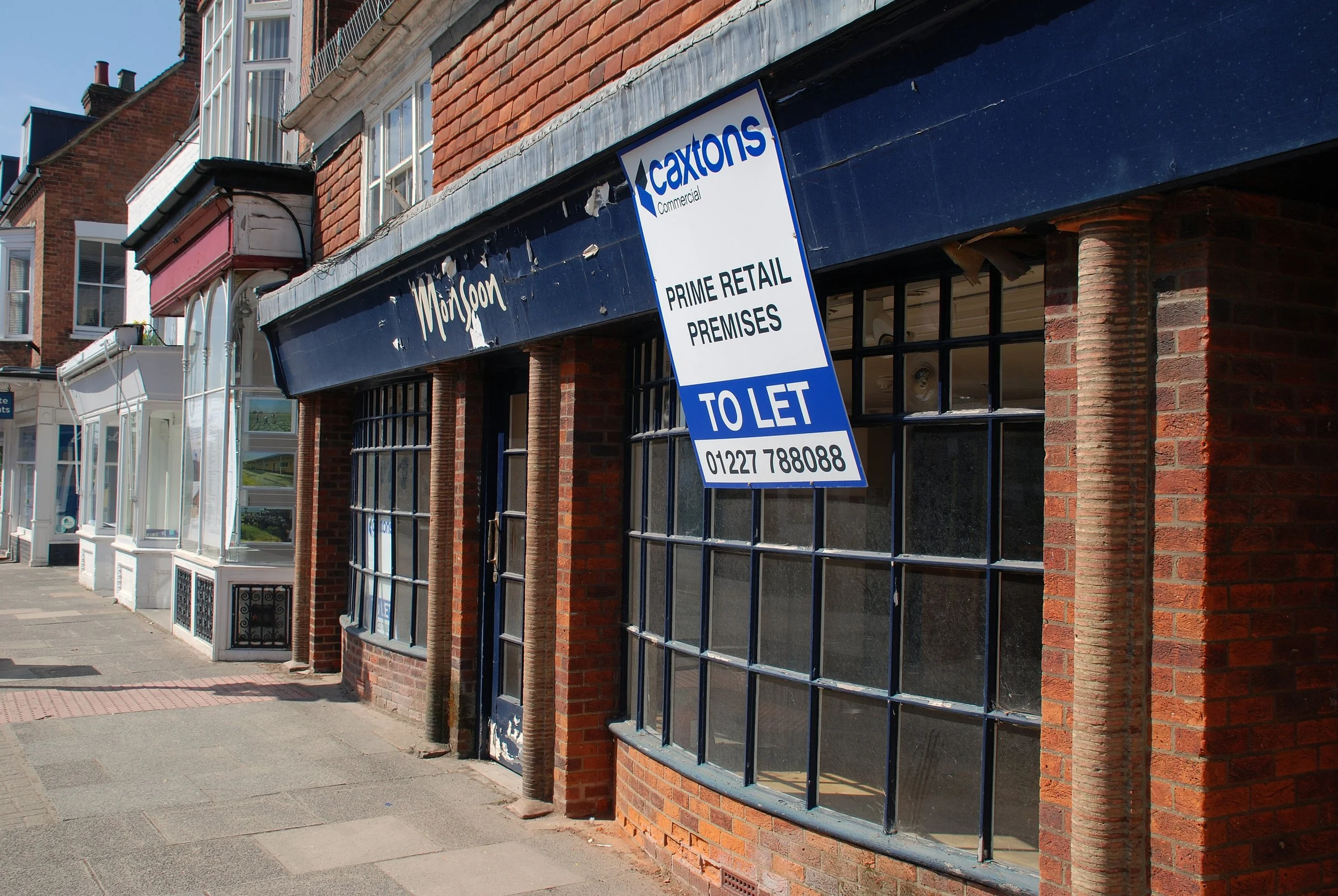
Commercial real estate owners may face significant exposure nationally due to vacancy clauses and policy exclusions. The vacancy permit endorsement can potentially fill a major coverage gap within commercial property policies for landlords.
COVID-19 forever changed the commercial real estate industry by shutting down operations in several asset classes, including retail, office, and industrial. The shutdown created a huge spike in vacancy rates that has certainly come back to nearly normal levels but still presents issues for many landlords. For example, office buildings have seen a continued increase in the national vacancy rate from 12% in 2017 to 16.5% in Q4 of 2023 (www.statista.com).
For property managers and building owners, the risk of an insurance claim within a vacant space has increased, making a focus on coverage paramount. Most insurance policies have specific exclusions that can limit coverage for bodily injury or property damage based on the duration of a building's vacancy or the percentage of the building that is vacant. For example, some exclusions restrict coverage entirely if the building has been vacant for more than 60 days. Another common exclusion requires that at least 31% of the building be rented, leased, or owner-occupied for coverage to respond.
Vacancy Permit Endorsement
For insureds, requesting a vacancy permit endorsement is a smart move that helps eliminate any guesswork regarding coverage gaps. Most carriers will tailor this endorsement to specify the vacancy period, the coverages in place, and the conditions that need to be met by the insured. These conditions typically include maintenance disclosures, inspection reports, and security measures.
There is usually a relatively small premium adjustment for a vacancy permit endorsement, which is well worth the investment compared to the potential cost of an uninsured claim.
The risk associated with vacant properties is more pronounced than ever. Owners and managers must be proactive in securing appropriate coverage to mitigate these risks. The vacancy permit endorsement is a crucial tool in this effort, providing tailored coverage that addresses the specific challenges posed by vacant spaces. By understanding and utilizing this endorsement, property owners can ensure comprehensive protection, safeguarding their investments against unforeseen claims and maintaining peace of mind in an ever-evolving market.