

Industry News

Guidance for Developing an Effective Injury and Illness Prevention Program
Author, Sam Brown, Account Executive, Rancho Mesa Insurance Services, Inc.
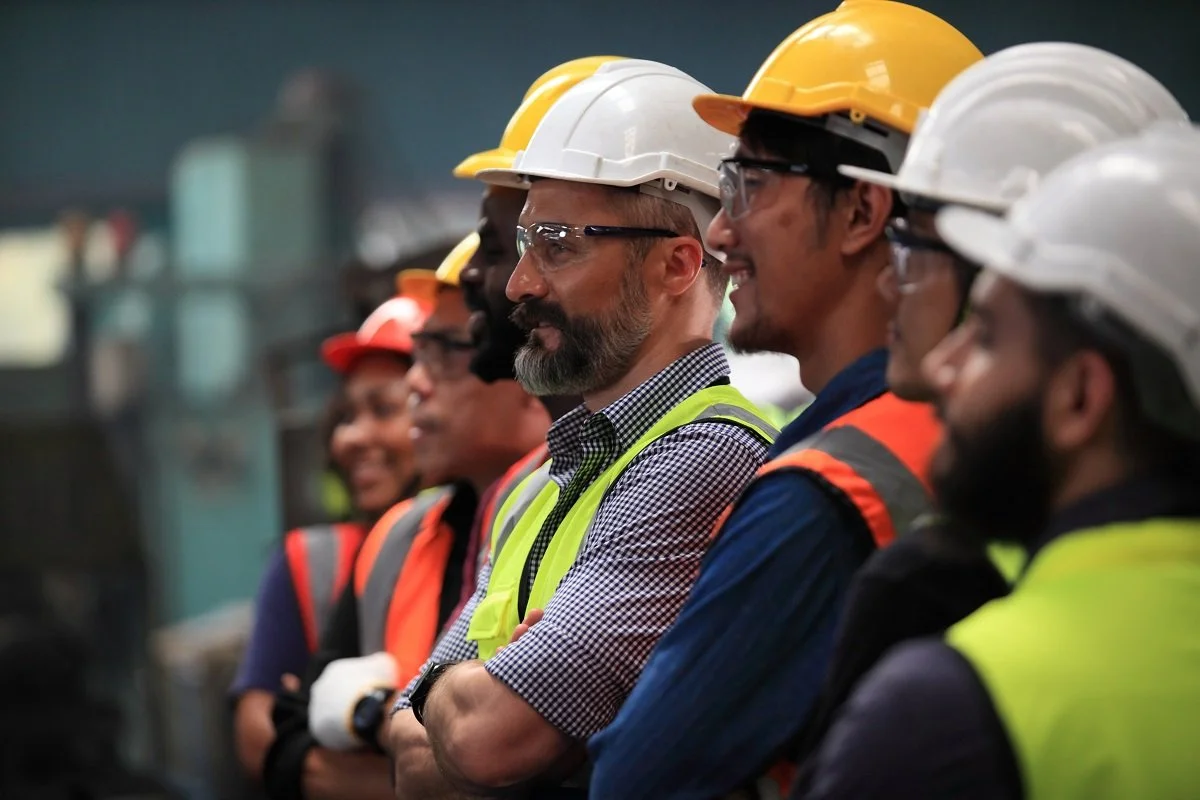
As some company leaders may recall, since 1991, all California employers are required to maintain a written Injury and Illness Prevention Program (IIPP). An IIPP is an understandable and accessible safety program tailored to a business’ operations. An effective IIPP will help an employer establish and maintain a safe workplace while setting expectations and protocols for all employees.
Author, Sam Brown, Account Executive, Rancho Mesa Insurance Services, Inc.
As some company leaders may recall, since 1991, all California employers are required to maintain a written Injury and Illness Prevention Program (IIPP). An IIPP is an understandable and accessible safety program tailored to a business’ operations. An effective IIPP will help an employer establish and maintain a safe workplace while setting expectations and protocols for all employees.
The information below outlines the necessary elements of a written and effective IIPP, while recommending a resource to use when creating or updating the plan.
Cal/OSHA requires all Injury and Illness Prevention Programs to contain nine critical components:
A person (or persons) with authority and responsibility for implementing the program is identified.
A system for ensuring employees comply with safe and health work practices.
A system for communicating with employees in a form readily understandable by all affected.
Procedures for identifying and evaluating work place hazards.
Procedures to investigate occupational injury or illness.
Procedures for correcting unsafe or unhealthy conditions, work practices and procedures.
Provide employee training and instruction.
Procedures to allow employee access to the Program.
Recordkeeping and documentation.
California employers looking for guidance on the Cal/OSHA required Injury & Illness Prevention Program can often feel overwhelmed when addressing all required elements, while also abiding by the best practices of updating the plan, annually. Fortunately, California’s State Compensation Insurance Fund offers a free IIPP builder to all employers.
The State Fund’s IIPP Builder will help an employer create an IIPP from scratch, but can also help improve an existing program to make it more effective and compliant. An employer is first asked to answer a series of questions about safety practices. The answers will help build a safety program and tailor it to the business. The IIPP builder will also guide an employer through the required elements of the written IIPP.
Once finished, an employer can save the IIPP to their computer and upload it into their SafetyOne™ mobile app. They can also print and keep a hard copy at all locations. Lastly, to make it a truly effective program, the employers should share details of the IIPP with their employees.
Rancho Mesa wants clients to feel comfortable and confident when creating, updating, and sharing details of their Injury and Illness Prevention Program. To learn more about an effective IIPP and the State Fund’s IIPP BuilderSM, please contact me at sbrown@ranchomesa.com or (619) 937-0175.
Inflation Increases Cost of Workers’ Compensation Claims
Author, Sam Brown, Account Executive, Rancho Mesa Insurance Services, Inc.
As non-profits and leaders of human service organizations navigate important business decisions in the face of inflation, it’s important to consider measures that can reduce inflation’s impact to an organization’s operating budget. Today, we look at inflation’s effect on workers’ compensation insurance and strategies to reduce future costs.
Author, Sam Brown, Account Executive, Rancho Mesa Insurance Services, Inc.

As non-profits and leaders of human service organizations navigate important business decisions in the face of inflation, it’s important to consider measures that can reduce inflation’s impact to an organization’s operating budget. Today, we look at inflation’s effect on workers’ compensation insurance and strategies to reduce future costs.
In August 2022, the U.S. Bureau of Labor Statistics published data reflecting an 8.3% increase to the Consumer Price Index for All Urban Consumers over the previous 12 months. If medical costs are the largest expenditure in workers’ compensation claims, how is the recent inflationary trends affecting worker’s compensation medical and claim costs?
Medical costs per workers’ compensation claim increased almost 18% between 2012 and 2021 according to a study by the National Council on Compensation Insurance (NCCI). Moving forward, the Office of the Actuary at the Centers for Medicare and Medicaid Services projects an index closely related to medical costs in worker’s compensation will increase 2.5% to 3% beyond 2022. Inflation has impacted many segments of the economy, including workers’ compensation insurance.
Strategies to reduce inflation’s impact to workers’ compensation insurance premiums, include:
Offer modified duty to all injured workers.
Offering modified duty to employees with work restrictions is widely known to reduce the likelihood of workers’ compensation litigation and reduces the overall cost and duration of the claim. In addition, if an injured employee rejects the offer, then the individual can no longer receive temporary disability benefits. These positive outcomes may help explain why at least one insurance company offers a 10% rate discount to employers that offer modified duty to all injured workers.
Consider on-call medical technician and telephonic nurse triage services.
Rancho Mesa has published articles about the benefits of on-site medical evaluations and nurse-triage services, but they deserve a fresh look. Both services can advise the injured workers on proper self-care, thereby providing the employee with helpful treatment options while avoiding a costly workers’ compensation claim. The employer will also avoid paying the injured worker’s wages while they travel to and wait inside a medical provider’s office.
The nurse-triage service will continue to manage the injury and help the employee determine if further medical care is necessary. Of course, employers should always report the incident to the workers’ compensation carrier.
Consider an alternative workers’ compensation plan to gain more control over claim and insurance premiums.
It’s true that self-insured worker’s compensation plans are typically reserved for very large organizations, but options exist that replicate some of the most beneficial features. The available options depend on the size of the employer.
Small to medium sized employers can explore self-insured groups (SIG) to potentially split payroll between class codes and receive dividends. SIGs are very motivated to help members avoid workers’ compensation claims, but also closely manage open claims. A member vote is typically required after a review of an applicant’s safety plan, safety record, and operations.
Medium to large organizations may consider loss-sensitive plans. The policy will typically offer reduced annual premium if the employer can control claim frequency and claim costs. There may also be an opportunity to share in the underwriting profit following a plan year. Of course, the insured may also need to share in the claim costs in a poor performing year.
Another alternative, workers’ compensation deductible plans, can also offer a premium savings if the employer is willing to pay a deductible on each claim. Deductibles can range from $10,000 to $100,000 or more, depending on the employer’s risk tolerance.
Looking at alternative workers’ compensation strategies and plans can help employers navigate the current pattern of inflation. The information above can reduce claim frequency, claim cost, and also inform nonprofit and human service leaders about potential insurance premium savings available.
To discuss your organization’s options, contact me at (619) 937-0175 or sbrown@ranchomesa.com.
Training Supervisors on Workplace Injury Protocol Can Improve Claim Outcomes
Author, Sam Brown, Account Executive, Rancho Mesa Insurance Services, Inc.
California employers work hard to maintain a safe workplace, but accidents and injuries can occur. While human resources professionals typically have an excellent understanding of the workers’ compensation claim process, proper supervisor training can improve workers’ compensation outcomes for employers and their injured workers.
Author, Sam Brown, Account Executive, Rancho Mesa Insurance Services, Inc.

California employers work hard to maintain a safe workplace, but accidents and injuries can occur. While human resources professionals typically have an excellent understanding of the workers’ compensation claim process, proper supervisor training can improve workers’ compensation outcomes for employers and their injured workers.
Supervisors are often the first to become aware of a workplace injury. Without proper training a supervisor may have the best of intentions, but can create problems by not following company protocols. Sound supervisor training may include:
How to Get the Injured Worker Medical Attention
Supervisors should know the designated medical provider or understand how and when to direct an employee to use telephonic nurse triage services. The supervisor should know what information the provider will need and, if necessary, how the injured worker should be transported to the medical provider’s physical location.
Internal Communication
Supervisors must know how to initiate documenting a workplace injury and how to notify the proper parties of the incident. What incident report should be used? Are witness statements important? Who needs to know of the incident as soon as possible? Whose responsibility is it to report the claim to the insurance company?
Effective Communication
A supervisor setting a tone of empathy immediately following a workplace injury can lead to positive outcomes and reduce the likelihood of litigation. Effective communication can even reduce claim frequency. A study by Shaw, et al., shows how four hours of supervisor training on communication skills and accommodation for workers reporting health concerns produced “a 47% reduction in new claims and an 18% reduction in active lost-time claims.”
Well-designed training can greatly improve workers’ compensation claim outcomes when supervisors follow company protocols, get injured workers medical care, and practice effective communication in the workplace.
Rancho Mesa has developed downloadable forms for the Supervisor’s Report of Employee Accident or Near Miss, and Witness’ Statement to help collect important information about an accident.
For more information on effective workers’ compensation programs, please contact me at sbrown@ranchomesa.com or (619) 937-0175.
It’s OSHA 300A Time
Author, Emily Marasso, Media Communications Assistant, Rancho Mesa Insurance Services, Inc.
The holidays have come and gone and here we are at the end of another great year. Year-end means calendar updates, process changes and document reviews, as well as time to prepare for filing your OSHA 300A form.
Author, Emily Marasso, Media Communications Assistant, Rancho Mesa Insurance Services, Inc.
The holidays have come and gone and here we are at the end of another great year. Year-end means calendar updates, process changes and document reviews, as well as time to prepare for filing your OSHA 300A form.
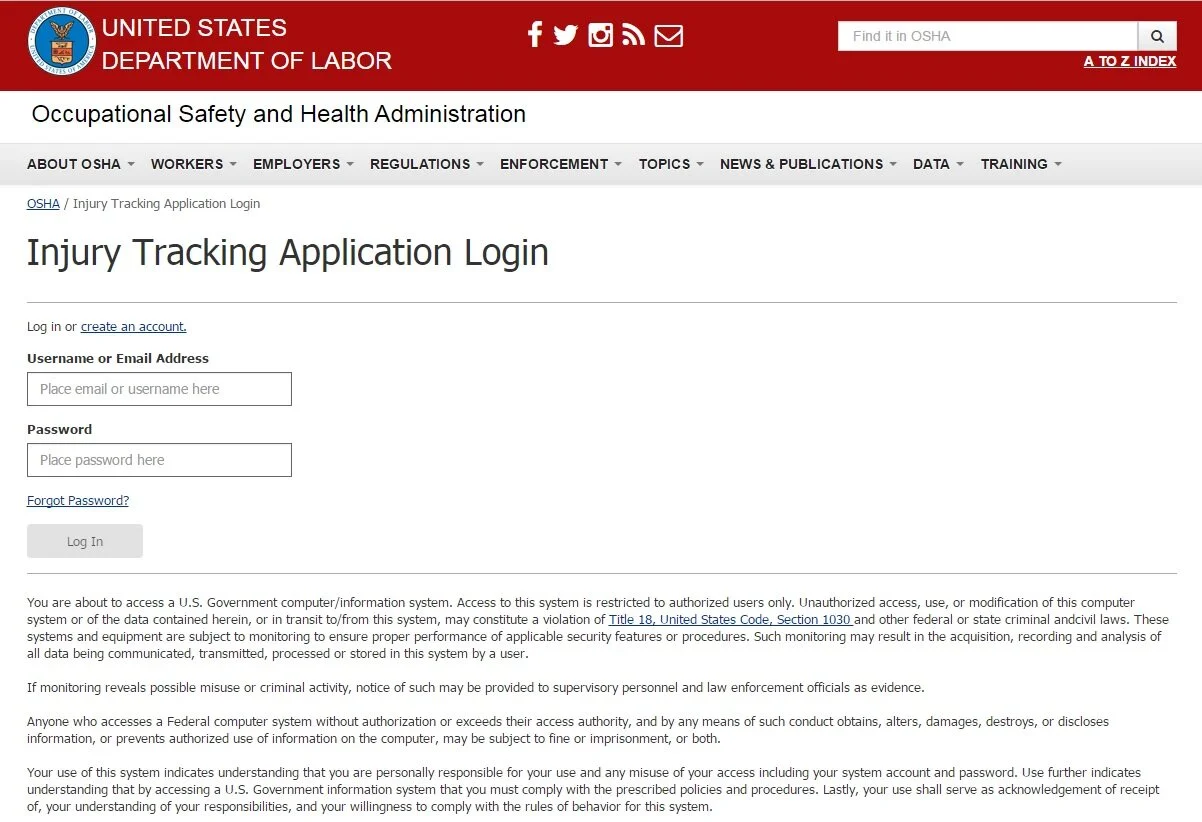
The OSHA 300A form is a summary of injuries and illnesses which occurred on the job during the calendar year. The form must be filed electronically on the Injury Track Application (ITA) starting January 2, 2020. Deadline for 2019 data submissions is March 2, 2020. It must be displayed from February 1, 2020 to April 30, 2020.
Don’t forget, if you are a Rancho Mesa client and utilize the Risk Management Center Incident Track feature, you have access to generate the Cal/OSHA 300A form and export it to a CSV file. From there you can upload it to the OSHA website.
Rancho Mesa has put together a 5-minute tutorial video on how to generate the electronic 300A form data file from the Risk Management Center, that can be uploaded to the Injury Tracking Application website for reporting the data.
For questions about how to track the injury and illness data in the Risk Management Center, contact Alyssa Burley at (619) 438-6869.