

Industry News

Back to School Traffic Safety: Protecting Students and Drivers
Author, Jadyn Brandt, Client Communications Coordinator, Rancho Mesa Insurance Services, Inc.
August marks the start of a new school year and an increase of traffic risks for company drivers. The National Safety Council (NSC) reports motor-vehicle fatalities often increase in the month of August. Daily driver routes can be impacted by new drivers, students on e-bikes, and school zones. It is important to prepare and train company drivers for potential hazards they will face on the road.
Author, Jadyn Brandt, Client Communications Coordinator, Rancho Mesa Insurance Services, Inc.
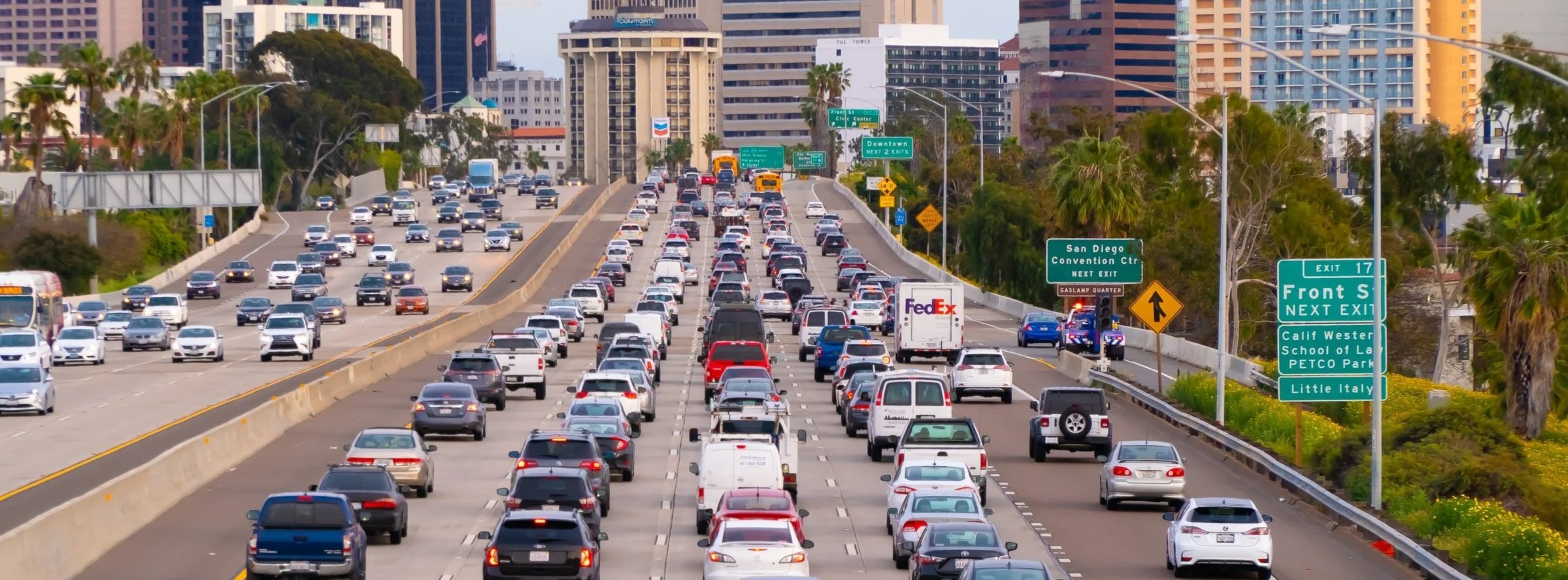
August marks the start of a new school year and an increase of traffic risks for company drivers. The National Safety Council (NSC) reports motor-vehicle fatalities often increase in the month of August. Daily driver routes can be impacted by new drivers, students on e-bikes, and school zones. It is important to prepare and train company drivers for potential hazards they will face on the road.
As children and teens head back to school, campuses and neighborhoods will see an increase in pedestrian traffic. Drivers should be aware of children crossing the road, sometimes unexpectedly, and be prepared to stop quickly if needed. School zones also have slower speed limits than other parts of the neighborhood and drivers should be prepared to follow all additional school-zone laws. Morning drop-off and afternoon pick-up times will be especially busy, and organizations should be reminding their drivers to remain alert at all times.
Company drivers should also be aware that they will be sharing the roads with inexperienced teen drivers and students riding bikes, e-bikes, scooters, and skateboards. Drivers and riders with limited experience can make unpredictable moves on the road. Educating employees on defensive driving tactics can help prepare them to avoid hazards and prevent possible accidents.
The best type of safety training is proactive, not reactive. Preparing company drivers before school resumes is key to enforcing safe habits on the road. Building and implementing a fleet safety program is a necessity to train new drivers and remind seasoned employees of proper driving habits. A fleet safety program can include trainings on defensive driving, route planning, and avoiding distractions to help reduce the risk of collisions.
Rancho Mesa provides clients with a number of fleet safety resources in the SafetyOne™ website and mobile app.
SafetyOne Resources:
Comprehensive Online Driver Safety Training
52 Driver-Specific Toolbox Talks
Automobile Accident Report
Register to watch our on-demand webinar “Building a Fleet Safety Program with Rancho Mesa’s Tools and Resources.”
For more information, contact your client technology team.
Fleet Maintenance: An Overlooked Pillar of Jobsite Safety for Electrical Contractors
Author, Kyle Dunlap, Account Executive, Rancho Mesa Insurance Services, Inc.
Fleet maintenance is essential for electrical contractors that rely on service trucks, vans, and heavy-duty vehicles to transport employees, tools, and materials safely to job sites on a daily basis. When contractors prioritize clean, safe, and well-maintained vehicles on highways, back roads, and active construction zones, they protect their workforce, prevent costly mishaps, maximize fuel consumption and reduce insurance challenges at renewal.
Author, Kyle Dunlap, Account Executive, Rancho Mesa Insurance Services, Inc.

Fleet maintenance is essential for electrical contractors that rely on service trucks, vans, and heavy-duty vehicles to transport employees, tools, and materials safely to job sites on a daily basis. When contractors prioritize clean, safe, and well-maintained vehicles on highways, back roads, and active construction zones, they protect their workforce, prevent costly mishaps, maximize fuel consumption and reduce insurance challenges at renewal.
In the construction industry, fleet maintenance is a direct extension of jobsite safety.
Electricians frequently operate vehicles loaded with tools, ladders, wire spools, and heavy equipment. Worn brakes, underinflated tires, malfunctioning lights, or unsecured cargo can lead to serious incidents before a worker ever steps onto a jobsite. Because these vehicles often travel long distances, navigate uneven terrain, and operate in high-traffic or work-zone environments, mechanical reliability is critical.
A vehicle-related incident can result in employee injuries, OSHA scrutiny, project delays, and third-party liability claims. For electrical contractors, a preventable accident caused by poor maintenance can be just as damaging as an on-site safety violation impacting both worker morale and company credibility.
Electrical contractors should implement formal fleet maintenance programs that include routine inspections, preventive servicing, and documented repair schedules. Pre-trip inspections and clear reporting procedures ensure issues are addressed before vehicles reach the road.
Clean and organized fleet vehicles help reduce risk and support safe operations in the field.
Service vehicles often become mobile workshops. When interiors become cluttered with loose tools, materials, or debris, drivers face increased distraction and the risk of shifting cargo. Dirty windshields, mirrors, and backup cameras further reduce visibility, especially critical when maneuvering in tight jobsite conditions or backing near workers and pedestrians.
Vehicle condition reflects a company’s overall safety culture. Insurance carriers and general contractors often view poorly maintained or unclean vehicles as indicators of broader risk management issues. Additionally, clean, well-kept vehicles project professionalism to clients, inspectors, and the public.
Establish standards for vehicle cleanliness, secure storage systems for tools and materials, and regular housekeeping requirements. Driver safety trainings, QR code-accessible vehicle inspections and fleet management assessments offered in Rancho Mesa’s proprietary SafetyOne™ mobile app can help reinforce expectations and reduce preventable losses tied to vehicle condition.
“When the misuse of tools becomes routine, it sends the wrong message that shortcuts are acceptable and risk is secondary. Maintain a culture where precision and safety comes first.” Rear Admiral Dan “Dino” Martin USN Commander, Naval Safety Command.
Preventable vehicle mishaps can significantly affect insurance premiums and renewal terms for contractors.
Insurers closely analyze fleet loss history when underwriting, accidents involving brake failure, tire blowouts, poor visibility, or unsecured loads are often classified as preventable losses. Even minor incidents such as backing into fences or poles or roadside breakdowns can accumulate and negatively impact loss ratios.
A pattern or frequency of maintenance-related claims may result in higher premiums, increased deductibles, coverage restrictions, or additional underwriting requirements. In a tightening insurance market, contractors with poor fleet performance may face limited carrier options.
Proactive maintenance, documented inspections, driver accountability, and corrective action plans demonstrate to insurers that fleet risks are actively managed. Risk management partners like Rancho Mesa can assist electrical contractors by reviewing fleet losses, identifying trends, and helping prepare for successful insurance renewals.
For electrical contractors, fleet maintenance is not optional, it is a critical investment in employee safety, operational efficiency, and long-term insurability. Clean, well-maintained vehicles help prevent avoidable losses and position contractors as responsible, safety-driven organizations.
To learn about how Rancho Mesa can help streamline your fleet maintenance program, contact me at (619)798-2822 or kdunlap@ranchomesa.com.
Three Key Elements in A Fleet Safety Program for Plumbers and HVAC Contractors
Author, Matt Gorham, Account executive, Rancho Mesa Insurance Services, Inc.
Commercial auto insurance continues to be problematic for plumbers and HVAC contractors as skyrocketing premiums are eroding profitability.
Author, Matt Gorham, Account Executive, Rancho Mesa Insurance Services, Inc.
Commercial auto insurance continues to be problematic for plumbers and HVAC contractors as skyrocketing premiums are eroding profitability.
Unfortunately, indicators show that this trend will continue for the foreseeable future. For the 14th consecutive year, commercial auto has posted an underwriting loss, while just the last two years have developed more than $10 billion combined in net underwriting losses.
The primary driver behind these poor results is auto liability. Fueled by third-party litigation funding, social engineering, and shifting views of corporate responsibility, nuclear verdicts have upended the auto insurance marketplace, causing many carriers to re-evaluate their willingness to even offer commercial policies.
For those carriers that are still writing commercial auto, higher premiums and tighter underwriting guidelines are now standard. Along with closer scrutiny of claims history, the quality of a written fleet safety program has become critical to carriers who typically compete in the plumbing and HVAC insurance space.
While there are many components to a strong fleet safety program, there are three key elements that should be included:
1. Personal Use Policy
A company’s personal use policy specifies whether company vehicles may be used outside of work duties, under which circumstances, whether non-employee passengers are allowed, who may drive the vehicle, and whether trailers or recreational equipment may be attached.
A personal use policy may also address whether a company’s employees’ vehicles or non-company vehicles may be used in the course of work, minimum standards for vehicle condition, maintenance regularity and documentation, and personal insurance limits that must be met.
2. Alcohol and Substance Abuse Policy
Alcohol and substance abuse policies outline expectations and consequences for drivers regarding the consumption, possession, or distribution of alcohol, recreational drugs, or illegal substances. These policies will often include drug testing requirements, such as prior to being selected as a driver, random, post-accident, or reasonable suspicion testing.
3. Distracted Driving Policy
Distracted driving policies emphasize the importance of attentive driving and prohibit or limit the use of cell phones, tablets, or other electronic devices. They may also address other activities that divert attention away from driving, such as eating, putting on makeup, getting dressed, or reading while driving.
Specific policies may also be developed in more detail to address hands free cell phone use, practices for looking up directions, or the use of technology that screens cell phone usage.
For these policies to be most effective, it is important for drivers to not only be aware of the policies but to clearly understand them. Discussing these policies with new drivers and periodically throughout the year with all drivers will keep them relevant.
In support of plumbing and HVAC contractors, Rancho Mesa has developed a library of weekly driver-specific safety toolbox talks, providing key topics to further conversations about safe driving practices. The extensive safety library is accessible within the SafetyOne™ platform and by subscribing to the weekly Driver-Specific Toolbox Talk emails.. SafetyOne also provides the tools necessary to implement a company’s Fleet Safety Program.
Another crucial factor that determines the effectiveness of these policies is consistent enforcement. When drivers understand that there are consequences for breaking company rules, they are more likely to adhere to them, especially if their livelihood is at stake.
While cameras, GPS tracking, and telematics have gotten a lot of attention in recent years, these tools, while powerful, simply provide information. Cameras do not make drivers better; they just show what drivers are doing behind the wheel. Similarly, GPS and telematics do not make a driver safer; they just show where vehicles are and how fast they are being driven. The company must review the data and take action, when needed, to ensure these tools are effective.
Defining, discussing, and enforcing clear policies that govern the safe use of company vehicles reinforces safe driving habits and decision making by individual drivers. It can also help to create a company culture that elevates the status of drivers, celebrating the fact that driving is a privilege that comes with responsibility.
While auto insurance premiums are expected to continue rising, there are actionable steps that can minimize increases and avoid costly accidents that impact your profitability, your productivity, and your people.
If you have questions about your fleet safety program or want to learn more about the strategies that we are leveraging to help our mechanical contractor clients navigate this challenging market, reach out to me at (619) 486-6554 or mgorham@ranchomesa.com.
Fleet Safety Starts with Strong MVR Guidelines
Author, Greg Garcia, Account Executive, Rancho Mesa Insurance Services, Inc.
One of the biggest liabilities that any landscape company faces occurs every day. This liability has nothing do with planting, mowing, trimming or irrigation work, in fact this exposure begins before any of the actual work takes place. Auto liability continues to be one of the most significant exposures every landscape company takes on when sending commercial vehicles out onto the road.
Author, Greg Garcia, Account Executive, Rancho Mesa Insurance Services, Inc.
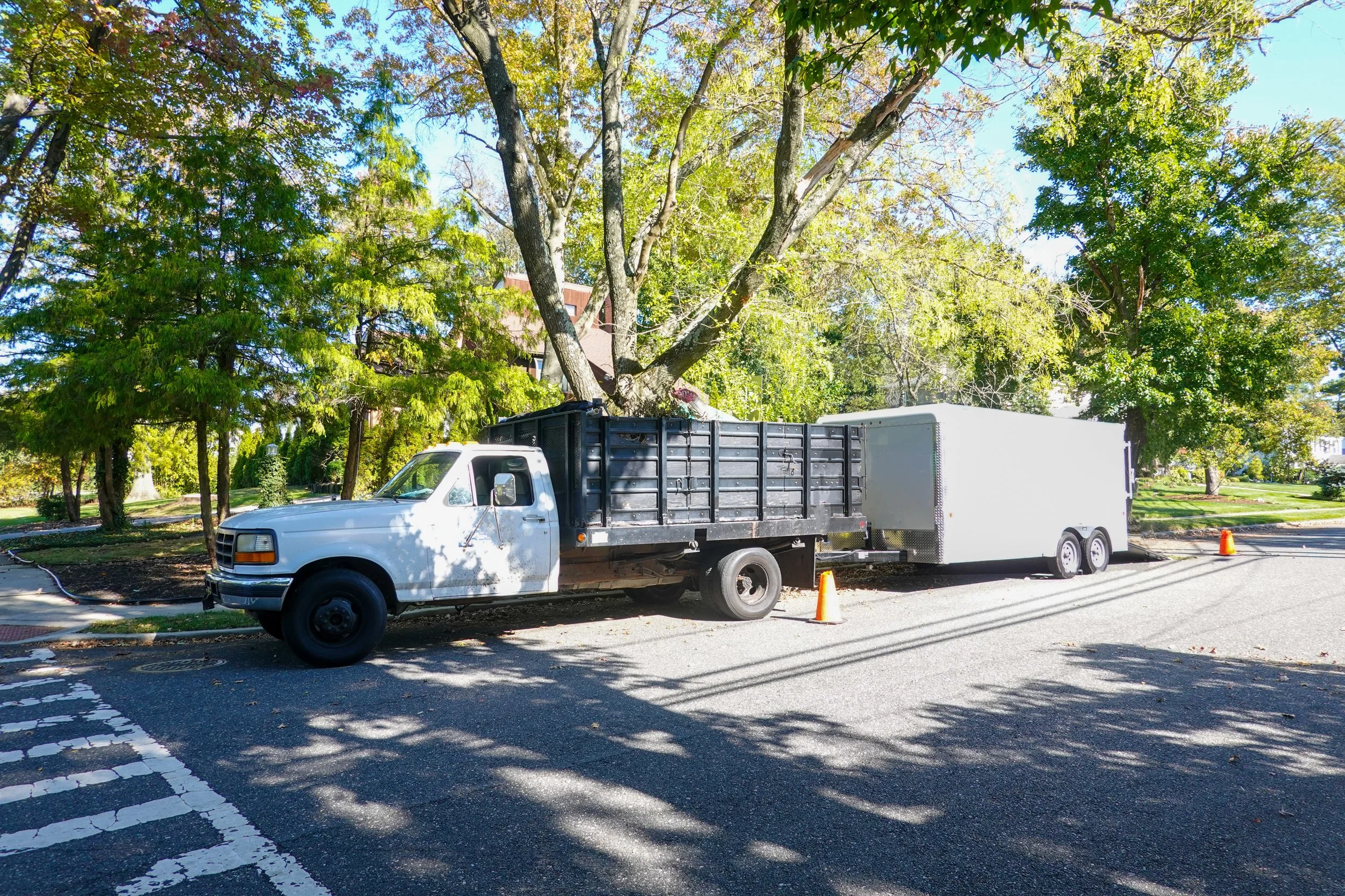
One of the biggest liabilities that any landscape company faces occurs every day. This liability has nothing do with planting, mowing, trimming or irrigation work, in fact this exposure begins before any of the actual work takes place. Auto liability continues to be one of the most significant exposures every landscape company takes on when sending commercial vehicles out onto the road.
With increases to annual auto insurance premiums and the market continuing to harden, it is essential for landscape companies to be proactive to help mitigate these rising costs. Many landscape companies are now investing in safety technology such as GPS systems and dash cameras, but also conducting daily vehicle inspection reports to make sure the trucks are suitable for the road. Implementing strong internal motor vehicle report (MVR) guidelines is another essential way for insureds to improve fleet safety while keeping insurance increases to a minimum. Insurance underwriters and carriers are placing increasing importance on fleet safety programs, and monitoring how a company is being proactive in trying to prevent claims.
Implementing and maintaining strong MVR guidelines is a critical component of any fleet safety program. Before any employee is allowed to drive a company vehicle, their MVR should be reviewed to ensure they have no major moving violations, their driver’s license is active and valid, and they have an adequate history of driving experience. The driving position in any landscape company is critical, which is why MVRs should be reviewed regularly and driver trainings conducted as often as possible.
Rancho Mesa offers a sample Driving Record Review policy through the RM365 HRAdvantage™ Portal to help clients establish their internal review policy. Online driver training courses through Rancho Mesa’s SafetyOne™ platform can also be incorporated into a company’s policy to ensure all drivers are well trained. Anyone can subscribe to Rancho Mesa’s weekly driver-specific toolbox talk emails.
Building a strong fleet safety program starts with clear MVR guidelines and taking proactive measures that help reduce risk, protect your company from auto liability claims, and help control insurance premiums.
For questions about your auto liability, contact me at (619) 438-6905 or ggarcia@ranchomesa.com.
Training Your Landscape Fleet Drivers with Rancho Mesa
Author, Drew Garcia, Vice President, Landscape Group, Rancho Mesa Insurance Services, Inc.
Landscape businesses are well aware of the risks associated with their employees operating vehicles on a daily basis. The commercial insurance market has also taken notice of the risks and responded with rate increases and a diminishing appetite to write the policies.
Author, Drew Garcia, Vice President, Landscape Group, Rancho Mesa Insurance Services, Inc.
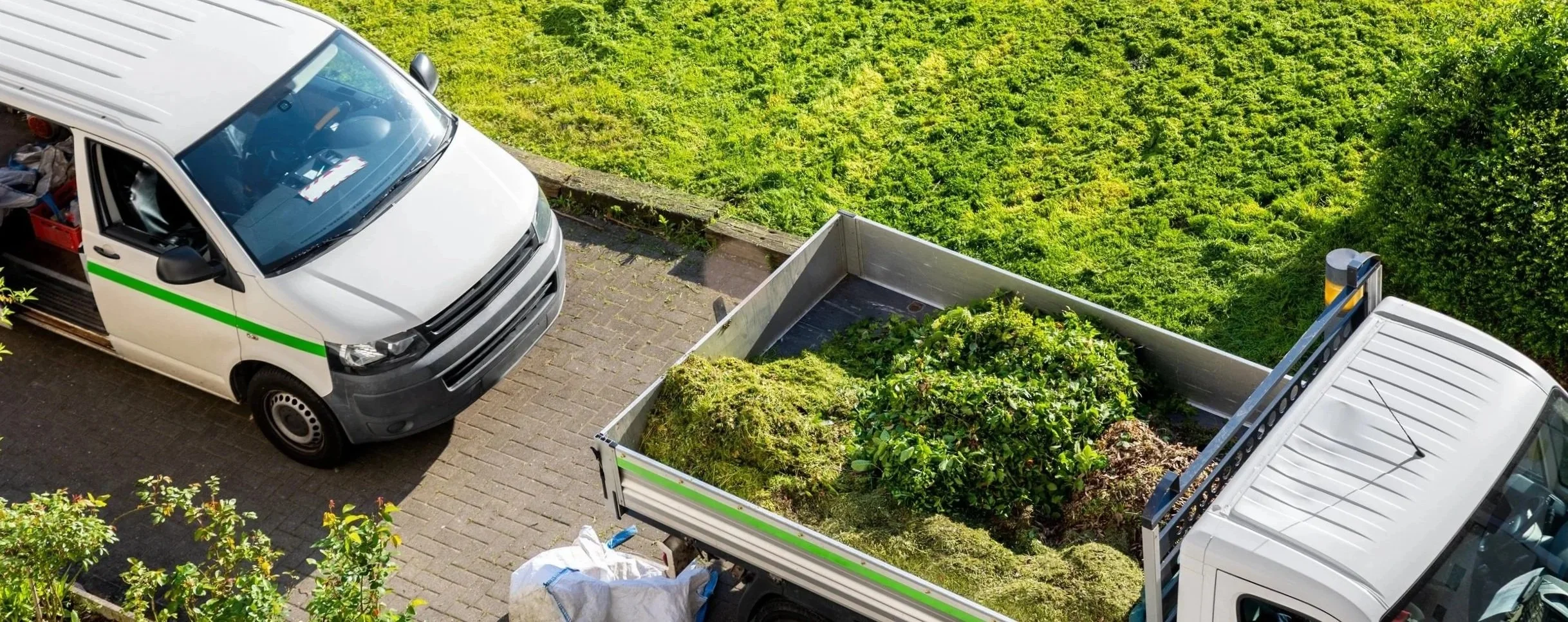
Landscape businesses are well aware of the risks associated with their employees operating vehicles on a daily basis. The commercial insurance market has also taken notice of the risks and responded with rate increases and a diminishing appetite to write the policies.
Rancho Mesa works with over 100 landscape and tree care professionals across the country. Due to our heavy concentration on the green industry, we are able to bring specific resources to this group in an effort to better prepare their businesses to mitigate risk.
An example of these industry-specific resources is our recently released driver-specific toolbox talk library that can be used on a weekly basis to help employees prepare for the common exposures they face while driving for your company. These short safety meetings should be used to supplement your fleet and driver safety program.
The library of 52 English/Spanish driver-specific toolbox talk topics includes:
6 Utility Trailer Driving
6 Worksite Parking and Awareness
40 General Driver Safety
Safety managers can use this content for:
Weekly refresher trainings for fleet drivers
During a specific time of year when there is low light, wet weather, or high wind
Corrective action from GPS or dashcam insights (e.g., harsh breaking, speed management, following distance, right of way, turning, backing safely, and blind spots)
The library of driver-specific toolbox talks are available within the SafetyOne™ mobile app. And, anyone can subscribe to receive Rancho Mesa’s weekly driver-specific toolbox talk emails.
Rancho Mesa encourages the landscape industry to continuously train their drivers to better position them for success.
For questions about best practices for managing driver risk, contact me at drewgarcia@ranchomesa.com or (619) 937-0200.
Best Practice Tips for Lowering Your Commercial Auto Rates
Author, Jeremy Hoolihan, Partner, Rancho Mesa Insurance Services, Inc.
For the last several years, the insurance industry has seen a significant increase in auto rates. In 2023, the top ten auto carriers in the US all saw double digit rate increases. This, in addition to the rate increases we’ve seen since 2018, equates to rates anywhere from 20-50% higher than we had just a few years ago. According to US auto insurers, these rate increases are still not keeping up with the skyrocketing claim frequency and severity. Therefore, we are likely to continue to see auto rates increase before things level off.
Author, Jeremy Hoolihan, Partner, Rancho Mesa Insurance Services, Inc.

For the last several years, the insurance industry has seen a significant increase in auto rates. In 2023, the top ten auto carriers in the US all saw double digit rate increases. This, in addition to the rate increases we’ve seen since 2018, equates to rates anywhere from 20-50% higher than we had just a few years ago. According to US auto insurers, these rate increases are still not keeping up with the skyrocketing claim frequency and severity. Therefore, we are likely to continue to see auto rates increase before things level off.
With that being said, positioning your company now with a best practice fleet safety program is more important than ever. It is also critical that business owners work closely with their insurance brokers to develop a program that will not only improve safety on the roads, but will also highlight the efforts a company is focusing on from an underwriting perspective. Minimizing rate increases only comes with the collective efforts of the business owner and their insurance broker. In order to even consider receiving any credits on auto rates, a business needs to stand out from other submissions an underwriter is reviewing. Rancho Mesa understands how important this is which is why we have developed our detailed Fleet Supplemental Application and SafetyOne™ Driver’s Training Program.
As an insurance broker, a vital role we play is representing a business to the insurance marketplace. Providing underwriting details of the business to insurance carriers in an effort to make them interested in quoting the insurance is only the first step. Providing in depth details relating to fleet safety and efforts that go beyond what an underwriter is used to seeing is what Rancho Mesa strives to submit. The more details an underwriter has regarding an auto submission, the more comfortable they will be with the company’s program, which generally leads to more subjective credits. Rancho Mesa developed a Fleet Safety supplemental that dives deep into a business’s fleet program. It collects general information such as fleet size, driving radius, and description of vehicle usage. It also explores details surrounding safety management. Examples of the information collected include:
Safety controls
GPS or telematics details relating to maintenance, speed, location, routing, etc.
Accident reporting
Fleet safety courses provided
The Fleet Supplemental also provides vehicle and driver information such as:
Information relating to any permanently attached equipment
Vehicle inspection and maintenance program
Where vehicles are parked overnight
Personal usage policy with employees
Safeguards in place relating to storing of vehicles
Process for reviewing and selecting drivers
Review of Motor Vehicle Reports
Pre-employment physicals, drug testing, and alcohol testing
Another useful tool relating to fleet safety is Rancho Mesa’s proprietary application called SafetyOne. Rancho Mesa has developed a driver training program that is accessed through the SafetyOne website. The administrator can assign the online driver training courses to the appropriate employees where they can easily be completed from a computer or mobile device.
Since each employee has their own login and password to access their trainings, the records are always easy to locate in the platform.
Driver training courses include both a video and quiz. And, they are offered in both English and Spanish. Employee watch the video and then take the quiz. This can be done as many times as needed in order to pass the course. We want people to really understand the content, not just get a minimum passing score.
Courses include:
Distracted Driving – The course covers the cost of distracted driving, “multi-tasking”, technology and distraction, eliminating distractions before you drive, cell phones, and fighting distraction on the road.
Driver Safety – The course covers preparing to drive safely, driving fundamentals, driving with other vehicles, driving a night and bad weather, distracted driving and road rage, and handling an emergency.
Driving Defensively – This course covers the fundamentals of driving defensively, dealing with distracted drivers, coping with aggressive drivers, using your headlights, driving safely in bad weather, handling a blowout, and sharing the road with trucks and buses.
Driving Safety – This course is a refresher course that covers preparing to drive safely, the fundamentals of safe driving, driving safely when sharing the road with different types of vehicles, staying safe when driving at night and in inclement weather, road rage and distracted driving, and what to do if there’s an emergency.
While the auto marketplace continues to see rates increase, now is not the time for businesses to sit back idly and be complacent with their fleet safety program. Working with your insurance broker to improve your fleet safety program and sharing this information with insurance companies can have a significant effect on your auto premiums.
If you would like to discuss how Rancho Mesa can assist in improving your auto risk profile, please feel free to reach out to me at (619) 937-0174 or jhoolihan@ranchomesa.com.
Back to the Books: Fall Months Call for Driver Preparedness
Author, Megan Lockhart, Media Communications and Client Services Coordinator, Rancho Mesa Insurance Services, Inc.
As schools begin filtering back into session, more vehicles flood the roads in the mornings and afternoons. The “rush hour” traffic is back in full swing. From construction workers on their way to the jobsite to parents rushing their kids to school, more vehicles on the road means more risk for accidents, and an uptick in insurance claims.
Author, Megan Lockhart, Media Communications and Client Services Coordinator, Rancho Mesa Insurance Services, Inc.

As schools begin filtering back into session, more vehicles flood the roads in the mornings and afternoons. The “rush hour” traffic is back in full swing. From construction workers on their way to the jobsite to parents rushing their kids to school, more vehicles on the road means more risk for accidents, and an uptick in insurance claims.
According to the National Highway Traffic Safety Administration data, in 2021 the rate of fatal crashes for large trucks was highest in the months August through October, with its peak in September. Construction-industry vehicles typically fall into the category of large trucks, defined by a total weight of 10,000 pounds or more.
To avoid becoming a statistic, it’s a good time for employees to freshen up on driver training. The SafetyOne™ platform offers a library of online driver training topics to ensure your drivers are safe on the road.
Driver Safety: The Basics
Driving Safety
Driving Defensively
Distracted Driving
Commercial Driver’s License (CDL) Defensive Driver Training
To learn more about risk management resources or the training offered in SafetyOne, contact your client technology coordinator.
Don’t Overlook the Importance of Fleet Safety
Author, Greg Garcia, Account Executive, Rancho Mesa Insurance Services, Inc.
From an insurance premium standpoint, one of the largest cost for any landscape company would be the auto policy, and for good reason. According to the National Highway Traffic Safety Administration, a motor vehicle crash happens every 12 minutes. Of course, not all those accidents are from landscapers, but it’s still a staggering statistic none the less.
Author, Greg Garcia, Account Executive, Rancho Mesa Insurance Services, Inc.

From an insurance premium standpoint, one of the largest cost for any landscape company would be the auto policy, and for good reason. According to the National Highway Traffic Safety Administration, a motor vehicle crash happens every 12 minutes. Of course, not all those accidents are from landscapers, but it’s still a staggering statistic none the less.
For all auto insurers, their combined ratios (claims dollars/premium) for this line of insurance is typically above 130%. Thus, for every dollar collected in premium they are on average paying out $1.30 in claim costs. These high claim costs are due in part to larger settlements being paid out for bodily injury, higher replacement costs (parts/labor) for the vehicles, etc. As a result, auto insurance premiums are rising overall and in some cases those increases are significant.
While an individual company can have little impact on the industry as a whole, there are a few areas landscape or other businesses can be aware of that will help defer or reduce premium increases for them.
The following are a few common mistakes landscape drivers are making to create an unsafe driving environment:
Distracted Driving – This is by far the most common mistake any driver can make. It is imperative that your employees remain focused while operating a vehicle. The number one cause of distracted driving comes from cell phone use while driving a vehicle.
Traveling at unsafe speeds
Following too closely behind another vehicle
Best in class landscape companies understand the importance of fleet safety and really hone in on their fleet safety procedures.
Some of the things the top landscape companies are doing to help keep auto accidents to a minimum include:
Maintain your vehicles - Always take care of your vehicles, making sure everything is running properly. Complete regular inspections (daily, weekly, and monthly). Keep accurate maintenance logs and check for tire and brake wear. Vehicle maintenance and care is an important safety component, and helps reduce the chance of an auto accident.
Fleet Safety Program - Create a written company Fleet Safety Program and provide driver safety trainings to all employees. The Fleet Safety Program must detail leadership’s expectation of what is required to be a driver for the company and what the consequences will be if the procedures are not met. Driver trainings should not be a “check list” item, meaning you do it once and then you forget about it.
For the Fleet Safety Program and the driver trainings to be effective and successful, they need to be a recurring training topic.
Watch our Fleet Safety: Above and Beyond Compliance webinar to help you get started with your Fleet Safety Program. Your Client Services Coordinator will be happy to provide tools to help assist you in building your program.
By taking a serious look at your current fleet safety procedures and making necessary changes, you will not only lower your annual premiums on your auto policy, but you will also create a safer environment for your employees.
If you have any questions or want to discuss your risk management needs further, please reach out to me at ggarcia@ranchomesa.com and I will be happy to help you.
Work-Related Automobile Accidents and Their Correlation With Workers’ Compensation Claims
Author, Kevin Howard, Account Executive, Rancho Mesa Insurance Services, Inc.
In California, motor vehicle accidents are among the leading cause of severe injuries on a daily basis. From a risk management perspective, a company’s fleet safety program has a primary goal of keeping employees safe while driving which lowers the amount of annual auto premiums paid.
Author, Kevin Howard, Account Executive, Rancho Mesa Insurance Services, Inc.

In California, motor vehicle accidents are among the leading cause of severe injuries on a daily basis. From a risk management perspective, a company’s fleet safety program has a primary goal of keeping employees safe while driving which lowers the amount of annual auto premiums paid.
What is not typically discussed when talking about fleet safety is the impact a work-related auto incident has on a workers’ compensation policy and experience modification. This article will discuss some of those impacts.
EXPERIENCE MODIFICATION IMPACT
When broken down, workers’ compensation premiums are driven by many factors. A main factor for pricing is the experience modification. Experience modifications are a measure of safety for a company when compared to others in the same field. Workers’ compensation claims adversely affect experience modifications.
Typically, business owners invest time, energy and resources into their safety program in the form of personal protective equipment (PPE), stretching before labor, tailgate meetings and job hazard analysis. But, the “big claim” businesses are doing so much to avoid could come from an auto incident. A heavy dose of fleet safety training should be mixed into the safety topic agenda, tailgate meetings and discussions regarding minimal driving record requirements for employees to drive on behalf of a company.
Businesses in California are required to offer no-fault workers’ compensation insurance which means it doesn’t matter who is at fault, the injury will be covered by a worker’s compensation carrier.
When a work-related auto accident occurs and there is an injury involved with an employee, the experience modification will be affected adversely based on the incurred cost of the claim as well as the loss ratios.
SUBROGATION
If another party is at fault regarding a workers’ compensation claim, the insurance carrier who is tending to the claim can subrogate and try to recoup the paid amount from the responsible party.
The issue workers’ compensation carriers deal with regarding subrogating auto claims is that the California minimum required auto liability limit is only $5,000. This amount would not cover most injuries suffered by an employee in an auto accident. Also, there is a high percentage of drivers who are uninsured which makes subrogation impossible in a claim scenario.
Overall, subrogation is pretty difficult in this specific area of workers’ compensation. The best defense is to avoid auto incidents as much as possible.
MULTIPLE EMPLOYEE IN ONE VEHICLE
Especially with gas prices soaring, carpooling to jobsites can be a popular method of getting employees from one location to the next. Regardless of fault, this could create multiple workers’ compensation injuries at once. Multiple workers’ compensation claims will adversely affect experience modifications, loss ratios and DART rates.
These factors should be considered when creating a car pool scenario for employees travel from jobsite to jobsite.
Important factors to consider if you do utilize carpooling to jobsites could be:
Does the driver meet out company standards with his or her driving record?
Is the vehicle’s maintenance up to date? (e.g., tires, windshield wipers, etc.)
Are there multiple high wage earners traveling in the same vehicle?
TEMPORARY DISIBILITY COST ON THE RISE
With a major labor shortage occurring in California, wages have risen in order to attract and retain labor and highly qualified employees. A severe motor vehicle accident which creates a worker’s compensation claim could adversely affect an employer’s experience modification because two-thirds of the amount of the injured workers’ pay is a larger dollar amount on average than it has been in the past.
This could create a larger claim because of the amount of temporary disability being paid while an employee is hospitalized or unable to come back to work with or without restrictions.
FLEET SAFTEY CONTROLS
When budgeting for an overall safety program, business owners should factor in the multitude of impacts that an auto claim can have on a business. Controls like GPS/telematics, drug testing kits, MVR pull programs, and vehicle maintenance programs are examples of investing in fleet safety.
Fleet safety programs can save lives, save money and can create a stronger culture of safety throughout a business.
Rancho Mesa’s Risk Management Center has a searchable safety library with fleet safety materials that can be used to train employees. Register online for Rancho Mesa’s Fleet Safety webinar on May 26, 2022 from 9:00 am PDT – 10:00 am PDT. Or, contact me at khoward@ranchomesa.com or (619) 438-6874 if you have questions about your auto policy.
Benefits of using GPS Tracking Devices for Automobile Fleets
Author, Chase Hixson, Account Executive, Human Services Group, Rancho Mesa Insurance Services, Inc.
Global Positioning System (GPS) tracking devices have become a popular topic with employers who maintain vehicle fleets. The companies want to know what the advantages are of having these devices installed on their fleet vehicles and will it reduce their insurance costs.

Global Positioning System (GPS) tracking devices have become a popular topic with employers who maintain vehicle fleets. The companies want to know what the advantages are of having these devices installed on their fleet vehicles and will it reduce their insurance costs.
The short answer is yes. Some insurance carriers provide a credit for having GPS systems installed on vehicles. Others may include a discount in their overall assessment of the company’s risk profile. Taking a proactive stance will be noticed by a carrier and taken into account.
The most important element of having GPS tracking is what the company does with the information received. It’s not enough to just install the device. The information generated should be used to promote corrective and preventative action within the organization. Rancho Mesa suggests organizations provide trainings, periodic ride-a-longs by a supervisor, and implement some kind of corrective behavior should the GPS show unfavorable driving behavior such as speeding or taking a less favorable route.
Other Benefits
Rancho Mesa clients have experienced indirect, sometimes unexpected, benefits from implementing a GPS System. These benefits include decreased fuel and labor costs, and ultimately more efficiency. Knowing the routes are being tracked can lead to a greater sense of accountability from employees as to what routes they are taking and how long they are spending on each trip. It can also allow decision makers to properly direct service calls to the right technician knowing who is in the vicinity.
For more information about the benefits of using a GPS system to lower insurance costs, contact Rancho Mesa Insurance Services at (619) 937-0164.