

Industry News

Private Equity and Bonded Contractors: Building a Foundation through Communication
Author, Andy Roberts, Account Executive, Rancho Mesa Insurance Services, Inc.
Private equity firms have been actively purchasing construction companies. For the firms that are acquiring the construction companies that perform bonded work, it is highly important that they know there is a stark difference between how surety companies underwrite standard construction bond programs and how they underwrite private equity-owned construction bond programs. Matt Gaynor discussed this in detail in a previous article. Because of these differences, it important that the firms involve their agent and surety company early in the acquisition/due diligence process. This is to ensure the firms know the specific information that the surety company will want to see in order to advise regarding the impact the acquisition will have on the bond program.
Author, Andy Roberts, Surety Group Leader, Rancho Mesa Insurance Services, Inc.

Private equity firms have been actively purchasing construction companies. For the firms that are acquiring the construction companies that perform bonded work, it is highly important that they know there is a stark difference between how surety companies underwrite standard construction bond programs and how they underwrite private equity-owned construction bond programs. Matt Gaynor discussed this in detail in a previous article. Because of these differences, it important that the firms involve their agent and surety company early in the acquisition/due diligence process. This is to ensure the firms know the specific information that the surety company will want to see in order to advise regarding the impact the acquisition will have on the bond program.
As noted in the previously linked article, the financials from private equity-owned companies often carry more debt due to acquisitions, which often leads to a net loss on the income statement. It will be important that the firm can present a pro forma financial so the agent and surety can see how much the debt and goodwill will impact the statement going forward. If there is significant degradation, it can impact the amount of support the surety company may offer.
Additionally, review of the work in progress (WIP) and backlog to identify how much of the work is bonded, or will need to be bonded, will be equally important. If the company that is being acquired relies on bonded work as their primary revenue source, an inability to get bonds after the acquisition would be detrimental to the business. For the current surety partnered with the company being acquired, it is important to know what their appetite for writing bonds is within the private equity space, and also how long the current management/ownership team will be staying on board to help with the transition. This last point is of the most importance, because the longer the involvement of the previous team, the smoother the transition tends to be.
For the private equity firms that are acquiring companies that rely on bonded work for their revenue, open and clear communication is critical between the firm, their surety agent and surety company. Knowing the questions that will be asked and what information the surety will want to see will help determine if the contractor can continue to get bonds post acquisition.
For questions on this or any other surety matter, please contact me at (619) 937-0166 or at aroberts@ranchomesa.com.
Maintaining Strong Banking Relationships Supports Surety Bonding Capacity
Author, Josh Hill, Account Executive, Rancho Mesa Insurance Services, Inc.
Having a good relationship with your bank can pay dividends for your business when obtaining bonds from your surety. Managing that line of credit appropriately can be a resource of available working capital which surety carriers likes to see, but when it is not utilized as expected by your bank, it could become a substantial detriment to your operations and ability to secure bonds.
Author, Josh Hill, Account Executive, Rancho Mesa Insurance Services, Inc.

Having a good relationship with your bank can pay dividends for your business when obtaining bonds from your surety. Managing that line of credit appropriately can be a resource of available working capital which surety carriers likes to see, but when it is not utilized as expected by your bank, it could become a substantial detriment to your operations and ability to secure bonds.
Many established businesses are well versed in what their bank expects from them and what they need to provide in order to keep their line of credit in place, which surety companies like to see. However, many smaller companies who have been in business only a handful of years have not necessarily thought about what they need to do to keep their line of credit in good standing and renewable for the foreseeable future.
Not keeping a line of credit in good standing often happens when banks are focused upstream on middle market companies where their seasoned bankers are dedicated to that space. Newer companies or smaller revenue businesses (i.e., $10MM or less) are often serviced by less experienced bankers that may not coach their clients on bank expectations as outlined in their loan documents to keep that line of credit in good standing.
A common pitfall I have noticed among less experienced bankers in my previous 18-year career as a commercial loan officer was that smaller businesses often did not understand that their revolving line of credit needs to actually, revolve. The line is designed to support short term working capital but when your business is in growth mode, that will deplete working capital and often the line of credit gets utilized to help alleviate cash constraints.
The problem, the line of credit gets maxed out and it stays there becoming, permanent working capital. If this occurs, when the line of credit comes up for renewal, banks will typically look at two solutions; the first is to term out balance on the line of credit over a 3 or 4-year period creating a hefty P&I payment to retire the debt in full; or, if the company is lacking collateral and/or cash flow, they may decide to turn the client over to their special assets division where they will work out a less favorable repayment plan possibly looking at the assets of the business owner(s) for repayment.
No one wants to find themselves in a situation where they need to worry about their ability to obtain bonds from their surety. That is why it is important to have a dedicated banker who understands your business and proactively communicates bank expectations so that as a business owner, you can renew that line of credit at each maturity date. This keeps the surety happy and it will keep you, as a business owner, focused on your business and not a potential workout with your bank.
If you are a business owner who feels they could benefit from a good relationship banker or has questions about how to build your bonding program, I can be reached at jhill@ranchomesa.com or (619) 798-2819.
The History, Importance and Value of Surety Bond Requirements for Contractors
Author, Anne Wright, Surety Relationship Executive, Rancho Mesa Insurance Services, Inc.
Surety bonds, in the world of construction, guarantee that the obligations of the contract will be properly completed and all costs paid. The concept of surety – which is a guarantee of one party for another’ party’s debts or obligations – literally goes back to ancient times.
Author, Anne Wright, Surety Relationship Executive, Rancho Mesa Insurance Services, Inc.

Surety bonds, in the world of construction, guarantee that the obligations of the contract will be properly completed and all costs paid.
The concept of surety – which is a guarantee of one party for another party’s debts or obligations – literally goes back to ancient times. Whether the story you might find is a farmer in Mesopotamia in 2750 BC promising that another farmer will deliver on their obligation – or more recently (1600s) a guarantee that a ship would safely arrive at its cross-ocean destination with the goods promised – civilizations have long realized that an instrument of protection was important to ensure something was delivered as promised.
Here in the US, Congress passed the Heard Act in 1894 requiring surety bonds to guarantee completion of any projects funded with federal dollars. This was revisited and updated in 1935, under the Miller Act, which you may have heard of. Today’s federal requirements require a form of surety guarantee (i.e., corporate or individual surety bonds) for any construction projects over $150,000.
Individual public agencies (e.g., states, cities, universities, school districts, etc.) set their own guidelines for bonding thresholds. These have been referred to as “Little Miller Acts” for the local jurisdictions.
When it comes to private construction projects, it is not mandated by law but, rather, determined by an owner or often a lending institution whether they want a guarantee from the general contractor to the project owner. This serves as a form of insurance that guarantees job completion and payment of all associated costs, thereby ensuring the project is finished without any liens.
The surety process itself is a useful tool for owners, general contractors, and contractors needing bonds in order to be considered a good risk. Which means they have proper processes in place to ensure a productive and, in the end, profitable project.
The processes that are typically needed for a contractor to get the best support, and often rate, from their surety relationship, all serve the contractor well in their overall business, too.
The process might be seen as a prequalification of a contractor’s ability to perform, but it also can set a contractor apart from competition who cannot claim to be bondable.
To some, the surety processes (e.g., producing trackable financial information, perhaps annual financials prepared by a CPA, getting a bank relationship in place for a line of credit, etc.) may seem to be an extra burden for some business owners, a benefit to the contractor is that it provides the business owner with certain accountability tools to make sure their jobs are managed properly, and accounted for properly, and allow them to see their businesses flourish. This is a tangible value to the contractor, and we, as surety professionals, appreciate being able to facilitate these processes and witness that success.
While you can see that the history of suretyship really started to protect the owner’s dollars at stake in the project, it has also served construction companies well to help them manage their business and related performance indicators.
To see how Rancho Mesa can assist with your surety needs, contact me at awright@ranchomesa.com or (619) 486-6570.
Liquidated Damages: What Every Contractor Needs to Know
Author, Andy Roberts, Account Executive, Rancho Mesa Insurance Services, Inc.
For a surety agent and underwriter, there are specific provisions within a contract that are important. One of the more critical provisions, references Liquidated Damages (LD). Often overlooked by contractors, LDs represent important elements of the contract that can cause significant financial losses on a project. So what are LDs; why are they important; and, what can contractors do to make sure the LDs in their contracts are fair?
Author, Andy Roberts, Account Executive, Rancho Mesa Insurance Services, Inc.

For a surety agent and underwriter, there are specific provisions within a contract that are important. One of the more critical provisions, references Liquidated Damages (LD). Often overlooked by contractors, LDs represent important elements of the contract that can cause significant financial losses on a project. So what are LDs; why are they important; and, what can contractors do to make sure the LDs in their contracts are fair?
Liquidated damages are daily charges within a contract that come into effect when there are delays on a project. The amount of the charge is spelled out within the contract, usually as “$X amount per day,” and are put into place to compensate the project owner for losses they may experience when a project’s completion is delayed. While that seems straightforward, this provision is very important and contractors need to understand what can happen if LDs are enforced on a project because of their delay.
If an owner is assessing liquidated damages on a project, the concern is that the contractor is going to start minimizing profits and depending on the amount, it could happen very quickly. Additionally, as those profits drop, cash flow can become an issue. This will lead to a potential default due to the financial distress which would trigger the surety’s involvement. There are a couple of ways contractors can mitigate their exposure to liquidated damages.
First, contractors should try to limit their exposure by capping the amount of the damages that can be assessed. We often see flow down provisions within subcontracts, where the higher LDs are used and it doesn’t make sense for the sub-contractor to take on that risk when their contract amount is significantly smaller than the prime contract amount. Second, contractors should try to negotiate terms that would limit their exposure to the damages that they cause.
While the liquidated damages provision within construction contracts is often overlooked, the daily amount that can be assessed can quickly become significant and should be considered prior to signing a contract.
Should you have more specific questions about LDs within your contract, give me a call at (619) 937-0166 or email me at aroberts@ranchomesa.com.
A Contractor’s Best Practice Approach to Price Escalations in the Current Market
Author, Anne Wright, Surety Relationship Executive, Rancho Mesa Insurance Services, Inc.
Historically, market conditions and economic factors have contributed to both contractors and subcontractors having to deal with price escalations. Today, the uncertainties of how the tariffs will impact the construction industry is causing many to rethink their pricing models and contracts.
Author, Anne Wright, Surety Relationship Executive, Rancho Mesa Insurance Services, Inc.

Historically, market conditions and economic factors have contributed to both contractors and subcontractors having to deal with price escalations. Today, the uncertainties of how the tariffs will impact the construction industry is causing many to rethink their pricing models and contracts.
I engaged the input of a couple of our colleagues in the legal realm here in San Diego– Luke Thompson of Thompson Law & Consultation and Jeffrey Baird with Finch Thornton and Baird, to get their take on price escalations. And, I thank them for their feedback on presenting some information that might be meaningful to our audience who are unsure how to handle the rising costs.
One notable observation regarding today’s construction industry suggests that some companies pursue their backlog of projects without proper consideration of profits. Many contractors have concerns about an uncertain flow of money in both the public and private sectors, so they are taking these jobs without proper evaluation of the profitability of the job and the balance sheet.
The construction industry certainly learned some lessons during COVID for dealing with cost increases from project delays, primarily from supply chain issues that impacted budgets for both labor and materials, and schedules. Both public and private owners, did, however, often recognize that there needed to be some flexibility with schedules and prices as a result of these impacts from supply chain problems.
General contractors may work to include protections in their prime contracts with the owners to address price escalations. Educated subcontractors will also make sure that they confirm these provisions in the prime contract, and that these flow down in their subcontract.
So, here we are today with some lingering questions about the effects of the supply chain and market conditions. And in 2025, the discussion now also includes potential impacts from tariffs. Contractors are now wondering what products might the tariffs affect? How do we adapt to the on again/off again news and chatter about the what, when, and how much cost increases might come from tariffs on various products?
In gathering some feedback, I have been told that some contractors are now submitting their proposals with language regarding long-lead items and material escalation warnings due to tariffs.
Savvy subcontractors are also requesting copies of the prime contracts to review the escalation provisions to make sure they have some protection, and if not what they need to negotiate into their subcontracts to ensure that they are protected. Thorough contract review and modifications will always be important regardless of the market conditions.
Steel, wire and certain other commodities regularly fluctuate in pricing. That said, it is prudent to keep a watchful eye on such items, and have good communication with suppliers, general contractors, and project owners to manage pricing changes and expectations.
Historical data that suggests vendors will honor prices represented in the purchase orders and offset the loss by making higher margins on future orders when the market settles down. However, if we have learned anything about this industry, nothing is that predictable.
So, your best practice strategy is to pay close attention when talking to your vendors, and review your contracts and subcontracts closely to make sure you have the most reasonable protections as possible. Having an attorney review each contract is typically money well spent.
Feel free to reach out to me for a referral to an industry partner in the legal realm. I can be reached at awright@ranchomesa.com or (619) 486-6570.
And again, I thank Luke Thompson and Jeffrey Baird for their contributions here.
Exploring the Current Commercial Surety Climate
Author, Andy Roberts, Surety Account Executive, Rancho Mesa Insurance Services, Inc.
Surety Account Executive Andy Roberts sat down and interviewed Miggs Borromeo, Commercial Surety Underwriter for Merchants Bonding, and discussed the current climate of the commercial surety world in Southern California. They also covered the bonding trends most commonly seen today, and the programs that Merchants Bonding Company offers.
Author, Andy Roberts, Surety Account Executive, Rancho Mesa Insurance Services, Inc.

Surety Account Executive Andy Roberts interviewed Miggs Borromeo, Commercial Surety Underwriter for Merchants Bonding, and discussed the current climate of the commercial surety world in Southern California. They also covered the bonding trends most commonly seen today, and the programs that Merchants Bonding Company offers.
Andy Roberts: Welcome back, everybody to StudioOne™. My name is Andy Roberts and I’m a Surety Account Executive here at Rancho Mesa. Today, my guest is Miggs Borromeo who is a commercial surety underwriter in San Diego and working for Merchants Bonding Company. Today, we’re going to be talking about the commercial surety world.
Miggs, welcome to the show.
Miggs Borromeo: Thanks for having me, Andy. I’m excited to be part of the show.
AR: Awesome, so before we dive in, why don’t you give us a little bit of background about yourself.
MB: For sure. Hello everyone, my name is Miggs Borromeo. I’m the Commercial Surety Underwriter for Merchants Bonding, the eighth largest surety company on SFAA. I currently handle the Southern California territory, starting from Los Angeles all the way down to America’s Finest City, San Diego. I’ve been in the industry for about a year and a couple months, so there’s a lot to learn and many more years to go, as they say. I’m originally from Maryland but moved to California a couple years ago.
AR: Fantastic. So, how did you get involved in the industry?
MB: It’s always a funny story, because it all started with my friend’s dad being the head of surety at the company I interned for back in college. One day in the summertime he gathered all the interns to talk about surety bonds. And funny enough his name is Mike Bonds, so shout-out Mr. Mike for all the introductions. But, he talked about the surety industry and what it entailed. He talked about working with contractors, analyzing financial statements, and visiting and traveling with agents. And so, I thought that was a really cool industry, especially being a college student. The only profession I really knew was financial analyst, accounting, and investment banking. So, I started doing some research and once I graduated college I applied to become a surety underwriter in L.A. But, unfortunately, COVID happened that year, so, you know, a bunch of companies were having hiring freezes, so I had to put a pause in that dream for a little. But, fast-forward to a couple years later and I moved to San Diego, and thankfully, I had a friend named Andrew Shin who is their current contract underwriter referred me to the company he was working at that provided business loans. I started as an underwriter and switched around to sales, and one day I just wanted to update my resume, so, as you know, you search on Google “surety underwriting positions”.
AR: They’re looking for them all over the place.
MB: Yeah, exactly. So, I was lucky enough that Merchants popped up as the first link, so I clicked on it and read all about them. You know, they’ve been around for 90 years, focused on one product which was surety, so I really liked that. And then I saw that a bunch of their underwriters would travel every year for meetings and trainings and, so, I thought that was a great part of the culture, and I wanted to be a part of that. So, I applied, flew to good old Iowa, and luckily passed the test.
AR: So, basically like a dream come true, kind of circling back to what you said about your surety dream, earlier in that statement.
MB: Yeah, exactly. And, sometimes, you know, it takes a while to get to it, but I’m glad that I was able to kind of experience different roles to build up my skillsets to become a surety underwriter.
AR: Absolutely. And I feel like too, you know, I came from the insurance world where, you know, not a lot translates, but I had a good understanding of the insurance world. And that’s what really fed me into this job, and this role, and this opportunity that I’ve really grown to love. And, you know, it’s been a lot of fun that way.
So, kind of diving into your actual role as a commercial surety underwriter. You know, I know commercial surety has a vast range of bonds that kind of fall under that umbrella. You know, looking at your license bonds for contractors, or subdivision, or maintenance landscape. Can you talk to us about your experience with the variety, with all of those?
MB: Yeah, for sure. As you mentioned there’s definitely a wide variety of bonds. I look at our bond form library and there’s 3,000 bonds and, you know, it’s a lot. And there’s always new ones coming in, so I always handle different types of bonds, I never know which kind I’m going to get. But, luckily enough, Merchants has a great library that I mentioned about, where a bunch of underwriters from the past and current underwriters right now are just researching the bond types that they see, you know, summarizing guarantees, what the risk entails and, kind of, what information we need. And, it’s not only helpful for me but it’s also helpful for the agents that are seeing a bunch of different bonds that they’re not used to. We’ve gotten feedback that the library is very helpful, it helps them understand the bond. And, like you mentioned, I handle a different, wide variety from license permit to financial guarantee, so it’s just all about trying to understand what the bond is guaranteeing and what we need. Do we need credit reports; do we need financial statements; personal business indemnity? And, sometimes I see bonds that no one has seen before, so I have to, kind of, put a little more research into it; seeing the county, seeing what it entails and to see if we can support it. So, it’s been a learning experience.
AR: Yeah, well I feel too, like especially on your guys’ portal, you know, I get a request from a client for some random license bond that I’ve never heard of or seen, you can go in there and kind of figure out, “Well, Merchants is willing to write it in their portal.” So, you give a nice breakdown of everything that it is and what you guys need. So, that’s really, really helpful.
How long do you think, since you’ve been here for a little over a year, how long did it take for you to, kind of, get up to speed in this and really feel confident in engaging with agents and clients, and really knowing what was going on?
MB: I’d say it took me about nine months to year. There was definitely a lot of learning process, especially the first couple months when you have to learn about the system and really learn about the industry.
But, I think I was very fortunate enough to have a great team around me, starting from management position who’s had 15 plus years of experience, to my current teammates who have a wide variety of perspectives from the agency side and different markets, and to even our assistants who are always helping us out with our day-to-day activities. So, the first couple months was really understanding what the systems were all about. And then six to nine months we had a training program where they would sit us down and talk to us about how to properly plan the agency meetings, how to conduct them, specific questions that the agents might ask.
And so, it’s definitely a great experience to have that around me, but it’s also cool that there’s always new questions coming up, and so there’s always something to lean. And, we’re always improving, trying to improve, our technology and so, we’re always trying to focus on marketing those new things we come up with.
AR: Fantastic. How often do you have to go out to Iowa?
MB: I try to go about twice a year. One’s mandatory for the underwriting meetings, but, sometimes I like to stop by and say hello to everyone.
AR: Hopefully not in the wintertime.
MB: Yeah, no. Can’t get me out there in the wintertime, besides this time for November’s underwriting meetings.
AR: So, kind of circling back to the different bond types. So, are you seeing a lot of submissions on a certain type right now?
MB: Yeah, so, I’ve been seeing a lot of Motor Vehicle Dealer Bonds coming up, and I’ve also seen Immigration Consulting. But, it’s starting to really pick up with our Court and Probate bonds. I’ve been starting to see a lot of Non-Construction Performance Bonds, Landscaping Projects. The variety is starting to pick-up as the more visits I come in and really just tell what Merchants’ appetite is, I’m starting to see different types of submissions. And I think that’s the main idea of it, is that we haven’t had presence in Southern California, but now I’m around and I’m visiting agents, I’m letting them know that, “Hey give us a chance to review these files,” and that’s where the variety comes in.
AR: Yeah, no, absolutely. Kind of looking at the marketplace, and maybe this might be a tough question just because you guys have such a wide variety of bonds that you guys write on the commercial side, but what are some of the main challenges that you’re kind of seeing, and have you maybe seen any uptick in claims?
I know, because, especially, kind of, thinking of the license bonds for the contractors, you guys have really kind of stepped in and filled the void for a different surety that, kind of, left the marketplace. So, there’s probably been a lot more volume there.
MB: Yeah, there’s definitely a lot of claims activity that I’ve seen with the Motor Vehicle Dealer Bonds. Principles are going out of business so claims are rising. I’ve also seen challenges in the notary side. The Notary Bonds are tied in with the mortgage interest rates, and so, you know, not a lot of people are buying houses right now so there’s not a lot of need for notary.
And I’ve also seen that, just by, like, challenges, you know, I see a lot of agents talking about, they’ve been seeing a lot of smaller transactional bonds that’s been taking up their time. And so, as I mentioned earlier, Merchants is always trying to improve their technology, so we’ve recently rolled out Hub Express, where it allows agents to issue small transactional bonds with little touch. We recently updated our systems to allow California Contractor State License Bonds, so that allows agents to issue those pretty fast. And, it’s tax season so, tax repair bonds too are a big deal, it helps them out on that.
AR: Yeah, that’s fantastic. Is there anything else you want to talk about on the commercial side, or any questions you might have for me?
MB: Yeah, for sure. Before we end the show, would you happen to have any advice on any new underwriters or agents that’s entering the industry right now?
AR: What I think helped me a lot when I first got in, I’ve been doing this for six and a half years now, was I started participating in the Surety Association right away, because, industry wise, that really helps you to get to know everyone in town; all the different agents, all the different underwriters. Which, I mean, you’re already doing that so, that’s a good step. So, maybe your next step is to try and get on the board next time there’s a company position for there. I think that’s been really, really beneficial for me as well. So, I would recommend doing that.
Other than that, I would just say you’re doing the right thing in, like, getting involved in the industry and getting out in front of people. Surety is such, more relationship driven than the insurance side. So, as you’re going to start growing your book, both the underwriter side and the agent side, you just have to be out there in front of people, and building your relationships and just knowing that this is more of a longer play and not a short-term play.
MB: Yeah, I agree. Great advice. I know you mentioned joining the board, I guess until a position opens up I’ll still be the photographer for the events.
AR: Yeah, absolutely. Well, Miggs, thank you so very much for joining me in StudioOne™ today and giving us some background on yourself and some info on the commercial surety industry.
MB: Yeah, thanks so much for having me Andy, this was fun. It’s always a pleasure to see you and I’m excited for all the future events that I run into you at.
AR: Absolutely.
Building a Productive Surety Relationship
Author, Anne Wright, Surety Relationship Executive, Rancho Mesa Insurance Services, Inc.
Having represented contractors and developers of all types and sizes for many years, I have plenty of examples of what works best for clients to maintain a level of surety support that helps them meet their growth goals and objectives: updated financials and proper communication.
Author, Anne Wright, Surety Relationship Executive, Rancho Mesa Insurance Services, Inc.

Having represented contractors and developers of all types and sizes for many years, I have plenty of examples of what works best for clients to maintain a level of surety support that helps them meet their growth goals and objectives: updated financials and proper communication.
Updated Financial Paperwork
No one likes to deal with unnecessary paperwork; however, as companies grow and they streamline certain reporting information (i.e., financial statements and work-in-progress reports), their surety relationship can grow with them. It is not all about the paperwork, however; that is only one way to measure what your business can expect in the way of surety support.
Regular file updates to annual and perhaps interim business financials (depending on the frequency of your bonding needs, including possible internal or CPA supported reports), personal financials, cash verifications, and status of your backlog is the basic paperwork that is needed to maintain a current file for an active surety relationship.
An important thing to note is that posting even the smallest of net profits at the end of the year, and making sure that your balance sheet tracks the equity from year to year, helps the surety feel confident in your ability to manage this aspect of your business.
Communication
Beyond the paperwork that is needed, communication is an integral part of the surety relationship, as with any healthy relationship.
Depending on the frequency of your bonding needs, regular communication might be limited to only a few questions each time a bond is needed. These questions are often regarding the scope of the work if you are looking at jobs that are outside of your historically performed projects or territory. The questions may include:
Is this a typical job for you or outside your normal scope?
Have you worked for the owner or general contractor before?
What do you like about the job and/or what do you see as the challenges on the job?
So much of the relationship tends to be communicated on paper. Unfortunately, face to face meetings just don’t happen the way they used to. So, to the extent a client can let us know of things that impact their business, good or bad, in between financial reports or with updated financial reports, it is all for the better.
Examples of things to communicate might include:
New work opportunities in which you do not need our services or a new client that is bringing you more work
Increasing work opportunities and job sizes
Moving into any new areas of work (scope or geographically)
Hiring new staff for the office and/or field management
Investing in new or upgraded accounting systems
Considering a new bank relationship
A problem job. (Let us know before we see a problem reflected in the financials and have to ask the question. Again, whether it’s bonded or not.)
This is just a quick overview of how to build a productive surety relationship. Rancho Mesa strives to support our clients and their bonding needs on a regular basis. Every relationship is a little different, but the basics of good communication and information sharing are always key to the mutual success of these relationships.
For questions about your surety program, contact me at (619) 486-6570 or awright@ranchomesa.com.
Transitioning from a Credit-Based to a Standard Surety Program
Author, Andy Roberts, Account Executive, Rancho Mesa Insurance Services, Inc.
When sureties began offering credit-based programs, there were only a few companies who would offer this type of program and the limits were low, most often around $250,000 for a single project and aggregate.
Author, Andy Roberts, Account Executive, Rancho Mesa Insurance Services, Inc.

When sureties began offering credit-based programs, there were only a few surety companies who would offer this type of program and the limits were low, most often around $250,000 for a single project and aggregate. However, over the past few years, there has been an increase in the number of surety companies that are willing to offer these types of programs. The limits offered have also increased with some companies writing $1,000,000 for a single project and aggregate bond based solely on an owner's personal credit score. These programs are great for contractors that are getting started with bonded work, or don’t bond frequently and are not looking to provide the information necessary to set up a standard program. However, for contractors looking to grow and need additional surety capacity in order to achieve that goal, they should be aware of the steps that will need to be taken in order to transition from the credit-based program to a standard bond program. The first, and most important step will be the company financials.
Standard bond programs are written primarily based on the financial strength of the company. Sureties will be looking to obtain the last two fiscal year-end financial statements, balance sheet and income statement, and the most recent interim balance sheet and income statement that are available. They will evaluate the current cash position, working capital, and equity in the company to determine a single and aggregate bond limit.
In addition to the company financials, the surety will want to evaluate the personal financial statements for all the owners. Personal financial statements are an important item that surety companies will evaluate. Similar to the corporate financials, assets and liabilities will be evaluated along with the personal credit of the owners. Surety companies want to ensure that the company owners are current with their personal obligations before providing surety credit to their company.
Another important item that a surety underwriter will want to review before providing a standard surety program, is a current work in progress schedule. Being able to provide a current and accurate work in progress (WIP) schedule will be a requirement from a surety underwriter. The WIP monitors project progress and performance over time, and plays a critical role in determining the maximum amount of bonded work that a contractor can take on at one time.
While these are just a few things that surety underwriters will be wanting to evaluate in order to set up a standard bond program. There are other items that contractors can consider, like hiring a CPA for their year-end financial statements and getting a bank line of credit.
For contractors that are looking to graduate from a credit-based program, increase their current surety capacity, and want to explore further strategies that can strengthen their bonding program, contact me at (619) 937-0165 or via email at aroberts@ranchomesa.com.
Subcontractors: The Prime Contract and Its Impact On Your Rights and Responsibilities
Author, Anne Wright, Surety Relationship Executive, Rancho Mesa Insurance Services, Inc.
Reviewing contracts is not everyone’s favorite thing to do. But, I would like to share some quick thoughts on why asking for and reviewing the prime contract (before you sign your subcontract, ideally) can be important for subcontractors. This can help strengthen your position if certain conflicts arise.
Author, Anne Wright, Surety Relationship Executive, Rancho Mesa Insurance Services, Inc.

Reviewing contracts is not everyone’s favorite thing to do. But, I would like to share some quick thoughts on why asking for and reviewing the prime contract (before you sign your subcontract, ideally) can be important for subcontractors. This can help strengthen your position if certain conflicts arise.
I have had the pleasure of knowing Pam Scholefield of Scholefield Construction Law, here in San Diego, for many years. Pam and I are both active and involved in NECA, as well as the Women’s Construction Coalition. Pam has an impressive background not just in her law practice and involvement in the industry, but in her education and prior job experience. Pam was an engineer for General Dynamics when female engineers were quite rare. She gained a valuable skillset that led her into the legal realm, and her passion for construction law and subcontractors, particularly.
I recently attended a class that Pam presented for one of these associations. The topic was contract terms. Diving into the weeds a bit, there were some key points that I’ve found to be relevant for all subcontractors. Each subcontractor can, of course, assess their own risk. I just want to address a few things that might make a difference and help you avoid certain disputes.
A few things to consider:
Does the prime contract always prevail if there are differing provisions in the subcontract?
It may prove in your best interest to incorporate your proposal into the subcontract.
Are things like warranty, payment terms, and liquidated damages negotiable in the subcontract?
When should you request a copy of the prime contract, at bid time or before you sign the subcontract?
Do not sign the subcontract until you are clear about your key issues. Those issues may be different for different jobs, but knowing about key provisions and terms up front may well prevent you from some nasty attempts at negotiations later in the job. Better contracts can translate into more profitable, and certainly more successful, projects.
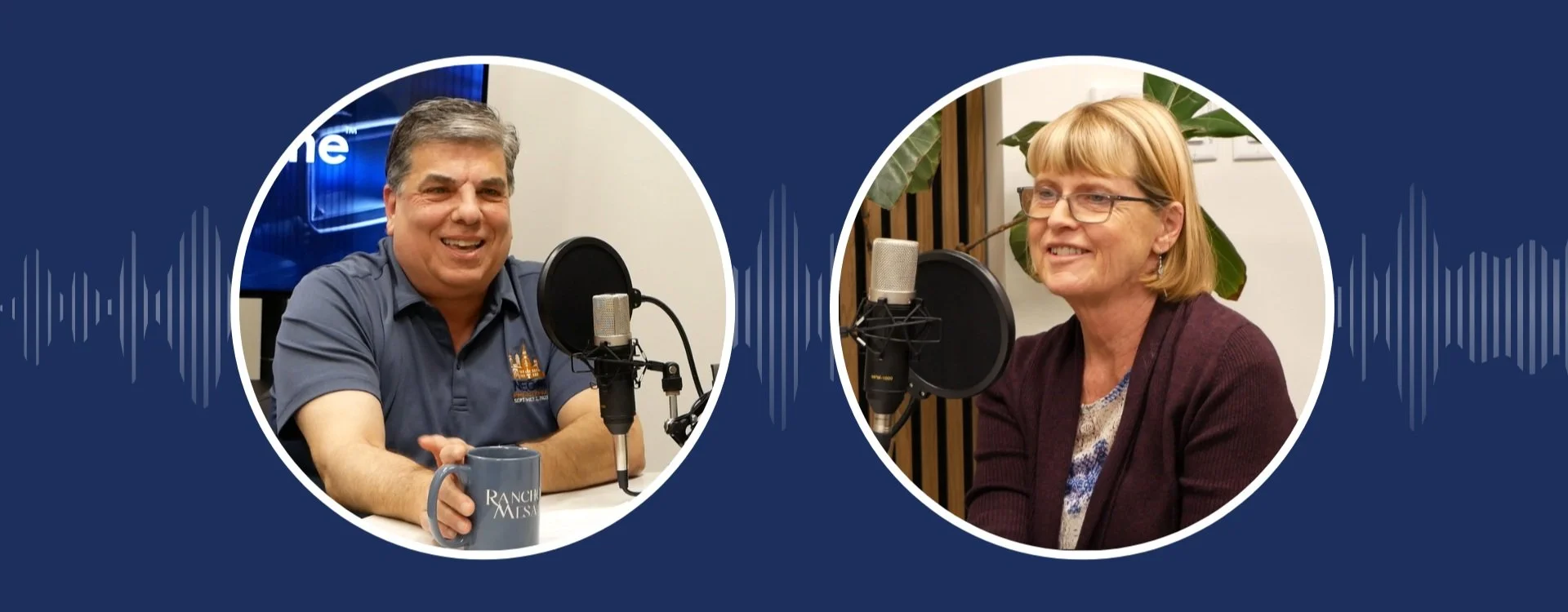
Getting to Know Our Trade Associations – Meet Andy Berg, Executive Director of NECA San Diego
Author, Anne Wright, Surety Relationship Executive, Rancho Mesa Insurance Services, Inc.
As we have shared with our clients and viewers in the past, Rancho Mesa finds a tremendous amount of value in memberships of various trade associations. Becoming involved in these associations by attending events, and participating in committees, ultimately at board level, has allowed for a deeper understanding of the construction industry that we bond. I have found value in following legislation changes that affects the industry, as well as learning about the issues and processes available for contractors to run safer jobs, be more competitive in the industry, and manage contracts and financial reporting. It has made me better at what I do as a surety agent.
Author, Anne Wright, Surety Relationship Executive, Rancho Mesa Insurance Services, Inc.
As we have shared with our clients and viewers in the past, Rancho Mesa finds a tremendous amount of value in memberships of various trade associations. Becoming involved in these associations by attending events, and participating in committees, ultimately at board level, has allowed for a deeper understanding of the construction industry that we bond. I have found value in following legislation changes that affects the industry, as well as learning about the issues and processes available for contractors to run safer jobs, be more competitive in the industry, and manage contracts and financial reporting. It has made me better at what I do as a surety agent.
Over the years, I’ve had the pleasure of developing a great relationship with Andy Berg, Executive Director of the National Electrical Contractors Association (NECA) San Diego. This past year, Rancho Mesa was honored to be the recipient of NECA’s Affiliate of the Year Award.
NECA represents the union electrical construction industry, locally and nationally, and is a strong voice for its members on matters on advocacy, education, training, and a vibrant labor force. Andy joined the staff of NECA San Diego in 2002 as the Director of Local Government Relations & Economic Development, and earned his position of Executive Director in 2007.
I had the pleasure of getting to know Andy many years ago when I was involved on the San Diego American Subcontractors Association (ASA) board. NECA was a member of ASA, and Andy joined us on the government relations committee, meeting with local public agency policy makers. I learned most of what I know about communicating with public agencies from Andy, both construction and surety related. He has been a wonderful mentor to me over the years. Collaboration with other groups in the industry is important for the greater whole, and NECA has proven that they are all about advancing their industry, in this regard.
When I speak about the value of association memberships in guiding and forming our careers in the greater construction industry, this relationship with Andy will always be at the top of my list regarding the benefits of forging meaningful connections.
Listen below for the full podcast interview with Andy where he discusses his successful history and issues facing contractors today.
Unlocking Working Capital in Construction: Options for Reducing or Releasing Retention
Author, Andy Roberts, Surety Account Executive, Rancho Mesa Insurance Services, Inc.
Retention is a very common practice within the construction industry that typically involves 5-10% of each payment to the subcontractor being withheld until the project has been completed. The purpose behind this is simple, it is designed to make sure that subcontractors satisfy their contractual agreements before they receive their last payment for the work they have done. While this practice serves a real purpose, it can cause significant issues for subcontractors if the payments are delayed.
Author, Andy Roberts, Surety Account Executive, Rancho Mesa Insurance Services, Inc.
Retention is a very common practice within the construction industry that typically involves 5-10% of each payment to the subcontractor being withheld until the project has been completed. The purpose behind this is simple, it is designed to make sure that subcontractors satisfy their contractual agreements before they receive their last payment for the work they have done. While this practice serves a real purpose, it can cause significant issues for subcontractors if the payments are delayed.
Regardless of the reasons why a retention payment could be delayed, whether it be overall project completion delays or if there are issues with the work performed, the delay in payment can cause significant cash flow issues. For subcontractors that do a lot of bonded work, cash flow issues will have a direct impact on their working capital which can have a negative impact on their bonding program. However, there are some strategies that subcontractors can employ to get their payments released sooner, like negotiating the terms of the retention release in the contract.
Prior to signing the contract, it is important that a subcontractor review and attempt to negotiate any unfavorable retention release terms. One option is negotiating a 10% retention down to 5% in the contract. Should that not be achievable, subcontractors can provide performance and payment bonds which might convince the project owner and/or general contractor to lower the retention amount or release the retention sooner.
Performance and payment bonds protect the project owner and the general contractor in case the subcontractor fails to fulfill their contractual obligations, which is the main reason that retention is being withheld. Therefore, the presence of bonds on the project may allow a subcontractor to negotiate terms that are more favorable to them, potentially lowering the percentage withheld from each payment, or even getting it released at earlier points within the project.
While retention remains a standard practice within the construction industry, it can cause significant issues for a subcontractor should those payments be delayed. So, negotiating these terms in all contracts is vital while also using the ability to provide bonds on the project as a solution to getting more favorable terms.
Should you have any questions about this or you are having issues with retention being withheld, reach out to me at aroberts@ranchomesa.com or 619-937-0166.
Anne Wright Explores Philadelphia Surety with Mike Hall
Rancho Mesa’s Surety Relationship Executive Anne Wright sat down with Mike Hall, Vice President of Surety for Philadelphia Insurance Company to explore what makes Philadelphia Surety unique and the programs they offer businesses placed with them.

Rancho Mesa’s Surety Relationship Executive Anne Wright sat down with Mike Hall, Vice President of Surety for Philadelphia Insurance Company to explore what makes Philadelphia Surety unique and the programs they offer businesses placed with them.
Transcript
Anne Wright: Welcome. This is Anna Wright, Surety Account Executive here with Rancho Mesa Insurance and we’re going to talk a little bit about how we place business with our surety companies. We have a lot of options. Our clients rely on us to obviously be the professionals they expect handling their business, but also making sure we get the right surety relationship that's going to serve them best with all the terms, conditions and long term relationship.
So I have Mike Hall here with me today. Mike, you want to do a quick introduction?
Mike Hall: Sure. Hi, my name is Mike Hall with Philadelphia Insurance, Vice president and I run the Western region, which includes the northwest, Northern California, Southern California and Hawaii. I’ve been doing surety for 29 years, and Anne and I have known each other for, I would say, probably 27 years of that. So we've been doing business a long time and I'm happy to be here.
AW: Well, thank you for being here. We appreciate it. So when we are looking at placing a piece of business with a surety, you know, we're looking at the type of contractor developer, the type of work they do, the job sizes they need, who they do work for, and then the various underwriting information that they have that's available. So again, we have lots of choices in lots of markets, but we found Philadelphia to be a very strong market for some of our best clients, for many years. I think Philly's been around for 11 years.
MH: Philly Surety has been around for just over 12 and a half years. And then Philadelphia Insurance itself has been around for 60 plus years.
AW: Okay. So they brought in some great talent with Mike and some of his peers to run the surety division. It's been very successful. So we found it a very good market for a lot of our accounts. With regard to Philly, what we find sets you apart from some other sureties, again, the relationships. It's very important that we have the personal relationships with the underwriter. So when you say we've been working together and known each other for 27 years, that matters, obviously. What do you think sets Philly apart from some of your competitors?
MH: I would say one thing that sets us apart is we're A++ 15 ranked by AM Best. That's the highest ranking you can get. There are other sureties, but there's only a handful of them that get that ranking. I think we provide good service and a consistent underwriting approach. So the broker in the account knows exactly what to expect as we're going through the underwriting process.
AW: Yeah, it's an excellent point. Something we have to take into consideration with a lot of public agencies and general contractors, the AM Best rating is an important tool that they use to determine what's acceptable as a surety company. So there's a lot of A- surety companies out there right now, which is still an A, and it's still you know, it's not a big negative. But to be able to say you've got that A++ 15 rating is definitely huge for you all.
MH: It definitely comes into play on the commercial side of the house when they're looking at large appeal bonds or bonds of that nature.
AW: Gotcha. Okay. Yeah, well, you know, some of the smaller to midsize accounts, though, you know you write those, too. So I would typically think that the very large general contractors or developers are going to need that A++ 15 rating. But it's nice to know that Philly is available for some of other accounts that we've been able to place with you along the way. So it's not just meant for mega companies.
MH: Exactly.
AW: And you also have a small contract program. You are one of the early entrants, I think, into the, what we call, the Express program.
MH: Yes, we have on the contract side, we have it's called just Contract Express, and it's for programs of job sizes, $500,000 single up to $1,000,000 aggregate programs. We can go a little bit larger in that area, but that's just kind of typically where they, where they operate. And then on the commercial side, we have Commercial Express, which handles those small statutory bonds.
The agent or even the account itself can go online and purchase a bond there, prints it out, prints out the bond form for you and you ready to go.
AW: Very efficient.
MH: Yeah, it's very efficient. And then standard contract, we go up to programs of $300 million. There's other competitors of ours out there that do substantially more than that but-
AW: It fits your needs.
MH: Yep.
AW: So, very good. We look at claims handling as being an important part of the surety relationship as well. We, obviously we all underwrite to avoid claims. We underwrite to a zero loss ratio, but claims happen. So do you have anything you can share about your claims people and how well they work to resolve issues?
MH: Yeah, our claims department is great and in addition to just the normal claims handler, we have one local here in Southern California, but we also have an engineer on staff. So if you had a situation where there's maybe a big bid spread and our account was confident in their number, we could have the engineer talk with the account, go through the project, walk through it, get a better understanding, and then they'll just provide that additional feedback to the underwriting team.
And then we make the final decision on whether we write the final bond or not. We also have accountants on staff, so if the account is in difficult situation, we can send the accountant in and go through the books and records, get a better assessment of kind of what's going on. You know, that makes sense to finance the account through the project, or is it better to take, you know, some other approach to resolving the claims situation.
AW: Sure. So value added services that exactly through the project.
MH: Exactly, and we also offer up early on in the underwriting process, we have the ability to take collateral. We can also use funds control to maybe get over some hurdles in the underwriting process.
AW: All right. So again, all the tools, that's wonderful. Well, I know there was a recent newsletter that came out from Philly and they talked about selecting the right relationship and they mentioned reputation, size and service. And again, that's what our clients look for in us, and that's what we look for in our sureties, and Philly certainly fits the bill when it comes to reputation and size of the company and service to us as the agents and then our clients to get them on their way and grow the relationship and grow their business. And again, the value that you bring has been a great experience in my career with you. So, thank you for that.
MH: Likewise.
AW: So as a broker, we're going to find any way, any reasonable way, to get the bond done. If we can do it with Philly, we're going to do it with Philly. Mike is one of our go-to’s and we appreciate you being here today in StudioOne™.
MH: Thank you for having me.
AW: You're welcome. If anyone has any questions, you can contact me awright@ranchomesa.com.
Thank you.
MH: Thank you.
Strategies for General Contractors to Minimize Liability
Author, Lauren Stumpf, Marketing & Media Communications Specialist, Rancho Mesa Insurance Services, Inc.
In Episode 355 of Rancho Mesa’s StudioOne™ podcast, host Andy Roberts, an Account Executive in the Surety Group at Rancho Mesa, is joined by Ted Lee, a Contract Bond Underwriter at Liberty Mutual Surety, to discuss strategies for general contractors to limit their liability when working with subcontractors. Ted shares his background and experience in the surety industry before delving into the main topic.
Author, Lauren Stumpf, Marketing & Media Communications Specialist, Rancho Mesa Insurance Services, Inc.

In Episode 355 of Rancho Mesa’s StudioOne™ podcast, host Andy Roberts, an Account Executive in the Surety Group at Rancho Mesa, is joined by Ted Lee, a Contract Bond Underwriter at Liberty Mutual Surety, to discuss strategies for general contractors to limit their liability when working with subcontractors. Ted shares his background and experience in the surety industry before delving into the main topic.
They explore two key strategies that general contractors can use to mitigate liability:
Subcontractor Prequalification: Ted emphasizes the importance of how general contractors select their subcontractors. If they choose based solely on the lowest bid, there may be risks associated with subpar quality. To mitigate this risk, it's suggested that general contractors require a prequalification letter from the subcontractor's surety. This helps ensure that the subcontractor is bondable, providing added assurance to the general contractor.
Performance and Payment Bonds: Requiring performance and payment bonds from subcontractors offers immediate protection to general contractors. Performance bonds protect against subcontractor default, while payment bonds guard against potential liens from lower-tier subcontractors and suppliers. These bonds could also enhance a general contractor's bonding program, potentially allowing for higher bonding limits and more favorable terms.
The conversation highlights the role of the general contractor's surety in evaluating the prequalification process and bond requirements. Ted explains that this evaluation helps the surety understand and support the general contractor's risk mitigation efforts.
They also mention that some general contractors may have automatic bond requirements for certain project sizes, but for those who don't, bond companies may step in and require subcontractor bonds when needed.
In conclusion, the podcast episode provides valuable insights for general contractors looking to limit their liability and manage risk by implementing subcontractor prequalification processes and requiring performance and payment bonds. Andy and Lee also recommend seeking assistance from insurance agents with expertise in surety bonding to navigate these processes effectively.
Listen to Episode 355 below, or on your favorite podcast listening app.
Are Bonded Projects Really Better Performers than Non-Bonded Projects?
Author, Anne Wright, Surety Relationship Executive, Rancho Mesa Insurance Services, Inc.
The goal of the surety, in any relationship, is to ensure that the bonded job is completed successfully, is profitable for their client, and is without claims.
Author, Anne Wright, Surety Relationship Executive, Rancho Mesa Insurance Services, Inc.
The goal of the surety, in any relationship, is to ensure that the bonded job is completed successfully, is profitable for their client, and is without claims.
In their attempt to understand the risk versus reward of a given bonded project, the surety can add some value by reviewing certain aspects of a particular request.
To that end, the surety considers each request for a bond on its own merits. If the bond is for a routine project (based on the contractor’s history and track record), then it will likely be a pretty routine process for issuing the bond based on the contractor’s past performance, history, etc. However, something out of the wheelhouse for a given contractor might find the surety contemplating certain details about the request. They may ask more about the type of project and past experience on similar jobs and resources needed. The surety may want to know if this project has an adequate schedule, the profit and related costs of the job, information about the owner requesting the bond, bond forms, and the contract. In reviewing the contract, the surety is not just looking at the general form of the contract, but also various provisions like payment and retention terms, liquidated damages, schedules, etc. And, you might find your surety agent asks what you like about the job or what challenges you see in the job if it is outside of your normal scope and size. Every now and then, a client comments that they appreciate these discussions – and the extra set of eyes to make sure key factors in the job, bid, or contract were not missed.
Many sureties can also provide some input relating to contract review, especially if a client is working for a new project owner, or a general contractor who has a reputation for being tough.
And, if your work is for a private owner, the surety will typically want to confirm that there are construction funds earmarked to make sure the contractor gets paid. That information should be available in generalities in the preliminary notice information, but having the surety asking to confirm specifically that their contractor’s money is available to pay for their line items (and any contingency) can be a real benefit.
Also, keep in mind that the contractor (the business owner) typically has their personal indemnity on the line if things go wrong and the surety has to respond to a claim – one might presume that the contractor is paying extra attention to a bonded job where there is more on the line.
So, at the end of the day, the services provided by underwriting the bond request can add that extra value in making sure there is no loss. The extra attention may also result in a more successful project. And, the job should be a good performer.
Don’t just take my word for it. Overall, the industry agrees that unbonded projects have a higher likelihood to default, or have more significant problems. The case can certainly be made that with the partnership and value of the surety team supporting a contractor in their efforts to have a successful job, more attention is paid to those critical components to ensure that this is the case.
An article by Vicki Speed, “A Study in Surety Effectiveness, Reassessing Exposures,” published in the July 10/17, 2023 issue of ENR Magazine confirmed the value of surety bonding. According to a survey of owners and developers cited in the article, “bonded projects are more likely to be completed on time or ahead of schedule.”
Remember, the surety is not here to tell you how to run your business or your projects. Only to support your success. It should be seen as a valued partnership that is beneficial to the owners who require the bonds.
For more information about bonding jobs, contact me at (619)486-6570 or awright@ranchomesa.com.
Taking the Mystery out of Bonding for Public Works Projects
Author, Andy Roberts, Account Executive, Rancho Mesa Insurance Services, Inc.
Obtaining bonding for public works projects can be a complex process but understanding what bonds are, why they are required, and what information the bond company needs can take a lot of the mystery out of the process and make it seem a lot less daunting.
Author, Andy Roberts, Account Executive, Rancho Mesa Insurance Services, Inc.

Obtaining bonding for public works projects can be a complex process but understanding what bonds are, why they are required, and what information the bond company needs can take a lot of the mystery out of the process and make it seem a lot less daunting.
Bonds are a financial instrument which provide a guarantee, provided by the bond company, to the project owner (Obligee) that the contractor (Principal) will fulfill their obligations per the terms and conditions of the contract that has been awarded to them. We most often see bonds on public works projects as they are required by law but we also see general contractors and lenders require bonds in some instances. Specifically looking at public works projects, there are laws in place requiring bonds on these projects because they are funded by tax payer dollars, making it important to mitigate the financial risks associated with these projects and protect those funds. With this basic understanding of what bonds are and why they are required, how then do contractors go about getting bonded?
Depending on the size of the project that requires a contractor to get a bond, there are a few different options. Many surety companies offer bond programs solely based on the credit of the owners, and so long as personal credit is good, the surety will offer support. The limit for these types of programs are typically maxed out at $750,000 per project and aggregate depending on the bond company. In order to go above these limits, more financial information must be obtained: contractor questionnaire, three years of company financials (balance sheet & income statements), personal financial statements from all owners, and bank statements verifying the cash amounts listed on company and personal financial statements. After reviewing all of the provided information, the bond company and surety broker can determine the contractor’s eligibility for the appropriate size bond program.
Having the ability to secure bonds can provide additional revenue sources to help a contractor grow their business. This makes it important for contractors to seek out an experienced bond agent that can not only guide them through the process but also educate them so that the process is not overwhelming.
If you have any questions or would like to start putting your own bonding program in place, I can be reached at aroberts@ranchomesa.com or 619-937-0166.
Matching Contractors with the Right Bond Company
Author, Andy Roberts, Account Executive, Rancho Mesa Insurance Services, Inc.
Like any great match-maker, a surety bond agent needs to fully understand both parties in order to match the contractor with the right bond company.
Author, Andy Roberts, Account Executive, Rancho Mesa Insurance Services, Inc.

Like any great match-maker, a surety bond agent needs to fully understand both parties in order to match the contractor with the right bond company.
In a previous article, we explored key factors that a contractor should consider when hiring a surety bond agent, highlighting experience, some additional value adds, and agent appointments. Agent appointments are an important factor to consider, because one of the most important roles of a surety bond agent is making sure that their clients are paired with the right surety bond company. In order to do this, an agent needs to have an in-depth understanding of both their client’s business and the bond companies that they work with.
In order to properly match a client with a bond company, it is vital that the agent take the time to really understand the client’s business: review financials, review the business plan, and get a firm handle on what the contractor’s goals are for the company. Doing this will allow the agent to get a thorough understanding of the client’s specific bond needs and will help them narrow down the marketplace to a handful of bond companies that would be the right fit. While it is very important to have a good understanding of the client’s business, it is equally important to have a strong understanding of each bond company’s appetite.
There are more than 100 bond companies out there and they are all a little different. They all have different limitations with regard to the size of bonds they can write. They will have different underwriting standards for when a client is required to start providing CPA-reviewed financials. They have different classes of business that they favor. Some bond companies value personal financials more than others. This list goes on, making it vital that agents have a thorough understanding of their markets, and have good relationships with their underwriters so that clients are placed with a bond company that will be a good partner for them as they look to accomplish their goals.
It is important that an agent have appointments with a variety of highly rated bond companies while also possessing a deep understanding of those markets because contractors need to be able to trust that their agent has them placed with the bond company that is the right fit for their business. Rancho Mesa has long-standing appointments with over 20 highly regarded bond companies, in addition to close working relationships with those underwriters.
As you look to build a successful bond program that can help your construction firm grow profitably, contact me at aroberts@ranchomesa.com or by phone at (619) 937-0166.
Five Contract Provisions to Consider
Author, Anne Wright, Surety Relationship Executive, Rancho Mesa Insurance Services, Inc.
When the surety provides the performance and/or payment bond required by a contract, that contract is the basis of the surety’s guarantee. Simply put, the bonds follow the contract. Because of this, there are a few key things that the surety is going to want to review, and you should do the same. The goal is to make sure you, as the contractor, have everything in place to ensure your success.
Author, Anne Wright, Surety Relationship Executive, Rancho Mesa Insurance Services, Inc.

When the surety provides the performance and/or payment bond required by a contract, that contract is the basis of the surety’s guarantee. Simply put, the bonds follow the contract. Because of this, there are a few key things that the surety is going to want to review, and you should do the same. The goal is to make sure you, as the contractor, have everything in place to ensure your success.
1. Liquidated Damages
Typically, contracts will have a liquidated damages provision. This is generally the per day penalty imposed in the event you are the cause of a delay for the completion of the project. If you are acting as a subcontractor and can only find vague verbiage in your contract with the general contractor (GC), it probably implies that you are held to the same liquidated damages as the GC is to the owner. Make sure you know the actual value or dollar amount of the liquidated damages and consider your bid amount accordingly. Just because you don’t see a dollar amount per day in the contract doesn’t mean you won’t be held to that flow down provision from the prime contract.
Private jobs may be more flexible. Most all public jobs will have something in the prime contract about liquidated damages and they can get pretty steep. We’ve recently seen invitations for bids that include $40,000/day liquidated damages. How many days delay would it take to eat up your profit on a given job? If you do run up against these higher liquidated damages, consider either conditioning your bid to include verbiage that either caps those liquidated damages to some dollar amount that is reasonable, or include a provision that you will only be responsible for a proportionate share of the liquidated damages based specifically on your work that may have caused any delay.
2. Retention
The standard retention for public works contracts in California is 5% for the prime contractor as a result of the efforts of our subcontractors association. Notably, this standard practice is scheduled to sunset in 2023. There is a bill in Sacramento to make the standard permanent. You can bet groups are lobbying to support the 5% standard as it has proven to be a good number.
Knowing the standard retention is important when negotiating your contract. If you are a subcontractor to a GC on a public works project, review the contract for the retention provision. You may be agreeing to abide by a percentage that is higher than what the GC is having withheld by the prime contract. For example, you may be asked to agree to a 10% retention instead of the standard 5%. That is a business decision you can make, but at least you know the law and consider it in your negotiations.
On private works projects, the owners can set their retention amount. And, we continue to see that being set at 10% for the prime contracts.
3. Indemnity
California law sets a limit to some extent on what one party can be liable for to another party. That said, some contracts may be out of date (i.e., broad form indemnity was the law of the land years ago), or the contract may have been drafted in another state. So, make sure that your indemnity provision clarifies that in no event will your duty to indemnify the other party be greater than what is defined as your scope in your contract and that you are not responsible for work performed by other trades.
4. Insurance Provisions
Insurance requirements are greater in some contracts than others. Limits of liability needed can change from contract to contract. It is best practices is to have your insurance agent review the contract before you sign. Make sure you have the coverages you need and include the cost in your contract amount. We’ve seen umbrella limits increasing with some public and private owners, so account for those increases.
5. Warranty
The standard warranty for workmanship in California is one year after completion. We do see some public owners wanting to extend that to a two-year warranty. In some trades and in some contracts, it might be longer. When presented with a longer term warranty, ask yourself if it is reasonable to expect you will be in a position to respond to a warranty item in X number of years after completion. We strongly suggest that you limit the warranty to no more than two years. In some cases, where bonds are required, the surety may ask for verbiage to be added to the contract to limit the surety’s liability to one or two years, and we will then include that in the bond form, if the provision exceeds the two years.
I have always held the belief that knowing a good construction-oriented attorney is as important as any other professional service provider you have to support your business. Consider that it is probably cheaper to have an attorney review your contract before you sign it, then to be put in a position to have to defend yourself later. A good legal resource can provide valuable input if you come across something new, or not well understood. We have some good resources that we can recommend. Contact me at (619) 486-6570 or awright@ranchomesa.com if you would like to discuss your surety needs or if we can provide other resources to support your business.
Surety Industry Forced to Innovate
Author, Andy Roberts, Account Executive, Surety Group, Rancho Mesa Insurance Services, Inc.
Rarely are the words surety and technology advancement synonymous, and that’s because it’s hard to introduce advancements to an industry where so many obligees still require raised seals and wet signatures on the bonds they are receiving. However, due to some challenges that bond companies, insurance agencies and obligees have faced during the pandemic, the industry is being forced to innovate.
Author, Andy Roberts, Account Executive, Surety Group, Rancho Mesa Insurance Services, Inc.

Rarely are the words surety and technology advancement synonymous, and that’s because it’s hard to introduce advancements to an industry where so many obligees still require raised seals and wet signatures on the bonds they are receiving. However, due to some challenges that bond companies, insurance agencies and obligees have faced during the pandemic, the industry is being forced to innovate. E-signatures on bond documents are becoming more commonplace, and electronic powers of attorney and digital seals are being adopted with the eventual goal of creating a surety bond creation process that is wholly digital.
General Indemnity Agreements executed by a contractor/principal when they are establishing a surety program with a bond company, have traditionally needed to be executed in front of a notary and the original document, with the wet signatures, provided back to the bond company. Now, more and more bond companies are moving away from this archaic practice and allowing these documents to be signed digitally. This is an important change as it shows the industry’s willingness to implement changes that are in the best interest of the principal. Another change that is being brought about is the use of electronic powers of attorney (POAs), and digital seals.
A couple of years ago, very few bond companies utilized electronic POAs, opting instead to mail agents hard copies that needed to be dated using a typewriter. While this method is still being used, more and more sureties are opting to provide their agents with e-POAs that they can print as needed. In addition to this change, digital seals are also starting to be more commonplace. These can be affixed to the POAs and the bonds themselves when they are transmitted digitally. The importance of these two changes is worth noting as they are steps towards creating a process which allows for the creation of a surety bond by solely electronic means.
Getting to a point where contract bonds are done only electronically is still a way off, but the technologies that are needed are available, making it necessary that the surety industry continues to embrace technology to improve our processes, and to ensure we are providing bonds in the form, whether electronic or paper, that clients and obligees want.
For questions about technology in surety or your surety needs, contact me at aroberts@ranchomesa.com or call my direct line at (619) 937-0166.
What to Consider When Hiring a Bond Agent
Author, Andy Roberts, Account Executive, Surety Group, Rancho Mesa Insurance Services, Inc.
With the passage of the Infrastructure Investment and Jobs Act, there is $125 billion of federal funds available for procurement. This provides a significant amount of federal construction work which will be put out to bid, with a vast majority of it requiring bonding.
Author, Andy Roberts, Account Executive, Surety Group, Rancho Mesa Insurance Services, Inc.

With the passage of the Infrastructure Investment and Jobs Act, there is $125 billion of federal funds available for procurement. This provides a significant amount of federal construction work which will be put out to bid, with a vast majority of it requiring bonding. For contractors that may have never bonded before or bond infrequently, this is a clear opportunity to build revenues. With that in mind, it is critical that these contractors have a good surety bond agent on their side to help them navigate this process. Here are some questions and things to look for when evaluating if an agent is the right fit.
Experience
It is important to note how many years an agent has been in the industry, but it’s more important to make sure they are a surety specialist. Surety bonding is a very specialized insurance product, and an agent that focuses solely on surety will have a better understanding of what the different bond companies value when they are reviewing a new contractor because each bond company has a different appetite. Additionally, agents that focus solely on surety will have developed stronger relationships with bond companies. This relationship is important because bond companies want to work with agents that are knowledgeable and have good reputations within the industry.
Agent Appointments
Which bond companies does the agent have an appointment? This is an important question to ask, as bond companies are very conservative and the better bond companies are much more selective with the agents that they appoint. When asking this, it is also important to note how many bond companies the agent is appointed with. Having access to numerous sureties, while maintaining key relationships with the main companies, allows an agent to find the best bond company for each contractor.
Additional Value Adds
Surety bonding is a complicated industry, and if a contractor's goal is to increase their bonding capacity, it is vital that the agent provide additional services, like a detailed review of the company’s financials, and yearly analysis of a contractors single and aggregate bond limits. These services are important because they help the agent and the contactor get on the same page with regards to the current bond program, while also allowing them to game plan for the future, and set goals for how to increase bonding capacity. In addition to these in-house services, an agent should be able to recommend a good construction CPA and reputable banking contacts that know what a contractor needs to maximize their bond credit.
Bond agents play a vital role and partnership for contractors, which makes it very important that a contractor performs proper due diligence when hiring an agent. At Rancho Mesa, we have surety only specialists whose expertise is used to ensure our clients are placed with the right bond company to suit their needs.
To answer any questions from this article or discuss if we can assist with any bond related needs, contact me at aroberts@ranchomesa.com or call my direct line at (619) 937-0166.
How Year End Financial Statement Preparation Influences Bonding Programs
Author, Andy Roberts, Account Executive, Surety Group, Rancho Mesa Insurance Services, Inc.
As a contractor looking to qualify for a contract surety bond program, your team should be aware that company financial statements will be required by underwriters in most cases. This is largely due to the fact that a company’s financials, their balance sheet and an income statement, represent the primary source of information that a surety will use when building a bond program. And, the way this information is presented goes a long way in determining the amount of credit that a bond company is willing to extend. There are a few different options for presenting year-end financials, with the two most common being internal financials and CPA-reviewed financials.
Author, Andy Roberts, Account Executive, Surety Group, Rancho Mesa Insurance Services, Inc.

As a contractor looking to qualify for a contract surety bond program, your team should be aware that company financial statements will be required by underwriters in most cases. This is largely due to the fact that a company’s financials, their balance sheet and an income statement, represent the primary source of information that a surety will use when building a bond program. And, the way this information is presented goes a long way in determining the amount of credit that a bond company is willing to extend. There are a few different options for presenting year-end financials, with the two most common being internal financials and CPA-reviewed financials.
Internal statements are prepared either by the contractor in-house, or by a hired bookkeeper, and are often accepted by surety companies for contractors that do not bond frequently and/or only bond smaller projects under one million dollars. The reason for this limitation is internal statements are not viewed as being overly reliable because they have not been prepared by a third party CPA. If a contractor is looking at a bigger job or looking to grow their bond program, then it is worth the investment to have a CPA complete a review for the fiscal year-end financial statement.
A review from a CPA provides a deeper dive into a contractor’s financial statements and will usually include notes about the financial statements regarding revenue, accounts receivables, accounts payables, and other financial events that occurred over the course of the year. And, while there is a larger cost associated with a review, between $10,000-$15,000, as opposed to providing an internal year end statement, the surety gains a greater understanding of the company’s financials over internal statements. Additionally, they consider a CPA review more reliable and trustworthy, thereby willing to offer increased bonding capacity to qualified contractors.
Providing CPA-reviewed financials adds additional overhead to a company’s budget, but it can be vital to ensuring the maximum bonding capacity is provided when it’s need it most. Furthermore, to emphasize the point, it is important that contractors select a competent, proactive bonding agent and construction CPA in order to map out a successful strategy for year-end financial preparation. The right partnership can help your firm build the highest possible level of bond credit as you build toward the future.
Finding an experienced CPA with a construction financials background can be a challenge. I can help recommend someone who can assist your company.
To answer more questions from this article or discuss if it may be time to make the jump to a CPA review, please email me at aroberts@ranchomesa.com or call my direct line at (619) 937-0166.