

Industry News

Protecting Your HVAC and Plumbing Business with Proper Classifications
Author, Matt Gorham, Account executive, Rancho Mesa Insurance Services, Inc.
Within the construction industry, it is common for questions to arise about how to categorize work that a contractor performs. While organizations like the Insurance Service Office (ISO), Workers’ Compensation Insurance Rating Bureau (WCIRB), and the National Council on Compensation Insurance (NCCI) have created classification systems, nuances in worksite demands can lead to confusion about which class code to use for a given business’s operations.
Author, Matt Gorham, Account Executive, Rancho Mesa Insurance Services, Inc.

Within the construction industry, it is common for questions to arise about how to categorize work that a contractor performs. While organizations like the Insurance Service Office (ISO), Workers’ Compensation Insurance Rating Bureau (WCIRB), and the National Council on Compensation Insurance (NCCI) have created classification systems, nuances in worksite demands can lead to confusion about which class code to use for a given business’s operations.
Even though many types of work have similarities, mistakes in classification can lead to:
Problematic coverage exclusions
Surprise audit bills
Overpaying insurance premiums
General liability class codes differ between types of work, such as commercial/industrial plumbing and residential plumbing, or heating and air conditioning with or without liquefied petroleum gas.
Problems can arise for businesses when their coverage fails to match the work being performed, especially when certain endorsements are included within their policies. When a loss happens in this situation, a carrier may deny coverage, leaving the business to respond to the damage or injury on its own.
We recently started working with an HVAC contractor that had previously found themselves on the wrong end of this scenario, having incurred over $350,000 in property damage costs because they were held responsible for flooding an apartment while moving a water line. Their previous carrier denied the claim because of a coverage limitation endorsement, which specifically limited coverage only to the classification codes listed on their policy.
In severe cases, a carrier may also choose to cancel or non-renew coverage for the business if they learn that the business’s operations are heavier or significantly different than what was previously represented.
Like general liability, workers’ compensation class codes can also cause challenges for contractors.
Consider the example of an HVAC contractor. Their workers’ compensation payrolls could easily be categorized into either 5183/5187 or 5538/5542. There is a subtle difference that separates whether payroll should be classified within the plumbing class codes or the sheet metal class codes. However, there can be a substantial difference in the corresponding premium a company would pay for workers’ compensation, especially when you consider that these classifications are subject to different dual wage thresholds.
An HVAC company with a technician getting paid $32 per hour whose payroll is classified as 5187 could expect to pay premiums from a $4 to $5 base rate per $100. Another HVAC company with a technician getting paid the same, but categorized as 5538 could expect to pay premiums from a $10 to $12 base rate per $100. While the lower rate may at first be appealing, if payroll is improperly classified throughout the policy term, an audit could lead to a substantial additional premium, so it is best that you classify your work correctly from the start so that your premium properly reflects the risk of the work being done.
Plumbers often encounter a similar classification challenge. Should they be categorizing payroll under the plumbing class code only? Do they have any sewer or excavation exposure? That depends on some key details in their operations and will directly influence which carriers are willing to partner with them and how aggressively they price their coverage.
Rancho Mesa recognizes the importance of proactively working with accurate, complete information. To better serve the needs of our clients, we have developed a comprehensive submission and renewal process, which includes:
Pre-renewal meetings 90 to 120 days before the renewal date to understand any changes in the business
Industry specific supplemental applications to gather more thorough and relevant information
Open, honest communication with carrier partners that fosters trust and transparency
Policy reviews and audits to identify potential coverage issues
To request a policy audit, and ensure that the coverage and pricing for your insurance program properly aligns with your industry, contact me at (619) 486-6554 or mgorham@ranchomesa.com.
Digitalizing Risk Management: A Step-by-Step Guide for Getting Started
Author, Alyssa Burley, Partner, Media Communications & Client Service Group, Rancho Mesa Insurance Services, Inc.
Imagine you are working in a highly productive organization. Over many years of trial and error, the team has streamlined their operations to the point of a well-oiled machine using good ol’ paper and spreadsheets. Then, your insurance broker offers a digital risk management solution and you are faced with the prospect of transitioning your manual processes to a digital platform. This is the scenario that many Rancho Mesa clients have faced and successfully overcome.
Author, Alyssa Burley, Partner, Media Communications & Client Services Group, Rancho Mesa Insurance Services, Inc.

Imagine you are working in a highly productive organization. Over many years of trial and error, the team has streamlined their operations to the point of a well-oiled machine using good ol’ paper and spreadsheets. Then, your insurance broker offers a digital risk management solution and you are faced with the prospect of transitioning your manual processes to a digital platform. This is the scenario that many Rancho Mesa clients have faced and successfully overcome.
Mobile applications have become an integral part of daily life by streamlining everything from banking to finding a ride in the city. Manual tasks can now be completed easily from a mobile device. So, why haven’t most businesses implemented this mobile technology into their daily operations?
Planning & Support
Transitioning a manual process, like the administration and documentation of toolbox talks, safety trainings, jobsite inspections, and other risk management activities, to a digital platform does not have to be a daunting task, though it may seem that way at first. With proper planning and support from those who have helped others digitalize their manual processes, you can significantly increase the chances for success. Utilize resources like Rancho Mesa’s client services team to provide best practices for each manual process that will be replaced by a digital platform.
Where to Start
Once an organization has decided they are ready to make the move to a digital platform, they often ask how they should begin. It is a best practice to start digitalizing a process that has few barriers to implementation, yet will still have a significant impact on operations. Therefore, utilizing digital toolbox talks (e.g., tailgate talks, safety meetings, and the like) is typically the best process to tackle first.
Next, review your existing toolbox talk process and document the steps. It may be helpful to ask the following questions:
Who decides which topics will be used each week?
Where is the content sourced?
How is the topic content distributed?
Who administers the toolbox talk (e.g., tailgate talk, safety meeting, etc.)?
Where are the toolbox talks performed?
How are employees tracked who participated in the toolbox talk?
Where is the documentation stored?
The answers to these questions will help you identify who will need access to the toolbox talks in the digital platform, whether through an administrator website or a mobile application.
Then, identify one to three people in the organization who are excited about being an early adopter of the new technology. They should be excited at the prospect of streamlining the manual process of getting the toolbox talk content each week, performing the safety meeting, passing around the sign-in sheet, and making sure the signed paper makes it back to the office and in the correct file cabinet. These early adopters could be an administrator, foreman, supervisor, or safety manger, depending on who is responsible for performing portions of this task.
The early adopters will function as the organization’s initial testers, cheerleaders, and then coaches for the rest of the team. They will test the digital process by accessing toolbox talk content and documenting the meeting attendance with both pictures and signatures from their mobile devices. They will report back to their organization’s leadership on how the new process is working. This gives the organization a chance to work with their insurance broker’s client services team to offer suggestions for minor adjustments to the new digital process. Meanwhile, the early adopters will naturally promote the new technology to their co-workers and get others excited for the launch of the new process.
Once the new digital toolbox talk process is tested and adjusted as needed, it is ready to be released to the rest of the organization. There will be a learning curve, but the early adopters will be familiar with how the streamlined digital process works and will act as informal coaches for new users of the platform.
Benefits
Changing a well-established process can cause some people within the organization to question why the change is needed in the first place. So, be prepared to explain the reasoning behind the transition. Explain the benefits that will be felt by both the employee and the organization.
Employees will spend less time on paperwork, so they can get back to their other job responsibilities. No longer will a supervisor have to worry about where the sign-in sheet went from yesterday’s safety meeting. All the documentation is digitally uploaded to the cloud and instantly accessible to those who need it.
The organization can ensure compliance with the Occupational Safety and Health Administration’s (OSHA) safety meeting requirements and eliminate lost paperwork. No longer do organizations need file folders full of sign-in sheets with, unfortunately, illegible signatures. Digital records are easily accessible and filtered by date, project, topic, etc. in order to streamline the process of retrieving data.
All of these things save time, effort, and increases compliance, which ultimately translates to reduced costs.
If your organization is ready to make the transition from paper to digital, contact your Client Technology Coordinator for more information about Rancho Mesa’s proprietary SafetyOne™ mobile app and website.
Don’t Wait Until It’s Too Late: Notify Your Insurer of a Claim Right Away
Author, Sam Brown, Vice President, Human Services Group, Rancho Mesa Insurance Services, Inc.
Rancho Mesa’s commercial clients purchase insurance to transfer financial risk to a third party and protect their business against claims of liability. These clients rightfully expect their respective insurers to fulfill the obligation found in black and white on the Insurance Service Office (ISO) general liability form that reads “We will pay those sums that the insured becomes legally obligated to pay as damages because of bodily injury or property damage to which this insurance applies.” So, what must a policyholder do to ensure this obligation is fulfilled?
Author, Sam Brown, Vice President, Human Services Group, Rancho Mesa Insurance Services, Inc.

Rancho Mesa’s commercial clients purchase insurance to transfer financial risk to a third party and protect their business against claims of liability. These clients rightfully expect their respective insurers to fulfill the obligation found in black and white on the Insurance Service Office (ISO) general liability form that reads “We will pay those sums that the insured becomes legally obligated to pay as damages because of bodily injury or property damage to which this insurance applies.” So, what must a policyholder do to ensure this obligation is fulfilled?
Most importantly, following a known event, policyholders should not wait until served a lawsuit. Per the policy conditions, the policyholder must notify the insurer “as soon as practicable” of an “occurrence or an offense” which may result in a claim. Failure to do so can result in a breach of duty and forfeiture of coverage for that claim.
When reviewing policy coverage and terms in proposal meetings with their broker, clients often voice concerns about what types of occurrence require notice, how a notice to an insurer will impact future coverage and premiums, and how quickly is “as soon as practicable.”
Per the ISO general liability form, “occurrence” means an accident, including continuous or repeated exposure to substantially the same general harmful conditions.
Various court cases and legal precedent do not provide a clear reporting timeline. It is safe to say policyholders do not want to find out how late is too late to report a claim. Report the incident without delay.
Having some apprehension in reporting the incident due to potential rate increases is common and understandable, but should not come into play at the expense of triggering coverage. It is also true that most insurers do not weigh reported incidents or notice only items when underwriting the risk. In contrast, claims, or matters where a third party actually alleges the policyholder is responsible for damages, will have significance to the underwriter. When determining how or when to properly provide notice to the insurer, your Rancho Mesa service team can educate and advise on how best to proceed.
For more information on a policyholder’s obligation to report an incident or to ask questions about your current policy, please contact me at (619) 937-0175 or sbrown@ranchomesa.com.
Return of the Rush Hour: Avoid Increased Risk with Safe Driving
Author, Megan Lockhart, Marketing & Media Communications Special, Rancho Mesa Insurance Services, Inc.
As students return to the classroom, the back to school traffic has also resumed. With more cars on the roads, this leads to more risk for commercial vehicles making their daily commutes.
Author, Megan Lockhart, Marketing & Media Communications Special, Rancho Mesa Insurance Services, Inc.

As students return to the classroom, the back to school traffic has also resumed. With more cars on the roads, this leads to more risk for commercial vehicles making their daily commutes.
By the time Labor Day passes, most school districts and universities in the nation have started classes again, and with that, an increase in traffic in the mornings and afternoons has also resumed. The roads are flooded with school buses, parents, carpoolers, and college students rushing to their destinations. At the same time, the normal work commute continues, including many commercial and company-owned fleet vehicles.
In 2021, the National Highway Traffic Safety Administration reported that the rate of large truck fatal crashes was highest in the months August through October.
In order to keep their drivers safe, employers should educate their employees on the added hazards on the road this time of year and revisit training topics related to defensive and distracted driving.
The SafetyOne™ platform offers driver safety resources to help employers prevent auto accidents, with many toolbox talks and a library of online training courses.
Additionally, anyone can register online for Rancho Mesa’s Fleet Safety webinar with dates throughout September and October.
To learn more about driver safety resources, contact your client technology coordinator.
Understanding Why Your Building’s Leaky Roof Claim Might Be Denied
Author, Jack Marrs, Associate Account Executive, Rancho Mesa Insurance Services, Inc.
Leaky roofs can be a major headache for commercial property owners, often leading to significant damage and costly repairs. Understanding how insurance policies respond to these situations is crucial in navigating the claims process.
Author, Jack Marrs, Associate Account Executive, Rancho Mesa Insurance Services, Inc.

Leaky roofs can be a major headache for commercial property owners, often leading to significant damage and costly repairs. Understanding how insurance policies respond to these situations is crucial in navigating the claims process.
When is a Leaky Roof Covered?
Insurance policies typically cover leaky roofs under certain conditions. The key factor is whether the leak resulted from an unexpected and accidental event, such as a storm causing direct damage to the roof. For instance, if a storm creates a hole or crack in your roof, allowing water to penetrate and cause damage, your insurance policy will likely cover the repairs.
When is a Leaky Roof Not Covered?
On the other hand, if the leak is due to a lack of maintenance or general wear and tear over time, the insurance carrier will typically deny the claim. Routine maintenance and upkeep are the property owner's responsibility, and insurance policies are not designed to cover damages resulting from negligence or normal wear and tear. Also, the age of the roof can determine if the claim will not be covered.
According to the Raizner Slania lawfirm, “In most cases, roof damage on a roof that is 20 years old or older, which accounts for the lifespan of most shingle roofs, will not be covered. A roof on a commercial property can also be deemed too old if one of the lower layers is 20 years old and a new layer was simply added to it rather than the whole roof being replaced.”
Ensuring That Your Claim is Covered
To ensure that your insurance claim for a leaky roof is covered, it is important to document the cause of the damage. If a storm has caused the damage, take photos of the roof and any other affected areas. These photos can serve as evidence when you file your claim. Additionally, maintaining your roof regularly and addressing minor issues before they worsen can help you avoid the claim being denied. Keep records of any maintenance work and inspections conducted on your roof as these documents will be helpful if you need to prove that the damage was not due to lack of upkeep/maintenance.
Remember, if a storm directly causes the damage that leads to a leak, your insurance policy will likely cover the repairs. However, if the leak is due to poor maintenance or normal wear and tear, your insurance policy will most likely deny the claim. By staying up to date with roof maintenance and documenting any storm related damage, you can feel confident your claim will be covered.
To discuss your organization’s potential exposure to property claims, contact me at (619) 486-6569 or jmarrs@ranchomesa.com.
Protecting Commercial Property Investments through Vacancy Permit Endorsements
Author, Kevin Howard, Account Executive, Rancho Mesa Insurance Services, Inc.
Commercial real estate owners may face significant exposure nationally due to vacancy clauses and policy exclusions. The vacancy permit endorsement can potentially fill a major coverage gap within commercial property policies for landlords.
Author, Kevin Howard, Partner, Rancho Mesa Insurance Services, Inc.
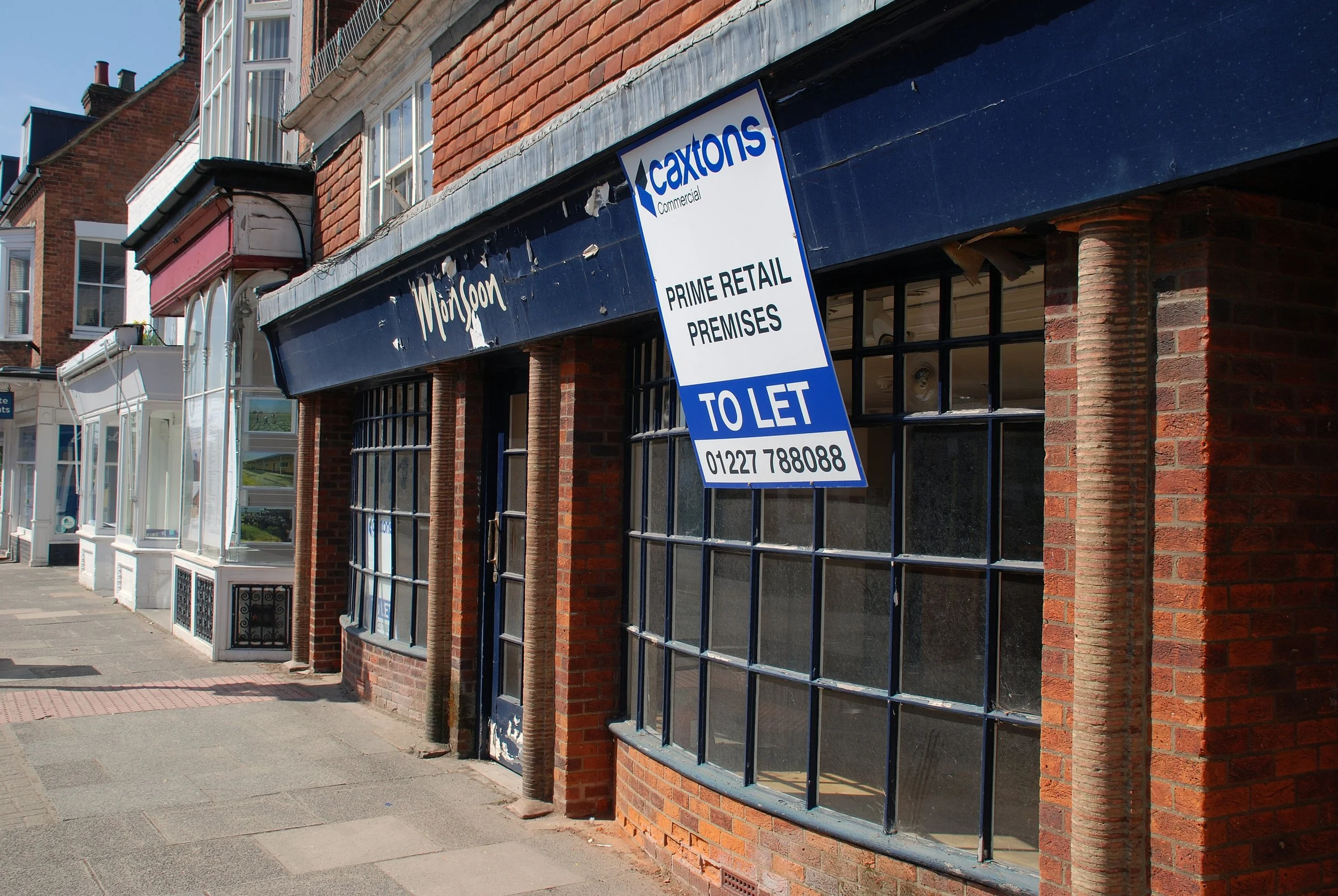
Commercial real estate owners may face significant exposure nationally due to vacancy clauses and policy exclusions. The vacancy permit endorsement can potentially fill a major coverage gap within commercial property policies for landlords.
COVID-19 forever changed the commercial real estate industry by shutting down operations in several asset classes, including retail, office, and industrial. The shutdown created a huge spike in vacancy rates that has certainly come back to nearly normal levels but still presents issues for many landlords. For example, office buildings have seen a continued increase in the national vacancy rate from 12% in 2017 to 16.5% in Q4 of 2023 (www.statista.com).
For property managers and building owners, the risk of an insurance claim within a vacant space has increased, making a focus on coverage paramount. Most insurance policies have specific exclusions that can limit coverage for bodily injury or property damage based on the duration of a building's vacancy or the percentage of the building that is vacant. For example, some exclusions restrict coverage entirely if the building has been vacant for more than 60 days. Another common exclusion requires that at least 31% of the building be rented, leased, or owner-occupied for coverage to respond.
Vacancy Permit Endorsement
For insureds, requesting a vacancy permit endorsement is a smart move that helps eliminate any guesswork regarding coverage gaps. Most carriers will tailor this endorsement to specify the vacancy period, the coverages in place, and the conditions that need to be met by the insured. These conditions typically include maintenance disclosures, inspection reports, and security measures.
There is usually a relatively small premium adjustment for a vacancy permit endorsement, which is well worth the investment compared to the potential cost of an uninsured claim.
The risk associated with vacant properties is more pronounced than ever. Owners and managers must be proactive in securing appropriate coverage to mitigate these risks. The vacancy permit endorsement is a crucial tool in this effort, providing tailored coverage that addresses the specific challenges posed by vacant spaces. By understanding and utilizing this endorsement, property owners can ensure comprehensive protection, safeguarding their investments against unforeseen claims and maintaining peace of mind in an ever-evolving market.
California’s Indoor Heat Illness Prevention Standard Approved: What You Need to Know
Author, Megan Lockhart, Client Communications Coordinator, Rancho Mesa Insurance Services, Inc.
Recently, the Cal/OSHA Standards Board approved new requirements for California businesses, heat illness prevention for indoor work spaces. The new Section 3396 addition to the California Labor Code will go into effect as early as August 1, 2024.
Author, Megan Lockhart, Client Communications Coordinator, Rancho Mesa Insurance Services, Inc.

Recently, the Cal/OSHA Standards Board approved new requirements for California businesses, heat illness prevention for indoor work spaces. The new Section 3396 addition to the California Labor Code will go into effect as early as August 1, 2024.
The law states that requirements apply to “all indoor work areas where the temperature equals or exceeds 82 degrees Fahrenheit when employees are present.”
For work environments such as warehouses, restaurants, and manufacturing plants, temperatures can rise dangerously high, putting employees at risk for heat illness. Let’s take a look into the new requirements for employers.
Provide access to cool-down areas, and encourage employees to take cool-down rests.
Provide access to potable water that is fresh, suitably cool, free of charge, and located as close as possible to indoor cool-down area.
Monitor employee symptoms and provide appropriate first aid and emergency response if they exhibit or report signs of heat illness.
Closely observe new employees for the first 14 days of employment as they acclimatize.
Provide employees and supervisors with training on topics such as heat risk factors, symptoms of heat illness, water consumption, and emergency procedures.
Establish, implement and maintain a written Heat Illness Prevention plan for the work environment.
Some additional requirements also apply when the temperature or heat index reaches or exceeds 87 degrees while employers are present, or the temperature reaches or exceeds 82 degrees and employees wear clothing that restricts heat removal or they work in a high radiant heat area.
In these cases, employers need to maintain records of their indoor temperature or heat index. They also must initiate engineering, administrative, and personal control measures to reduce the indoor working environment and maintain it below 87 degrees.
As temperatures continue to soar in many parts of California, employers with employees working indoors in high heat conditions should evaluate their current heat policies to ensure they comply with these impending labor law changes.
For further information about indoor heat illness prevention compliance, clients should refer to the Cal/OSHA website, which offers resources employers can utilize, including a Sample Written Heat Illness Prevention Plan for Indoor and Outdoor Places of Employment (Model Program).
Transitioning from a Credit-Based to a Standard Surety Program
Author, Andy Roberts, Account Executive, Rancho Mesa Insurance Services, Inc.
When sureties began offering credit-based programs, there were only a few companies who would offer this type of program and the limits were low, most often around $250,000 for a single project and aggregate.
Author, Andy Roberts, Account Executive, Rancho Mesa Insurance Services, Inc.

When sureties began offering credit-based programs, there were only a few surety companies who would offer this type of program and the limits were low, most often around $250,000 for a single project and aggregate. However, over the past few years, there has been an increase in the number of surety companies that are willing to offer these types of programs. The limits offered have also increased with some companies writing $1,000,000 for a single project and aggregate bond based solely on an owner's personal credit score. These programs are great for contractors that are getting started with bonded work, or don’t bond frequently and are not looking to provide the information necessary to set up a standard program. However, for contractors looking to grow and need additional surety capacity in order to achieve that goal, they should be aware of the steps that will need to be taken in order to transition from the credit-based program to a standard bond program. The first, and most important step will be the company financials.
Standard bond programs are written primarily based on the financial strength of the company. Sureties will be looking to obtain the last two fiscal year-end financial statements, balance sheet and income statement, and the most recent interim balance sheet and income statement that are available. They will evaluate the current cash position, working capital, and equity in the company to determine a single and aggregate bond limit.
In addition to the company financials, the surety will want to evaluate the personal financial statements for all the owners. Personal financial statements are an important item that surety companies will evaluate. Similar to the corporate financials, assets and liabilities will be evaluated along with the personal credit of the owners. Surety companies want to ensure that the company owners are current with their personal obligations before providing surety credit to their company.
Another important item that a surety underwriter will want to review before providing a standard surety program, is a current work in progress schedule. Being able to provide a current and accurate work in progress (WIP) schedule will be a requirement from a surety underwriter. The WIP monitors project progress and performance over time, and plays a critical role in determining the maximum amount of bonded work that a contractor can take on at one time.
While these are just a few things that surety underwriters will be wanting to evaluate in order to set up a standard bond program. There are other items that contractors can consider, like hiring a CPA for their year-end financial statements and getting a bank line of credit.
For contractors that are looking to graduate from a credit-based program, increase their current surety capacity, and want to explore further strategies that can strengthen their bonding program, contact me at (619) 937-0165 or via email at aroberts@ranchomesa.com.
Understanding the Importance of Your Workers’ Compensation Unit Stat Filing Date
Author, Greg Garcia, Account Executive, Rancho Mesa Insurance Services, Inc.
Imagine you are a landscaping company owner and your workers’ compensation policy just renewed January 1st. You are probably thinking, now what? Well, the next date that should be on your radar is June 30th, your unit stat date.
Author, Greg Garcia, Account Executive, Rancho Mesa Insurance Services, Inc.

Imagine you are a landscaping company owner and your workers’ compensation policy just renewed January 1st. You are probably thinking, now what? Well, the next date that should be on your radar is June 30th, your unit stat date. Each unit stat date varies and with the actual filing taking place approximately 180 days from when the workers’ compensation policy was placed. The unit stat date is when all workers’ compensation claim activity is frozen, along with audited payroll information, and sent to the rating bureau so the experience modification (XMOD) can be calculated.
As a reminder, your XMOD is determined by comparing your loss experience and historical payroll to others with similar class codes. The XMOD is derived from three years of audited payroll and losses suffered over those years.
If a particular claim is closed after your unit stat date, that claim will impact your next XMOD at the total incurred value before the unit stat date. Therefore, if you have a claim that can either be closed or reserves reduced, it is critical that this is done ahead of the unit stat date. Staying up to date with your claims adjuster and insurance professional ahead of the filing can quite literally save you points on your XMOD, which in turn can help to reduce your worker’s compensation annual premium.
Using one of the metrics on our proprietary KPI Dashboard, our clients are able to track the number of days until their unit stat date. Combining this KPI tool with our dedicated workers’ compensation claim advocate services at prescheduled claims reviews throughout the policy year helps to close the claims or mitigate claim costs in advance of the filing. This strategy can dramatically lower overall insurance costs.
If you have any questions about the unit stat or would like me to put together a custom KPI dashboard for your team, you can contact me at ggarcia@ranchomesa.com.
Leveraging Your Experience Modification Rating to Your Advantage
Author, Matt Gorham, Account executive, Rancho Mesa Insurance Services, Inc.
Your Experience Modification Rating (e.g., EMR, X-Mod, or Mod) can have a significant impact on controlling costs within your insurance program. While most business owners recognize that a lower EMR typically leads to lower insurance costs, few owners understand the mechanics for determining an EMR and how they can be used to proactively manage resources to their company’s benefit.
Author, Matt Gorham, Account executive, Rancho Mesa Insurance Services, Inc.

Your Experience Modification Rating (e.g., EMR, X-Mod, or Mod) can have a significant impact on controlling costs within your insurance program. While most business owners recognize that a lower EMR typically leads to lower insurance costs, few owners understand the mechanics for determining an EMR and how they can be used to proactively manage resources to their company’s benefit.
An EMR is determined by evaluating a company’s recent history of payrolls and job related injuries, relative to its own industry, to benchmark them to their peer group.
If a company’s incurred losses (both paid and reserved) exceed the average within its industry, it will result in a debit mod (i.e., EMRs above 100) which leads to higher premiums. If the incurred losses are less than the industry average, the company will earn a credit mod (i.e., EMRs under 100) resulting in lower premiums.
As your EMR changes from year to year, it will directly increase or decrease your company’s workers’ compensation premiums, thus impacting overhead costs. Higher EMRs will increase overhead costs and can lead to increased bid costs, reduced profit margins, and in some cases restrict you in the pre-qualification process.
In the construction world, passing higher costs on to your customers in a competitive bidding process can prevent you from securing contracts. Choosing instead to absorb those additional costs, however, can jeopardize your company’s growth, financial stability, or possibly stop you from having the funds necessary to complete the job.
But managing your EMR is more than simply having the good fortune to avoid expensive claims. It is important to recognize that not all claims impact your EMR the same. Severity and frequency of claims both play an important role in your EMR, as does your primary threshold.
Using these key data points, we are able to create a proprietary KPI dashboard for clients providing valuable insights to the mechanics of their EMR. Business owners are able to see their:
Primary Threshold and Maximum EMR Impact
Claim Dollars Equal to 1 Point of EMR
Maximum Controllable Points within the EMR
Individual Frequency Trends and Benchmarking to Industry
Individual Severity Trends and Benchmarking to Industry
Lowest Possible EMR
Projected EMR
Our KPI dashboard has become a must have tool for business owners, providing a better understanding of how to manage their EMR, allowing them to more reliably forecast overhead costs, and proactively address safety concerns. Coupled with Rancho Mesa’s in-house workers’ compensation claims advocate, business owners can more efficiently deploy resources and return-to-work programs to mitigate claim costs.
To request your own KPI dashboard and start putting it to use within your business, contact me at (619) 486-6554 or mgorham@ranchomesa.com.
WCIRB 2024 Construction Dual Wage Threshold Increases Approved
The California Insurance Commissioner Lara has approved an increase in hourly wage thresholds for all 16 construction dual-wage classifications.

California Insurance Commissioner Ricardo Lara has approved an increase in hourly wage thresholds for all 16 construction dual-wage classifications.
The increases range from $1 to $4 depending on the classification and will go into effect for policyholders on their workers’ compensation policy renewal date on or after September 1, 2024. The chart below outlines the proposed increases for each classification.
| Dual Wage Classifications | Existing Threshold | Proposed Increase |
Proposed Threshold |
| 5027/5028 Masonry | $32 | $3 | $35 |
| 5190/5140 Electrical Wiring | $34 | $2 | $36 |
| 5183/5187 Plumbing | $31 | $1 | $32 |
| 5185/5186 Automatic Sprinkler | $32 | $1 | $33 |
| 5201/5205 Concrete Work | $32 | $1 | $33 |
| 5403/5432 Carpentry | $39 | $2 | $41 |
| 5446/5447 Wallboard Installation | $38 | $3 | $41 |
| 5467/5470 Glaziers | $36 | $3 | $39 |
| 5474/5482 Painting Waterproofing | $31 | $1 | $32 |
| 5484/5485 Plastering or Stucco | $36 | $2 | $38 |
| 5538/5542 Sheet Metal Work | $29 | $4 | $33 |
| 5552/5553 Roofing | $29 | $2 | $31 |
| 5632/5633 Steel Framing | $39 | $2 | $41 |
| 6218/6220 Grading/Land Leveling | $38 | $2 | $40 |
| 6307/6308 Sewer Construction | $38 | $2 | $40 |
| 6315/6316 Water/Gas Mains | $38 | $2 | $40 |
In light of the ongoing labor shortage within the construction industry, employers have been making a concerted effort to retain their workforce. This includes providing more comprehensive benefits packages, including higher wages, and merit-based bonuses when appropriate. As a result, these new wage classification increases may prompt employers to consider extending further salary increases to their employees, with the aim of reducing workers' compensation premiums.
To better understand these changes and plan for the impact this will have on your company, please call us at 619-937-0164 and ask to speak to a member of our construction group.
Beyond Insurance: Employer Strategies to Prevent Wage and Hour Claims
Author, Sam Brown, Vice President, Human Services Group, Rancho Mesa Insurance Services, Inc.
It was June 86 years ago, Congress and President Franklin D. Roosevelt (FDR) signed into law the Fair Labor Standards Act of 1938 (FLSA). In the words of FDR, the FLSA ensured “a fair day’s pay for a fair day’s work.”
Author, Sam Brown, Vice President, Human Services Group, Rancho Mesa Insurance Services, Inc.

It was June, 86 years ago, when Congress and President Franklin D. Roosevelt (FDR) signed into law the Fair Labor Standards Act of 1938 (FLSA). In the words of FDR, the FLSA ensured “a fair day’s pay for a fair day’s work.”
While the FLSA immediately raised wages for hundreds of thousands of workers and improved working conditions, it has also given rise to a specific type of costly allegation, wage and hour claims.
Wage and hour claims arise when non-salaried or non-exempt employees make a formal complaint stating they were unfairly compensated for work performed.
In 2021, about 19,000 California workers filed unpaid wage claims for a total of more than $330 million, according to Cal Matters.
Wage and Hour Liability Allegations include:
Underpayment of overtime
Miscalculation of wages
Refusal to allow employee breaks
Expecting off-the-clock work
Not paying employees regularly
Refusal to pay exempt employees for absences
Not paying for time required to put on or remove protective gear or clothing
Adhering to federal minimum pay guidelines when state guidelines warrant higher pay
Prevention is always the best line of defense against wage and hour claims. Beyond purchasing insurance, which will typically provide $100,000 to $200,000 of defense costs, employers can mitigate risk by:
Assessing the risk within the company, starting with the State and Local Government Self-Assessment Tool available from the U.S. Department of Labor’s Wage and Hour Division.
Review employee classification as to “exempt” and “non-exempt” status to ensure compliance with guidelines under the FLSA and applicable state laws.
Consult with an attorney or consultant regarding job descriptions and how overtime is calculated.
Review and confirm proper classification for independent contractors.
Keep payroll records for all employees and establish a mechanism for tracking non-exempt employees’ hours.
Review practices and procedures to ensure compliance with meal and rest periods as applicable to state law.
Allow an outside HR firm to conduct an external audit of the employer’s wage and hour practices.
Enacting policies that prohibit off-the-clock work
Navigating employment law and the FLSA will help employers earn good favor among workers and help to avoid costly wage and hour lawsuits. Understanding common wage and hour allegations is a critical step in this process, but may not be enough.
If you have questions about how insurance policies may supplement your existing risk management plan, contact me at sbrown@ranchomesa.com or (619) 937-0175.
Surety Bonding: Understanding the Client-Broker-Carrier Relationship
Author, Matt Gaynor, Director of Surety, Rancho Mesa Insurance Services, Inc.
People from outside the surety bond industry will sometimes ask if we work for 1) the carrier (bond company) or 2) the contractor client. This is an easy one. While we are approved to issue bonds by the 20+ carriers we are appointed with, make no mistake that we work 100% for our clients.
Author, Matt Gaynor, Director of Surety, Rancho Mesa Insurance Services, Inc.

People from outside the surety bond industry will sometimes ask if we work for 1) the carrier (bond company) or 2) the contractor client. This is an easy one. While we are approved to issue bonds by the 20+ carriers we are appointed with, make no mistake that we work 100% for our clients.
The thought for this article came about when a potential new client mentioned to me that he felt his broker was not working very hard on his behalf to increase his aggregate bond program. During a phone call where the client was providing the broker with a narrative of information to pass along to the bond company, the broker mentioned that he didn’t want to, “push too hard” because he had a number of accounts with the bond company and did not want to negatively affect that relationship.
Whether a broker has 1 or 10 accounts placed with a particular carrier, you should ethically treat each account individually, working as hard as possible to create the best program for your client. Our industry promotes very high standards regarding the servicing of our accounts, and the State of California requires agents to complete three hours of ethics training every two years. I am certain this is covered during the training.
Looking at this from the carrier viewpoint, if the bond company supported an account mainly because a broker placed numerous accounts with that company (yet the underwriting of the account did not meet the bond company requirements) that would open the door for them to accept undue risk of future losses. At some point, one of these accommodation-type accounts will fail and cause a loss that the bond carrier could have avoided.
If you would like to discuss the client-broker-carrier relationship, please contact me at (619) 937-0165 or mgaynor@ranchomesa.com.
Return to Work Programs: Best Practices for Handling Workers’ Comp Claims
Author, Casey Craig, Account Executive, Rancho Mesa Insurance Services, Inc.
How do you handle the situation when a great employee is injured but not quite ready to return to full duty? We do all that we can to prevent injuries and make sure once they do happen our employees are taken care of quickly and properly. The one true variable we have in our control, after a claim has been filed, is how to accommodate employees that are injured but not able to return to normal duties until deemed fully recovered.
Author, Casey Craig, Account Executive, Rancho Mesa Insurance Services, Inc.

How do you handle the situation when a great employee is injured but not quite ready to return to full duty? We do all that we can to prevent injuries and make sure once they do happen our employees are taken care of quickly and properly. The one true variable we have in our control, after a claim has been filed, is how to accommodate employees that are injured but not able to return to normal duties until deemed fully recovered.
Your experience modification rate (X-MOD) is a very important component in your premiums and potentially securing bids in states like California. Every company has a primary threshold that is unique to the company. This is a dollar amount per claim that, once the medical, permanent disability, and temporary disability surpasses this threshold, has no further impact to your X-MOD. Carriers have medical review teams set in place to ensure that the medical portion of each claim is as low as possible, permanent disability is dictated by the treating doctor, so the only portion of each claim we have control over is how the temporary disability will be handled. Sometimes, even that is out of our control if an injured employee is not able to work in any capacity.
Ideally, your workers’ compensation doctor will quickly give you work restrictions and you will be able to determine if you have any available work within those restrictions. The bigger question is what to do with these employees if they are not fit for regular duty? Is it best to let the carrier handle the temporary disability portion of the claim, have the employee come back and work in your office doing odd jobs, or utilize companies like ReEmployAbility or carrier programs where they can work at any number of nonprofit organizations? Temporary disability mismanagement can add up very quickly and lead to a small claim turning into a claim that heavily impacts your X-MOD.
Making sure your employee feels valued and that they have a job to come back to is a great way to keep claims cost down and employee morale high. When employees sit at home waiting to recover, they may feel helpless and uncertain about their future, are exposed to countless commercials about injured workers and lawyers that claim they can make them rich. Keeping them at work, in some capacity, where progress can be seen and communication continues is beneficial for both the employee and the employer.
The intricacies of how to handle claims is something you hope to never need to be good at as an employer, which is why it is so important to have a broker and claims advocate on your side to help navigate the process with you.
This is a complex topic and if you would like to discuss further or talk about any other insurance needs, I can be reached at (619)438-6900 or you can email me at ccraig@ranchomesa.com.
Focus on Frequency with a Small Work Comp Deductible
Author, Drew Garcia, Vice President of the Landscape Group, Rancho Mesa Insurance Services, Inc.
Economies of scale create leverage for landscape businesses as they grow. The Bureau of Labor Statistics (BLS) 2022 table of incident rates notes that the landscape industry has an incident rate of 3.4 per 100 full time employees. Landscape is classified by BLS under Administrative and Support and Waste Management and Remediation Services; this sub class has an incident rate of 1.9. The average for all other industries is 3.0.
Author, Drew Garcia, Vice President of the Landscape Group, Rancho Mesa Insurance Services, Inc.

Economies of scale create leverage for landscape businesses as they grow. The Bureau of Labor Statistics (BLS) 2022 table of incident rates notes that the landscape industry has an incident rate of 3.4 per 100 full time employees. Landscape is classified by BLS under Administrative and Support and Waste Management and Remediation Services; this sub class has an incident rate of 1.9. The average for all other industries is 3.0.
With frequency typically being high for the landscape industry, it’s important to continue to focus on ways to minimize injury, prevent severity and focus on return to work opportunities when an injury does arise.
While commercial auto, general liability, and umbrella have been stuck in a hard market, workers’ compensation has relatively been in a soft market. Combined ratios for private insurance carriers on workers’ compensation was published at 87% in 2021 and 84% in 2022, according to the National Council on Compensation Insurance (NCCI) State of the Line Report. This impact on carrier profitability has led to decreased pressure on rates for landscape employers across the country.
Like all things cyclical, it is expected that the workers’ compensation market will reverse and begin to harden.
As the market hardens, landscape employers operating in the middle market (i.e., businesses with an annual workers’ compensation premium between $300,000 and $1,500,00) should consider a small workers’ compensation deductible to tackle the high likelihood of frequency.
Small deductibles vary by carrier from $1,000 to $25,000. Collateral might be required and the ability to apply an aggregate to the policy will also vary by carrier.
A small deductible allows the landscape company an opportunity to take the predicable layer of injury cost while still transferring severity to the insurance carrier.
As your company grows and/or market conditions change, consider a small workers’ compensation deductible to maximize your insurance program.
To discuss implementing this strategy for your business, contact me at (619) 937-0200 or drewgarcia@ranchomesa.com.
WCIRB Files for Workers’ Comp Rate Increase
Author, Sam Clayton, Vice President, Construction Group, Rancho Mesa Insurance Services, Inc.
Earlier this month, the Workers’ Compensation Insurance Rating Bureau (WCIRB) recommended a nominal .9% increase in the advisory pure premium rates. The reason given, increased loss development for medical costs and higher claims adjustment expenses. This recommendation is now sent to the California’s Insurance Commissioner Ricardo Lara for approval. If approved, the increase in rates then take effect September 1, 2024.
Author, Sam Clayton, Vice President, Construction Group, Rancho Mesa Insurance Services, Inc.

Earlier this month, the Workers’ Compensation Insurance Rating Bureau (WCIRB) recommended a nominal .9% increase in the advisory pure premium rates. The reason given, increased loss development for medical costs and higher claims adjustment expenses. This recommendation is now sent to the California’s Insurance Commissioner Ricardo Lara for approval. If approved, the increase in rates then take effect September 1, 2024.
Recognizing that a .9% increase is not very significant and in 2023 the WCIRB requested a similar increase which ultimately was denied by Commissioner Lara, the message remains clear that workers’ compensation rates have probably bottomed out.
This does not mean every business will see an increase. There will still be reductions in some class codes pure premium rates and pricing will be more tied to Experience Modification Rate (EMR) decreases and an individual company’s claims experience. For distressed accounts, companies whose EMR is increasing and have had poor claim experience, will likely see an increase in their rates.
In order to stay ahead of this, we recommend companies review their key performance indicators (KPIs) that measure and compare a company’s frequency and severity of claims to their peers within the same governing class code. These metrics allow a company to identify trends, design programs that will address specific training needs, and project claims costs that will ultimately impact their EMR.
In addition, we recommend working closely with your claim advocate to assist in monitoring open workers’ compensation claims, and identify any open claims under your company’s primary threshold that could be closed prior to your unit stat filing that can impact your EMR.
If you would like to learn more about the pure premium rate’s impact by class code or evaluate your specific KPIs, I can be reached at (619) 937-0167 or via email at sclayton@ranchomesa.com.
Property Insurance in California Continues to be a Ticking Time Bomb
Author, Jeremy Hoolihan, Partner, Rancho Mesa Insurance Services, Inc.
Insurance industry experts and legislators continue to work with Insurance Commissioner Ricardo Lara and the California Department of Insurance (CDI) to address the overwhelming crisis in the insurance property market. On March 26th, 2024, there was a public hearing to address the crisis.
Author, Jeremy Hoolihan, Partner, Rancho Mesa Insurance Services, Inc.

Insurance industry experts and legislators continue to work with Insurance Commissioner Ricardo Lara and the California Department of Insurance (CDI) to address the overwhelming crisis in the insurance property market. On March 26th, 2024, there was a public hearing to address the crisis.
The hearing appeared to be a step in the right direction in adopting Lara’s Sustainable Insurance Strategy which is designed to restore insurance markets to competitive health by making it easier for insurers to get adequate rates and timely rate decisions.
The hearing also brought expert commentary from Sheri Scott, a Principal and Consulting Actuary at Milliman, one of the nation’s leading actuarial firms. Scott urged the CDI to amend its regulations to include a more comprehensive reconciliation checklist. The idea is to streamline the process and ensure that insurance company filings were complete, and also to limit its evaluations to issues that could impact potential rates. Scott suggests the CDI only focus on underwriting material that has a clear impact on rates they utilize and all other non-rate related items be evaluated separately.
While this hearing had some positive points, there is still a lot of work to be done. On April 23rd, 2024, the CDI hosted a public workshop on a proposal that would allow insurers to use catastrophic loss modeling in their rate making applications. As it currently stands, California is the only state that requires insurers to base rate requests solely on their own individual losses over the last 20 years rather than projecting future losses based on analysis.
The CDI and Commissioner Lara are clearly feeling the pressure to improve and streamline the rate approval process. With the FAIR Plan exposure now at $366 billion across California ($25 billion just added in January and February), it is ill equipped to handle any major disasters. The FAIR Plan has just $700,000 in cash on hand, $200 million in surplus and about $2 billion dollars in reinsurance available. The Plan also has nearly 400,000 policy holders and are fielding over 2,000 calls a day. The CDI and Lara seem to agree that California and the FAIR Plan are a major wildfire away from needing emergency help.
Obviously, the inability for insurance companies to have rates approved in a timely fashion has caused several insurance companies to leave California. The result is fewer insurance carrier options and in many cases having to rely on the FAIR Plan. Stay tuned for updates on the progress being made with Commissioner Lara’s Sustained Insurance Strategy.
If you have any questions about your commercial property insurance, please feel free to contact me at (619) 937-0174 or jhoolihan@ranchomesa.com.
Rising Reconstruction Costs and the Impact on Building Owners
Author, Kevin Howard, Account Executive, Rancho Mesa Insurance Services, Inc.
The continuing trend of catastrophic claim activity over the last several years, rising number of nuclear settlements due to increased litigation funding, and hyperinflation are impacting all economic sectors. One of those sectors is the commercial property insurance market and the rapid increase in reconstruction costs.
Author, Kevin Howard, Partner, Rancho Mesa Insurance Services, Inc.

The continuing trend of catastrophic claim activity over the last several years, rising number of nuclear settlements due to increased litigation funding, and hyperinflation are impacting all economic sectors. One of those sectors is the commercial property insurance market and the rapid increase in reconstruction costs. Per Verisks’s recently released Reconstruction Costs Analysis, from January of 2023 to January of 2024 the total reconstruction costs have increased by 4.1%. Since the 2020 pandemic, reconstruction costs have increased over 25% nationwide. For commercial property owners, these statistics require additional due diligence with their broker when evaluating the replacement cost of their respective portfolios during the pre-renewal process.
With interest rates still elevated and the demand for quality tenants still present, the last thing a property management group or single building owner needs is an underinsured claim that compromises cash flow.
Factors that have driven up reconstruction costs include:
Demolition and debris removal
Removing existing landscaping, debris and existing buildings add costs to a project. Balancing this work within the bounds of other occupants/tenants can also compromise timelines.
Site
New construction starts with a clean foundation. Reconstruction does not have a clean site, it may have foundations that need to be removed in order to add/replace plumbing, sewer, underground pipelines, etc.
Labor
The cost of labor has skyrocketed with higher wages, cost of living, medical benefits, etc. Those costs translate directly to contractor margins and have increased reconstruction project estimates.
Hyperinflation
Gas, rental equipment, and building materials have all been directly impacted by inflationary trends, further elevating reconstruction costs.
The above examples represent only some of reasons why property owners must re-evaluate and most likely increase property limits on their statement of values (SOV). Working with a broker who can utilize data analytics while also providing comparative models can help to identify appropriate coverage that complements the changing world of reconstruction.
To learn more about our detailed process for evaluating your risk exposure, contact me at khoward@ranchomesa.com or (619) 729-5173.
Navigating Contractor Challenges in 2024: Insights from the Surety Association of San Diego
Author, Andy Roberts, Surety Account Executive, Rancho Mesa Insurance Services, Inc.
In a recent special StudioOne™ Podcast episode, I’m joined by my three fellow board members of the Surety Association of San Diego as we explore some of the biggest challenges facing contractors in 2024 and beyond.
Author, Andy Roberts, Surety Account Executive, Rancho Mesa Insurance Services, Inc.
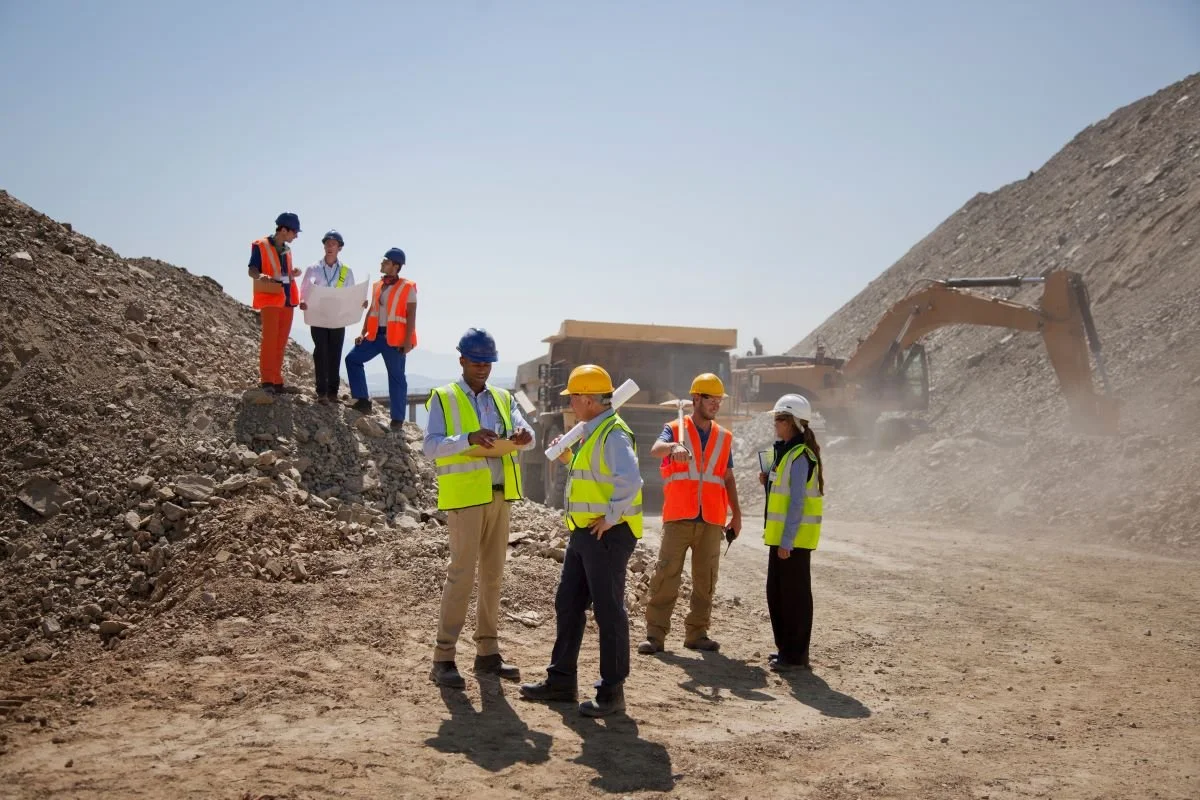
In a recent special StudioOne™ Podcast episode, I’m joined by my three fellow board members of the Surety Association of San Diego as we explore some of the biggest challenges facing contractors in 2024 and beyond.
Challenges Ahead
As we look ahead, contractors are bracing for significant hurdles, including:
Inflation and Material Costs
Supply Chain Disruptions
Labor Shortages
Bonding Capacity Constraints
All of these issues can have a direct effect on a contractor’s bonding capacity, making it important that they get the most out of their surety relationship.
Maximizing Your Bond Program
To navigate these challenges effectively, contractors can take proactive steps to maximize their bond program:
Work with Experienced Surety Agents
Financial Preparation and Accounting Processes
Transparency about Financials and Backlog
Regular Meetings with Underwriters
By taking a proactive approach to identifying and addressing current and potential future challenges, contractors can maximize their bond program and position themselves for success in 2024 and beyond. By working closely with experienced surety agents, optimizing financial management practices, and fostering open communication with underwriters, contractors can navigate the complexities of the construction industry with confidence.
Empower Your Crew: The Importance of Heat Illness Training and Preparedness
Author, Greg Garcia, Account Executive, Rancho Mesa Insurance Services, Inc.
As the calendar turns to April and warmer weather into spring time, now is a great time to take a look at your current Heat Illness Prevention Plan (HIPP), as well as make sure all crew members are up to date on their heat illness training.
Author, Greg Garcia, Account Executive, Rancho Mesa Insurance Services, Inc.

As the calendar turns to April and warmer weather into spring time, now is a great time to take a look at your current Heat Illness Prevention Plan (HIPP), as well as make sure all crew members are up to date on their heat illness training.
As the months get hotter, it is important to remember three things: water, rest and shade. It is crucial that crews have access to all three. Adequate water for all crew members, regular rest periods, and identified shade areas around the jobsite or a portable canopy are all considered best practices, and when temperatures heat up, are often a requirement.
With rising temperatures, we anticipate, as has been the case in the past, there will also be a rise in heat-related injuries within the landscape industry. Having an HIPP not only will keep you compliant with state regulations, but more importantly keep your employees safe.
There are certain criteria and templates that all HIPP need to follow. For example, they need to be written, they need to be available in English as well as any other languages that are used at the company. And finally, it needs to be available at the worksite. The HIPP should include:
Procedures supplying and accessing water
High heat procedures
Emergency response
Acclimatization methods and procedures.
It is also important that leaders including foreman keep a regular eye on the crew, looking for signs of heat stress. The signs could be as minor as rashes or cramping to as severe as fainting. Any signs of this with a crew member should be reported immediately.
Knowing the hotter months are coming, now is a great time to dive into your company’s HIPP, make any updates to it, and begin to stress the importance of heat illness prevention.
Rancho Mesa clients can train their employees on heat stress and heat illness prevention with both online courses in English and Spanish, and a variety of toolbox talks in the SafetyOne™ website and mobile app. Clients can distribute their HIPP through the mobile app ensuring foreman and crews have access to the document along with any other related resources when they’re at the jobsite.
Every year, Rancho Mesa hosts Heat Illness Prevention workshops and webinars to assist in educating clients and their employees. A recorded version of the workshop can be accessed online.
Contact me at ggarcia@ranchomesa.com or (619) 438-6905 to discuss how to mitigate heat illness and other potential risks.