

Industry News

The Hidden Gems in the OSHA Silica Regulation
Author, Glenn Ingraham, MS CIH.
If you’re complying with the OSHA Silica Standard for Construction by following the requirements in Table 1, then congratulations! You’re doing well. But do you know about the two little hidden gems in the standard? Those two requirements are connected to the use of respirators in Table 1.
Author, Glenn Ingraham, MS CIH, Technical Specialist, ICW Group Insurance Companies.
If you’re complying with the OSHA Silica Standard for Construction by following the requirements in Table 1, then congratulations! You’re doing well. But do you know about the two little hidden gems in the standard? Those two requirements are connected to the use of respirators in Table 1.
https://www.cdc.gov/niosh/npptl/pdfs/n95-infographic-mask-labeling.pdf
For those tasks that require a respirator, OSHA only says “APF 10”. You probably know that APF 10 means that the worker is to use either a filtering face-piece (dust mask), or a re-usable cartridge-equipped half-mask respirator. But do you know that being required to use a respirator during that task also means that your organization must write and implement a Respiratory Protection Program (RPP)? And that means all the bells and whistles such as respirator selection, medical clearance (OSHA Questionnaire), fit testing (initial and annual), and training.
The second little gem is a bit more technical. Because the Silica standard is focused on protecting workers from ‘Respirable Dust’ (very fine particles), then the respirator used must be capable of protecting against those extremely small dust particles. That’s no problem if your workers are using a re-usable ½ mask respirator with filter cartridges since those filter cartridges are HEPA filters, which protect against 99.97% of particles down to 0.3 microns. Very effective. But if you choose to use a dust mask, then you have to be careful. The most commonly used dust mask is the N-95. The ‘95’ means that the mask is only 95% effective against those small particles. So, you need a better dust mask. One that is equivalent to the HEPA filter. No problem. Just ask your supplier to provide you with a N-100 dust mask and you’re good to go!
And with regard to that letter ‘N’ in N-95: Sometimes dust masks are used to protect workers from exposure to oil mist. Dust masks that offer protection against oil mists have a ‘R’ (Oil Resistant) or a ‘P’ (Oil Proof) designation. Masks designated with ‘N’ are the least expensive (and most common) since they are NOT treated to provide protection against oil mists.
N-100 dust masks are made by Moldex, 3M, and other manufacturers. But wherever you buy your dust masks, be sure that they are always NIOSH approved. Beware cheap un-approved knock-offs!
Published with permission.
Source
OSHA Begins Enforcement of New Silica Rule
Author, Alyssa Burley, Client Services Coordinator, Rancho Mesa Insurance Services, Inc.
After an initial delay and a 30-day grace period, the Occupational Safety and Health Administration‘s (OSHA) revised Crystalline Silica Rule is now in full effect. The rule became effective September 23, 2017 and OSHA allowed for a 30-day grace period for issuing fines and citations for companies who were making a good-faith effort towards meeting the new requirements.
Author, Alyssa Burley, Client Services Coordinator, Rancho Mesa Insurance Services, Inc.
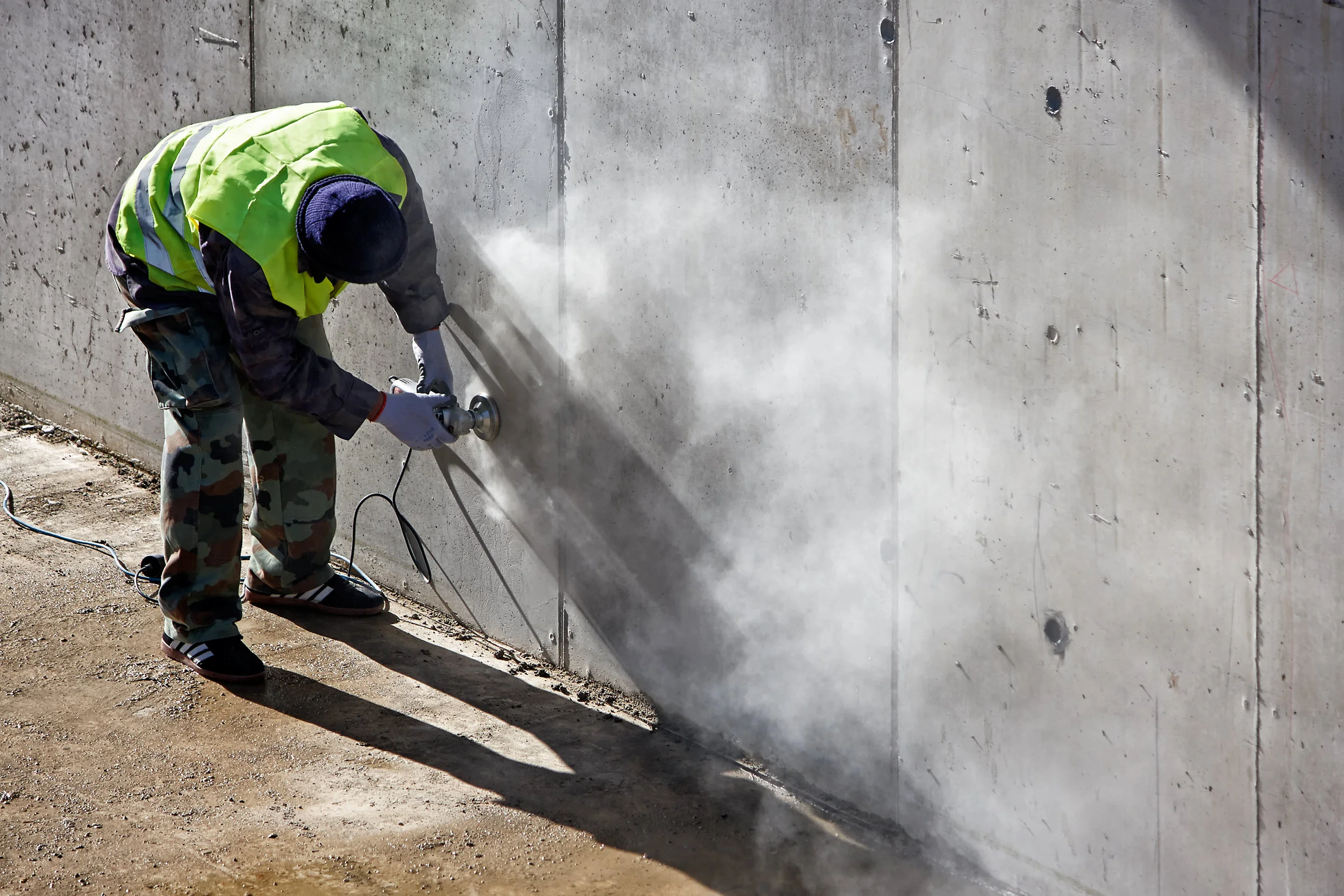
After an initial delay and a 30-day grace period, the Occupational Safety and Health Administration‘s (OSHA) revised Crystalline Silica Rule is now in full effect. The rule became effective September 23, 2017 and OSHA allowed for a 30-day grace period for issuing fines and citations for companies who were making a good-faith effort towards meeting the new requirements.
“The new silica rule lowers the permissible exposure limit from the current standard of 250 micrograms per cubic meter of air to 50 micrograms per cubic meter of air, averaged over an eight hour day, and an action level of 25 micrograms per cubic meter of air,” wrote Sam Clayton, Vice President of Rancho Mesa Insurance Services’ Construction Group.
OSHA has made available Interim Enforcement Guidelines and a Fact Sheet to assist companies in complying with the new requirements.
To learn more about the Crystalline Silica rule, read “Is your company prepared for OSHA’s new Silica Rule?” by Sam Clayton.
Contact Rancho Mesa Insurance Services at (619) 937-0164 for more information.
Is your Company Prepared for OSHA’s new Silica Rule?
Author, Sam Clayton, Vice President, Construction Group, Rancho Mesa Insurance Services, Inc.
On September 23rd 2017 the Occupational Safety and Health Administration’s (OSHA) new silica standard for construction will go into effect. This means contractors who engage in activities that create silica dust or are known in the industry as respirable crystalline silica, must meet a stricter standard for how much dust there workers inhale.
Author, Sam Clayton, Vice President, Construction Group, Rancho Mesa Insurance Services, Inc.
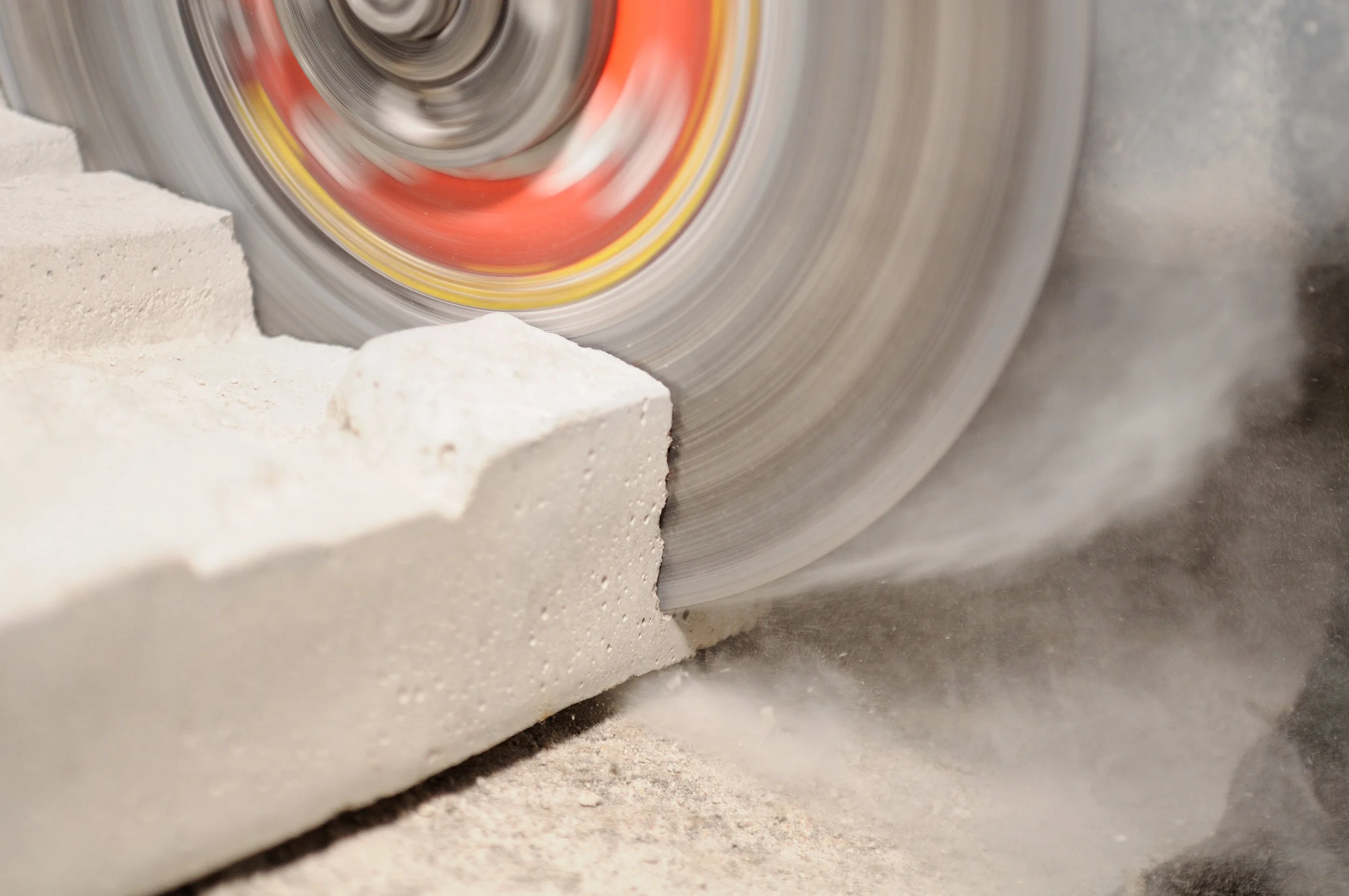
On September 23rd 2017 the Occupational Safety and Health Administration’s (OSHA) new silica standard for construction will go into effect. This means contractors who engage in activities that create silica dust or are known in the industry as respirable crystalline silica, must meet a stricter standard for how much dust their workers inhale.
What is Crystalline Silica?
Crystalline silica is a common mineral that is found in material that we see every day in roads, buildings and sidewalks. It is a common component of sand, stone, rock, concrete, brick, block and mortar.
What are the Effects?
Exposures to crystalline silica dust occur in common workplace operations involving cutting, sawing, drilling, and crushing of rock, and stone products such as construction tasks and operations using sand products like in glass manufacturing, foundries, sand blasting and hydraulic fracking. Inhaling silica dust can lead to silicosis, an incurable lung disease that can be fatal. Those with too much silica exposure can also develop lung cancer, kidney disease and chronic obstructive pulmonary disease.
What is the New Standard?
The new silica rule lowers the permissible exposure limit from the current standard of 250 micrograms per cubic meter of air to 50 micrograms per cubic meter of air, averaged over an eight hour day, and an action level of 25 micrograms per cubic meter of air.
How will the New Standard protect workers?
The rule significantly reduces the amount of silica dust that workers can be exposed to on the job. That means employers will have to implement controls and work practices that reduce workers exposures to silica dust. For most activities, that means employers will have to ensure the silica dust is wet or vacuumed up before workers can work in the area. Employers are required under the rule to provide training, respiratory protection when controls are not enough to limit exposure and written exposure control plans, measure controls in some cases limit access to high exposure areas. Employers are also required to offer medical exams to highly exposed workers.
How can your company protect itself from Silica Related Claims?
In addition to implementing the necessary controls to protect your employees, we would highly recommend you review your insurance policies to make sure that your company is protected from silica related claims.
Over the last few years, we’ve seen quite a few General Liability carriers putting Silica exclusions on there policies. This isn’t always the case and may be negotiated out depending on the carrier. Another alternative is to obtain a Contractors Pollution Policy that would provide the necessary coverage for this exposure.
Rancho Mesa also recommends taking advantage of the Silica Exposure Training materials available within the Risk Management Center. These materials include an online training course, PowerPoint presentation, training short and quiz in both English and Spanish. Should you have any questions, please contact Rancho Mesa Insurance Services at 619-937-0164.