

Industry News

Unraveling Residential Exclusions: Navigating General Liability in Construction
Author, Lauren Stumpf, Marketing & Media Communications Specialist, Rancho Mesa Insurance Services, Inc.
In Episode 339 of Rancho Mesa’s StudioOne™ podcast, Vice President of the Construction Group Sam Clayton interviews Executive Vice President Daniel Frazee as they discuss the importance of Residential Exclusions in General Liability (GL) Policies for companies in the construction industry.
Author, Lauren Stumpf, Marketing & Media Communications Specialist, Rancho Mesa Insurance Services, Inc.

In Episode 339 of Rancho Mesa’s StudioOne™ podcast, Vice President of the Construction Group Sam Clayton interviews Executive Vice President Daniel Frazee as they discuss the importance of Residential Exclusions in General Liability (GL) Policies for companies in the construction industry.
Sam and Daniel highlight how these exclusions impact coverage for various types of residential work within the construction industry, such as single-family homes, apartments, and more. Daniel emphasizes the need for construction firms to be specific about the type and location of their residential work, as different carriers have varying interpretations of residential exclusions. He also touches on Wrap/OCIP policies, which can provide broader coverage for subcontractors working on residential projects.
The episode highlights the significance of understanding existing residential exclusions for Rancho Mesa construction clients and suggests considering a policy audit to ensure proper coverage.
Overall, the podcast provides valuable insights into navigating residential exclusions and their implications for construction businesses, urging listeners to proactively manage their insurance coverage.
Episode 339 can be listened to below, or on your favorite listening platform. If you would like more information, please contact Daniel Frazee at dfrazee@ranchomesa.com, or Sam Clayton at sclayton@ranchomesa.com.
Risk Tamed and Rewards Claimed: Requiring Subcontractor Bonds
Author, Matt Gaynor, Director of Surety, Rancho Mesa Insurance Services, Inc.
We often receive questions from our contractor clients regarding if/when they should require a subcontractor to provide the protection of a performance & payment bond for a project. Although the premium charged for the bond will add cost to the project – on many occasions the benefit of the bond will far outweigh the cost.
Author, Matt Gaynor, Director of Surety, Rancho Mesa Insurance Services, Inc.

We often receive questions from our contractor clients regarding if/when they should require a subcontractor to provide the protection of a performance & payment bond for a project. Although the premium charged for the bond will add cost to the project – on many occasions the benefit of the bond will far outweigh the cost. Here are several benefits that might assist in your decision:
The subcontractor would have gone through a prequalification process of the surety. The surety will evaluate the subcontractor’s financial strength, experience, and ability to perform the work. This can be extremely valuable if you have never worked with this subcontractor on past projects.
Provides protection that the subcontractor will pay their suppliers and lower tier subcontractors. The payment bond transfers the risk of these payments to the subcontractor’s surety.
If the subcontractor has a critical role in the overall completion of the project or a special expertise - the bond can protect against additional costs or delays due to a default.
Your bond company may require you to obtain subcontractor bonds when a trade exceeds a certain parameter (for example: $500,000) as a condition of the program they provide.
We recently supported a contractor client on a project that was two times larger than any project they had completed in the past. The decision to bond back the three largest subcontractors made the bond company comfortable enough with this transfer of risk to support the project.
We have other clients that have suffered subcontractor losses in the past and now require subcontractor bonds on all their projects.
If you would like more information on the bonding of subcontractors, please contact me at 619-937-0165 or mgaynor@ranchomesa.com.
The Critical Role of Pollution Liability Insurance for Mechanical Contractors
Author, Kevin Howard, Account Executive, Rancho Mesa Insurance Services, Inc.
Mechanical HVAC contractors are essential to making sure that buildings around the globe have controlled temperatures and are energy efficient. Nationwide, the demand for mechanical HVAC contractors often keeps these businesses with full backlogs. These companies use various materials that create the potential for a pollution liability claim. Refrigerants, gases, flammable liquids, and lubricants are examples of these types of pollutants. If leaked or exposed, walls, ceilings, and floors can develop damage or mold that is not covered by standard commercial general liability policies.
Author, Kevin Howard, Account Executive, Rancho Mesa Insurance Services, Inc.

Mechanical HVAC contractors are essential to making sure that buildings around the globe have controlled temperatures and are energy efficient. Nationwide, the demand for mechanical HVAC contractors often keeps these businesses with full backlogs. These companies use various materials that create the potential for a pollution liability claim. Refrigerants, gases, flammable liquids, and lubricants are examples of these types of pollutants. If leaked or exposed, walls, ceilings, and floors can develop damage or mold that is not covered by standard commercial general liability policies.
Pollution liability insurance is a separate and specific form of insurance meant to protect businesses from pollution-related claims. Pollution risks may arise from activities such as the improper disposal of hazardous materials, fuel spills, or accidental leaks from HVAC systems. Such incidents can lead to damage to the environment, neighboring properties, and public health, which could potentially result in costly legal disputes and cleanup expenses.
Below we will cover two common pollution claim examples in an effort to raise awareness and drive home the need for commercial pollution liability insurance specifically for HVAC mechanical contractors.
Claim Example 1: Contamination of Ground Water due to HVAC System Leak
In this example, XYZ Mechanical installed an HVAC system in a commercial building. The building is adjacent to a residential development. Post install, there was a leak in the refrigerant line which seeped into the dirt below the building which went undetected for weeks. The refrigerant seeped into the groundwater supply causing contamination.
Hazard - This claim example would have a significant impact on wildlife, could cause harm to residents and would need a specific extraction/clean up that would be costly to a business owner.
Protection - A pollution liability insurance policy would react to this type of claim and could offer coverage for the cleanup, any third-party injuries, and the cost for legal proceedings.
Claim Example 2: Fuel-Contaminated Environment
ABC Mechanical is hired to install an energy efficient HVAC ground unit for an apartment complex. There was an underground unmarked fuel storage tank that was accidentally drilled into and caused a leak.
Hazard - This claim example would need immediate attention for the potential risk of fuel leaking into the ground and a plan for cleanup. The leak could make its way into the groundwater contaminating wells and potentially causing contamination of water. There would also be some health hazards for residents that could become a concern.
Protection - A pollution liability policy would come to aid with emergency response, cleanup cost, third- party bodily injury and legal defense costs.
Pollution liability is very often an overlooked coverage for many HVAC mechanical contractors. In 1986, however, the total pollution exclusion (TPE) became a standard exclusion in commercial general liability policies and has since created the need to purchase commercial pollution liability policies due to the variety of exposures to risk. The cost is relatively minor and the benefit very high if and when coverage is triggered. If you have questions regarding commercial pollution liability, please contact me at khoward@ranchomesa.com or (619) 438-6874.
Cal/OSHA to Enact ETS for Silica Exposure in Artificial Stone Industry
Author, Megan Lockhart, Media Communications and Client Services Coordinator, Rancho Mesa Insurance Services, Inc.
On July 20, 2023, the Cal/OSHA board approved a petition that requested an emergency temporary standard for respirable crystalline silica, a byproduct of manufacturing and cutting artificial stone material.
Author, Megan Lockhart, Media Communications and Client Services Coordinator, Rancho Mesa Insurance Services, Inc.

On July 20, 2023, the Cal/OSHA board approved a petition that requested an emergency temporary standard for respirable crystalline silica, a byproduct of manufacturing and cutting artificial stone material.
The petition was submitted to Cal/OSHA by the Western Occupational and Environmental Medical Association (WOEMA). It argued that the recent increase in advanced silicosis cases documented in California hospitals made heightened silica regulations necessary.
The permissible exposure limit (PEL) at which current silica safety requirements apply, is 50 micrograms per cubic meter of air over the course of an 8-hour shift. Employees whose interactions with respirable crystalline silica surpass this limit are required to implement control measures and wear personal professional equipment (PPE) in order to reduce exposure.
WOEMA advised that workplaces using engineered stone with a silica content greater than 50% should put in place the following ETS standards.
Regulated areas to limit employee access to spaces where artificial stone is fabricated.
Restrictions on fabrication without the use of water to suppress dust.
The use of airline respirators or power air-purifying respirators (PAPRs) for all work involving fabrication of artificial stone.
Annual reporting letters from employers to the Cal/OSHA Occupational Carcinogen Control Unit on the use of silica.
Strengthened penalty structure so that violations of the ETS result in citations classified as serious.
Updated information on CT exams and other diagnostic studies, prepared by Cal/OSHA.
Requirements that physicians or other licensed health care professionals report moderate to severe silicosis diagnosis to Cal/OSHA.
The Cal/OSHA staff’s evaluation concluded that most of the petition’s requested requirements were already part of the current standard for silica in construction environments. It therefore advised the board to deny adopting an ETS and instead, update the current permanent standards where needed.
However, in a contested decision, the board ultimately went against their staff’s recommendation, and approved the request to enact an ETS.
Cal/OSHA is expected to draw up the new emergency temporary standards within the next couple months. Silica exposure occurs in industries that manufacture stone countertops, brick, concrete blocks, or ceramic products. This motion may affect construction clients who frequently work with these materials.
Further information regarding the current safety regulations for respirable crystalline silica can be found in Cal/OSHA’s Code of Regulations.
Contract Provisions to Review for Successful Projects
Author, Anne Wright, Surety Relationship Executive, Rancho Mesa Insurance Services, Inc.
Contracts are not always the most fun to read, but certainly important for all of us in the construction industry.
Author, Anne Wright, Surety Relationship Executive, Rancho Mesa Insurance Services, Inc.

Contracts are not always the most fun to read, but are certainly important for all of us in the construction industry.
As a subcontractor, you are bound to the contract once you have signed it whether you understand everything that is in it or not.
Let’s consider a few key provisions in a construction project agreement that can impact your bottom line more than others. With a goal of mitigating certain impacts along the way, addressing these items prior to signing your contract should be considered as a best practice in the industry, and, we hope, support your success.
Contracts are often tedious to read, to say the least. Any business owner can proceed at their own risk, of course. But, we want to share a few things for you to consider that might offer some support and protection.
Delays
What does the contract say? What is a reasonable penalty? Business owners should always confirm just what types of delay clauses they could be responsible for (e.g., liquidated and consequential come to mind), and since there are most always liquidated damages that could be charged to you for delay of a project, make sure your contract is clear about what those are.
As a subcontractor, you are bound to the terms and conditions of the prime contract between the owner (whether a public agency or private entity) and your general contractor. These can be referred to as “flow down” provisions when it comes to things like damages, warranty, etc.
Best Practice: Always ask for a copy of the prime contract if you are a subcontractor. Make sure you read that, too, for anything that could impact you.
Mobilization
What can you bill for, and when?
Sequencing of Scope of Work
What happens when another trade interferes with your work? What are your rights and responsibilities of putting your client on notice when you have these impacts? Can you be compensated for any additional costs relating to these impacts?
Material Cost Escalations (and lead times)
Does your contract allow for cost escalations? How do supply chain issues affect you and how can you mitigate some of that exposure?
Change Orders
What can you reasonably expect to achieve to cover OH&P?
The best practice for change orders is documentation from day one and early communication to your client. When everyone bunches up at the end of the job with a ton of change orders, the owner may have less of a pool of funds to draw from (for contingencies, etc.) than they may have at earlier stages of the project.
It’s important to know that the surety companies and underwriters are contract savvy as well and we do our best to understand what the obligations are within the contracts. You should expect some questions about some of these contract provisions which, at the end of the day, are intended to make sure you are best protected along the job’s progression.
There just may be something about the surety’s relationship with their principal and communication about these contracts which results in bonded jobs being more successful than non-bonded jobs. But, that’s a topic for another article and podcast!
A Deeper Dive Into Professional Liability
Author, Lauren Stumpf, Marketing & Media Communications Specialist, Rancho Mesa Insurance Services, Inc.
In Episode 315 of Rancho Mesa’s StudioOne™ podcast, Executive Vice President Daniel Frazee and Vice President of the Construction Group Sam Clayton discuss pollution liability, and why virtually all general liability policies exclude this coverage.
Author, Lauren Stumpf, Marketing & Media Communications Specialist, Rancho Mesa Insurance Services, Inc.

In Episode 319 of Rancho Mesa’s StudioOne™ podcast, Vice President of the Construction Group Sam Clayton interviews Executive Vice President Daniel Frazee as they continue their conversation on general liability policies and move deeper into a key exclusion that is often seen as they negotiate terms and conditions on behalf of their clients and prospective clients.
During the episode, Frazee explains what professional liability is and why it is excluded on general liability policies. He gives a summary of what types of contractors typically have professional liability exposure and reasons for why they may have it. Frazee also describes specific options contractors can look at when it comes to securing stand-alone policies.
Episode 319 can be listened to below, or on your favorite listening platform. If you would like more information, please contact Daniel Frazee at dfrazee@ranchomesa.com, or Sam Clayton at sclayton@ranchomesa.com.
A Brief Discussion on Pollution Liability
Author, Lauren Stumpf, Marketing & Media Communications Specialist, Rancho Mesa Insurance Services, Inc.
In Episode 315 of Rancho Mesa’s StudioOne™ podcast, Executive Vice President Daniel Frazee and Vice President of the Construction Group Sam Clayton discuss pollution liability, and why virtually all general liability policies exclude this coverage.
Author, Lauren Stumpf, Marketing & Media Communications Specialist, Rancho Mesa Insurance Services, Inc.
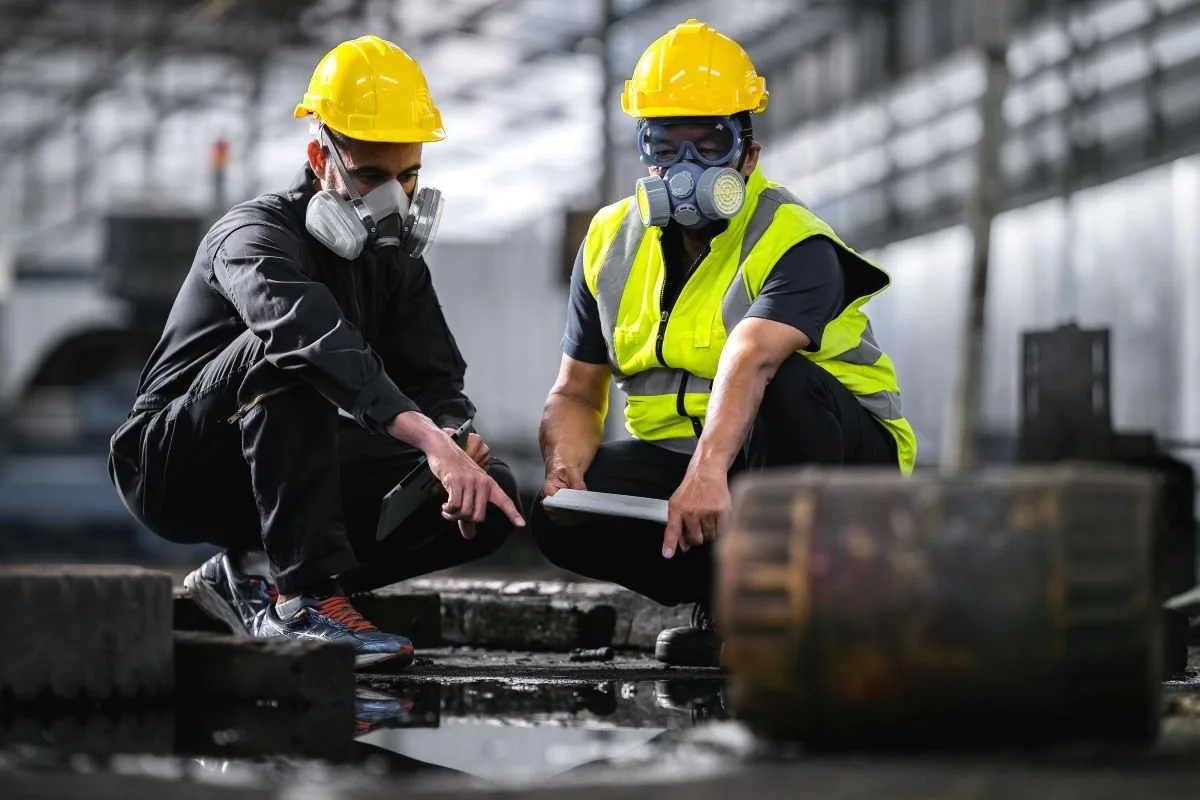
In Episode 315 of Rancho Mesa’s StudioOne™ podcast, Executive Vice President Daniel Frazee and Vice President of the Construction Group Sam Clayton discuss pollution liability, and why virtually all general liability policies exclude this coverage.
Frazee and Clayton talk about general liability policies and delve deeper into some key exclusions they often see as they negotiate terms and conditions with underwriters.
Clayton also explains the specific options contractors can look at when it comes to securing stand-alone policies.
Please listen to the full episode below, or on your favorite listening platform. If you would like more information, please contact Daniel Frazee at dfrazee@ranchomesa.com, or Sam Clayton at sclayton@ranchomesa.com.
Heat Illness Awareness Vital for California's Construction Companies
Author, Kevin Howard, Account Executive, Rancho Mesa Insurance Services, Inc.
California faces a critical need to prioritize heat illness awareness among its workforce. The combination of Southern California's recent above average rainfall and the anticipated heatwave resulting from El Niño has created the possibility of an extremely warm summer. Construction companies must remain vigilant and adaptable, implementing appropriate measures to address these changing weather dynamics and ensuring the safety of their workers. By staying informed about weather forecasts and implementing flexible work schedules and site preparations, companies can effectively navigate these challenging conditions and prioritize the well-being of their employees. By understanding the significance of heat illness awareness, companies can ensure the safety and well-being of their workers while fostering productivity, minimizing downtime, and improving overall project efficiency.
Author, Kevin Howard, Account Executive, Rancho Mesa Insurance Services, Inc.

California faces a critical need to prioritize heat illness awareness among its workforce. The combination of Southern California's recent above-average rainfall and the anticipated heatwave resulting from El Niño has created the possibility of an extremely warm summer. Construction companies must remain vigilant and adaptable, implementing appropriate measures to address these changing weather dynamics and ensuring the safety of their workers. By staying informed about weather forecasts and implementing flexible work schedules and site preparations, companies can effectively navigate these challenging conditions and prioritize the well-being of their employees. By understanding the significance of heat illness awareness, companies can ensure the safety and well-being of their workers while fostering productivity, minimizing downtime, and improving overall project efficiency.
Recognizing the Risks
The construction industry in California is particularly vulnerable to heat-related illnesses and fatalities due to the physically demanding nature of the work and prolonged exposure to high temperatures. Heat stress, heat exhaustion, and heat stroke are severe conditions that can result in significant health complications. By acknowledging the risks associated with working in high temperatures, construction companies can proactively take measures to mitigate potential hazards.
Cultivating a Culture of Safety
Establishing a culture of safety is crucial for construction companies in California to create an environment where employee well-being is the top priority. Employers should develop comprehensive programs focused on preventing heat-related illnesses. These initiatives should include employee training, hazard assessments, access to shade and water, acclimatization procedures, and adjusted work schedules. Regular safety meetings and open lines of communication should be encouraged to address concerns, share information, and ensure that everyone is aware of the potential risks associated with working in high heat.
Implementing Worksite Modifications
Modifying the worksite environment can reduce the impact of heat-related illnesses. Construction companies should establish shaded rest areas where workers can take breaks, cool down, and hydrate. Access to potable water should be readily available to prevent dehydration, and regular hydration breaks should be scheduled throughout the day. Additionally, adjusting work schedules to avoid the hottest periods, utilizing cooling fans or misting systems, and implementing rotational job assignments can help reduce heat stress and improve worker safety.
Monitoring and Supervision
Supervisors and management play an important role in ensuring heat illness awareness on construction sites. Regular monitoring of weather conditions and temperature provides valuable information for determining appropriate work practices and scheduling. Close supervision enables the early detection of signs of heat-related illness and allows for immediate intervention. Encouraging workers to prioritize their own well-being and empowering them to report any symptoms promptly is equally important.
Heat illness awareness is vital for construction companies operating in California. By prioritizing worker safety and implementing comprehensive programs to prevent heat-related illnesses, employers can safeguard their employees from the risks associated with high temperatures. Moreover, such initiatives enhance productivity, avoid worker’s compensation claims, reduce downtime due to illness or injuries, and improve overall project efficiency. By cultivating a safety culture, providing necessary PPE, implementing worksite modifications, and maintaining close supervision, construction companies can establish a healthy and safe working environment that ensures the well-being of their workers.
Rancho Mesa’s Upcoming Heat Illness Prevention Workshop
Lastly, Rancho Mesa Insurance is hosting our annual Heat Illness Prevention workshop on June 2nd at the Mission Valley library from 10:00 AM to 11:30 AM. This workshop will provide valuable insights, best practices, and resources to help construction companies and their employees effectively address and prevent heat-related illnesses. Be sure to join this workshop to stay informed and proactive in ensuring the health and safety of your workforce.
Contractor Strategic Planning with Kevin Brown of RBTK, LLP
Author, Matt Gaynor, Director of Surety, Rancho Mesa Insurance Services, Inc.
In my recent StudioOne™ podcast episode with Kevin Brown, Of Counsel with the CPA Firm RBTK, LLP, we discuss the anatomy and considerations that go into strategic planning for your business.
Author, Matt Gaynor, Director of Surety, Rancho Mesa Insurance Services, Inc.

In my recent StudioOne™ podcast episode with Kevin Brown, Of Counsel with the CPA Firm RBTK, LLP, we discuss the anatomy and considerations that go into strategic planning for your business.
The podcast addresses questions, such as:
What do you want your business to accomplish?
What steps will help my company achieve its goal(s)?
The episode includes a discussion of the importance of developing a succession plan.
If you would like more information on Episode 309, please contact Kevin Brown at kbrown@rbtk-cpa.com.
Implementing Best Practices when Hiring in the Construction Industry
Author, Casey Craig, Account Executive, Rancho Mesa Insurance Services, Inc.
With unemployment rates settling near 4 percent, it is becoming increasingly difficult to find the right employees to help grow your construction company. With most able-bodied workers having secure employment, this leads to having either apprentice-type employees that come with unique challenges or pulling from an aging workforce that can bring cumulative injuries and risks. Navigating these issues can be complex and there is not a perfect solution, but employer’s hiring practices need to change in order to keep up with the current state of the industry.
Author, Casey Craig, Account Executive, Rancho Mesa Insurance Services, Inc.

With unemployment rates settling near 4%, it is becoming increasingly difficult to find the right employees to help grow your construction company. With most able-bodied workers having secure employment, this leads to having either apprentice-type employees that come with unique challenges or pulling from an aging workforce that can bring cumulative injuries and risks. Navigating these issues can be complex and there is not a perfect solution, but employer’s hiring practices need to change in order to keep up with the current state of the industry.
When hiring new employees, consider:
Pre-hire drug testing
Pre-hire physicals
Targeted job postings with accurate description of daily work
Multiple levels of interviews
Simulating work at your office that potential new hires would be performing in the field
The US saw a unique shift in the workplace as a result of COVID-19 where employees felt their value skyrocket as fewer people were willing to work in-person. Employers were forced to increase wages to get bodies on jobsites. In prior years, it may have been enough to just rely on word of mouth and referrals to get new hires. Too often now, we are seeing new hires suffer “ghost injuries” that are quickly followed with letters of representation. These and similar types of cumulative trauma claims can have long term impacts on your experience rating (EMR). While these situations are difficult to prevent, using best practices and conducting thorough interviews with your prospective employees will allow you to make educated decisions which typically lead to better hires.
Taking advantage of the best practices listed above can help insulate your company from poor hiring decisions. Obviously, we would love for new hires to turn into long term employees, as onboarding and proper training can be a costly expense in both other employee’s time and payroll. In a recent survey conducted by Traveler’s Insurance, it was shown that 34% of workplace injuries occurred during the worker’s first year on the job. This can be from a combination of inexperience, overexertion, and/or lack of safety knowledge.
Consider these hiring and onboarding processes to assist in mitigating the glaring number of claims that are emanating from newer employees or employees that have limited experience on jobsites. The financial impact they can have on your company will impact your balance sheet for years and can be potentially avoided with implementing some of our recommended techniques
To learn more about improving your hiring practices or how Rancho Mesa can help to improve your process, reach out at (619) 438-6900 or ccraig@ranchomesa.com.
Understanding General Liability Forms and Endorsements
Author, Lauren Stumpf, Media Communications & Client Services Specialist, Rancho Mesa Insurance Services, Inc.
Two agency leaders within Rancho Mesa Insurance Services, Inc. made a special appearance in a recent episode of the StudioOne™ Safety & Risk Management Podcast. During episode 293, Executive Vice President Daniel Frazee and Vice President of the Construction Group Sam Clayton discussed the important forms and endorsements in general liability policies.
Author, Lauren Stumpf, Media Communications & Client Services Specialist, Rancho Mesa Insurance Services, Inc.

Two agency leaders within Rancho Mesa Insurance Services, Inc. made a special appearance in a recent episode of the StudioOne™ Safety & Risk Management Podcast. During episode 293, Executive Vice President Daniel Frazee and Vice President of the Construction Group Sam Clayton discussed the important forms and endorsements in general liability policies.
Sam and Daniel highlighted 3 key terms they commonly see within the construction insurance space. Sam started out with explaining residential work, and how it is defined within the scope of general liability underwriting.
Next he explained subcontractor’s warranty endorsement, a term that is recognized by insurance professionals, but may confuse trade and general contractors. Sam dives into the term, explaining the importance of knowing how the warranty on one’s policy actually reads.
Lastly, Sam explains what minimum and earned premium is and how contractors’ can use it to their advantage when negotiating terms through their broker.
The pair wrapped up their conversation educating listeners on first steps contractors can take to learn more about the policies they currently have in place.
Daniel and Sam’s episode, Ep. 293 General Liability Forms and Endorsements, can be listened to below, or via your favorite podcast listening platform.
Plan Your SafetyOne™ App to Best Suit Your Organization’s Needs
Author, Megan Lockhart, Media Communications and Client Services Coordinator, Rancho Mesa Insurance Services, Inc.
Rancho Mesa aims to provide clients with tools that are flexible in order to best fit their individual needs, including our proprietary SafetyOne™ application. SafetyOne’s features are systemized based on “Projects.” However, projects are highly adaptable to the way each individual organization works.
Author, Megan Lockhart, Media Communications and Client Services Coordinator, Rancho Mesa Insurance Services, Inc.

Rancho Mesa aims to provide clients with tools that are flexible in order to best fit their individual needs, including our proprietary SafetyOne™ application. SafetyOne’s features are systemized based on “Projects.” However, projects are highly adaptable to the way each individual organization works.
Below are best practices for utilizing projects depending on your organization’s industry and structure.
Construction (Project or Job)
As the name suggests, construction companies will most likely assign their policies, mobile forms and users to their individual construction projects or job sites. Project managers and foremen can access job-specific content based on the projects they are assigned.
This system works well for both short-term and long-term projects that need to manage safety within unique worksites.
Landscape, Tree Care and Janitorial (Service Crew)
Many landscape, tree care and janitorial companies organize their employees in the SafetyOne application into crews. These crews are employees who stay grouped together from one worksite to the next. Companies can name their projects based on a crew number, truck, or team name and assign content, such as toolbox talks to individual crews.
This system works well for companies providing on-going services to multiple accounts that aren’t necessarily tied to one worksite.
Human Services (Client or Program)
Human services organizations like non-profits, home healthcare, and schools can use projects for their different office locations, facilities, programs, or campuses. These organizations may choose to make policies and forms available to employees based on their office, clients, facility, program or campus.
There may be different ways to utilize the projects organization structure in the SafetyOne application. Through the dynamicity of the platform, Rancho Mesa is happy to help clients best meet their organization’s risk management needs.
For more information about how to set up projects in SafetyOne™, please contact your client services coordinator or watch our Administrator Website Overview Training.
Best Practices for Growing Your Surety Program
Author, Anne Wright, Surety Relationship Executive, Rancho Mesa Insurance Services, Inc.
You may know that the surety client/agent/underwriter relationship is different from other lines of insurance.
Whether you are new to the bonding process, or have been doing bonded work for years, there are a handful of important items that can assist with securing the best relationship for your bonding needs. It really boils down to a few key areas: timely information, accurate information, and regular communication.
Author, Anne Wright, Surety Relationship Executive, Rancho Mesa Insurance Services, Inc.

You may know that the surety client/agent/underwriter relationship is different from other lines of insurance.
Whether you are new to the bonding process, or have been doing bonded work for years, there is a handful of important items that can assist with securing the best relationship for your bonding needs. It boils down to a few key areas: timely information, accurate information, and regular communication.
For contractors who only need small or infrequent bonds, communication may be very basic and minimal. For example, if we establish your support with a surety who has an “express program,” these programs are based on clean, personal credit and perhaps some track record of completed projects. So, there may not be a need for as much communication as there would be if an account is in a more “standard” or “preferred” program. We always want to understand and share details on the jobs you are looking to do, and have completed, but there’s generally no need for a personal relationship with the underwriter in these types of programs.
Once you are established with a more standard surety relationship, the timely information the surety expects to receive is key. However, with regular and clear communication, we also hope to add value to the relationship between our clients and the underwriter in support of the contractor’s needs.
Communication about financial information will ensure that proper attention is given to the accurate details that confirm important benchmarks. Questions like: does equity track? is the operation profitable? how is the cash looking? are percentage of completion entries noted and match what’s on the work in progress report (WIP)?
Regular communication will not only include this financial information, but also conversations about the work you have completed and the work you will complete. Be prepared to provide trends from year to year, profitability year-to-date, and specific information on current or completed jobs noted on the WIP (whether certain jobs are bonded or not). All of this information is designed to better understand your operational processes and goals, thus presenting the most complete information to the surety.
Being proactive in this relationship is always our goal. We will do our best to facilitate the information that is needed, and work to share the information that will facilitate the best support for you.
We are your advocate with the surety underwriter – and happy to facilitate these conversations and/or meetings to ensure that your surety needs are adequately addressed and met.
Regular and open communication with your surety agent and underwriter, like any relationship, is a Best Practice that will serve us all well.
To discuss your surety program, contact me at awright@ranchomesa.com or (619) 486-6570.
Insurance Benefits of GPS Systems in Commercial Vehicles
Author, Kevin Howard, Account Executive, Rancho Mesa Insurance Services, Inc.
For businesses that rely on a fleet of commercial vehicles, insurance costs can be a significant expense. Insurance carriers calculate premiums based on a variety of factors, including the age and condition of the vehicles, driver experience and record, and the frequency and distance of trips. One factor that can positively impact insurance costs is the use of global positioning systems (GPS) in commercial vehicles. Below, we will explore some of the insurance benefits of installing GPS systems in commercial vehicles.
Author, Kevin Howard, Account Executive, Rancho Mesa Insurance Services, Inc.

For businesses that rely on a fleet of commercial vehicles, insurance costs can be a significant expense. Insurance carriers calculate premiums based on a variety of factors, including the age and condition of the vehicles, driver experience and record, and the frequency and distance of trips. One factor that can positively impact insurance costs is the use of global positioning systems (GPS) in commercial vehicles. Below, we will explore some of the insurance benefits of installing GPS systems in commercial vehicles.
Improved Safety
GPS systems in commercial vehicles can help improve safety by providing real-time tracking of vehicles and drivers. This can help businesses identify and address unsafe driving behaviors such as speeding, sudden braking, and hard cornering. By addressing these behaviors, businesses can reduce the risk of accidents and insurance claims which can result in lower insurance premiums.
Reduced Theft Risk
GPS systems can also help reduce the risk of vehicle theft. If a commercial vehicle is stolen, GPS tracking can help businesses locate the vehicle quickly and notify law enforcement. This can help reduce the risk of property loss and insurance claims related to vehicle theft.
Faster Claims Processing
In the event of an accident or other incidents involving a commercial vehicle, GPS systems can provide valuable data to insurance carriers. This can include information on the location, speed, and direction of travel of the vehicle at the time of the incident. This data can help insurance carriers process claims more quickly and accurately, which can help reduce costs and improve the overall claims experience for businesses.
Lower Insurance Premiums
GPS in vehicles can lower the loss ratio which is a key factor that underwriters use. Furthermore, the disclosure to insurance underwriters that GPS is installed and properly utilized could help insurance brokers negotiate lower premiums based on this added safety feature.
Improved Business Operations
In addition to insurance benefits, GPS systems can also help businesses improve their operations. Real-time tracking and reporting can help businesses optimize their routes, reduce fuel costs, and improve overall efficiency. By improving operations, businesses can reduce costs and improve profitability, which can have a positive impact on insurance costs and premiums.
GPS Systems have a multitude of benefits. These systems can save lives because drivers pay more attention to detail when GPS is on the vehicle. They can lower insurance premiums which can improve the return on investment. Lastly, the ability to track a stolen vehicle is a control that creates major benefits knowing that the cost of vehicles and the time needed to locate a replacement is at an all-time high.
To learn more about how GPS on your commercial vehicles can be implemented as part of your risk management plan, contact me at (619)438-6874 or khoward@ranchomesa.com.
Properly Utilizing Tailgate Meetings
Author, Casey Craig, Account Executive, Rancho Mesa Insurance Services, Inc.
For many foremen and superintendents, weekly tailgate meetings can feel like a task that just needs to be checked off the list. However, while the purpose of these meetings is critical for the health and well-being of fellow field employees, the time required and repetitive nature of them can create challenges. To maximize the benefits of these meetings, construction firms must be proactive and thoughtful as they develop an inventory of topics.
Author, Casey Craig, Account Executive, Rancho Mesa Insurance Services, Inc.

For many foremen and superintendents, weekly tailgate meetings can feel like a task that just needs to be checked off the list. However, while the purpose of these meetings is critical for the health and well-being of fellow field employees, the time required and repetitive nature of them can create challenges. To maximize the benefits of these meetings, construction firms must be proactive and thoughtful as they develop an inventory of topics.
Identifying Tailgate Meeting Topics
Take ample time with your sales team to understand the scope of your backlog to see where hazards may appear within these projects. Plan training topics with an eye on the weather, paying close attention to historically warm or cold months. Consider connecting with your insurance broker as well on recent injury trends that you can address with the crew.
This will be pertinent as your company approaches their renewal window with underwriters looking at claims history. They commonly ask, “what has the insured done to make sure these claims don’t happen again?” Learning from your past is key to being proactive. Knowing you will have certain exposures coming up and addressing those with preventative training topics begins to build a Best Practice Safety Program.
Accessing Content for Training
Locating “Toolbox” trainings can be time consuming and, in some cases, costly. And very often, the trainings may not be applicable to your operation and/or the trends you may need to focus on. With an eye to the future, Rancho Mesa has recently introduced a proprietary SafetyOne™ App. Safety managers will be able to document safety inspections from their mobile device and assign required fixes to employees, while also tracking when they have been completed. Meeting content can also be distributed to supervisors through their mobile device all with a focus of making safety meetings more efficient and effective. These same supervisors can now access a vast library that can be customized to their operation.
Reach out to me to learn more about the SafetyOne™ App and how Rancho Mesa can partner with you and your team moving forward. You can reach me at (619) 438-6900 or email me at ccraig@ranchomesa.com
Take Advantage of Contractor Express Bond Programs
Author, Matt Gaynor, Director of Surety, Rancho Mesa Insurance Services, Inc.
Several years ago, I put together an article on various credit driven surety bond offerings that require a one-page application to qualify for bonding. Quick and simple! At that time, the maximum limits offered by various carriers was $350,000 for a single bond.
Author, Matt Gaynor, Director of Surety, Rancho Mesa Insurance Services, Inc.

Several years ago, I put together an article on various credit driven surety bond offerings that require a one-page application to qualify for bonding. Quick and simple! At that time, the maximum limits offered by various carriers was $350,000 for a single bond.
Last week, I received separate emails from two of our partner surety carriers offering single bond programs of $600,000 and $750,000, respectfully. Again, these quick and easy bond offers are solely based on personal credit scoring. In other words, if the owner of a construction company pays their personal bills, then they most likely will have the ability to qualify for a decent-sized bond.
There is no need for company financial statements to qualify for bonding in these programs. Instead, the contractor completes a “fast” application requesting personal financial information about the owner(s). The bond company will run the personal credit of the owner(s). If the personal credit is decent, the bond will be approved. A response is provided within 24 hours of submission.
The program responds to requests for bid bonds, performance and payment bonds, and letters of bondability. Several carriers provide a “pre-qualification” feature so you can determine if you will qualify for the bond before you bid or negotiate a project that will require a bond. This pre-qualification feature is helpful for owners that are concerned they may have low credit scores.
The standard premium rate for these programs is 3% of the contract amount. Based on the strength of your personal credit, and the type of work you are looking to bond, we have seen this lowered to 2%.
Therefore, if you are considering a project that requires a bond and you are not a big fan of collecting a lot of paperwork for one project – don’t fret. We may have a solution to help you win that job.
If you would like more information on how to qualify for these programs, please contact me at (619)937-0165 or mgaynor@ranchomesa.com.
Mitigating Pollution Liability Exposure
Author, Sam Clayton, Vice President, Construction Group, Rancho Mesa Insurance Services, Inc.
No matter what trade, contractors face environmental risks from their operations. Contactors pollution liability (CPL) insurance has now become an integral part of a contractor’s insurance program. The industry is seeing contractual requirements for this coverage from a combination of owners, developers and general contractors for projects of all sizes.
Author, Sam Clayton, Vice President, Construction Group, Rancho Mesa Insurance Services, Inc.
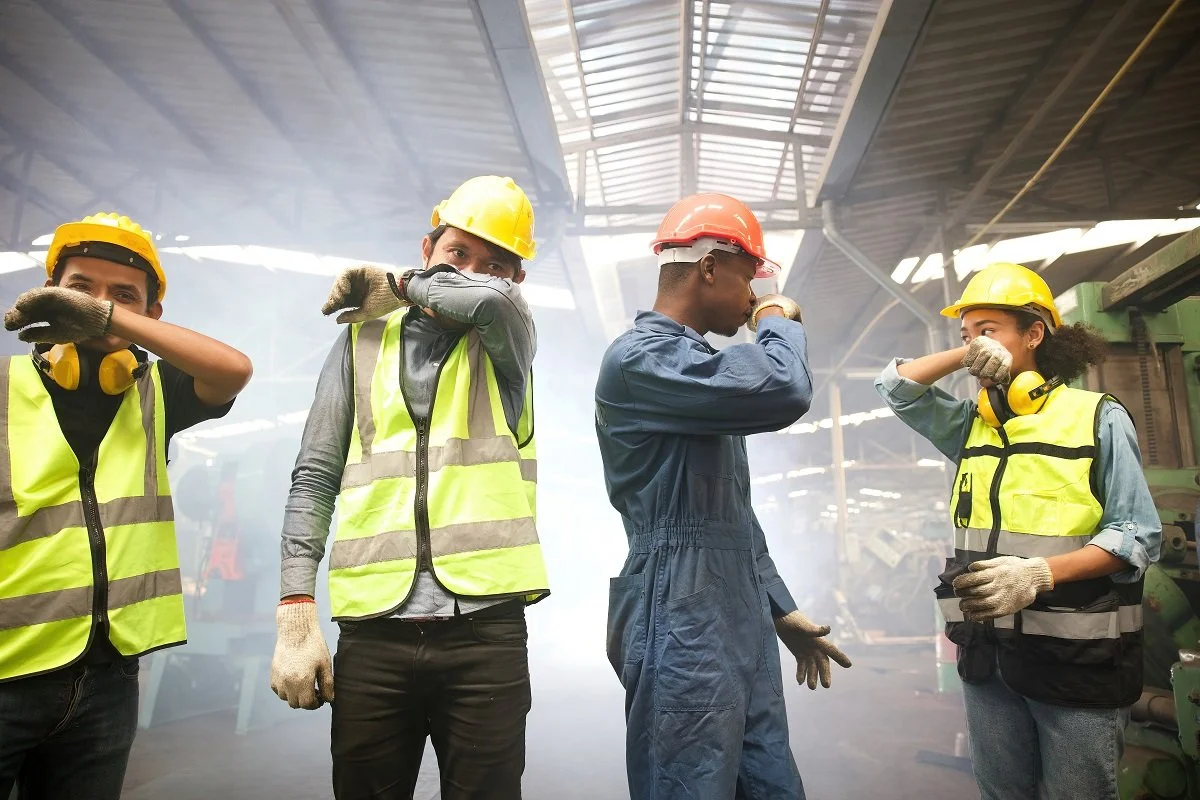
No matter what trade, contractors face environmental risks from their operations. Contactors pollution liability (CPL) insurance has now become an integral part of a contractor’s insurance program. The industry is seeing contractual requirements for this coverage from a combination of owners, developers and general contractors for projects of all sizes.
While many contactors assume their commercial general liability (CGL) policy would cover a pollution claim; the unfortunate reality is that most CGL policies have pollution exclusions that leave contractors uninsured in the case of a pollution incident.
Pollution incidents are causing some type of contamination on a job site. And, contamination is the operative word in all pollution exclusions. With such a broad definition extending to so many types of construction, it is important to understand how a pollution incident can happen on the jobsite.
Pollution incidents can happen to contractors in many trades. Real-world examples include:
An HVAC system is installed improperly, which over time, causes moisture and ultimately mold to spread throughout a residential building, causing bodily injury and property damage.
A painting contractor does not properly ventilate a residential facility causing exposure to fumes which lead one or more residents to hospitalization.
Dirt being excavated from one area of a job site to another is contaminated with arsenic and lead. The chemicals are then spread to a larger area which is later found by a soils expert.
Construction equipment on a project site has hydraulic fuel lines cut by vandals, causing fuel to leak out and contaminate the soil.
A contractor punctures an underground storage tank during excavation, causing the product to spill into the soil and groundwater.
In addition to implementing an effective plan to reduce the likelihood of pollution incidents on the jobsite, a best practices approach to protecting contractors from this type of exposure is to transfer the risk to a CPL policy.
Contractors pollution liability insurance provides coverage for third party bodily injury, property damage and pollution clean-up costs as a result of pollution conditions for which the contractor may be responsible.
A pollution incident can include the discharge of pollutants brought to the job site, a release of pre-existing pollutants at the site or other pollution conditions due to the performance of the contractor’s or a lower tier subcontractor’s operations. In addition to the potential loss of reputation, often overlooked expenses that can negatively impact a profit and loss statement are the costs incurred to defend a company involved in a pollution claim.
Contact me at (619) 937-0167 or sclayton@ranchomesa.com if you would like to discuss your pollution liability risk.
Important Updates to Minimum Wage Policies for 2023
Author, Megan Lockhart, Media Communications and Client Services Coordinator, Rancho Mesa Insurance Services, Inc.
As businesses ring in the New Year, it is important for owners to note some key changes to state and local wage policies taking effect January 1, 2023.
Author, Megan Lockhart, Media Communications and Client Services Coordinator, Rancho Mesa Insurance Services, Inc.

As businesses ring in the New Year, it is important for owners to note some key changes to state and local wage policies taking effect January 1, 2023.
Established by the Fair Labor Standards Act (FLSA), the federal minimum wage rate stands at $7.25. However, changes to minimum and tipped wages will impact individual states and local areas. In California, the State minimum wage as of January 1, 2023 is $15.50 regardless of tips. Be sure to check the updates to your specific location to ensure your company is best prepared for the New Year.
Local Minimum Wage Rates for California
| Locality | Coverage | Minimum Wage as of January 1, 2023 Increase |
| Alameda City | $15.75 | |
| Belmont | $16.75 | |
| Berkeley | $16.99 | |
| Burlingame | $16.47 | |
| Cupertino | $17.20 | |
| Daly City | $16.07 | |
| East Palo Alto | $16.50 | |
| El Cerrito | $17.35 | |
| Emeryville | $17.68 | |
| Foster City | Employers that have a business license from Foster City | $16.50 |
| Fremont | $16.00 | |
| Half Moon Bay | $16.45 | |
| Hayward | Employers with 25 or fewer employees | $15.50 (state rate) |
| Hayward | Employers with 26 or more employees | $16.34 |
| Long Beach | Hotel employers (100 or more guest rooms) | $16.73 |
| Long Beach | Employers of concessionaires at the Long Beach Airport and Long Beach Convention Center | $16.55 |
| Los Altos | $17.20 | |
| Los Angeles City | General | $16.04 |
| Los Angeles City | Hotel employers with 150 or more guest rooms | $18.17 |
| Los Angeles County (unincorporated areas) | $15.96 | |
| Malibu | $15.96 | |
| Menlo Park | $16.20 | |
| Milpitas | $16.40 | |
| Mountain View | Employers that are subject to the Mountain View Business License Tax or that maintain a facility in Mountain View | $18.15 |
| Novato | Business with 1 – 25 employees | $15.53 |
| Novato | Business with 26 – 99 employees | $16.07 |
| Novato | Business with 100+ employees | $16.32 |
| Oakland | General | $15.97 |
| Oakland | Hotel employers (50 or more rooms) with qualifying health benefits | $17.37 |
| Oakland | Hotel employers (50 or more rooms) without qualifying health benefits | $23.15 |
| Palo Alto | $17.25 | |
| Pasadena | $16.11 | |
| Petaluma | $17.06 | |
| Redwood City | $17.00 | |
| Richmond | Employers that offer qualifying health benefits | $15.50 (state rate) |
| Richmond | Employers that don’t offer qualifying health benefits | $16.17 |
| San Carlos | $16.32 | |
| San Diego | $16.30 | |
| San Francisco | $16.99 | |
| San Jose | $17.00 | |
| San Mateo City | $16.75 | |
| Santa Clara City | $17.20 | |
| Santa Monica | General | $15.96 |
| Santa Monica | Hotel employers | $18.17 |
| Santa Rosa | $17.06 | |
| Sonoma City | Employers with 25 or fewer employees | $16.00 |
| Sonoma City | Employers with 26 or more employees | $17.00 |
| South San Francisco | $16.70 | |
| Sunnyvale | $17.95 | |
| West Hollywood | Employers with 49 or fewer employees | $17.00 |
| West Hollywood | Employers with 50 or more employees | $17.50 |
| West Hollywood | Hotel employers | $18.35 |
Clients can login to the RM365 HRAdvantage™ portal to review the full local minimum and tipped wages for all states and counties under the New Chart: 2023 State and Local Minimum and Tipped Wages.
Construction Death Rate Not Decreasing as Expected
Author, Casey Craig, Account Executive, Rancho Mesa Insurance Services, Inc.
With the heightened safety regulations and OSHA guidelines over the past decade, many would think we are working in a much safer environment with fewer fatalities. Despite the rising number of employees and using a standard based off deaths per 100,000 employees, the data is showing that the number of fatalities are the same as they were a decade ago.
Author, Casey Craig, Account Executive, Rancho Mesa Insurance Services, Inc.

With the heightened safety regulations and OSHA guidelines over the past decade, many would think we are working in a much safer environment with fewer fatalities. Despite the rising number of employees and using a standard based off deaths per 100,000 employees, the data is showing that the number of fatalities are the same as they were a decade ago.
With a much larger workforce, OSHA is severely understaffed compared to the previous decade. The agency does not have enough inspectors to visit nearly enough jobsites. They have been more reactive in the sense that they are imposing fines on companies after they have had losses. These fines represent a fraction of what it would take to motivate construction companies to revamp their respective safety programs. Employers have factored these fines into the cost of business to a certain extent.
OSHA is now contemplating whether it is worth doubling the jobsite inspections annually and/or increase fines drastically. There is no solid data to link an increase in jobsite inspections to fewer fatalities, so the logical answer would be heavier fines and a push for more negligent death claims to be criminally prosecuted.
Either of these options will lead to more oversite or more fines for the construction industry as a whole. One critical approach you can take is to prepare yourself as a business owner. Be proactive. Consider working with the consultation branch of OSHA to visit your operation and jobsites. This division within OSHA does not issue fines or violations. They do, however, offer recommendations and advice on how to make your operation safer. With the potential of OSHA’s fines increasing, it is time to make sure that your company is on the forefront of safety. A great first step is reaching out to your insurance broker to help you meet requirements and push you to exceed. With a potential recession looming, it is important to make sure you have insulated your company from risk, so you have the best chance at thriving.
If you have any urgent questions on this topic, you can reach me directly at (619) 438-6900 or email me at ccraig@ranchomesa.com.
Utilize Payment Bonds as a Backstop for Getting Paid
Author, Anne Wright, Surety Relationship Executive, Rancho Mesa Insurance Services, Inc.
Contractors may do their work and meet their contractual obligations, but on some jobs it’s harder to get paid than on others. As in any business, your collection activities are key to getting your money. Don’t be afraid to be a squeaky wheel. There are a couple of things I’d like to share as either a reminder, or perhaps an education, that all contractors should know and consider.
Author, Anne Wright, Surety Relationship Executive, Rancho Mesa Insurance Services, Inc.

Contractors may do their work and meet their contractual obligations, but on some jobs it’s harder to get paid than on others. As in any business, your collection activities are key to getting your money. Don’t be afraid to be a squeaky wheel. There are a couple of things I’d like to share as either a reminder, or perhaps an education, that all contractors should know and consider.
Know where your money is coming from. If you are working on a public works job, it is of course coming from the public agency/owner of the job. If you are working on a private job, there are more questions to be asked.
If you are working as a general/prime contractor or a sub-contractor on a private works project, always confirm the financing – always. Make sure you document your job file with information as to where the money is coming from, and specifically cover your scope/line items of work. There may be a construction loan. If so, you will typically obtain that information for your preliminary notice purposes. If not, don’t hesitate to ask for some verification as to where the funds are held. Your surety will commonly pursue the source of the financing, if you are asked to bond the job.
What do you do if you are struggling to collect what you are owed? First and foremost, be aware of what your basic payment protections might be.
Your most likely assurance of payment for undisputed work would be the payment bond. Payment bonds are a primary protection to sub-contractors and suppliers if they are working for a prime contractor who has had to provide their bonds to the owner. There is an investigative process in the event of a claim against the bond, but the surety is there to make sure all valid claims are paid.
Sub-contractors, if you are working for a general contractor, you will want to make sure you get a copy of any payment bond that might be held by the owner for the general contractor’s work.
Suppliers, you may have payment bond protection as well, depending on who you are working for on the job and the type of job (i.e., federal, public or private).
Public works project bonds are required on most public works jobs of $35,000 or more (but can vary by agency) and Federal jobs of $150,000 or more.
Private works project bonds are rarely required of the general contractor, but it is important to ask if they are to document your job file. Otherwise, your best options are the stop notice to the lender and/or mechanic’s lien.
Best practice here is to always ask for a copy of the payment bond from your general contractor. Confirm one has been provided to the owner if you are a sub-contractor or supplier. If you are a lower tier sub-contractor, find out if the sub-contractor you are contracted with had to provide a bond and obtain that for your job file! If you are a supplier, ask about those payment bonds that might protect you as well.
What if a payment bond isn’t in place to cover you? There are various remedies short of litigation that may be available to you. These include mechanic’s lien filings, and/or stop notice to the lender/owner of a project.
Mechanics lien can be used if the job is on private property (needs to be recorded with the county recorder). At the very least, this puts you in a generally secured position on the title of the property when it is sold. It’s not a quick remedy, or even guaranteed payment, depending on other liens already filed ahead of you.
Stop notice may be useful if the project is for private works (filed against the construction lender). This notifies the lender that you are owed money. You will have to file a bond to accompany your stop notice, but when properly filed, it requires that the lender withhold monies until your matter is resolved. Again, there is a process involved here and it’s often not a quick remedy, but it should be considered.
If you are working on a private job and there is no payment bond filed on the project, the stop notice and/or mechanics lien are key.
It's important that you know your lien rights and filing times whether you are working on a public or a private project (the various protections have certain timetables, e.g. after notice of completion, etc. that have to be considered for you to have rights to these various remedies). If you are a member of a trade association, you no doubt have a member who is an attorney. They can provide the current timelines for the various lien rights. We can also offer referrals to construction attorneys who can provide you with the timetables for the purposes of these various filings or related support.
Pursuing these remedies are best practices. It doesn’t hurt to file the preliminary notice on any job when you begin your work. Everyone is entitled to managing their relationships the way they see best for their business, but hopefully some of this information will be helpful.
If you have questions about payment bonds, contact me at (619) 486-6570 or awright@ranchomesa.com.