

Industry News

Utilizing Your CPA's Expertise with Nick Balaity
Andy Roberts, Rancho Mesa's Surety Account Executive, is joined by Nick Balaity, CPA with Aldrich CPA + Advisors, to discuss the tax law outlook for 2025 and offer insight on contractors’ business decisions in the coming year.
Author, Andy Roberts, Surety Account Executive, Rancho Mesa Insurance Services, Inc.

Andy Roberts, Rancho Mesa's Surety Account Executive, is joined by Nick Balaity, CPA with Aldrich CPA + Advisors, to discuss the tax law outlook for 2025 and offer insight on contractors’ business decisions in the coming year.
Andy Roberts: Welcome to StudioOne™, I’m Andy Roberts, a surety account executive here at Rancho Mesa and joining me today is Nick Balaity, who is a CPA and partner at Aldrich CPA and Advisors. Thank you very much for joining me in the studio today.
Nick Balaity: Yeah, thanks for having me, man. I've never done a podcast before so this is pretty exciting for me.
AR: Yeah, it's going to be fun. And we have a few really great topics that we're going to get diving into. But before we get started, Nick, why don't you give us a little background about yourself and what you do at Aldrich?
NB: Yeah, thanks. Yeah, so I've been working with contractors on the accounting side for probably 13 years or so at this point. The last eight of which I've been with Aldrich been a partner there for about four years. Getting to work with contractors is pretty awesome just because they're mostly salt to the earth people and blue collar guys and gals and so they're really easy people kind of to work with for the most part.
But Aldrich is a West Coast based firm. Primarily our big offices are in San Diego and Portland, Oregon. And then we organized by industry group. So I'm in our construction group. I head up our California group. And then we have other industries that, you know, manufacturing, real estate things like that. So yeah, I focus just on contractors. I'd say 85% of what I do is just working with contractors.
AR: Yeah, that's fantastic. I know we've worked together on a few and you guys always do just a wonderful job. So, you know, let’s dive into what we're going to talk about first, which I think is a really important topic, especially with, you know, administration changes or some uncertainty. So we're going to dive into some tax law updates and strategies and kind of discuss what might be coming next year. As I'm sure you're probably sitting down with your clients and doing some tax planning, to figure out what 2026 might look like, what changes might come.
NB: Yeah, it's a funny year to do it because, you know, we go into these meetings at year-end tax planning and we're kind of telling them, “Hey, this is the strategy for this year, but it might be different next year.” So, the 2018 Tax Cuts and Jobs Act that went into place when Trump was last in office, those provisions are set to expire at the end of 2025. And so the question is like, what will change if those expire?
So the kind of the big things that'll change that people should be aware of is the overall the rates are going up. So, like your top federal rate is going to go from 37% to 39.6%. Not a huge jump, but definitely noticeable, especially if you're at the higher levels. And so the qualified business income deduction also expires. So if you have any pass through entities, so like S Corps, partnerships, LLCs, you were getting and still are getting a 20% deduction on your federal taxable income. So if you had an income of a million bucks, you'd be getting a $200,000 deduction to bring it down to $800,000. That got us to what are effective top rate of 29.6%. You know, 37% minus the 20%. So 29.6% kind of was the top tax rate, which was great. That's kind of some of the lowest rates we've ever seen in recent memory. That's all set to expire at the end of 2025 and going into 2026.
So really, the question has been, what is the Trump administration going to do when it comes in, especially now that the Republicans control both sides of the House and the Senate? And so I think what we've seen so far from the administration is they are looking to extend most of those provisions and make them permanent, is kind of what they want to do. Really, it becomes a question of budget reconciliation, what they can do, but we're anticipating that those will get extended.
I think there's a section of our clients that are like, “Are taxes going down?” Maybe, I don't know if there's an appetite to actually cut it again. It feels like there's more of an appetite within Congress to just extend what we currently have. So, but the other provision is bonus depreciation, that's been coming down. It's been going down 20% percent every year and that's going to go to zero. They want to bring that back at 100% as well and make that permanent too. So yeah, so I mean, if all that happens, you know, we'll be kind of looking at kind of the same as we have, but if not, which we'll get an idea of, you should be reaching out to your CPA and starting to look at what strategies you can do as you go into 2026.
AR: I mean, that's what makes it really important to have a resource like yourself if you're a contractor and an owner to talk about this kind of stuff when you're sitting down so you can plan for your business. What do you think the timeline looks like for when we might have a finalized answer on some of this stuff and what they're going to do? Just best guess.
NB: Yeah, if they're going to do something, they'll have to do it within the first few months, I would think, for it to be effective. I mean, there have been retroactive tax law changes. Everything I've read is they're going to make it all effective, 01/01/25. So if they're going to do that, you would think they would do it in 2025. But man, Congress is typically a jumbled up mess. So it's very hard to know exactly when it's going to happen.
AR: If they do a retroactive to 01/01/2025, do you have to go back and amend returns?
NB: As long as those changes are in place before we file the 2025 return, which would be like, you know, February through April of 2026, yeah.
AR: Yeah, it's good information right there. That's a lot of work on your guys as well.
NB: Yeah, for sure. You know, a lot of just keeping our ear to the ground.
AR: Yeah. So, with those, now that we've kind of talked about that, so let's kind of look at what some strategies contractors can do, you know, when they're doing their taxes for what they, you know, to decrease their income and stuff. So let's look at some pros and cons of maybe like cash basis versus percentage of completion on your end.
NB: No, that's always like one of the first things we do when we meet with a client or a potential client, a prospect is figure out what their method of accounting is for tax and just try and evaluate if that's really the best fit for them. A lot of times it can be, "Hey, we're already on this method," and so to switch might not make sense. It might cost us a bit in the short run, but generally what we see a lot of is, you know, smaller contractors that are first starting out and growing will be on cash basis.
Cash basis can be really advantageous as you're growing your business because as we know, construction is a very capital intensive business and so the more cash you can retain, the better. So typically as you're growing, your AR balance is also growing. You have more and more accounts receivable outstanding and cash allows you to defer that income on that AR until it's actually received. And so as you're growing, it keeps more cash in the business. As you flatten out, you know, if you reach that kind of cruising altitude, it'll, you know, you'll be deferring, you know, that AR, but then it'll be coming back into the next year and you're typically deferring a similar amount. So it kind of gets, it should in theory level out to kind of closer to where book would be, but you're still managing that all the time. So a lot of times we'll see clients switch over to percentage of completion method or they'll be forced to do that when they go over $30 million roughly-- it's an inflation adjusted number of gross receipts on a three-year average. The advantages of that is it's just way your plan around, you know, you're not, you're not sitting there on December 30th, and, and saying, “How much cash do I have in my account? What's my AR? What's my AP?” You're really able to manage that kind of just through your whip, you know, so you're able to kind of look at and see, okay, whatever my book income is, typically my taxable income is going to be pretty similar.
AR: Yeah, well, it's, I mean, it's a good thing to talk about too, because we were always on our end looking at percentage of completion for what we want to see from your guys on that part, but that's different from on the tax side.
NB: Yeah, and that's one of the advantages though, of being on cash is you can still be showing really nice profits, but you're not picking up that income yet until you actually do. So there can be a pretty big divide between taxable income and book income when you're on cash basis.
AR: So one last thing to touch on this one would maybe be, for contractors looking to buy equipment, should they buy it? Should they not? What are the advantages, disadvantages?
NB: Yeah, I feel like it's the question we get very frequently at the end of the year, because I think, you know, there's been enough TikToks and Instagrams out there talking about, “Oh, I just bought this Escalade and now I get to write it off.” And while that is true…
AR: You got that big cash balance in your bank account, what do you want to do to bring that down a little bit?
NB: Right. And so, buying equipment is the question we get a lot. And kind of my two cents on this is, it never makes sense to spend a dollar to save 30 cents, you know, like if you need the piece of equipment, you should buy it.
AR: Absolutely.
NB: If you're looking at buying it in Q1 or Q2 of the next year, maybe we say, “Hey, maybe it makes sense to accelerate that purchase and go ahead and do it now to go ahead and capture that deduction.”
But really, there's impacts to it, right? So if you're paying cash, then you're reducing your working capital because you're exchanging a current asset for a long-term asset. If you're financing it, that'll have a little bit less of an impact on working capital because you'll have just a current portion of that debt that'll be on the books. And so it's really something to just kind of evaluate, you know, bring in your surety broker, bring in your banker, especially if it's a big piece of equipment and kind of let them know what you're thinking about doing, work with your CPA, what the impact would look like and just make sure that it's going to affect anything on your credit side or your bonding side.
AR: Yeah, well, I mean, especially on our end where, you know, we love to see cash in the bank. You know, when we do a submission, we send in, like, we'll often send in like a vehicle list. But that's not going to give you a ton of surety credit. That's nice to show the underwriter, like, “Hey, this is where they have invested in their business,” but we also, you know, if it's going to tank that cash balance, that's going to have a direct effect on the credit you're going to get and lead to a lot more questions from underwriting as to what happened to that money because they would always rather see it sit in the account in case something happens.
NB: Yeah, it's our CFO said this to me recently that I really like this saying; if you come to me early with a decision like this, you have a partner, you come to me after you have a judge.
AR: Oh man, that’s great.
NB: Yeah, I think that's really kind of the same thing here with you let your partners know what kind of types of moves you want to make and they can help guide you along the way and really help you with that. You come to them after, what's done is done, and now we're just kind of stuck with the result and we got to kind of manage around it that way.
AR: Yeah, and we have to deal with whatever terms are going to come from that as opposed to putting a plan in place or at least putting the options out there and be like, “Well, if you do this, this is what happens or here's what happens on this side,” and let them make the decision from there, and, you know, whatever repercussions might come from it.
All right, next thing, which I mean, I know I've been seeing a lot more and I'm sure you have as well are business transitions. I know there's a few different methods. Let's start with, you know, we were talking about what an internal buyout looks like. I mean, that's pretty self-explanatory that it's coming from like the inside, but do you see that pretty frequently or…?
NB: Yeah. It's a timely topic. It's kind of been a big thing I feel like for the last five or 10 years as this large baby boomer generation is getting closer to retirement, you know, they're looking at, “How do I get the final value out of this business?” Or for some, it's not even about getting that final value, it's about, “How do I leave a legacy behind and a company that'll keep going on and have people there to run it?”
AR: I feel like a lot of people are very proud of the name that they've built and they want to see it keep going.
NB: Totally. And they should, especially some of the ones we've seen that are local that have grown to be $100 million contractors. You should be proud of that. So yeah, internal buyouts are probably the most common we're seeing right now where maybe you have a kid—a son or a daughter—that's coming into the business that has been working with you and wants to buy you out or maybe you just have some key employees that you would like to hand over the keys to the kingdom on. Really the biggest thing there is like the financing for those tend to be based on the company's profits. And so there may be some debt that comes into place related to that. And so how's that going to affect the company kind of bringing it back kind of the surety piece of it is like, you know, if we put on this big debt, what's going to happen? Also, if we, you know, if our main shareholder who probably at this point in their career has nice personal net worth is in, you know, is on the indemnity, is there someone else who's going to take that over? Are they going to stay on? How's that going to impact the bonding capability or even the bank, right? Yeah, you know, your lines of credit probably have some personal guarantees in there as well.
AR: Well, I mean, that's like a big question we usually ask too, because typically the, you know, the son or the younger generation that might be buying the company are definitely not going to have as developed a personal financial statement as the current owner who's been doing this for 30 plus years. So like if they're willing to stay on and indemnify, that really helps our case a lot if they're going to be bringing on some debt, because just to know that there's someone else there backing the company, as these people come in.
NB: And I mean, I would say, man, I feel like I deal with in five or six of these almost every year, where we're just trying to figure out how to make this work. So there's a thing you can get really creative. And so it's not something people should be afraid of. But they should reach out to their CPA, they’ve seen a lot of these go on and there's a lot of different ways we can skin this cat and come up with a solution that's going to work for everyone.
AR: No, it's always I mean, it's super important to trust your advisors or your partners and make sure you're utilizing all the resources that you have around you when you're making a big important decision like this.
NB: Yeah. And I think getting everyone as involved as possible and then also just looking at what are you trying to get out of it, right? So if we're trying to maximize cash, internal buyout might not be the best, maybe an external buyout would be better and we can kind of transition talking about that.
AR: Yeah, let’s do it.
NB: External buyouts, there's a bunch of different ways that can kind of look. You can sell to a competitor, or maybe someone more upstream that's trying to vertically integrate, those tend to be some of the faster moving deals that get done because they know your industry really well. They kind of already have an idea of the types of projects you do.
You can also go private equity; which private equity has been coming into construction space more and more. It used to be they were really only interested in companies that had more of like a repeat service component or repair. You know, so, it would be like HVAC, or maybe like plumbing or in some cases electrical, but some of those don't even have service component to them. And so recently they've gotten more aggressive and there's definitely been more of a push into some more niche or specialty areas. And so they're not quite going after general contractors yet, but I can see a world where eventually they do.
AR: I mean; we're definitely seeing it more too.
NB: Yeah.
AR: Like, I mean, it's happening more and more frequently.
NB: Yeah. And so the biggest thing to know about with private equity is it's going to come with some-- it's probably going to be one of your highest offers you will get; you'll maximize value that way. But there probably will be a three or five-year period where the owner or key management are going to have kind of golden handcuffs, where they need to stay on. So it's not going to be a quick exit where you might be able to get that more with an internal buyout or potentially having a competitor come in and buy you out. Typically, private equity is going to want key management to stay on board for a little bit. So it's something to consider.
So one of the things, you know, we talk about a lot with clients is trying to plan in advance for this. When you're starting to say, "Hey, I think I'm five years out from wanting to retire and be out," that's the time to start kind of planning, "Okay, how do we want to do this? Should we get a valuation of the company to kind of see what's it worth and figure out, you know, what's our retirement plan? Is that going to be enough? Do I need to stay working a little bit longer to make sure I have enough for my nest egg?” And so it's just kind of a, there's a whole bunch of different conversations need to happen. And then also, if we're going to look to external, how do we position the company to sale, right? So how do we make it look as attractive as possible to an outside buyer?
I think kind of the last option that's become a lot more popular recently is ESOPs. So if you don't know what an ESOP is and it's an Employee Stock Option Plan. And basically it’s where a trust gets set up, and not to get too into the weeds, but a trust is owned by what’s essentially a 401k plan, and they own the stock of the business. And so it’s a way that you can get the ownership of your business to your employees, which is really actually a pretty cool legacy you can leave if you’re basically selling the company back to all your employees, not just key employees. But they are expensive, they cost quite a bit to run every year. There's evaluation that has to happen. There's an audit that has to happen. There's actuaries that get involved and things like that. But it can be a great way to cement that legacy and let it live on and really reward your employees who've been loyal to you over the years with ownership in the business. All this stuff just takes a lot of planning. Like my key thing that I say to every contractor is whenever you think you want to start looking at this, you know, we just need to make sure we have a runway to kind of build out that plan.
AR: Yeah. How often do your clients come to you with the five-year runway versus like the one-year?
NB: Pretty rarely, I would say. You know, I have a couple, clients that just really look ahead. I think it's one of those business, construction's hard when you're, especially when you're the sole owner or primary owner, you know, all that stress, you feel it. And so it can be really rewarding, but it can be really challenging just on yourself. So a lot of times we get contractors that come to us and are just like, "I'm done. I need to get out." And we can absolutely help through that situation. But in an ideal world, we would say, "Hey, let's start looking three to five years out so we can get you positioned and ready and we have your plan set up and all that."
AR: Do most of the time when they come to you with this plan, do they have an idea already; do they want to do external versus internal? Because I know external, there's more options. Do they kind of have an idea of what they want to do?
NB: Most of the time they do. They'll come to us and they'll say, “Hey, I do have a key employee or a son or daughter that wants to take over the business. And that's the way I really want to go because I feel strongly about that.” Sometimes they do come where they're like, “Hey, I think I
want to do an internal buy-out but I'm not sure that they're going to be able to afford it.” I just had that conversation with a client the other day and we went through process, we got a valuation done for them and they saw what it's worth. And the question was, "Hey, do I want to take a haircut and make it so that it can be bought internally or do I want to go external?" And in this case, they wanted to go external because they didn't want to leave that much money on the table, which is totally fair. You know, you built up that company, that's your value and you choose what to do with it. So, yeah, I would say most of the time they have an idea of what they want to do. My job I feel like as an advisor to them is to make sure they're aware of all the options that are out there to them and what those, how much money could be on the table.
AR: Now, kind of circling back on like private equity because, I mean, we're seeing a bunch of that, just like you are. And I mean, it can have a pretty big effect on your financials and your balance sheet that really can actually hurt your bonding capacity, and I think a lot of people aren't totally aware of that going into it because they see this big number coming from PE, and they think it's fantastic if they just have to hang around for three to five years, but they don't understand what bringing on some of this debt or goodwill and these kinds of things to do to your balance sheet and your financials and what they can do to your surety program.
NB: Yeah, it's one of those things that you really want to model out, right? So before that deal closes, before you sign that purchase agreement, you want to make sure that you've looked at, okay, this is the number, this is the debt, this is how the working capital is going to look post transaction. And then also like, you know, is the private equity firm going to be willing to take on the indemnity that maybe the primary shareholder was taking on?
AR: Usually that's a no.
NB: Yeah, exactly. It's almost always a no. So it's like, okay, are they going to infuse more capital in to make sure that the bonding is going to stay there? And so I think that's why you've seen a little bit less interest in public works contractors for PE because there is kind of that hook that they got to sign on for. And so you're seeing it a little bit more and more than ones that do private construction projects.
AR: No, definitely. I feel like too, there's been some PE firms that I've just been reading about and stuff that they don't totally understand what they're getting into when they buy that company, when it comes to the bonding aspect, because maybe it's not major, but it's sizable and then you
present them with, “Oh well, we either need you to put a bunch of money in or someone on over there needs to sign,” and they don't want to do it.
And you're like, “Well, then you're going to lose that aspect of the business.”
NB: Totally, and it comes back to every time, like the best advice I can ever give a contractor is before you do any significant transaction or anything you need to be bringing in all of your outside advisors: the bank, the surety broker, the CPA, your attorney, making sure that everyone's on board and knows what's going on and we can work through all these things kind of before the transaction happens. Because it can kill a transaction too.
AR: Yeah, it kind of goes back to what you were saying about how you need to utilize all your resources, whether it's banking, CPAs, your surety agent, your insurance agent too, what that kind of does with your policies to make sure there's, you know, you're not significantly impacting your business. You know, because I think you guys will handle like some benchmarking and some of that type of stuff.
NB: Yeah, yeah, so we'll do benchmarking with clients. We get really good data just from our own client groups. I mean, we serve, gosh, I want to say like 400 contractors across our firm, you know, between all of our geographies. So we have a lot of internal data and then there's also external data points out there like CFMA, Construction Financial Management Association does an annual survey that's broken out by company size, geography, trade. It's really an incredible survey they put out. You can benchmark yourself against that. But then also it's just like the kind of intangible knowledge of working with a lot of contractors. What have I seen be successful? Same with your surety broker. What have they seen to other contractors that you could leverage off of, that experience that you guys have with other folks? So yeah, there's a lot of great opportunities for your CPA or bonding agent to come in and provide knowledge from kind of the outside, just from what we're seeing in other places.
AR: Yeah, that's great. And I mean, I think the kind of last thing to kind of, you know, from my perspective to kind of input on here for, you know, any contractors listening is, you know, having a great CPA relationship is something that's invaluable to your business. So, you know, I know you and I have gotten to work a lot together over the last few years since I've kind of come into the industry. And It's always nice when we see a review from you guys that says Aldrich on the front. So yeah, no, I appreciate that.
NB: And likewise, Andy. And Rancho Mesa has been a great partner with us too. And so to me, it's the more you can get your advisors talking together as a group and not isolated, the better, because we can come up with solutions as a group that kind of come to think about all the different angles, right? So like, I know a lot about the tax side. I know a lot about the financial side. I know a little bit about, you know, the bonding program, but that's where your expertise comes in and you can kind of give your expertise and your specialization there that you have and kind of advice on impacts, you know.
AR: Well, and it's super nice because anytime someone's like, "Oh, well, let's talk about what's this going to do tax-wise," I'm like, "Oh, I'm not the guy for that, but I know someone that can help you there.”
NB: Yeah, right, exactly, exactly. So, yeah, I mean, that's the biggest thing is, just keep everybody in the loop.
AR: Yeah well I think that was a lot of really great information on this this episode so Nick, thanks very much for joining me.
NB: Yeah happy to happy to join you and thanks for including me.
Construction Change Orders: What Contractors Should Know
Rancho Mesa’s Surety Relationship Executive Anne Wright and Pam Scholefield of Scholefield Law in San Diego, discuss what affects subcontractors and prime contractors when changes occur in their contract.

Rancho Mesa’s Surety Relationship Executive Anne Wright and Pam Scholefield of Scholefield Law in San Diego, discuss what affects subcontractors and prime contractors when changes occur in their contract.
Anne Wright: Welcome to Studio One. This is Anne Wright, surety executive here with Rancho Mesa Insurance. And I have again as my guest Pam Schofield. We met a couple months ago and talked about prime contract provisions and how they affect or impact subcontractors and what to look for. Very well received. So now we thought we'd try our hand at talking about change orders. We are going to talk about a few things that affect the subcontractors and prime contractors.
When it comes to changes in the contract, what you need to know, what you should look for and how you can potentially negotiate those within those contracts. So a few contracts will run from start to finish without change orders for different reasons. It could be poor plans, designs, scheduling, et cetera.
So Pam, let's remind the audience just a little bit about your background and then we'll get started.
Pam Schofield: Okay, thanks, Anne. I appreciate you letting me come back.
I started my career many decades ago as an engineer for General Electric Power Distribution and Controls Division, and at that point in time, that's when I started working with contractors in the industry. And then I ended up going to law school, and naturally I started representing contractors and subcontractors in the industry I already knew.
I had a little different perspective, but was able to develop my practice based on the skills and contacts I had from when I worked, was in the trenches with them. So I enjoy this industry, this is a great industry, and that's why I'm still here.
Now I help subcontractors and contractors, obviously with a lot of contract issues. So I'm happy to be here to share any bits of knowledge that I can.
AW: Well, you're uniquely qualified to do that, so we certainly appreciate it.
When talking about change orders, there's kind of a start to finish process with that whole thing. Again, if you enter a contract thinking there's not gonna be changes, you've probably had some different experiences than the majority of contractors out there.
So in the world of disputes, which will likely occur again for these various reasons, can we talk a little bit about how you can avoid them and what you should look for that are the key points in documenting your file and working to make sure that your change orders are recognized and ultimately approved?
PS: Sure. So you're right. If you believe that you will not have changes in a job, you either are very, very new or have had an unusual experience as a contractor. And I'm glad you talked about the contract itself because that is the most important place to look. Every contract, every subcontract has a process that you have to follow as the contractor or the sub in order to present any changes that you want. And in a change order or reason for a contractor to seek extra time or extra money is anything, honestly.
Some contracts have a list of what would trigger the contractor's responsibility to tell its customer. So when I say its customer, when a contractor tells the owner or the sub tells the contractor, the important thing there is that they want to know as soon as possible if something happened to cause more money or more time to your work. And that's the whole point, what we call the notice provisions.
And so anything I tell people, whether it's listed in your contract or not, that would cause you more time or more money, that is when to give your customer notice that, "Hey, this is happening. You've asked for a change. I've run into something unexpectedly. There's another trade in my way. The job site is not ready for my work or the owner came and asked me to do this. So let me talk about that.
Contractors should not do changed work or extra work or different work or any way you want to describe it just by a verbal request by an owner or even their own contractor. If you're a sub, you don't do anything orally. When the project's going along fine, you might get in a situation where people get casual as they get through changes, and they're paying change or all that, when it's something that's more controversial, like a big money, a delay to the project, or there's a dispute as to whether or not whatever's happening is really extra work for the contractor or sub. That's when people dig into the contract and they say, did you or did you not, as the contractor asking for extra money, follow the process in the contract.
So what I tell my clients, and when I give my own seminars, is that before you start the work, you need to know what that process is. And the reason is, is because many contracts will say, hey, you've got two days, 48 hours from whatever that event is that's causing extra money or delaying you to let us know about it. And that's a very, very short deadline, especially in the heat of construction.
And as a subcontractor, you may have deadlines in there, but because we talked last time about how the subcontract incorporates the prime contract terms and conditions, you still need to know what the prime contract requires because you don't want to cause your general contractor to miss those deadlines.
So again anything that would cause extra money or extra time is a situation where you want to start that process.
AW: And is it typical that the contract will indicate whom you need to communicate with?
PS: Often it does, not all the time. And that's very, very important because sometimes a contract will say that it has to be a vice president level or above. And as the subcontractor, you're like, well, that very rarely happens. We don't communicate at that level. It's usually the project manager or the project engineer that you talk these things through.
It's very important on a public project. So I'm really glad you brought that up because public projects often say, tell you who can authorize. And being a public entity, it's extremely important that you only do extra work when it's been authorized by the right person, because that deals with public money, obviously. And so you don't want to just go scurrying along and doing extra work, because somebody said, oh, sure, do this, or I'll sign off on it, because they may not have the actual authority to let you do that work.
So that is a very important part. Again, if it's not listed somewhere then probably a project manager but a lot of contracts these days do say who has the authority. And you need to know that out of the gate.
AW: Right, yes. Again, it's all about setting up your job file, having your checklist, making sure everybody involved with processing the work knows what those procedures are and this is important.
PS: It is very important, especially on the bigger ones.
AW: And to your point about, you know, the timelines in which you need to submit them, I have seen and or heard stories in my career about contractors, generals or subs that, you know, don't want to rock the boat, right? So they're just going to keep doing what they're doing. And like you said, sometimes it's very casual and they feel like it's a great relationship and they're moving along with the job and they'll just submit the change orders at the end of the job.
PS: Right.
AW: And especially if you're a public owner, you've got a contingency that only gives you so much money.
PS: Yeah.
AW: So you could run out of money if you wait until the end of the job, never the best practice.
PS: Right. And that's one of those, you know, no good deed goes unpunished because if you're going to wait until the end of the project, you likely will not get those paid. And that usually starts happening when the project people start talking about these changes or, things happening on the job site at project meetings. Or, they document it in a request for information and a response comes back and the contractor says, “Okay, well the engineer says that this is how to fix it. Okay, I'll go ahead and do it that way.” But if it costs extra money or time and they don't document it before they do the work or they don't get permission and writing, before they do the work, at the end of the project you're not going to. You're right because there might be a contingency for certain amounts. You may have to go to another level of authorization within the company that you're dealing with or the municipality without realizing it. And you definitely don't want to wait until the end of the project.
One of the other practical reasons, financial reasons, you don't want to wait until the end of the project as a subcontractor or as a contractor, is because you financed it. You had to pay your people. You had to pay the materials. Do you really want to drag a $150,000-$200,000 change order along to the end of the project for many, many months? I mean, you should try to get your money back as soon as you can.
And you do have to stay on top of it. And you're right. They want to be good team players. They want to be friends with the contractor, like the sub to the general.
AW: They don't want to risk not getting that next job.
PS: Exactly. They don't want to risk not getting that next job. And that is used as a carrot many, many times, like can you cut the change order in half or something. But the reality is, and as long as let's say you're a subcontractor and you're concerned because you've not done work with that general before and you finally got in the door, right? And you don't want to rock the boat. But the reality is, is that you can do the proper paperwork and document it in a very professional way. Even if you just think something's going to cost you more money. You need to start documenting it and giving that notice.
You'll call the person up to say, "Hey, this happened. I'm not sure how much it's going to do, but I'm going to be sending you an email.” or whatever the proper way is that you're communicating, “I'm just giving you heads up. I'm going to send you an email because I want to let you know this is happening. I don't know if it's going to cost me any money, but let's just document it." And if you do it that way, it tends to, again, strengthen that relationship because you're having more conversations in general.
And you're giving them a heads up. You're being very professional about it. So that's helpful. And a lot of times a subcontractor or contractor gets in the situation where a bunch of little things start happening. Like maybe an owner's rep or a construction manager has the tendency to waltz around the job site and chat with the people out there and you know the workers want to be friendlies but maybe they chat for 10 minutes maybe it happens two three times a week and there's five of your people every time it happens. That starts to add up you know, and then a month goes by you're like wow why is my labor, why are we not done with these tasks yet?
And so again giving warning that hey you know, “while we appreciate the interest of the owner's rep, I just want to let you know it is disruptive you know. How do you want us to handle this?” like if you're a subcontractor. And then start documenting it per what the contract says you have to document.
AW: Again, critical.
PS: It is critical, right?
AW: So some change orders are going to be, again, those that are presented timely and appropriately, you know, a lot of change orders just kind of happen and they get paid and everybody's fine and happy, but a lot of times they're disputed.
So what's the best practice for when it's time to dispute a change order? When would they bring in legal counsel or what do they need to know?
PS: It definitely depends on the situation and the value. Some contracts actually have a separate change order process versus claims process. And that's where it gets a little tricky.
You may have a prime contract that just calls everything a claim. And so you go immediately to their claim process, even though you've not even submitted the first request for a change.
Other contracts have a very detailed process that you have a certain amount of time to do a request for a change order, a C-O-R, or a request for equitable adjustment, whatever it calls it. And so you really do need to look at that process. But I'm advocating and it's unusual, but if you have change orders that are worse than money, you don't have to wait to the end of the project like we're talking about. You would start following the process and then eventually, if it's not getting paid, you go, okay, what's the dispute resolution process? Do we go to mediation first? Do we have to get an arbitrator? And that's going to be up to the person so long as you've followed the steps to initiate that final way to solve that dispute.
If you're in a public arena, it's usually in the public arena, there's often time frames, like okay, if the engineer of record does not respond in 30 days, assume they rejected it. So now you have to do the next step, and that catches people off guard too, because they'll submit it and don't hear from it for months, but they don't follow it.
And so I'm an advocate of early resolution. Because if you don't, the parties start being, like they feel like they're not being treated fairly.
AW: Yeah, tense.
PS: It gets tense, yeah. And then, I mean, if it requires upper management to get involved, get them involved.
And again, you can warn the project manager you're dealing with saying, "You know, we're going to go to the next step. I don't want to, but it's been out there too long. We're financing this thing. I'm just giving you the heads up. You know, we're going to take the next step because we're following your contract and this is what I have to do.”
AW: Well, he who speaks last loses.
PS: That's true.
AW: Got to let him know what's going on.
PS: And when a contractor follows the contract step by step, it demonstrates that A, you know what the contract says and B, it really looks like you have your act put together. It's a more believable change request. So whoever you're giving the change request to or the change order request to, they're thinking to themselves, wow, this person has gained some credibility. And the more credibility you can gain when you're looking for money and extra money the better off you are.
AW: Right. It helps that owner or general contractor’s rep, too, process what the channel they've got to go through.
PS: True
AW: If you got everything documented and organized and you know.
PS: And sometimes that's the bottleneck. It's the person who you submitted yours to. Because when you're a sub, especially in a chain, let's say a design change comes down the road and they've made changes and it might affect several trades, so you feel that your part was pretty straightforward and you get frustrated, “why hasn't the general contractor submitted my change yet?”. Well they're putting all the trades together and putting in a big change order and so that's why it's important to follow that process.
AW: And communicate.
PS: Communicate, absolutely that's the number one thing so.
AW: Well to sort of recap and go back to the beginning, it's know your contract, right, set up the job file, have everything documented, and follow procedures.
PS: Exactly. Sounds easy, but it's not that easy during the heat of the moment.
AW: I'm glad I don't have to do it.
PS: Exactly.
AW: I have a lot of respect for our clients that deal with this every day.
PS: Oh, absolutely.
AW: Okay. Well, thanks again for joining us. And if anyone has any questions beyond this, I can be reached at awright@ranchomesa.com or call me at (619)486-6570. And Pam, your contact info?
PS: Yes, my email is pam@construction-laws.com. The easiest way to get ahold of me honestly these days is probably my cellphone. We do still have office phones, but my direct line is (619)818-6240.
AW: Well Thank you for sharing that.
PS: Well, thanks for having me. Have a good day.
AW: Until next time.
Alyssa Burley: This is Alyssa Burley with Rancho Mesa. Thanks for tuning in to our latest episode produced by Studio One. For more information, visit us at RanchoMesa.com and subscribe to our weekly newsletter.
Recommended Strategies to Open Capacity for your Bond Program
Author, Matt Gaynor, Director of Surety, Rancho Mesa Insurance Services, Inc.
Most of our contractor bond accounts are provided a single bond/aggregate capacity program to determine the size of projects they can bid and the amount of capacity that is available in the program for future projects. The most effective way to ensure you have available capacity for an upcoming bid is to communicate with your bond agent well in advance of the bid date to ensure the project will be approved by the bond company. On certain occasions, an upcoming project may put you over the top of your approved capacity. This is the time your agent must work hard on your behalf to represent to the bond company why this project makes sense to add to the program.
Author, Matt Gaynor, Director of Surety, Rancho Mesa Insurance Services, Inc.

Most of our contractor bond accounts are provided a single bond/aggregate capacity program to determine the size of projects they can bid and the amount of capacity that is available in the program for future projects. The most effective way to ensure you have available capacity for an upcoming bid is to communicate with your bond agent well in advance of the bid date to ensure the project will be approved by the bond company. On certain occasions, an upcoming project may put you over the top of your approved capacity. This is the time your agent must work hard on your behalf to represent to the bond company why this project makes sense to add to the program.
Here are several useful strategies to make this happen:
1. Prepare a work in progress schedule on a quarterly basis and provide updates as work progresses to give your bond agent the best estimate of your cost to complete as of a certain period. This is important because the bond company will allow additional runoff to subtract from your current backlog to free up capacity prior to the actual start date of the new project.
2. When submitting your bid request, include a job cost breakdown on the new project and list the percentage of labor, materials, equipment, subcontractors, overhead and profit. Provide additional explanation of any key elements (for example, if a certain subcontracted trade represents a large portion of the project) and risk transfer protocols used to pre-qualify this particular subcontractor.
3. Have a status report completed by the owner whenever a bonded project is completing. Your agent can provide you this document. The bond company uses this information to remove that project from your backlog.
4. Have a discussion with your bank to determine if they can increase your line of credit to ensure available cash in support of anticipated costs during the initial few months of the new project.
5. Consider loaning personal money to the company for a short time period to provide additional working capital or equity. The loan may need to be subordinated to the bond company to ensure it is not paid back until certain conditions are met.
Both your agent and the bond company only generate income when they issue bonds to support your projects. Therefore, all parties involved want to try and find a way to allow you to add good projects to your bonded backlog.
If you would like more information to discuss additional ways to increase your bond capacity, please contact me at (619) 937-0165 or mgaynor@ranchomesa.com.
Exploring the Current Commercial Surety Climate
Author, Andy Roberts, Surety Account Executive, Rancho Mesa Insurance Services, Inc.
Surety Account Executive Andy Roberts sat down and interviewed Miggs Borromeo, Commercial Surety Underwriter for Merchants Bonding, and discussed the current climate of the commercial surety world in Southern California. They also covered the bonding trends most commonly seen today, and the programs that Merchants Bonding Company offers.
Author, Andy Roberts, Surety Account Executive, Rancho Mesa Insurance Services, Inc.

Surety Account Executive Andy Roberts interviewed Miggs Borromeo, Commercial Surety Underwriter for Merchants Bonding, and discussed the current climate of the commercial surety world in Southern California. They also covered the bonding trends most commonly seen today, and the programs that Merchants Bonding Company offers.
Andy Roberts: Welcome back, everybody to StudioOne™. My name is Andy Roberts and I’m a Surety Account Executive here at Rancho Mesa. Today, my guest is Miggs Borromeo who is a commercial surety underwriter in San Diego and working for Merchants Bonding Company. Today, we’re going to be talking about the commercial surety world.
Miggs, welcome to the show.
Miggs Borromeo: Thanks for having me, Andy. I’m excited to be part of the show.
AR: Awesome, so before we dive in, why don’t you give us a little bit of background about yourself.
MB: For sure. Hello everyone, my name is Miggs Borromeo. I’m the Commercial Surety Underwriter for Merchants Bonding, the eighth largest surety company on SFAA. I currently handle the Southern California territory, starting from Los Angeles all the way down to America’s Finest City, San Diego. I’ve been in the industry for about a year and a couple months, so there’s a lot to learn and many more years to go, as they say. I’m originally from Maryland but moved to California a couple years ago.
AR: Fantastic. So, how did you get involved in the industry?
MB: It’s always a funny story, because it all started with my friend’s dad being the head of surety at the company I interned for back in college. One day in the summertime he gathered all the interns to talk about surety bonds. And funny enough his name is Mike Bonds, so shout-out Mr. Mike for all the introductions. But, he talked about the surety industry and what it entailed. He talked about working with contractors, analyzing financial statements, and visiting and traveling with agents. And so, I thought that was a really cool industry, especially being a college student. The only profession I really knew was financial analyst, accounting, and investment banking. So, I started doing some research and once I graduated college I applied to become a surety underwriter in L.A. But, unfortunately, COVID happened that year, so, you know, a bunch of companies were having hiring freezes, so I had to put a pause in that dream for a little. But, fast-forward to a couple years later and I moved to San Diego, and thankfully, I had a friend named Andrew Shin who is their current contract underwriter referred me to the company he was working at that provided business loans. I started as an underwriter and switched around to sales, and one day I just wanted to update my resume, so, as you know, you search on Google “surety underwriting positions”.
AR: They’re looking for them all over the place.
MB: Yeah, exactly. So, I was lucky enough that Merchants popped up as the first link, so I clicked on it and read all about them. You know, they’ve been around for 90 years, focused on one product which was surety, so I really liked that. And then I saw that a bunch of their underwriters would travel every year for meetings and trainings and, so, I thought that was a great part of the culture, and I wanted to be a part of that. So, I applied, flew to good old Iowa, and luckily passed the test.
AR: So, basically like a dream come true, kind of circling back to what you said about your surety dream, earlier in that statement.
MB: Yeah, exactly. And, sometimes, you know, it takes a while to get to it, but I’m glad that I was able to kind of experience different roles to build up my skillsets to become a surety underwriter.
AR: Absolutely. And I feel like too, you know, I came from the insurance world where, you know, not a lot translates, but I had a good understanding of the insurance world. And that’s what really fed me into this job, and this role, and this opportunity that I’ve really grown to love. And, you know, it’s been a lot of fun that way.
So, kind of diving into your actual role as a commercial surety underwriter. You know, I know commercial surety has a vast range of bonds that kind of fall under that umbrella. You know, looking at your license bonds for contractors, or subdivision, or maintenance landscape. Can you talk to us about your experience with the variety, with all of those?
MB: Yeah, for sure. As you mentioned there’s definitely a wide variety of bonds. I look at our bond form library and there’s 3,000 bonds and, you know, it’s a lot. And there’s always new ones coming in, so I always handle different types of bonds, I never know which kind I’m going to get. But, luckily enough, Merchants has a great library that I mentioned about, where a bunch of underwriters from the past and current underwriters right now are just researching the bond types that they see, you know, summarizing guarantees, what the risk entails and, kind of, what information we need. And, it’s not only helpful for me but it’s also helpful for the agents that are seeing a bunch of different bonds that they’re not used to. We’ve gotten feedback that the library is very helpful, it helps them understand the bond. And, like you mentioned, I handle a different, wide variety from license permit to financial guarantee, so it’s just all about trying to understand what the bond is guaranteeing and what we need. Do we need credit reports; do we need financial statements; personal business indemnity? And, sometimes I see bonds that no one has seen before, so I have to, kind of, put a little more research into it; seeing the county, seeing what it entails and to see if we can support it. So, it’s been a learning experience.
AR: Yeah, well I feel too, like especially on your guys’ portal, you know, I get a request from a client for some random license bond that I’ve never heard of or seen, you can go in there and kind of figure out, “Well, Merchants is willing to write it in their portal.” So, you give a nice breakdown of everything that it is and what you guys need. So, that’s really, really helpful.
How long do you think, since you’ve been here for a little over a year, how long did it take for you to, kind of, get up to speed in this and really feel confident in engaging with agents and clients, and really knowing what was going on?
MB: I’d say it took me about nine months to year. There was definitely a lot of learning process, especially the first couple months when you have to learn about the system and really learn about the industry.
But, I think I was very fortunate enough to have a great team around me, starting from management position who’s had 15 plus years of experience, to my current teammates who have a wide variety of perspectives from the agency side and different markets, and to even our assistants who are always helping us out with our day-to-day activities. So, the first couple months was really understanding what the systems were all about. And then six to nine months we had a training program where they would sit us down and talk to us about how to properly plan the agency meetings, how to conduct them, specific questions that the agents might ask.
And so, it’s definitely a great experience to have that around me, but it’s also cool that there’s always new questions coming up, and so there’s always something to lean. And, we’re always improving, trying to improve, our technology and so, we’re always trying to focus on marketing those new things we come up with.
AR: Fantastic. How often do you have to go out to Iowa?
MB: I try to go about twice a year. One’s mandatory for the underwriting meetings, but, sometimes I like to stop by and say hello to everyone.
AR: Hopefully not in the wintertime.
MB: Yeah, no. Can’t get me out there in the wintertime, besides this time for November’s underwriting meetings.
AR: So, kind of circling back to the different bond types. So, are you seeing a lot of submissions on a certain type right now?
MB: Yeah, so, I’ve been seeing a lot of Motor Vehicle Dealer Bonds coming up, and I’ve also seen Immigration Consulting. But, it’s starting to really pick up with our Court and Probate bonds. I’ve been starting to see a lot of Non-Construction Performance Bonds, Landscaping Projects. The variety is starting to pick-up as the more visits I come in and really just tell what Merchants’ appetite is, I’m starting to see different types of submissions. And I think that’s the main idea of it, is that we haven’t had presence in Southern California, but now I’m around and I’m visiting agents, I’m letting them know that, “Hey give us a chance to review these files,” and that’s where the variety comes in.
AR: Yeah, no, absolutely. Kind of looking at the marketplace, and maybe this might be a tough question just because you guys have such a wide variety of bonds that you guys write on the commercial side, but what are some of the main challenges that you’re kind of seeing, and have you maybe seen any uptick in claims?
I know, because, especially, kind of, thinking of the license bonds for the contractors, you guys have really kind of stepped in and filled the void for a different surety that, kind of, left the marketplace. So, there’s probably been a lot more volume there.
MB: Yeah, there’s definitely a lot of claims activity that I’ve seen with the Motor Vehicle Dealer Bonds. Principles are going out of business so claims are rising. I’ve also seen challenges in the notary side. The Notary Bonds are tied in with the mortgage interest rates, and so, you know, not a lot of people are buying houses right now so there’s not a lot of need for notary.
And I’ve also seen that, just by, like, challenges, you know, I see a lot of agents talking about, they’ve been seeing a lot of smaller transactional bonds that’s been taking up their time. And so, as I mentioned earlier, Merchants is always trying to improve their technology, so we’ve recently rolled out Hub Express, where it allows agents to issue small transactional bonds with little touch. We recently updated our systems to allow California Contractor State License Bonds, so that allows agents to issue those pretty fast. And, it’s tax season so, tax repair bonds too are a big deal, it helps them out on that.
AR: Yeah, that’s fantastic. Is there anything else you want to talk about on the commercial side, or any questions you might have for me?
MB: Yeah, for sure. Before we end the show, would you happen to have any advice on any new underwriters or agents that’s entering the industry right now?
AR: What I think helped me a lot when I first got in, I’ve been doing this for six and a half years now, was I started participating in the Surety Association right away, because, industry wise, that really helps you to get to know everyone in town; all the different agents, all the different underwriters. Which, I mean, you’re already doing that so, that’s a good step. So, maybe your next step is to try and get on the board next time there’s a company position for there. I think that’s been really, really beneficial for me as well. So, I would recommend doing that.
Other than that, I would just say you’re doing the right thing in, like, getting involved in the industry and getting out in front of people. Surety is such, more relationship driven than the insurance side. So, as you’re going to start growing your book, both the underwriter side and the agent side, you just have to be out there in front of people, and building your relationships and just knowing that this is more of a longer play and not a short-term play.
MB: Yeah, I agree. Great advice. I know you mentioned joining the board, I guess until a position opens up I’ll still be the photographer for the events.
AR: Yeah, absolutely. Well, Miggs, thank you so very much for joining me in StudioOne™ today and giving us some background on yourself and some info on the commercial surety industry.
MB: Yeah, thanks so much for having me Andy, this was fun. It’s always a pleasure to see you and I’m excited for all the future events that I run into you at.
AR: Absolutely.
Building a Productive Surety Relationship
Author, Anne Wright, Surety Relationship Executive, Rancho Mesa Insurance Services, Inc.
Having represented contractors and developers of all types and sizes for many years, I have plenty of examples of what works best for clients to maintain a level of surety support that helps them meet their growth goals and objectives: updated financials and proper communication.
Author, Anne Wright, Surety Relationship Executive, Rancho Mesa Insurance Services, Inc.

Having represented contractors and developers of all types and sizes for many years, I have plenty of examples of what works best for clients to maintain a level of surety support that helps them meet their growth goals and objectives: updated financials and proper communication.
Updated Financial Paperwork
No one likes to deal with unnecessary paperwork; however, as companies grow and they streamline certain reporting information (i.e., financial statements and work-in-progress reports), their surety relationship can grow with them. It is not all about the paperwork, however; that is only one way to measure what your business can expect in the way of surety support.
Regular file updates to annual and perhaps interim business financials (depending on the frequency of your bonding needs, including possible internal or CPA supported reports), personal financials, cash verifications, and status of your backlog is the basic paperwork that is needed to maintain a current file for an active surety relationship.
An important thing to note is that posting even the smallest of net profits at the end of the year, and making sure that your balance sheet tracks the equity from year to year, helps the surety feel confident in your ability to manage this aspect of your business.
Communication
Beyond the paperwork that is needed, communication is an integral part of the surety relationship, as with any healthy relationship.
Depending on the frequency of your bonding needs, regular communication might be limited to only a few questions each time a bond is needed. These questions are often regarding the scope of the work if you are looking at jobs that are outside of your historically performed projects or territory. The questions may include:
Is this a typical job for you or outside your normal scope?
Have you worked for the owner or general contractor before?
What do you like about the job and/or what do you see as the challenges on the job?
So much of the relationship tends to be communicated on paper. Unfortunately, face to face meetings just don’t happen the way they used to. So, to the extent a client can let us know of things that impact their business, good or bad, in between financial reports or with updated financial reports, it is all for the better.
Examples of things to communicate might include:
New work opportunities in which you do not need our services or a new client that is bringing you more work
Increasing work opportunities and job sizes
Moving into any new areas of work (scope or geographically)
Hiring new staff for the office and/or field management
Investing in new or upgraded accounting systems
Considering a new bank relationship
A problem job. (Let us know before we see a problem reflected in the financials and have to ask the question. Again, whether it’s bonded or not.)
This is just a quick overview of how to build a productive surety relationship. Rancho Mesa strives to support our clients and their bonding needs on a regular basis. Every relationship is a little different, but the basics of good communication and information sharing are always key to the mutual success of these relationships.
For questions about your surety program, contact me at (619) 486-6570 or awright@ranchomesa.com.
Stand Out Among the Crowd with a Surety Prequalification Letter
In advance of a project bid, some owners and general contractors will want to pre-qualify the subcontractors to ensure they can handle a project of a certain size. A simple and efficient way to accomplish this would be to have the surety agent that supports the contractor’s bonding program prepare a surety prequalification letter.
Author, Matt Gaynor, Director of Surety, Rancho Mesa Insurance Services, Inc.

In advance of a project bid, some owners and general contractors will want to pre-qualify the subcontractors to ensure they can handle a project of a certain size. A simple and efficient way to accomplish this would be to have the surety agent that supports the contractor’s bonding program prepare a surety prequalification letter.
As opposed to a bid bond, which carries a 10% penalty if the contract is awarded and the subcontractor does not provide the final bond, a surety prequalification letter (also known as a bondability letter) is less formal and does not carry any guarantee.
The letter will typically include some or all of the following items:
The name and A.M. Best rating of the bond company that issues bonds for the account. It will also confirm that the bond company is included in the U.S. Treasury List of Certified Companies and licensed in the state where the project will take place. The letter may include a reference to how long the contractor has been supported by this particular bond company.
Single and aggregate bonding limits for the contractor to determine if they have ample surety credit to qualify for the particular project. The letter may also include information regarding the amount of surety credit currently available within the program limits. It is important that the surety agent and contractor discuss the project size in advance to ensure the letter conveys that the contractor has sufficient available capacity for the particular project.
A paragraph where the surety agent recommends their particular contractor client for this project noting that they have not had any problems with past bonded projects schedules, budget, and workmanship.
The letter may sometimes include the premium rates for the client contractor if that information has been requested by the owner/general contractor that requested the letter.
The final paragraph of the letter will have wording that notes “this is issued as a bonding reference letter” and should not be considered as a bid or performance bond. Additional underwriting of the contractor may be needed if the owner desires a more formal document such as a bid bond.
If you would like more information, or to discuss the client-broker-carrier relationship, please contact me at (619) 937-0165 or mgaynor@ranchomesa.edu.
Transitioning from a Credit-Based to a Standard Surety Program
Author, Andy Roberts, Account Executive, Rancho Mesa Insurance Services, Inc.
When sureties began offering credit-based programs, there were only a few companies who would offer this type of program and the limits were low, most often around $250,000 for a single project and aggregate.
Author, Andy Roberts, Account Executive, Rancho Mesa Insurance Services, Inc.

When sureties began offering credit-based programs, there were only a few surety companies who would offer this type of program and the limits were low, most often around $250,000 for a single project and aggregate. However, over the past few years, there has been an increase in the number of surety companies that are willing to offer these types of programs. The limits offered have also increased with some companies writing $1,000,000 for a single project and aggregate bond based solely on an owner's personal credit score. These programs are great for contractors that are getting started with bonded work, or don’t bond frequently and are not looking to provide the information necessary to set up a standard program. However, for contractors looking to grow and need additional surety capacity in order to achieve that goal, they should be aware of the steps that will need to be taken in order to transition from the credit-based program to a standard bond program. The first, and most important step will be the company financials.
Standard bond programs are written primarily based on the financial strength of the company. Sureties will be looking to obtain the last two fiscal year-end financial statements, balance sheet and income statement, and the most recent interim balance sheet and income statement that are available. They will evaluate the current cash position, working capital, and equity in the company to determine a single and aggregate bond limit.
In addition to the company financials, the surety will want to evaluate the personal financial statements for all the owners. Personal financial statements are an important item that surety companies will evaluate. Similar to the corporate financials, assets and liabilities will be evaluated along with the personal credit of the owners. Surety companies want to ensure that the company owners are current with their personal obligations before providing surety credit to their company.
Another important item that a surety underwriter will want to review before providing a standard surety program, is a current work in progress schedule. Being able to provide a current and accurate work in progress (WIP) schedule will be a requirement from a surety underwriter. The WIP monitors project progress and performance over time, and plays a critical role in determining the maximum amount of bonded work that a contractor can take on at one time.
While these are just a few things that surety underwriters will be wanting to evaluate in order to set up a standard bond program. There are other items that contractors can consider, like hiring a CPA for their year-end financial statements and getting a bank line of credit.
For contractors that are looking to graduate from a credit-based program, increase their current surety capacity, and want to explore further strategies that can strengthen their bonding program, contact me at (619) 937-0165 or via email at aroberts@ranchomesa.com.
Subcontractors: The Prime Contract and Its Impact On Your Rights and Responsibilities
Author, Anne Wright, Surety Relationship Executive, Rancho Mesa Insurance Services, Inc.
Reviewing contracts is not everyone’s favorite thing to do. But, I would like to share some quick thoughts on why asking for and reviewing the prime contract (before you sign your subcontract, ideally) can be important for subcontractors. This can help strengthen your position if certain conflicts arise.
Author, Anne Wright, Surety Relationship Executive, Rancho Mesa Insurance Services, Inc.

Reviewing contracts is not everyone’s favorite thing to do. But, I would like to share some quick thoughts on why asking for and reviewing the prime contract (before you sign your subcontract, ideally) can be important for subcontractors. This can help strengthen your position if certain conflicts arise.
I have had the pleasure of knowing Pam Scholefield of Scholefield Construction Law, here in San Diego, for many years. Pam and I are both active and involved in NECA, as well as the Women’s Construction Coalition. Pam has an impressive background not just in her law practice and involvement in the industry, but in her education and prior job experience. Pam was an engineer for General Dynamics when female engineers were quite rare. She gained a valuable skillset that led her into the legal realm, and her passion for construction law and subcontractors, particularly.
I recently attended a class that Pam presented for one of these associations. The topic was contract terms. Diving into the weeds a bit, there were some key points that I’ve found to be relevant for all subcontractors. Each subcontractor can, of course, assess their own risk. I just want to address a few things that might make a difference and help you avoid certain disputes.
A few things to consider:
Does the prime contract always prevail if there are differing provisions in the subcontract?
It may prove in your best interest to incorporate your proposal into the subcontract.
Are things like warranty, payment terms, and liquidated damages negotiable in the subcontract?
When should you request a copy of the prime contract, at bid time or before you sign the subcontract?
Do not sign the subcontract until you are clear about your key issues. Those issues may be different for different jobs, but knowing about key provisions and terms up front may well prevent you from some nasty attempts at negotiations later in the job. Better contracts can translate into more profitable, and certainly more successful, projects.
Surety Bonding: Understanding the Client-Broker-Carrier Relationship
Author, Matt Gaynor, Director of Surety, Rancho Mesa Insurance Services, Inc.
People from outside the surety bond industry will sometimes ask if we work for 1) the carrier (bond company) or 2) the contractor client. This is an easy one. While we are approved to issue bonds by the 20+ carriers we are appointed with, make no mistake that we work 100% for our clients.
Author, Matt Gaynor, Director of Surety, Rancho Mesa Insurance Services, Inc.

People from outside the surety bond industry will sometimes ask if we work for 1) the carrier (bond company) or 2) the contractor client. This is an easy one. While we are approved to issue bonds by the 20+ carriers we are appointed with, make no mistake that we work 100% for our clients.
The thought for this article came about when a potential new client mentioned to me that he felt his broker was not working very hard on his behalf to increase his aggregate bond program. During a phone call where the client was providing the broker with a narrative of information to pass along to the bond company, the broker mentioned that he didn’t want to, “push too hard” because he had a number of accounts with the bond company and did not want to negatively affect that relationship.
Whether a broker has 1 or 10 accounts placed with a particular carrier, you should ethically treat each account individually, working as hard as possible to create the best program for your client. Our industry promotes very high standards regarding the servicing of our accounts, and the State of California requires agents to complete three hours of ethics training every two years. I am certain this is covered during the training.
Looking at this from the carrier viewpoint, if the bond company supported an account mainly because a broker placed numerous accounts with that company (yet the underwriting of the account did not meet the bond company requirements) that would open the door for them to accept undue risk of future losses. At some point, one of these accommodation-type accounts will fail and cause a loss that the bond carrier could have avoided.
If you would like to discuss the client-broker-carrier relationship, please contact me at (619) 937-0165 or mgaynor@ranchomesa.com.
Navigating Contractor Challenges in 2024: Insights from the Surety Association of San Diego
Author, Andy Roberts, Surety Account Executive, Rancho Mesa Insurance Services, Inc.
In a recent special StudioOne™ Podcast episode, I’m joined by my three fellow board members of the Surety Association of San Diego as we explore some of the biggest challenges facing contractors in 2024 and beyond.
Author, Andy Roberts, Surety Account Executive, Rancho Mesa Insurance Services, Inc.
In a recent special StudioOne™ Podcast episode, I’m joined by my three fellow board members of the Surety Association of San Diego as we explore some of the biggest challenges facing contractors in 2024 and beyond.
Challenges Ahead
As we look ahead, contractors are bracing for significant hurdles, including:
Inflation and Material Costs
Supply Chain Disruptions
Labor Shortages
Bonding Capacity Constraints
All of these issues can have a direct effect on a contractor’s bonding capacity, making it important that they get the most out of their surety relationship.
Maximizing Your Bond Program
To navigate these challenges effectively, contractors can take proactive steps to maximize their bond program:
Work with Experienced Surety Agents
Financial Preparation and Accounting Processes
Transparency about Financials and Backlog
Regular Meetings with Underwriters
By taking a proactive approach to identifying and addressing current and potential future challenges, contractors can maximize their bond program and position themselves for success in 2024 and beyond. By working closely with experienced surety agents, optimizing financial management practices, and fostering open communication with underwriters, contractors can navigate the complexities of the construction industry with confidence.
Getting to Know Our Trade Associations – Meet Andy Berg, Executive Director of NECA San Diego
Author, Anne Wright, Surety Relationship Executive, Rancho Mesa Insurance Services, Inc.
As we have shared with our clients and viewers in the past, Rancho Mesa finds a tremendous amount of value in memberships of various trade associations. Becoming involved in these associations by attending events, and participating in committees, ultimately at board level, has allowed for a deeper understanding of the construction industry that we bond. I have found value in following legislation changes that affects the industry, as well as learning about the issues and processes available for contractors to run safer jobs, be more competitive in the industry, and manage contracts and financial reporting. It has made me better at what I do as a surety agent.
Author, Anne Wright, Surety Relationship Executive, Rancho Mesa Insurance Services, Inc.
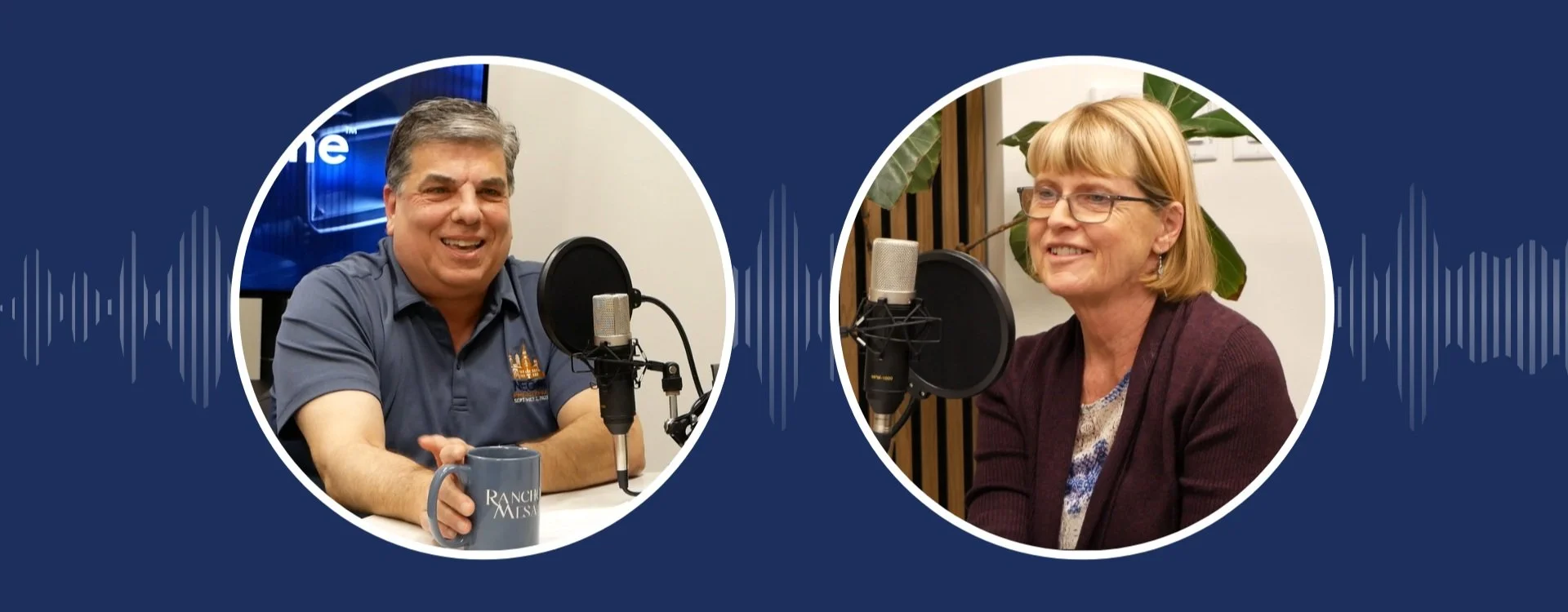
As we have shared with our clients and viewers in the past, Rancho Mesa finds a tremendous amount of value in memberships of various trade associations. Becoming involved in these associations by attending events, and participating in committees, ultimately at board level, has allowed for a deeper understanding of the construction industry that we bond. I have found value in following legislation changes that affects the industry, as well as learning about the issues and processes available for contractors to run safer jobs, be more competitive in the industry, and manage contracts and financial reporting. It has made me better at what I do as a surety agent.
Over the years, I’ve had the pleasure of developing a great relationship with Andy Berg, Executive Director of the National Electrical Contractors Association (NECA) San Diego. This past year, Rancho Mesa was honored to be the recipient of NECA’s Affiliate of the Year Award.
NECA represents the union electrical construction industry, locally and nationally, and is a strong voice for its members on matters on advocacy, education, training, and a vibrant labor force. Andy joined the staff of NECA San Diego in 2002 as the Director of Local Government Relations & Economic Development, and earned his position of Executive Director in 2007.
I had the pleasure of getting to know Andy many years ago when I was involved on the San Diego American Subcontractors Association (ASA) board. NECA was a member of ASA, and Andy joined us on the government relations committee, meeting with local public agency policy makers. I learned most of what I know about communicating with public agencies from Andy, both construction and surety related. He has been a wonderful mentor to me over the years. Collaboration with other groups in the industry is important for the greater whole, and NECA has proven that they are all about advancing their industry, in this regard.
When I speak about the value of association memberships in guiding and forming our careers in the greater construction industry, this relationship with Andy will always be at the top of my list regarding the benefits of forging meaningful connections.
Listen below for the full podcast interview with Andy where he discusses his successful history and issues facing contractors today.
Performance Bonds for Private Equity Contractors
Author, Matt Gaynor, Director of Surety, Rancho Mesa Insurance Services, Inc.
We have entertained several recent submissions from our construction division prospects looking for bonding support of their companies that are majority owned by a private equity firm. The traditional surety market will push back on private equity submissions pointing out the goodwill and large amount of debt listed on the balance sheet. Throw in the limited indemnity package offered in support of the bond program and we have created a perfect storm for the account to be declined without any actual underwriting taking place. But there is hope!
Author, Matt Gaynor, Director of Surety, Rancho Mesa Insurance Services, Inc.

We have entertained several recent submissions from our construction division prospects looking for bonding support of their companies that are majority owned by a private equity firm. The traditional surety market will push back on private equity submissions pointing out the goodwill and large amount of debt listed on the balance sheet. Throw in the limited indemnity package offered in support of the bond program and we have created a perfect storm for the account to be declined without any actual underwriting taking place. But there is hope!
Let’s first take a step back. For our standard construction bond program, we preach the retention of capital and net profit as the best way to increase your bonding facility. The bond company will also look to company and personal indemnity to ensure they are protected in the event of a bond claim. This is in deep contrast to the private equity arena where the payment of monthly interest on debt and write-off of goodwill often translates into a net loss on the income statement translating into reduced net worth. Also, no personal indemnity is afforded to support the bond program. In fact, only limited indemnity from the principal is available.
Fortunately, a number of large commercial surety carriers are willing to look beyond the net worth underwriting roadblocks and concentrate more on cash flow, available bank credit, and other working capital items to consider a bonding program.
By providing quarterly financial updates, work in progress schedules exhibiting strong gross profit margins, and generating advance discussions of potential acquisitions, the broker and client can get out ahead of potential underwriting distractions.
If you would like more information or want to discuss what is needed in support of a bond program for your private equity owned company, please contact me at (619) 937-0165 or mgaynor@ranchomesa.com.
Unlocking Working Capital in Construction: Options for Reducing or Releasing Retention
Author, Andy Roberts, Surety Account Executive, Rancho Mesa Insurance Services, Inc.
Retention is a very common practice within the construction industry that typically involves 5-10% of each payment to the subcontractor being withheld until the project has been completed. The purpose behind this is simple, it is designed to make sure that subcontractors satisfy their contractual agreements before they receive their last payment for the work they have done. While this practice serves a real purpose, it can cause significant issues for subcontractors if the payments are delayed.
Author, Andy Roberts, Surety Account Executive, Rancho Mesa Insurance Services, Inc.

Retention is a very common practice within the construction industry that typically involves 5-10% of each payment to the subcontractor being withheld until the project has been completed. The purpose behind this is simple, it is designed to make sure that subcontractors satisfy their contractual agreements before they receive their last payment for the work they have done. While this practice serves a real purpose, it can cause significant issues for subcontractors if the payments are delayed.
Regardless of the reasons why a retention payment could be delayed, whether it be overall project completion delays or if there are issues with the work performed, the delay in payment can cause significant cash flow issues. For subcontractors that do a lot of bonded work, cash flow issues will have a direct impact on their working capital which can have a negative impact on their bonding program. However, there are some strategies that subcontractors can employ to get their payments released sooner, like negotiating the terms of the retention release in the contract.
Prior to signing the contract, it is important that a subcontractor review and attempt to negotiate any unfavorable retention release terms. One option is negotiating a 10% retention down to 5% in the contract. Should that not be achievable, subcontractors can provide performance and payment bonds which might convince the project owner and/or general contractor to lower the retention amount or release the retention sooner.
Performance and payment bonds protect the project owner and the general contractor in case the subcontractor fails to fulfill their contractual obligations, which is the main reason that retention is being withheld. Therefore, the presence of bonds on the project may allow a subcontractor to negotiate terms that are more favorable to them, potentially lowering the percentage withheld from each payment, or even getting it released at earlier points within the project.
While retention remains a standard practice within the construction industry, it can cause significant issues for a subcontractor should those payments be delayed. So, negotiating these terms in all contracts is vital while also using the ability to provide bonds on the project as a solution to getting more favorable terms.
Should you have any questions about this or you are having issues with retention being withheld, reach out to me at aroberts@ranchomesa.com or 619-937-0166.
Anne Wright Explores Philadelphia Surety with Mike Hall
Rancho Mesa’s Surety Relationship Executive Anne Wright sat down with Mike Hall, Vice President of Surety for Philadelphia Insurance Company to explore what makes Philadelphia Surety unique and the programs they offer businesses placed with them.

Rancho Mesa’s Surety Relationship Executive Anne Wright sat down with Mike Hall, Vice President of Surety for Philadelphia Insurance Company to explore what makes Philadelphia Surety unique and the programs they offer businesses placed with them.
Transcript
Anne Wright: Welcome. This is Anna Wright, Surety Account Executive here with Rancho Mesa Insurance and we’re going to talk a little bit about how we place business with our surety companies. We have a lot of options. Our clients rely on us to obviously be the professionals they expect handling their business, but also making sure we get the right surety relationship that's going to serve them best with all the terms, conditions and long term relationship.
So I have Mike Hall here with me today. Mike, you want to do a quick introduction?
Mike Hall: Sure. Hi, my name is Mike Hall with Philadelphia Insurance, Vice president and I run the Western region, which includes the northwest, Northern California, Southern California and Hawaii. I’ve been doing surety for 29 years, and Anne and I have known each other for, I would say, probably 27 years of that. So we've been doing business a long time and I'm happy to be here.
AW: Well, thank you for being here. We appreciate it. So when we are looking at placing a piece of business with a surety, you know, we're looking at the type of contractor developer, the type of work they do, the job sizes they need, who they do work for, and then the various underwriting information that they have that's available. So again, we have lots of choices in lots of markets, but we found Philadelphia to be a very strong market for some of our best clients, for many years. I think Philly's been around for 11 years.
MH: Philly Surety has been around for just over 12 and a half years. And then Philadelphia Insurance itself has been around for 60 plus years.
AW: Okay. So they brought in some great talent with Mike and some of his peers to run the surety division. It's been very successful. So we found it a very good market for a lot of our accounts. With regard to Philly, what we find sets you apart from some other sureties, again, the relationships. It's very important that we have the personal relationships with the underwriter. So when you say we've been working together and known each other for 27 years, that matters, obviously. What do you think sets Philly apart from some of your competitors?
MH: I would say one thing that sets us apart is we're A++ 15 ranked by AM Best. That's the highest ranking you can get. There are other sureties, but there's only a handful of them that get that ranking. I think we provide good service and a consistent underwriting approach. So the broker in the account knows exactly what to expect as we're going through the underwriting process.
AW: Yeah, it's an excellent point. Something we have to take into consideration with a lot of public agencies and general contractors, the AM Best rating is an important tool that they use to determine what's acceptable as a surety company. So there's a lot of A- surety companies out there right now, which is still an A, and it's still you know, it's not a big negative. But to be able to say you've got that A++ 15 rating is definitely huge for you all.
MH: It definitely comes into play on the commercial side of the house when they're looking at large appeal bonds or bonds of that nature.
AW: Gotcha. Okay. Yeah, well, you know, some of the smaller to midsize accounts, though, you know you write those, too. So I would typically think that the very large general contractors or developers are going to need that A++ 15 rating. But it's nice to know that Philly is available for some of other accounts that we've been able to place with you along the way. So it's not just meant for mega companies.
MH: Exactly.
AW: And you also have a small contract program. You are one of the early entrants, I think, into the, what we call, the Express program.
MH: Yes, we have on the contract side, we have it's called just Contract Express, and it's for programs of job sizes, $500,000 single up to $1,000,000 aggregate programs. We can go a little bit larger in that area, but that's just kind of typically where they, where they operate. And then on the commercial side, we have Commercial Express, which handles those small statutory bonds.
The agent or even the account itself can go online and purchase a bond there, prints it out, prints out the bond form for you and you ready to go.
AW: Very efficient.
MH: Yeah, it's very efficient. And then standard contract, we go up to programs of $300 million. There's other competitors of ours out there that do substantially more than that but-
AW: It fits your needs.
MH: Yep.
AW: So, very good. We look at claims handling as being an important part of the surety relationship as well. We, obviously we all underwrite to avoid claims. We underwrite to a zero loss ratio, but claims happen. So do you have anything you can share about your claims people and how well they work to resolve issues?
MH: Yeah, our claims department is great and in addition to just the normal claims handler, we have one local here in Southern California, but we also have an engineer on staff. So if you had a situation where there's maybe a big bid spread and our account was confident in their number, we could have the engineer talk with the account, go through the project, walk through it, get a better understanding, and then they'll just provide that additional feedback to the underwriting team.
And then we make the final decision on whether we write the final bond or not. We also have accountants on staff, so if the account is in difficult situation, we can send the accountant in and go through the books and records, get a better assessment of kind of what's going on. You know, that makes sense to finance the account through the project, or is it better to take, you know, some other approach to resolving the claims situation.
AW: Sure. So value added services that exactly through the project.
MH: Exactly, and we also offer up early on in the underwriting process, we have the ability to take collateral. We can also use funds control to maybe get over some hurdles in the underwriting process.
AW: All right. So again, all the tools, that's wonderful. Well, I know there was a recent newsletter that came out from Philly and they talked about selecting the right relationship and they mentioned reputation, size and service. And again, that's what our clients look for in us, and that's what we look for in our sureties, and Philly certainly fits the bill when it comes to reputation and size of the company and service to us as the agents and then our clients to get them on their way and grow the relationship and grow their business. And again, the value that you bring has been a great experience in my career with you. So, thank you for that.
MH: Likewise.
AW: So as a broker, we're going to find any way, any reasonable way, to get the bond done. If we can do it with Philly, we're going to do it with Philly. Mike is one of our go-to’s and we appreciate you being here today in StudioOne™.
MH: Thank you for having me.
AW: You're welcome. If anyone has any questions, you can contact me awright@ranchomesa.com.
Thank you.
MH: Thank you.
Need a License, Permit, or Court Bond? Rancho Mesa Can Help
Author, Matt Gaynor, Director of Surety, Rancho Mesa Insurance Services, Inc.
During our recent budget discussions for the 2024 fiscal year, the Rancho Mesa Surety Department looked at a breakdown of the bonds we wrote in 2023. As expected, 90% of our bond revenue was represented by the typical performance and payment bonds, subdivision bonds, bid bonds, bond riders, and consents of surety for our construction clients.
Author, Matt Gaynor, Director of Surety, Rancho Mesa Insurance Services, Inc.

During our recent budget discussions for the 2024 fiscal year, the Rancho Mesa Surety Department looked at a breakdown of the bonds we wrote in 2023. As expected, 90% of our bond revenue was represented by the typical performance and payment bonds, subdivision bonds, bid bonds, bond riders, and consents of surety for our construction clients.
One area that surprised us was the volume of bonds classified as “non-contract” that we provide for both our construction and human resource clients. While these type of bonds are small in size (bond amounts are usually $25,000 or below) they make up a large volume of bonds since many of our accounts require at least one or two of these. Below I have identified four categories of non-contract bonds and several examples:
Court and Fiduciary: Plaintiff bonds include attachment, replevin, mechanic’s lien, and garnishment. While defendant bonds include appeal, supersedes, release of lien, and temporary restraining order bonds. We also placed various probate bonds to cover executors, administrators, guardians, and conservators.
License and Permit: Businesses and professionals may need mortgage brokers bonds, CA contractor license bonds, sales and use tax bonds, alcohol bonds, and compliance bonds.
Federal Official and U.S. Government: There are several types of bonds including public official bonds, U.S. customs bonds, and notary public bonds for those doing business with or for government entities.
Miscellaneous: Additional miscellaneous bonds could include financial guarantee bonds, utility deposit bonds, insurance program bonds, and lost securities bonds.
With over 1,000 types of bonds classified as “non-contract,” it can be overwhelming to determine which category of bond might fit a certain circumstance. That is where a Rancho Mesa bond agent brings value to provide direction and assist in placing the correct form of coverage.
If you would like more information on various miscellaneous bonds that you might encounter, please contact me at 619-937-0165 or mgaynor@ranchomesa.com.
Strategies for General Contractors to Minimize Liability
Author, Lauren Stumpf, Marketing & Media Communications Specialist, Rancho Mesa Insurance Services, Inc.
In Episode 355 of Rancho Mesa’s StudioOne™ podcast, host Andy Roberts, an Account Executive in the Surety Group at Rancho Mesa, is joined by Ted Lee, a Contract Bond Underwriter at Liberty Mutual Surety, to discuss strategies for general contractors to limit their liability when working with subcontractors. Ted shares his background and experience in the surety industry before delving into the main topic.
Author, Lauren Stumpf, Marketing & Media Communications Specialist, Rancho Mesa Insurance Services, Inc.

In Episode 355 of Rancho Mesa’s StudioOne™ podcast, host Andy Roberts, an Account Executive in the Surety Group at Rancho Mesa, is joined by Ted Lee, a Contract Bond Underwriter at Liberty Mutual Surety, to discuss strategies for general contractors to limit their liability when working with subcontractors. Ted shares his background and experience in the surety industry before delving into the main topic.
They explore two key strategies that general contractors can use to mitigate liability:
Subcontractor Prequalification: Ted emphasizes the importance of how general contractors select their subcontractors. If they choose based solely on the lowest bid, there may be risks associated with subpar quality. To mitigate this risk, it's suggested that general contractors require a prequalification letter from the subcontractor's surety. This helps ensure that the subcontractor is bondable, providing added assurance to the general contractor.
Performance and Payment Bonds: Requiring performance and payment bonds from subcontractors offers immediate protection to general contractors. Performance bonds protect against subcontractor default, while payment bonds guard against potential liens from lower-tier subcontractors and suppliers. These bonds could also enhance a general contractor's bonding program, potentially allowing for higher bonding limits and more favorable terms.
The conversation highlights the role of the general contractor's surety in evaluating the prequalification process and bond requirements. Ted explains that this evaluation helps the surety understand and support the general contractor's risk mitigation efforts.
They also mention that some general contractors may have automatic bond requirements for certain project sizes, but for those who don't, bond companies may step in and require subcontractor bonds when needed.
In conclusion, the podcast episode provides valuable insights for general contractors looking to limit their liability and manage risk by implementing subcontractor prequalification processes and requiring performance and payment bonds. Andy and Lee also recommend seeking assistance from insurance agents with expertise in surety bonding to navigate these processes effectively.
Listen to Episode 355 below, or on your favorite podcast listening app.
Are Bonded Projects Really Better Performers than Non-Bonded Projects?
Author, Anne Wright, Surety Relationship Executive, Rancho Mesa Insurance Services, Inc.
The goal of the surety, in any relationship, is to ensure that the bonded job is completed successfully, is profitable for their client, and is without claims.
Author, Anne Wright, Surety Relationship Executive, Rancho Mesa Insurance Services, Inc.
The goal of the surety, in any relationship, is to ensure that the bonded job is completed successfully, is profitable for their client, and is without claims.
In their attempt to understand the risk versus reward of a given bonded project, the surety can add some value by reviewing certain aspects of a particular request.
To that end, the surety considers each request for a bond on its own merits. If the bond is for a routine project (based on the contractor’s history and track record), then it will likely be a pretty routine process for issuing the bond based on the contractor’s past performance, history, etc. However, something out of the wheelhouse for a given contractor might find the surety contemplating certain details about the request. They may ask more about the type of project and past experience on similar jobs and resources needed. The surety may want to know if this project has an adequate schedule, the profit and related costs of the job, information about the owner requesting the bond, bond forms, and the contract. In reviewing the contract, the surety is not just looking at the general form of the contract, but also various provisions like payment and retention terms, liquidated damages, schedules, etc. And, you might find your surety agent asks what you like about the job or what challenges you see in the job if it is outside of your normal scope and size. Every now and then, a client comments that they appreciate these discussions – and the extra set of eyes to make sure key factors in the job, bid, or contract were not missed.
Many sureties can also provide some input relating to contract review, especially if a client is working for a new project owner, or a general contractor who has a reputation for being tough.
And, if your work is for a private owner, the surety will typically want to confirm that there are construction funds earmarked to make sure the contractor gets paid. That information should be available in generalities in the preliminary notice information, but having the surety asking to confirm specifically that their contractor’s money is available to pay for their line items (and any contingency) can be a real benefit.
Also, keep in mind that the contractor (the business owner) typically has their personal indemnity on the line if things go wrong and the surety has to respond to a claim – one might presume that the contractor is paying extra attention to a bonded job where there is more on the line.
So, at the end of the day, the services provided by underwriting the bond request can add that extra value in making sure there is no loss. The extra attention may also result in a more successful project. And, the job should be a good performer.
Don’t just take my word for it. Overall, the industry agrees that unbonded projects have a higher likelihood to default, or have more significant problems. The case can certainly be made that with the partnership and value of the surety team supporting a contractor in their efforts to have a successful job, more attention is paid to those critical components to ensure that this is the case.
An article by Vicki Speed, “A Study in Surety Effectiveness, Reassessing Exposures,” published in the July 10/17, 2023 issue of ENR Magazine confirmed the value of surety bonding. According to a survey of owners and developers cited in the article, “bonded projects are more likely to be completed on time or ahead of schedule.”
Remember, the surety is not here to tell you how to run your business or your projects. Only to support your success. It should be seen as a valued partnership that is beneficial to the owners who require the bonds.
For more information about bonding jobs, contact me at (619)486-6570 or awright@ranchomesa.com.
Unraveling Residential Exclusions: Navigating General Liability in Construction
Author, Lauren Stumpf, Marketing & Media Communications Specialist, Rancho Mesa Insurance Services, Inc.
In Episode 339 of Rancho Mesa’s StudioOne™ podcast, Vice President of the Construction Group Sam Clayton interviews Executive Vice President Daniel Frazee as they discuss the importance of Residential Exclusions in General Liability (GL) Policies for companies in the construction industry.
Author, Lauren Stumpf, Marketing & Media Communications Specialist, Rancho Mesa Insurance Services, Inc.

In Episode 339 of Rancho Mesa’s StudioOne™ podcast, Vice President of the Construction Group Sam Clayton interviews Executive Vice President Daniel Frazee as they discuss the importance of Residential Exclusions in General Liability (GL) Policies for companies in the construction industry.
Sam and Daniel highlight how these exclusions impact coverage for various types of residential work within the construction industry, such as single-family homes, apartments, and more. Daniel emphasizes the need for construction firms to be specific about the type and location of their residential work, as different carriers have varying interpretations of residential exclusions. He also touches on Wrap/OCIP policies, which can provide broader coverage for subcontractors working on residential projects.
The episode highlights the significance of understanding existing residential exclusions for Rancho Mesa construction clients and suggests considering a policy audit to ensure proper coverage.
Overall, the podcast provides valuable insights into navigating residential exclusions and their implications for construction businesses, urging listeners to proactively manage their insurance coverage.
Episode 339 can be listened to below, or on your favorite listening platform. If you would like more information, please contact Daniel Frazee at dfrazee@ranchomesa.com, or Sam Clayton at sclayton@ranchomesa.com.
Risk Tamed and Rewards Claimed: Requiring Subcontractor Bonds
Author, Matt Gaynor, Director of Surety, Rancho Mesa Insurance Services, Inc.
We often receive questions from our contractor clients regarding if/when they should require a subcontractor to provide the protection of a performance & payment bond for a project. Although the premium charged for the bond will add cost to the project – on many occasions the benefit of the bond will far outweigh the cost.
Author, Matt Gaynor, Director of Surety, Rancho Mesa Insurance Services, Inc.

We often receive questions from our contractor clients regarding if/when they should require a subcontractor to provide the protection of a performance & payment bond for a project. Although the premium charged for the bond will add cost to the project – on many occasions the benefit of the bond will far outweigh the cost. Here are several benefits that might assist in your decision:
The subcontractor would have gone through a prequalification process of the surety. The surety will evaluate the subcontractor’s financial strength, experience, and ability to perform the work. This can be extremely valuable if you have never worked with this subcontractor on past projects.
Provides protection that the subcontractor will pay their suppliers and lower tier subcontractors. The payment bond transfers the risk of these payments to the subcontractor’s surety.
If the subcontractor has a critical role in the overall completion of the project or a special expertise - the bond can protect against additional costs or delays due to a default.
Your bond company may require you to obtain subcontractor bonds when a trade exceeds a certain parameter (for example: $500,000) as a condition of the program they provide.
We recently supported a contractor client on a project that was two times larger than any project they had completed in the past. The decision to bond back the three largest subcontractors made the bond company comfortable enough with this transfer of risk to support the project.
We have other clients that have suffered subcontractor losses in the past and now require subcontractor bonds on all their projects.
If you would like more information on the bonding of subcontractors, please contact me at 619-937-0165 or mgaynor@ranchomesa.com.
Taking the Mystery out of Bonding for Public Works Projects
Author, Andy Roberts, Account Executive, Rancho Mesa Insurance Services, Inc.
Obtaining bonding for public works projects can be a complex process but understanding what bonds are, why they are required, and what information the bond company needs can take a lot of the mystery out of the process and make it seem a lot less daunting.
Author, Andy Roberts, Account Executive, Rancho Mesa Insurance Services, Inc.

Obtaining bonding for public works projects can be a complex process but understanding what bonds are, why they are required, and what information the bond company needs can take a lot of the mystery out of the process and make it seem a lot less daunting.
Bonds are a financial instrument which provide a guarantee, provided by the bond company, to the project owner (Obligee) that the contractor (Principal) will fulfill their obligations per the terms and conditions of the contract that has been awarded to them. We most often see bonds on public works projects as they are required by law but we also see general contractors and lenders require bonds in some instances. Specifically looking at public works projects, there are laws in place requiring bonds on these projects because they are funded by tax payer dollars, making it important to mitigate the financial risks associated with these projects and protect those funds. With this basic understanding of what bonds are and why they are required, how then do contractors go about getting bonded?
Depending on the size of the project that requires a contractor to get a bond, there are a few different options. Many surety companies offer bond programs solely based on the credit of the owners, and so long as personal credit is good, the surety will offer support. The limit for these types of programs are typically maxed out at $750,000 per project and aggregate depending on the bond company. In order to go above these limits, more financial information must be obtained: contractor questionnaire, three years of company financials (balance sheet & income statements), personal financial statements from all owners, and bank statements verifying the cash amounts listed on company and personal financial statements. After reviewing all of the provided information, the bond company and surety broker can determine the contractor’s eligibility for the appropriate size bond program.
Having the ability to secure bonds can provide additional revenue sources to help a contractor grow their business. This makes it important for contractors to seek out an experienced bond agent that can not only guide them through the process but also educate them so that the process is not overwhelming.
If you have any questions or would like to start putting your own bonding program in place, I can be reached at aroberts@ranchomesa.com or 619-937-0166.