

Industry News

Case Study: First-Time Bonding for Landscape Professional
Author, Matt Gaynor, Director of Surety, Rancho Mesa Insurance Services, Inc.
I recently had the opportunity to work with a new client who is a landscape professional. He wanted to bid on a maintenance project for a local municipality and wasn’t sure if he would qualify for the required performance bond.
Author, Matt Gaynor, Director of Surety, Rancho Mesa Insurance Services, Inc.

I recently had the opportunity to work with a new client who is a landscape professional. He wanted to bid on a maintenance project for a local municipality and wasn’t sure if he would qualify for the required performance bond.
After a brief discussion of how bonding differs from insurance, we decided to collect some basic information to determine if he would “pre-qualify” for the bond before putting together a full submission. The bond company ran the personal credit of the owner and determined that they would support single bonded projects up to $500,000.
After a careful review of the project specifications, the client decided not to bid on the project. We mutually decided he should provide additional information to the bond company in the event he wanted to bid on a larger project that was going to be released in the following month. The information requested by the bond company included:
a.) Completed contractor questionnaire
b.) Two year-end financial statements or tax returns for the company
c.) A personal financial statement for the owner(s)
Based on the additional information provided, we were able to negotiate a $1,000,000 single project / $3,000,000 aggregate bonding program for this particular landscape professional. The client executed the bond company general indemnity agreement and was off and running to bid the larger projects.
Make sure you work with a professional surety agent who can help assist with the bonding process if you are considering bidding on public works projects. It can save you a lot of time and effort.
Contact Rancho Mesa at (619) 937-0165 if you have any bonding questions.
The Number 1 Reason a CPA Reviewed Financial Statement Can Benefit a Contractor
Author, Matt Gaynor, Director of Surety Bonding, Rancho Mesa Insurance Services, Inc.
One of the key documents required when we are assembling the Bonding Programs for our construction clients is a fiscal year-end financial statement prepared by an outside Certified Public Accountant (CPA). Although we monitor internal financial information from our contractors throughout the year, at the fiscal year-end (usually 12/31), the bond company will require that the statement come from a third party CPA. That way, they have some certainty that the information has been prepared by an independent financial source that has a background in working on contractor financial statements.
Author, Matt Gaynor, Director of Surety Bonding, Rancho Mesa Insurance Services, Inc.

One of the key documents required when we are assembling the Bonding Programs for our construction clients is a fiscal year-end financial statement prepared by an outside Certified Public Accountant (CPA). Although we monitor internal financial information from our contractors throughout the year, at the fiscal year-end (usually 12/31), the bond company will require that the statement come from a third party CPA. That way, they have some certainty that the information has been prepared by an independent financial source that has a background in working on contractor financial statements.
When working with a new client or raising the aggregate program for an existing client, we often discuss recommendations about what type of financial presentation (i.e., compilation or review) they should request from their CPA. From a cost basis, the compilation may save the contractor a few thousand dollars. Here is a description of each financial presentation:
- Compilation - the CPA takes financial data provided by the contractor and puts them in a financial statement format that complies with generally accepted accounting principles. There are no testing or analytical procedures performed during a compilation.
- Review - inquiries and analytical procedures present a reasonable basis for expressing limited assurance that no material modifications to the financial statements are necessary and they are in conformity with generally accepted accounting principles.
As a bond agent, I have noticed the historical decision point for when bonding companies ask for a contractor to upgrade to a review is when the single job size they are bidding exceeds $500,000. Of course, we have many exceptions to this rule:
a. If the contractor rarely requires bonding and will only need an occasional $600,000 - $700,000 bond, a compilation is more than acceptable.
b. If the contractor has strong internal financial statements and only requires a bond less than $1,000,000 every few years.
c. If the contractor has a very strong cash position and a solid personal financial statement several sureties will require copies of tax returns but may waive the requirement for a CPA issued statement.
On the flip side, on several occasions we have used the future requirement that they upgrade to a CPA review at their fiscal year-end to provide approval for a bond they need now. Under that scenario, both the bond company and the contractor have an understanding in place that the request for an upgraded financial statement will allow a positive approval to increase the bonding capacity in advance of the fiscal year end.
Keep in mind, it would be also be prudent to check with your bank to determine what level of financial statement they may require.
In closing, for contractors looking to grow their business, it is best to provide a CPA review (and pay the extra money) then to risk not getting approved for that larger project or increased program. It can also help to have a review as the owner starts to get a little further away from the numbers and they can get some level of comfort with a review as to the strength of their accounting system.
Talk to your bond agent and CPA now, to ensure all three parties are on the same page.
For more information about surety bonding, contact Rancho Mesa Insurance Services, Inc. at (619) 937-0164
Small Performance Bonds No Longer Require CPA Financial Statements
Author, Matt Gaynor, Director of Surety, Rancho Mesa Insurance Services, Inc.
In the past, many Surety Bond carriers required financial statements from a Certified Public Account (CPA), bank lines of credit, tax returns, etc. for contractor bond programs, whether the client required one bond a year or a large bond program. This is no longer the case.
Author, Matt Gaynor, Director of Surety, Rancho Mesa Insurance Services, Inc.

In the past, many Surety Bond carriers required financial statements from a Certified Public Account (CPA), bank lines of credit, tax returns, etc. for contractor bond programs, whether the client required one bond a year or a large bond program. This is no longer the case.
Several “A” rated carriers now provide “personal credit based scoring” to approve single bonds of $350,000 up to $500,000. There is no need for company financial statements. Instead, the contractor completes a “fast track” application, which requests personal financial information about the owner(s). The bond company will run the personal credit of the owner(s). If the owner(s) personal credit is decent, the bond will be approved. A response is provided within 48 hours of submission.
The program responds to requests for bid bonds, performance and payment bonds, and letters of bondability. Several carriers provide a “pre-qualification” feature so you can determine if you will qualify for the bond before you bid or negotiate a project that will require a bond. This pre-qualification feature is helpful for owners that are aware they have low credit scores.
So, if you are considering a project that requires a bond and you are not a big fan of collecting a lot of paperwork for one project – don’t fret. We may have a solution to help you win that job!
Contact Rancho Mesa Insurance Services, Inc. at (619) 937-0164.
Increase Bonding Capacity Through Jobsite Pictures
Author, Matt Gaynor, Director of Surety Bonding, Rancho Mesa Insurance Services, Inc.
A picture may be worth a thousand words, but it can also be worth hundreds of thousands of dollars when it comes to bonding a new construction project. Let me explain the bonding process and how a few pictures can free up a contractor's bonding capacity.
Author, Matt Gaynor, Director of Surety Bonding, Rancho Mesa Insurance Services, Inc.
A picture may be worth a thousand words, but it can also be worth hundreds of thousands of dollars when it comes to bonding a new construction project. Let me explain the bonding process and how a few pictures can free up a contractor's bonding capacity.
For Construction Bonding Programs, we typically provide a Single Project Limit and an Aggregate Surety Program to guide our clients with pre-approved parameters they can use to bid on projects that require bonding. Although many factors come into play when providing a single project limit, the general rule is 1½ times the largest project completed to date.
The Aggregate Program is made up of the “Cost to Complete” for all bonded and non-bonded projects the contractor has open. To compute the cost to complete, take the estimated cost of the project less the cost to date listed on the work in progress schedule.
One way the agent and bond company can check on the progress of a particular project is by sending a status form to the owner or general contractor. The status form is used to determine how much work has been completed to date. It also includes a comment section to report any problems on the project.
Proving a project is progressing is highly important for a contractor, since it can free up their bonding capacity and allow them to get bonding on additional projects. But, what happens when the owner of a project doesn't return the status form in a timely manner and the contractor needs to free up bonding capacity in order to get bonding on another project?
Case Study
Recently, Rancho Mesa was looking for a way to fit a new bonded project into a contractor’s aggregate program, which was almost at capacity.
In an effort to speed up the process of releasing bonding capacity, the contractor provided pictures (from various angles) of one of his current bonded projects. The pictures showed that several sections of the project were complete. This allowed Rancho Mesa to confirm with the bond underwriter that over 60% of the project was complete. Thus, the underwriter was able to release over $750,000 of capacity to be used on the new project that required bonding.
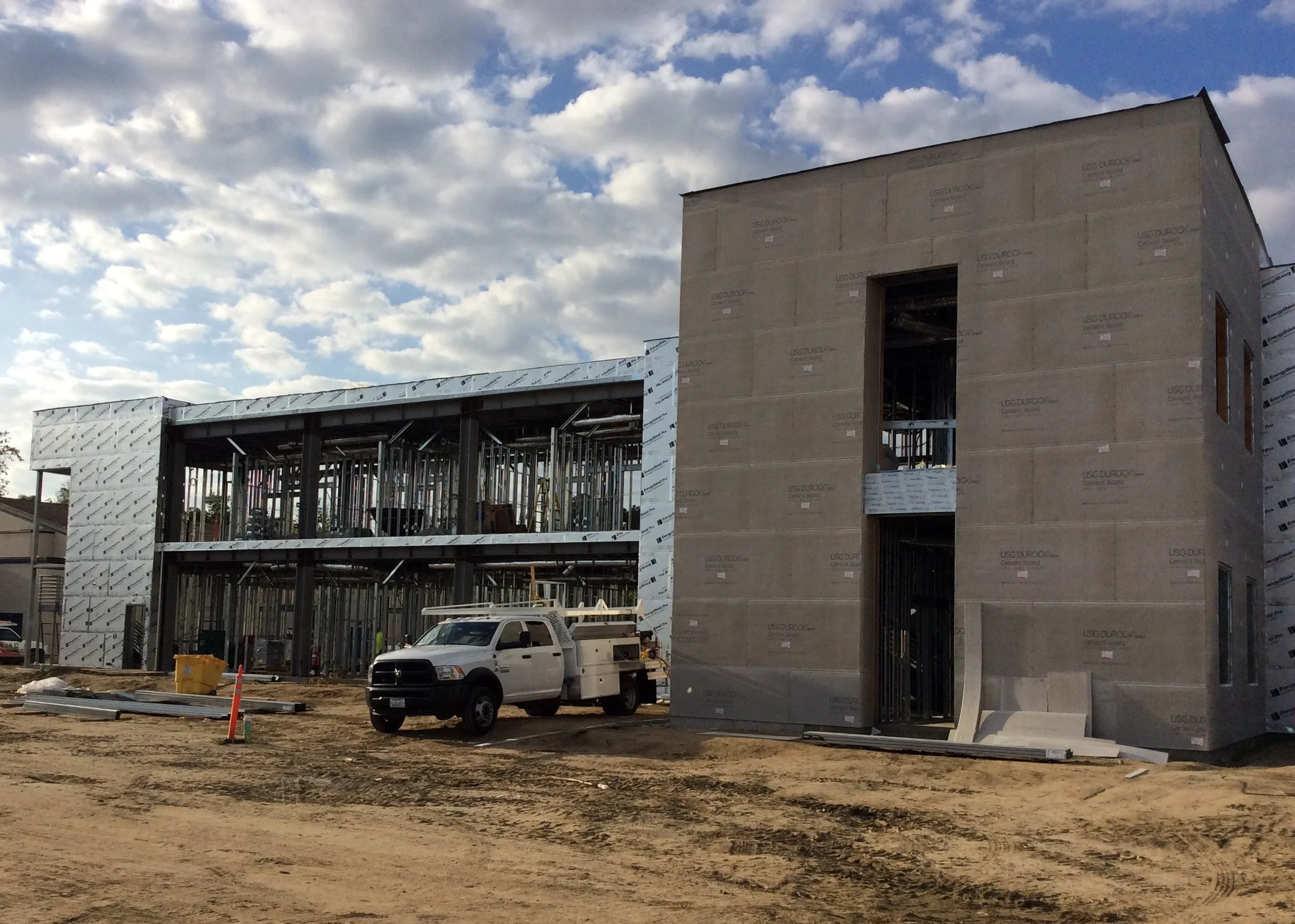
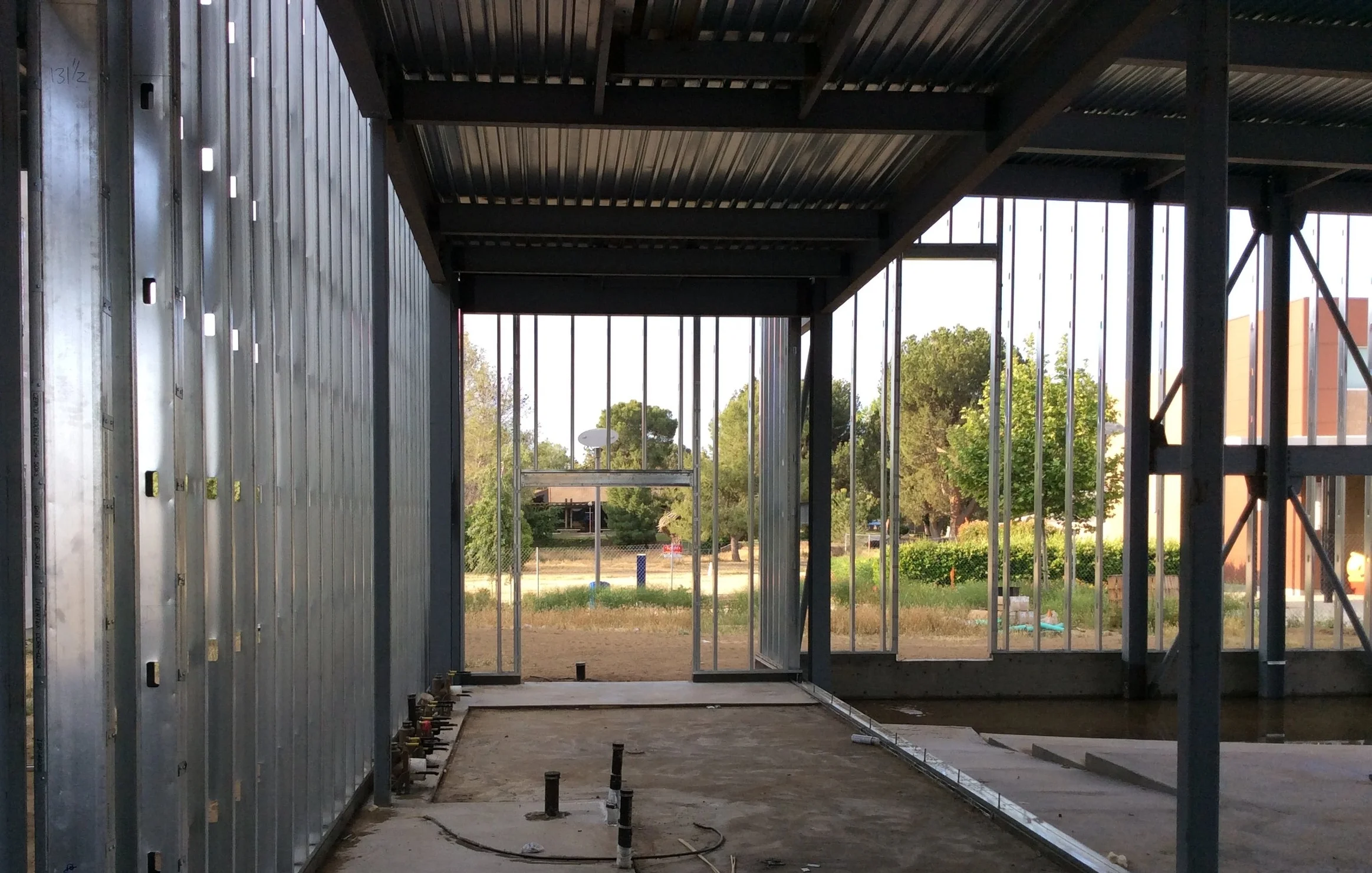
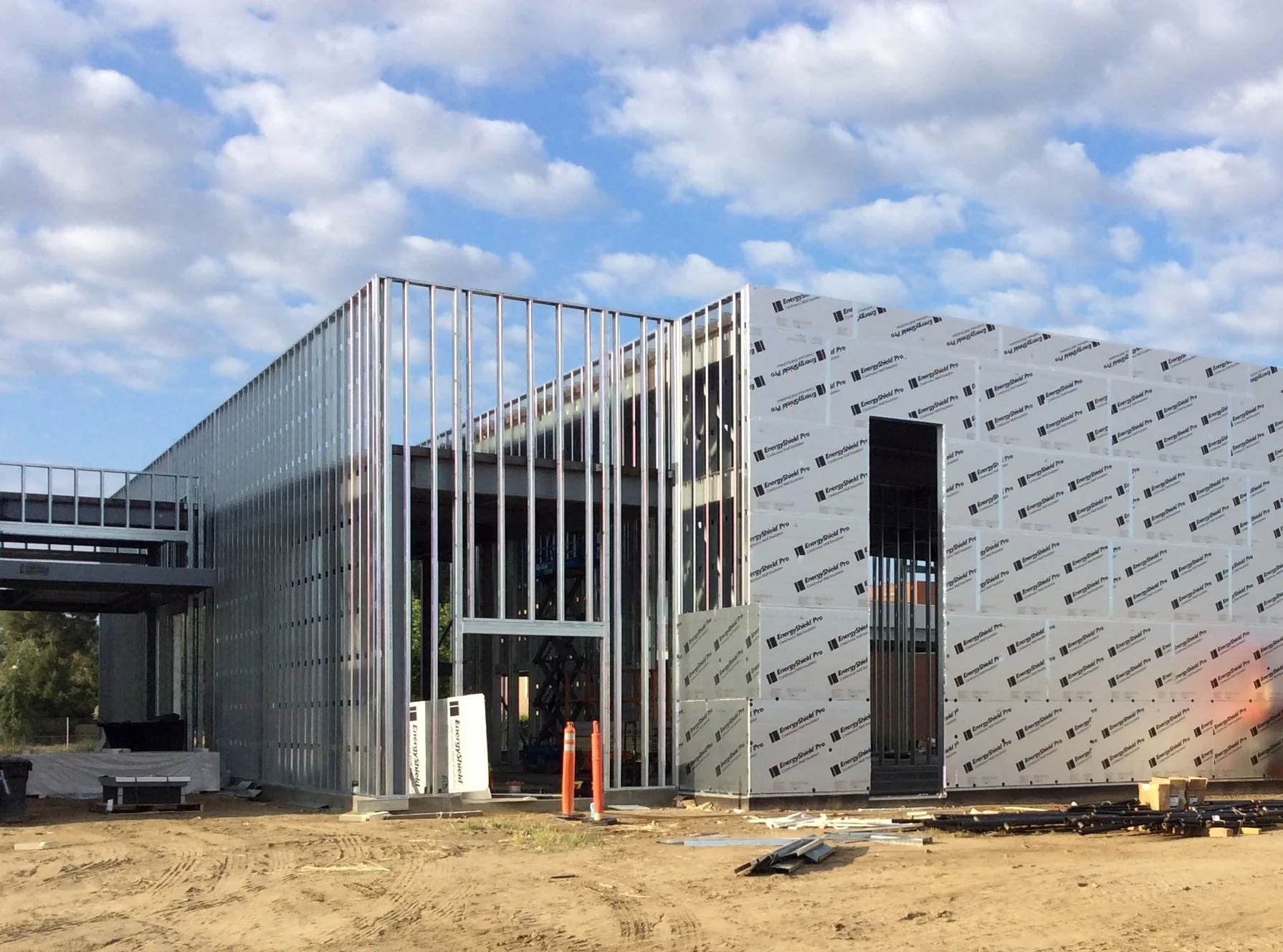
While the preferred method to release bonding is to get a signed status report from the owner; sometimes, a few pictures from the jobsite can help quicken the process, while we wait for the signed document.
For questions about Surety, contact Rancho Mesa Insurance Services, Inc. at 619) 937-0164.