

Industry News

Small Performance Bonds No Longer Require CPA Financial Statements
Author, Matt Gaynor, Director of Surety, Rancho Mesa Insurance Services, Inc.
In the past, many Surety Bond carriers required financial statements from a Certified Public Account (CPA), bank lines of credit, tax returns, etc. for contractor bond programs, whether the client required one bond a year or a large bond program. This is no longer the case.
Author, Matt Gaynor, Director of Surety, Rancho Mesa Insurance Services, Inc.

In the past, many Surety Bond carriers required financial statements from a Certified Public Account (CPA), bank lines of credit, tax returns, etc. for contractor bond programs, whether the client required one bond a year or a large bond program. This is no longer the case.
Several “A” rated carriers now provide “personal credit based scoring” to approve single bonds of $350,000 up to $500,000. There is no need for company financial statements. Instead, the contractor completes a “fast track” application, which requests personal financial information about the owner(s). The bond company will run the personal credit of the owner(s). If the owner(s) personal credit is decent, the bond will be approved. A response is provided within 48 hours of submission.
The program responds to requests for bid bonds, performance and payment bonds, and letters of bondability. Several carriers provide a “pre-qualification” feature so you can determine if you will qualify for the bond before you bid or negotiate a project that will require a bond. This pre-qualification feature is helpful for owners that are aware they have low credit scores.
So, if you are considering a project that requires a bond and you are not a big fan of collecting a lot of paperwork for one project – don’t fret. We may have a solution to help you win that job!
Contact Rancho Mesa Insurance Services, Inc. at (619) 937-0164.
Increase Bonding Capacity Through Jobsite Pictures
Author, Matt Gaynor, Director of Surety Bonding, Rancho Mesa Insurance Services, Inc.
A picture may be worth a thousand words, but it can also be worth hundreds of thousands of dollars when it comes to bonding a new construction project. Let me explain the bonding process and how a few pictures can free up a contractor's bonding capacity.
Author, Matt Gaynor, Director of Surety Bonding, Rancho Mesa Insurance Services, Inc.
A picture may be worth a thousand words, but it can also be worth hundreds of thousands of dollars when it comes to bonding a new construction project. Let me explain the bonding process and how a few pictures can free up a contractor's bonding capacity.
For Construction Bonding Programs, we typically provide a Single Project Limit and an Aggregate Surety Program to guide our clients with pre-approved parameters they can use to bid on projects that require bonding. Although many factors come into play when providing a single project limit, the general rule is 1½ times the largest project completed to date.
The Aggregate Program is made up of the “Cost to Complete” for all bonded and non-bonded projects the contractor has open. To compute the cost to complete, take the estimated cost of the project less the cost to date listed on the work in progress schedule.
One way the agent and bond company can check on the progress of a particular project is by sending a status form to the owner or general contractor. The status form is used to determine how much work has been completed to date. It also includes a comment section to report any problems on the project.
Proving a project is progressing is highly important for a contractor, since it can free up their bonding capacity and allow them to get bonding on additional projects. But, what happens when the owner of a project doesn't return the status form in a timely manner and the contractor needs to free up bonding capacity in order to get bonding on another project?
Case Study
Recently, Rancho Mesa was looking for a way to fit a new bonded project into a contractor’s aggregate program, which was almost at capacity.
In an effort to speed up the process of releasing bonding capacity, the contractor provided pictures (from various angles) of one of his current bonded projects. The pictures showed that several sections of the project were complete. This allowed Rancho Mesa to confirm with the bond underwriter that over 60% of the project was complete. Thus, the underwriter was able to release over $750,000 of capacity to be used on the new project that required bonding.
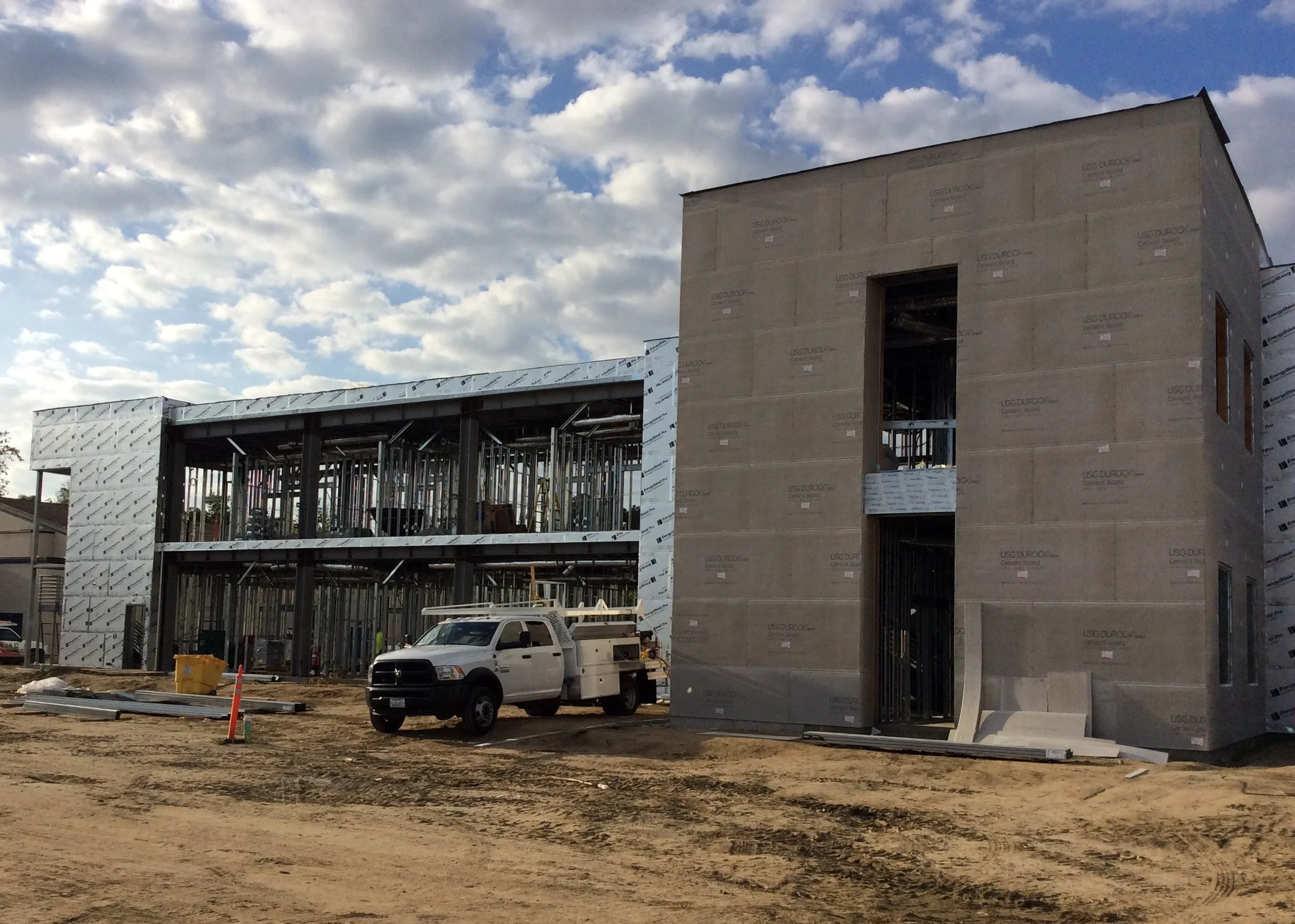
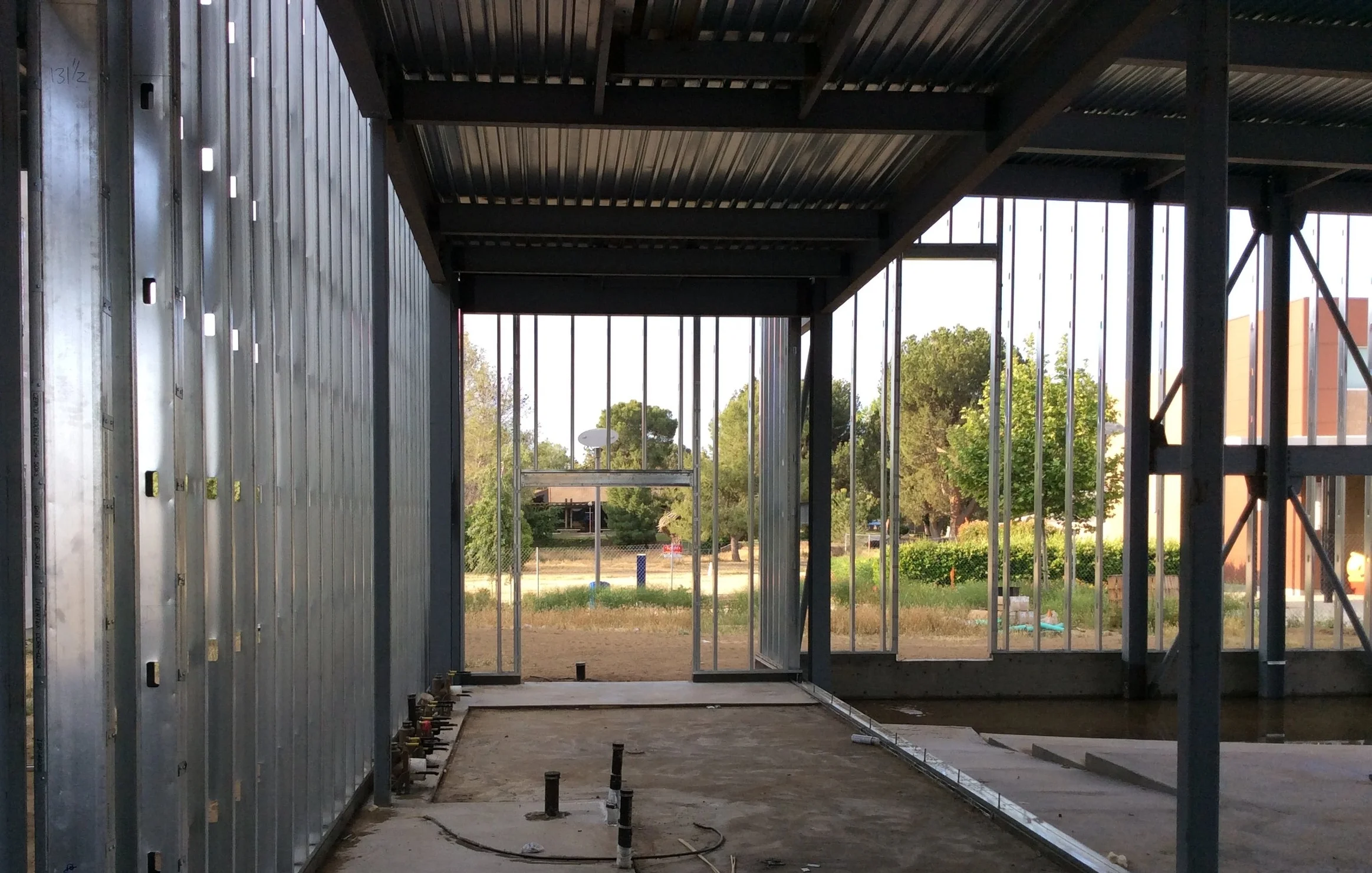
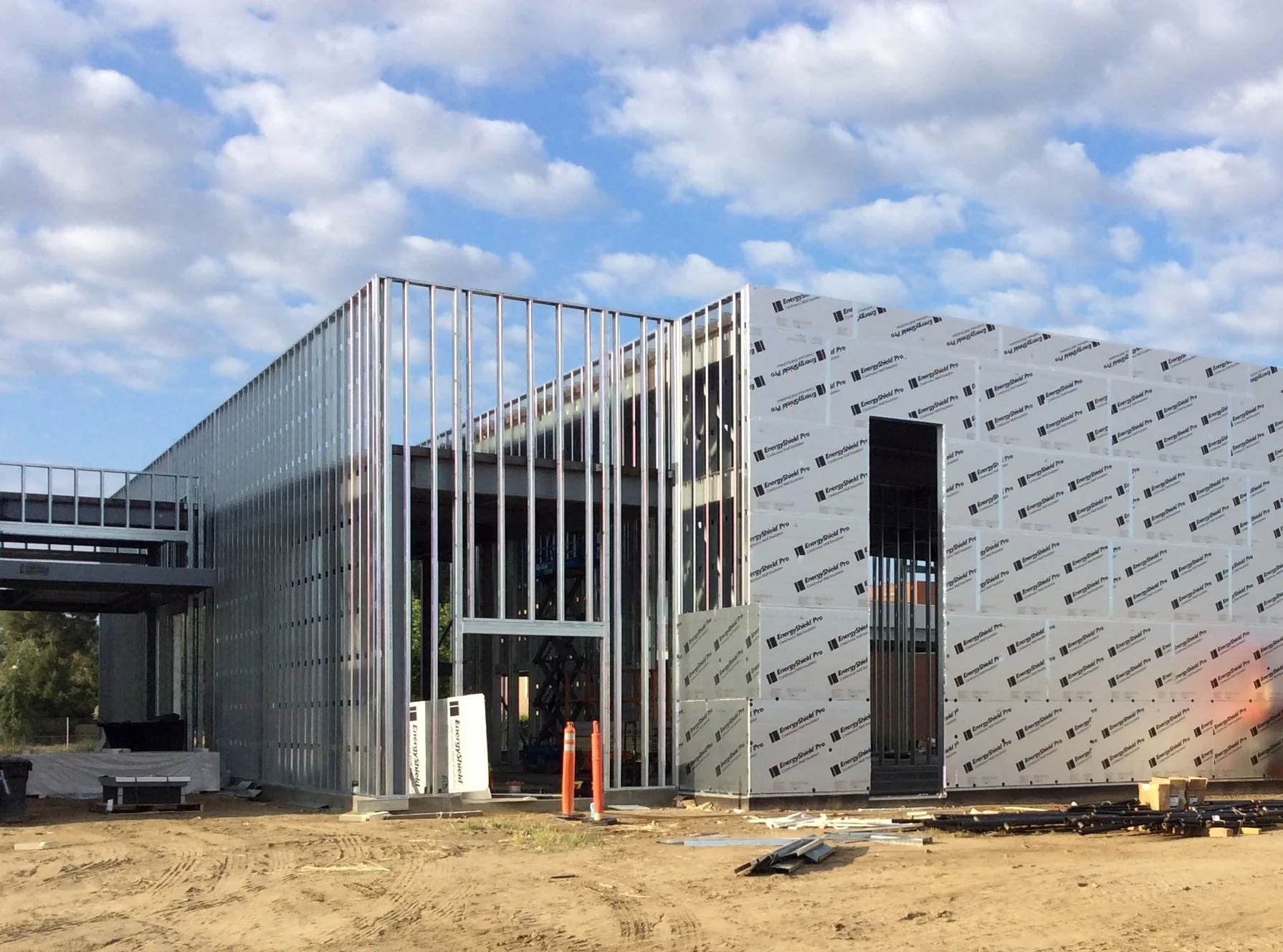
While the preferred method to release bonding is to get a signed status report from the owner; sometimes, a few pictures from the jobsite can help quicken the process, while we wait for the signed document.
For questions about Surety, contact Rancho Mesa Insurance Services, Inc. at 619) 937-0164.