

Industry News

SafetyOne™ Updates Company News: New Recipient Role Added for Users
Author, Megan Lockhart, Client Communications Coordinator, Rancho Mesa Insurance Services, Inc.
Recently, SafetyOne™ released new updates to the Company News feature of the platform. These updates include a new company news recipient user and added email notifications for all users.
Author, Megan Lockhart, Client Communications Coordinator, Rancho Mesa Insurance Services, Inc.
Recently, SafetyOne™ released new updates to the Company News feature of the platform. These updates include a new company news recipient user and added email notifications for all users.
A new “Recipient” role is now available specifically for receiving company notifications. Users who are assigned to this role do not need access to the mobile app or website, so they won't need to set up a password, and will receive all company news alerts they are assigned via email.
If the user with a Recipient role is switched to a different role in the future, they will be sent an email to create their login information.

Administrators can assign recipient users to their designated projects and when they send out Company News to that project, recipient users will receive it as an email. All users assigned to that project with the mobile app will also get both a notification on their phone immediately and an email.
These new features contribute to the flexibility of SafetyOne and our effort to continually improve user experience.
For questions on how to use these new additions, clients can contact their client technology coordinator, or view our Frequently Asked Questions on the Rancho Mesa website.
California Rainy Season Offers Online Training Opportunity for Employees
Author, Megan Lockhart, Client Communications Coordinator, Rancho Mesa Insurance Services, Inc.
Californians have experienced record storms this year along with other parts of the United States. However, with Spring on the horizon, construction companies are preparing for rainier months still ahead. When job sites close due to rain and flooding, it's a good opportunity for employees to use that time to revisit safety and operational skills with online training.
Author, Megan Lockhart, Client Communications Coordinator, Rancho Mesa Insurance Services, Inc.

Californians have experienced record storms this year along with other parts of the United States. However, with Spring on the horizon, construction companies are preparing for rainier months still ahead. When job sites close due to rain and flooding, it's a good opportunity for employees to use that time to revisit safety and operational skills with online training.
When the weather is hazardous and construction jobs must close, it's common for employers to send workers home. This can cause a financial setback not only for the business, but also for the employees who were depending on working those hours.
“On days where it would be unwise to expect employees to get up on a roof or scale a building wall, offer virtual training sessions so your employees can still earn a living, and you skill up your workforce,” Eric Mochnacz, Director of Operations at Red Clover HR, said in his article.
To prepare for days when the weather restricts jobsite work, employers can compile a list of training that can be assigned to employees, such as operation skills and safety procedures relevant to their work in the field.
“There’s lots of opportunity and potential in planning for bad weather days by building a strong library of virtual training,” Mochnacz said. “When your ability to meet business goals is directly tied to the weather, having contingency plans is crucial for business continuity.”
Rancho Mesa offers tools for employee online training via both the SafetyOne™ platform and the RM365 HRAdvantage™ Portal. SafetyOne holds a library of online training on a wide range of topics in construction safety. RM365 HRAdvantage Portal online training topics include professional development and compliance.
For more information on utilizing Rancho Mesa’s resources, contact your Client Technology Coordinator.
Back to the Books: Fall Months Call for Driver Preparedness
Author, Megan Lockhart, Media Communications and Client Services Coordinator, Rancho Mesa Insurance Services, Inc.
As schools begin filtering back into session, more vehicles flood the roads in the mornings and afternoons. The “rush hour” traffic is back in full swing. From construction workers on their way to the jobsite to parents rushing their kids to school, more vehicles on the road means more risk for accidents, and an uptick in insurance claims.
Author, Megan Lockhart, Media Communications and Client Services Coordinator, Rancho Mesa Insurance Services, Inc.

As schools begin filtering back into session, more vehicles flood the roads in the mornings and afternoons. The “rush hour” traffic is back in full swing. From construction workers on their way to the jobsite to parents rushing their kids to school, more vehicles on the road means more risk for accidents, and an uptick in insurance claims.
According to the National Highway Traffic Safety Administration data, in 2021 the rate of fatal crashes for large trucks was highest in the months August through October, with its peak in September. Construction-industry vehicles typically fall into the category of large trucks, defined by a total weight of 10,000 pounds or more.
To avoid becoming a statistic, it’s a good time for employees to freshen up on driver training. The SafetyOne™ platform offers a library of online driver training topics to ensure your drivers are safe on the road.
Driver Safety: The Basics
Driving Safety
Driving Defensively
Distracted Driving
Commercial Driver’s License (CDL) Defensive Driver Training
To learn more about risk management resources or the training offered in SafetyOne, contact your client technology coordinator.
Seasonal Demands Lead to Increased Risk for Landscapers
Author, Megan Lockhart, Media Communications and Client Services Coordinator, Rancho Mesa Insurance Services, Inc.
With summer in full swing and the autumn months close ahead, landscapers are at their busiest time of the year. During this time, landscape companies often increase their employee numbers with temporary hires to meet the seasonal demands. Due to this, employers are encouraged to be more cautious of the increased risk of injuries to their workers, particularly those who are young and less-experienced.
Author, Megan Lockhart, Media Communications and Client Services Coordinator, Rancho Mesa Insurance Services, Inc.

With summer in full swing and the autumn months close ahead, landscapers are at their busiest time of the year. During this time, landscape companies often increase their employee numbers with temporary hires to meet the seasonal demands. Due to this, employers are encouraged to be more cautious of the increased risk of injuries to their workers, particularly those who are young and less-experienced.
Landscaping and grounds keeping is undoubtedly a dangerous field of work. Potential hazards include chemicals, dangerous equipment, wildlife encounters, extreme heat, and electricity. According to the U.S. Bureau of Labor Statistics, 1,072 work-related deaths were reported in the industry from 2011 to 2021, and 142 employees suffered fatal workplace injuries in 2021 alone.
Risk of injury to young people is particularly important this time of year. A study published by the CDC in 2021 analyzed 18,037 workers’ compensation claims in the landscaping services industry from 2001 to 2017. Of these claims, 50% of serious injuries were employees aged 34 and younger. The average age for landscape workers in the United States was 38.1 in 2011, indicating younger workers may be at greater risk to injury than older workers.
Considering younger employees are often hired to work temporary summer jobs and typically have less experience in the industry, employers should ensure young workers are properly trained and are in compliance with the federal child labor law that restricts employees under the age of 17 from being exposed to hazardous occupations.
Newly-hired employees also experience particularly high numbers of work-related injuries in the landscape industry, especially at smaller companies.
“The percentages of all serious injuries occurring during the first 90 days of job tenure ranged from 22% to 30%, with the smallest companies having the highest percentage of these short-tenure claims,” the CDC states in their landscape industry study. “The frequency of injuries to young and early-career workers suggests that better training and supervision of new workers could be crucial to worker safety.”
Increased demand leads to increased risk with less-experienced, young, and temporary hires. As heat continues to soar in late summer and early fall, it is best to make sure your workers all have proper safety training that includes heat illness prevention, in order to prevent workers’ compensation claims.
“Landscaping can be dangerous when workers lack experience and appropriate training in a language they understand,” Assistant Secretary for Occupational Safety and Health Doug Parker said, in an article published by the U.S. Department of Labor. “Too often, our inspectors find workers harmed in ways that their employers could have prevented by following federal and industry safety standards. We urge employers to implement strategies that involve their workers and protect everyone.”
The Federal OSHA website offers Health and Safety Programs applicable to the landscape industry, including an Injury and Illness Prevention Program for High Hazard Employees.
Rancho Mesa’s SafetyOne™ Mobile and Desktop application also contains a library of toolbox talks and online training applicable to landscape workers that can benefit companies during this time of the year. Clients can contact their client technology coordinator for more information.
Heat Illness Awareness Vital for California's Construction Companies
Author, Kevin Howard, Account Executive, Rancho Mesa Insurance Services, Inc.
California faces a critical need to prioritize heat illness awareness among its workforce. The combination of Southern California's recent above average rainfall and the anticipated heatwave resulting from El Niño has created the possibility of an extremely warm summer. Construction companies must remain vigilant and adaptable, implementing appropriate measures to address these changing weather dynamics and ensuring the safety of their workers. By staying informed about weather forecasts and implementing flexible work schedules and site preparations, companies can effectively navigate these challenging conditions and prioritize the well-being of their employees. By understanding the significance of heat illness awareness, companies can ensure the safety and well-being of their workers while fostering productivity, minimizing downtime, and improving overall project efficiency.
Author, Kevin Howard, Account Executive, Rancho Mesa Insurance Services, Inc.

California faces a critical need to prioritize heat illness awareness among its workforce. The combination of Southern California's recent above-average rainfall and the anticipated heatwave resulting from El Niño has created the possibility of an extremely warm summer. Construction companies must remain vigilant and adaptable, implementing appropriate measures to address these changing weather dynamics and ensuring the safety of their workers. By staying informed about weather forecasts and implementing flexible work schedules and site preparations, companies can effectively navigate these challenging conditions and prioritize the well-being of their employees. By understanding the significance of heat illness awareness, companies can ensure the safety and well-being of their workers while fostering productivity, minimizing downtime, and improving overall project efficiency.
Recognizing the Risks
The construction industry in California is particularly vulnerable to heat-related illnesses and fatalities due to the physically demanding nature of the work and prolonged exposure to high temperatures. Heat stress, heat exhaustion, and heat stroke are severe conditions that can result in significant health complications. By acknowledging the risks associated with working in high temperatures, construction companies can proactively take measures to mitigate potential hazards.
Cultivating a Culture of Safety
Establishing a culture of safety is crucial for construction companies in California to create an environment where employee well-being is the top priority. Employers should develop comprehensive programs focused on preventing heat-related illnesses. These initiatives should include employee training, hazard assessments, access to shade and water, acclimatization procedures, and adjusted work schedules. Regular safety meetings and open lines of communication should be encouraged to address concerns, share information, and ensure that everyone is aware of the potential risks associated with working in high heat.
Implementing Worksite Modifications
Modifying the worksite environment can reduce the impact of heat-related illnesses. Construction companies should establish shaded rest areas where workers can take breaks, cool down, and hydrate. Access to potable water should be readily available to prevent dehydration, and regular hydration breaks should be scheduled throughout the day. Additionally, adjusting work schedules to avoid the hottest periods, utilizing cooling fans or misting systems, and implementing rotational job assignments can help reduce heat stress and improve worker safety.
Monitoring and Supervision
Supervisors and management play an important role in ensuring heat illness awareness on construction sites. Regular monitoring of weather conditions and temperature provides valuable information for determining appropriate work practices and scheduling. Close supervision enables the early detection of signs of heat-related illness and allows for immediate intervention. Encouraging workers to prioritize their own well-being and empowering them to report any symptoms promptly is equally important.
Heat illness awareness is vital for construction companies operating in California. By prioritizing worker safety and implementing comprehensive programs to prevent heat-related illnesses, employers can safeguard their employees from the risks associated with high temperatures. Moreover, such initiatives enhance productivity, avoid worker’s compensation claims, reduce downtime due to illness or injuries, and improve overall project efficiency. By cultivating a safety culture, providing necessary PPE, implementing worksite modifications, and maintaining close supervision, construction companies can establish a healthy and safe working environment that ensures the well-being of their workers.
Rancho Mesa’s Upcoming Heat Illness Prevention Workshop
Lastly, Rancho Mesa Insurance is hosting our annual Heat Illness Prevention workshop on June 2nd at the Mission Valley library from 10:00 AM to 11:30 AM. This workshop will provide valuable insights, best practices, and resources to help construction companies and their employees effectively address and prevent heat-related illnesses. Be sure to join this workshop to stay informed and proactive in ensuring the health and safety of your workforce.
Plan Your SafetyOne™ App to Best Suit Your Organization’s Needs
Author, Megan Lockhart, Media Communications and Client Services Coordinator, Rancho Mesa Insurance Services, Inc.
Rancho Mesa aims to provide clients with tools that are flexible in order to best fit their individual needs, including our proprietary SafetyOne™ application. SafetyOne’s features are systemized based on “Projects.” However, projects are highly adaptable to the way each individual organization works.
Author, Megan Lockhart, Media Communications and Client Services Coordinator, Rancho Mesa Insurance Services, Inc.

Rancho Mesa aims to provide clients with tools that are flexible in order to best fit their individual needs, including our proprietary SafetyOne™ application. SafetyOne’s features are systemized based on “Projects.” However, projects are highly adaptable to the way each individual organization works.
Below are best practices for utilizing projects depending on your organization’s industry and structure.
Construction (Project or Job)
As the name suggests, construction companies will most likely assign their policies, mobile forms and users to their individual construction projects or job sites. Project managers and foremen can access job-specific content based on the projects they are assigned.
This system works well for both short-term and long-term projects that need to manage safety within unique worksites.
Landscape, Tree Care and Janitorial (Service Crew)
Many landscape, tree care and janitorial companies organize their employees in the SafetyOne application into crews. These crews are employees who stay grouped together from one worksite to the next. Companies can name their projects based on a crew number, truck, or team name and assign content, such as toolbox talks to individual crews.
This system works well for companies providing on-going services to multiple accounts that aren’t necessarily tied to one worksite.
Human Services (Client or Program)
Human services organizations like non-profits, home healthcare, and schools can use projects for their different office locations, facilities, programs, or campuses. These organizations may choose to make policies and forms available to employees based on their office, clients, facility, program or campus.
There may be different ways to utilize the projects organization structure in the SafetyOne application. Through the dynamicity of the platform, Rancho Mesa is happy to help clients best meet their organization’s risk management needs.
For more information about how to set up projects in SafetyOne™, please contact your client services coordinator or watch our Administrator Website Overview Training.
Insurance Benefits of GPS Systems in Commercial Vehicles
Author, Kevin Howard, Account Executive, Rancho Mesa Insurance Services, Inc.
For businesses that rely on a fleet of commercial vehicles, insurance costs can be a significant expense. Insurance carriers calculate premiums based on a variety of factors, including the age and condition of the vehicles, driver experience and record, and the frequency and distance of trips. One factor that can positively impact insurance costs is the use of global positioning systems (GPS) in commercial vehicles. Below, we will explore some of the insurance benefits of installing GPS systems in commercial vehicles.
Author, Kevin Howard, Account Executive, Rancho Mesa Insurance Services, Inc.

For businesses that rely on a fleet of commercial vehicles, insurance costs can be a significant expense. Insurance carriers calculate premiums based on a variety of factors, including the age and condition of the vehicles, driver experience and record, and the frequency and distance of trips. One factor that can positively impact insurance costs is the use of global positioning systems (GPS) in commercial vehicles. Below, we will explore some of the insurance benefits of installing GPS systems in commercial vehicles.
Improved Safety
GPS systems in commercial vehicles can help improve safety by providing real-time tracking of vehicles and drivers. This can help businesses identify and address unsafe driving behaviors such as speeding, sudden braking, and hard cornering. By addressing these behaviors, businesses can reduce the risk of accidents and insurance claims which can result in lower insurance premiums.
Reduced Theft Risk
GPS systems can also help reduce the risk of vehicle theft. If a commercial vehicle is stolen, GPS tracking can help businesses locate the vehicle quickly and notify law enforcement. This can help reduce the risk of property loss and insurance claims related to vehicle theft.
Faster Claims Processing
In the event of an accident or other incidents involving a commercial vehicle, GPS systems can provide valuable data to insurance carriers. This can include information on the location, speed, and direction of travel of the vehicle at the time of the incident. This data can help insurance carriers process claims more quickly and accurately, which can help reduce costs and improve the overall claims experience for businesses.
Lower Insurance Premiums
GPS in vehicles can lower the loss ratio which is a key factor that underwriters use. Furthermore, the disclosure to insurance underwriters that GPS is installed and properly utilized could help insurance brokers negotiate lower premiums based on this added safety feature.
Improved Business Operations
In addition to insurance benefits, GPS systems can also help businesses improve their operations. Real-time tracking and reporting can help businesses optimize their routes, reduce fuel costs, and improve overall efficiency. By improving operations, businesses can reduce costs and improve profitability, which can have a positive impact on insurance costs and premiums.
GPS Systems have a multitude of benefits. These systems can save lives because drivers pay more attention to detail when GPS is on the vehicle. They can lower insurance premiums which can improve the return on investment. Lastly, the ability to track a stolen vehicle is a control that creates major benefits knowing that the cost of vehicles and the time needed to locate a replacement is at an all-time high.
To learn more about how GPS on your commercial vehicles can be implemented as part of your risk management plan, contact me at (619)438-6874 or khoward@ranchomesa.com.
Staying Ahead of the “Hard Market”
Author, Casey Craig, Account Executive, Rancho Mesa Insurance Services, Inc.
Over the past 15+ quarters, California employers have been experiencing a soft workers’ compensation marketplace. At some point, however, this will start to pivot and the companies that will secure the more favorable pricing must be able to differentiate themselves to their insurance carriers. As we continue seeing signs of the hard market coming, without this solid explicit differentiation, it will become harder for our carriers to be aggressive with their pricing. With all of that said, as a business owner, you may be asking how you differentiate yourself to the insurance marketplace and protect your company from large premium increases. Following are some proven methods.
Author, Casey Craig, Account Executive, Rancho Mesa Insurance Services, Inc.

Over the past 15+ quarters, California employers have been experiencing a soft workers’ compensation marketplace. At some point, however, this will start to pivot and the companies that will secure the more favorable pricing must be able to differentiate themselves to their insurance carriers. As we continue seeing signs of the hard market coming, without this solid explicit differentiation, it will become harder for our carriers to be aggressive with their pricing. With all of that said, as a business owner, you may be asking how you differentiate yourself to the insurance marketplace and protect your company from large premium increases. Following are some proven methods.
Return to Work Programs
Do you have a return to work program in place? We all would like to prevent injuries from occurring but need effective return to work programs to help control the total cost of a claim after it has occurred. The fewer dollars that are paid in temporary disability can directly save points on your experience modification (MOD), lower your overall loss ratio, and reduce litigation. All three of these benefits will help you in the marketplace and keep future premiums in check. Watch our “Return to Work Program: A Cost Effect Solution” webinar to learn more about these types of programs.
Hiring Practices
Take an in-depth look at your hiring practices. Many employers are experiencing an uptick in post termination claims that can turn into cumulative trauma claims. This can have severe impacts on your MOD and loss ratio, so it’s vital that you are bringing on the right employees. Pre-hire physicals and drug testing, formal interviews, checking references and job offers with job descriptions are great ways to make sure you are onboarding the right people who are clear in what is expected of them. Fraudulent claims consistently arise from employees who feel undervalued, underpaid, or underappreciated. Hire people with defined roles and make sure they are acknowledged when they are performing well. Employees who are consistently recognized by management and have strong relationships with their supervisors are less likely to file fraudulent claims. Use our Job Description Builder to quickly create job descriptions within the RM365 HRAdvantage™ Portal.
Provide and Document Safety Trainings
Utilize training materials that are provided by your insurance broker. As the hard market trend continues, it is going to be even more important to show the carrier that you are preemptively stopping claims from happening by actively training your employees. Showing your carrier partner that your employees are properly trained and management is prepared when claims occurs will go a long way to getting you the savings you deserve. Rancho Mesa has developed the RM365 Advantage Safety Star™ certification program for foreman/supervisors that is endorsed by the insurance marketplace as a way to both raise the level of safety awareness but also provide subjective credits to your premiums. Rancho Mesa also provides many additional training materials and workshops through our Risk Management Center for clients to use in conducting and documenting their safety.
Now is the time to make sure that you are taking the necessary steps to differentiate yourself from your peers. As you look forward, consider Rancho Mesa and our myriad of resources to help start that process. Contact me at ccraig@ranchomesa.com or (619) 438-6900.
Four Factors Contributing to Employee Theft
Author, Sam Brown, Vice President of Human Services, Rancho Mesa Insurance Services, Inc.
Crime insurance policies act as one line of defense against financial loss to an employer. At times, guarding against theft can feel like an uphill battle with many factors outside of our control. One common form of crime insurance claims may be more preventable than ever with some quick education. We are talking about employee theft.
Author, Sam Brown, Vice President of Human Services, Rancho Mesa Insurance Services, Inc.

Crime insurance policies act as one line of defense against financial loss to an employer. At times, guarding against theft can feel like an uphill battle with many factors outside of our control. One common form of crime insurance claims may be more preventable than ever with some quick education. We are talking about employee theft.
Employee theft can come in the form of stolen petty cash, liberal use of gas cards, or payroll fraud. A review and understanding of the most common reasons why employees steal from their employer can help prevent such crimes.
1. Financial Need
Real or perceived, a financial crisis can drive an employee to steal. Examples include family illness, falling behind on bills, personal debts, or even the desire to have clothing or material possessions the employee cannot afford on their own.
2. Perceived Unfair Treatment
Employees justify stealing when they believe the employer has overworked and underpaid its employees. An employee may also blame management when job performance does not warrant a pay increase. Employees may feel the company owes them.
3. Opportunity
One theory suggests that even honest people will steal if there is ample opportunity. It would make sense then that the incidence of theft increases for employees near unsecured cash or valuable property. This is especially true for employees who understand the worth of company property.
4. Workplace Norms
Employees who see co-workers get away with stealing from the company are more likely to commit theft themselves. Conversely, a quick reminder to a new employee that theft of an any kind is not condoned can adequately communicate what is and what is not to be tolerated.
Understanding factors that drive an employee to steal from an employer can help organizational leaders identify suspicious behavior. This may also lead to management decisions made to influence company culture in a positive way.
Please contact Rancho Mesa Insurance if your private company or non-profit organization has questions about crime insurance and employee theft.
Automobile Rental Reimbursement for Tree Care Companies
Author, Rory Anderson, Account Executive, Rancho Mesa Insurance Services, Inc.
A tree care company’s auto fleet includes specialty vehicles like bucket and box trucks. These vehicles are important assets for the company and critical for completing jobs. Getting into an auto accident is already stressful, but what can add more grief is if the vehicle that gets damaged is vital for your business. In this case, you will be looking to rent a replacement vehicle during the repair window so that your business can maintain productivity and profitability. With this in mind, rental reimbursement coverage helps cover the rental cost incurred while your vehicle is repaired after a covered loss.
Author, Rory Anderson, Account Executive, Rancho Mesa Insurance Services, Inc.
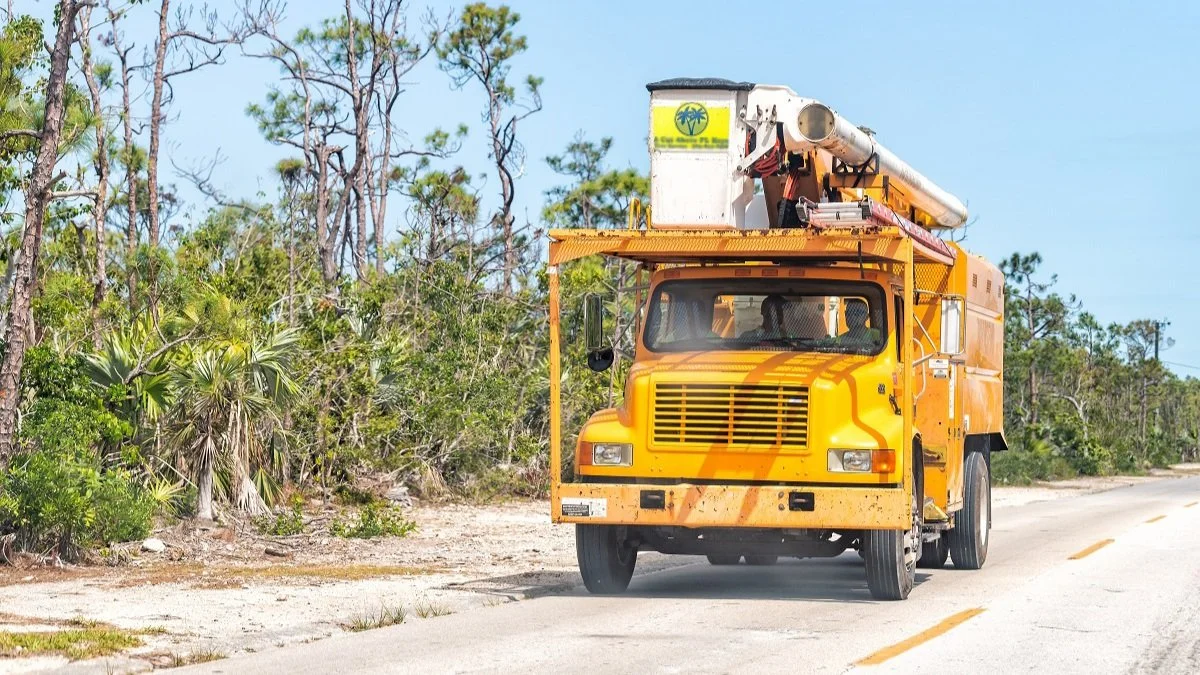
A tree care company’s auto fleet includes specialty vehicles like bucket and box trucks. These vehicles are important assets for the company and critical for completing jobs. Getting into an auto accident is already stressful, but what can add more grief is if the vehicle that gets damaged is vital for your business. In this case, you will be looking to rent a replacement vehicle during the repair window so that your business can maintain productivity and profitability. With this in mind, rental reimbursement coverage helps cover the rental cost incurred while your vehicle is repaired after a covered loss.
In the tree care business, renting a specialty truck is no easy task. Rental bucket and box trucks are expensive and limited. Renting these specialty trucks can cost up to $600 per day. In addition to the cost, the COVID-19 pandemic continues to cause problems with the supply chain of products, including auto parts. So, not only is it expensive to rent these specialty trucks, but it is also taking longer than normal to get vehicles repaired.
The standard rental reimbursement coverage will offer between $50 and $100 per day for 30 days. With how costly the tree care specialty trucks are and with the amount of time it is taking to repair these trucks, you can see how you might find yourself in a sticky situation if one of these key trucks goes down. However, certain insurance carriers will offer to increase the per day amount as well as extend the period of rental reimbursement coverage, if needed.
Partnering with an insurance professional who specializes in the tree care industry is important to make sure that your bucket and box trucks have the correct rental reimbursement coverage in the case of an auto accident.
To discuss this potential gap within your current insurance program or any other commercial insurance for your tree care business, contact me at (619) 486-6437 or randerson@ranchomesa.com.
Three Changes to Your Routine That Increases Safety
Author, Greg Garcia, Account Executive, Landscape Group, Rancho Mesa Insurance Services, Inc.
Every landscape company wants to be safe. So, I want to discuss three ways to improve safety in your workplace starting today: routine equipment maintenance, personal protective equipment (PPE) checks, and finally, assessing job site hazards.
Author, Greg Garcia, Account Executive, Landscape Group, Rancho Mesa Insurance Services, Inc.
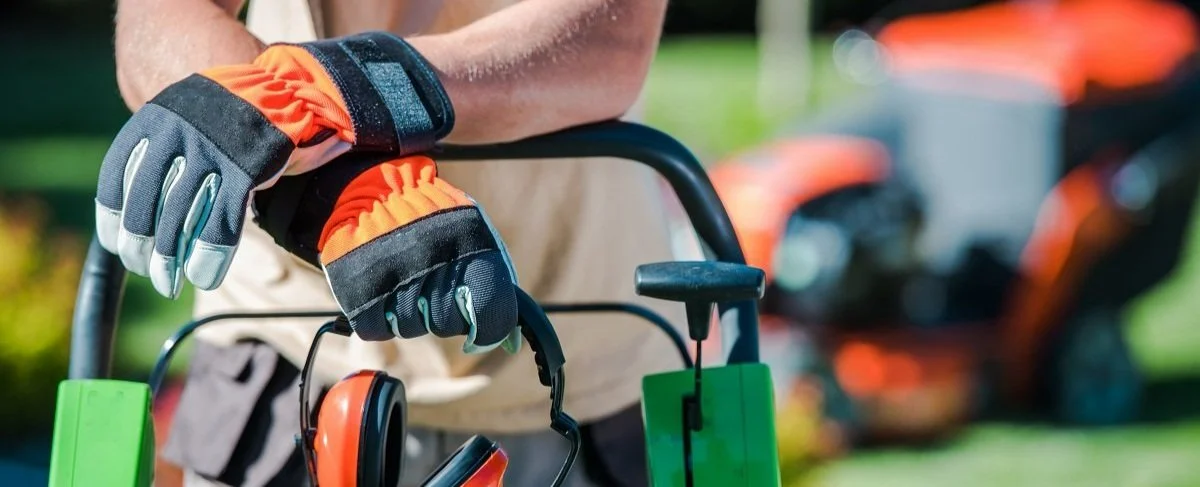
Every landscape company wants to be safe. So, I want to discuss three ways to improve safety in your workplace, starting today.
1) Routine Equipment Maintenance
Routine maintenance and cleaning of equipment is essential for any landscape company wanting to make sure all of their equipment is running properly and is ready for a day’s work. From a safety standpoint, we see the biggest risk comes from those companies who use sprayers to fertilize lawns and plants for their clients. By not cleaning the sprayers out daily, landscape companies are putting their employees at risk of being exposed to pesticides and herbicides, which can be detrimental to the employee’s heath. Therefore, routinely checking and cleaning pieces of equipment can not only improve your productivity and profitability by making sure equipment is ready for work, but can also lead to a much safer working environment for your employees.
2) personal protective equipment (PPE) checks
Personal protective equipment is one of the most important things landscape employees can use to protect themselves while they work. Whether it be thorny bushes to cut back, the use of loud chainsaws or mowers, or just the effects of being out in the sun, it is important to assess the job site hazards and make proper PPE choices. A few examples that landscape companies are doing to help their employees fight the effects of being exposed to the sun are: wearing long sleeve shirts, wearing sun hats that provide shade to the face and neck, and wearing proper sunglasses to help with the heavy glare. Always keeping up to date and staying informed on proper PPE will ensure that your landscape company is doing all they can to stay safe.
3) assessing job site hazards
Finally, addressing job site hazards is vital for companies in the landscape industry. The safety manager, supervisor or foreman need to get out to job sites and really see what hazards are out there. For example, look to see if there are any poisonous plants at the jobsite and/or any pieces of debris or puddles in the walk ways that could create a trip and fall hazard. All of these exposures need to be noted to ensure everyone is aware of potential risks. Every jobsite is different, so it is crucial that your team remain proactive and really hone in on the potential risks at each particular jobsite.
If equipment checks, PPE checks, and job site checks are not currently in your landscape company’s safety routine, I would strongly suggest starting that routine, today.
Subscribe to our weekly landscape-specific safety emails to ensure you are getting relevant training materials every week.
If you have questions about how to mitigate your company’s risk, reach out to Greg Garcia at (619) 438-6905 or ggarcia@ranchomesa.com.
Is Your Business Safe From a Business Email Compromise Claim?
Author, Jeremy Hoolihan, Account Executive, Rancho Mesa Insurance Services, Inc.
Cybercrimes are at an all-time high. News sources report cybercrimes almost on a daily basis with most of the press relating to company breaches and cyber extortion. However, one of the biggest cyber threats that is often overlooked is Business Email Compromise (BEC).
Author, Jeremy Hoolihan, Account Executive, Rancho Mesa Insurance Services, Inc.

Cybercrimes are at an all-time high. News sources report cybercrimes almost on a daily basis with most of the press relating to company breaches and cyber extortion. However, one of the biggest cyber threats that is often overlooked is Business Email Compromise (BEC).
BEC is a type of email cybercrime scam in which an attacker targets a business to defraud the company. BEC attacks use real or impersonated business email accounts to defraud employees. In 2020, BEC scammers made over $1.8 billion – far more than any other type of cybercrime.
In this type of cybercrime, the scammer sends an email that looks like it came from someone the recipient knows, like a superior or co-worker, and asks them to do perform a task. For example, the email may request:
A change to a vendor’s mailing address so future payments are sent to the scammer and not to the actual vendor.
An employee to purchase gift cards for a charity auction or employee rewards and then asks for the serial numbers on the cards so the scammers can use them without ever having the physical card.
A client is sent an email with wire instructions for payment of an invoice that appears to come from your company, but instead it is for the scammer’s bank account.
BEC scams use a variety of impersonation techniques. The following 3 techniques tend to be the most common:
A spoofed email address or website often has a slight variation from the legitimate address or URL. At a quick glance, the spoofed email address may fool victims into thinking it’s authentic. However, upon a closer look, an “L” might be switched out for a “I” or an “0” for an “o.”
Phishing emails appear to come from a trusted sender in order to trick the victim into providing personal or confidential information like account numbers, usernames, personal identification numbers, passwords or answers to security questions. Then, the information is used to gain access to networks, accounts, and other data.
Cyber criminals can infiltrate a company’s network using malicious software and gain access to networks and legitimate emails, often getting information about billing and invoices. This type of cybercrime is often unnoticed until it is too late.
For ways on how to protect your business from BEC claims, Rancho Mesa recommends first starting with a Cyber Liability policy. A comprehensive Cyber Liability policy will not only respond to BEC claims, but it can also provide coverage for other cybercrimes such as cyber extortion, cyber breach, and network security. If you have an interest in obtaining a Cyber Liability policy please feel free to reach out to me at 619-937-0174 or jhoolihan@ranchomesa.com.
Signing Up for Safety
Author, Greg Garcia, Account Executive, Landscape Group, Rancho Mesa Insurance Services, Inc.
There are many tips, ideas, and systems involved in creating a safe culture in the landscape industry. The most common practice landscape companies implement with regards to safety are regular safety meetings.
Author, Greg Garcia, Account Executive, Landscape Group, Rancho Mesa Insurance Services, Inc.

There are many tips, ideas, and systems involved in creating a safe culture in the landscape industry. The most common practice landscape companies implement with regards to safety are regular safety meetings.
For these meetings to be effective, you need to ask yourself three questions:
What should be discussed during these safety meetings?
How often do we really need to have these meetings?
Where can I find content for these meetings?
Let’s take a look at each question in more detail.
What should be discussed in these safety meetings? The easy answer is we will just talk about an accident that has recently occurred. That seems like a good approach, but it’s more of a reactive approach than proactive. Make no mistake about it, it is very important to go over safety regarding a previous incident, and take the necessary steps to help prevent that incident from happening again. However, a great safety culture includes a more proactive approach by covering safety topics before an incident occurs. Examples of good topics for safety meetings include something as simple as “Operating a Leaf Blower” to more pressing issues like “Handling Medical Emergencies and Jobsite Injuries.”
Secondly, how often do we need to hold these meetings? The quick answer as often as possible, but we recommend weekly safety meetings as they are the best way to create and change culture for the better. Weekly meetings build consistency. And, these good habits create a safety first culture by emphasizing safety and showing your employees that their wellbeing is a top priority. Plus, OSHA requires safety meetings at least every ten working days, so scheduling them weekly ensures you are meeting that requirement.
Finally, and what seems to be the most important question, is where can I find content for these safety meetings? Rancho Mesa wants to help provide that content. We publish a weekly landscape specific safety tailgate email. These emails arrive in your inbox every Tuesday and range from proper equipment use like “Avoiding Mower-Related Injuries,” to specific injury topics such as “Preventing Heat-Related Illness.” Our 52-week tailgate topics are not only landscape specific, but they correspond to the seasons, as well. So, you will not be receiving a topic on Heat Illness in the middle of winter, instead that topic is more likely to come out in the summer months. There are both English and Spanish versions of these tailgate topics that can be downloaded. These safety emails are something that our clients are taking full advantage of, and is a great way to take the burden of finding landscape specific safety topics off your plate, every week.
In an effort to serve and support the overall health and safety of the landscape community, we offer these trainings without charge to any landscape company that is interested in receiving them. Sign up to receive these trainings every week.
If you have any questions or would like more assistance in developing your safety program, contact me at 619-438-6905 or email me at ggarcia@ranchomesa.com.
Understanding the DART and TCIR Calculations
Author, Lauren Stumpf, Media Communications and Client Services Specialist, Rancho Mesa Insurance Services, Inc.
When a project owner asks you to provide the company’s DART or TCIR rate, it may seem a little overwhelming at first. But, the two numbers are really a score that can be used to compare contractors’ safety history. These numbers can be important during the bidding process when comparing multiple bids and could be a determining factor for who is awarded the contract.
Author, Lauren Stumpf, Media Communications and Client Services Specialist, Rancho Mesa Insurance Services, Inc.

When a project owner asks you to provide the company’s DART or TCIR rate, it may seem a little overwhelming at first. But, the two numbers are really a score that can be used to compare contractors’ safety history. These numbers can be important during the bidding process when comparing multiple bids and could be a determining factor for who is awarded the contract.
DART stands for days away, restricted, or transferred. A DART rate is used to track any OSHA recordable workplace injury or illness that result in days away from work, restricted duty, or transfer of duties.
On the other hand, the TCIR is the total case incident rate (also known as the Total Recordable Incident Rate or sometimes referred to as the OSHA Incident Rate). It measures a company's past safety performance based on their incident rate. A TCIR is found by looking at the number of work-related injuries per 100 full-time workers during a one-year period.
The TCIR will likely be higher than the DART because it includes all incidents, not just the ones that results in lost time.
Project owners are increasingly requesting these numbers along with the project bid. Not only do they want to see how much it’s going to cost them to build the project, but they want to know how safe their contractor is on the jobsite. These numbers show that.
OSHA also uses these calculations to monitor high-risk industries.
Rancho Mesa’s Risk Management Center features a tool that helps contractors generate their DARTs and TCIRs. Contractors can use the Incident Track application to enter and track an incident’s details. Once that incident has been saved, the system will allow them to generate OSHA logs based on that data and generate the DART and TCIR.
“It’s an easy-to-use tool that ensures the numbers are accurate and available whenever they’re needed,” said Alyssa Burley, Media Communications and Client Services Manager with Rancho Mesa Insurance Services, Inc.
To learn more about the Risk Management Center’s capabilities, sign up for an upcoming webinar at www.ranchomesa.com/workshops-and-webinars.
Artisans Captive – Risk Control Workshop Recap
Author, Amber Webb, Account Executive, Rancho Mesa Insurance Services, Inc.
On January 20th and 21st of 2022, Captive Resources hosted the Artisans Captive Risk Control Workshop at The US Grant in San Diego, CA. The workshop was intended for all Artisans’ risk and/or safety mangers, human resources, claims managers, supervisors, owners, brokers and any others who wished to attend.
Author, Amber Webb, Account Executive, Rancho Mesa Insurance Services, Inc.

On January 20th and 21st of 2022, Captive Resources hosted the Artisans Captive Risk Control Workshop at The US Grant in San Diego, CA. The workshop was intended for all Artisans’ risk and/or safety mangers, human resources, claims managers, supervisors, owners, brokers and any others who wished to attend.
The workshop began with a brief introduction to the members of Captive Resources and Zurich Insurance Group, along with quick summaries of each of their responsibilities. Then, immediately following was an overview of how the captive is operated and how each member company can earn points which ultimately contribute towards the calculation of their year-end dividend. The group was able to hear from Rich McElhaney from The Real Cost of Safety, as the keynote speaker on the 20th. His story was captivating and eye opening to just how quick something can go wrong on a jobsite without the proper safety protocols in place. He stressed the importance of getting supervisors and employees to report their near misses. Each time a near miss is reported, it gives the company an opportunity to do a training and possibly make changes to their safety policies and procedures to avoid future incidents. Reporting near misses also gives companies a chance to look at areas where trends are taking place and make the appropriate adjustments.
The first day of the workshop ended with dinner and a tour of the USS Midway. This was a great time for member companies to network and chat about what each other are doing with regard to their risk control and safety programs.
The second day of the workshop on the 21st, we all met early for breakfast which also allowed for more networking and learning about different member companies. Immediately after breakfast, we all broke out into our different session groups to learn about specific topics. The first session focused on the, “Do’s & Don’ts of Accident Investigation.” In this session, we went over a twelve-step process for what to do when there is an accident on the job. We were given several great tips for what to do and what not to do. One recommendation was to take pictures of all four corners of your vehicle, then all four sides and repeat for all other vehicles at the scene. The presenter also encouraged not using the phrase, “no comment” if the media becomes involved. Instead, showing empathy and compassion while still not commenting can lead to a better outcome while the investigation is still ongoing. Another takeaway from this session was the importance of reviewing all of your policies to ensure they do not stress productivity over safety. Then, make sure to train your employees to understand that their wellbeing is top of mind, while actually enforcing a safety culture.
The second session we attended was “Driver Safety: Lucky vs. Good” where we learned that the highest auto expenses result from rear end accidents. Also, according to the Bureau of Labor Statistics’ national census of fatal injuries released in December of 2021, transportation incidents have the most workplace fatalities, followed by falls and struck by objects. We also learned with new vehicle technology, such as high-intensity headlights, forward automatic braking, forward collision alert, lane departure warning and rear vision cameras, employers can help reduce vehicle crashes. The speaker went on to explain the importance of utilizing the data given by fleet analytics to help with reducing collision and use as a tool for focusing on trends happening within your fleet.
The final keynote speaker was Sean Bott and he spoke on the “Safety Dance: Creating the Courage to Connect on Site through Three Simple Steps.” His session was not only comedic, but also entertaining. He was able to teach us the 3 steps of meaningful connection; 1) Interrupting, 2) Introducing and 3) Inquiring. We have to start by interrupting people’s defenses and fears and can do this simply by a genuine compliment, a smile, a wave, etc. Then, once the walls are down, we are able to introduce ourselves while slowly saying our name with a pause between our first and last name, all while using the triple nod technique. He also encouraged us to smile and even throw in a wave during this process of introduction. Finally, we were taught to inquire in a clear and meaningful way to get to know the other person on a deeper level. He related these skills back to how employers interact with their employees on all levels, but specifically when it comes to safety. He suggested that we all combine these three skills to make others feel seen, heard, felt and valued. He displayed the value in bringing the human element to safety and reminding the group that the ultimate goal is to make sure all employees go home safely.
Overall, this workshop was very informative with some fun mixed in and ample time for networking to get to know the other companies involved in the Captive. As a Rancho Mesa broker attending with several of our clients, it allowed us to see the value of not only this workshop, but the additional benefits of being a member of the Artisans Captive and what it offers.
For those interested in learning more about Captives and their potential place within your organization, we will be hosting an informational Captive workshop for the Artisans Captive on April the 28th. Register online, today.
If you have any questions or would like to discuss this option further, you can contact me at awebb@ranchomesa.com or call me at (619) 486-6562.
Hydraulics Safety in the Tree Care Industry
Author, Rory Anderson, Account Executive, Rancho Mesa Insurance Services, Inc.
Tree care professionals regularly work with equipment that utilizes hydraulics: aerial lifts, stump grinders, and chippers, just to name a few. Injuries from hydraulic fluid leaks are very serious and can result in amputation.
Author, Rory Anderson, Account Executive, Rancho Mesa Insurance Services, Inc.
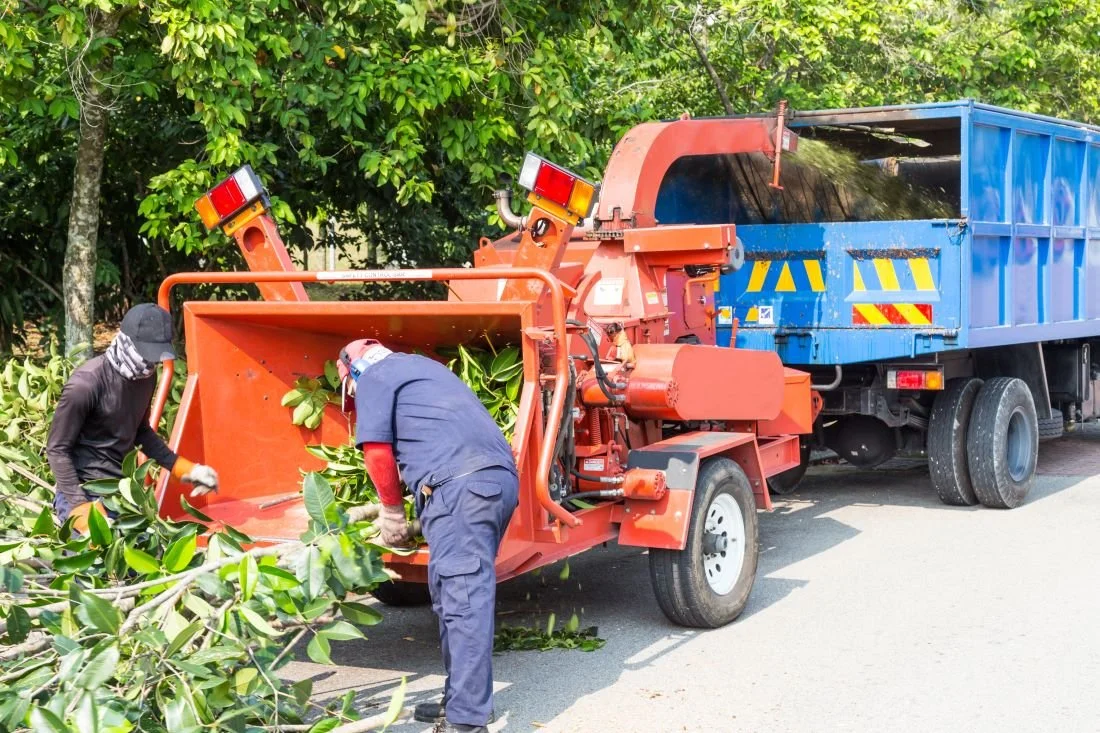
Tree care professionals regularly work with equipment that utilizes hydraulics: aerial lifts, stump grinders, and chippers, just to name a few.
Injuries from hydraulic fluid leaks are very serious and can result in amputation. These injuries occur when hydraulic fluid is lost through a small hole and comes in contact with the skin of a worker. The injury can at first look like a mild, small puncture wound – but the truth is that they are anything but minor.
Hydraulic fluids are toxic and act as a poison to the body. In almost all cases, treatment (surgery) is immediately required to save the workers limb.
Stump grinders, chippers, and other equipment that tree care professionals use commonly run at 4,000 PSI, and the pressure needed to penetrate your skin is only 100 PSI. So, it is vital that employees be trained on how to safely use hydraulic equipment.
Hydraulics safety trainings should include:
an overview and description of which equipment utilizes hydraulics;
proper techniques to check for leaks;
how to handle leaks;
how to handle injuries;
regular maintenance and upkeep on hydraulic hoses; and
the appropriate time to replace hydraulic hoses.
Make sure hydraulics safety is on your list of rotating topics that are regularly discussed with your crews at safety meetings.
For assistance with building your library of safety material for tailgate topics, reach out to me directly at (619) 486-6437 or randerson@ranchomesa.com.
SB 606 Broadens Cal/OSHA’s Enforcement Reach
Author, Sam Brown, Vice President, Human Services Group, Rancho Mesa Insurance Services, Inc.
California Governor Gavin Newsom recently signed into law Senate Bill 606 (SB 606), greatly expanding Cal/OSHA’s enforcement powers and monetary penalty amounts. The new law will take effect January 1, 2022, so California employers have only a few months to tighten their safety practices or face steep monetary fines.
Author, Sam Brown, Vice President, Human Services Group, Rancho Mesa Insurance Services, Inc.

California Governor Gavin Newsom recently signed into law Senate Bill 606 (SB 606), greatly expanding Cal/OSHA’s enforcement powers and monetary penalty amounts. The new law will take effect January 1, 2022, so California employers have only a few months to tighten their safety practices or face steep monetary fines.
The new law could be especially damaging to employers with multiple worksites. SB 606 creates a rebuttable presumption that an employer with multiple worksites has committed an “enterprise-wide” violation, if Cal/OSHA determines either of the following is true:
The employer has a non-compliant written policy or procedure.
Cal/OSHA "has evidence of a pattern or practice of the same violation or violations committed by that employer involving more than one of the employer's worksites."
This change creates the possibility that a California employer adhering to a written program applicable to all locations can be cited for each California worksite.
Cal/OSHA will also have the authority to seek a temporary restraining order and an injunction against any employer suspected to have committed an enterprise-wide violation.
The far-reaching second part of the law states that if Cal/OSHA determines an employer has “willfully and egregiously” committed a violation, the employer may receive a citation “for each egregious violation” and “each instance of any employee exposed to that violation shall be considered a separate violation for purposes of the issuance of fines and penalties.”
The law details seven bases for “egregious” conduct. Proof of only one will be sufficient to justify a citation.
California employers must prioritize a full review of safety policies, procedures, and practices to reduce the likelihood of an “enterprise-wide” or “egregious” conduct violation. Cal/OSHA’s Consultation Branch offers free on-site visits to proactively address any potential violations.
For helpful safety resources and compliance information, please contact me at (619) 937-0175 or sbrown@ranchomesa.com.
Mitigate Janitorial Industry’s Employee Theft Exposure
Author, Jeremy Hoolihan, Account Executive, Rancho Mesa Insurance Services, Inc.
Employee theft can be detrimental to any business and can come in many forms. Janitorial businesses, in particular, have an inherent risk of employee theft as employees often work alone at the client’s property with little to no supervision and access to valuables. Employee theft can start with smaller items that are easily overlooked and can quickly escalate. These types of losses are not only a financial burden, but can also tarnish the business’ reputation.
Author, Jeremy Hoolihan, Account Executive, Rancho Mesa Insurance Services, Inc.

Employee theft can be detrimental to any business and can come in many forms. Janitorial businesses, in particular, have an inherent risk of employee theft as employees often work alone at the client’s property with little to no supervision and access to valuables. Employee theft can start with smaller items that are easily overlooked and can quickly escalate. These types of losses are not only a financial burden, but can also tarnish the business’ reputation.
Insurance companies typically break employee theft into two categories: 1st party and 3rd party theft or crime. When an employee steals directly from the employer, it is called 1st party crime. Examples of this include embezzlement, inventory theft, theft of supplies, and more. Third party crime occurs when an employee steals property from the employer’s client or vendor. Examples of this would include stealing property from a client’s premises such as laptops, cash, etc.
It is important to note that most insurance policies do not automatically cover employee theft. Those that extend coverage typically only offer 1st party crime via an endorsement and provide lower limits than stand-alone policies.
Janitorial companies can protect themselves from theft exposure by securing a fidelity bond or business services bond, a commercial crime policy, or through obtaining a specialty enhancement endorsement which adds 1st and 3rd party crime coverage to a package policy.
A fidelity bond protects a company if employees commit theft, fraud, or other dishonest acts. Most insurance policies exclude dishonest and malicious acts which includes employee theft.
A commercial crime policy and fidelity bond are similar in some respects, but they differ in that commercial crime insurance covers a wider range of threats, while fidelity bonds offer more targeted coverage. In addition to the offerings listed above, a commercial crime policy could cover crimes by people outside of the company, including burglary, theft, and forgery.
As mentioned, a third option is purchasing a 1st and 3rd party crime enhancement endorsement to the package policy. This is typically the most cost effective; however, these endorsements are usually only available through specialty programs specific to niche industries like janitorial and typically have limited access. Rancho Mesa’s MaintenanceOne™ Janitorial Program has access to markets that provide these specific endorsements.
To discuss these options in further detail, please reach out to me at 619-937-0174 or at jhoolihan@ranchomesa.com.
Experience Mod KPI Provides Trend Analysis, Opportunity Assessment, and Vital Management Tools
Author, Drew Garcia, Vice President, Landscape Group, Rancho Mesa Insurance Services, Inc.
In January 2021, we launched the Safety Key Performance Indicator (KPI) Dashboard to provide a tool for our customers to use as a bridge between their experience mod and safety performance.
Author, Drew Garcia, Vice President, Landscape Group, Rancho Mesa Insurance Services, Inc.

In January 2021, we launched the Safety Key Performance Indicator (KPI) Dashboard to provide a tool for our customers to use as a bridge between their experience mod and safety performance.
Our primary goals were to:
Eliminate surprises
Simplify concepts
Track performance
Highlight the positive and negative trends
Benchmark safety performance against industry competitors
An experience mod above 100 can limit a landscape company’s ability to be awarded jobs or maintain contracts, increase insurance premiums, and have other significant financial implications.
Our dashboard is a tool companies can use to strategically manage the underlying components that directly impact the experience mod and help project future experience mod deviations. Rancho Mesa can help interpret the results and provide insights to help improve your performance.
Not a Rancho Mesa client but interested in seeing what your dashboard looks like? Complete our new KPI Dashboard quick form, to see how your company measures up.
Top Three Professional Liability Exposures for Tree Care Companies
Author, Rory Anderson, Account Executive, Rancho Mesa Insurance Services, Inc.
Professional tree care companies must have a general liability policy that will cover incidents that cause bodily injury or property damage resulting from their operations. However, there are situations that will not be covered under a typical general liability policy and would require professional liability coverage, or, in the tree care industry it would specifically be Arborist Errors and Omissions coverage. Here are three exposures that tree care companies face that a professional liability policy would address.
Author, Rory Anderson, Account Executive, Rancho Mesa Insurance Services, Inc.
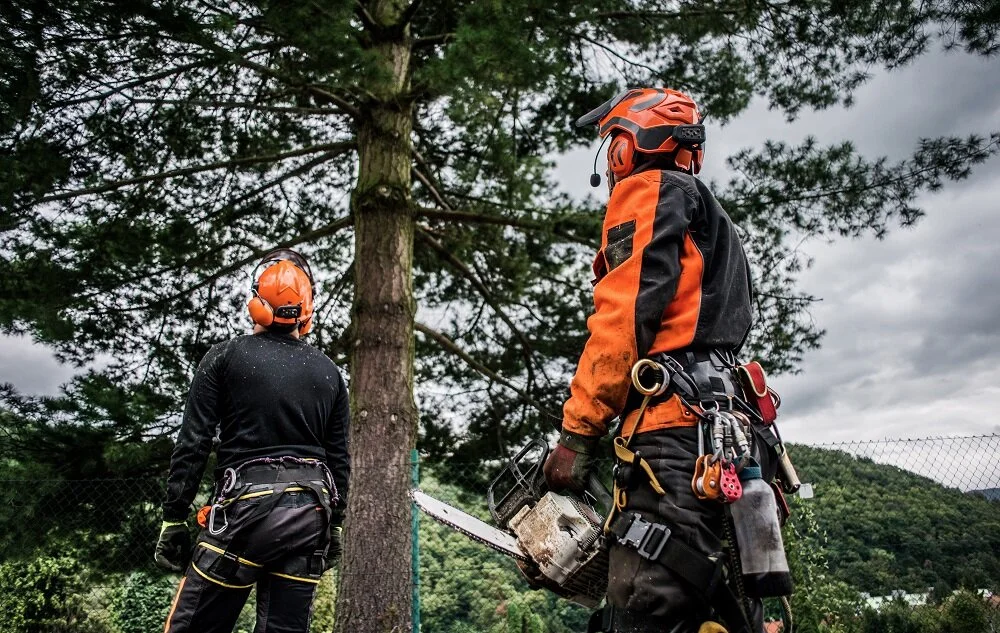
Professional tree care companies must have a general liability policy that will cover incidents that cause bodily injury or property damage resulting from their operations. However, there are situations that will not be covered under a typical general liability policy and would require professional liability coverage, or, in the tree care industry it would specifically be Arborist Errors and Omissions coverage. Here are three exposures that tree care companies face that a professional liability policy would address.
Tree Work
At times, tree care companies could inadvertently remove the wrong tree or prune a tree incorrectly causing various issues. As a result, the client may bring action against the tree care company for a number of reasons, including:
The loss of the intrinsic value the tree provided – shade, design, look, etc.;
The dollar value of the tree for replacement;
Mental distress suffered by the client.
Adjacent Trees
A professional tree care company can also be held responsible for damage caused by a failed tree that they did not even touch, but was on or nearby a recent jobsite. To be held liable for a failed tree (when a tree experiences structural collapse or breakage of any part of the tree: trunk, roots, or limbs) that they did not perform work on may seem unfair, but the client may claim that the arborist is the specialist and has a responsibility to point out any trees on a jobsite that could be dangerous.
Professional Tree Advice (Consulting)
Most tree care companies have a certified arborist who offers tree consulting and will give a professional opinion on whether or not a tree is safe. This leaves the tree care company potentially responsible in the event a tree that was deemed safe actually fails and causes property damage, or even worse, bodily injury to a human.
Tree work, adjacent trees and consulting are three common exposures not typically covered by a general liability policy; therefore, professional tree care companies must strongly consider some form of professional liability coverage. Work with your trusted insurance advisor and have them thoroughly assess your exposure to these concerns. To learn more about professional liability coverage for the tree care industry, listen to our StudioOne™ Safety and Risk Management Podcast Episode 99.
Contact me for a complete risk analysis of your operations at randerson@ranchomesa.com or (619) 486-6437.