

Industry News

Your Dashboards and AI Tools Are Only as Good as Your Data
Author, Alyssa Burley, Partner, Rancho Mesa Insurance Services, Inc.
As businesses continue to adopt artificial intelligence (AI) tools and data analytics, the quality of the information entered into applications like Rancho Mesa’s proprietary SafetyOne™ Platform has become increasingly important.
Author, Alyssa Burley, Partner, Rancho Mesa Insurance Services, Inc.

As businesses continue to adopt artificial intelligence (AI) tools and data analytics, the quality of the information entered into applications like Rancho Mesa’s proprietary SafetyOne™ Platform has become increasingly important.
Whether your organization uses SafetyOne or another technology platform to manage safety, compliance, and/or operations, accurate and standardized data entry is essential.
Every day, employees at all levels enter information into mobile forms, safety observations, incident reports, and training records. When fields are consistently used as intended, companies can generate meaningful reports, review reliable dashboards, and leverage AI-powered insights to guide future safety training and business decisions. When fields are used inconsistently or not as they were intended by the platform developer, the value of that data can be significantly reduced.
High-quality data helps organizations make informed decisions about training needs, resource allocation, corrective actions, and long-term safety initiatives.
Accurate Fields Lead to Accurate Reporting
One of the most common examples we see in SafetyOne of not using a field as intended is the Project Name field on the Administrator website. This field is designed to identify a specific job, crew, facility, location, or program associated with a group of records. Depending on your organization’s industry, it might make sense for the Project field to track records by each construction job, service team or crew, physical campus, or community program. When the Project field is incorrectly used for individual supervisors or employees, reporting capabilities become ineffective. For example, management may want to analyze incidents, inspections, or training activities by Project to identify trends and allocate resources. If the Project field is used differently than intended, dashboards may not be able to display the aggregated data for jobs, crews, facilities, locations or programs accurately. Dashboards and AI tools rely on consistent data to identify patterns and generate meaningful recommendations.
Complete Data Powers Smarter Decisions
Completing all available fields within a platform can save your organization significant time and frustration down the road. Although many fields in SafetyOne and other platforms are required, optional fields often contain valuable information that may become critical later. What seems unimportant today could become a key data point when leadership wants to analyze trends, evaluate performance, or leverage AI-powered insights. One of the greatest challenges organizations face is realizing they need data that has never been collected. If information is not captured at the time an event occurs or the record is entered, historical insights often cannot be recreated after the fact. As data analytics and AI become increasingly integrated into business operations, the completeness of your data may ultimately determine the quality of the decisions you can make from it.
Unlike a human reviewer who can often infer meaning from incomplete information, AI tools depend on structured, standardized data to identify trends and generate insights. The more organized and complete the data set, the more accurate and useful the resulting recommendations become.
Consistency Unlocks the Full Potential of AI and Data Analytics
Consistency is just as important as completeness. If an employee signs and types their name on a toolbox talk record as “John Smith,” then the next week signs it "Johnny S,” and the following week "J. Smith," the platform may interpret those as three separate people. So, establishing standardized naming conventions throughout the platform helps ensure records are grouped correctly and that reports, dashboards, and AI tools can accurately analyze the data.
As technology continues to evolve, data quality will only become more important. Clean, standardized data is the foundation that supports accurate reporting, effective dashboards, and meaningful AI-generated insights. By taking a few extra moments to ensure information is entered correctly into the proper fields, organizations can significantly improve the accuracy and usefulness of the data they collect.
If you have questions about field usage, reporting, or data management best practices within the SafetyOne platform, contact your Rancho Mesa Client Technology Team. Our team can provide guidance on proper field configuration and data entry standards to help your organization maximize the value of SafetyOne and the information it collects. Additional SafetyOne resources and frequently asked questions are available at www.ranchomesa.com/safetyone-app.
Simply put, data is only as valuable as the accuracy, completeness and consistency of the information being entered.
Introducing SafetyOne™ AI: Smarter Safety Insights for Better Decision-Making
Author, Jadyn Brandt, Client Communications Coordinator, Rancho Mesa Insurance Services, Inc.
SafetyOne™ Administrators now have access to SafetyOne AI Data Analytics. AI analysis capabilities are now available on the Observations and Mobile Forms screens. By analyzing your organization’s operational data stored in the platform, SafetyOne AI can produce relevant insights to streamline safety practices. Summarize inspections and observations, identify trends and recurring risks, compare projects, and draft toolbox talks in minutes to save time and resources while making faster and more informed safety decisions.
Author, Jadyn Brandt, Client Communications Coordinator, Rancho Mesa Insurance Services, Inc.

SafetyOne™ Administrators now have access to SafetyOne AI Data Analytics.
AI analysis capabilities are now available on the Observations and Mobile Forms screens. By analyzing your organization’s operational data stored in the platform, SafetyOne AI can produce relevant insights to streamline safety practices. Summarize inspections and observations, identify trends and recurring risks, compare projects, and draft toolbox talks in minutes to save time and resources while making faster and more informed safety decisions.
How to Use SafetyOne AI
SafetyOne Administrators can access AI functions on the SafetyOne website.
To access AI functions within Mobile Forms or Observations, navigate to the Mobile Form Reports page or the Observation Reports page and click the View tab at the top of the page. Then, select the data sets (i.e., reports) from the list that you want to analyze.
A chat will open where questions (or requests) can be submitted about the selected data set
Using AI Tokens
AI analytics uses tokens to process each request. The number of tokens deducted from your SafetyOne account will depend on the complexity of the request and the size and amount of data is being analyzed. Token count can be viewed by Administrators on the menu panel on the SafetyOne web browser. To purchase more tokens, contact your Client Technology Team.
Ways to Use and Implement SafetyOne AI
SafetyOne AI is easy to use and can be prompted using plain English. Ask SafetyOne AI questions such as:
“What hazards are increasing this month?”
“Summarize this inspection.”
“Show me recurring forklift problems.”
“Generate a Toolbox Talk from today's observations.”
It can generate toolbox talks from incidents and observations focused on actual conditions affecting your workforce.
Safety and Accuracy
SafetyOne AI analyzes the information available within your organization's SafetyOne dashboard. It does not permanently "learn" from individual conversations in a way that changes future behavior. Your AI interactions are not shared with other organizations using SafetyOne.
SafetyOne AI is designed to assist safety professionals, not replace them. Training recommendations should always be checked to ensure they are following local, state, and federal guidelines.
Additional Resources
SafetyOne AI provides organizations with the tools needed to transform their existing safety data into actionable insights to identify risks, improve decision-making, and enhance workforce safety. Thorough analysis, customized toolbox talk generation, and strong data security supports safety professionals in creating safer, more proactive workplaces.
Navigating the Future of Workers’ Compensation with Todd Lewis: Litigation Trends, AI, and Claims Management
Rancho Mesa President and CEO Dave Garcia sits down with Todd Lewis, Vice President of Claims at Republic Indemnity, to discuss the growing challenges facing California’s workers’ compensation system, including rising litigation and cumulative trauma (CT) claims. They explore how AI is helping claims organizations investigate and manage claims more effectively, along with practical strategies employers can use to reduce claim disputes, support employees, and foster a stronger workplace culture.
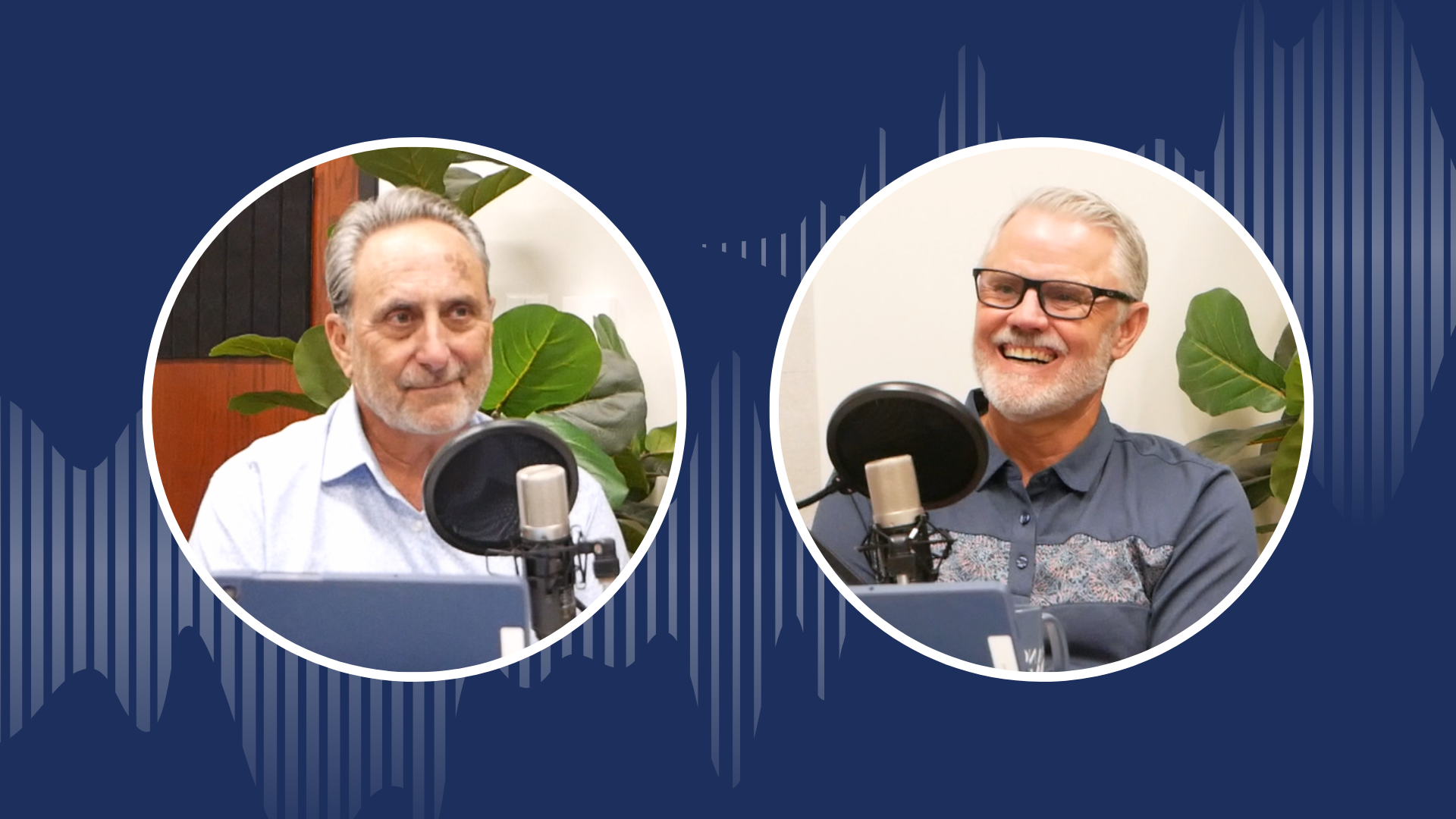
Rancho Mesa President and CEO Dave Garcia sits down with Todd Lewis, Vice President of Claims at Republic Indemnity, to discuss the growing challenges facing California’s workers’ compensation system, including rising litigation and cumulative trauma (CT) claims. They explore how AI is helping claims organizations investigate and manage claims more effectively, along with practical strategies employers can use to reduce claim disputes, support employees, and foster a stronger workplace culture.
Dave Garcia: Hi, everyone. This is Dave Garcia, and you're listening to Rancho Mesa's StudioOne™ podcast, where each week we break down complex insurance and safety topics to help your businesses thrive. I'm your host, Dave Garcia, president of Rancho Mesa, and I'm joined today by Todd Lewis, Vice President of Claims with Republic Indemnity, one of the leading workers' compensation carriers here in California.
Todd, welcome to the show.
Todd Lewis: Hey, thank you for having me, Dave.
DG: Great. So Todd let’s jump in to some of the general industry, state of the union types of things. So, what do you see—from your position, what do you see as the biggest challenges facing workers' compensation claims organizations today?
TL: Well, I think it's, you know, I think the obvious answer to that and what we're all seeing is the increase in litigation, you know, primarily CT. I mean, that's the buzz phrase these days in workers' compensation. But, you know, when we, and also too, I think we hate to just kind of blame all the changes in the world on COVID. But you can really see a change in workers' compensation that took place. And, you know, a lot of claim professionals such as myself, we tend to scratch our head because there's nothing that really changed primarily in the law. There's nothing that changed in work comp. But yet we've seen dramatic differences. You know, some of the primary differences that we see now is that the amount of new claims that come into our shops that are litigated from day one.
DG: Really?
TL: That's increased dramatically.
DG: What do you attribute that to?
TL: You know, I think when we look back at how the world changed when COVID hit is that you had a lot of non-essential workers go home. We all thought it would be days or weeks. It turned into months. And I think even applicant attorneys sat back and all of a sudden they looked at their clients dry up and they had to look for ways to keep their businesses going. So I think that they started to lean into an area that was always there and the opportunity was there. But I think that they had to figure out a way to do what they needed to do to keep their business going and then also to be able to do so in a world where we weren't going to be in person. And so, CT really lent itself to that.
And we started to see a lot of these workers that were at home and they started to file CT claims. And we started to see a very, very large spike in that. It's odd because a lot of folks think that litigation rose at the same rate that CT did, but it really didn't. I mean, if you look at most claim operations, you'll see that litigation over the last six years rose primarily about 10%, yet CT has gone up 20%, 25%. You know, as an industry, it's up 21% in the last five years. And so, it's just really odd to see things shift in that direction.
DG: Yeah. When you look at some of the fixes that might be out there, and everybody talks about AI. It's on every street corner, every conversation you have. How do you see technologies like AI maybe helping defending against some of the CT claims that you're seeing?
TL: One of the primary ways that we try to use AI is how we dive into medical records. And I don't want to get too far in the weeds, but from a technical aspect. But CTs, they come in the door with no medical. The employer likely, if they're still employed, many employers don't even know that the CT claim has been filed. Some of these people are even still at work, which is very strange. But most of it's post-term, post-layoff. Obviously, we saw a spike in layoffs after COVID. Many businesses struggled.
And so, there's nothing to support the claim at all. So, one of the things that we have to do as a carrier is to be able to differentiate between the CTs that come in your door. Some of them, even if they're post-term, these are 10, 15-year laborers that quite frankly, could have an injury. And maybe they didn't report something for one reason or another, whatever the case is. You have to handle those a little bit differently. But the way we use AI for these other set of claims that come in the door with no support at all, there really is nothing in there to validate the claim that's being alleged. And there's a laundry list of allegations being made.
We dive into the medical records, the personal medical records, where someone treats for and has been treating. Maybe it's Blue Shield or UnitedHealth. And we get those records and we use AI to dive in and identify prior diagnosis and injuries that have occurred over their lifetime that focus on those body parts. And it's enabled us to shine a light on that and say, hey, this is something that's been with you for quite some time. And we identify fraud that way. We identify other body parts where maybe we're going to get apportionment at the end.
There's many ways to use AI to be able to help you do that because the human being can't go through thousands of pages of records. AI can very quickly, and it can basically outline those facts for you.
DG: So, do you think that's one of the variables that separates a high-performing claims operation from just the average claims operation, amongst carriers?
TL: It does. It really does. I think that you have to be creative. You can't do things by route. And I think many of the, I don't want to say poor claim operations but claim operations that really haven't changed with the times, they're handling things very in a standard way that we've done so for years. The claim comes in, they delay it, they send them their MPN link. They allow the claimant and the attorney to create the claim from scratch on their dime. In California, we pay the first $10,000 if the claim is delayed. So they allow and they basically, they initiate the claim for them, and they allow themselves to be put in a lesser spot from a defense perspective.
DG: Oh, I see.
TL: Yeah, but it's also too, it's as a claim leader, I have to be very careful too, because my message is not, let's deny them all and let's be, that's not what I'm saying. You have to be able to differentiate at the desk level when claims come in. And you have to be able to make first contact, initiate a good investigation, have discussions, and to be able to identify and separate the CT claims that lack merit from those that actually have some substance. And these are good people. We need to take care of them.
DG: Yeah, it's interesting. As you're talking, I'm thinking, you know, AI is such a great tool for lots of different businesses. But there's still a human element to it. And so in your view, you know, what kinds of claims decisions, you maybe have alluded to it a little bit, should remain human decisions?
TL: You know, there's a lot. I mean, there's a few different things that go on in California workers' compensation, such as the way we do utilization review, which is like a doctor makes a request for a specific treatment. It goes through utilization review. We don't want adjusters making medical decisions. Sometimes there's things, though, that may not be approved by utilization review. You have to look at the bigger picture. You have some people that have very complex injuries, very significant injuries. You have to take a look at it and ask yourself what this person needs to get to MMI, which is basically where we're all trying to get. It's financially to our benefit to get this person to the end of treatment. You have to look at it realistically and what's going to benefit this person.
Sometimes there's things that you need to approve at the desk level that before you go to UR and not go to UR and be able to take care of that because it's the right thing to do. It's, it's, it makes sense. And we can't think. We can't be so boxed in in the way our adjuster's mentality works that they're just thinking black and white. They're just thinking process, which is very easy to do when you're at a desk. But you have to be human about it. It doesn't mean that you're giving benefits and things that aren't due, but you're trying to understand where you're trying to go, that you're trying to get this person to be permanent and stationary. How am I going to get there? Because it's going to financially benefit the company, it's going to benefit this person greatly, and it's going to be a win-win.
DG: That's outstanding. So let's shift it to, we get this question asked a lot. from our clients, you know, with CT or just frivolous, fraudulent types of claims, you know, as an employer, what can I do to help me defend against that kind of an onslaught of claim? Are there things employers can do?
TL: Yeah, I think there's things that employers can do overall. to help themselves deal with workers' compensation. And I think CT is definitely obviously part of that. There's the obvious things, where you make it known how to report a claim if you have an injury. You make sure you have good people managers that aren't leveraging people to work the number day sign in the warehouse that says, we've been this many days without an injury. We can't lean into that so much that we're pressuring people not to report claims. We have to do all those things, which are very obvious.
But I think there's a bigger component to it. And much like the way I run claims, much like the way you probably run your business here, I know you well enough to know that you're very conscious of this, is that you want to create an environment where you don't lead and manage by the stick, meaning that people don't fear retribution. They don't fear that they're going to be written up. They're not looking at it that way. They look at you as the president of Rancho Mesa, for example, that I don't want to let Dave down. Dave wants the best for me. He wants the best for this business. He wants to obviously make a profit, but he also wants to advance my career and develop me as an individual because he's smart enough to know that that's going to make his business better. It doesn't matter what you're doing. You could be counting widgets in a corner. And if you have that mentality with your staff and you lead that way, people have a tendency to want to take value in their job and their employer. They're not going to be the type they're going to file a frivolous claim. They're not going to be the type that's looking to litigate or is going to get bitter because something didn't go their way. They're going to understand the greater good, if that makes sense.
DG: Yeah, that's a great point. I think sometimes, you know, we've heard where an injured worker then just feels no longer a part of the company. And so whether it's intentional or unintentional or retaliatory, you know, like, well, fine, if you don't care about me. I don't care about you.
TL: Right.
DG: What is there any advice you could give? You know, post-term claims are a huge issue out there. Sometimes layoffs are necessary and it may be just short term. You know, we just the job completed. We don't need the manpower we currently have. When future jobs come, you know, we want you to come back with us. Is there any advice you can give to an employer how to handle that transition from you're employed to I've got to let you go in a manner that it mitigates, doesn't probably completely remove, it mitigates the opportunity for those post-term claims that are not legitimate claims?
TL: At the point of termination or layoff, you need to be apathetic. You need to have some apathy for the employees who are being let go. If you're able financially, I would highly recommend that you give some sort of consideration. You know, we'll talk to employers that have like a factory environment and they'll lay off 20 people and they gave them their last check. They gave them no notice and they did it on a Friday and that's that. And then they're surprised when they get 10 to 15 claims from the EDD or that were made through the lunch truck or whatever, or the bar where all these gentlemen or women drink after work and they all start to talk. And that surprises them. Why are you surprised? These people, you almost kind of left them with no choice.
If you can have consideration, and by that I mean if it's financial, that's great, you should have an exit interview. You should sit down, try to have an exit interview, have some consideration financially for these folks. If you can, have them sign something that whether or not or have them report something if they have an injury, let's hear about it now. If not, if you could sign this document, I'm going to take care of you. I'm not going to give you consideration to sign the document. That's not the message here. But it's a package. And there's some sort of apathy. I'm doing something for you as it takes place. I think those that go the cold route, they're going to see litigation. That's just the way it's going to work.
DG: Kind of like the golden rule, right? Treat others like you want to be treated. So I know businesses get busy and sometimes they don't have in their mind time to sit down and have that formal conversation letting somebody go. But it sounds like you'd advise, find the time. Find the time to do it because it's probably the right thing to do, but it also is likely to reduce the chances to some degree of those post-termination claims.
Todd, you've got a great reputation in the industry as well as Republic Indemnity. Let's shift gears. I know you've been with Republic now about a year and a half or so. Let's talk about, with that strong reputation kind of already in place, what do you believe that you and Republic do differently than many competitors?
TL: I try to practice what I preach. The way that we lead our claim department is very similar to what I talked about, what I would recommend to an employer. You know, adjusting claims is a difficult job. It's a very hard job. It's something that's hard to do in managing a claim department. My team managers, it's rough. It could be a very challenging job. It's one of these types of jobs that's never done. And people have a hard time adjusting to that. It's not for everybody. So what we try to do is develop organizational skills inwardly.
Also, too, one of the things I do when I come into a claim organization, and I haven't been in a lot of shops, but when I came to Republic was first try to identify what's causing them pain. Here's my claim department. We have three locations. What don't you like? What's causing you pain? Do skip-level interviews and touch points with employees and find out what makes them tick. You're going to hear some of the usual things, but you're also going to hear some things. that means something and things that are changes that can simply be made and bring value, real value to them. But you want to start from day one to create the environment within a claim department that people want to work for.
And it's a very competitive environment. Claim handlers get stolen away by recruiters every day. There's a lot of money to be made as well. It's a good career. And good claim handlers are of great value. And so you have to create an environment that they want to be at. And if someone leaves you, there's a reason why they left you. And you need to understand what that is. You can't just be upset and just be hurt by it and just kind of turn your back on it and go, I don't know why Bob left. You have to understand it. And so what I try to do is create an environment where people want to be at. They want to work for it. They believe in where we're trying to go.
And also, too, you make it very clear to them. You communicate. And if anything, probably if I look at myself critically, I probably overly over communicate. And some like it. Some probably like it's a little much. But I'm a fan of it. I want to know where everyone stands. I want the department to know where we stand, what we're doing, why we're doing it, what our numbers are, and what our goals are. And also, too, to clearly explain expectations.
There's many businesses, especially claim organizations. where people really don't understand clearly what's expected of them. That needs to be black and white and it needs to be forefront. You need to understand what is expected of me daily and what I need to achieve, not only to be successful, but also if I want to move upward, you need to develop me as a leader. You need to understand what my wants are and then also too what my needs are.
DG: Is there anything that you're formally doing? You identify somebody that wants to grow. They'd like to take on more responsibility as their career develops. Is there things within Republic that you're doing to consciously develop those people into a leadership position?
TL: Yeah, definitely. I think mentorship is a great way to do that. We're actually doing that consciously right now with a few individuals. I do require all my people leaders to have monthly touch points, one-on-ones with their staff. Also, too, to be able to have some value brought to that. It's not like, well, my door is always open. Dave knows he could come in and talk to me anytime. That doesn't work. You need to have something on the calendar so Dave can plan on what he wants to talk to me about as his manager. And so that's important. And that's hard for a lot of managers to understand, but that's something that I do require within our organization. And I think it brings a lot of value.
So what we've done is we clearly understand where people want to go as much as we can. And then we try to assign mentors to actually help them get to that next level and explain to them the qualities and what they need to take on from a technical perspective. Because this is a very technical job. You must be a technician first in claim. And you must understand the law. You must understand what you're doing. It's not enough just to say, hey, do A, B, and C. I need you to understand what A, B, and C mean and what you're doing. There's a difference.
DG: So it sounds like the characteristics you're looking for is somebody that utilizes critical thinking, problem solving. All of that is something that your mentors try to work with the people that are mentoring to develop those types of skills. Is that kind of the idea?
TL: Definitely, definitely. I think in a career and in a field where, like I said earlier, like you're never finished, right? There's always something to do. You have to be able to be very organized. You have to be able to prioritize very well. You have to think critically as you commented on. These things are very important. And that's what I look in the interview process as well. And if I'm going to bring someone in and, you know, it's always nice and to bring someone in that's like a known quantity, as I call it.
But I was at a prior job where I actually hired a lot of people out of college and whether they be right out of college or a year or two and trying to differentiate between those that are thinking critically, that are organized. It's not always the smartest person, you know, book smart. You have to find someone that's able to think on their feet and the way they react. And I probably have, I've been told probably a more odd style of interview because it's not about me. asking you what you know about claim or these things. It's me trying to figure out how you think.
DG: Oh, interesting. Is there a claim handling practice at Republic that really challenges the conventional industry thinking?
TL: You know, I think what we're doing right now in litigation is challenging that way of thought. And I mentioned it earlier. I think we have a very aggressive CT litigation strategy, but it's all built around differentiating at the desk level.
To give you an idea of basically in most insurance carriers right now, over half of the claims that they set up daily come in the door, litigated, blind application, no medical, just here's a letter from an attorney and you don't know much else. And that person's never been to a doctor. In some of these cases, unfortunately, within California and primarily LA County, these attorneys in many cases haven't even met these people. And it'll say signature on file. You have to be able to differentiate between these types of claims and the types that are made by individuals that truly you need to handle in a different fashion.
I think what we do is we're very aggressive with those in the first bucket. I'm going to deny your claim. Your claim has no substantial evidence, not only medical evidence, just nothing. There's nothing there at all. You may or may not even still be employed. No one knows that you've had an injury. There's things listed that just don't make sense. There's nothing to validate it at all. So we're very aggressive out of the chute.
And also, too, part of that goes in, and again, not to get too in the weeds, but once we go to medical legals, things of this nature, we're going to provide the doctor with everything. We're going to make sure that we have what we call a perfected medical legal. And that's important. Many carriers today will send out to medical legals QMEs that you hear. And the doctor comes back and they find a compensable injury. It's a trial of fact issue. This is a CT claim. This person hasn't been employed for months. They may have a diagnosis, but how's that link it to work? And this doctor doesn't have that information. Oftentimes, they don't have any medical records. They haven't been given anything. And so you have to object to that medical. You have to hold your ground and get to a perfected medical legal. And you try to settle these claims early. You try to understand what nuisance value really means. And I think that's something that's kind of lost on the industry. But you need to be very aggressive up front. But most importantly, you need to differentiate the claims that you're going to take that strategy on from those that actually have probably some merit. And you need to actually handle them in a different fashion.
DG: So no one size fits all.
TL: No, no. And the thing I fear most in sitting down with you today is walking away and having people listen to this and think, well, it's just another claim guy that's beating everybody up with a stick. That's not the mentality at all. This is a claim administration system. We are a benefit administrative system. Our job is to pay benefits that are due. We will pay every dollar due, but my job, I'm not going to pay one more. I'm going to pay everything you have coming. I'm going to take really good care of you and so is my staff. But we are going to draw the line once we feel that there's abuse.
DG: Well, I can hear the passion in your voice, Todd. That's outstanding. OK, we're getting near the end. So I've got a couple of questions for you. I wanted to let you brag a little bit. So what accomplishment are you most proud of at Republican Indemnity?
TL: You know, I think that I'd say I'm only a year and a half in. And I think what I've done with the staff and to turn many of our metrics around the way that we're audited. Republic Indemnity has been a great claim department and great insurance company for a long time. It didn't take Todd Lewis to come in to do that. They administer benefits and they audit at the very top of the state rankings and have for a lot of years. We do that very well. I think what I like to think about what we do well now in the recent past is that the way that we've embraced AI. the way that we've actually embraced the strategy to handle increased litigation.
Everyone's getting beat up in California Work Comp. You know that. I know that. We've all seen the combined ratio go up. It's how do you get beat up less? How do you manage this system to be able to understand the strategy that's needed. So much of what I just talked about, our ability to develop the staff and train them to understand and differentiate between these claims that come in the door, because truly you have to take care of people at the end of the day. That's the job. But to understand where you draw the line. And I think that's the thing I'm most proud of. And I think I see our staff now, our walkaway rate, which is like the rate of people that file litigation and just walk away from their claim because it's just not—you handle it in such a way out of the gate that's like, okay, well, this isn't what I was told. I was told that I don't really need to do much here and we'll just get a check and we'll go away. That's just not the way we do things at Republic.
DG: Yeah, that's great. Okay, last question. I'm going to give you the magic wand. If you could change any one thing about the workers' compensation system here in California, what would it be?
TL: Well, I think it's obvious we need reform, but I don't want to sound like the basic claim VP and say all these things that we feel it's too liberal because it is a benefit administrative system. That's the way it's built. But in California, I've managed every state and I've also managed Defense Base Act and Longshore and just about every kind of comp there is. California is set up to basically hurt the insured. We need to make it tougher, and not tougher from a standpoint where we make it hard to collect benefits, but the burden to prove a compensable claim is just too low. We can't allow litigation to be filed months after someone's employment ends. Other states don't do that, and they're able to provide benefits in a very fair manner.
Also, too, though, there's some other reform that's going to have to take place as well, like our permanent disability. There's different kinds of legislative change out there. that, you know, labor is going to want something and they should get it. And maybe we should look
at the PD rate. There are some changes that make sense there. It's been a long time since they've increased their weekly rate. Maybe there's some give take that needs to happen, but it can't be all give. And we need to figure out how to basically keep employers in California, make them solvent, make them want to be here and make them successful. Because right now it's not set up that way.
DG: Yeah, it's interesting. You know, we're, so we talked last night at dinner. We're, here at Rancho Mesa, we're involved in three different peer groups nationally. So we get to talk to other agency owners from every state in the union. And CT, frankly, they don't even, what's it stand for?
TL: Right.
DG: They don't see it. So we know it's fixable. You know, we just have to get there. And I do agree with you. It is going to be a give or take. And we're all in agreement that the PD rates should go up. No problem there. We want to compensate those injured workers accordingly, but that are really injured workers. What we want to try to get away from is everybody feeding into the system that are not the injured worker or the employer that are driving these costs up and creating all these log jams of litigation and things like that.
Well, Todd, I don't have the ability to say I grant your wish, but I wish I did. But I think you know, the audience that's listening to this are people that understand we've all
got to take an action in arms here. We've got to all do our part, whether it's reaching out to our council members, to our state senators, chairs, anybody in Sacramento to say, hey, we need to take a look at this and we need to take a look at it sooner than later to correct some things.
So, Todd, is there anything else before I wrap up today that you'd like to share?
TL: No, that's about it, Dave. I appreciate your time.
DG: Yeah, thank you so much for joining me today. Really appreciate it.
And to everyone out there, thanks for tuning in to our latest episode produced by StudioOne. If you enjoyed what you heard, please share this episode and subscribe. For more insights like this, visit us at RanchoMesa.com and subscribe to our weekly newsletter. I'll talk to you again soon. Bye.
Fleet Safety is Evolving: How Telematics and AI Are Changing Fleet Risk
Author, Rory Anderson, Partner, Account Executive, Rancho Mesa Insurance Services, Inc.
Fleet safety technology is rapidly shifting from reactive to proactive. Modern telematics and artificial intelligence (AI) tools now give companies real-time visibility into driver behavior, helping identify and correct risky habits before they turn into accidents.
Author, Rory Anderson, Partner, Account Executive, Rancho Mesa Insurance Services, Inc.
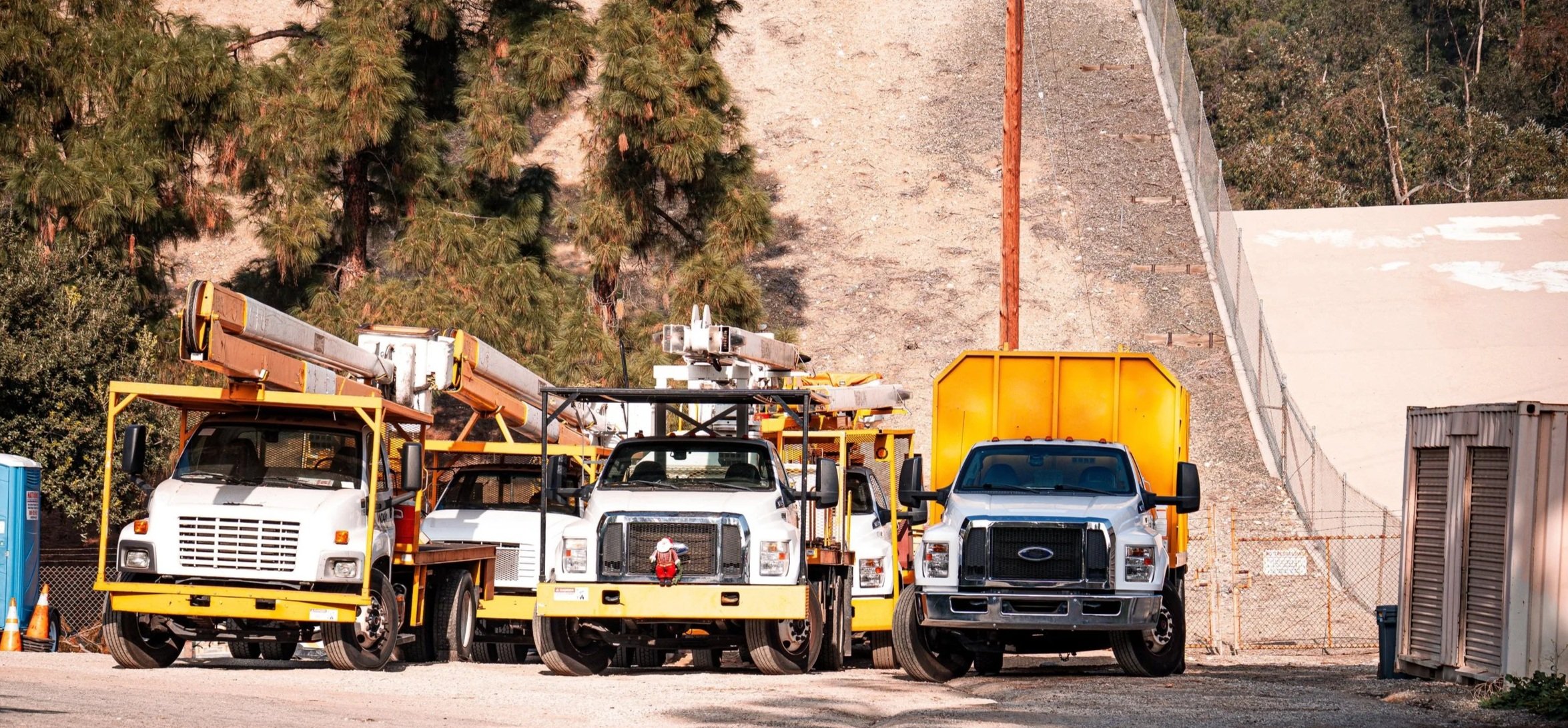
Fleet safety technology is rapidly shifting from reactive to proactive. Modern telematics and artificial intelligence (AI) tools now give companies real-time visibility into driver behavior, helping identify and correct risky habits before they turn into accidents.
I recently attended a webinar titled Telematics, AI & the Future of Fleet Risk hosted by the Insurance Journal, and one of the biggest takeaways was that many companies are seeing immediate value from these tools through reduced claims, improved driver performance, and better operational efficiency which all lead to greater returns on revenue-generating assets like the company’s fleet of vehicles.
Interestingly, many organizations initially implement telematics for safety reasons, but quickly discover benefits across multiple areas of the business. In addition to improving fleet safety, which ultimately leads to fewer out-of-service vehicles, companies often report:
Reduced fuel costs
Improved maintenance tracking
Better workflow efficiency
Greater asset (vehicle) utilization
One analogy from the webinar stood out to me. The speaker compared drivers to professional athletes reviewing game film. Just as athletes use video to improve performance, drivers can now use dash cameras and AI insights to improve driving habits through more personalized coaching.
Of course, implementation is not without challenges. Employee buy-in is often the biggest hurdle, particularly when drivers feel the technology creates a “big brother” environment. Transparency is critical. Companies that clearly explain what the system tracks, how the data is used, and why it is being implemented typically see much stronger adoption.
Another challenge is information overload. Many organizations are surprised by the amount of data available when they first launch a telematics platform. A gradual rollout focused on a few key metrics at a time often leads to the best results.
There was also strong discussion around the impact telematics and AI are having on claims and litigation. Dash camera footage and telematics data can help piece together accidents more accurately, improve claim investigations, and provide objective evidence during litigation. In many cases, these tools help reduce the total cost of risk while improving defensibility.
Fleet technology continues to evolve quickly, and while telematics is not a replacement for a strong safety culture, it is becoming an increasingly valuable tool for contractors looking to improve safety, reduce losses, operate more efficiently, and improve return on assets.
To learn more about how telematics and AI tools can help your company manage risk, contact me at randerson@ranchomesa.com or (619) 486-6437.
Insuring the Future: AI Tools for Modern Brokers
Rancho Mesa President David Garcia and Erik Vandermaus, Executive Vice President with BrokerPRO, a data and insight company that’s transforming the insurance industry. Discover how their technology is empowering brokers to streamline workflows, personalize client interactions, and stay competitive in a rapidly evolving market. discuss how to deal with current or former employees who post slanderous videos online, and ways to prevent it from occurring.

Rancho Mesa President David Garcia sits down with Erik Vandermaus, Executive Vice President with BrokerPRO, a data and insight company that’s transforming the insurance industry, to discuss how their technology is empowering brokers to streamline workflows, personalize client interactions, and stay competitive in a rapidly evolving market.
Dave Garcia: Hi everyone, you're listening to Rancho Mesa's Studio One podcast, where each week we break down complex insurance and safety topics to help your businesses thrive. I'm your host Dave Garcia, and today I'm joined by Erik Vandermaus. He's the Executive Vice President with BrokerPRO, and today we're going to discuss this platform and what's on the horizon with it. Erik, welcome to the show.
Erik Vandermaus: Thanks so much, Dave.
DG: So, Eric, let's just jump right into this thing. What led you and your team to start BrokerPRO?
EV: Well, I really appreciate the opportunity here. And it all started with our president, Nezih Hasanoglu's vision back in 2023 to create an insight and automation company that would do just that, bring solutions to brokers that would more effectively harness, leverage, and monetize their data and then share that high quality trusted data with other like-minded brokers to create a national benchmark across P&C, EB, and other areas.
So Nezih is our president of BrokerPRO and then I lead our data product development efforts. And about two years ago, two and a half years ago, I was a managing director at Accenture, which is a global tech consulting firm, and I was creating those same data analytics, digital and CRM solutions for my clients in the insurance industry.
DG: Okay.
EV: And so now I get to bring those same technologies to the broker space.
DG: Awesome.
EV: Yeah, it's been such a blast to work with Nez and others in the space. And the key for me has really been the ability to make an impact and deliver value to those at the trading desk. Those that are producing and need an edge to increase their win rates, go up market, and free up time so they can spend more of it with their clients.
DG: So in working with Nez and looking around and doing your research, what were some of the biggest frustrations or inefficiencies you saw brokers facing in the insurance marketplace today and how do you think BrokerPRO’s going to be solving some of them?
EV: Yeah, great question. BrokerPRO is a data and insight company. And our mission is to digitally enhance the client experience by harnessing and leveraging data for value at the trading desk. And so we start with a phrase by brokers for brokers, meaning that it's in our DNA, our funding, our leadership is from the broker space. And why does that give us an edge? It means we're close to the problems because we see them when we walk down the hall and see someone spending hours creating a benefit guide, or see someone using other generative apps that really aren't tuned to the specific task and are inherently just not going to be as accurate as some of our solutions are. And so what we see for biggest frustrations, inefficiencies at the trading desk, there's so much unnecessary times moving things around, taking data from here to there, spending 10 hours creating a benefit guide, as I mentioned, or comparing two policies or a quote to a policy, or spreadsheeting information. It's time that could be freed up. And so this is why we created one of our products called GenPro, which I'll talk more about.
And second, brokers can no longer rely solely on the strength of their relationship with a prospect or client to win and keep their business. Yes, relationship will always be critical, but not sufficient. And that's really because of the buyer of today. And, you know, that new CFO, that's 35 years old, they went through college during the 2008 financial crisis. And they were trying to find their first job around that time. And that has significantly shifted how brokers need to approach them, more towards a strategic risk-aware partnership mindset. And they value resilience, data-driven insights, and long-term value. And so that's how we need to meet them, where they're at. And that's what BrokerPRO is doing.
EV: So you mentioned a lot of things there. And your customers will be brokers like Rancho Mesa, and other agencies across the country. And then we'll be able to deliver these benefits to our customers and clients and hopefully talk to prospects about the benefits of things as well. So is there, is that, do you have any success stories that I know, you know, what's the genesis of BrokerPRO? How long has it been out in the marketplace? And then maybe you can share a couple of success stories with us today.
EV: Yeah, we just started with our marketing efforts this year and we have six brokers on platform now and we're growing. And back to that CFO, they want a national benchmark and that trading desk wants efficiency. That's what BrokerPRO is solving for. And so I'll give you some numbers, success stories: 31, 106, and 20.
First, riffing off that national benchmark comment, producers that use BrokerPRO's data products see new business win rates 31% higher than those that don't.
What's more, producers that use our data products see their average win amount 106% higher than their peers. And that's because they're using data products within the pro suite benchmark, national benchmarking for P&C as well.
And a producer recently who was doing a P&C renewal, client wanted to change carriers. They weren't happy with the carrier from a work comp. claims perspective. But the producer was able to bring this trusted national benchmarking to show that their rate is lower than their peer. They argued that they shouldn't go to market and that the client immediately agreed. So again, back to that CFO, they want to see data to back up the recommendation.
Even more, brokers need to free up time. And so 20 comes from freeing up 20% of time at the trading desk when our generative AI GenPro is used. Users are saying that it's saving them on average an hour and a half per day. And that adds up over a week, that's 20% of your time for the week.
DG: So I know we're going to discuss some of the products specifically here in a second Erik, but I'm curious you've mentioned a lot about the producers and the impact to them. Do you see this as a tool that the client management staff will use as well? Maybe you can share a little bit about how they're using this in their day to day. I'm sure it's saving them time too.
EV: I love it. Yeah, absolutely. Yes, 100%. So GenPro, our generative AI app is tuned for the work that a client manager is doing all day long. And that's where we see the greatest use. And that that's where we see that hour and a half savings per day.
For an example, I was I was on with one of our subscribers. And the client manager was talking about a benefit guide accuracy check she was doing and she put it through GenPro and she found another claim in the template because the template is often reused. It happens and her manual check wouldn't find it but GenPro found it. Saved her a lot headache.
DG: Oh for sure. Yeah that's great. You mentioned GenPro. What else is contained in the BrokerPRO model?
EV: Yeah we talk about our pro suite starts with GenPro. That's private, secure, generative AI. It's tuned to perform like an insurance broker's assistant, and it's been configured to be accurate. So unlike Copilot or other Gen AI apps, we've turned its creative abilities all the way down. It is focused on accuracy and to sit alongside you, and that's what's driving the time savings. It's so fun to hear the users when they get into it, “It saved me 10 hours here. This is what I was doing.”
So, really fun and exciting to see what they're doing with it.
DG: Erik, you'll quickly recognize I am not a tech leader like you are. So, let me ask a couple of questions at my level of tech understanding. When we talk about GenPro, I'm concerned that you always hear, at least that I hear, is that somehow we're going to let information out of our office, out into wherever that goes, making it accessible to other types of AI products, can GenPro go out of the system to seek information, other than agency information?
EV: Great questions. The answer to the first question, no, it cannot leak data out because we take a copy of the large language model. And so whenever you're interacting with it, it's using a copy that it's talking to.
DG: I see.
EV: So that public model is never able to see anything you upload to it. So that's a really important piece. Users also have self-contained security. They can only see their own documents, et cetera. We don't want it to go out and find data externally. I will caveat that to say, though, although we are and we do have the ability to ask or have GenPro look at files coming from the AMS. So for example, one subscriber has over four million files that they've downloaded from Epic and GenPro is able to look at those and use those, but it's all contained, self-contained within that subscriber.
DG: Okay, so many of us—Epic for the audience is an agency management system that many agencies probably the 75% probably of the agencies in the United States use Epic. So what we're saying then, Erik, is that GenPro and Epic can communicate with one another? So the information that's in Epic is accessible to GenPro?
EV: Correct, it is.
DG: Okay. I'll tell you, as the agency owner here out in Southern California, that is one of our biggest needs is to, we've got these sources of data, whether it's in our agency management systems, on Excel sheets or wherever and finding some kind of a product that can talk with each of those and extract data from it and then put it into some usable, readable tool is huge.
EV: Yeah, so exactly.
DG: And maybe that kind of leads to my next question. How does BrokerPRO kind of stand apart from all these other insure-tech products? I get an email a day, you know, from the next greatest, you know, insure tech product. How does BrokerPRO stand apart from all of those?
EV: Indeed, there's so many options out there and brokers are spending so many hours just evaluating solutions and weeding through it. Here's BrokerPRO's superpower that cuts through all that. We're by brokers for brokers. By brokers for brokers. We were born from a top 50 broker here, M3 insurance. That gives us a tremendous edge over other insure-techs by being close to the problems that brokers face.
That said, we're also independent and we operate separate from the parent. And so we've solved the national benchmark data problem with high quality trusted data and efficiency with GenPro. And now if you start to put those two together, high quality national benchmarking with Generative AI, if you start to mix and match those tools, which you can do on BrokerPRO, that becomes a competitive edge over these other insure-techs that only do one or two or three things separately. We can mix and match those together.
DG: So Erik, as you grow this membership, I think you mentioned currently have six or seven agencies that are now BrokerPRO subscribers. Is there any abilities to use the data within that group as a benchmarking tool for all the members without obviously being account specific or something like that?
EV: Absolutely that's the beauty of our benchmark pro products both for P&C and employee benefits and that's the beauty of the BrokerPRO platform because we're able to share data with like-minded firms. And we de-identify, we anonymize that data so you can't see the actual name of that client, but you can benefit as a broker by calling up what that national benchmark looks like when you are competing for business and you want that broader perspective.
DG: Yeah, that's a big help for agencies like ourselves. As I mentioned, we're in Southern California is where our corporate offices are, but we do business in 22 different states, and you roll into a state that you're not familiar with, you've got an opportunity there, you really don't know the marketplace, what carriers are really active there, and what are not. So it sounds like this tool would be a big asset for us to say, “Hey, we're looking at a plumbing contractor in Missouri, can you give us an idea of which carriers are being active in that marketing space?”
EV: Yeah, and you can trust it because you know where that data came from. You know that that peer firms that aren't competitors with each other, but we're sharing data in order to help each other win against the national firms that just have national benchmarks just based on their size.
DG: Yeah, so, you know, I'm going to be selfish here for a second because this next question probably Fits myself and our agency, you know spot-on but give me a piece of advice that you give to other brokerage agency leaders like myself who are working on their AI strategy within their own firm. Most of us do not have somebody like Erik that we can just say, "Hey, Erik, can you look into this for us?"
What advice can you give me or give us all?
EV: Yeah, absolutely. So if you're evaluating insure-tech and AI, which most of us are, you're in this endless loop of analysis. There's just so many options. So I encourage you to prioritize the platforms that are scalable enough on the number of use cases they can solve for you versus having to evaluate and buy a separate solution for every use case problem you face. And that is one of the major benefits of BrokerPRO because we've got close to the problems, and we're able to see across those areas, P&C and EB then mix benchmarking with AI together. If you focus on those things, that will really accelerate your time to value in your shop, and selfishly, it will also lead you to BrokerPRO.
DG: Yeah, right, sure. Well, you know, I think, you know, I've had a few conversations about this, so you enlighten me to a lot, and I like the idea of kind of reverse engineering the needs basis, like what's the outcomes? What's the output we're looking for? And then is that something BrokerPRO can do? And if so, how does that works?
So--versus, and we've already sat through a number of different meetings with different other vendors and it's overwhelming, you know, they can all do everything, most of it we don't need and you get confused. And then, you know, I don't know if this is a real term when I made up, but I feel like there's AI stacking, you know, where you start laying product on top of product on top of product, and you don't know which one's doing what the best. So, sounds like BrokerPRO’s, I like the idea that it's reverse engineered from the broker standpoint. You know, it's written by our needs, and that's a consensus of needs. And then with the growing group of members, there's probably going to be new needs that are going to apply to all of us to help us. So that makes a lot of sense. So Erik, before we wind down, where's BrokerPRO going next? What are you guys working on? Give us a little tip.
EV: So, you know, even if your agency is growing 10 to 15 percent a year, there's likely friction points all over your agency, slowing you down from even that next level of growth. So think about all of those friction points. One of those that we've heard from our subscribers is benefit guide creation. We all know that it takes so long to create those things, and one client may have 10 different files that a client manager, someone at the desk, needs to look at to create one of those benefit guides. And so, how can you take that 10 hours of manual creation and use AI to bring that down to let's say an hour? We're solving that problem. We're actively in development on that. I can't wait to bring out to our subscribers to show them what we can do.
DG: So a little tease there, a little something coming. Stay tuned for the first episode of next season, sounds like. That's awesome. Anything else in the pipeline that you can mention or feel comfortable mentioning?
EV: Yes, there's so much on our roadmap and so many things that we're working on, but it's really important for us to prioritize based on what our subscribers are asking for. That is one of them, but there's a couple others that are on the burners right now.
DG: Okay, great. Well, listen, Erik, I've really enjoyed the time today. It's been super informative. We're looking forward to you and I and our companies having further discussions for sure, but if listeners that are out there are curious to learn more or to get started with you, what's their best first step? How can they reach out to you?
EV: Yep, go to brokerproai.com, and there's a way to request an invitation, and we would love to talk with you.
DG: Okay, that's is there before we end is there anything else you'd like to talk about or mention before we wrap up today?
EV: It's just, it's been an honor to be able to talk with you and to get this opportunity and we know that now being by brokers for brokers we're talking to those that are in the same boat they're looking for these solutions and it's tough it's tough to read through it so let us show you how we're different and how we're close to the problems that you need to solve.
DG: Great Erik, thanks so much for joining me today in StudioOne. I appreciate it.
EV: Thank you.
DG: And everyone out there, thanks for tuning in to our latest episode produced by StudioOne. If you enjoyed what you heard, please share this episode and consider subscribing. For more insights like this, visit us at RanchoMesa.com and subscribe to our weekly newsletter. Till next time, take care, bye-bye.
New AI Regulations for California Employers
Author, Jadyn Brandt, Client Communications Coordinator, Rancho Mesa Insurance Services, Inc.
On October 1, 2025 California employers with five or more employees will be required to follow new Artificial Intelligence (AI) regulations. The amended regulations address the use of automated-decision systems (ADSs) in employee or prospective-hire evaluations, applying existing antidiscrimination laws to new AI technologies.
Author, Jadyn Brandt, Client Communications Coordinator, Rancho Mesa Insurance Services, Inc.

On October 1, 2025 California employers with five or more employees will be required to follow new Artificial Intelligence (AI) regulations.
The amended regulations address the use of automated-decision systems (ADSs) in employee or prospective-hire evaluations, applying existing antidiscrimination laws to new AI technologies.
Automated-Decision Systems
Employers will be required to comply with the state’s existing antidiscrimination laws when using an ADS. For work-related purposes, an ADS is defined as any computational process that makes or supports employment decision-making, including hiring, promotion, or termination. An ADS may use artificial intelligence, algorithms, or other types of data processing to:
Screen, evaluate, or make predictive assessments about applicants or employees, including their skills, abilities, personality or cultural fit.
Share job advertisements or recruiting materials to certain groups.
Screen resumes for key terms.
Analyze observable traits from online interviews, including facial expressions, word choice, or tone of voice.
Analyze third party data.
Accommodations
Improper use of ADS can lead to discrimination based on disability or religious creed. Individuals with disabilities could be placed at an unfair disadvantage if an ADS evaluates physical abilities or cognitive traits. An applicant’s or employee’s religious beliefs or practice could also conflict with the screening process used by an ADS. Employers should consider whether reasonable accommodations are required in either case before making a decision based on an ADS.
Recordkeeping
Data collected from an automated-decision system must be retained by employers for four years from the date the record was created or the date of the action taken as a result of the ADS, whichever is later.
To ensure your business is compliant with the new regulations, there are a few steps you can take.
Retain ADS data for at least four years.
Ensure HR and managers are aware of what accommodations for a disability or religious beliefs might be required, when using an ADS in employment decisions.
Resources for staying up-to-date with state and federal laws can be accessed through Rancho Mesa’s RM365 HRAdvantage™ portal. Rancho Mesa’s HR experts are also available for clients to answer specific questions about the new regulations and how they could impact your business through the HR portal.