

Industry News

General Liability Classification for Tree Care Contractors: Ground Work Is Still Tree Work
Author, Rory Anderson, Partner, Account Executive, Rancho Mesa Insurance Services, Inc.
Many tree care contractors are familiar with the ability to split workers’ compensation payroll between tree care and landscape codes when specific conditions are met. This has led some contractors to believe the same approach applies to general liability, particularly when trimming small shrubs, fruit trees, or clearing small trees and brush from the ground. While this assumption is understandable, workers’ compensation and general liability are governed by different classification systems. Applying workers’ compensation logic to general liability classification is one of the most common reasons tree care contractors experience unexpected additional premium at audit.
Author, Rory Anderson, Partner, Account Executive, Rancho Mesa Insurance Services, Inc.
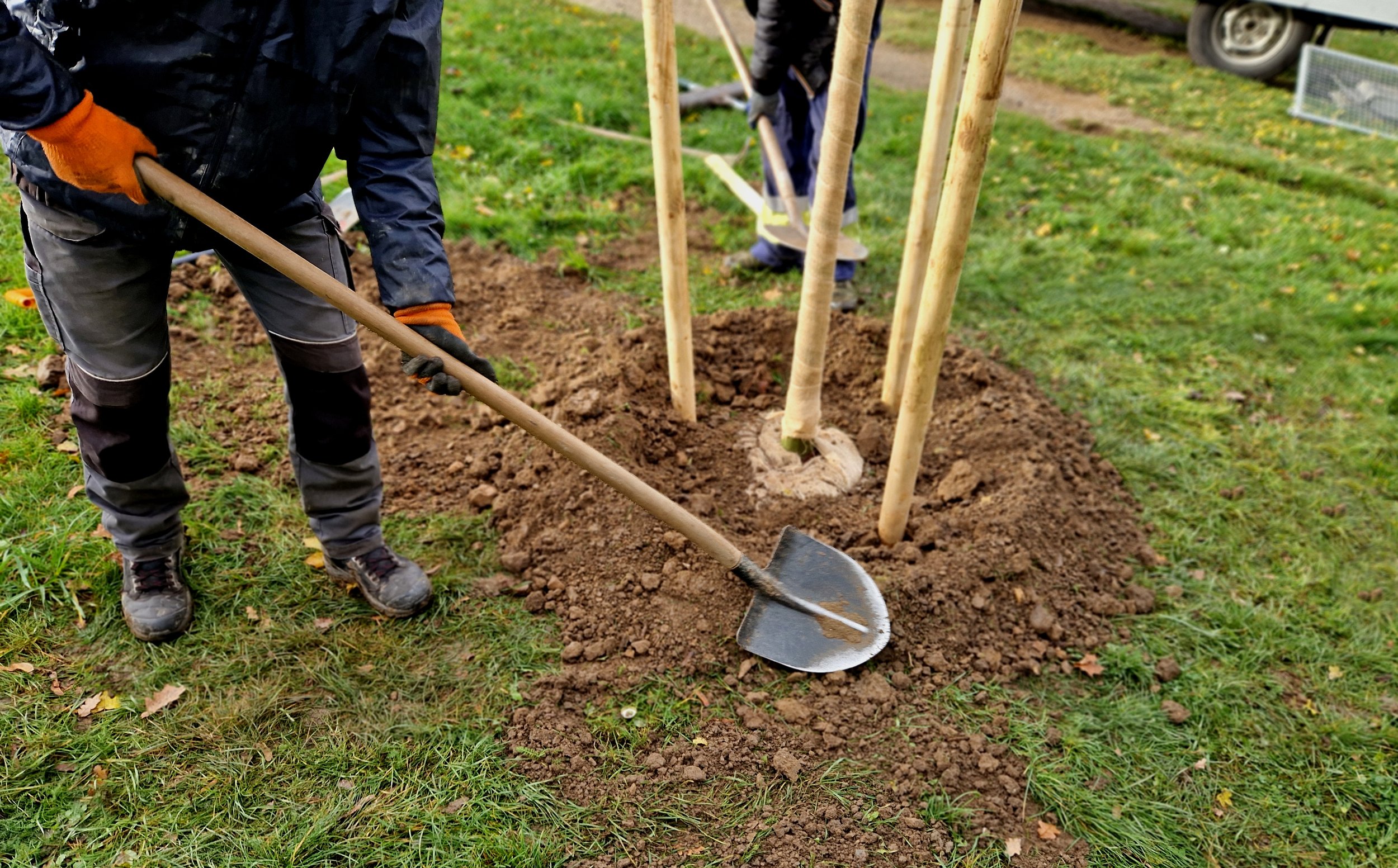
Many tree care contractors are familiar with the ability to split workers’ compensation payroll between tree care and landscape codes when specific conditions are met. This has led some contractors to believe the same approach applies to general liability, particularly when trimming small shrubs, fruit trees, or clearing small trees and brush from the ground. While this assumption is understandable, workers’ compensation and general liability are governed by different classification systems. Applying workers’ compensation logic to general liability classification is one of the most common reasons tree care contractors experience unexpected additional premium at audit.
General liability classifications are governed by the Insurance Services Office (ISO), and ISO class code 99777, Tree Pruning, Trimming, Repairing or Spraying, is intentionally broad. The code explicitly includes tree work performed from the ground, as well as work performed from ladders, by climbing, or using bucket trucks. It also includes incidental chipping, debris removal, stump grinding, storm cleanup, and the removal of a small number of trees. Under ISO rules, the determining factor is the nature of the operation being performed, not whether an employee leaves the ground. If a contractor is hired to perform tree work, that exposure must be reported as 99777 regardless of tree size or elevation.
For a tree care contractor, ground-related tree work should not be treated as landscape work for general liability purposes. If the scope of work involves pruning, trimming, removal, or care of trees, including ornamentals or fruit trees, the operation is considered tree work under ISO classification rules. Ground-based tree work does not become landscape exposure simply because it resembles landscaping. General liability auditors are not focused on whether an employee leaves the ground. Instead, they are focused on what the business does. If a company is licensed as a tree contractor, markets itself as a tree care company, and is hired to perform tree work, that exposure is considered tree operations for general liability purposes.
This does not mean landscape classifications are never appropriate. Tree care companies with a separate landscape maintenance division may properly use landscape general liability codes for crews performing standalone landscape services such as mowing, planting, irrigation repair, or general groundskeeping. However, once a crew is dispatched for tree-related operations, regardless of size or whether the worker leaves the ground, that payroll must be reported under 99777. Understanding this distinction upfront helps tree care contractors avoid audit surprises and ensures their general liability program accurately reflects their operations.
Reach out to me if your tree care or landscape company has encountered challenges with general liability and/or workers’ compensation audits. Having a resource that understands these key distinctions can provide deeper understand and clarity in this often confusing space. I can be reached via email, randerson@ranchomesa.com or by phone at (619)-486-6437.
Understanding the Three Deadliest Hazards in Tree Care
Author, Rory Anderson, Partner, Account Executive, Rancho Mesa Insurance Services, Inc.
Tree care remains one of the most hazardous professions in the country. Whether crews are pruning, removing hazardous trees, clearing storm damage, or performing routine maintenance, the work demands planning, precision, and strong safety practices. Despite ongoing improvements in training and equipment, three accident types continue to cause serious injuries and fatalities: falls, electrical contact, and struck by incidents.
Author, Rory Anderson, Partner, Account Executive, Rancho Mesa Insurance Services, Inc.
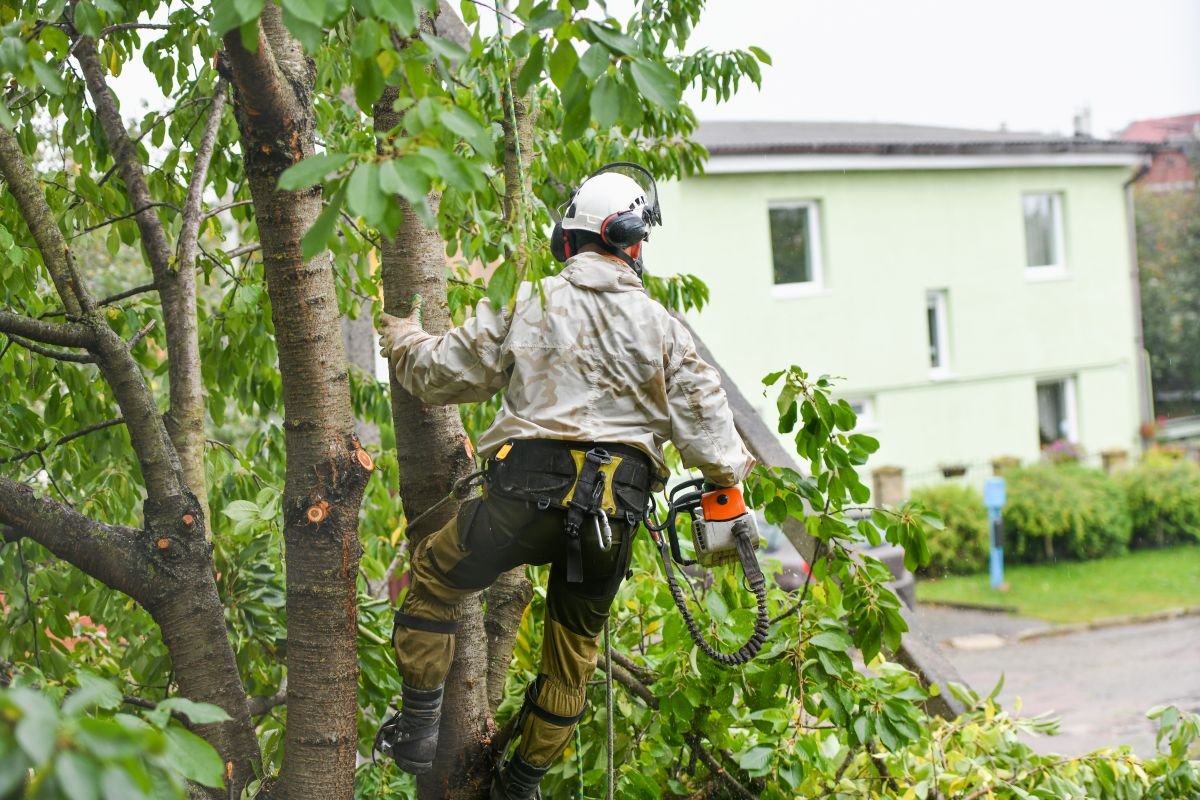
Tree care remains one of the most hazardous professions in the country. Whether crews are pruning, removing hazardous trees, clearing storm damage, or performing routine maintenance, the work demands planning, precision, and strong safety practices. Despite ongoing improvements in training and equipment, three accident types continue to cause serious injuries and fatalities: falls, electrical contact, and struck by incidents.
Falls account for about one third of industry fatalities according to the Tree Care Industry Association (TCIA). Climbers are involved in roughly half of these incidents, most often when they become unsecured even briefly or when an anchor point fails. Climbers also continue to fall with the tree due to hidden decay or structural failure, which highlights the importance of thorough inspections. Aerial lift falls also remain fatal events, usually when operators are not wearing fall protection or when their harness is not actually attached to the boom. Workers should always be properly secured and should never open platform gates while off the ground.
Electrical contact is one of the deadliest hazards in tree care and represents about 14 percent of fatalities. Nearly all of these incidents involve electric current, and about half occur when climbers make indirect contact with primary distribution lines. This often happens through conductive tools such as metal pole saws or when a cut branch or palm frond swings into an energized line while the climber is still holding it. Minimum approach distances must include the worker, the full length of their tools, and the path of falling or swinging branches. With a fatality rate of one in four, strict line clearance procedures are essential.
Struck by incidents also remain a serious risk. Nearly 10 percent of tree care fatalities involve workers being hit by falling or swinging branches, usually when cuts are made without warning or when ground workers enter an active drop zone. Clear communication and enforced drop zones are the most effective ways to reduce these incidents. Chippers also contribute to serious struck by injuries and account for almost 7 percent of fatalities. Many of these events occur when ropes or winch lines are caught in the chipper and strike the operator. Keeping ropes bagged or staged and positioning the chipper away from rigging areas can prevent these accidents.
In an industry where high risk tasks are routine, understanding the leading causes of severe incidents is essential. Safety must remain a consistent and intentional priority on every job.
Utilize regular safety trainings to ensure employees are properly trained on safe practices. Subscribe to Rancho Mesa’s weekly Tree Care-specific safety meeting emails to receive toolbox talk content.
For questions about managing risk in the tree care industry, contact me at (619) 486-6437 or randerson@ranchomesa.com.
All percentages and incident trends cited in this article reflect TCIA’s most recent fatality and incident reporting for the tree care industry.