

Industry News

Fleet Safety is Evolving: How Telematics and AI Are Changing Fleet Risk
Author, Rory Anderson, Partner, Account Executive, Rancho Mesa Insurance Services, Inc.
Fleet safety technology is rapidly shifting from reactive to proactive. Modern telematics and artificial intelligence (AI) tools now give companies real-time visibility into driver behavior, helping identify and correct risky habits before they turn into accidents.
Author, Rory Anderson, Partner, Account Executive, Rancho Mesa Insurance Services, Inc.
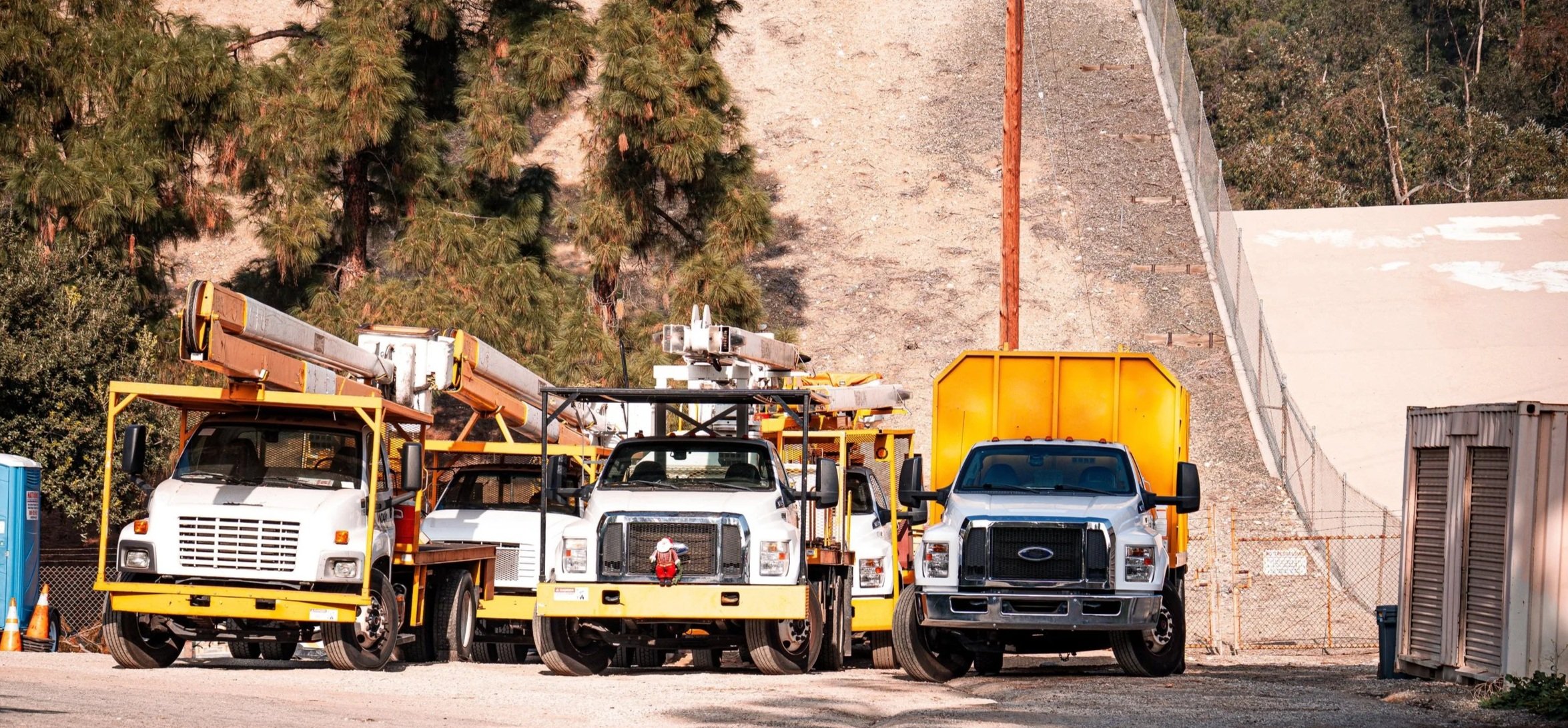
Fleet safety technology is rapidly shifting from reactive to proactive. Modern telematics and artificial intelligence (AI) tools now give companies real-time visibility into driver behavior, helping identify and correct risky habits before they turn into accidents.
I recently attended a webinar titled Telematics, AI & the Future of Fleet Risk hosted by the Insurance Journal, and one of the biggest takeaways was that many companies are seeing immediate value from these tools through reduced claims, improved driver performance, and better operational efficiency which all lead to greater returns on revenue-generating assets like the company’s fleet of vehicles.
Interestingly, many organizations initially implement telematics for safety reasons, but quickly discover benefits across multiple areas of the business. In addition to improving fleet safety, which ultimately leads to fewer out-of-service vehicles, companies often report:
Reduced fuel costs
Improved maintenance tracking
Better workflow efficiency
Greater asset (vehicle) utilization
One analogy from the webinar stood out to me. The speaker compared drivers to professional athletes reviewing game film. Just as athletes use video to improve performance, drivers can now use dash cameras and AI insights to improve driving habits through more personalized coaching.
Of course, implementation is not without challenges. Employee buy-in is often the biggest hurdle, particularly when drivers feel the technology creates a “big brother” environment. Transparency is critical. Companies that clearly explain what the system tracks, how the data is used, and why it is being implemented typically see much stronger adoption.
Another challenge is information overload. Many organizations are surprised by the amount of data available when they first launch a telematics platform. A gradual rollout focused on a few key metrics at a time often leads to the best results.
There was also strong discussion around the impact telematics and AI are having on claims and litigation. Dash camera footage and telematics data can help piece together accidents more accurately, improve claim investigations, and provide objective evidence during litigation. In many cases, these tools help reduce the total cost of risk while improving defensibility.
Fleet technology continues to evolve quickly, and while telematics is not a replacement for a strong safety culture, it is becoming an increasingly valuable tool for contractors looking to improve safety, reduce losses, operate more efficiently, and improve return on assets.
To learn more about how telematics and AI tools can help your company manage risk, contact me at randerson@ranchomesa.com or (619) 486-6437.