

Industry News

FMLA Made Easier: Tools and Resources for Employers Navigating Leave Laws
Author, Jadyn Brandt, Client Communications Coordinator, Rancho Mesa Insurance Services, Inc.
The Family and Medical Leave Act (FMLA) allows qualifying employees to take up to 12 weeks of unpaid leave per year, while maintaining job protection and healthcare benefits.
Author, Jadyn Brandt, Client Communications Coordinator, Rancho Mesa Insurance Services, Inc.
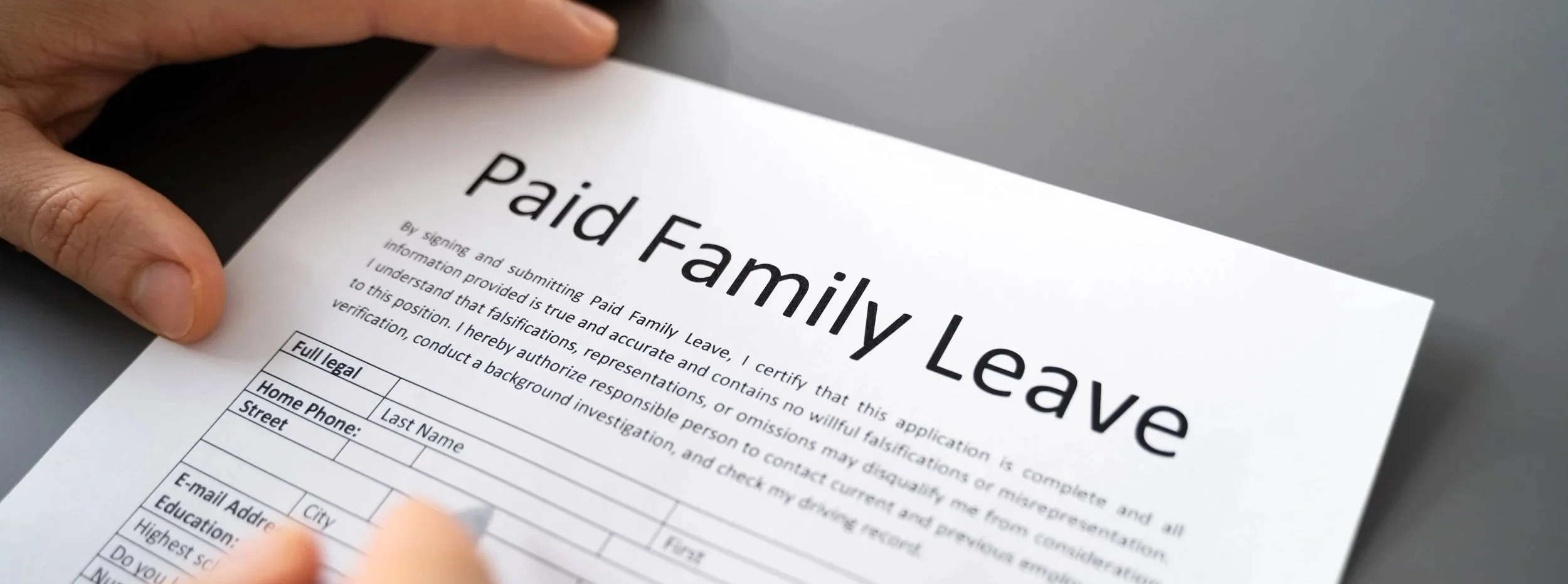
The Family and Medical Leave Act (FMLA) allows qualifying employees to take up to 12 weeks of unpaid leave per year, while maintaining job protection and healthcare benefits.
The U.S Department of Labor’s Fact Sheet outlines the qualifying reasons an employee may take FMLA. They include:
“The birth of a child or placement of a child with the employee for adoption or foster care,
The care for a child, spouse, or parent who has a serious health condition,
A serious health condition that makes the employee unable to work, and
Reasons related to a family member’s service in the military, including
o Qualifying exigency leave – Leave for certain reasons related to a family member’s foreign deployment, and
o Military caregiver leave – leave when a family member is a current service member or recent veteran with a serious injury or illness.”
Employees are eligible for FMLA when they, “work for a covered employer for at least 12 months, have at least 1,250 hours of service with the employer during the 12 months before their FMLA leave starts, and work at a location where the employer has at least 50 employees within 75 miles.”
There are additional rules and requirements for certain industries including teachers and service members. Many states also have additional laws and guidelines that may differ from federal laws, so it is important for employers to check state guidelines as well as federal.
Resources Available Through Rancho Mesa
The RM365 HRAdvantage™ portal has FMLA resources that employers can use to ensure compliance. Login to the portal to access:
FMLA Quick Guide – helps determine if an employee is eligible for FMLA
FMLA Leave Administration Checklist – overview of the process of administering leave
FMLA Paperwork Video – breaks down what forms are necessary when requesting and approving FMLA
FMLA Paperwork Packet – forms and letters to be used for FMLA leaves
Family Medical and Leave Act Sample Policy – can be customized for your company
FMLA Absence Tracking Spreadsheet – track employee FMLA leave
FMLA law updates are published in the portal. Plus, if Rancho Mesa clients choose to build a Smart Employee handbook through the portal, they will be alerted of changes to both state and federal laws and can accept automatic changes to their workplace policies.
Rancho Mesa clients can also use the portal to submit questions specific to their business, and get answers from real HR experts.
Contact your client technology team member with questions about using the HR portal to access FMLA resources.
A Hardening Employment Practices Marketplace Likely to Impact Many Businesses
Author, Jeremy Hoolihan, Account Executive, Rancho Mesa Insurance Services, Inc.
The Employment Practices Liability Insurance (EPLI) marketplace has faced a number of factors that are contributing to skyrocketing premiums and deductibles. Many insurance companies are facing the choice of whether to remain in the marketplace or exit altogether. Those willing to remain are then faced with having to consider the following changes…
Author, Jeremy Hoolihan, Account Executive, Rancho Mesa Insurance Services, Inc.

The Employment Practices Liability Insurance (EPLI) marketplace has faced a number of factors that are contributing to skyrocketing premiums and deductibles. Many insurance companies are facing the choice of whether to remain in the marketplace or exit altogether. Those willing to remain are then faced with having to consider the following changes:
Increase their premiums to offset increased claim activity
Increase their deductibles
Consider adding exclusions of previously covered exposures
Consider only renewing existing clients’ policies
Pulling out of certain business segments such as retail, hospitality, leisure, and transportation which is currently being impacted the most from COVID-19.
Below are some of the main factors causing the hardening EPLI marketplace. As you will see, they vary significantly but combined they have created a perfect storm.
COVID-19
These are unprecedented times with businesses being forced to shut down for months due to COVID-19, employees having to work remotely and our economy seemingly coming to a standstill. Couple this with a significant increase in layoffs, severance packages, furloughs, and unemployment, and we have seen a significant increase in claims filed. By January 2021, the plaintiff’s bar had filed over 1,200 COVID-19 related employment lawsuits. These types of lawsuits have continued to grow each month since the pandemic began.
We have also seen the unemployment rate spike from 3.5% in March of 2020 to 14.7% in April 2020. Currently the unemployment rate has settled to about 8% but this still represents a double digit increase from2019.
EPLI claims often follow large changes in workforce, including reductions, promotions and demotions. Three areas of particular growing concern include:
Sexual Harassment
Privacy
Retaliation
Sexual Harassment
The heightened awareness and increased public intolerance for harassment developed in part from the #MeToo movement has given a voice to people that are now not only speaking out but filing lawsuits against their employer for sexual harassment. This national attention has also altered the legal environment surrounding these types of claims, often leading to much higher settlements outcomes.. Industry wide, the total monetary benefits awarded to sexual harassment victims has increased 68% from 2016 to 2019 according to the U.S. Equal Employment Opportunity Commission.
Privacy
In addition to discrimination and sexual harassment claims, insurance carriers also anticipate privacy-related claims. As businesses begin to reopen, there are new policies and procedures in place that require a Human Resources department to question employees about their personal health, their health history, and their family’s health history. The nationwide Health Insurance Portability and Accountability Act (HIPAA) and other state-specific laws like the Illinois Biometric Information Privacy Act (BIPA) regulates how companies collect, store, use, and share biometric information. With temperature-taking requirements and a certification form filled out, there is a concern that some employees may feel their privacy has been invaded.
Retaliation
There is also a growing concern that there will be more retaliation type claims relating to an employee’s use of social media. With COVID-19 in mind, employees are already expressing their concerns via social media about their employers’ lack of safety measures or personal protective equipment (PPE). It’s reasonable to consider that if these employees are terminated that they may feel they were retaliated against because of their posts.
Retaliation could also be a result of employees exercising their rights under Family Medical Leave Act (FMLA) or other benefits such as workers compensation or paid sick leave.
US Supreme Court LGBTQ Decision
The Supreme Court ruled in June 2020 that Title VII of the 1964 Civil Rights Act protects employees from discrimination based on sexual orientation and gender identification.
Previously only 28 States awarded such protections. Now that these protections are law in all 50 states, we will likely see additional claims alleging employment discrimination based on gender identity and sexual orientation.
In conclusion, running a business remains a challenge under normal circumstances. Add in the many side effects of the pandemic and it can feel overwhelming. EPLI-related claims can result in catastrophic financial impacts to a company’s balance sheet. The cost of defending your business alone can potentially put a company out of business. While EPLI premiums continue to rise, so does your exposure to a myriad of claims that fall under this coverage umbrella. Having EPLI in place can mean the difference between absorbing fair and reasonable claim costs or forcing an uninsured business to close their doors. To learn more about EPLI coverage and ways to construct a policy that meets your needs, please reach out to me at 619-937-0174 or jhoolihan@ranchomesa.com.