
Mitigating Risk on the Move: The Case for Third-Party Subhauler Agreements
Author, Sam Clayton, Vice President, Construction Group, Rancho Mesa Insurance Services, Inc.
Street and road, general engineering and trade contractors understand the importance of having a written and executed subcontract agreement in place when using different subcontractors to complete a project. This agreement serves to protect both parties by clarifying responsibilities, managing risk and providing legal protections in the event of a dispute.
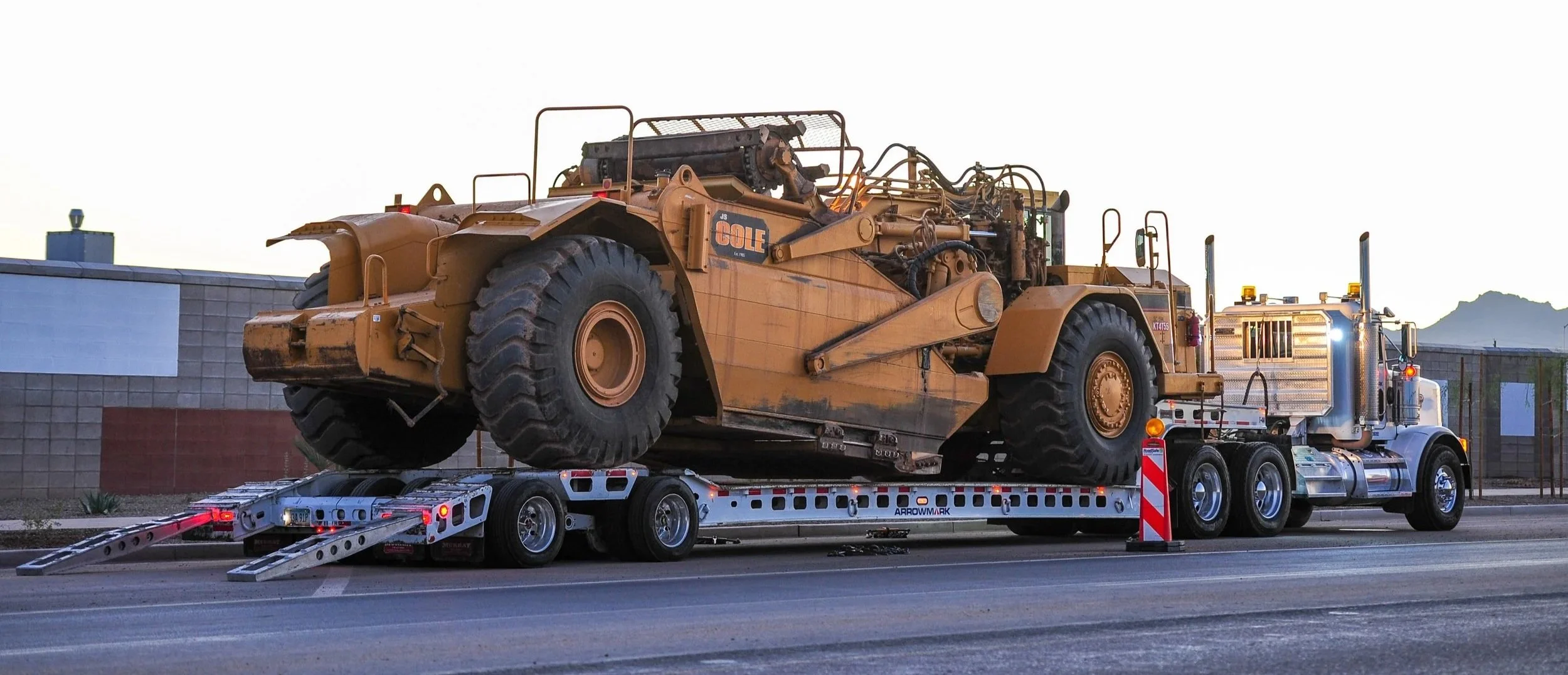
However, many of these same contractors will overlook having a subcontract agreement in place for third-party subhaulers or what is called a subhauler agreement. If you hire a third-party to move a piece of heavy equipment or use someone to import/export material from a project, we recommend implementing a subhauler agreement. While this type of exposure will not affect the project once it reaches its final intended use (i.e., completed operations), it may have an impact during the construction phase.
For example, if a street and road contractor needs to import or export material, they contact a subhauler to let them know that they will need two dump trucks running eight hours a day for one week. On the first day, they enter the jobsite and accidently hit a pedestrian because they are unfamiliar with project site. That individual will more than likely obtain legal representation and file suit against the subhauler who caused the bodily injury and will more than likely name the street and road contractor as well.
In order to protect and transfer the risk in the scenario above, we recommend working in conjunction with your legal counsel to establish a written subhauler agreement to include:
Scope of work
Indemnification – subhauler agrees to protect and indemnify contractor
Insurance requirements – general liability, workers’ compensation, commercial auto, excess/umbrella and pollution
Equipment and maintenance – subhauler must maintain its own equipment, pay for all related charges/expenses and ensure compliance with all regulatory requirements and licenses.
Safety – subhaulers are responsible for hiring qualified and safe drivers and show that they have protocols in place to monitor drivers.
In today’s legal environment, it is imperative that companies understand their potential exposure to risk. Those that can successfully implement and manage both their subcontract and subhauler agreements will not only protect the assets of their companies but also receive more favorable insurance pricing and improve their risk profile.
If you have questions about your subhauler risk, contact me at (619) 937-0167 or sclayton@ranchomesa.com.