

Industry News

Critical Steps That Protect Employees and Your Business Following a Work-Related Injury
Author, Greg Garcia, Account Executive, Rancho Mesa Insurance Services, Inc.
In the landscaping industry, workplace injuries can occur despite the best safety efforts. When an injury does happen, the employer’s next steps can significantly impact the outcome for the injured employee, the employer, and the insurance carrier.
Author, Greg Garcia, Account Executive, Rancho Mesa Insurance Services, Inc.

In the landscaping industry, workplace injuries can occur despite the best safety efforts. When an injury does happen, the employer’s next steps can significantly impact the outcome for the injured employee, the employer, and the insurance carrier.
The first step is to report the injury as soon as possible, even if it initially appears to be a minor injury. Prompt reporting allows the insurance carrier to begin managing the claim immediately, which often leads to better outcomes for all parties involved. Early reporting helps ensure the injured employee receives appropriate medical care, logs important details about the incident, and can help prevent a minor injury from developing into a more costly claim.
After the claim has been reported, it is important to let the treating clinic know that modified duty is available. This allows the medical provider to evaluate the employee's ability to return to work and identify any temporary work restrictions.
If the work restrictions can be accommodated, modified duty can be offered to the injured employee. By doing this, it allows for several important benefits:
It allows the injured employee to continue to receive their normal wages. If the injured employee was not offered modified duty, then they would be eligible for temporary disability benefit which is generally less than their normal wages.
By keeping the claim from any temporary disability being paid, the impact to the experience modification rate (XMOD) is minimal. Because normal wages continue to be paid by the employer and not the insurance carrier, the temporary disability portion of the claim is controlled and the actual overall claim costs are reduced, thus having a positive impact on your XMOD. By controlling your XMOD, you are helping your company maintain stable rates for your workers’ compensation insurance premiums.
Offering modified duty also improves employee morale while strengthening company culture. It demonstrates that the company values its employees and is committed to supporting them throughout the recovery process.
Finally, offering modified duty can significantly reduce the likelihood of litigation. When injured employees remain connected to the company, continue earning their regular wages, and feel supported throughout the recovery process, communication tends to remain strong. This often leads to a more positive claim experience while reducing the potential for litigation.
Prompt claim reporting and a strong return to work program are great ways for landscape companies to control workers' compensation costs, reduce likelihood of litigation, and demonstrate their commitment to employee wellness.
Reach out to me at ggarcia@ranchomesa.com if you have any questions or additional interest in this topic.
What to Do After A Vehicle, Equipment or Fuel Theft
Author, Jessee Keirstead, Risk Control Consultant, Rancho Mesa Insurance Services, Inc.
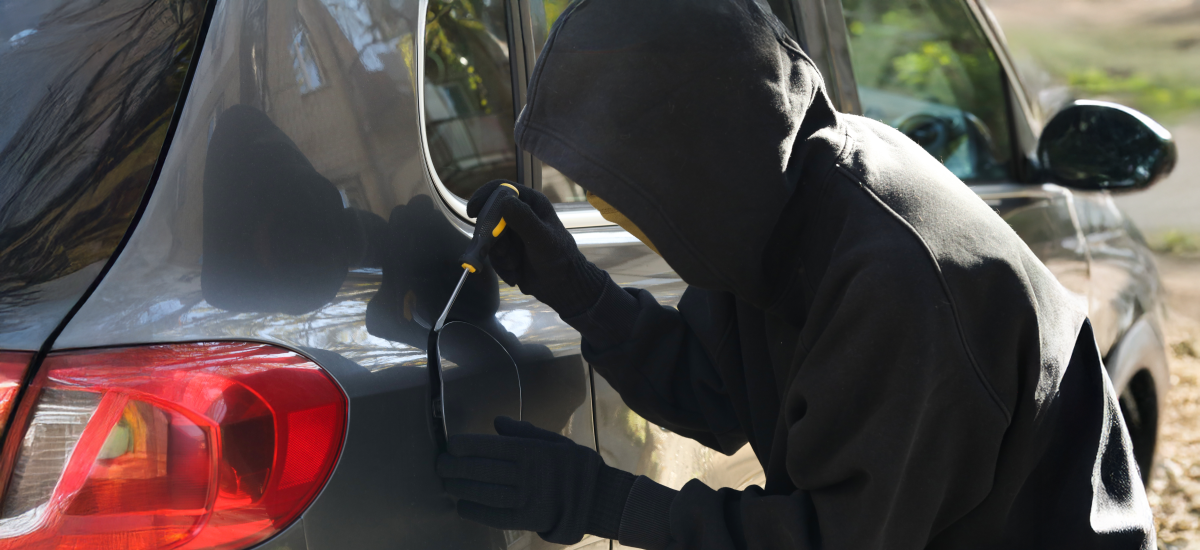
When a company vehicle, piece of equipment, or fuel supply is stolen, taking immediate and organized action is critical. A prompt response can increase the chances of recovery, support insurance claims, and help minimize business disruptions.
Author, Jessee Keirstead, Risk Control Consultant, Rancho Mesa Insurance Services, Inc.
When a company vehicle, piece of equipment, or fuel supply is stolen, taking immediate and organized action is critical. A prompt response can increase the chances of recovery, support insurance claims, and help minimize business disruptions.
By following a clear reporting process and preserving important documentation, companies can assist law enforcement, strengthen claim investigations, and alert others who may help identify or recover stolen assets. The following steps outline the key actions to take as soon as a theft is discovered.
1. Call Local Police
As soon as a theft has been identified, call the police and file a report. Provide the PIN/serial number, photos, GPS pings, geofence event, etc.
2. Report Theft to National Equipment Registry (NER)
After contacting the police, submit a free theft report to the NER which requires a police report. The NER will then alert the National Insurance Crime Bureau (NICB).
3. Notify Your Broker and Insurance Carrier
Reach out to your insurance broker/carrier to report the loss. Record keeping is important and can help subrogation efforts and shorten claim investigation time. Collect purchase records, PIN plate, concealed markings, maintenance logs, tracker IDs, geofence history, and other information that can be useful.
4. Contact Contractors
Share photos and serial numbers with state and local contractors who thieves may target to sell your used vehicles and equipment.
Using Rancho Mesa’s proprietary SafetyOne™ mobile app to document vehicles and equipment left on jobsites, along with fuel deliveries and fueling schedules, can help companies quickly identify when an asset or fuel supply is missing. Maintaining accurate, real-time records of equipment locations, usage, and fueling activity provides valuable information that can support theft investigations, improve recovery efforts, and reduce the time spent determining when and where a theft occurred.
The best protection against theft is a combination of preparation and prompt action. By maintaining detailed records, leveraging technology to track assets, and following the reporting steps outlined above, companies can improve their chances of recovering stolen property and minimizing business disruption. A proactive approach not only strengthens security but also helps protect your employees, customers, and bottom line.
Top 5 Risk Exposures for Janitorial Service Providers
Author, Jeremy Hoolihan, Partner, Rancho Mesa Insurance Services, Inc.
Running a successful janitorial company means more than delivering spotless facilities. Every day, your employees work around customers, expensive property, cleaning chemicals, and equipment creating exposures that can lead to costly liability claims.
Author, Jeremy Hoolihan, Partner, Rancho Mesa Insurance Services, Inc.
Running a successful janitorial company means more than delivering spotless facilities. Every day, your employees work around customers, expensive property, cleaning chemicals, and equipment creating exposures that can lead to costly liability claims.
However, knowing the most common liability risks facing janitorial companies and understanding ways to mitigate your exposure can reduce your overall risk.
Slip and Fall Accidents Remain a Leading Risk
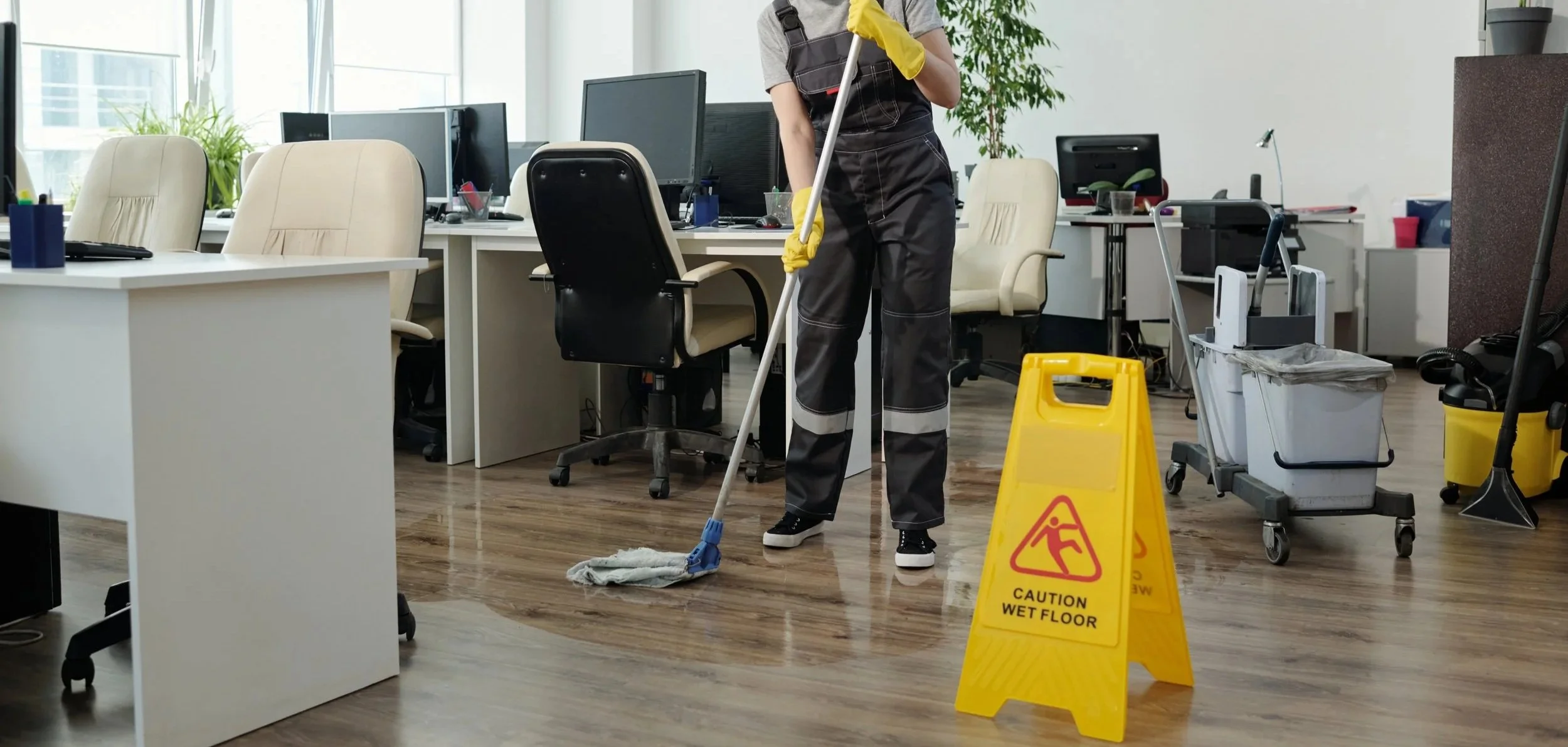
One of the leading causes of liability claims in the cleaning industry is slip and fall injuries.
Whether it is a recently mopped floor, a misplaced caution sign, or excess cleaning solution left behind, a single incident can result in significant medical and legal costs.
When someone is hurt, the costs can extend far beyond medical expenses. Legal fees, settlements, and damage to client relationships can make even a single incident extremely costly. That’s why consistent safety practices are so important. Ensuring wet floor signs are always visible, following documented cleaning procedures, and providing regular employee safety training can significantly reduce the likelihood of an accident.
Rancho Mesa’s SafetyOne™ platform offers multiple slip, trip and fall online training courses and toolbox talks to ensure employees are properly trained for a variety of workplace settings.
Property Damage Can Happen in Seconds
Janitorial companies often work around valuable assets, from office furniture and flooring to electronics and fixtures. Even when employees exercise care, accidents can happen. A floor cleaning machine may cause water damage, a cleaning solution may discolor a specialty surface, or equipment could accidentally damage furniture or fixtures.
Because these incidents can be costly, proper employee training and equipment maintenance are essential. Making sure staff understand the correct cleaning methods for different surfaces and regularly inspecting equipment can help prevent costly mistakes.
Chemical Handling Requires Ongoing Attention
Cleaning chemicals are a necessary part of the job, but they also pose a significant liability when used improperly. Exposure incidents can lead to respiratory irritation, skin burns, allergic reactions, or other injuries. In some cases, mixing chemicals incorrectly can create serious health hazards.
Reducing this exposure starts with proper education. Ongoing training, clear labeling practices, and easy access to Safety Data Sheets (SDS) help employees understand how to safely handle and use cleaning products. A well-trained team is often the first line of defense against chemical related claims.
Not only does the SafetyOne platform offer online training on both chemical hazards and GHS Safety Data Sheets, but the mobile app also allows employees to access your company’s SDS from their mobile device through the app or via QR code.
Protecting Client Equipment Is Critical
Many businesses today rely heavily on technology and specialized equipment. Computers, security equipment, medical devices, and manufacturing machinery can all be damaged during routine cleaning operations.
Unfortunately, even a minor accident can have major consequences. A spilled cleaner or an improperly moved piece of equipment may result in expensive repairs, business interruption, and strained client relationships. Establishing clear procedures for working around sensitive equipment and maintaining open communication with clients about restricted or high-risk areas can help minimize these exposures.
Theft Allegations Can Damage Reputations
Not every liability exposure involves physical damage. In the janitorial industry, theft allegations can be just as damaging as the actual loss. If cash, electronics, inventory, or personal belongings go missing, janitors are often the first people questioned.
Even when no wrongdoing has occurred, accusations can harm a company’s reputation and client relationships. Conducting thorough background checks and implementing a crime policy that includes theft of client’s property can help protect both your employees and your business.
Liability claims are an unfortunate reality for many janitorial businesses, but risk management can significantly reduce both the frequency and severity of incidents. Rancho Mesa Insurance provides its clients with access to its proprietary SafetyOne platform, RM365 HRAdvantage™ portal, monthly workshops and webinars, and RM365 Advantage Safety Star Program™ . These services offer a way for employers to implement employee training, maintain strong operational procedures, and foster a culture of safety and accountability. This allows janitorial companies to better protect their employees, their clients, and their bottom line.
If you would like to discuss how Rancho Mesa can assist your companies risk profile, please reach out to me at (619) 937-0174 or jhoolihan@ranchomesa.com.
Jobsite Fuel Theft is on the Rise
Author, Jessee Keirstead, Risk Control Consultant, Rancho Mesa Insurance Services, Inc.
Gasoline and diesel theft has emerged as a growing and often underreported risk across Southern California, driven in part by persistently high fuel costs and organized theft activity.
Author, Jessee Keirstead, Risk Control Consultant, Rancho Mesa Insurance Services, Inc.
Gasoline and diesel theft has emerged as a growing and often underreported risk across Southern California, driven in part by persistently high fuel costs and organized theft activity.
Regardless of where a business is located, construction contractors are particularly vulnerable to fuel theft due to the nature of their operations. Since jobsites are often temporary, unfenced, and located in high traffic or remote areas, they are ideal conditions for fuel theft, particularly where vehicles, generators, and heavy equipment are left unattended overnight. Thieves are targeting bulk fuel storage tanks, fuel contained within equipment and fleet vehicles.
Gas and diesel theft is no longer just a nuisance, and the rising cost of fuel has a direct impact on theft. California’s fuel cost is amongst the highest in the country, creating stronger incentives for theft. Fuel is typically easier to steal than equipment, easier to transport covertly, and stolen fuel has become much easier to re-sell.
Industry data shows construction theft costs between $300 million and $1 billion annually in the U.S., with more than 11,000 incidents reported each year. Fuel is a frequent target because it is easily siphoned, resold, and almost impossible to trace. In many cases, fuel theft may go unnoticed. However, there has been a surge in fuel theft incidents, including events where thousands of gallons have been siphoned from commercial businesses in a single event.
Beyond the direct loss of fuel, contractors face indirect costs including project delays, equipment downtime, and potential environmental liabilities from damaged or drilled fuel tanks.
Solutions
There are two methods contractors can utilize to reduce the risk of fuel theft from their jobsites: physical and procedural.
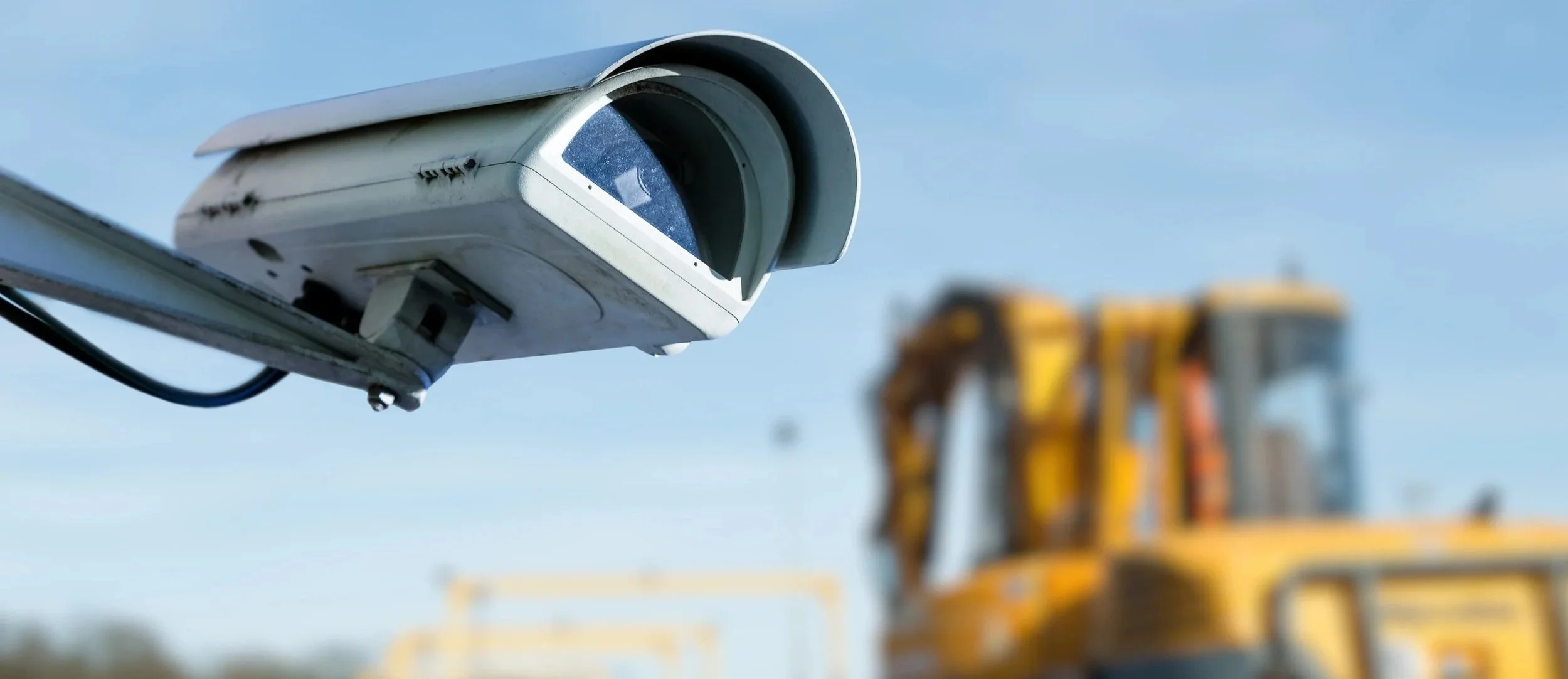
Video monitoring and mobile towers paired with alarms and analytics can deter thefts and provide evidence for prosecution. Installing good lighting and heavy-duty access controls create minor hurdles that can often deter or frustrate would-be thieves. At a minimum, secure jobsites with fencing, lighting, and surveillance systems, park vehicles in well-lit and controlled areas. If you have equipment or vehicles that will be unmonitored for a significant period of time, you may want to consider securing fuel storage tanks with locking caps and anti-siphon devices.
Modify company procedures to avoid pre-staging vehicles and equipment near public roads overnight.
And, train crews on security measures, spotting suspicious activity, proper locking of gas caps, use of deterrents, and response to theft. If you have noticed suspicious activity, you may want to consider keeping logs and conducting regular checks of fuel levels. Encourage operators to inspect tanks, fuel caps, and equipment to identify any signs of theft as early as possible.
Fuel theft is a costly and growing threat, but it’s one that contractors can manage with a solid layered approach. Combining physical and procedural security measures can reduce the likelihood your fuel will be stolen. Ultimately, prevention is about discipline, consistency, crew training, and rapid reporting protocols. By integrating these strategies, contractors can protect their fuel and keep projects on schedule.
Hiring as a Risk Strategy: Controlling Insurance Costs in Construction
Author, Kyle Dunlap, Account Executive, Rancho Mesa Insurance Services, Inc.
Best-in-class construction contractors treat hiring as a strategic function. When scaling quickly after winning large contracts, these employers use structured recruiting, safety-focused screening, and disciplined onboarding to reduce risk, protect their workforce, and control workers’ compensation costs and their experience modification rate (EMR).
Author, Kyle Dunlap, Account Executive, Rancho Mesa Insurance Services, Inc.

Best-in-class construction contractors treat hiring as a strategic function. When scaling quickly after winning large contracts, these employers use structured recruiting, safety-focused screening, and disciplined onboarding to reduce risk, protect their workforce, and control workers’ compensation costs and their experience modification rate (EMR).
Proactive hiring is critical when scaling for large projects. Contractors that win large projects often face immediate pressure to rapidly scale their workforce, which can expose weaknesses in their hiring process. For example, an electrical contractor awarded a major multifamily or public works job may need to hire 20 to 30 electricians within weeks to meet schedule demands. A reactive approach, hiring whoever is available, typically leads to unverified, underqualified workers entering the field.
In contrast, best-in-class companies prepare in advance by maintaining active recruiting pipelines, pre-qualified candidate pools, and strong referral networks. Allowing the company to scale quickly without sacrificing quality. This matters because rapid, unstructured hiring directly leads to increased jobsite risk, reduced productivity, and higher error rates, all of which compound over the life of the project. The solution is preparation. Contractors should align hiring strategy with backlog forecasting, ensuring they can scale intentionally rather than reactively when opportunities arise.
Like Benjamin Franklin one said, "By failing to prepare, you are preparing to fail."
Lowering your hiring and onboarding standards can negatively impact a company’s workers’ compensation EMR and increase insurance costs. Inexperienced or improperly trained employees are significantly more likely to contribute to injuries, near-misses, and unsafe behaviors, resulting in increased claims frequency. Industry benchmarks show that most workers’ compensation claims occur within the first 6 months of employment, so strong hiring and onboarding practices are essential.
EMRs are one of the most important financial metrics tied to risk performance. A shift from a favorable modifier (i.e.,0.85) to an unfavorable one (i.e., 1.10) can increase workers’ compensation costs considerably across multiple policy years. A commitment by the management team to use disciplined hiring and onboarding practices that prioritizes skill validation and safety-mindset screening, ensures that every new hire strengthens rather than weakens the company’s risk profile.
Best-in-class employers align hiring with long term workforce and risk strategy. Top performing contractors integrate hiring into a broader risk management and operational strategy, using data and structure to guide decisions. They track key metrics such as time to fill, retention rates, and injury frequency among new hires, allowing leadership to identify trends and improve outcomes over time.
At the same time, these companies build clear career pathways from apprentice to leadership to retain talent and reduce turnover, which is a major driver of workforce attrition and risk exposure. This matters because stable, experienced teams consistently deliver better safety performance, lower claims frequency, and more predictable insurance outcomes. The solution is alignment.
Leadership should treat hiring as a core business function tied directly to safety, profitability, and insurance performance, while brokers and advisors can help connect workforce strategy to EMR trends and long-term cost control.
Winning large projects creates opportunity but also brings risk if hiring is not managed strategically. Contractors who scale with discipline, focusing on quality and safety, will protect their workforce, maintain strong EMR performance, and sustain long term profitability.
If you are interested in managing this process with our proprietary Workers’ Compensation KPI and to learn how Rancho Mesa can help you proactively manage and control your company’s EMR through data, and safety strategy, contact me at (619) 798-2822 or kdunlap@ranchomesa.com.