

Industry News

What to Do After A Vehicle, Equipment or Fuel Theft
Author, Jessee Keirstead, Risk Control Consultant, Rancho Mesa Insurance Services, Inc.
When a company vehicle, piece of equipment, or fuel supply is stolen, taking immediate and organized action is critical. A prompt response can increase the chances of recovery, support insurance claims, and help minimize business disruptions.
Author, Jessee Keirstead, Risk Control Consultant, Rancho Mesa Insurance Services, Inc.
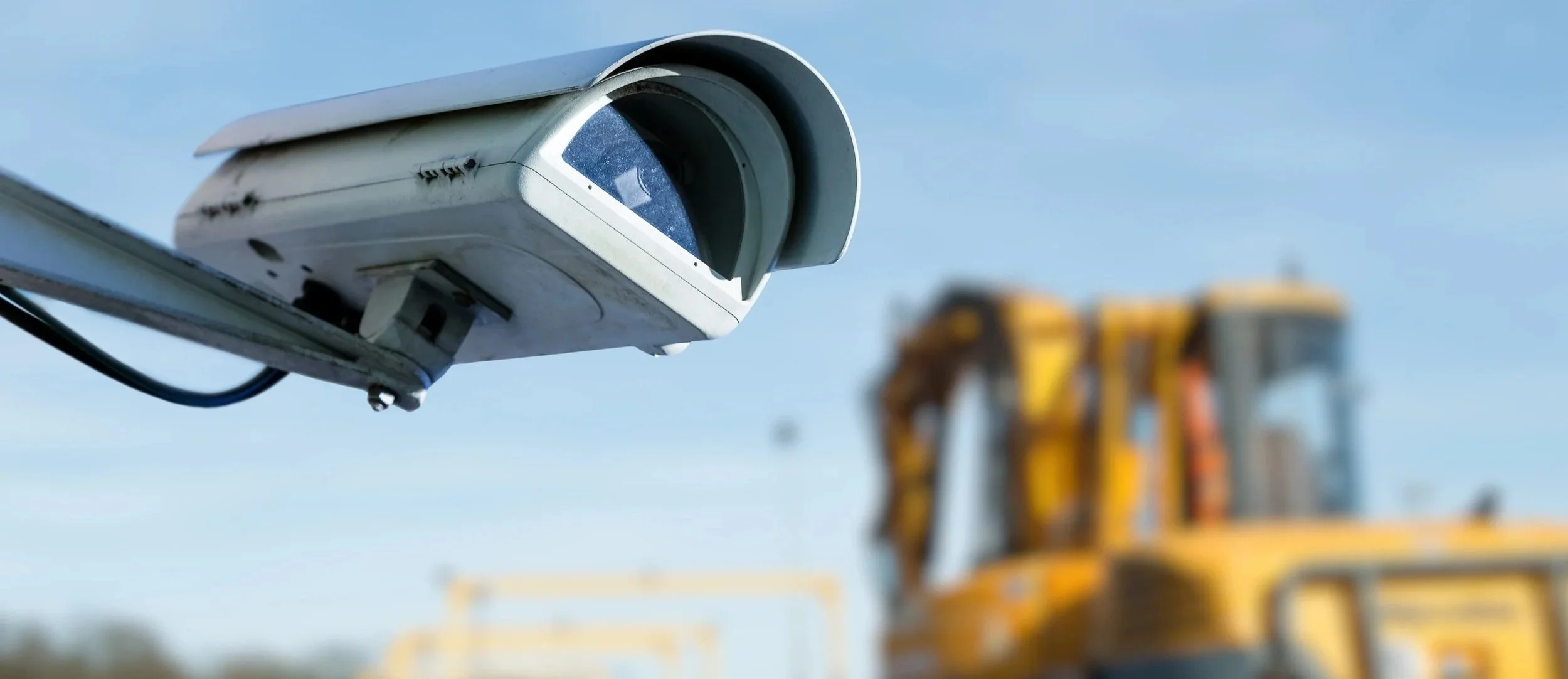
When a company vehicle, piece of equipment, or fuel supply is stolen, taking immediate and organized action is critical. A prompt response can increase the chances of recovery, support insurance claims, and help minimize business disruptions.
By following a clear reporting process and preserving important documentation, companies can assist law enforcement, strengthen claim investigations, and alert others who may help identify or recover stolen assets. The following steps outline the key actions to take as soon as a theft is discovered.
1. Call Local Police
As soon as a theft has been identified, call the police and file a report. Provide the PIN/serial number, photos, GPS pings, geofence event, etc.
2. Report Theft to National Equipment Registry (NER)
After contacting the police, submit a free theft report to the NER which requires a police report. The NER will then alert the National Insurance Crime Bureau (NICB).
3. Notify Your Broker and Insurance Carrier
Reach out to your insurance broker/carrier to report the loss. Record keeping is important and can help subrogation efforts and shorten claim investigation time. Collect purchase records, PIN plate, concealed markings, maintenance logs, tracker IDs, geofence history, and other information that can be useful.
4. Contact Contractors
Share photos and serial numbers with state and local contractors who thieves may target to sell your used vehicles and equipment.
Using Rancho Mesa’s proprietary SafetyOne™ mobile app to document vehicles and equipment left on jobsites, along with fuel deliveries and fueling schedules, can help companies quickly identify when an asset or fuel supply is missing. Maintaining accurate, real-time records of equipment locations, usage, and fueling activity provides valuable information that can support theft investigations, improve recovery efforts, and reduce the time spent determining when and where a theft occurred.
The best protection against theft is a combination of preparation and prompt action. By maintaining detailed records, leveraging technology to track assets, and following the reporting steps outlined above, companies can improve their chances of recovering stolen property and minimizing business disruption. A proactive approach not only strengthens security but also helps protect your employees, customers, and bottom line.
Overlooked Coverage that Keeps Projects Moving After an Equipment Loss
Author, Kevin Howard, Account Executive, Rancho Mesa Insurance Services, Inc.
For trade and general contractors that own heavy and/or valuable specialty equipment, there is an overlooked coverage that can be critical in certain loss scenarios.
Author, Kevin Howard, Partner, Rancho Mesa Insurance Services, Inc.

For trade and general contractors that own heavy and/or valuable specialty equipment, there is an overlooked coverage that can be critical in certain loss scenarios.
When we think of business income in the classic form, we think of a fire that shuts a business down and a business income policy that responds, supplementing the revenues and/or operating expenses lost over a set time. Separately, there is also a coverage form that is tied directly to an equipment schedule; so, in case of a loss where a revenue-generating piece of equipment is damaged or stolen, there is a business income limit that can offer coverage for potential loss of revenue.
For example, consider a concrete pumping contractor that has roughly $6,000,000 in total scheduled equipment. Three of these items are cranes and/or pumps that are used daily. If the equipment is not running, revenue is lost. If the contractor secures a $150,000 business income policy that aligns with this schedule, there is additional coverage available in case of a loss. The piece of equipment is covered either through actual cash value or replacement cost, and there is now coverage for the loss of income based on historical data vs. the $150,000 limit.
Coverage makes the most sense for contractors who own heavier pieces of equipment like concrete pumpers, excavation contractors, grading and or utility contractors, paving contractors, crane operators and equipment rental companies.
The business income limit can be adjusted by an underwriter who typically will have a max limit around $150,000 to $250,000 depending on external factors.
Over the past couple of years, California has experienced a major uptick in equipment theft including gas theft, vandalism and well thought out plots to steal large pieces of equipment. These thefts are more common now because of higher resale values and an abundance of attractive targets. Understandably, it is these types of equipment which are now prime targets for thieves. And with that, a business income limit becomes an important risk transfer technique.
Inland marine insurance protects the physical assets that contractors depend upon every day while business income coverage protects the financial engine behind those assets. As equipment values continue to rise and replacement timelines become more uncertain, contractors should consider business income coverage as an important option within the policy offerings.
Should you have questions about this exposure within your own operations, please contact me at khoward@ranchomesa.com or (619) 438-6874.