
OSHA Releases the Top 10 Most Frequently Cited Safety Violations for Fiscal Year 2025
Author, Jadyn Brandt, Client Communications Coordinator, Rancho Mesa Insurance Services, Inc.
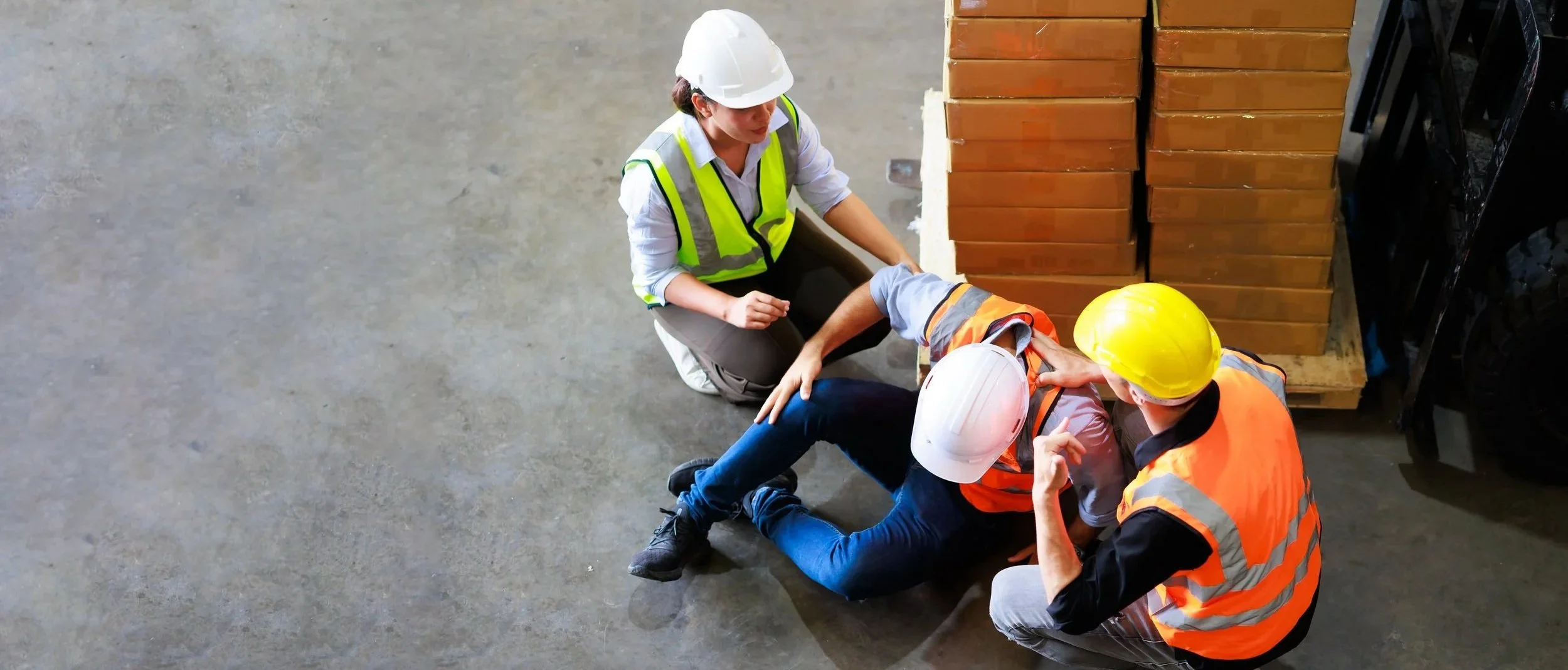
During the 2025 NSC Safety Congress & Expo, the Occupational Safety and Health Administration (OSHA) released preliminary data on the most frequently cited workplace safety violations for fiscal year 2025.
These findings emphasize the areas where employers see the largest risks to employee safety, and are a good place to start when aiming to prevent injuries on the job.
1. Fall Protection—General Requirements – 5,914 citations
Fall protection was once again the most cited violation. This often includes failing to provide or use fall protection systems such as safety nets, guardrails, or Personal Fall Arrest Systems (PFAS). This is the 15th straight year in which Fall Protection topped the list of violations.
2. Hazard Communication – 2,546 citations
Employers who fail to implement complete hazard communication standards or training can put employees at risk of improperly handling chemical hazards. Proper labels, safety data sheets, and training is essential to avoid injury and citations.
3. Ladders – 2,405 citations
Citations for improper ladder use can be given if employees are using broken or defective ladders, failing to set up ladders properly, or using them for things other than their intended purpose.
4. Control of Hazardous Energy (Lockout/Tagout) – 2,177 citations
Lockout/Tagout citations are often given when employers do not have clearly outlined procedures for controlling hazardous energy, or when employees are not trained to properly deal with hazardous energy. Regular inspection and review of lockout/tagout procedures is also required by OSHA.
5. Respiratory Protection – 1,953 citations
Employees working in environments which expose them to airborne hazards like dust or fumes must have proper respiratory protection. Employers can receive citations for failing to provide proper training, medical evaluations, and fit testing for employees.
6. Fall Protection—Training Requirements – 1,907 citations
In addition to physical safety measures to prevent falls, employers must also provide a training program to employees who are working from height. The training program should cover the nature of fall hazards, correct procedures and use of fall protection systems, limitations of the equipment, procedures for handling and storing equipment, and the role of each employee in fall protection plans.
7. Scaffolding – 1,905 citations
Similar to fall protection, improper use of scaffolding can lead to serious injury for employees. Adherence to proper construction and awareness of capacity for scaffolding is an employer’s responsibility.
8. Powered Industrial Trucks – 1,826 citations
Employers may receive citations for improper use, maintenance, and design of fork lifts and powered industrial trucks.
9. Personal Protective and Lifesaving Equipment (Eye and Face Protection) – 1,665 citations
Employers must provide Personal Protective Equipment (PPE) to employees who are exposed to eye or face hazards and employees must use/wear appropriate PPE while working. Failure to provide or enforce the use of PPE can lead to citation.
10. Machine Guarding – 1,239 citations
At least one method of machine guarding must be in place to protect employees from points of operation, rotating parts, sparks, or nip points. Missing or inadequate machine guarding can lead to citations.
“Training employees on the most common OSHA citations is a great idea because these violations reflect the most frequent and severe risks to workers,” Rancho Mesa Risk Control Consultant Jessee Keirstead said when asked about the importance of regular safety training.
“Compliance with OSHA standards and proactive training are good tools for preventing injuries and protecting businesses from costly citations and insurance claims.”
Rancho Mesa’s extensive library of safety trainings and toolbox talks available through the SafetyOne™ platform is an excellent resource to help keep safety top of mind.