
Representing Independent Agents in Washington: Key Legislative Takeaways from the Big “I” Conference
Author, Jeremy Hoolihan, Partner, Rancho Mesa Insurance Services, Inc.
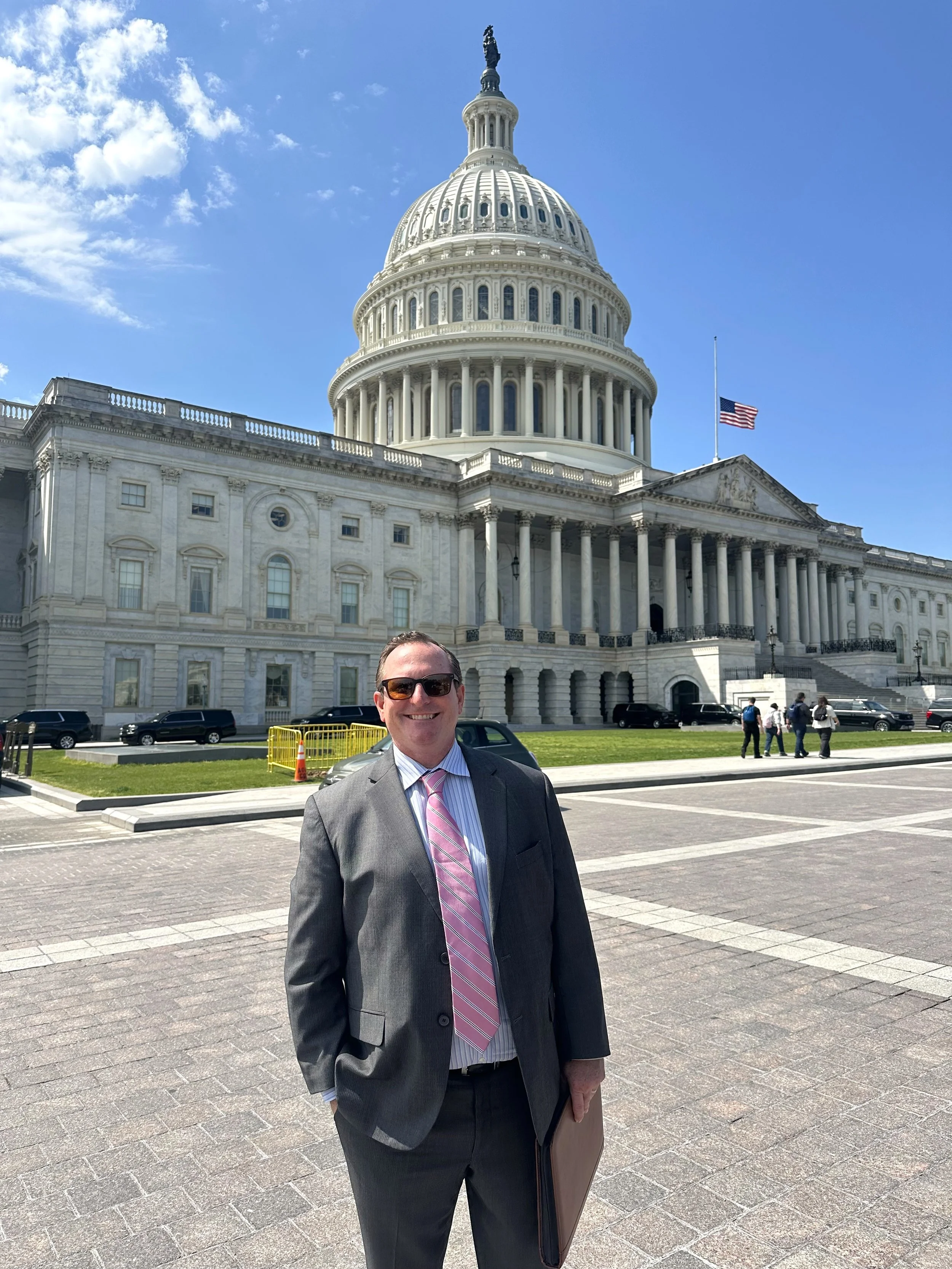
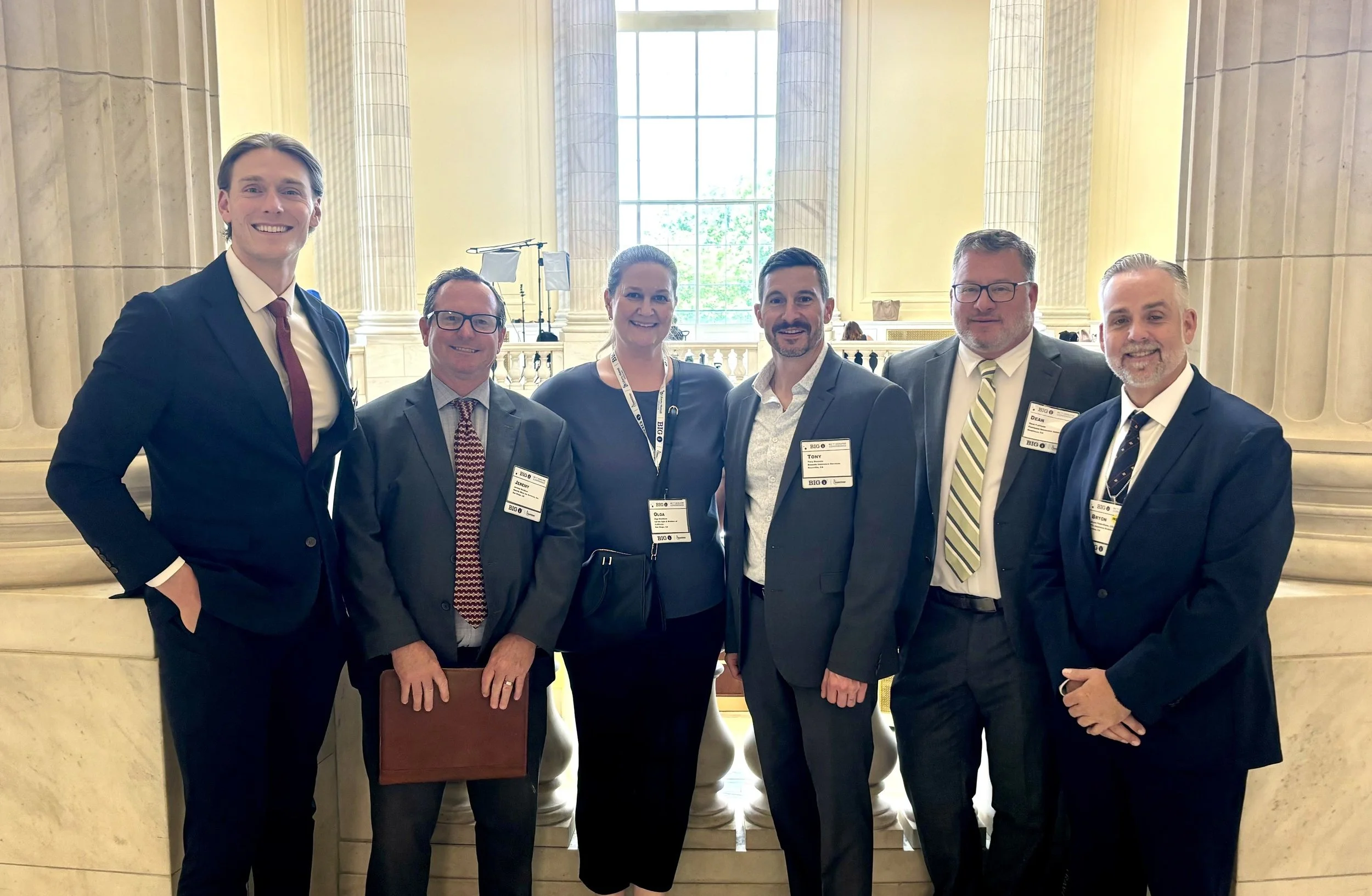
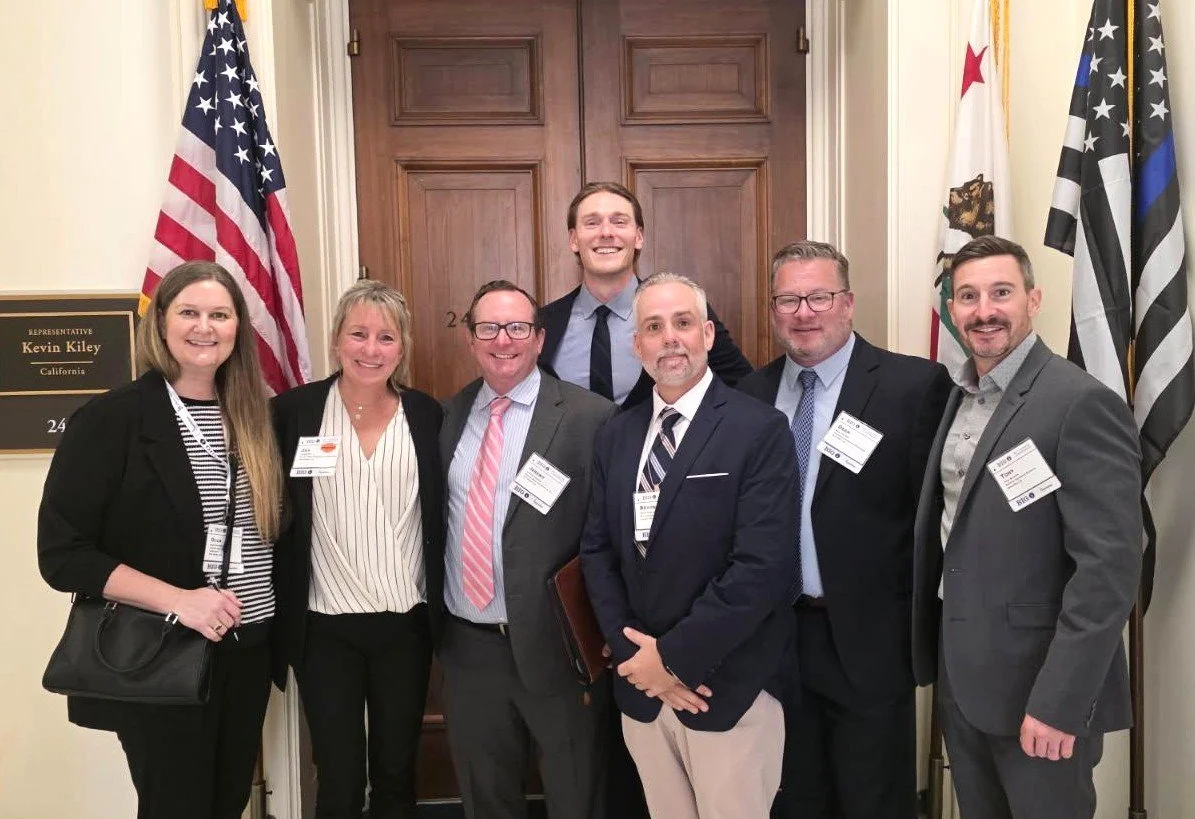
On April 22-24, I had the opportunity to attend the Big “I” Legislative Conference in Washington, D.C. The Big “I” is the national organization affiliated with IIABCal and IIAB San Diego. It represents and supports independent insurance agencies at the federal level and maintains a strong presence in Washington, advocating tirelessly on behalf of independent agents and our carrier partners.
Each year, IIAB San Diego sends the President‑Elect to its national conference. This year, I attended as the President-Elect, alongside IIABCal and leaders from other local California chapters. During the conference, we received detailed briefings on key legislative issues and bills that the Big “I” is actively supporting. In addition, we were asked to engage directly with our representatives to help build awareness and support for legislation that impacts our industry and, ultimately, our clients.
Our California delegation met with representatives and staff from each of our respective districts on Capitol Hill to discuss these bills and explain their real world impact on the insurance marketplace. Below is a summary of the legislation we covered.
Legal Reform
Rising litigation costs are directly increasing insurance premiums and limiting market availability. The rapid growth of third‑party litigation funding (TPLF), particularly by foreign entities, lacks transparency and benefits from unfair tax treatment.
We urge support for:
The Tackling Predatory Litigation Funding Act (H.R.3512 / S.1821) to ensure litigation funders pay fair tax rates and close foreign tax loopholes.
The Protecting Our Courts from Foreign Manipulation Act (H.R.2675 / S.3180) to require disclosure of litigation funding arrangements and prevent foreign exploitation of U.S. courts.
Disaster Mitigation
Increasingly severe natural disasters are disrupting insurance markets, driving premiums higher, and increasing reliance on federal disaster aid. Proactive mitigation reduces losses and long‑term costs.
We encourage Congress to:
Advance the Fix Our Forests Act (H.R.471 / S.1462) to reduce wildfire risks through improved forest management and infrastructure hardening.
Support the Disaster Mitigation and Tax Parity Act of 2025 (H.R.1849 / S.336) so homeowners are not taxed on mitigation grants.
Pass the Fixing Emergency Management for Americans Act (H.R.4669) to modernize FEMA and streamline disaster response.
Flood Insurance
The National Flood Insurance Program (NFIP) remains essential for homeowners and businesses in high‑risk areas. Repeated short‑term extensions have created uncertainty and left consumers vulnerable.
We urge Congress to:
Reauthorize the NFIP on a long‑term basis.
Support the Continuous Coverage for Flood Insurance Act (H.R.6620), allowing consumers to move between private flood insurance and NFIP policies without penalty.
Protect the Write‑Your‑Own program and avoid proposals that weaken or eliminate NFIP.
Terrorism Risk Insurance
The Terrorism Risk Insurance Act (TRIA) provides a proven, cost‑effective federal backstop that allows insurers to offer terrorism coverage for an inherently unpredictable risk.
We strongly support a clean, long‑term extension of TRIA to maintain market stability, protect taxpayers, and ensure coverage availability, especially ahead of major national and international events.
Health Care
Employer‑sponsored health insurance remains the backbone of America’s health care system. Stability, transparency, and affordability are critical.
We encourage Congress to:
Protect the tax exclusion for employer‑provided health insurance.
Pass the Patients Deserve Price Tags Act (H.R.5582 / S.2355) to require clear, standardized disclosure of actual health care prices.
Support expanded access to telehealth and reduced administrative costs.
Please reach out to me at jhoolihan@ranchomesa.co or (619) 973-0174 if you have questions about our efforts in Washington.